
Vacation money mistakes can turn what should be a relaxing getaway into a source of financial regret after you return home. Between hidden hotel fees, overpriced airport meals, expensive transportation, and impulse purchases, it’s surprisingly easy for a trip to cost far more than expected. Many travelers don’t realize just how much these seemingly small expenses can add up until they review their credit card statement.
Fortunately, most vacation overspending is entirely avoidable. With a little planning, a willingness to compare prices, and an understanding of the most common travel pitfalls, you can enjoy the same destinations and experiences while spending significantly less. From booking smarter to avoiding costly currency exchange mistakes, small decisions before and during your trip can save hundreds—or even thousands—of dollars.
This guide draws on recommendations from travel experts, consumer advocates, personal finance publications, airline and hotel policies, and recurring advice shared by experienced travelers on Reddit travel communities. While every destination is different, these are some of the most common vacation mistakes that quietly drain travel budgets—and the simple habits that can help you keep more money in your pocket.
Wait Until You Reach The Airport To Buy Snacks

Airport convenience stores are notorious for charging premium prices on everyday items. A simple meal deal, bottled water, or bag of chips can easily cost two or three times more than at a grocery store outside the airport. According to the Bureau of Labor Statistics, food-away-from-home prices continue to outpace grocery inflation, and airport concessions often add an even steeper markup because of their captive audience.
Frequent travelers on Reddit’s r/travel recommend stopping at a supermarket, warehouse club, or even a gas station before heading to the airport. Packing protein bars, trail mix, fruit, or sandwiches can save $20 or more per traveler on a single flight. Bringing an empty reusable water bottle through security and filling it at a hydration station after screening is another simple way to avoid paying $5 or more for bottled water.
Exchange Currency At The Airport
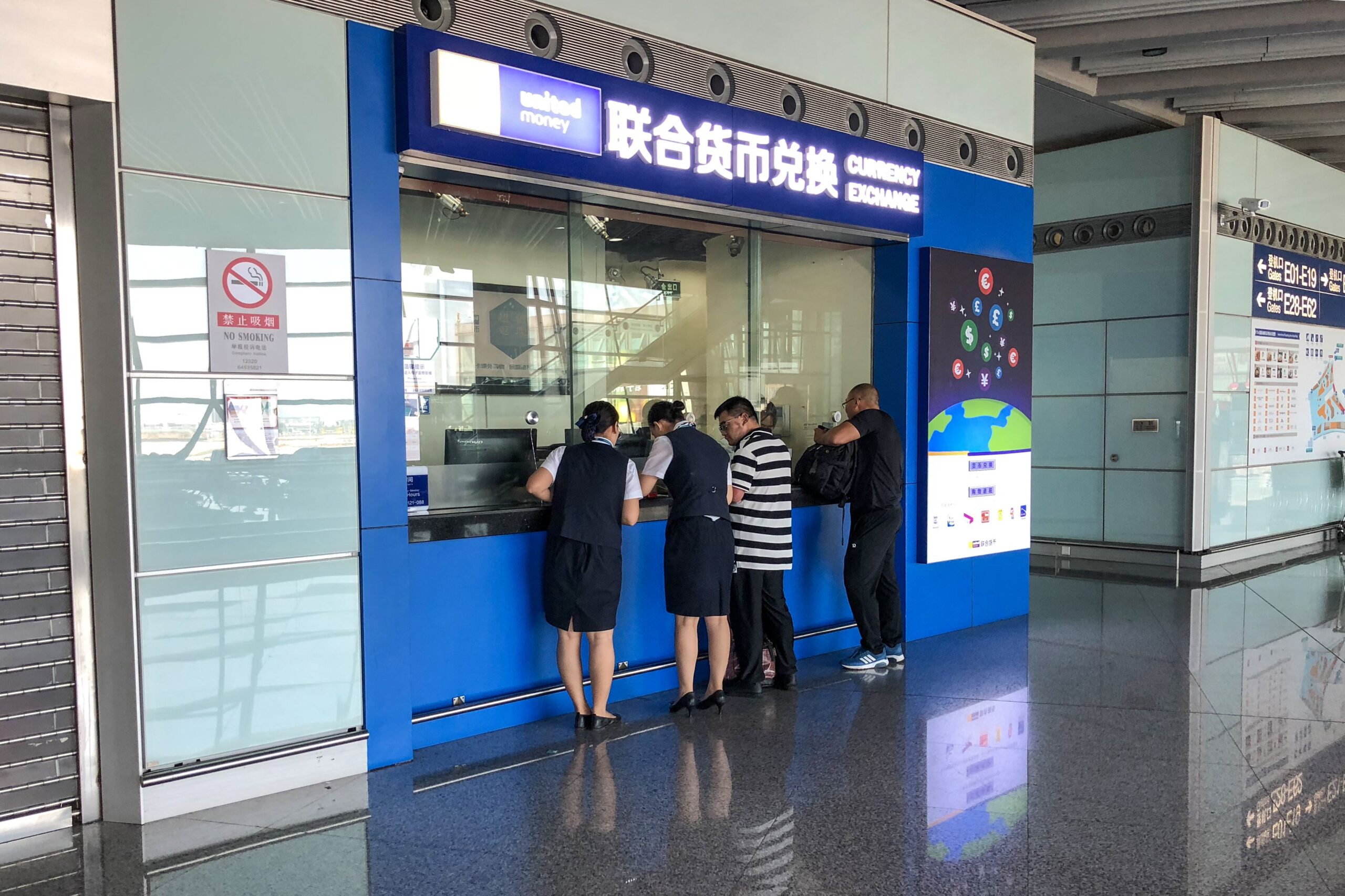
Airport currency exchange counters may be convenient, but they’re rarely economical. Exchange kiosks often build large markups into their rates while also charging service fees, meaning travelers receive significantly less local currency than they would elsewhere.
Financial experts generally recommend withdrawing cash from a bank-operated ATM after arriving at your destination or relying on a credit card that doesn’t charge foreign transaction fees whenever possible. Even small differences in exchange rates can add up over the course of an international vacation, especially for travelers exchanging several hundred dollars.
Assume Every Hotel Booking Site Has The Lowest Price

Online travel agencies make comparing hotels easy, but they don’t always offer the lowest overall value. Many hotel brands reserve exclusive discounts and perks for guests who book directly through their own websites.
Those benefits can include free breakfast, complimentary parking, room upgrades, flexible cancellation policies, loyalty points, or price-match guarantees that aren’t available through third-party booking platforms. Spending just a few extra minutes comparing rates directly with the hotel can lead to meaningful savings—or valuable extras that more than make up for a slightly higher nightly rate.
Eat Every Meal Near Major Tourist Attractions

Restaurants located directly beside famous landmarks typically charge a premium for convenience rather than quality. Whether it’s Times Square in New York, the Eiffel Tower in Paris, or the Colosseum in Rome, dining closest to the main attraction often means paying higher prices for smaller portions.
Experienced travelers frequently recommend walking just five to ten minutes away from heavily visited areas before choosing a restaurant. Neighborhood cafés and family-owned establishments often offer more authentic food, friendlier service, and noticeably lower prices. Many locals avoid the immediate tourist zones altogether, making nearby side streets some of the best places to find better meals for less.
Rent A Car Before Comparing Public Transportation
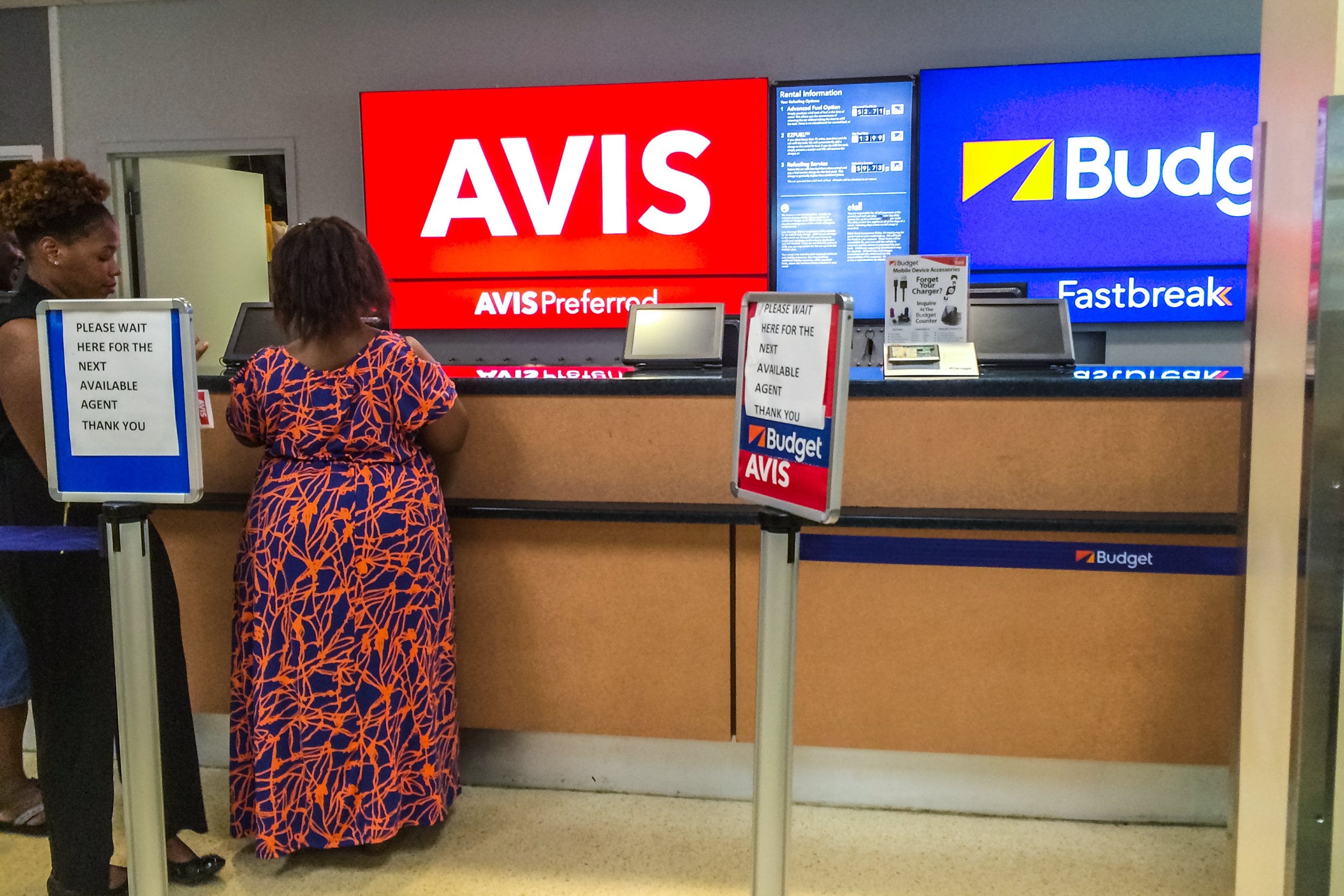
Many travelers automatically reserve rental cars without considering whether they actually need one. In many major cities, public transportation provides an easier and far less expensive way to get around.
Cities such as Chicago, Washington, D.C., London, Tokyo, and Barcelona have extensive transit systems that connect visitors to most major attractions. Once daily parking fees, fuel costs, tolls, and rental insurance are factored in, public transportation can save hundreds of dollars over the course of a vacation. Purchasing a multi-day transit pass is often one of the best travel values available.
Trending on Cheapism


Buy Travel Insurance Without Reading The Coverage
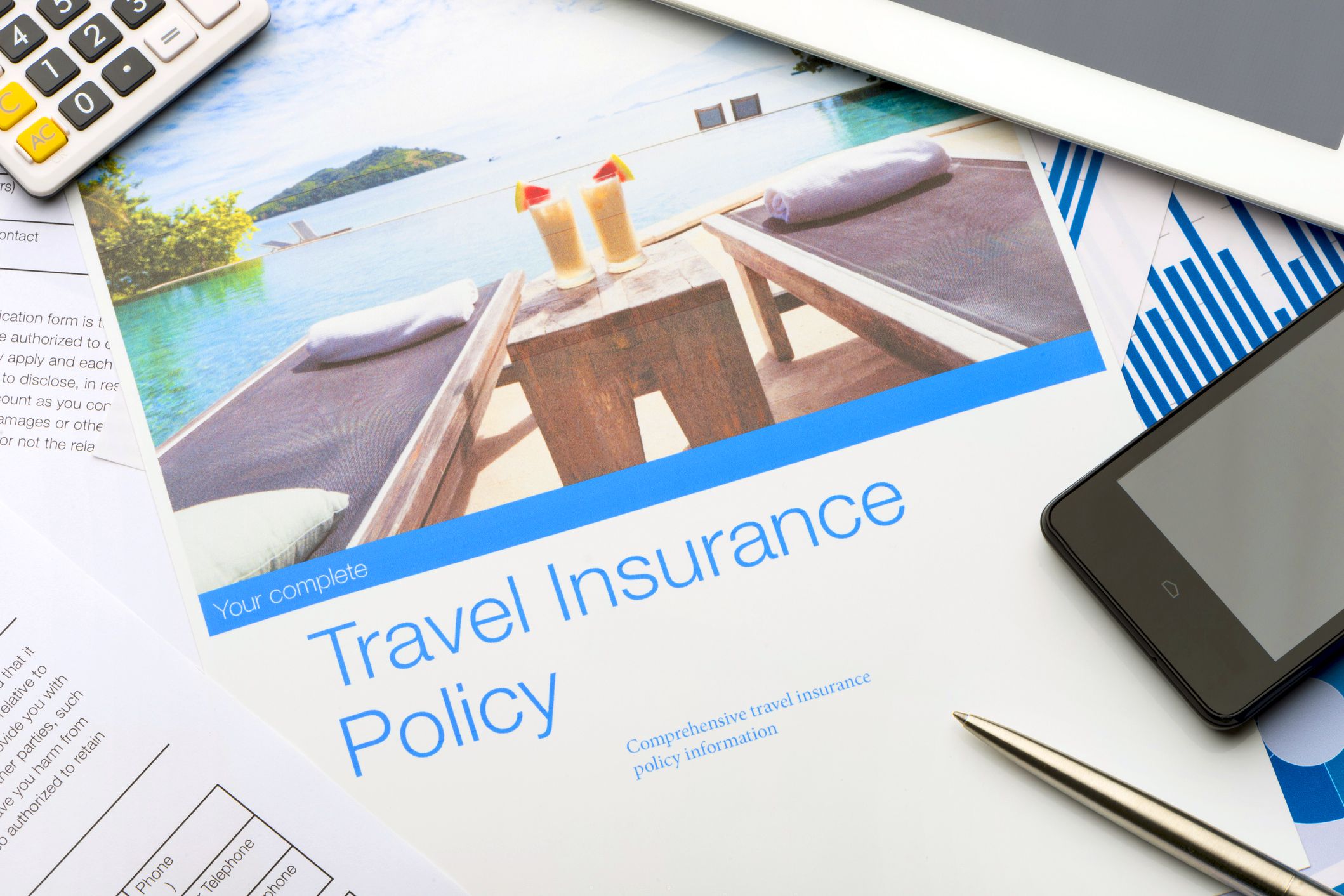
Travel insurance can provide valuable peace of mind, but not every policy offers the protection travelers expect. Basic plans often exclude cancellations related to pre-existing medical conditions, certain weather events, adventure sports, or supplier bankruptcies unless additional coverage is purchased.
Reading the policy before buying helps travelers understand exactly what’s covered and what isn’t. It’s also worth checking whether your credit card already includes benefits such as trip delay reimbursement, rental car coverage, or baggage protection, which may reduce the need to purchase overlapping insurance.
Ignore Resort Fees Until Checkout

That attractive nightly hotel rate may not reflect what you’ll actually pay. Many hotels—particularly in destinations like Las Vegas, Orlando, and Hawaii—add mandatory resort or destination fees that can increase the total cost by $30 to $60 or more per night.
These fees often cover amenities such as Wi-Fi, gym access, bottled water, or local phone calls, whether you use them or not. Before booking, compare the final total after taxes and mandatory fees rather than focusing solely on the advertised room rate. A hotel with a slightly higher nightly price but no resort fee may end up being the better value.
Buy Souvenirs At The First Gift Shop You See

The souvenir shops closest to famous attractions are usually the most expensive. Magnets, mugs, T-shirts, postcards, and keychains sold beside major landmarks often cost considerably more than identical items found elsewhere in the same city.
Many experienced travelers recommend waiting until later in the trip before buying souvenirs. Grocery stores, pharmacies, local markets, and neighborhood gift shops frequently sell the same products at lower prices. Delaying your purchases also helps reduce impulse spending and gives you time to decide which keepsakes you’ll actually appreciate after returning home.
Sign up for our newsletter
Use Your Debit Card For Everything Overseas
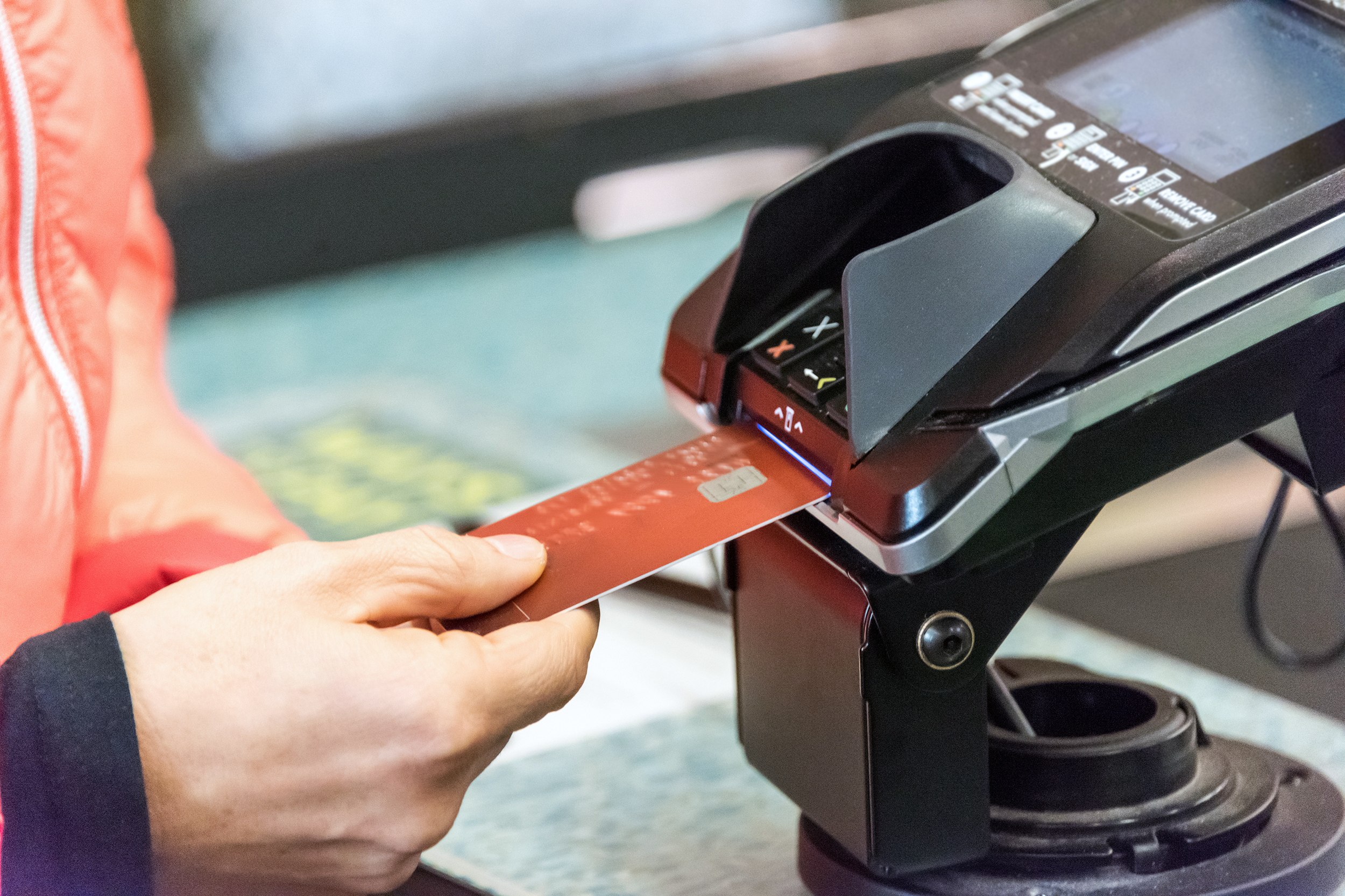
Using a debit card for every purchase abroad may seem convenient, but it can expose travelers to unnecessary financial risk. If your card information is stolen, fraudulent withdrawals come directly from your checking account, potentially leaving you without access to your money while traveling.
Many financial experts recommend paying with a credit card that offers strong fraud protection and no foreign transaction fees whenever possible. Debit cards are often best reserved for withdrawing cash from secure bank-operated ATMs, allowing travelers to better protect their primary funds while still avoiding unnecessary cash advance fees.
Book Flights Without Checking Baggage Fees

A low airfare doesn’t always mean you’re getting the cheapest trip. Budget airlines frequently charge extra for checked luggage, carry-on bags, seat selection, priority boarding, and even printing boarding passes at the airport.
Before booking, compare the total cost—including every fee you expect to pay—instead of focusing only on the advertised fare. A ticket that initially appears $50 cheaper may actually end up costing more once baggage charges and other add-ons are included.
Pay Full Price For Attractions Before Looking For City Passes

Many of the world’s most popular tourist destinations offer attraction passes that bundle admission to multiple sites for one discounted price. Programs like CityPASS and Go City often include museums, observation decks, zoos, aquariums, and public transportation.
For travelers planning to visit several attractions, these passes can reduce admission costs by 30 to 50 percent compared with purchasing individual tickets. Before buying, however, make sure you’ll realistically visit enough included attractions to justify the cost rather than paying for experiences you won’t have time to enjoy.
Skip Grocery Stores Entirely

Dining out is one of the highlights of many vacations, but eating every single meal at restaurants can quickly strain a travel budget. Even replacing one restaurant breakfast each day with groceries can lead to substantial savings over the course of a trip.
Local supermarkets also offer a unique glimpse into everyday life, with regional snacks, fresh produce, baked goods, and prepared foods that visitors might never encounter otherwise. Many seasoned travelers consider grocery shopping one of the easiest ways to stretch their budget without sacrificing the overall travel experience.
Leave Your Phone Roaming Without Checking Your Plan
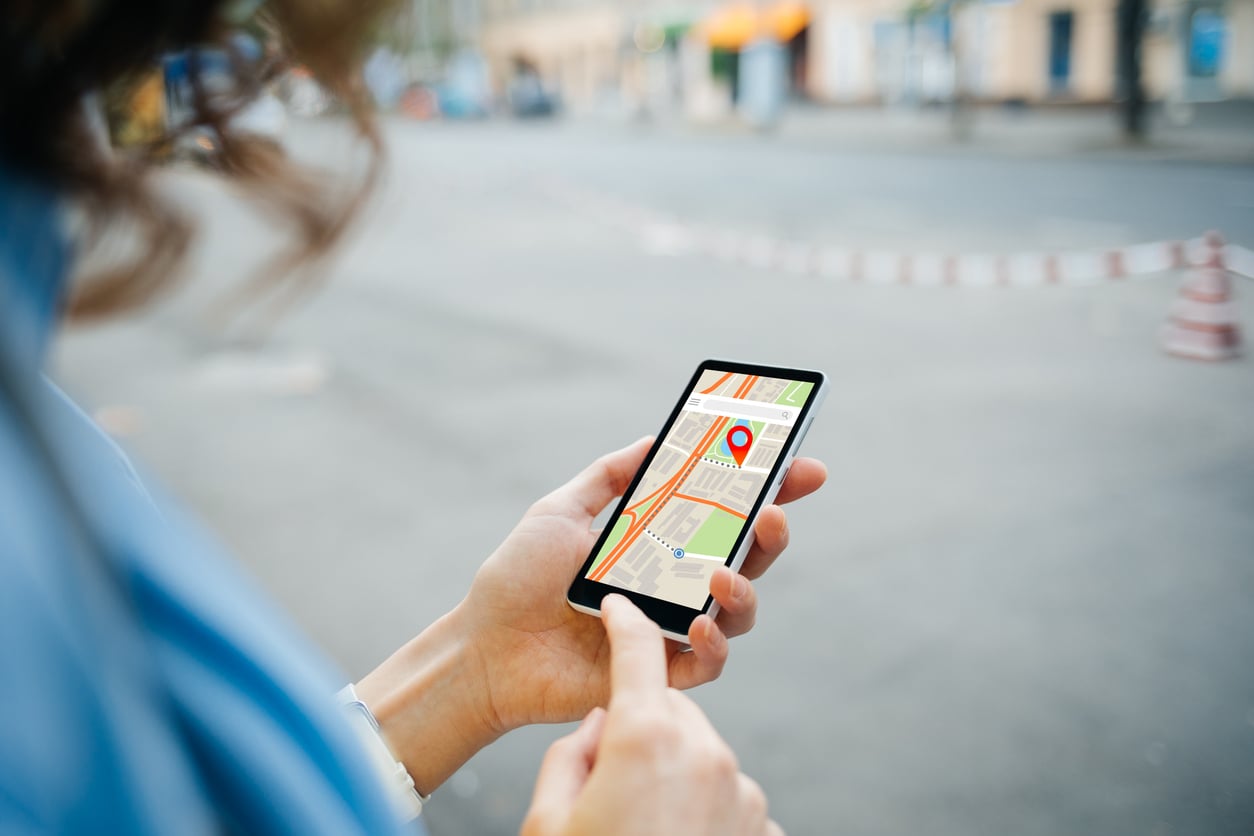
International roaming fees aren’t as common as they once were, but they haven’t disappeared. Travelers who assume their regular phone plan automatically includes international service sometimes return home to unexpectedly large bills.
Before leaving, check your carrier’s international options or consider purchasing an eSIM or local SIM card if your destination supports one. Tourist data plans have become increasingly affordable in many countries, providing reliable internet access for maps, translation apps, messaging, and transportation without excessive roaming charges.
Exchange Convenience For Dynamic Currency Conversion
When making purchases abroad, payment terminals often ask whether you’d like to pay in U.S. dollars instead of the local currency. While choosing your home currency may seem easier, it’s usually the more expensive option.
This practice, known as Dynamic Currency Conversion, allows the merchant or payment processor to set the exchange rate, which is often significantly less favorable than your card issuer’s rate. Travel experts generally recommend paying in the local currency whenever possible to receive a more competitive exchange rate.
Assume The First Excursion Is The Best Deal

Hotel concierge desks and cruise lines make booking excursions incredibly convenient, but convenience doesn’t always translate into the lowest price. Similar tours are often available through independent operators at substantially lower rates.
Before committing, compare prices on platforms such as Viator or GetYourGuide and read recent customer reviews. Independent operators frequently offer nearly identical experiences with smaller groups, more flexible schedules, and lower prices, making them an excellent option for budget-conscious travelers.
Forget To Check Whether Your Credit Card Includes Travel Perks

Many travelers purchase services they already have through their credit card benefits without realizing it. Depending on the card, perks may include rental car insurance, trip delay reimbursement, baggage protection, airport lounge access, travel medical assistance, hotel credits, or TSA PreCheck reimbursement.
Reviewing your card’s travel benefits before departure can eliminate unnecessary purchases while providing valuable protection throughout your trip. Taking advantage of benefits you’re already paying for through annual card fees is one of the simplest ways to reduce overall vacation costs.
Why Small Vacation Mistakes Become Big Expenses

Most vacation overspending doesn’t happen because of one extravagant purchase. Instead, it’s the accumulation of small decisions—airport snacks, hidden hotel fees, overpriced souvenirs, unnecessary transportation costs, poor currency exchange rates, and overlooked travel perks—that quietly inflate the total cost of a trip.
The encouraging news is that nearly all of these expenses can be avoided with a little preparation. Comparing prices before booking, understanding common travel fees, and taking advantage of discounts and benefits you already have can make a significant difference. By avoiding these common vacation mistakes, you’ll spend less worrying about your budget and more time enjoying the experiences that made you want to travel in the first place.