Many restaurants have undergone a transformation in recent decades, ranging from the number of dishes on their menus to the introduction of QR codes and online reservation systems. However, some restaurant trends have gone unnoticed by customers, so we’re revealing them to you below!
Menus Got Smaller
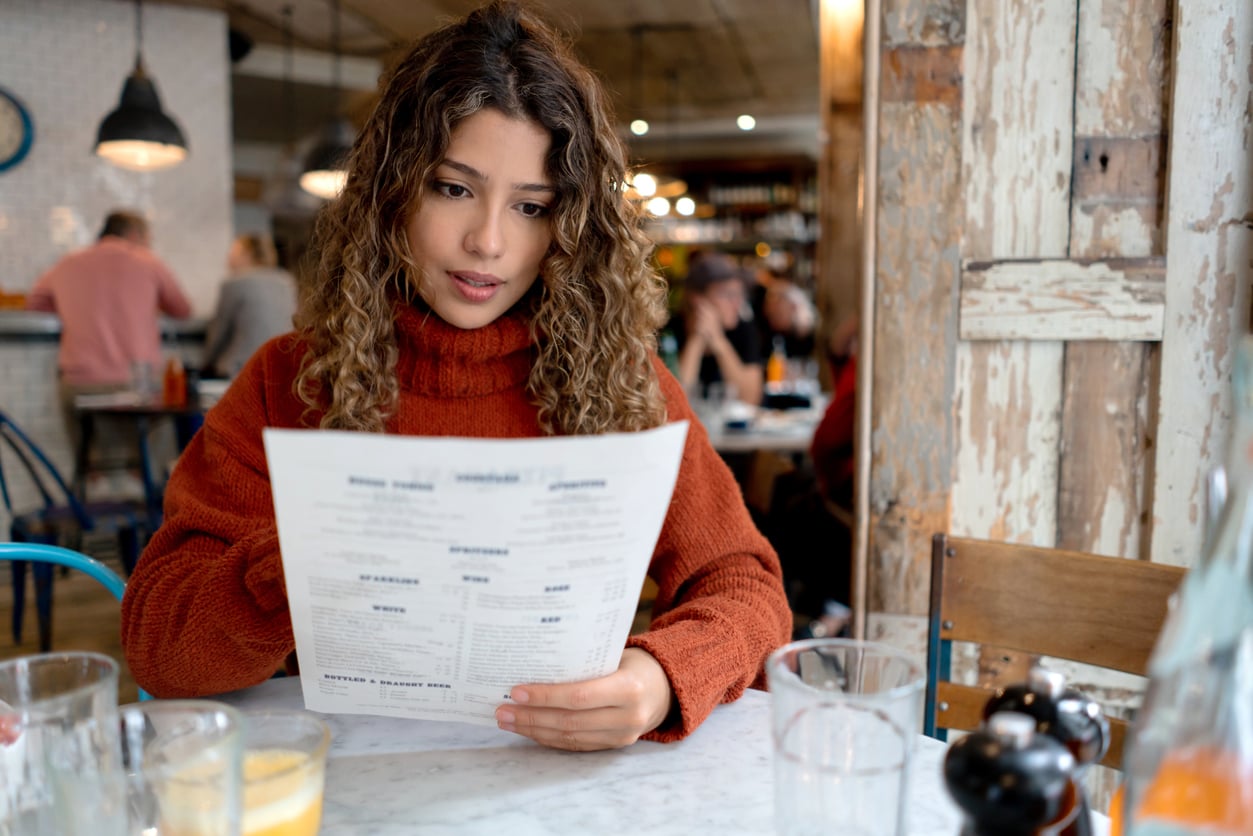
One of the changes restaurants have undergone is scaling back their menus to focus on fewer dishes. Restaurant trends like smaller menus can help reduce inventory, cut down on waste, and eliminate complex, labor-intensive kitchen preparations. Some customers have noticed the shorter menus, which help the restaurant prepare dishes quickly due to the reduced number of options.
QR Codes Became Normal
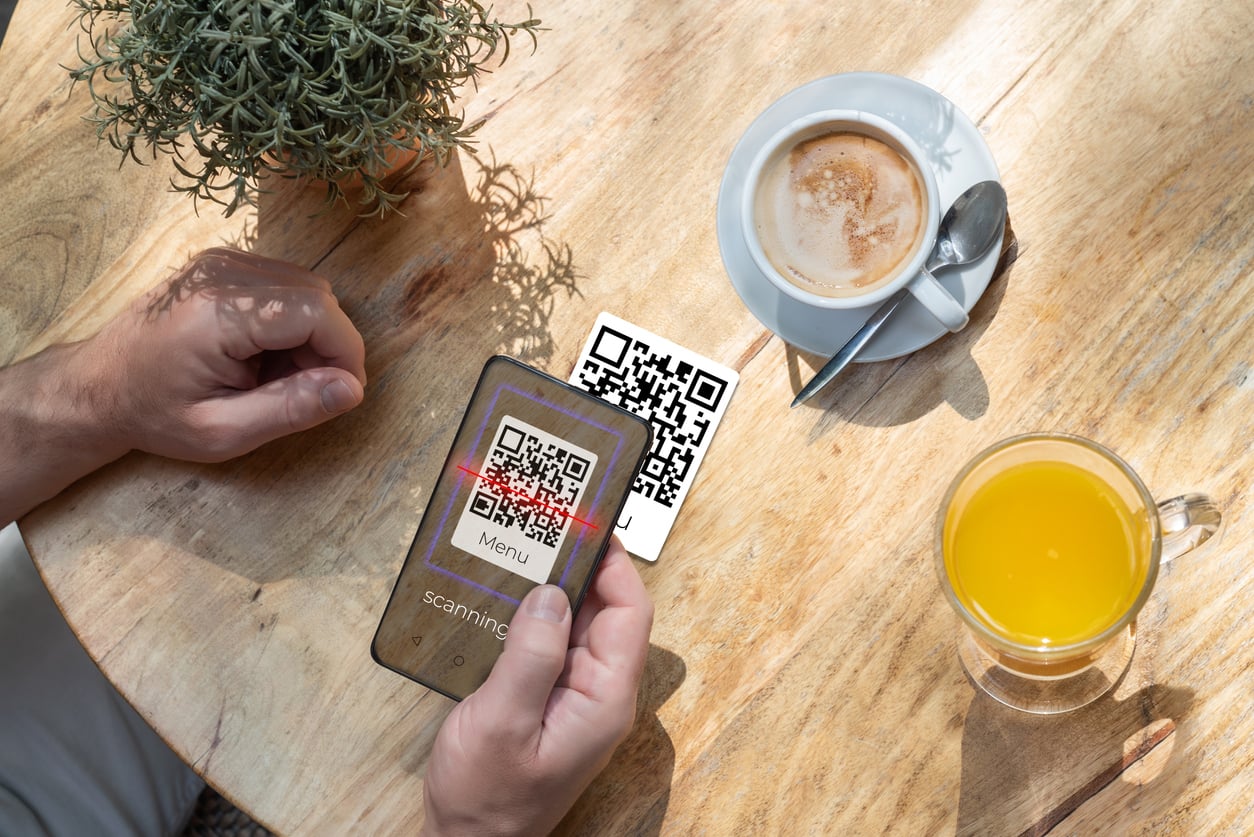
In the past, printed menus were used, but now restaurants expect customers to scan a QR code to see what is available. This is one of the restaurant trends that makes menus easier to update when prices fluctuate or dishes change. Physical menus are increasingly disappearing from tables, replaced by mobile phones, though this change in habit may be inconvenient for those who make it a rule to take a break from screens while eating.
Prices Change More Often
Since food prices fluctuate significantly due to supply chains, transportation costs, and raw materials, restaurants often find it easier to use digital menus rather than printed menus of the past, that required reprinting when prices change. This is one of the restaurant trends that reflects the need for greater flexibility as labor and ingredient costs change much more rapidly than they used to.
Delivery Became Part of the Restaurant’s Main Business
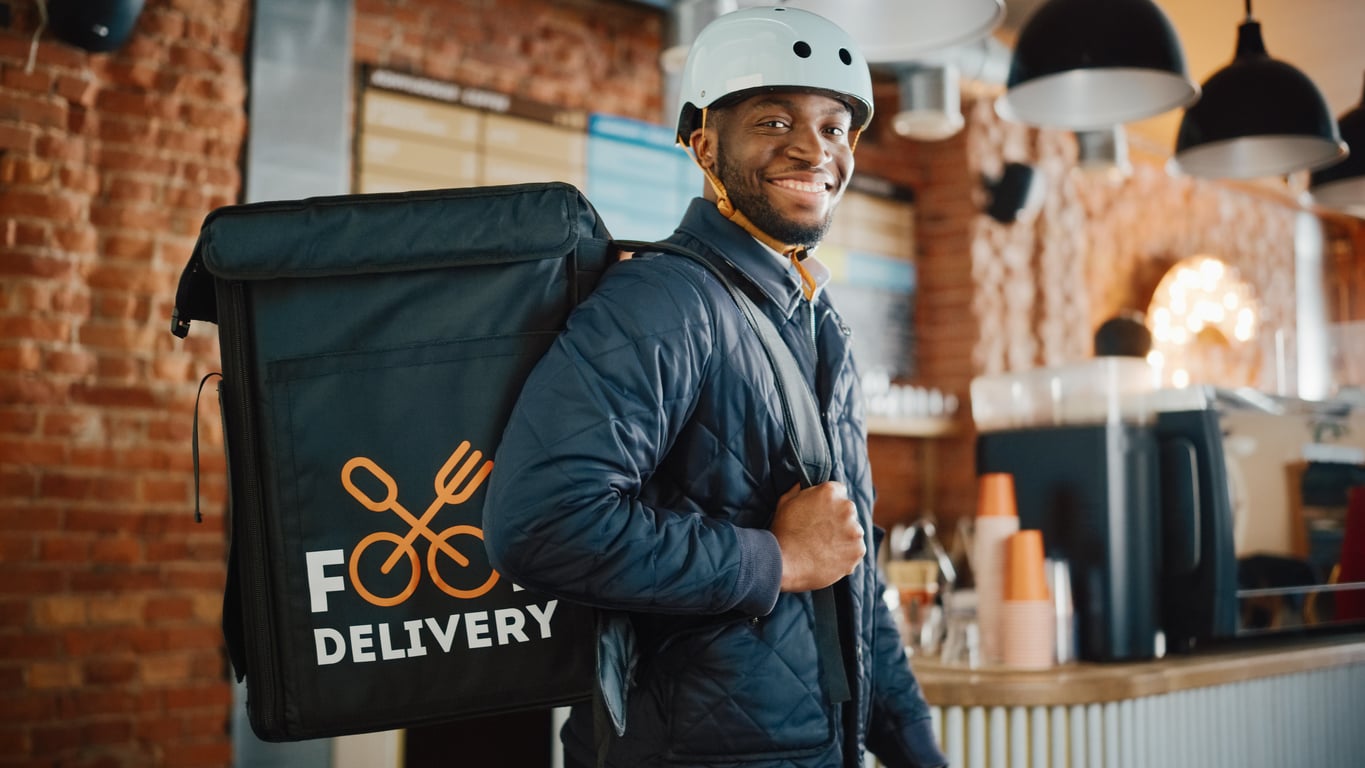
A few years ago, takeout service was often a secondary priority for many restaurants because people didn’t order delivery as much as today. Nowadays, restaurants trends include emphasis on delivery apps and pickup orders, which account for a significant share of sales. This societal shift means that diners now notice stacks of sealed bags near the exit and couriers moving through the dining room, as kitchen staff prepare dishes not only for those eating on-site but also for home deliveries.
The Host Stand Became a Pickup Station
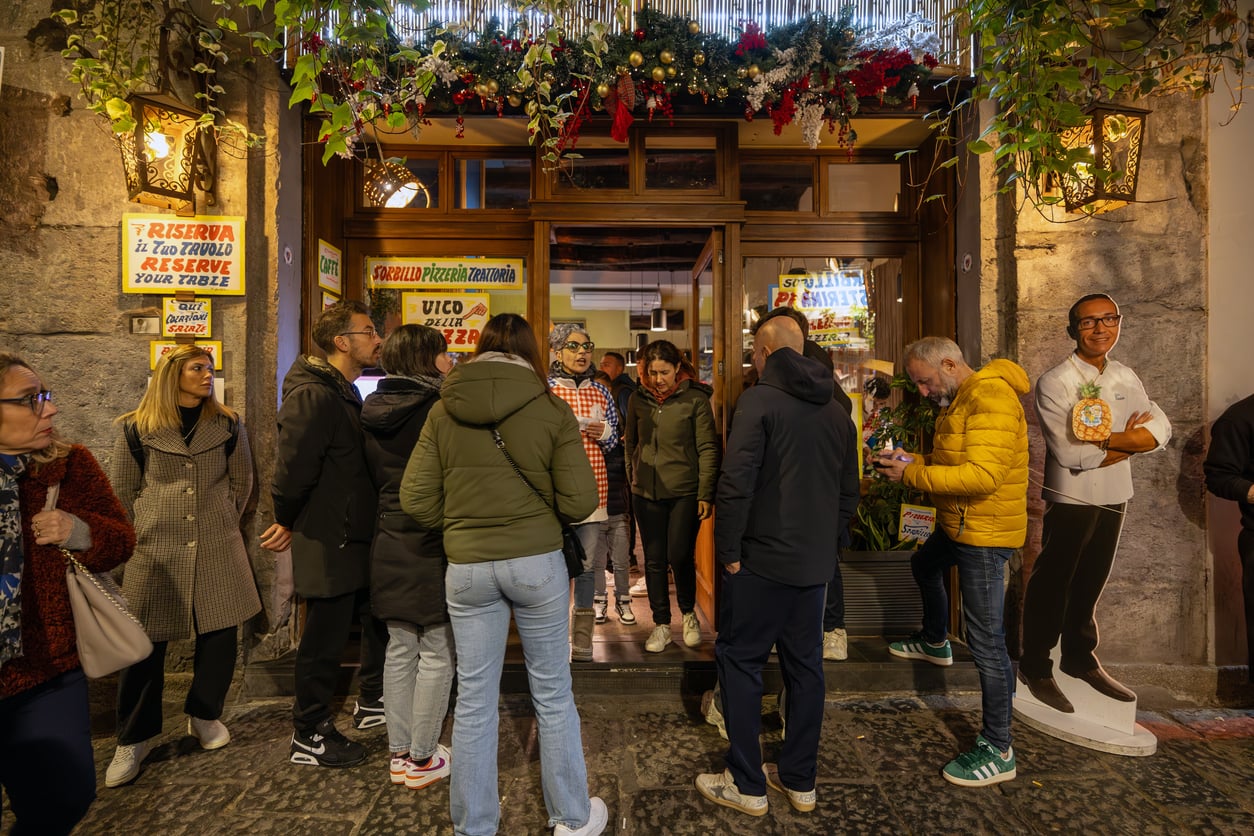
Another shift in restaurant trends involves the entrance area. Previously, it served solely to welcome dine-in customers. In recent years, however, this space has become a hub for delivery drivers, mobile order stations, and takeout pickup shelves. Restaurants have had to adapt their existing layouts to redesign their premises and facilitate speedy service. You might now find the reservation tablet, pickup bags, and waiting diners all in the same area.
Trending on Cheapism
More Restaurants Expect Reservations for Ordinary Meals

Many people used to book restaurant tables to enjoy an upscale dining experience featuring elaborate dishes that were difficult to prepare at home. One of the restaurant trends today is the popularity of more casual dining, and most restaurants expect reservations for ordinary meals. Online booking has simplified the reservation process for both customers and restaurants, and popular casual dining spots can now have their slots filled days in advance.
Waitlists Moved Onto Phones
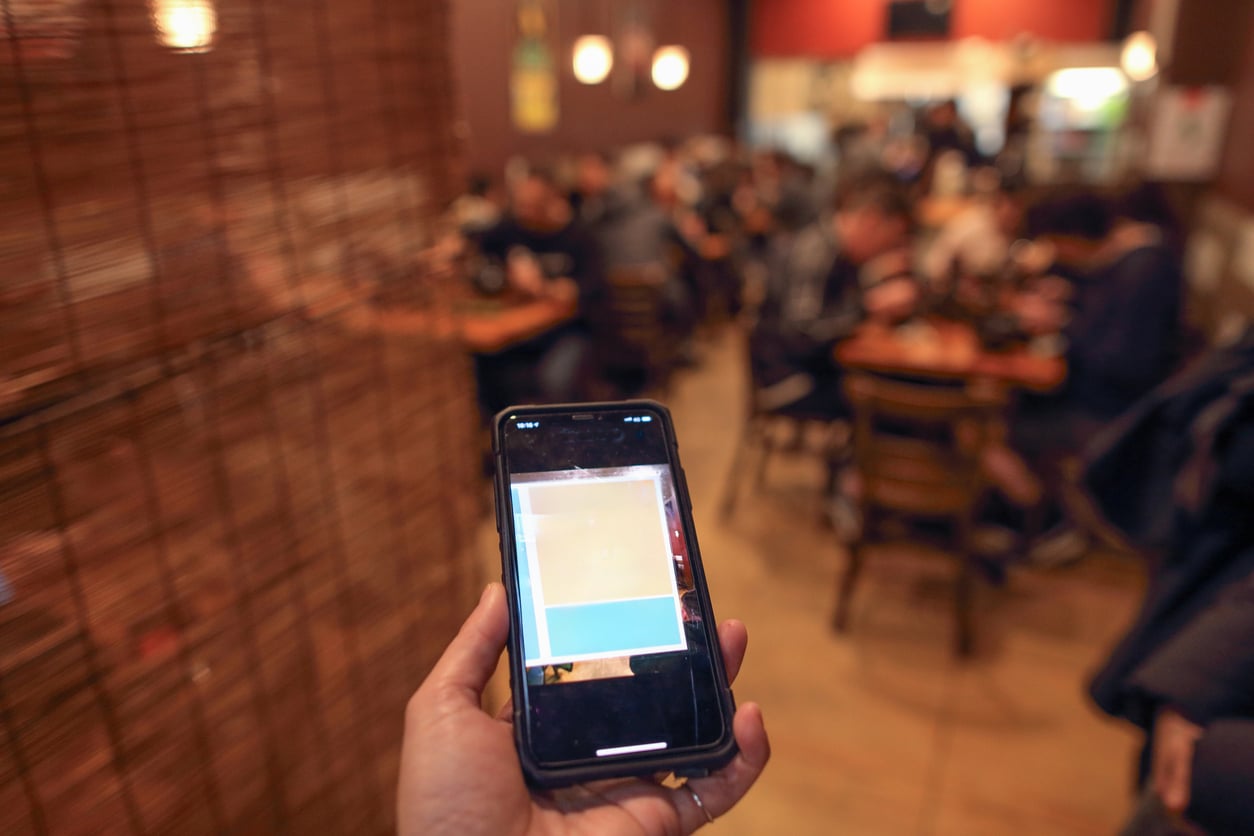
In the past, people arriving at a restaurant before a table was ready would typically wait at the entrance to hear their name called. One of the more convenient restaurant trends is receiving a text message when your table is ready, allowing diners to walk around the area near the restaurant instead of waiting at the door.
Servers Carry Handheld Ordering Devices
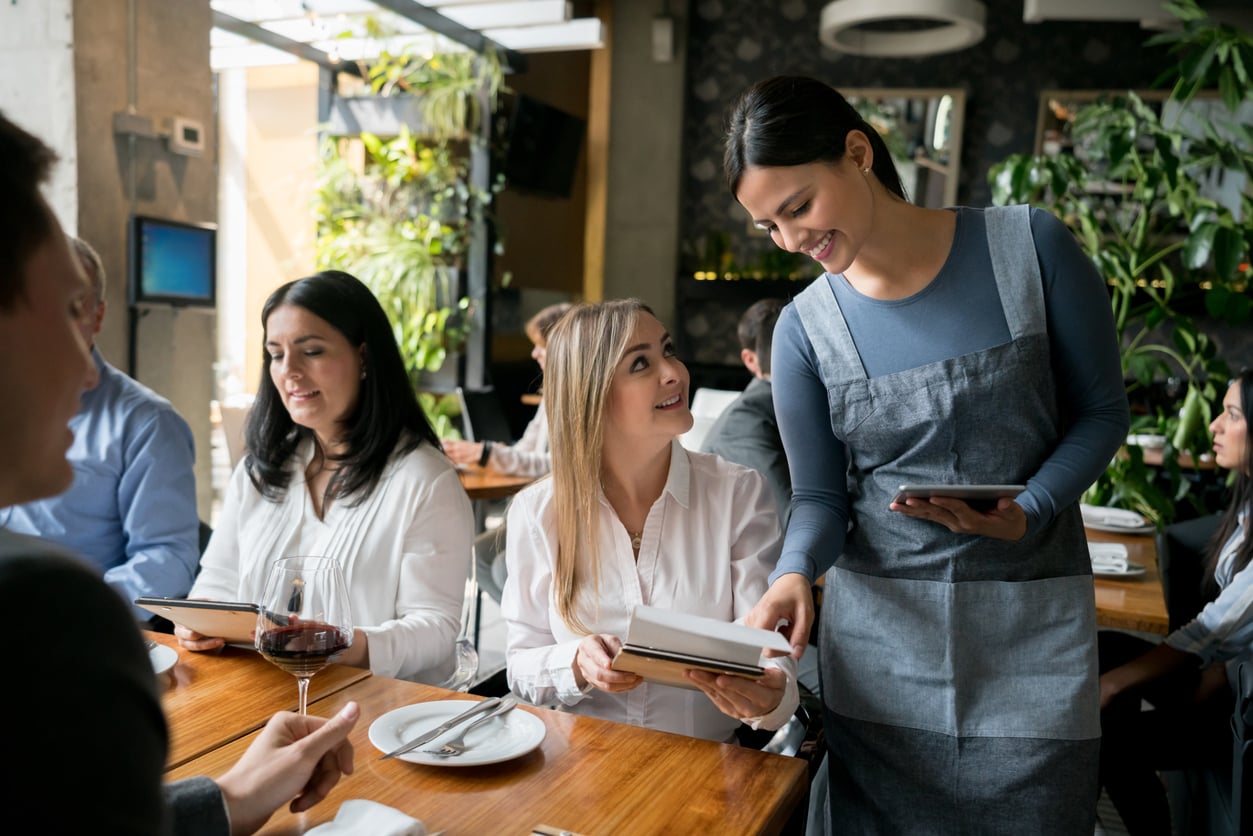
You have likely noticed that servers in many restaurants carry handheld ordering terminals where they enter customers’ orders, which immediately appear on a kitchen screen, thereby streamlining preparation and preventing errors in order notes. This is one of the restaurant trends that can make service much smoother and eases the workload, especially in high-volume restaurants. The days of servers carrying pen and paper have been left behind.
Sign up for our newsletter
Payment Comes to the Table
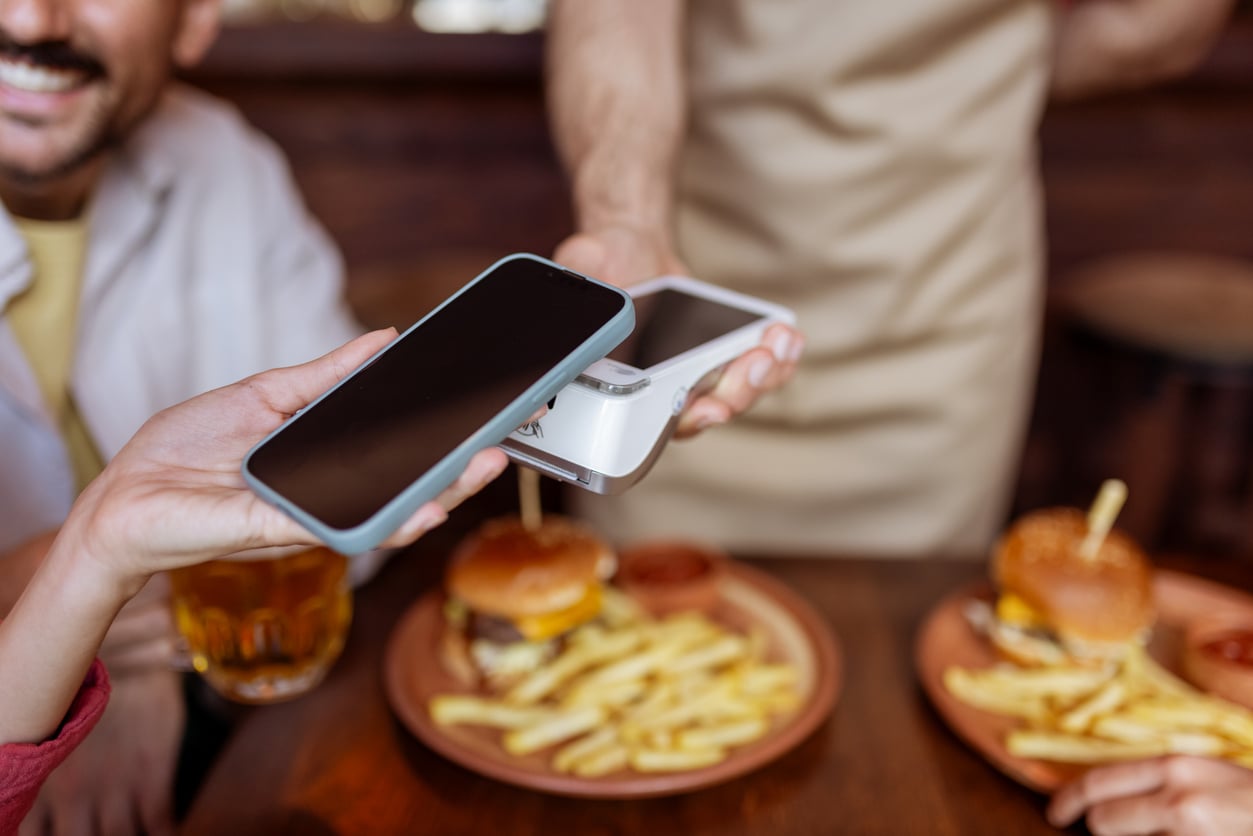
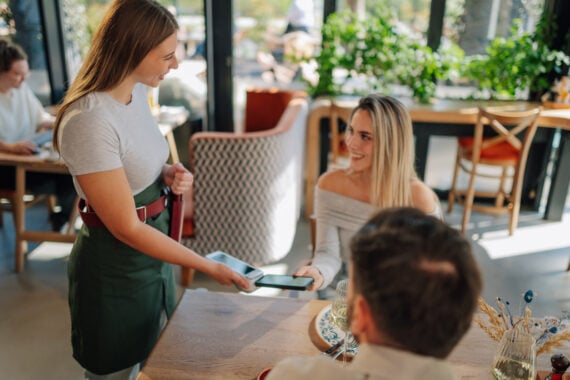
In the past, restaurants handled far more cash payments. Staff would take the cash and go to the register to get change. Nowadays, many people pay using apps or cards, so a handheld card reader is brought directly to the table, speeding up the payment process and displaying the charges right on the screen. One of these restaurant trends also makes payment more convenient and transparent.
Counter Service Started Looking More Like Full Service
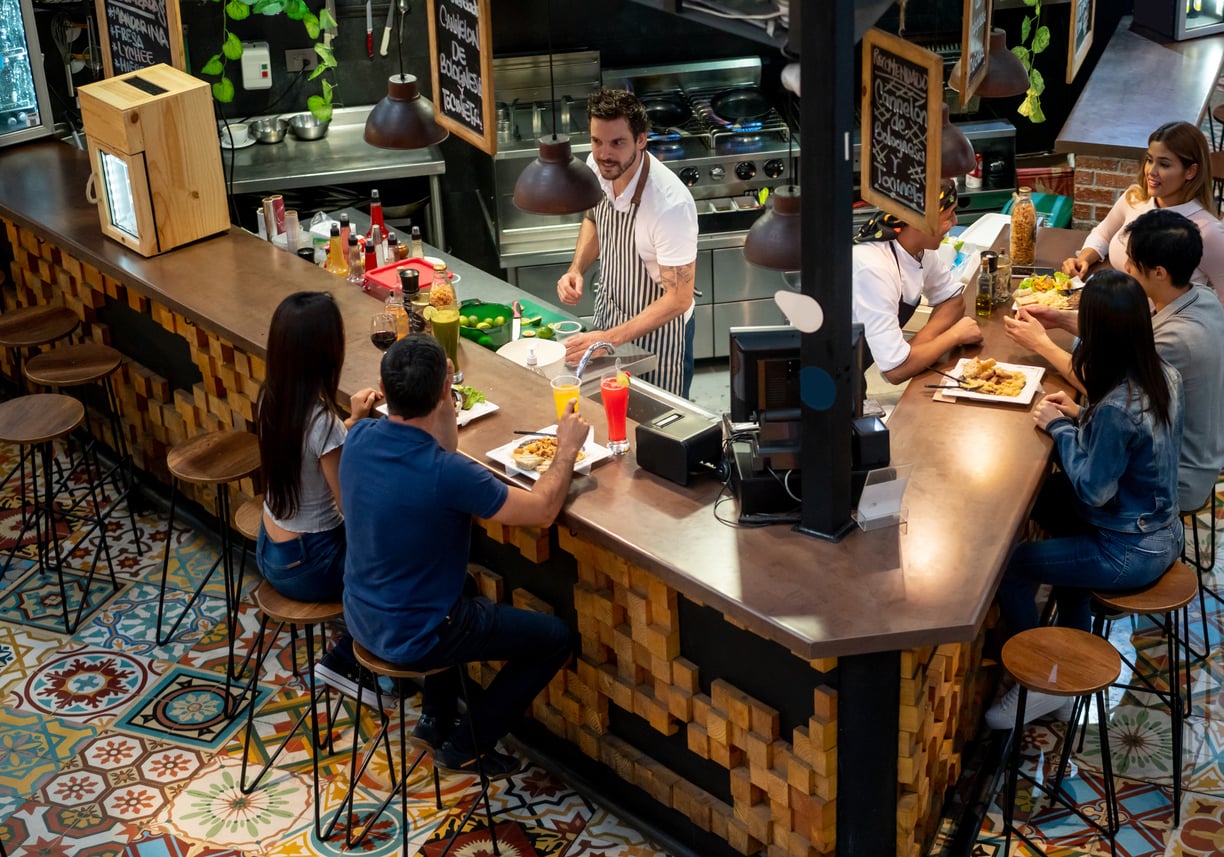
Some restaurants have changed the way they treat customers. An increasing number are employing food runners, serving alcohol, offering a more polished dining room, or presenting a chef-driven menu. These restaurant trends have made it harder to categorize establishments strictly as fast food, casual dining, or full-service. You might order at a counter, something considered a budget option just a few years ago, yet still end up spending $20 to $30 per person.
Full-Service Restaurants Started Acting More Like Fast Casual

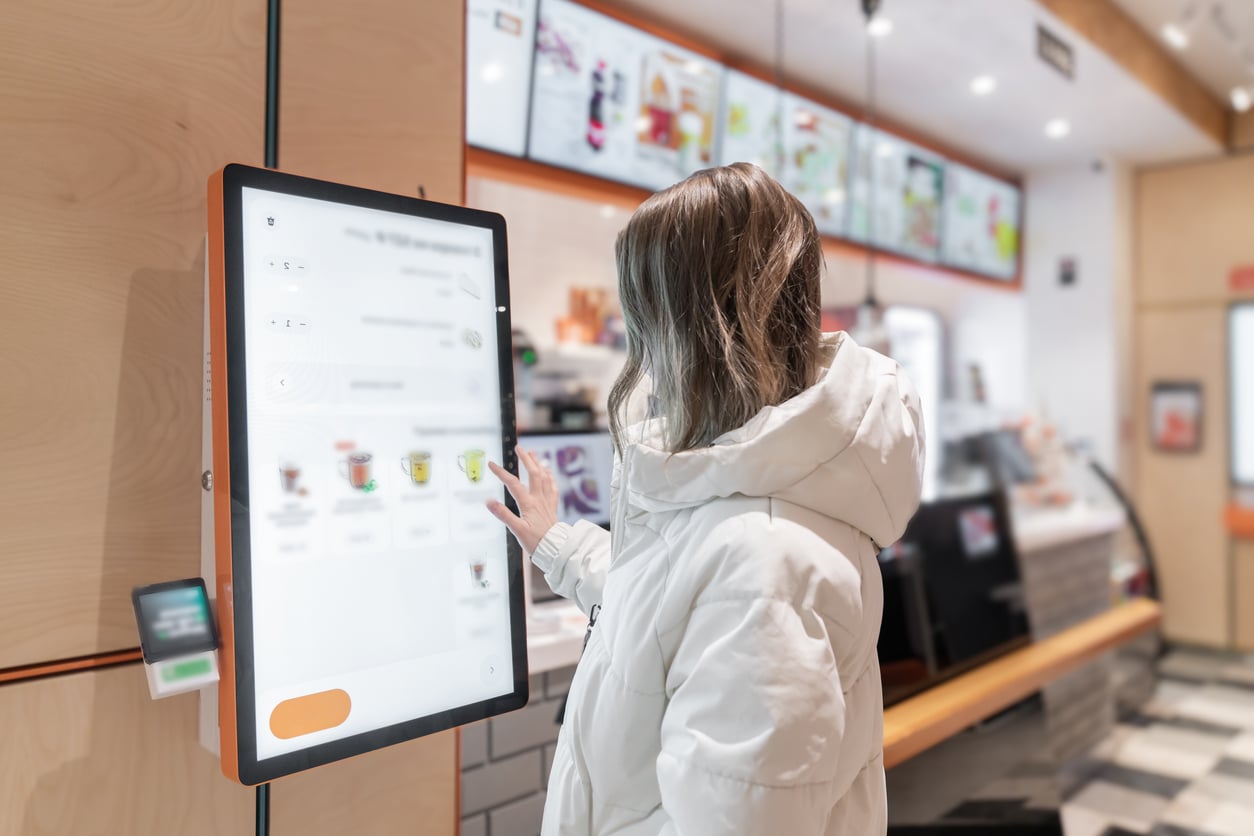
In general, customers seem to be looking for a ‘fast-casual’ style of service rather than full-service or upscale dining. This is one of the restaurant trends behind investments in self-ordering systems, kiosks, QR-code ordering, and counter pickup options. This new approach relieves pressure on the staff and minimizes interaction between servers and customers during the meal. While this is a plus for those seeking faster service, it also results in less personalized attention.
Portions Became More Strategic
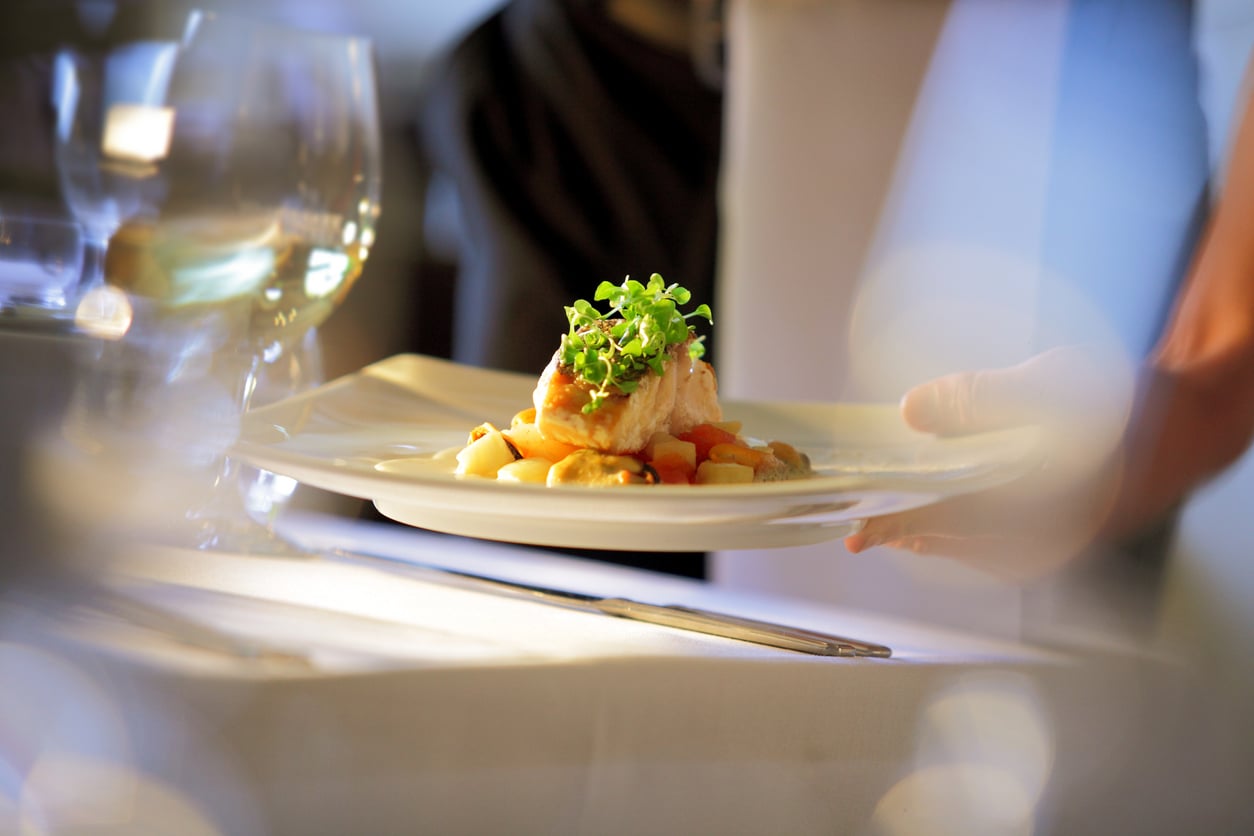
The approach to plating has changed, as restaurants now use smaller plates, redesigned side dishes, or strictly controlled portion sizes to manage costs and inventory. These restaurant trends can help restaurant manage food costs associated with over-portioning. Nowadays, controlling portion sizes is a far more subtle strategy than simply raising the price of a dish.
Side Dishes Became Add-Ons
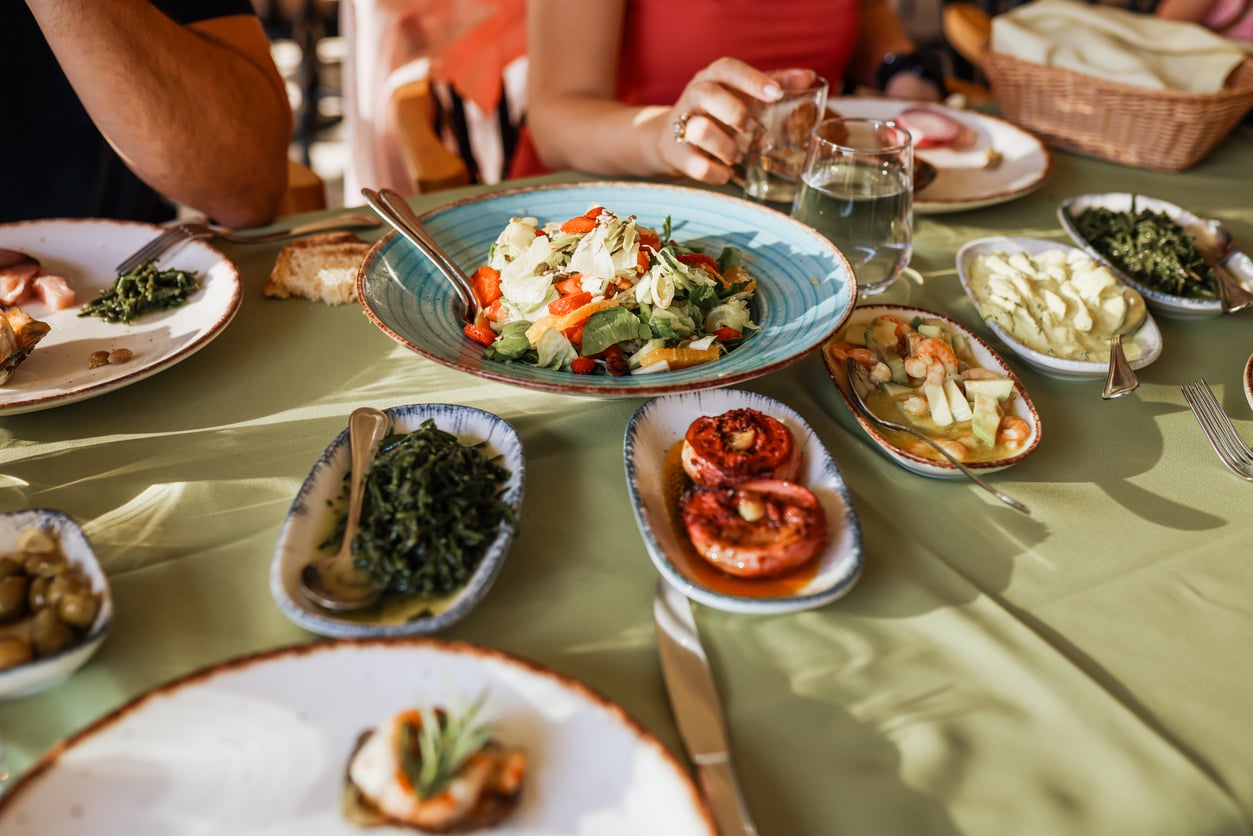
Some meals no longer include soup, salad, bread, or multiple sides; nowadays, you have to pay for them separately. This restaurant trends, known as unbundling, allows restaurants to advertise a lower entrée price while charging extra for add-ons. If you add sides to a meal, the final cost can end up being much higher than the initial advertised price.
Restaurants Lean Harder on Limited-Time Specials
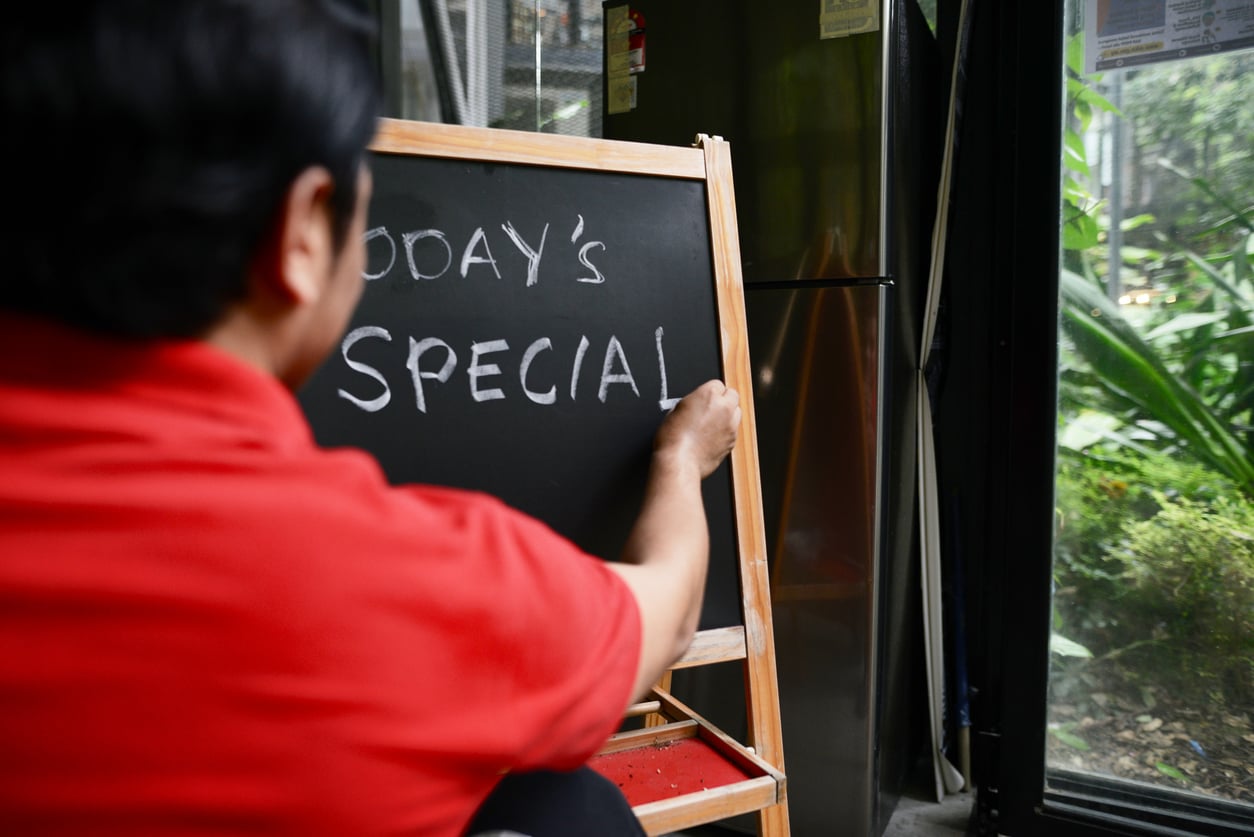
‘Limited-time specials’ dishes are a strategy food from established restaurants which typically feature seasonal vegetables or meats. These restaurant trends can create a sense of urgency among customers to try dishes before they are potentially removed from the menu. From the restaurant’s perspective, this serves as a way to test dishes and gauge their reception, helping to determine whether they should be added to the permanent menu.
Dining Rooms Became Louder
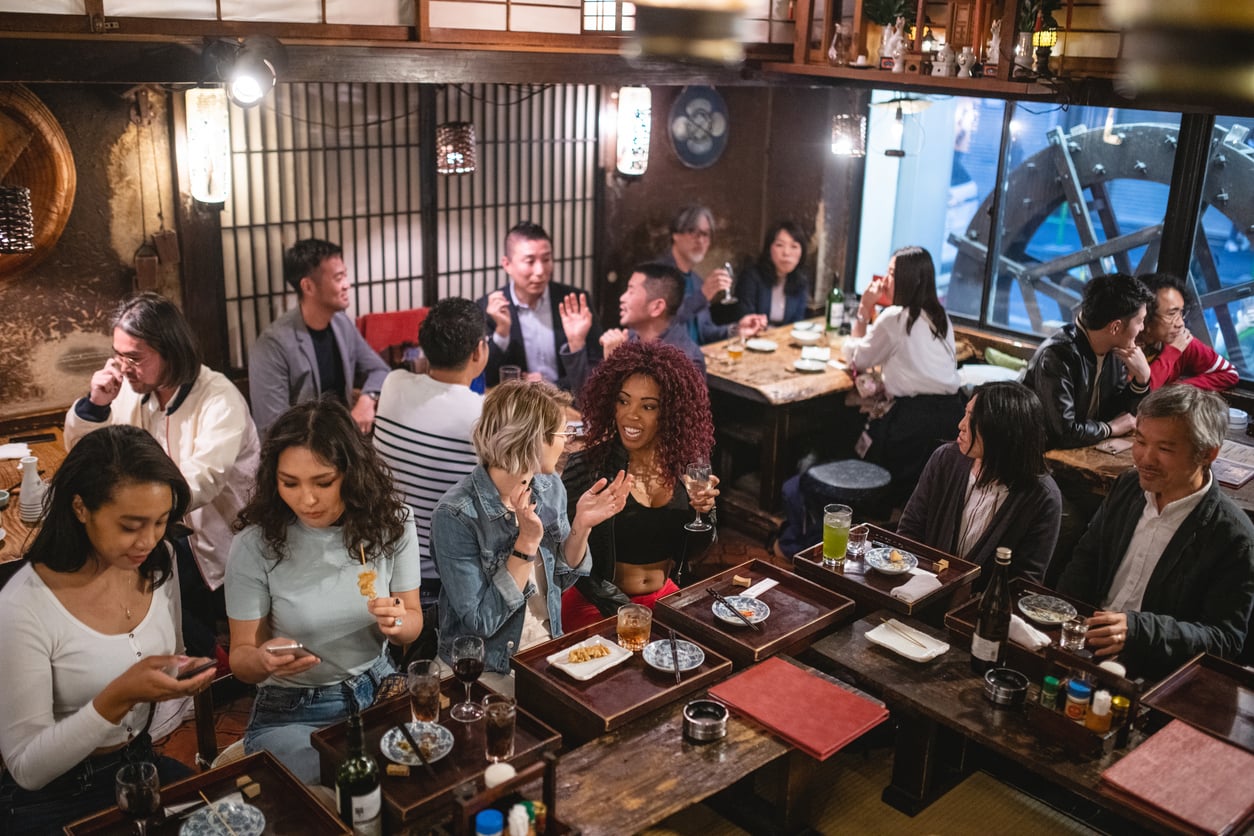
Restaurant designs from a few years ago incorporated carpeting, curtains, upholstered booths, and other sound-absorbing materials, elements that have since become less common in some modern restaurant designs. Nowadays, restaurants often feature concrete floors, exposed ceilings, hard-surfaced tables, and open kitchens. These materials and the modern industrial aesthetic, which favors open spaces, result in higher noise levels within the venue.
Restaurants Design More Around Turnover
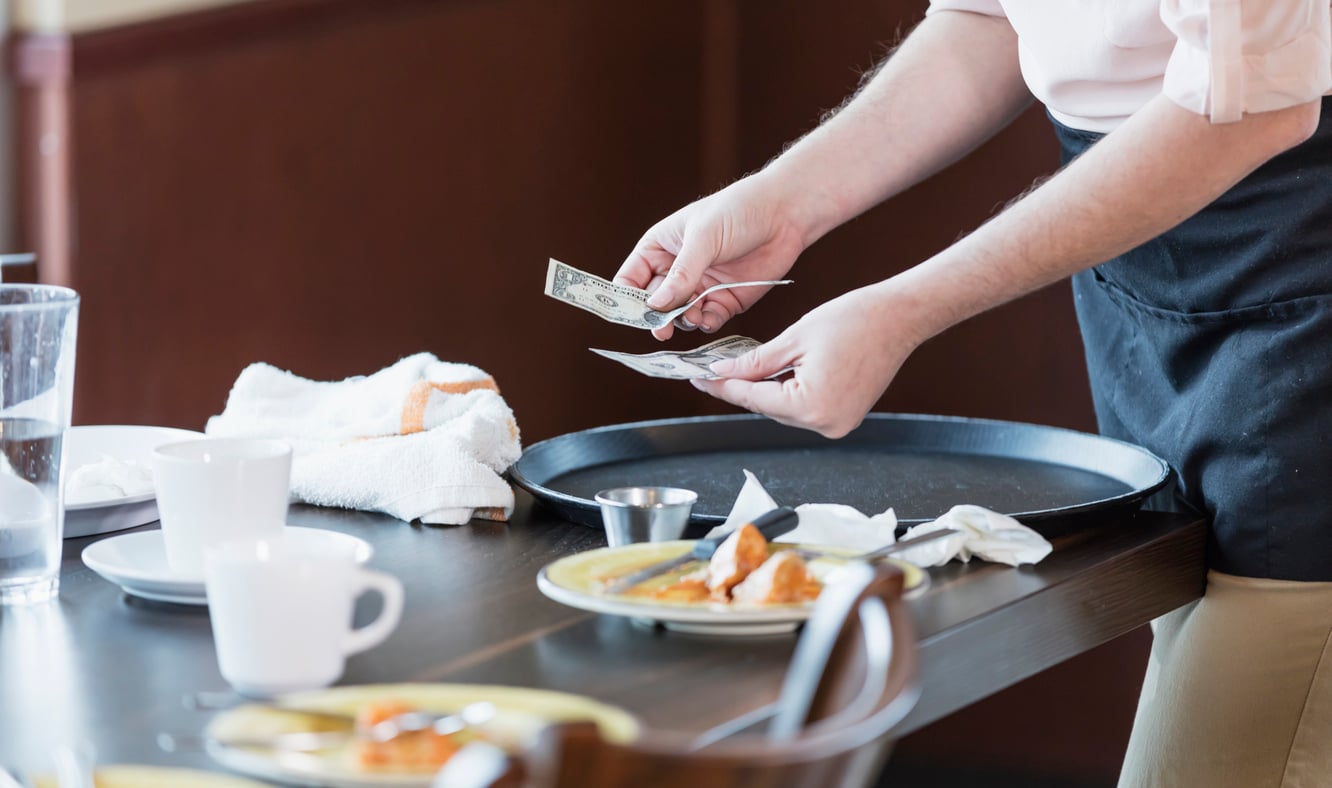
Another of the restaurant trends is the effort to serve more customers without adding seats. Reservation timing, payment systems, and menu structures are designed to ensure a smoother flow of table turnover besides improving efficiency and allowing more order accuracy. Faster check delivery, tighter reservation windows, and fewer reasons to linger indefinitely all contribute to higher table turnover rates.
Conclusion
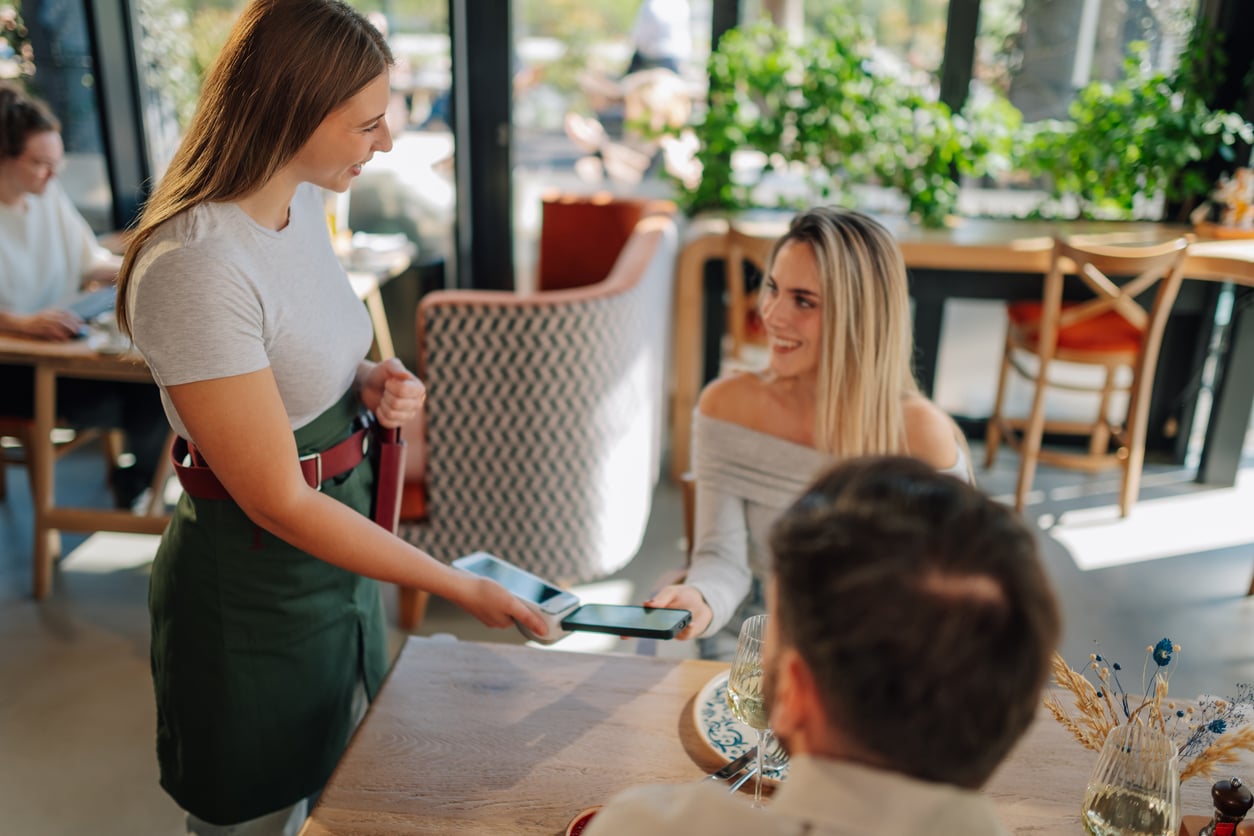
Meals may seem less lavish and more fragmented compared to a few decades ago, but the most significant changes in restaurants have been less conspicuous. They relate more to how people order, pay and what they actually eat. Handheld payment devices reflect a desire to reduce table turnover time and also improving convenience and order accuracy, yet other shifting habits, such as smaller portion sizes, are transforming the entire dining experience.