Baby boomers are not slowing down when it comes to travel. Their travel behaviors are shifting toward more frequent trips, better deals, off-season vacations, international adventures, and more flexible ways of planning. Recent AARP travel research shows that adults 50 and older continue to make travel a major priority, even as rising costs influence when, where, and how they go.
They Are Taking More Trips Than They Expected

Older Americans have repeatedly shown that their travel ambitions can grow after the year begins. AARP found that adults 50-plus expected to take 3.6 trips in 2025 but actually took 4.2, and its newer research says travel remains a major priority going into 2026 Flexible retirement schedules can make an extra getaway easier to fit in when a good airfare, family invitation, or unexpectedly open week appears. That flexibility is something many working-age travelers simply do not have.
Travel Is Moving Up the Retirement Budget

Travel is competing successfully with plenty of other things boomers could spend discretionary money on. In AARP’s 2026 survey, 86% of respondents 50 and older placed travel and vacations among their top three discretionary-spending priorities, ahead of entertainment. That does not mean retirees are throwing financial caution aside. Many are simultaneously worried about rising costs. Think less “spend whatever it takes” and more “this is important enough that I am going to make room for it in the budget.”
They Are Hunting Harder for Deals

Having retirement savings does not mean wanting to overpay. AARP’s current research describes older travelers comparison shopping, using loyalty programs, and looking for discounts as they try to stretch vacation budgets. That can mean checking several airfare dates, cashing in hotel points, comparing packages against booking everything separately, or moving a trip by a few weeks for a better price. For value-minded boomers, the goal increasingly seems to be saving on the forgettable parts so there is more money for the experiences that matter.
They Are Giving AI a Chance

Generative AI is beginning to join the travel-planning toolkit of older adults. AARP says AI use for travel planning is growing, particularly for finding deals and customizing itineraries, while its broader technology research shows adoption of generative AI among adults 50-plus has risen substantially. That does not make traditional guidebooks, travel agents, or Google obsolete. AI can be useful for brainstorming routes and comparing ideas, but flight schedules, admission prices, visa rules, and opening hours still deserve verification with the airline, government agency, or attraction itself.
They Are Discovering the Power of the Shoulder Season

One of boomers’ biggest advantages may simply be control over the calendar. Booking.com’s 2026 global survey found that 63% of boomers planned to travel outside peak season, compared with 48% of Gen X, 41% of millennials, and 36% of Gen Z. September in Europe or spring in a popular U.S. destination can bring fewer crowds and, depending on the location, lower hotel rates. The catch is that off-season can also mean reduced hours, seasonal closures, or worse weather, so cheaper does not automatically mean better.
Trending on Cheapism


Extreme Weather Is Changing the Calendar Too

Avoiding July crowds is one thing; avoiding dangerous heat is another. Booking.com’s 2026 research found that 74% of travelers overall consider extreme-weather risk when choosing both a destination and travel timing, while 31% had recently changed or canceled plans because of extreme weather or natural disasters. This was not a boomer-only result, but retirees often have more freedom to respond. A Mediterranean vacation that once automatically meant midsummer might make more sense in May, September, or October when temperatures can be easier to handle.
International Trips Are Becoming Harder to Put Off

Older Americans are showing substantial interest in getting farther from home. AARP reported that international interest among 50-plus travelers rose entering 2025, with bucket-list experiences a major motivation. Current 2026 AARP guidance says 41% of adults 50-plus planned to travel both domestically and internationally. For many boomers, that can turn the long-discussed trip to Italy, Japan, Africa, or another distant destination into a “why not now?” decision rather than something indefinitely saved for later. Long-haul airfare, insurance, and exchange rates, however, can make these trips expensive quickly.
They Are More Willing to Fly

The stereotypical retirement road trip is not disappearing, but recent AARP research spotted a shift toward the airport. Entering 2025, 46% of adults 50-plus planned to travel by plane, up from 38% a year earlier, while planned car travel declined. Older members of the group were still more inclined to drive, so this is hardly universal. Still, greater interest in flying fits neatly with the broader appetite for international and long-distance trips. The downside is obvious: airfare remains one of the expenses older travelers watch closely.
Sign up for our newsletter
Vacations Are Becoming Three-Generation Affairs

The family vacation is getting bigger. AARP’s 2026 research found that 57% of older travelers were motivated by spending time with loved ones and that about one in four trips included three generations. That creates a different vacation-shopping challenge: grandparents, adult children, and grandchildren may have completely different budgets, bedtimes, mobility levels, and ideas about fun. Vacation rentals, cruises, and destinations with several activity options can make the logistics easier. Just settling who is paying for what before booking can prevent an expensive family misunderstanding later.
More Are Comfortable Going Solo
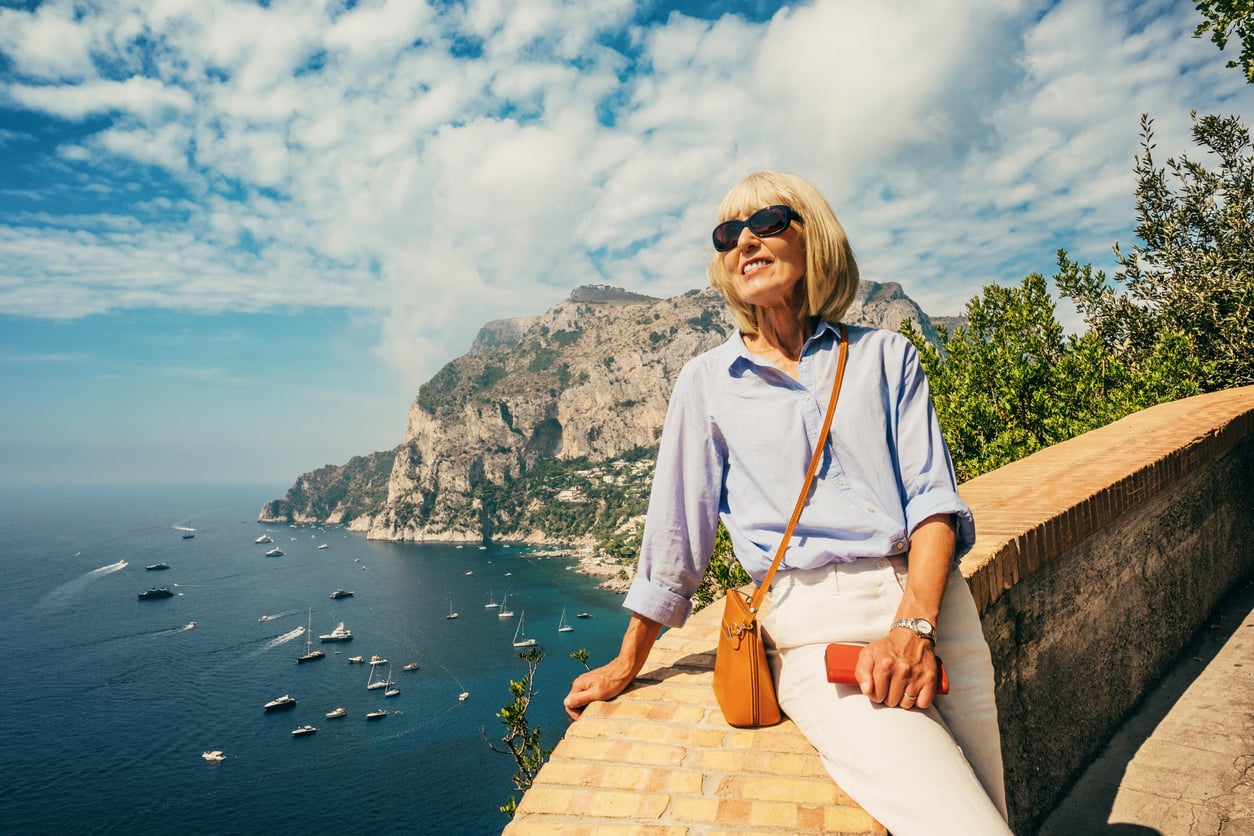
Waiting for a friend or spouse with the same free dates is becoming less necessary. Road Scholar says roughly 20% to 30% of its 80,000 to 100,000 annual travelers go solo, with women making up about 85% of its solo travelers. Its current site puts solo participation at roughly 30%. Those figures come from one travel organization, not all boomers, but they show meaningful demand. “Solo” does not necessarily mean wandering completely alone, either. Many travelers arrive by themselves and then join a guided group.
Adventure Is No Longer Just for the Kids
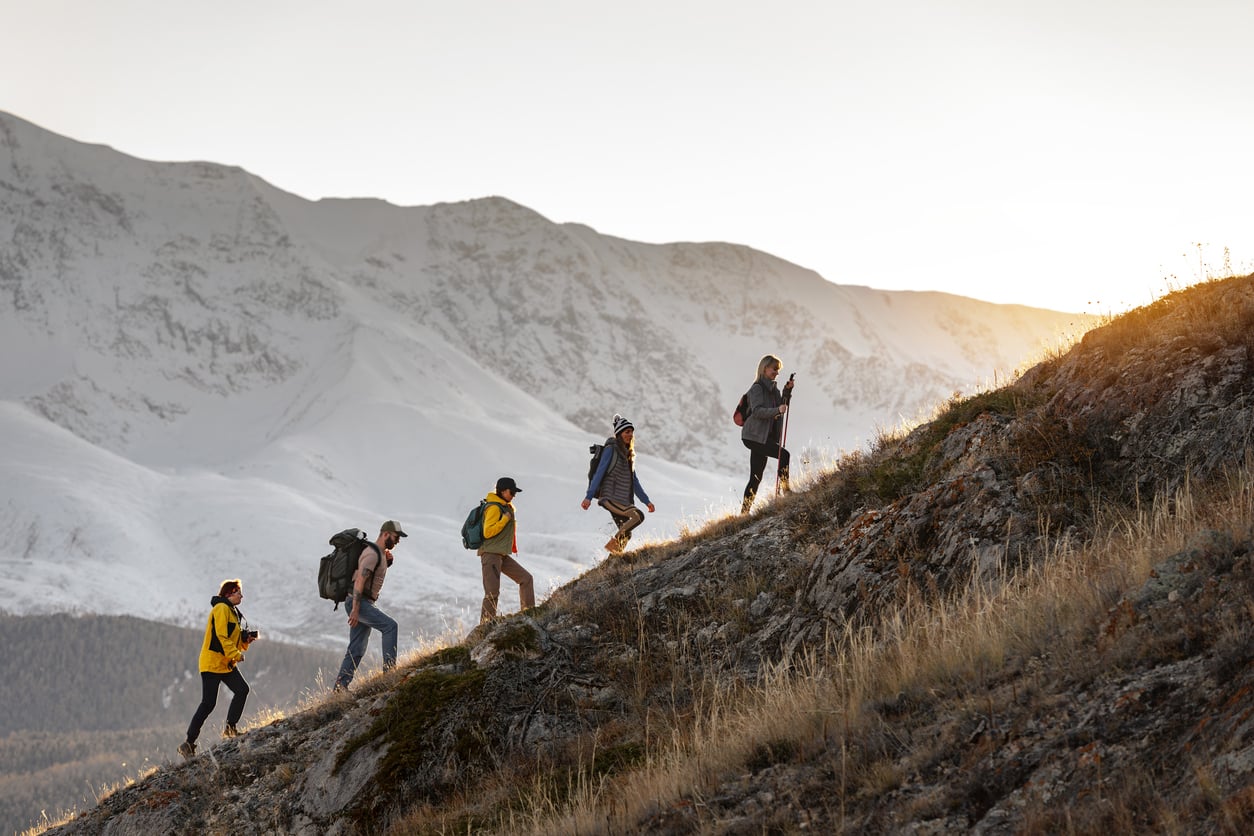
Boomer travel is not confined to sightseeing from a motorcoach. Road Scholar’s 2026 “Aging Adventurously” research found that 87% of older adults surveyed thought their generation was considerably more adventurous than their parents’ generation, while half of boomers said they traveled more than their parents did. Hiking, kayaking, wildlife trips, educational adventures, and culturally immersive itineraries all fit that shift. Adventure does not have to mean sleeping rough, either. Many travelers want an active day followed by a comfortable bed and someone else handling the transportation.
Good Logistics Can Be Worth Paying For

The cheapest hotel room is not necessarily the cheapest trip if it requires two taxis and an hour-long commute every day. For older travelers especially, value can increasingly mean a central hotel, sensible flight times, fewer connections, or a tour that handles the tedious transfers. Road Scholar says its older customers value thoughtfully paced itineraries and having lodging and local transportation organized. That does not prove all boomers are splurging on luxury. It points instead to a practical calculation: paying somewhat more can be worthwhile when it buys back time and reduces hassles.
Accessibility Is Becoming a Booking Filter

Mobility or health needs do not automatically end someone’s traveling years. AARP’s research on travelers with disabilities found that 55% were changing how they traveled, rather than simply giving up travel altogether. That can make details such as elevators, step-free entrances, walk-in showers, airport assistance, shorter transfers, and proximity to attractions far more important when comparing bookings. The important distinction is that age itself does not equal disability. Plenty of boomers need no special accommodations, while those who do benefit enormously when companies publish useful accessibility information upfront.
Cruises Are Becoming a More Flexible Kind of Vacation

Cruising still has obvious appeal for older travelers: unpack once and several destinations come to you. But the choices now extend far beyond a conventional week in the Caribbean. River cruises, expedition ships, multigenerational sailings, solo accommodations, and premium itineraries give travelers very different ways to cruise. At the same time, this is not an exclusively boomer trend. CLIA says global cruising reached 37.2 million passengers in 2025, while the industry’s average passenger age is about 46.7. Boomers are part of a growing market that increasingly spans generations.
Their Sustainable Choices Can Be Surprisingly Practical

Boomers do not always talk about sustainability as much as younger travelers, but Booking.com’s global 2026 survey found them leading in several everyday behaviors. Among boomers intending to travel more sustainably, 67% planned to reduce waste and 60% planned to reduce energy use. Fifty-nine percent said they would shop more at local independent businesses. Their particularly strong interest in off-season trips can also reduce pressure on crowded destinations. These are global survey intentions rather than guarantees of behavior, but they complicate the assumption that environmentally conscious travel belongs mainly to younger generations.
The Bucket List Is Becoming a To-Do List

Perhaps the biggest change is simply a growing reluctance to save meaningful travel indefinitely for “someday.” Boomers are now in their 60s, 70s, and 80s, and the combination of more active travel, international ambitions, and travel’s high place in retirement spending suggests that experiences matter now. That urgency will look different depending on someone’s health and finances; plenty of retirees cannot afford expensive bucket-list trips. But for those who can travel, postponing the dream trip until an undefined later date may no longer seem like the safest plan.