
Pet ownership is getting more expensive, but plenty of households are still finding room to splurge on their pets. According to the American Pet Products Association, U.S. pet-industry spending reached $158 billion in 2025 and is projected to climb again in 2026. From premium food and insurance to toys, travel, tech, and birthday celebrations, owners are cutting costs in some areas while continuing to spend heavily on the things they value most for their animals.
They Are Still Buying Premium Pet Food
Dog owners may be looking for bargains, but many have not abandoned better-quality food. APPA’s 2026 Dog Report says premium food remained the most commonly fed category in 2025, used by 31% of dog owners. Some households are stretching the budget by mixing premium products with cheaper options rather than trading down completely. That makes food a good example of today’s pet splurge: owners still want quality, but they are increasingly shopping supermarkets, discount retailers, and other lower-cost channels to get it.
Fresh and Specialty Food Is Still on the Menu

Fresh, refrigerated, frozen, human-grade, and specialty diets can cost considerably more than conventional kibble. Yet demand has not disappeared. APPA found that nearly one in five dog owners bought human-grade food in 2025, while Rover says many owners look for pet products comparable in quality to what they would buy for themselves. One money-saving compromise is using fresh food as a topper rather than every meal. Rover estimates switching entirely from fresh food to dry can save some owners thousands annually.
Treats Keep Finding Their Way Into the Cart
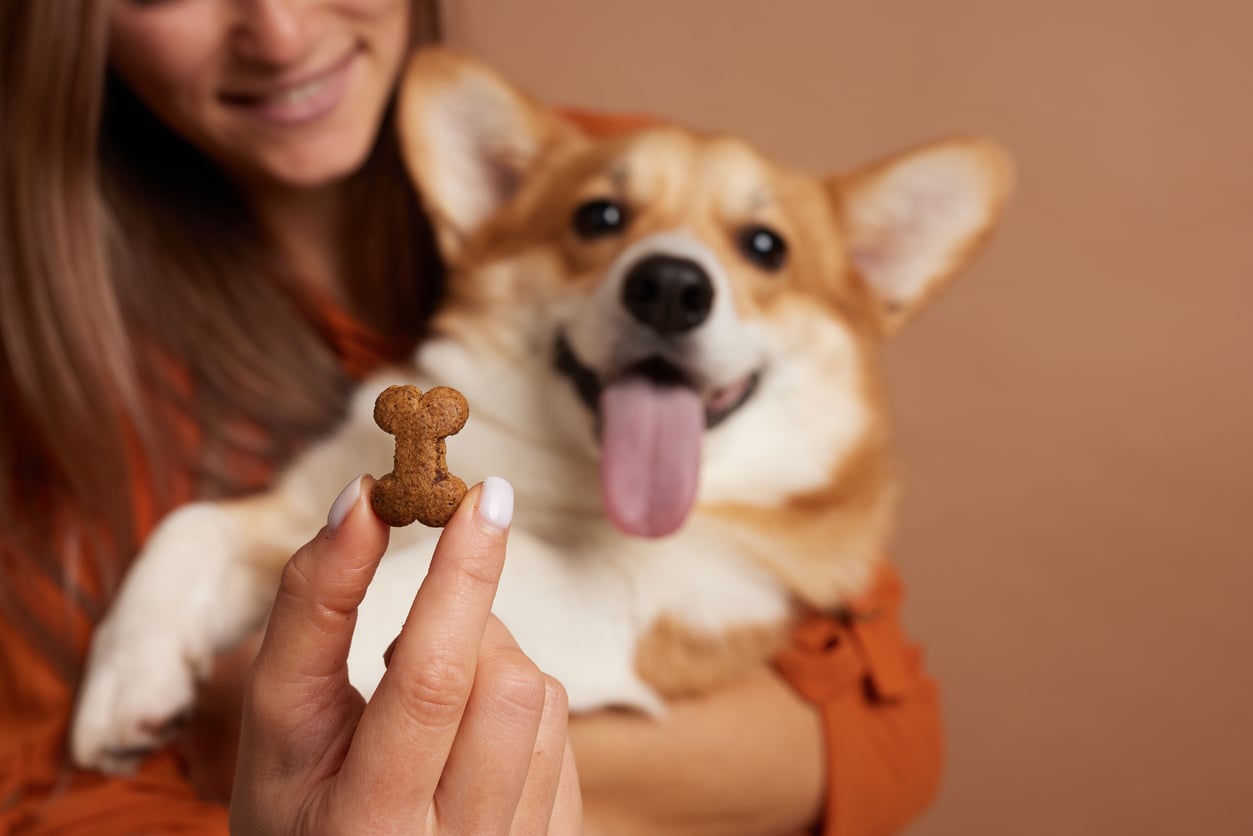
A $10 or $20 bag of treats can feel easier to justify than a major purchase, which helps explain why owners keep buying freeze-dried meats, dental chews, training snacks, and seasonal goodies. MetLife’s 2026 survey found average reported spending on treats rose from $234 in 2024 to $285 in 2025. APPA’s dog-specific data adds an interesting twist: average treat spending fell in its research, while frequent purchasing increased, suggesting owners are shopping harder for value rather than simply abandoning treats.
The Toy Bin Keeps Growing

Pets rarely need another squeaky toy, but that has not stopped owners from buying them. In MetLife’s survey, 40% of dog and cat owners said new toys were something they splurged on, while average reported toy spending jumped from $198 in 2024 to $247 in 2025. The category now extends well beyond tennis balls and stuffed animals to puzzle feeders, scent games, automated toys, and subscription boxes. The practical warning is obvious: an expensive enrichment toy is no bargain if the pet ignores it.
Grooming Is Becoming a More Selective Splurge

Professional grooming has not escaped the squeeze. MetLife found 24% of surveyed owners considered grooming sessions a splurge, but APPA’s latest dog research says spending on salon and mobile grooming actually declined in 2025 as more owners handled routine grooming at home. More than half of dog owners now groom their dogs themselves. That suggests the splurge has become selective: some owners save on baths and brushing between appointments while continuing to pay professionals for haircuts, de-shedding, nail work, or difficult coats.
Trending on Cheapism


Pet Insurance Is Becoming a Bigger Monthly Bill
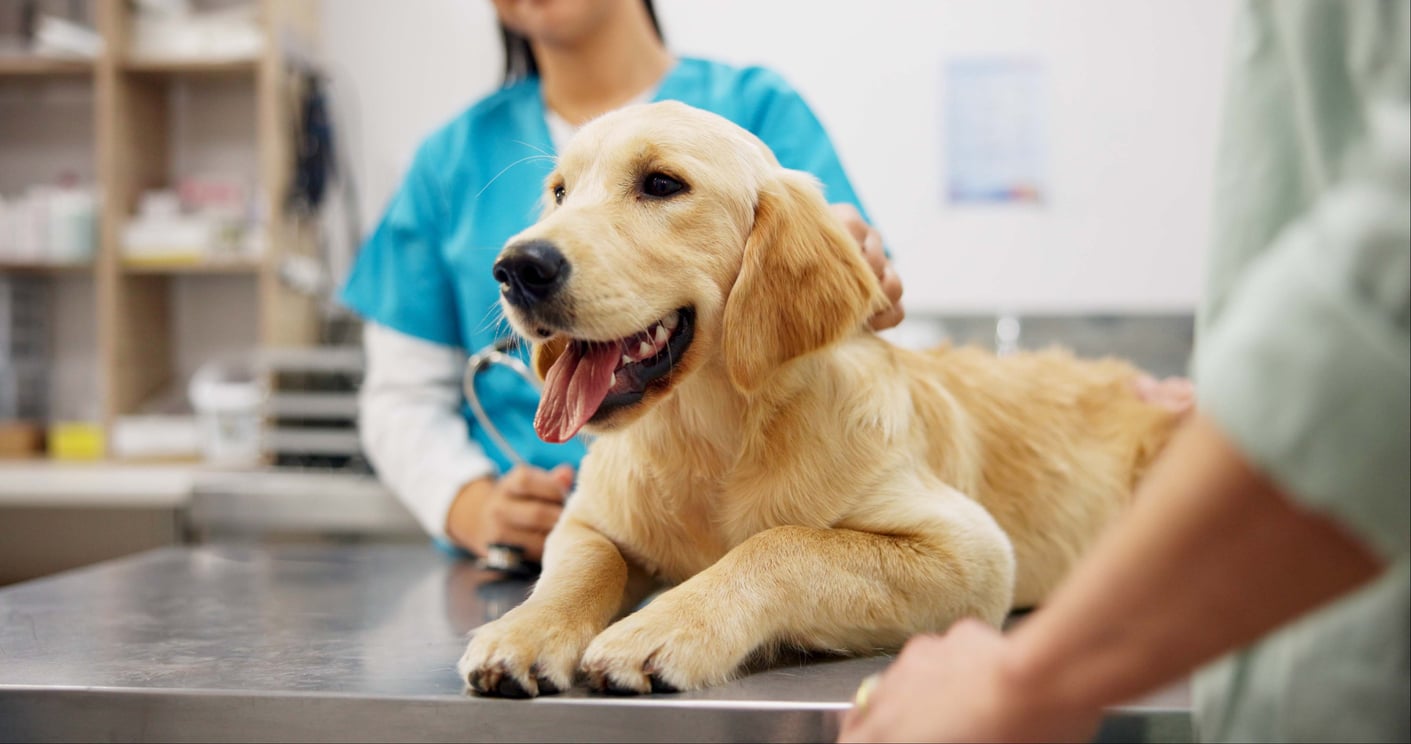
Insurance is not nearly as fun as a new toy, but millions of owners are voluntarily adding it to household expenses. NAPHIA says 7.6 million pets were insured across North America at the end of 2025, up 8.5% from 7.03 million a year earlier. Owners are essentially paying for protection against the possibility of a much larger veterinary bill later. Policies vary widely, however, and deductibles, reimbursement percentages, annual caps, waiting periods, and exclusions can make the cheapest premium far from the best value.
Preventive Vet Care Is Staying High on the Priority List
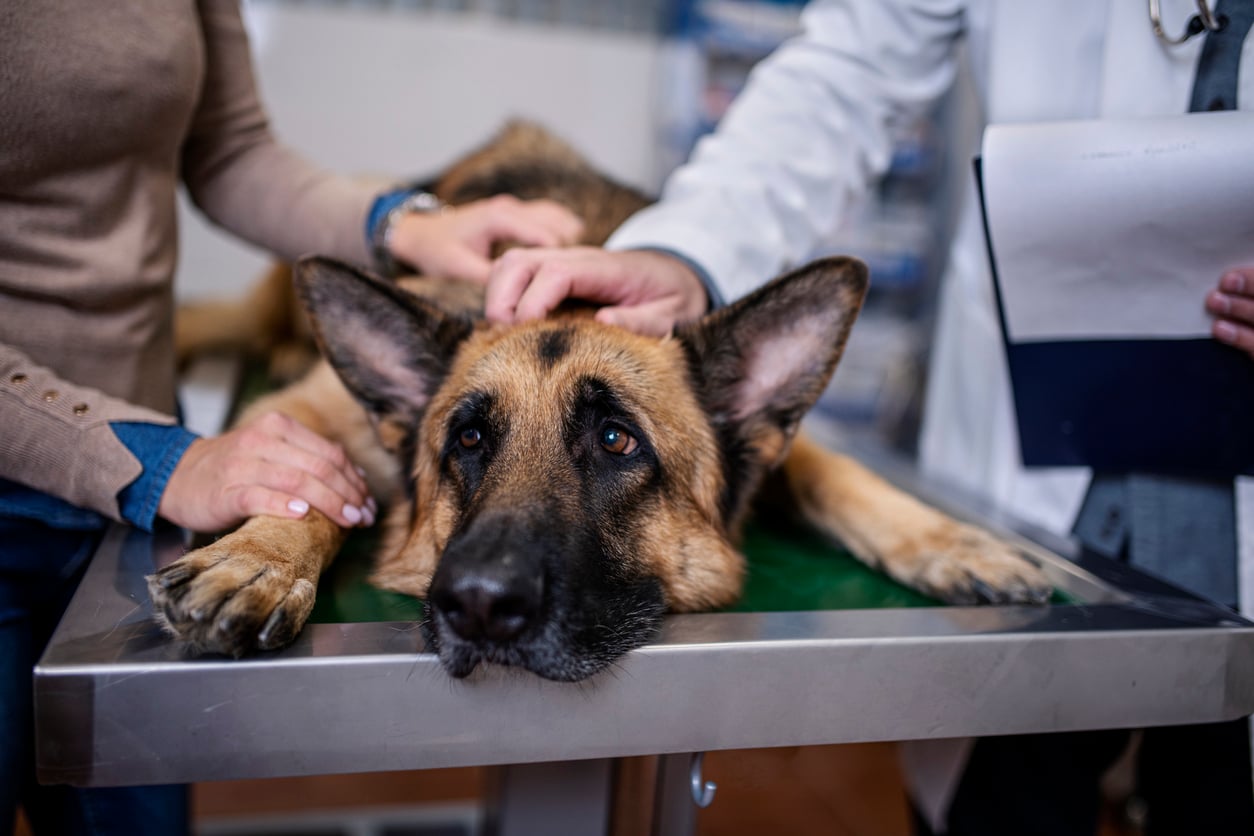
Veterinary spending is better described as protected spending than a luxury. APPA says vet care represents about 29% of dog-owner wallet share, the largest category in its current data. Owners increasingly pay for exams, vaccinations, lab work, parasite prevention, dental care, and age-related monitoring in hopes of catching problems early. MetLife’s survey found owners spent an average of $663 on vet visits in 2025. The downside is that rising veterinary prices can put even routine care under pressure for households already watching every dollar.
Some Owners Will Spend Thousands to Save a Pet
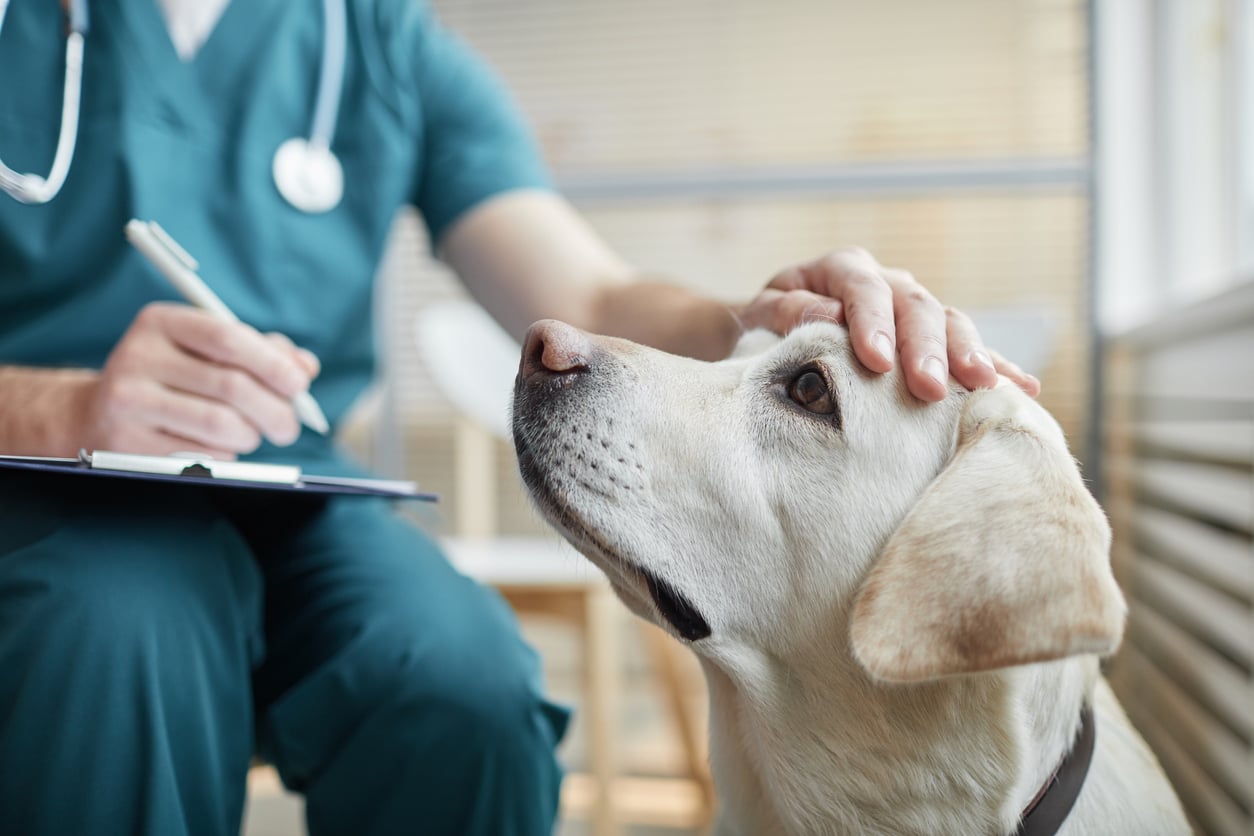
Emergency and specialty care can quickly move into four-figure territory, but many owners say they would stretch their finances dramatically for treatment. A 2025 ValuePenguin survey found 73% of pet owners would be willing to take on debt to save their pet’s life, and 29% said they would spend more than $5,000 on lifesaving care. That willingness is striking because nearly half also said they could not afford a $1,000 pet emergency without borrowing. This is devotion, but it can also create serious financial strain.
Sign up for our newsletter
Supplements Are Filling Pet Cabinets
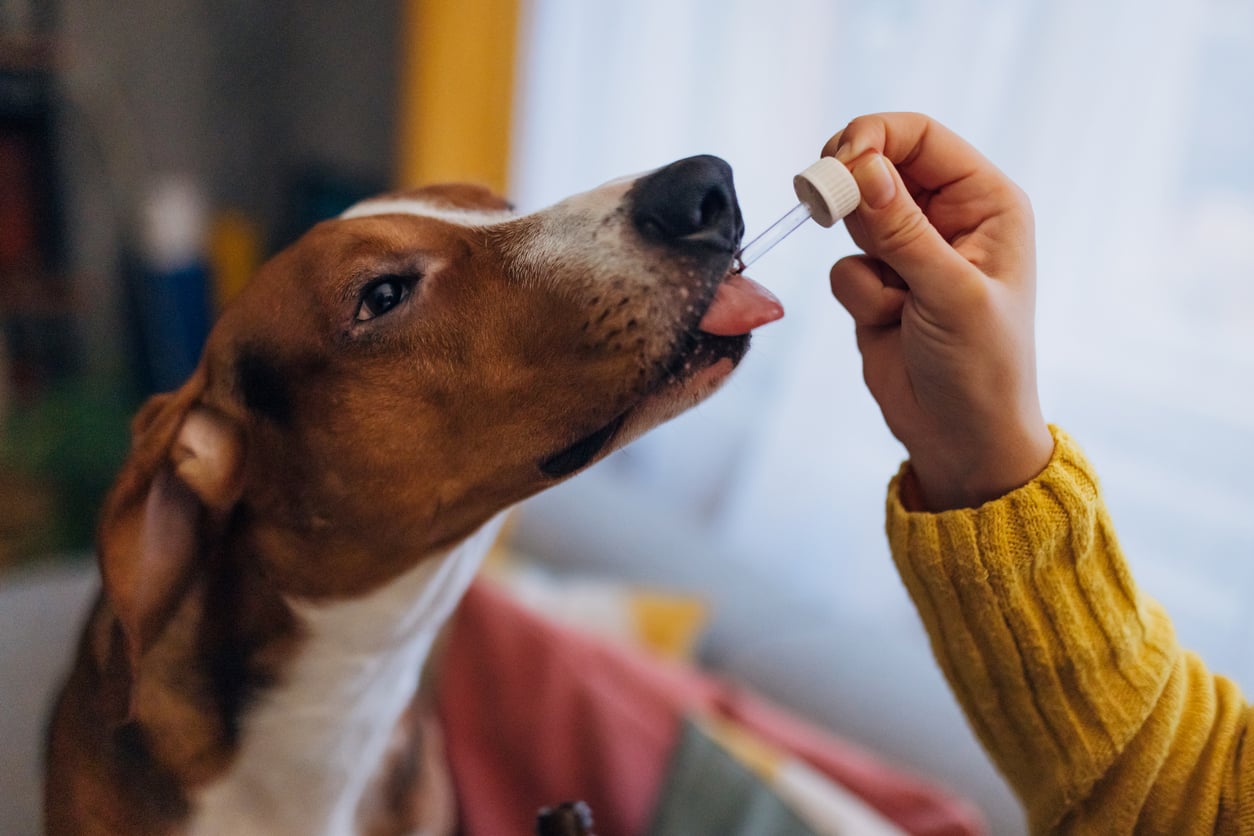
Pet shelves increasingly resemble the human wellness aisle. Owners can buy joint chews, probiotics, calming products, omega-3 oils, dental additives, and supplements marketed for skin, mobility, digestion, and aging. APPA found vitamin and supplement use rose substantially between 2018 and 2024, including from 34% to 50% among dog owners. Calming products grew particularly quickly. That does not mean every supplement is worthwhile, though. A higher price or impressive label is not proof of effectiveness, so veterinary advice matters before making them a recurring expense.
Pets Are Getting Their Own Tech

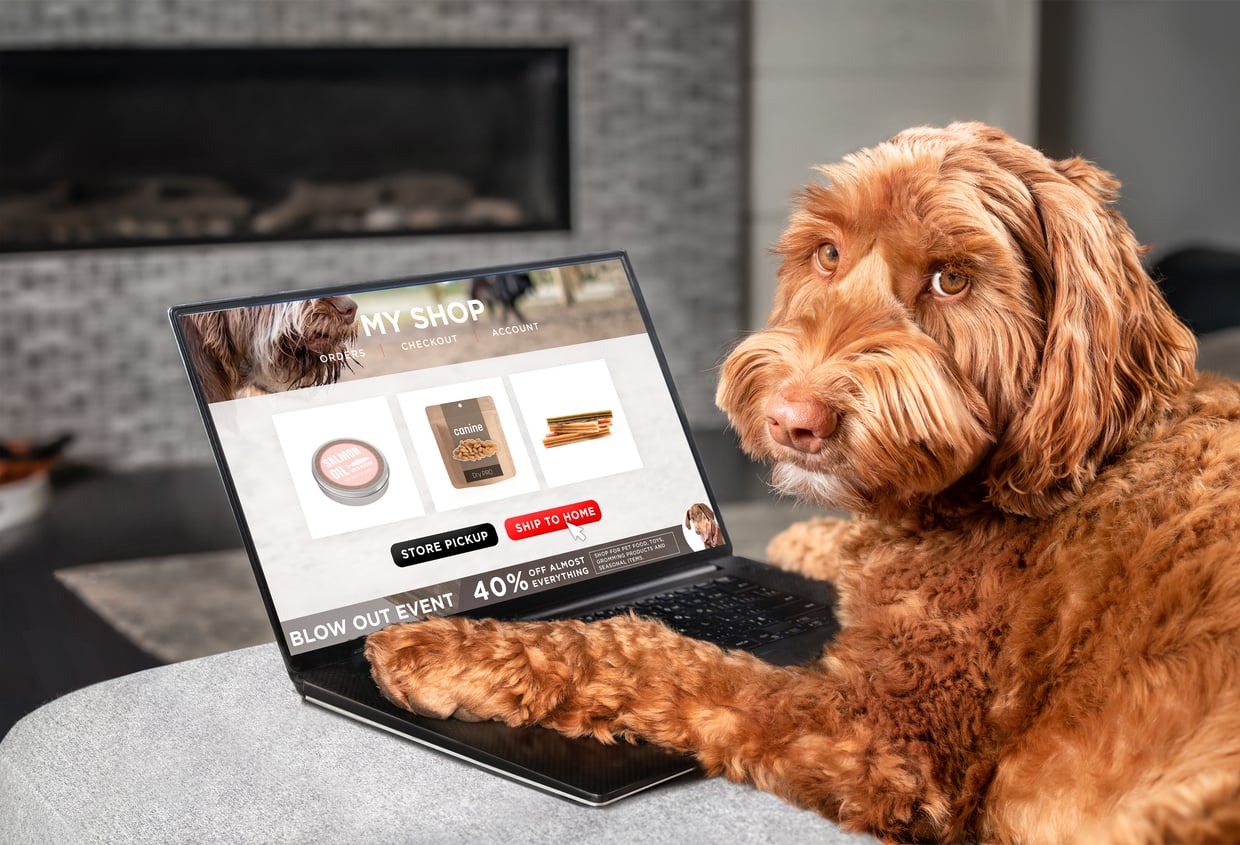
GPS collars, pet cameras, automatic feeders, smart fountains, activity trackers, and self-cleaning litter boxes can add hundreds of dollars to pet ownership. Some also carry recurring subscription fees after the hardware is purchased. Owners often justify the expense as peace of mind: a tracker can help locate an escaped dog, while cameras let people check in while away. The catch is that convenience can quietly turn into another monthly bill, especially when location tracking, cloud video storage, or health-monitoring features require ongoing memberships.
Walkers and Sitters Are Becoming Paid Members of the Care Team

Professional pet care can turn a busy workweek into a surprisingly expensive one. Rover’s marketplace now covers walking, daycare, drop-in visits, boarding, house sitting, and training, and younger owners in particular increasingly see paid caregivers as part of ordinary pet ownership. Nearly one in five Gen Z and millennial pet parents in Rover’s 2026 survey considered a walker or sitter essential. That trend is less pronounced among boomers, so this is not universal, but recurring walks or daycare can easily become one of a household’s larger optional pet expenses.
Owners Are Paying More for the Right Vacation Care
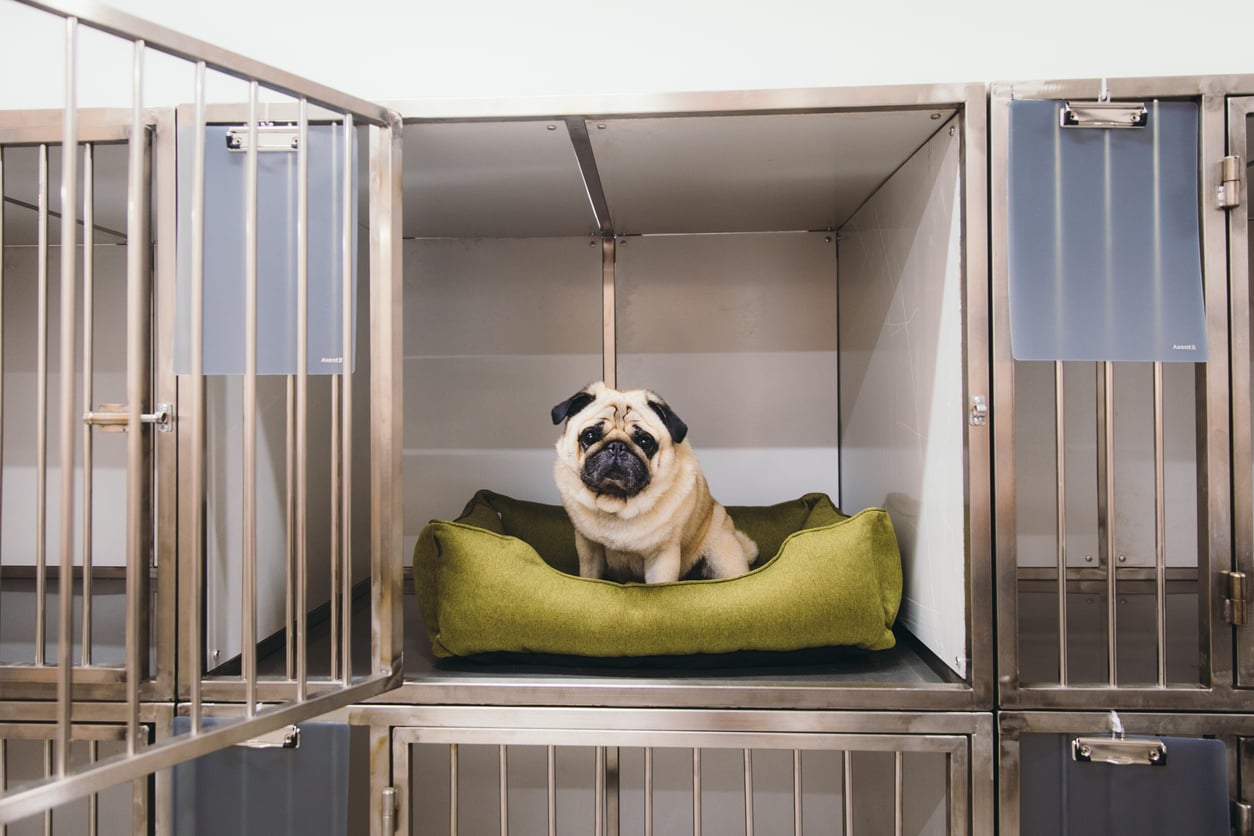
Leaving a pet behind can add a second lodging bill to a vacation. Owners can choose kennels, private boarding, in-home sitters, daycare-style facilities, or premium accommodations offering cameras, extra playtime, medication administration, and private rooms. APPA says dog owners have recently been shifting toward lower-cost care from friends and relatives, which means premium boarding is becoming more selective rather than universally popular. For owners who do pay, however, familiarity, staffing, supervision, and trustworthy care may matter more than finding the rock-bottom daily rate.
Some Would Rather Pay to Bring the Pet Along

For many households, the pet now influences the vacation itself. A July 2026 PetScreening survey found 43% of pet owners preferred bringing their pet on trips, while 64% said their pet was likely to affect their travel decisions. APPA has similarly found many dog and cat owners tailor travel plans around their animals. That can mean hotel pet fees, larger rental cars, airline charges, carriers, and paying more for accommodations that accept animals. Nearly half of PetScreening respondents had changed, limited, or canceled trips over unsuitable pet accommodations.
Birthdays Now Come With Cakes and Presents

A dog’s birthday once might have meant an extra biscuit. Now there are bakery cakes, hats, decorations, themed toys, photo shoots, outfits, and guest lists. APPA found 27% of dog owners and 20% of cat owners had hosted a holiday or birthday party for their pet, up from 20% and 16% in 2022. Gift buying has grown too: 44% of dog owners and 32% of cat owners said they bought their pet a birthday present. It is optional spending in its purest form, but clearly one plenty of households enjoy.
Pets Are Getting Clothes and Furniture of Their Own

From monogrammed collars to orthopedic beds and tiny raincoats, pet accessories have become a full lifestyle category. MetLife’s survey found average reported spending on pet clothing rose from $150 in 2024 to $223 in 2025. Some of these purchases are mostly fun, while others can be practical: coats can help cold-sensitive dogs, ramps may help older pets reach furniture, and supportive beds can be useful for animals with mobility problems. Either way, pets increasingly get products once reserved almost entirely for humans.
Owners Are Cutting Their Own Spending First

The clearest sign of how protected pet spending has become may be what owners sacrifice elsewhere. MetLife found 65% of surveyed owners would cut their own lifestyle spending before disrupting their pet’s. Rover’s 2026 survey tells a similar story: 48% reported cutting back on dining out, 39% on unnecessary shopping, and 27% had delayed a large purchase to better afford their pets. At the same time, owners are using rewards, coupons, bulk buying, and cheaper substitutes. The splurge continues, but increasingly with a calculator nearby.