Fast food has changed enormously over the decades, from early roadside stands to the drive-thru restaurants Americans know today. The Smithsonian National Museum of American History traces how drive-thru dining took off in 1950s California before spreading nationwide. But familiar chains have even stranger stories behind them. These wild fast-food facts include accidental inventions, bizarre publicity stunts, giant desserts, and menu items that almost never made it past the testing stage.
The Filet-O-Fish Crushed a Pineapple Burger 350 to 6
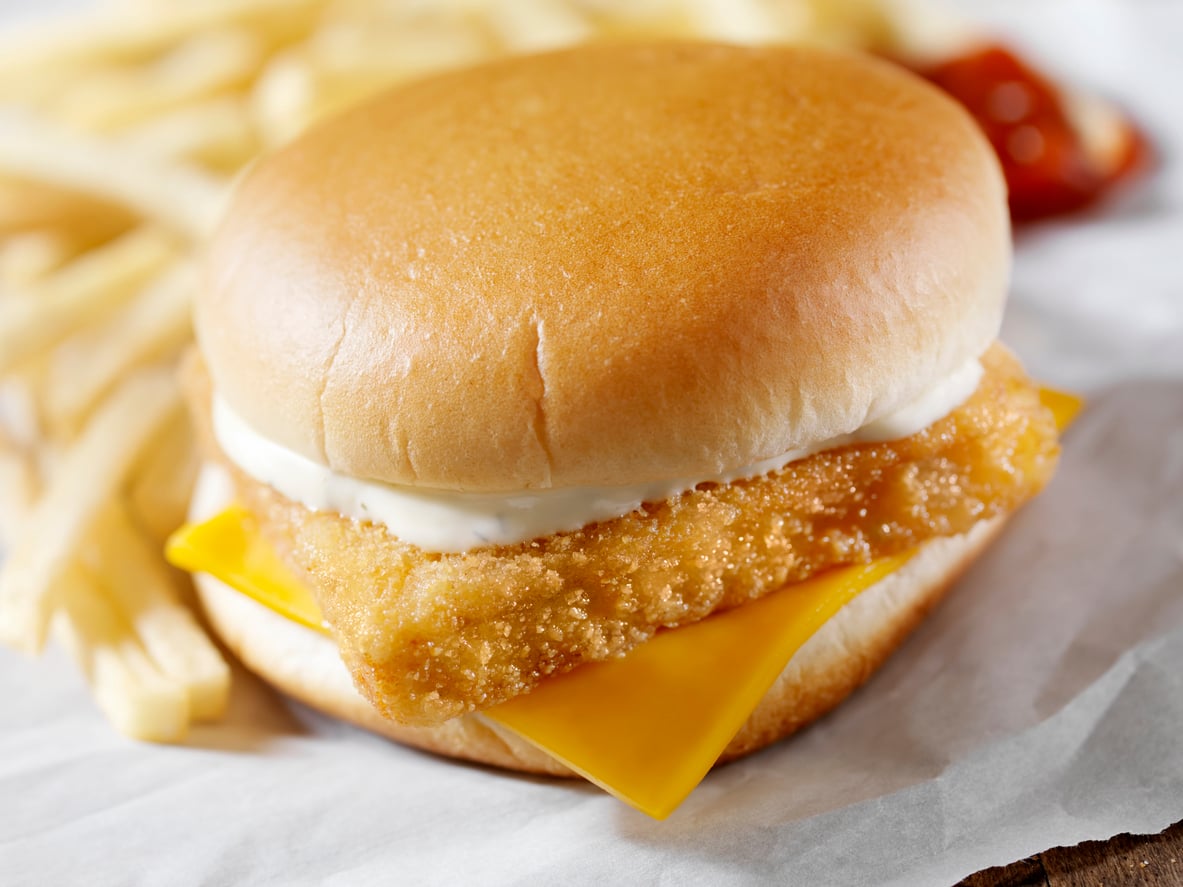
McDonald’s franchisee Lou Groen developed the Filet-O-Fish after noticing weak Friday sales in his heavily Catholic Cincinnati neighborhood, where many customers abstained from meat. Ray Kroc preferred his own meatless creation, the Hula Burger, which was grilled pineapple and cheese on a bun. McDonald’s tested them head-to-head. The result was hardly close: McDonald’s says Groen sold 350 fish sandwiches while only six Hula Burgers sold. The Filet-O-Fish joined the national menu in 1965.
The Big Mac Was Invented by a Pennsylvania Franchisee
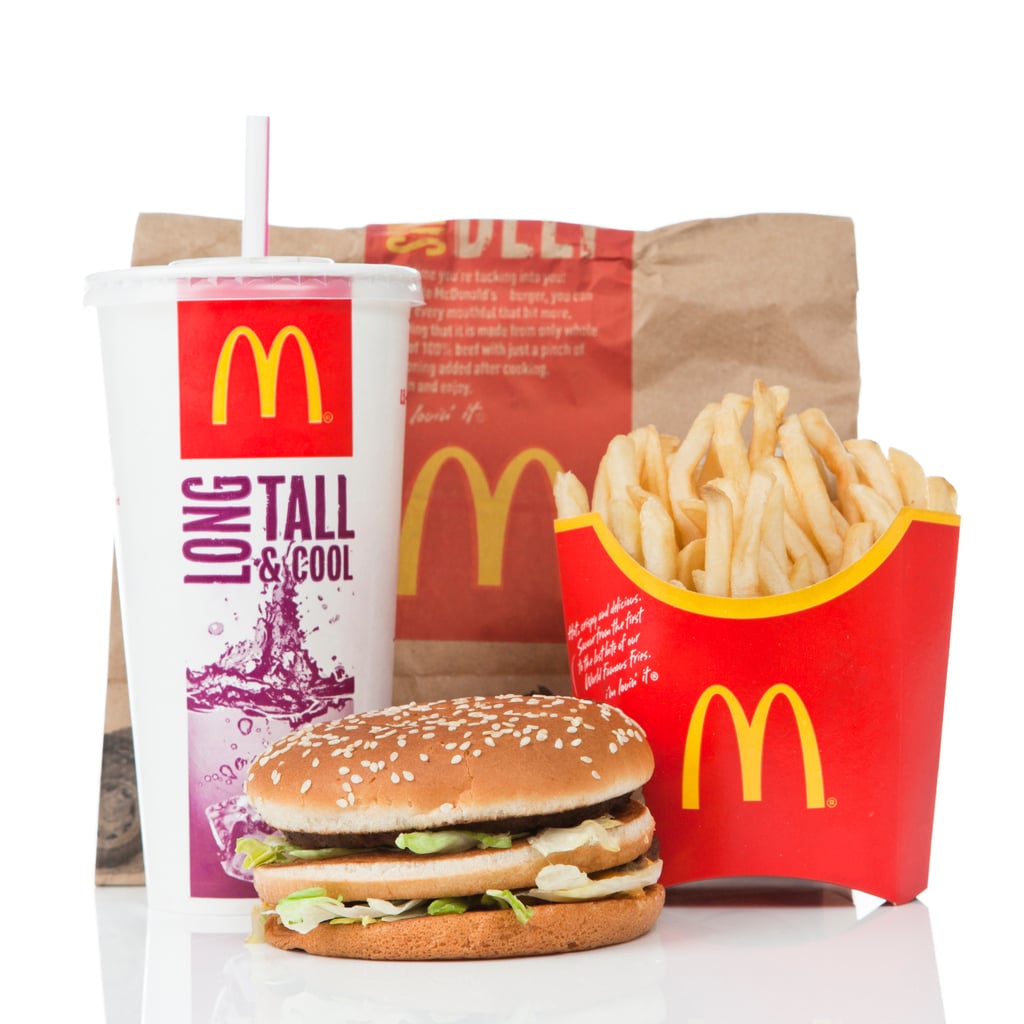
One of McDonald’s most famous products did not come from its corporate test kitchen. Pennsylvania franchisee Jim Delligatti introduced his double-decker burger at his Uniontown restaurant in 1967 while looking for something substantial enough to compete with larger sandwiches sold by local rivals. McDonald’s liked the idea enough to take it nationwide in 1968. The familiar combination of two beef patties, three bun sections, cheese, pickles, lettuce, onions, and special sauce began as a local experiment.
The Egg McMuffin Was Inspired by Eggs Benedict
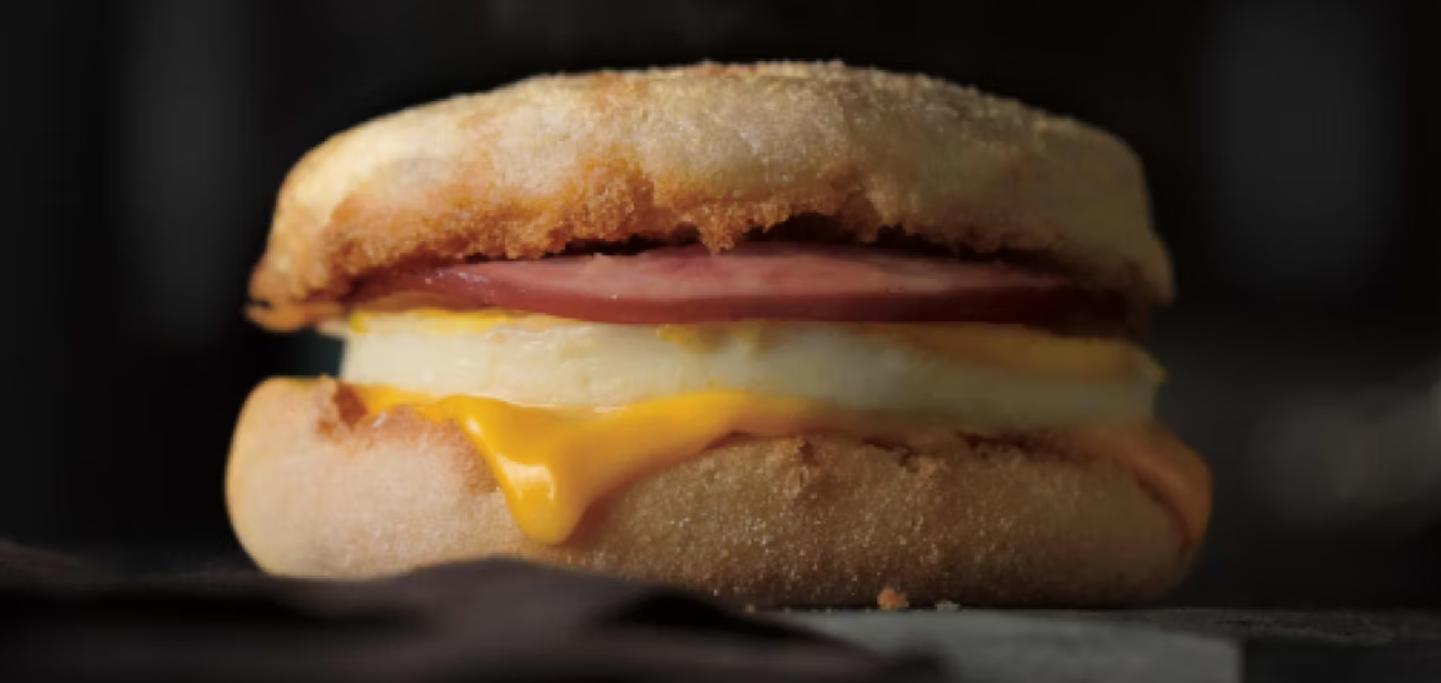
McDonald’s franchisee Herb Peterson wanted to turn Eggs Benedict into something commuters could eat with their hands. In 1971, he experimented with the concept at his Santa Barbara restaurant, replacing difficult-to-package hollandaise with cheese, adding Canadian bacon, and cooking the egg inside a circular ring. The creation reached test markets in 1972 and the national menu in 1975. What became an everyday drive-thru breakfast staple essentially started as a portable interpretation of a sit-down brunch dish.
The McFlurry Came From a Small Canadian City
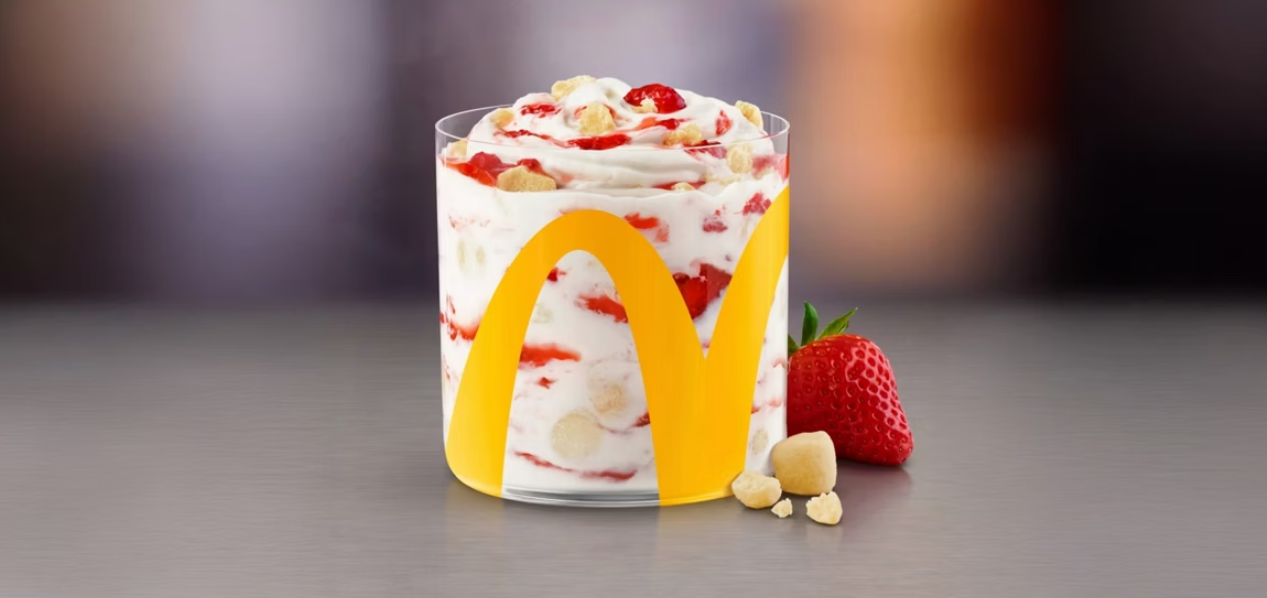
The McFlurry was not dreamed up at McDonald’s headquarters. Franchisee Ron McLellan created it in Bathurst, New Brunswick, in June 1995. The dessert spread far beyond its Atlantic Canadian beginnings and eventually became one of McDonald’s most recognizable treats. When McDonald’s Canada celebrated its 30th anniversary in 2025, the company said the McFlurry was enjoyed in 99 countries. It is another case of a local restaurant operator creating something that eventually became part of a global menu.
McDonald’s Fried Apple Pie Started as a Family Recipe
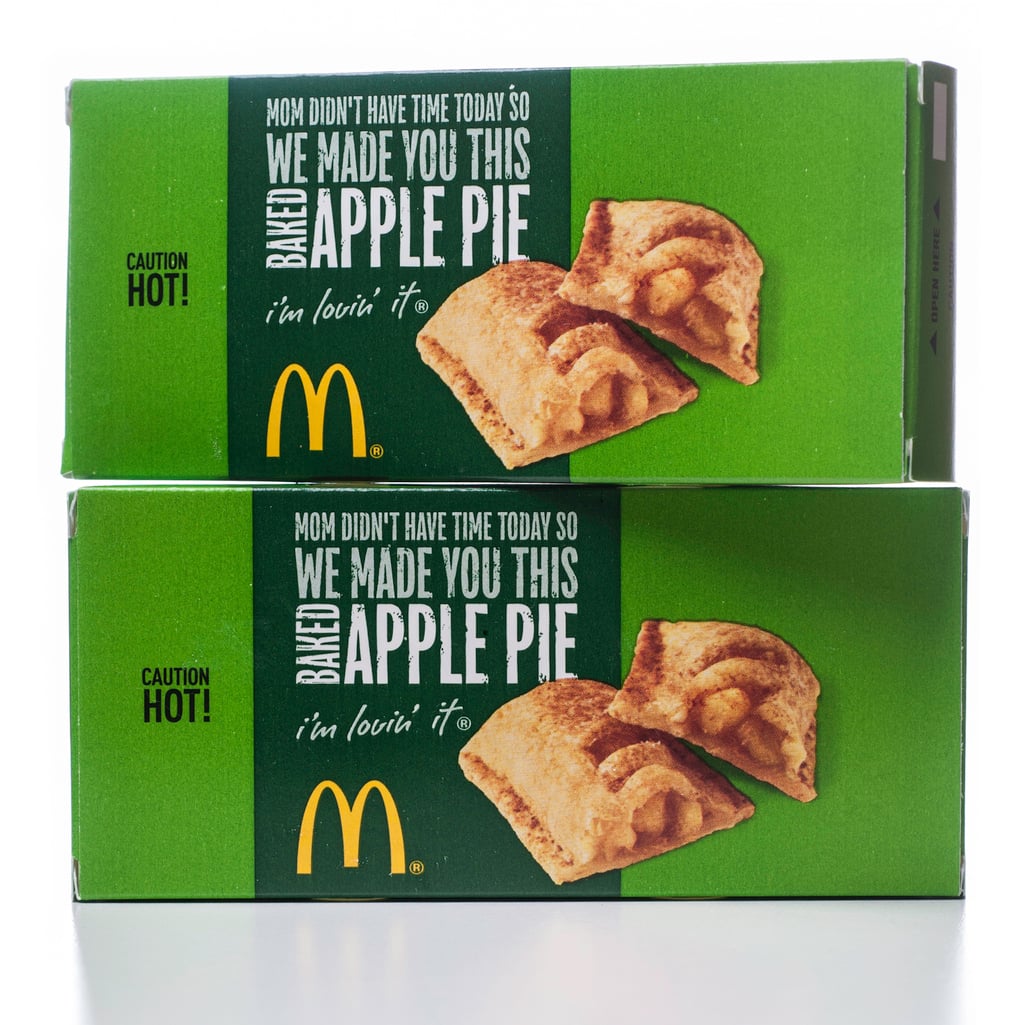
Older customers who remember McDonald’s crisp fried apple pies are remembering a dessert with surprisingly homespun beginnings. According to McDonald’s, East Tennessee franchise operator Litton Cochran developed the fried hand pie from a family recipe during the 1960s. It became popular locally and eventually entered McDonald’s history nationwide. The chain later shifted toward baked pies in much of the U.S., but the fried version returned for a limited national promotion in summer 2026, giving nostalgic customers another chance to try it.
Trending on Cheapism
In-N-Out’s Drive-Thru Speaker Was Built in a Garage
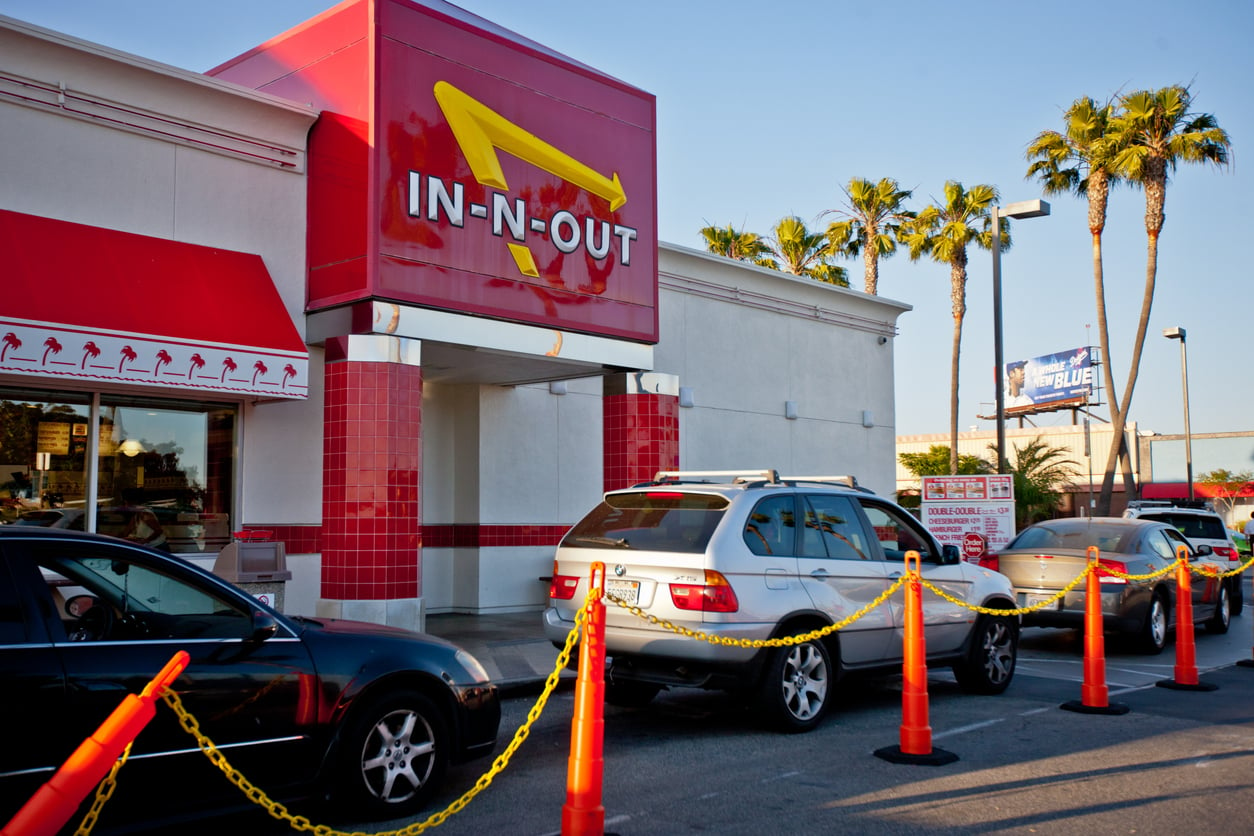
When Harry and Esther Snyder opened In-N-Out in Baldwin Park, California, drive-ins generally relied on employees bringing food to parked cars. Harry wanted customers to order without leaving their vehicles. In-N-Out says he worked in his garage after long restaurant days developing a two-way speaker box that made true drive-thru service possible at the tiny stand. The company identifies that first location as California’s first drive-thru hamburger stand.
Chick-fil-A’s Famous Sandwich Existed Before Chick-fil-A
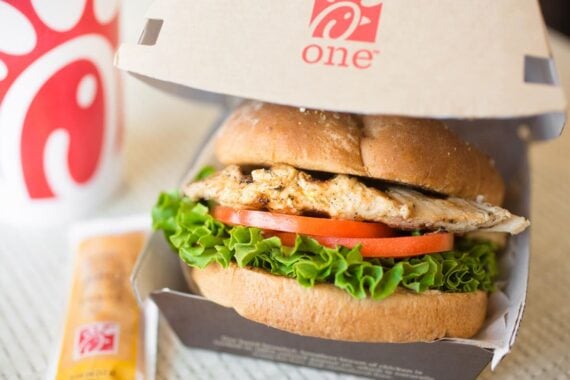
Truett Cathy opened the Dwarf Grill in Hapeville, Georgia, in 1946, long before the first restaurant carrying the Chick-fil-A name opened. There he experimented repeatedly with boneless chicken, asking customers for feedback until he settled on a recipe in 1964. The finished sandwich paired a pressure-cooked, seasoned chicken breast with a toasted bun and two pickle chips. Chick-fil-A did not open under its now-famous name until 1967, meaning the chain’s defining menu item actually predates the chain itself.
KFC Started With Food Served to Highway Travelers
Before KFC became an international chain, Harland Sanders was feeding motorists. He operated Sanders Court and Cafe beside a busy Kentucky highway and served home-cooked meals to truck drivers and vacationers. His cooking eventually became known for pressure-cooked chicken seasoned with his famous blend of 11 herbs and spices. The first KFC franchise opened in Utah in 1952. The enormous restaurant brand therefore traces its roots to a roadside business serving people passing through Kentucky.
Sign up for our newsletter
Colonel Sanders Was About 65 When KFC Really Took Off
Colonel Sanders is a reminder that famous careers do not always start young. KFC says Sanders was already 65 when he devoted himself seriously to franchising Kentucky Fried Chicken across North America. Before that, he had spent years running other businesses and serving travelers from his Kentucky restaurant. The white-haired Colonel image eventually became inseparable from the brand, but much of the expansion that made Sanders internationally famous happened around an age when many workers today would be thinking about retirement.
Pizza Hut’s Name Came Down to an Eight-Letter Sign
Dan and Frank Carney opened the first Pizza Hut in Wichita, Kansas, in 1958 after borrowing $600 from their mother. The name was partly a matter of physical necessity: the restaurant’s sign had space for only eight letters. “Pizza Hut” fit. That unusually practical naming decision stuck as the company expanded from one Wichita location into an international brand. It is hard to imagine the chain under another name today, but a slightly larger sign could theoretically have sent its branding history in another direction.
Pizza Hut Also Delivered to the Top of Kilimanjaro
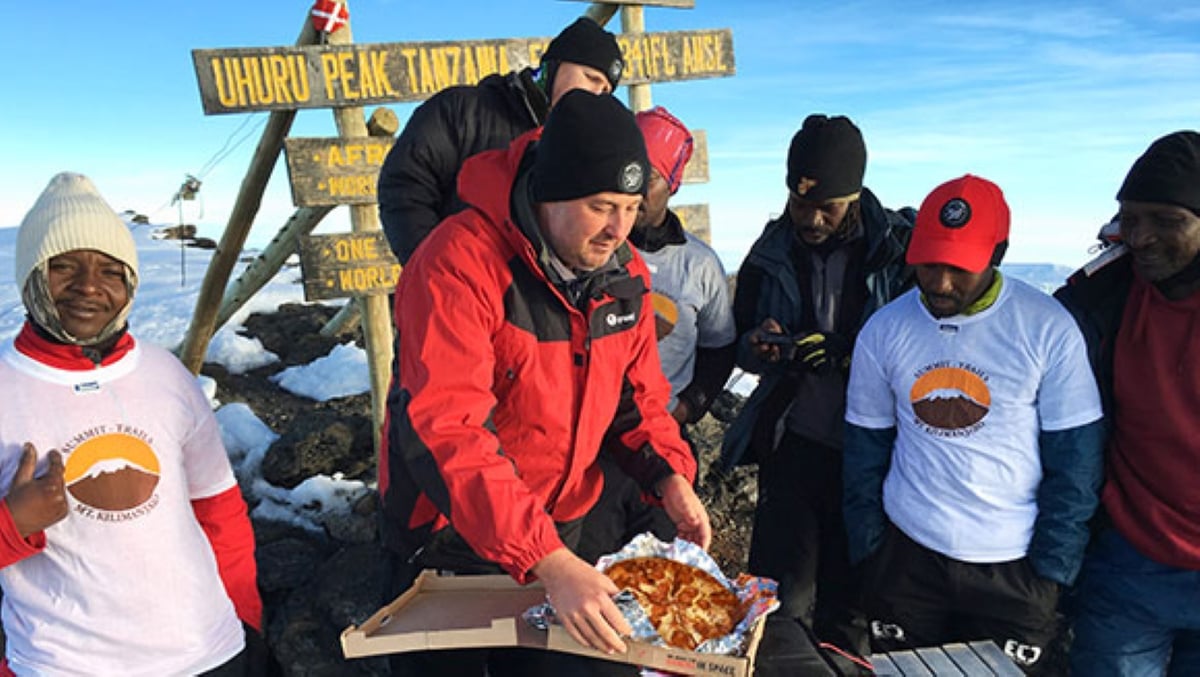
Apparently space was not an unusual enough delivery address. In 2016, Pizza Hut marked its expansion into its 100th country, Tanzania, by taking a pepperoni pizza to the summit of Mount Kilimanjaro. Guinness World Records recognized the stunt as the highest-altitude pizza delivery on land, at 5,897 meters, or 19,341 feet. The delivery involved vehicles, a flight, and several days of hiking before the team reached the summit. It made an ordinary takeout pizza into a full-scale expedition.
Taco Bell’s Founder Started Out Selling Burgers
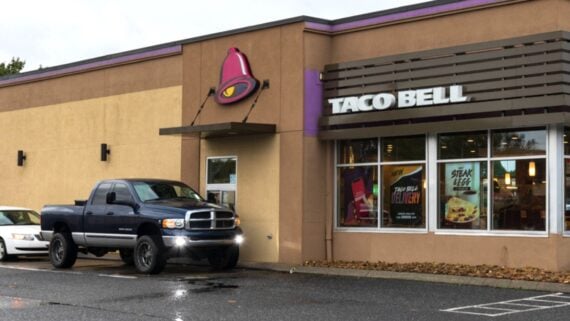
Before Glen Bell became synonymous with tacos, he was in the hamburger business. Taco Bell’s history says his earliest restaurant sold hamburgers and hot dogs, and other official Taco Bell material traces Bell’s first hamburger operation to 1948. He later opened Taco Tia in 1954, where tacos cost 19 cents, before launching the first Taco Bell in Downey, California, in 1962. One of America’s largest Mexican-inspired chains therefore grew out of an entrepreneur who initially entered the fast-food business.
Taco Bell Moved Its Entire First Restaurant
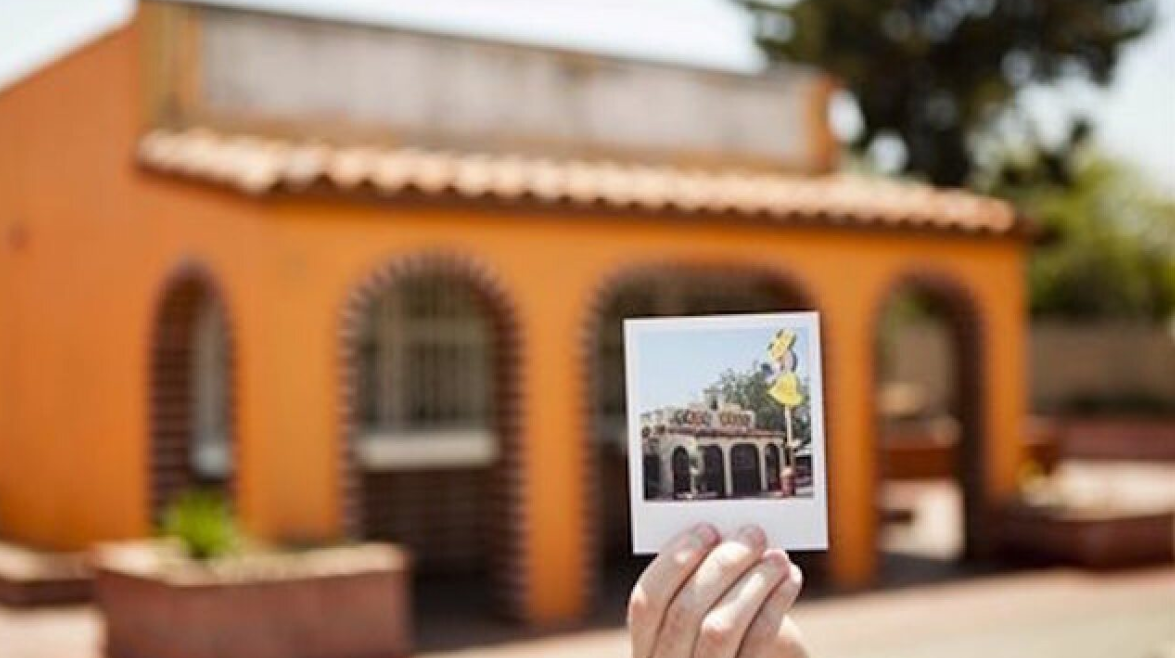
When the original Taco Bell building faced demolition in 2015, the company did not settle for salvaging a sign or snapping a few photographs. It moved the building. The approximately 400-square-foot structure was lifted from its Downey, California, site and transported about 45 miles to Taco Bell’s headquarters in Irvine. The tiny walk-up restaurant had opened in 1962 and lacked both indoor seating and a drive-thru. Preserving it required moving the complete 20-by-20-foot structure through Southern California streets.
Burger King Once Announced a Left-Handed Whopper
On April Fools’ Day in 1998, Burger King ran a full-page USA Today advertisement announcing a Whopper designed especially for left-handed customers. The supposed innovation involved rotating the burger’s condiments 180 degrees so they would supposedly spill differently when held in the left hand. There was, of course, no meaningful difference between the two burgers. The prank became one of the better-known fast-food April Fools’ campaigns and reportedly had customers asking restaurants about the special sandwich.
Dairy Queen Sold More Than 175 Million Blizzards in One Year
The Blizzard feels as though it has always been part of Dairy Queen, but it arrived in 1985. The debut was enormous. Dairy Queen’s official history says more than 175 million Blizzard Treats were sold during that first year alone. Spread evenly across 365 days, that works out to roughly 479,000 Blizzards every day. Few new menu items achieve that kind of immediate recognition, and the dessert went on to become one of the products most closely associated with the DQ name.
Domino’s 30-Minute Guarantee Disappeared in 1993
“Thirty minutes or less” became so closely associated with Domino’s that some customers may assume the promise still exists. It does not. Domino’s says its famous guarantee once gave customers $3 off if their pizza took longer than half an hour to arrive, but the company ended the guarantee in 1993. More than three decades later, the association remains powerful enough that Domino’s itself has referenced its “30-minute delivery heritage” in later advertising. Sometimes the marketing slogan lasts much longer than the actual offer.
Subway’s B.M.T. Was Named After a New York Transit System
“Biggest, Meatiest, Tastiest” sounds like exactly the kind of phrase a marketing department would invent to create the initials B.M.T. Surprisingly, it came later. Subway’s official history says the Classic B.M.T., introduced in 1975, was originally named for New York’s Brooklyn-Manhattan Transit system. The chain later began associating the initials with “Biggest, Meatiest, Tastiest”. The sandwich traditionally combines Genoa salami, pepperoni, and ham, though ingredients and menu names can vary somewhat between countries and markets.