Restaurant chains in America have become part of everyday life, but many of their origin stories are stranger than their familiar signs suggest. From businesses that began as donut shops and roadside stops to famous names created because of fires or tiny signs, there is plenty diners may not know. The National Restaurant Association tracks the enormous role restaurants continue to play in American life, while these stories reveal how some of the country’s most recognizable chains actually got started.
The Cheesecake Factory Restaurant Began as a Showcase for a Bakery
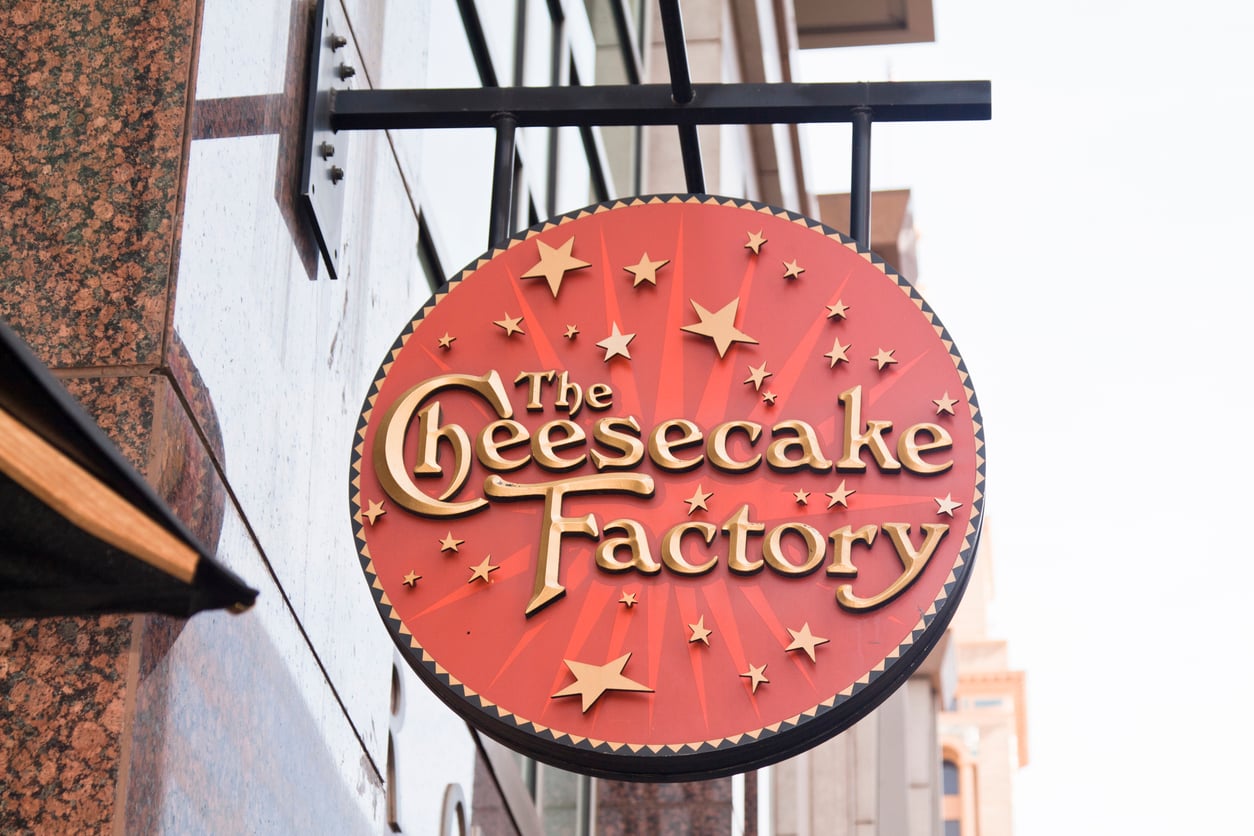
Long before its famously enormous menu, The Cheesecake Factory was primarily a cheesecake business. Evelyn and Oscar Overton opened a commercial bakery in Los Angeles in 1972, selling Evelyn’s cheesecakes to restaurants around the area. Their son David then opened the first Cheesecake Factory restaurant in Beverly Hills in 1978, intending in part to showcase those desserts and help the family’s wholesale bakery business grow. The sprawling savory menu came with the restaurant concept.
Ruth’s Chris Got Its Awkward Name Because of a Fire
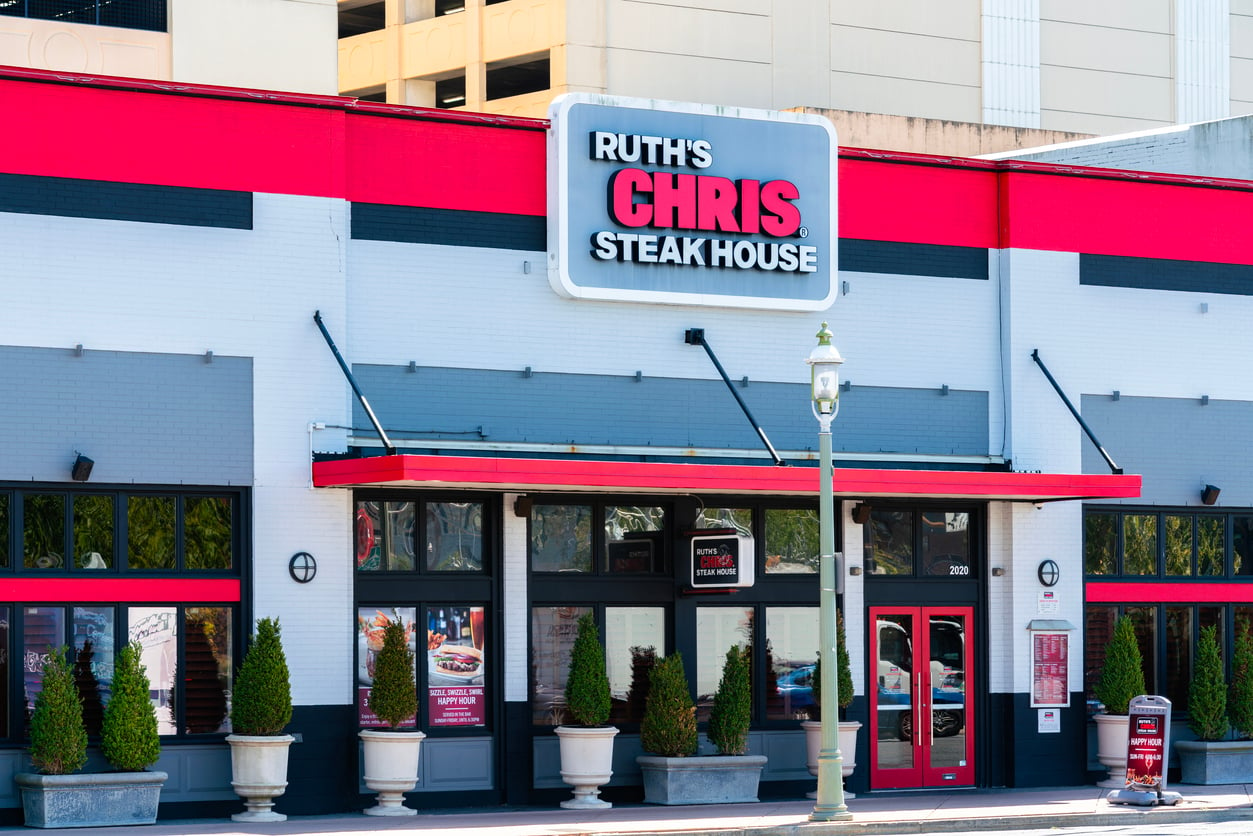
Ruth Fertel mortgaged her home to buy a 60-seat New Orleans restaurant called Chris Steak House in 1965. Eleven years later, a fire destroyed the location and forced her to move. There was one problem: her agreement did not allow the Chris Steak House name to move with the restaurant. Fertel solved it quickly by putting her own name in front, creating the memorable, if slightly tongue-twisting, Ruth’s Chris Steak House.
P.F. Chang’s Name Actually Represents Two People
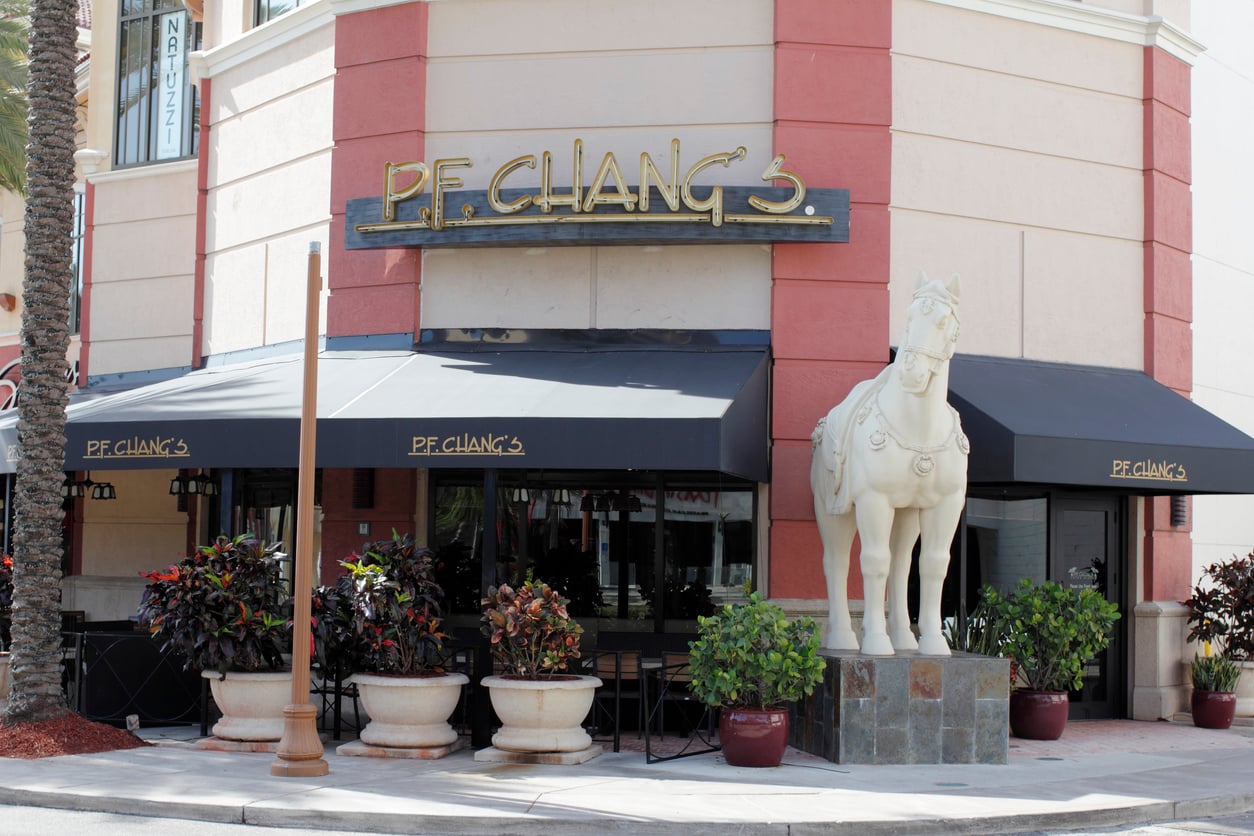
It is easy to assume P.F. Chang was someone’s name, but the restaurant actually combines its two founders. Philip Chiang ran the Los Angeles restaurant Mandarette, where restaurateur Paul Fleming became a regular customer. Fleming was impressed enough that the two eventually became business partners. When P.F. Chang’s opened in Scottsdale, Arizona, in 1993, the P.F. represented Paul Fleming while Chang came from Philip Chiang’s family name.
Starbucks Originally Sold Beans, Tea, and Spices
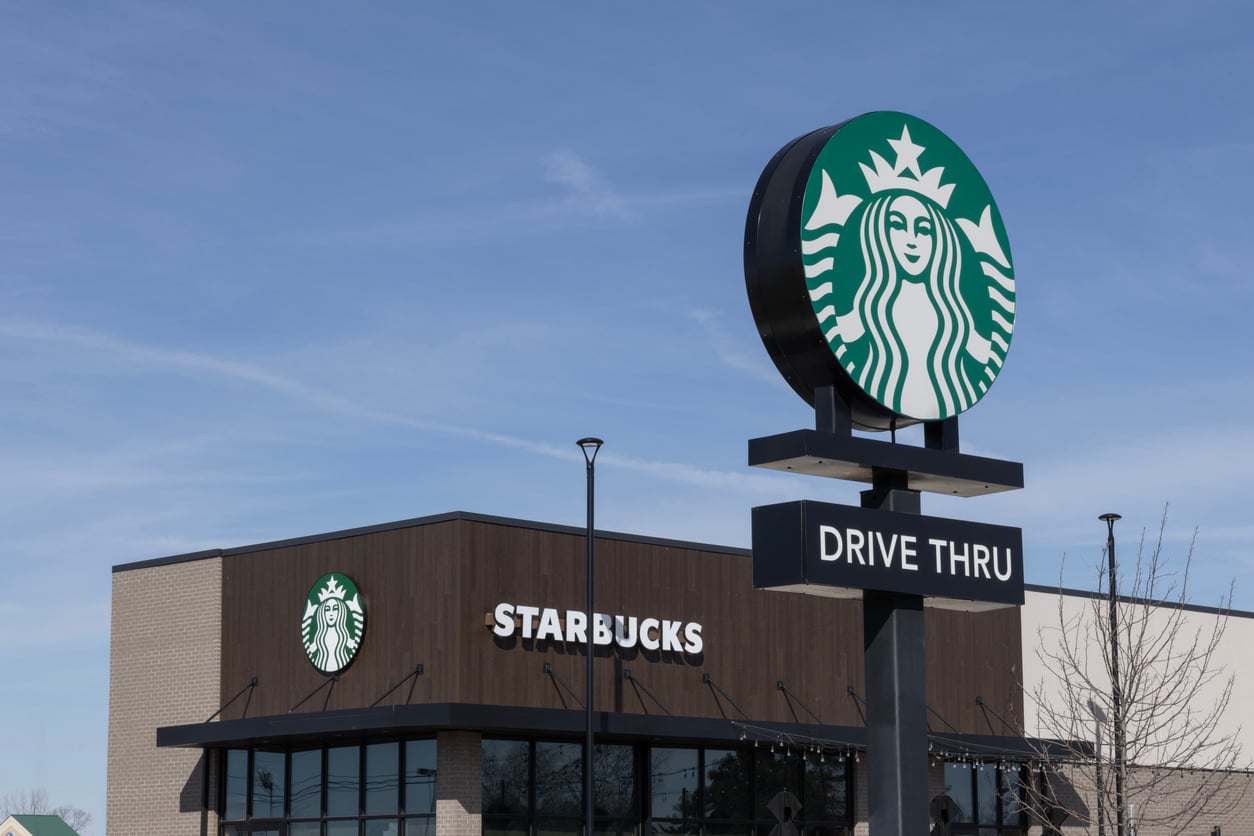
The first Starbucks looked very different from the latte-and-Frappuccino operation people recognize today. When it opened at Seattle’s Pike Place Market in April 1971, the roughly 1,000-square-foot store primarily sold whole-bean coffee, tea, and spices. Starbucks says the shop initially had only one paid employee. The company’s transformation into a business centered on handcrafted espresso drinks did not begin until years later, making the original Starbucks closer to a specialty coffee retailer than a modern coffeehouse.
Outback Steakhouse Was Born in Florida, Not Australia
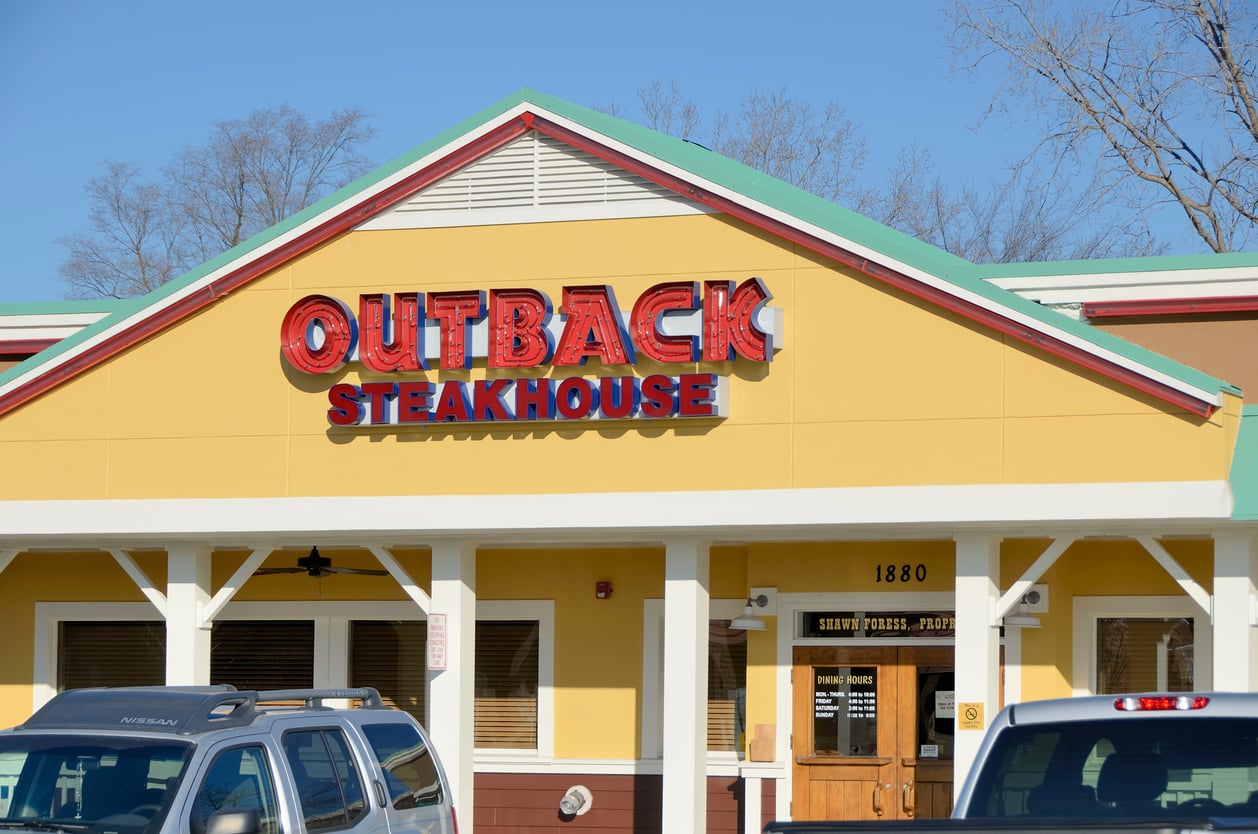
Everything from the boomerangs to the menu names may suggest Australian origins, but Outback Steakhouse was created in Tampa, Florida. Hospitality veterans Chris Sullivan, Robert Basham, Tim Gannon, and Trudy Cooper developed the concept and opened the first restaurant in March 1988. According to Outback, the founders deliberately chose an Australian theme because they felt it suited the relaxed, lively atmosphere they wanted. In other words, the Australia connection was branding from the beginning.
Trending on Cheapism
IHOP Spent Its First 15 Years Without the IHOP Name
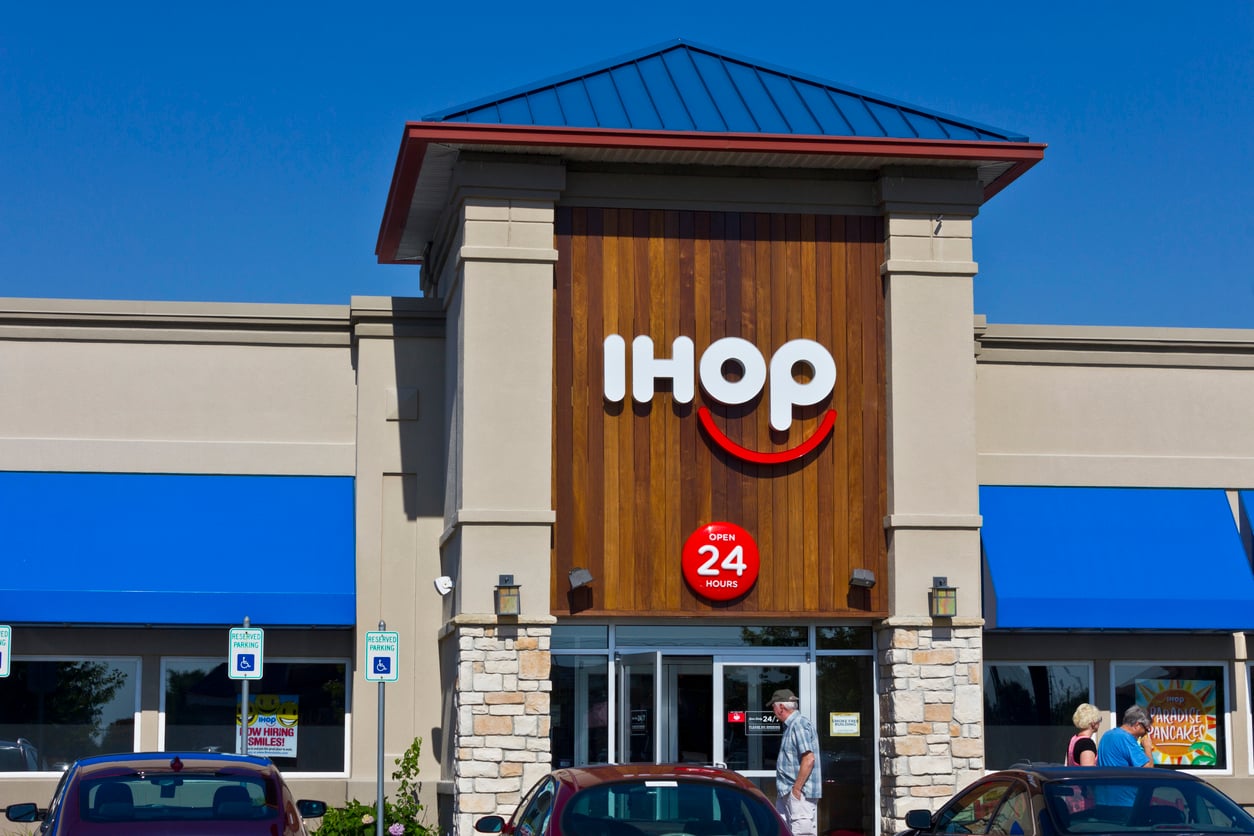
When the first location opened in Toluca Lake, California, in 1958, customers knew it as the International House of Pancakes. The four-letter IHOP shorthand that now dominates its signs did not arrive immediately. According to the company’s history, a marketing campaign introduced the acronym in 1973, about 15 years after the first restaurant opened. Eventually the abbreviation became so recognizable that plenty of customers probably stopped thinking about what the letters actually stood for.
Cracker Barrel Is Named After a Real Country-Store Tradition
The “cracker barrel” in Cracker Barrel was not simply a made-up bit of country-themed branding. Crackers were once delivered to general stores in barrels, and the barrels became gathering spots where neighbors could sit and exchange news. Founder Dan Evins borrowed that image when developing his restaurant and country-store concept in 1969. He was working in his family’s gasoline business and wanted to give growing numbers of highway travelers a comfortable place to stop, eat, shop, and rest.
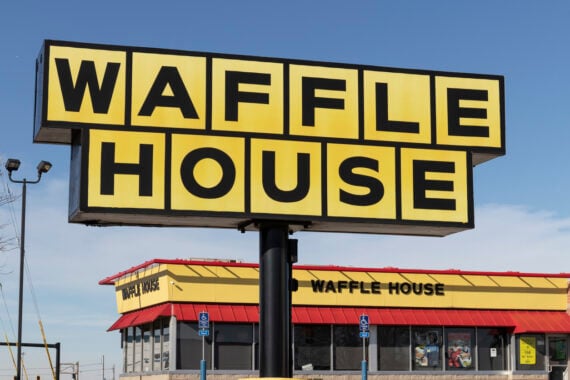
The First Waffle House Is Now a Museum
Joe Rogers Sr. and Tom Forkner were neighbors in Avondale Estates, Georgia, when they opened the first Waffle House over Labor Day weekend in 1955. That original restaurant no longer operates as an ordinary Waffle House, but the company preserved the site as the Waffle House Museum. Its interior has been recreated to resemble the 1950s restaurant, while an adjoining exhibit covers subjects ranging from uniforms and menus to the company’s famous disaster-response “Waffle House Index”.
Sign up for our newsletter
Denny’s Started Out as a Donut Shop
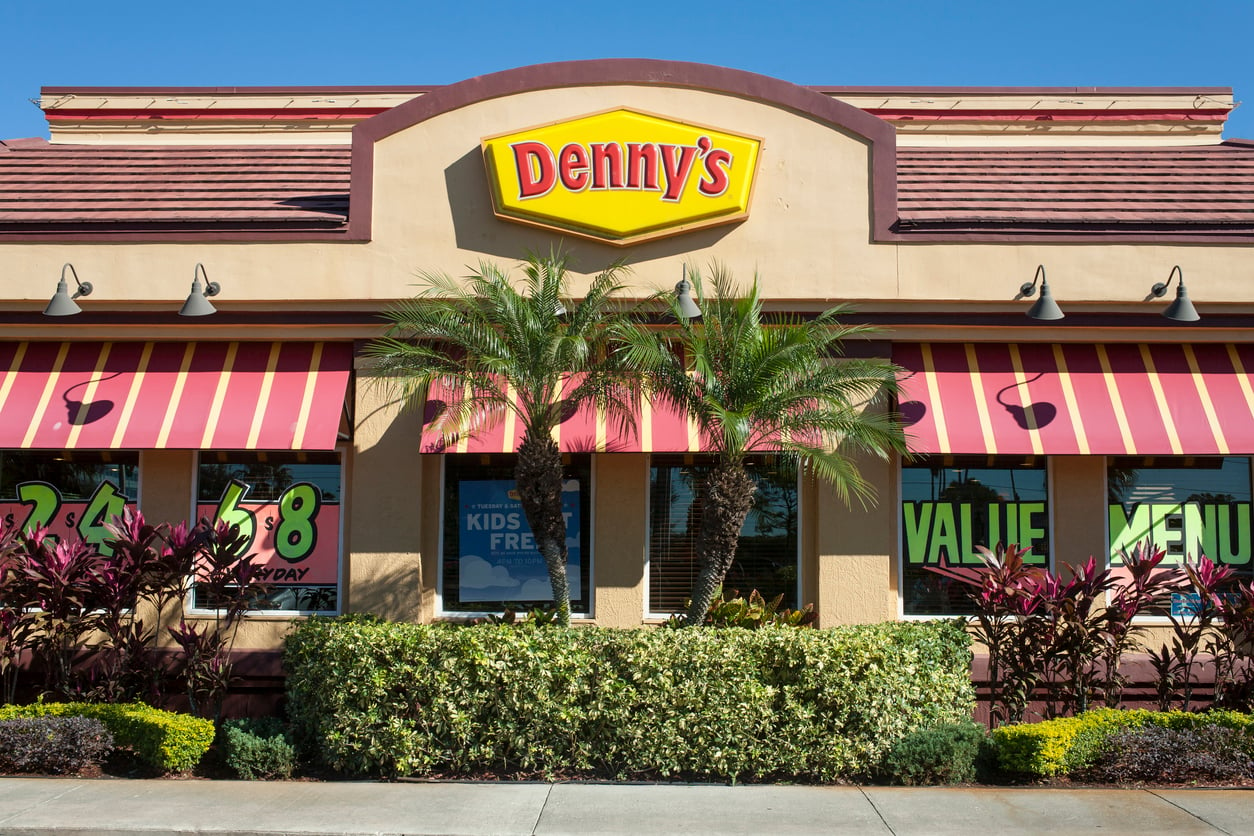
The all-day diner known for Grand Slams began with a considerably smaller menu. Harold Butler and Richard Jezak opened Danny’s Donuts in Lakewood, California, in 1953. By 1956, the concept was shifting away from a simple donut operation and toward 24-hour coffee shops. Company investor records say the growing chain had 20 restaurants by 1959, when the name changed to Denny’s. Its diner identity therefore evolved out of a business originally built around coffee and donuts.
Red Lobster Was Meant to Make Seafood More Accessible
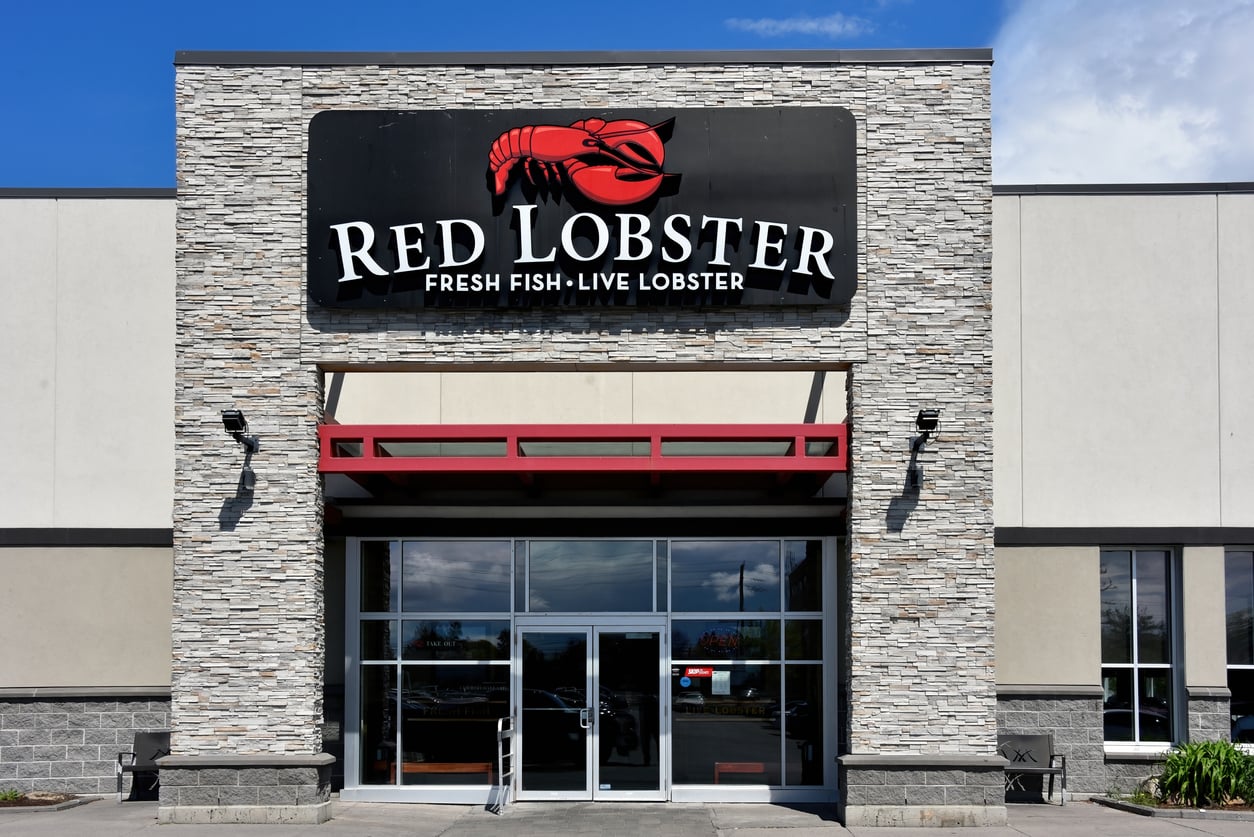
Red Lobster’s seaside imagery can make it seem like a concept born specifically for coastal diners, but founder Bill Darden had a much broader goal. He opened the first Red Lobster in Lakeland, Florida, in 1968 with the idea of making seafood more accessible and affordable to more people, including customers who lived far from the coast. General Mills became involved soon afterward, providing resources that helped the restaurant expand rapidly across the country during the 1970s.
The First Texas Roadhouse Was Actually in Indiana
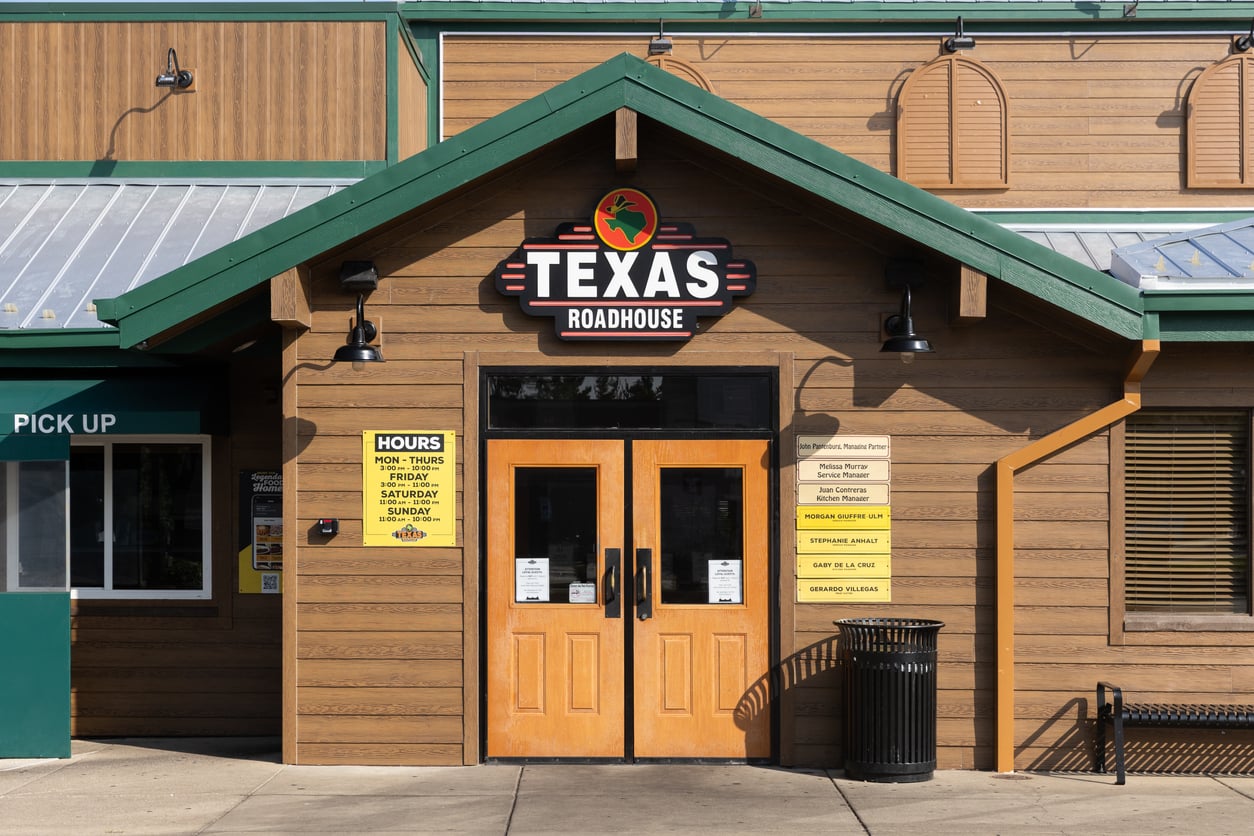
Despite the name, Texas Roadhouse did not start in Texas. Founder Kent Taylor opened the first restaurant in Clarksville, Indiana, in 1993. The company itself went on to become based in Louisville, Kentucky. Even more surprisingly, Texas did not get its first location until later: current CEO Jerry Morgan joined the company in 1997 as managing partner of what Texas Roadhouse describes as its first restaurant in the state. The Texas identity was a restaurant concept, not its geographic birthplace.
Olive Garden Was Created in Orlando
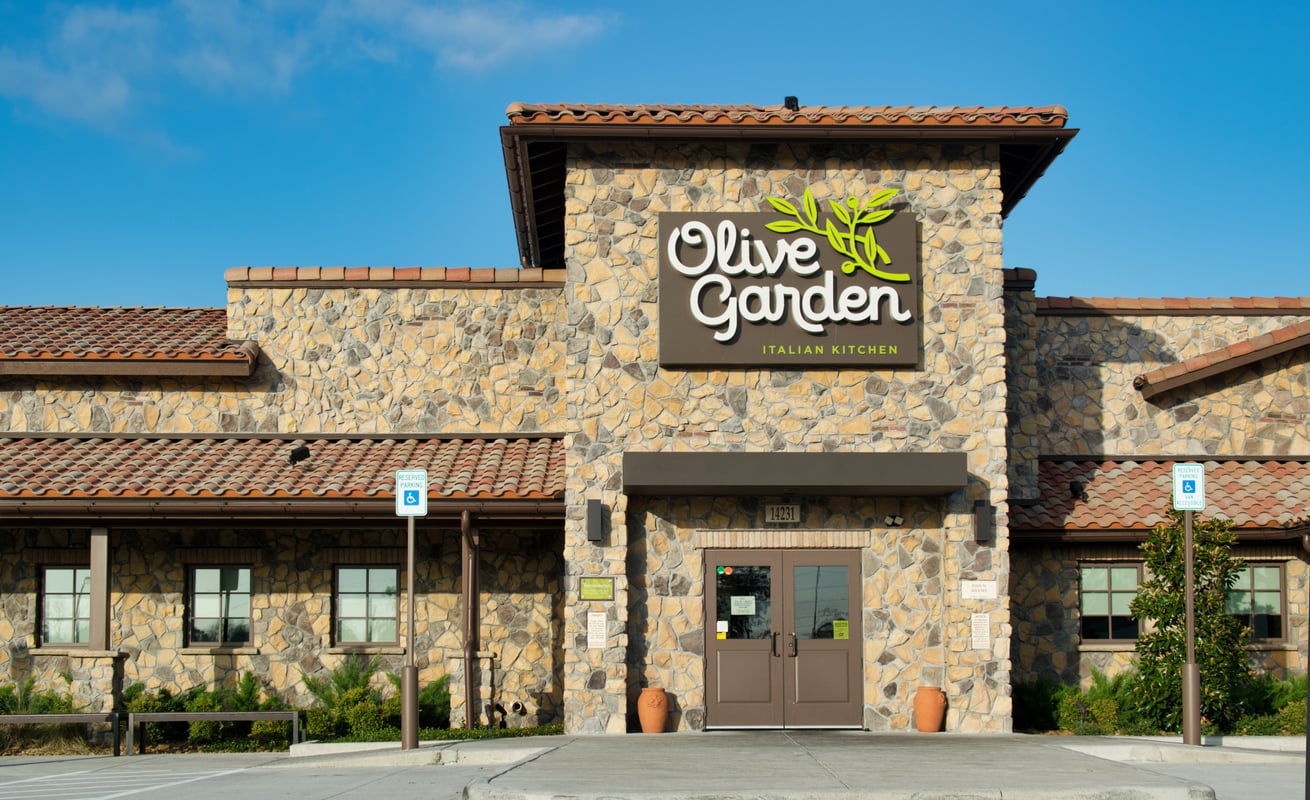
Olive Garden’s imagery is built around Italian food and hospitality, but its roots are thoroughly American. The first Olive Garden opened in Orlando, Florida, on December 13, 1982. It was developed as a restaurant concept by the organization that became Darden Restaurants rather than growing from an Italian family’s independent restaurant. The company later built relationships and training programs in Italy, but Olive Garden itself was born in one of America’s biggest centers of corporate restaurant and hospitality development.
Baskin-Robbins’ 31 Meant a Different Flavor Every Day
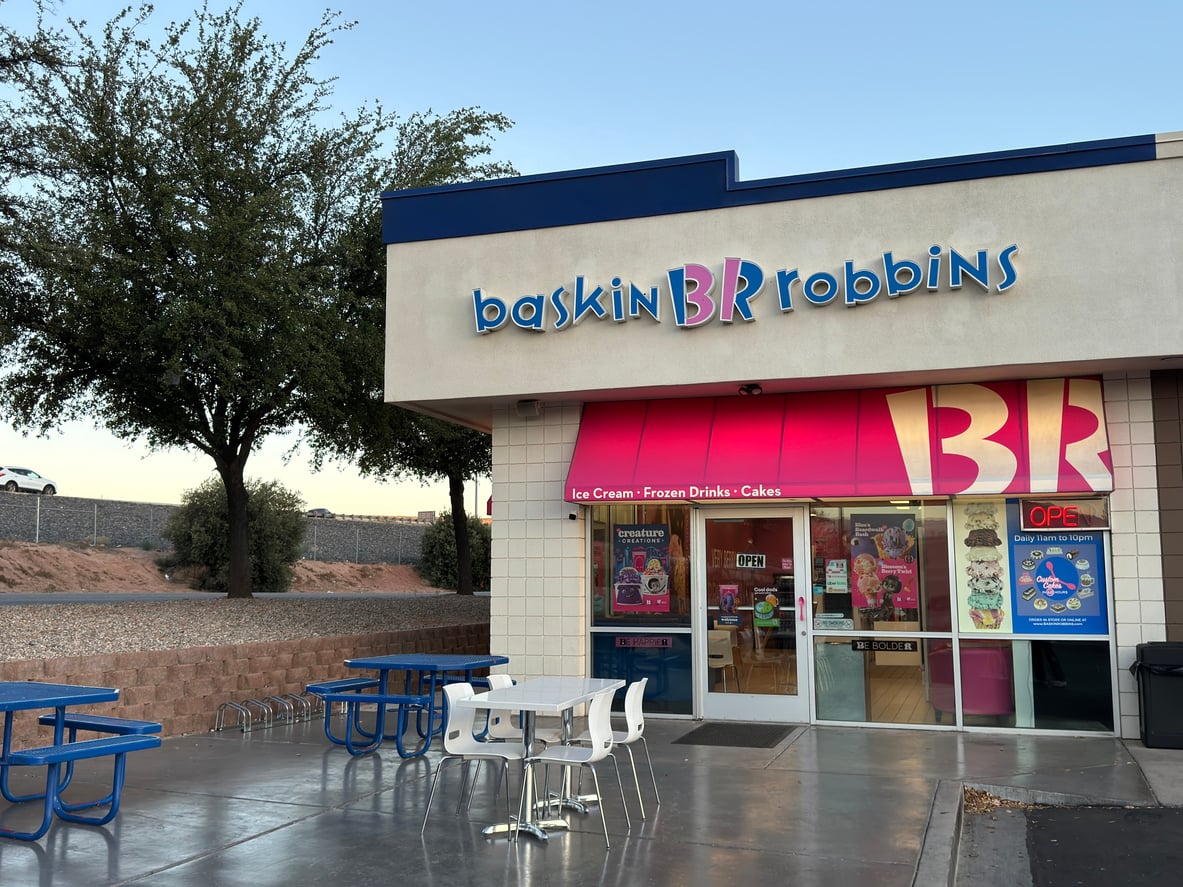
Burt Baskin and Irv Robbins, who were brothers-in-law, founded Baskin-Robbins in California in 1945 at a time when many ice cream shops offered a fairly limited selection. Their idea was much more ambitious. The company’s famous “31 Flavors” concept represented enough choices for customers to have a different flavor every day of the month. The 31 became part of the brand’s identity and remains cleverly incorporated into the Baskin-Robbins logo decades later.
Pizza Hut Got Its Name Because the Sign Had Room for Eight Letters
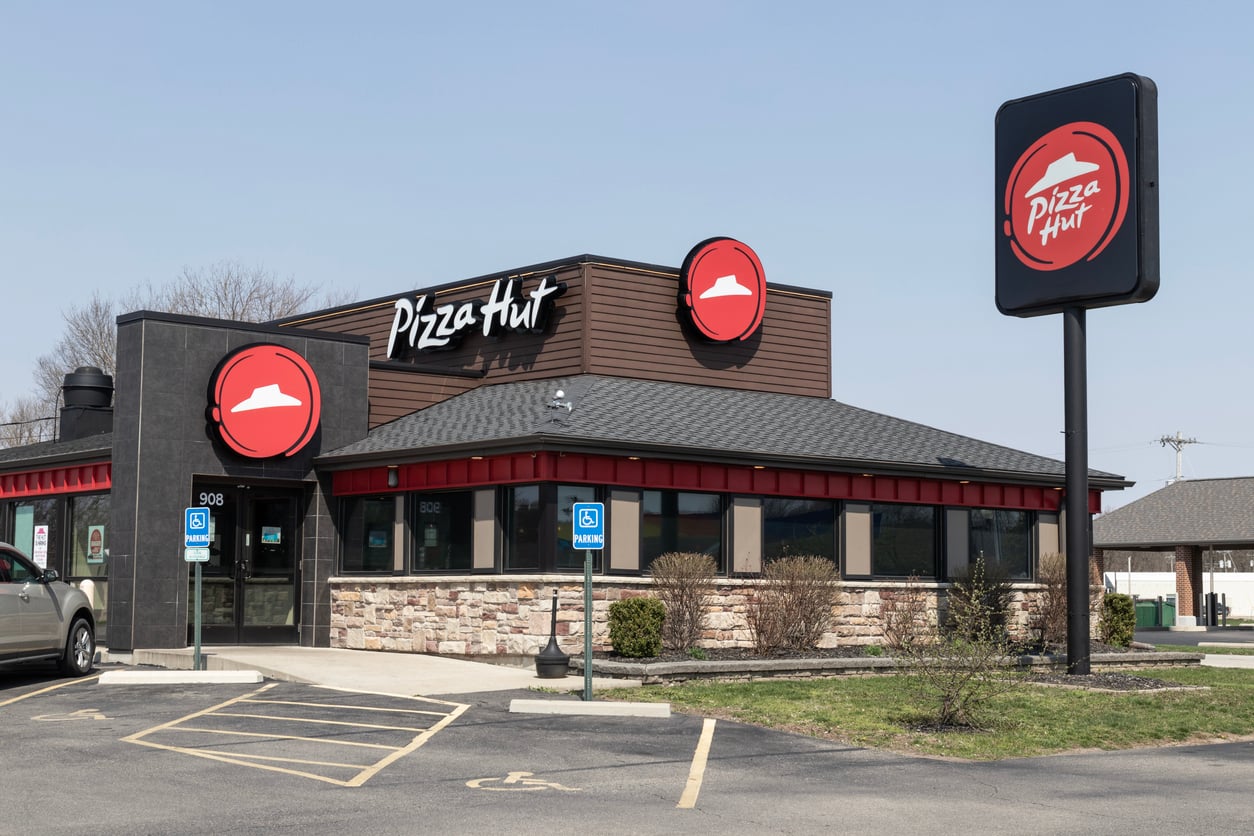
Pizza Hut’s name sounds perfectly suited to the small, distinctive buildings the chain later became known for, but the company’s explanation is much simpler. Brothers Dan and Frank Carney borrowed $600 from their mother and opened a pizza restaurant in Wichita, Kansas, in 1958. Their sign had room for only eight letters. “Pizza Hut” fit the available space, so that became the name of a business that eventually expanded around the world. Sometimes branding really does come down to available room.
McDonald’s First Drive-Thru Was Inspired by Soldiers
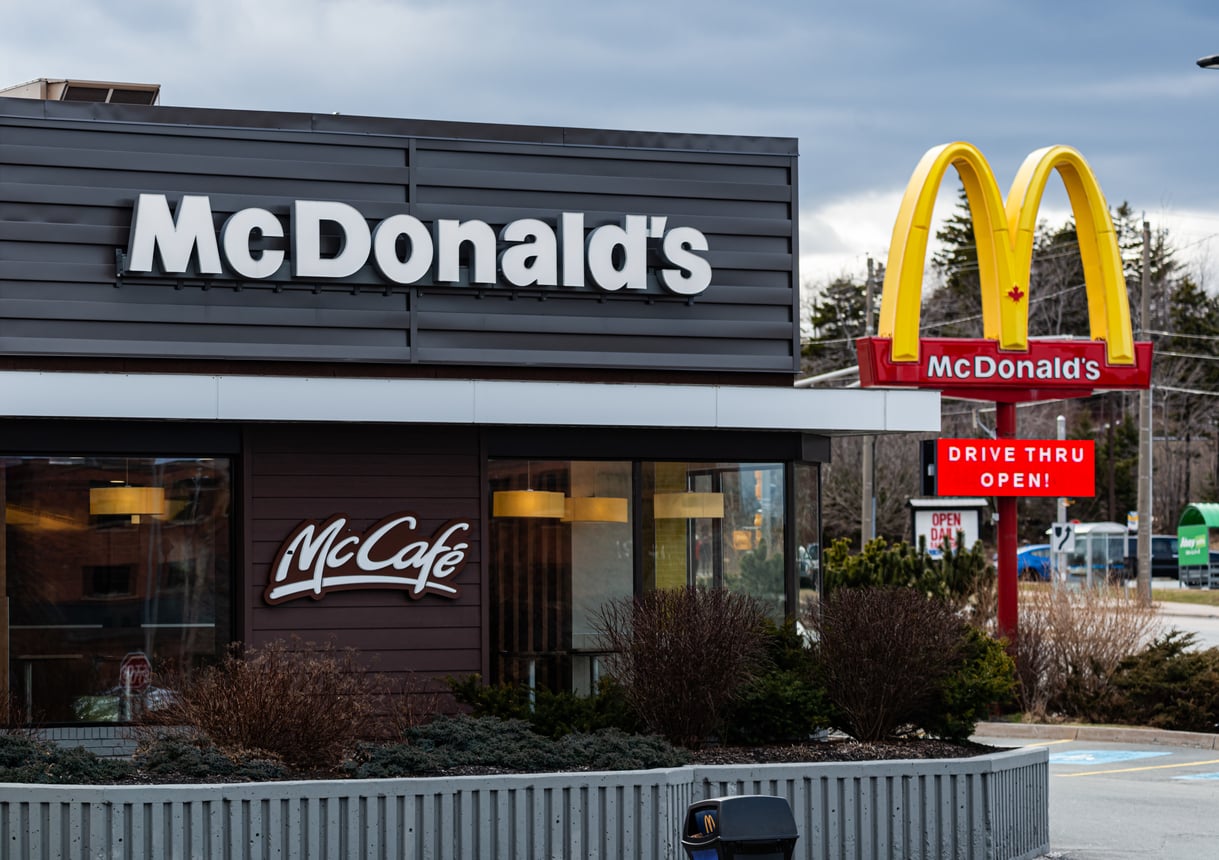
McDonald’s had been serving customers for decades before opening its first drive-thru. The breakthrough came in Sierra Vista, Arizona, near Fort Huachuca, on January 24, 1975. McDonald’s says local soldiers wearing fatigues were required to remain in their vehicles while off base, preventing them from simply walking into the restaurant. Franchise operator David Rich installed a sliding window that allowed them to order without leaving their cars. The solution helped establish a format now inseparable from American fast food.
Chick-fil-A’s First Restaurant Was About the Size of a Two-Car Garage
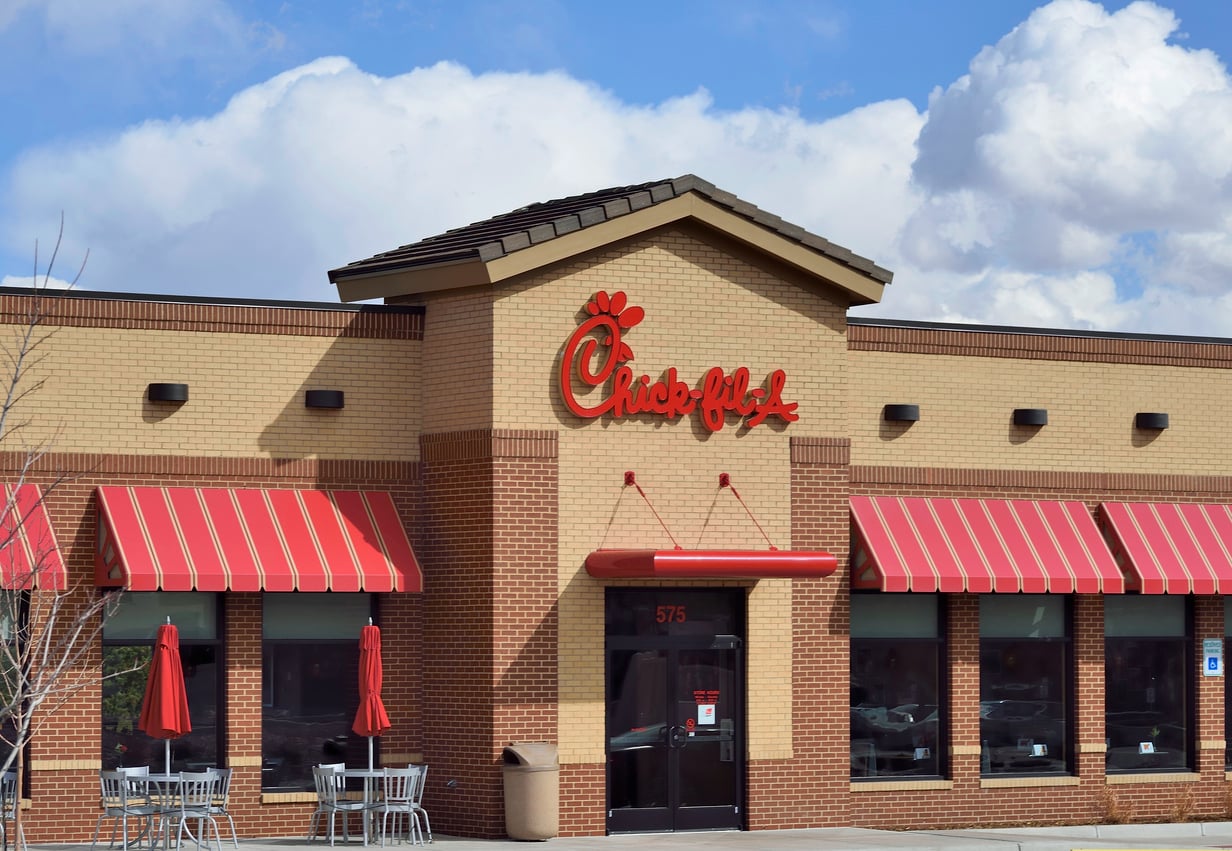
The first restaurant carrying the Chick-fil-A name was hardly a sprawling drive-thru operation. Truett Cathy opened it inside Atlanta’s Greenbriar Mall in 1967. Chick-fil-A says the restaurant measured only 384 square feet, roughly the size of a two-car garage, and its original chicken sandwich sold for 59 cents. The company describes the location as an early example of what became the modern mall food court. That original Greenbriar restaurant remained open until May 2023.
KFC Grew Out of Colonel Sanders’ Service-Station Business
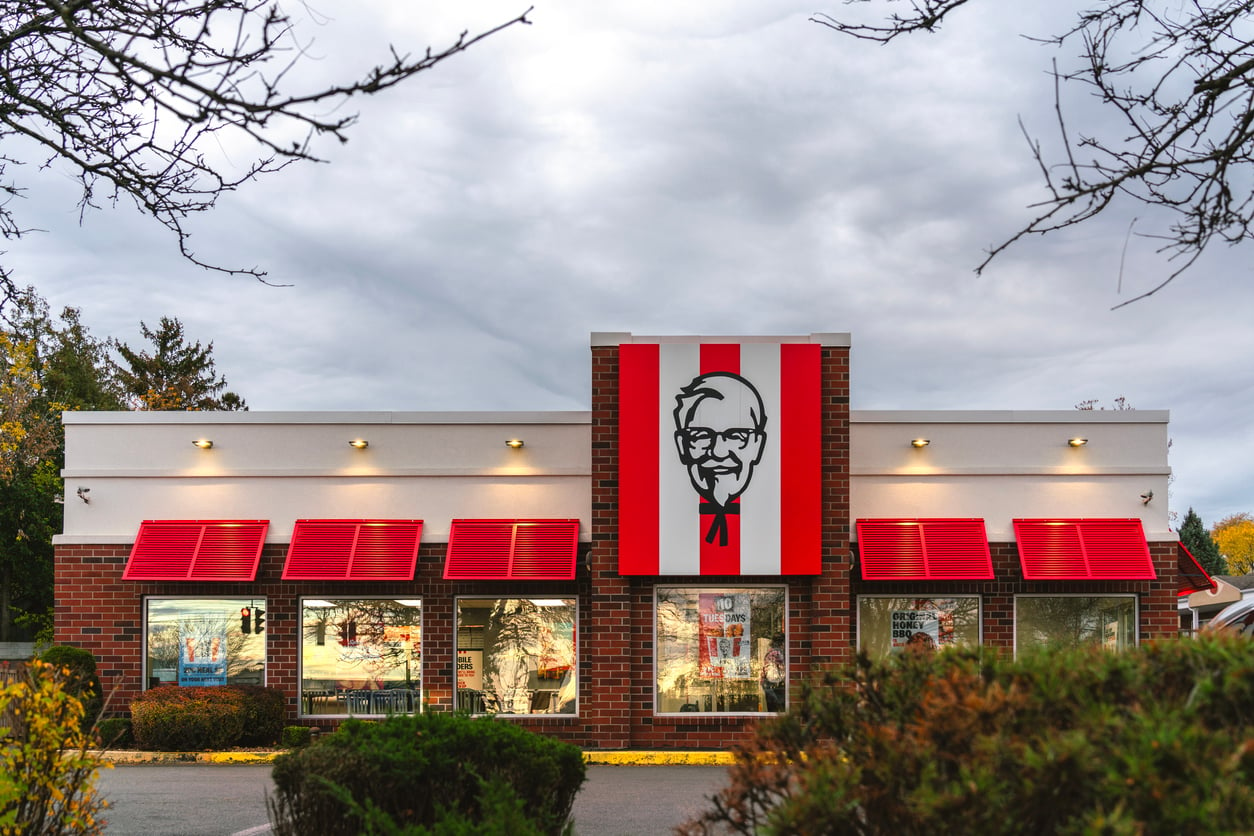
Harland Sanders did not begin his famous chicken business with a polished fast-food restaurant. Before KFC, Sanders operated service stations in Kentucky, including one in Corbin, where he began feeding travelers. He later ran a roadside motel and restaurant and developed the pressure-cooking method and seasoning recipe associated with his fried chicken. KFC’s corporate history traces the restaurant empire back to those roadside businesses, making gasoline and hungry motorists an unlikely part of the chain’s origin story.
Buffalo Wild Wings Began Because Two Guys in Ohio Missed Buffalo Wings
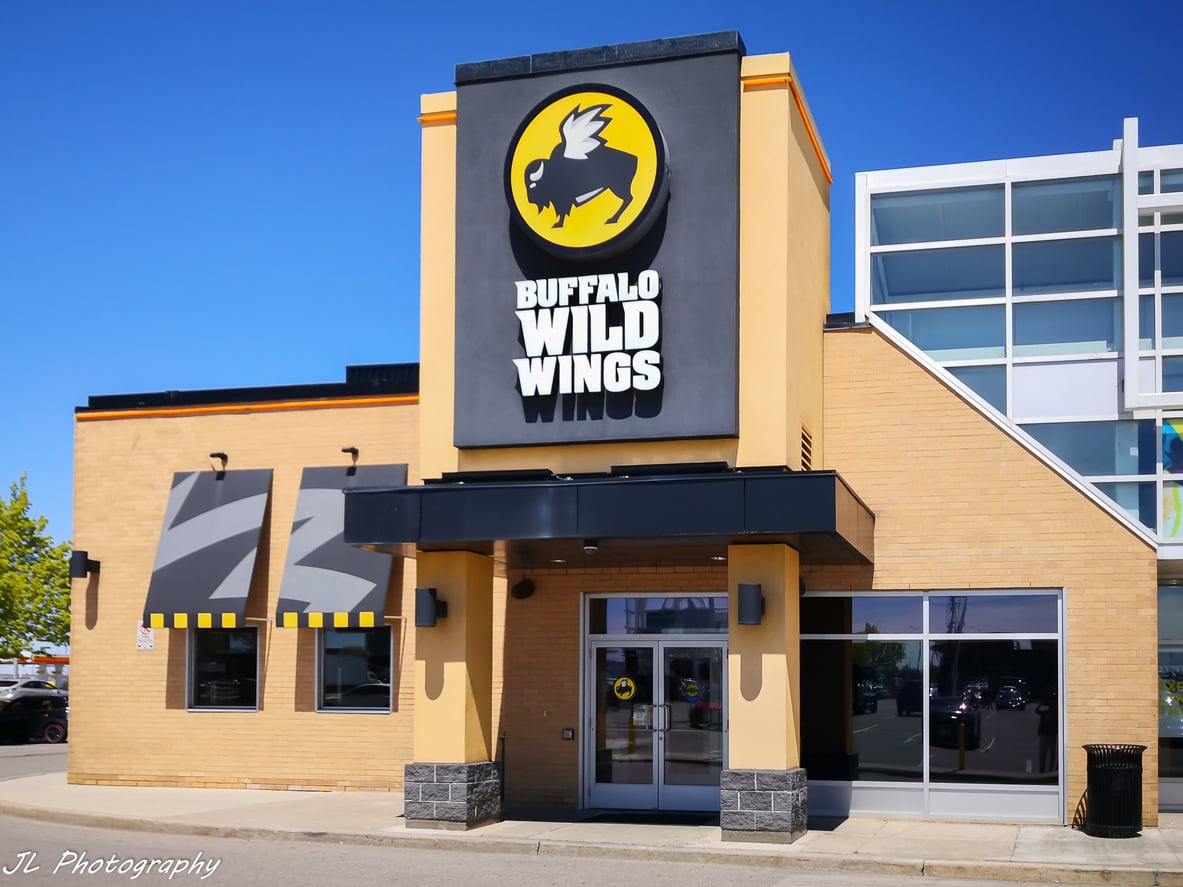
Buffalo Wild Wings began far from Buffalo. According to the company’s history, Jim Disbrow and Scott Lowery had moved from Buffalo, New York, to Ohio and found themselves craving the Buffalo-style wings they knew from home. Rather than repeatedly traveling back to New York, they opened their own wing restaurant in 1982. It was originally called Buffalo Wild Wings & Weck, a reference to the beef-on-weck sandwiches associated with western New York, before the name was eventually shortened.
Wendy Was a Real Person, but Wendy Wasn’t Her Real Name
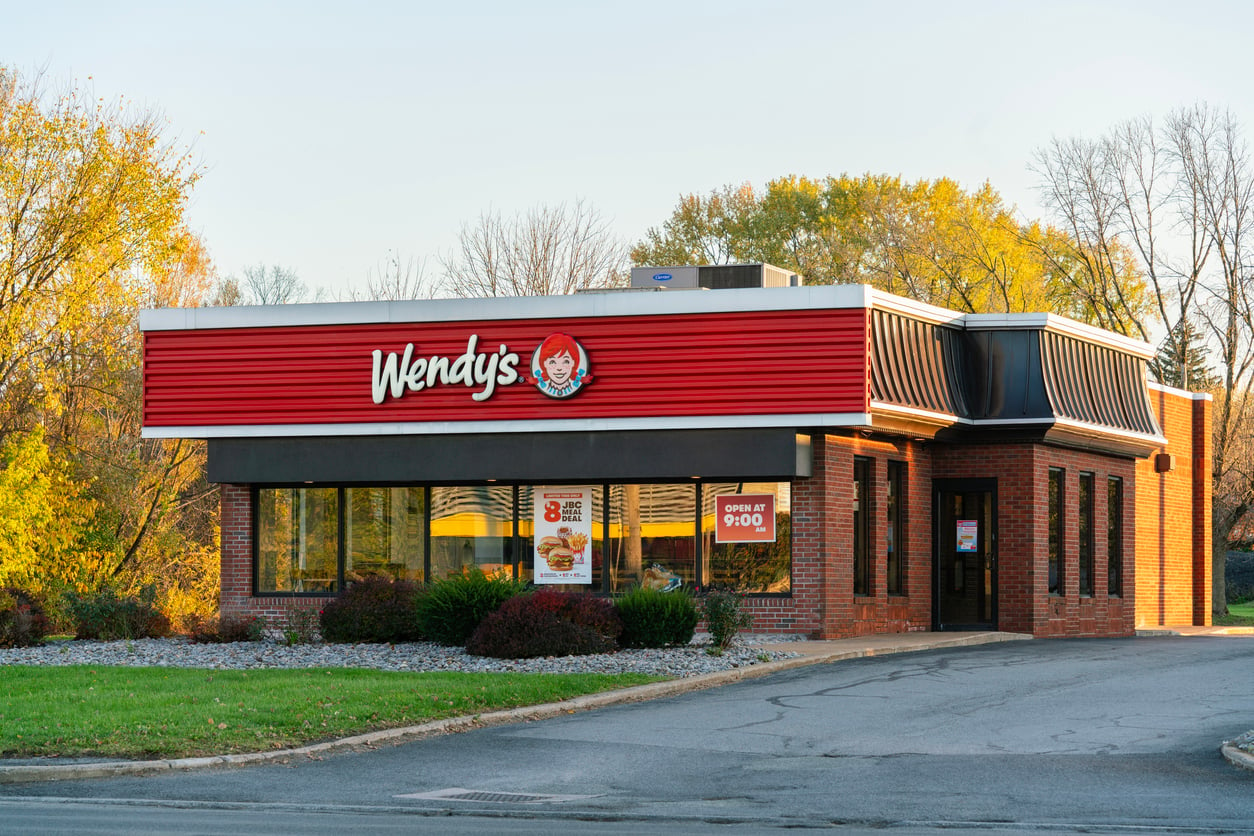
Dave Thomas really did name Wendy’s after one of his children, but her actual first name is Melinda. According to Wendy’s, her siblings had difficulty pronouncing Melinda and began calling her Wenda, which eventually became Wendy. Thomas considered the names of all five of his children before choosing hers for the restaurant he opened in Columbus, Ohio, in 1969. She was eight years old when she modeled for the image used on the restaurant’s original sign.
White Castle Was Selling Five-Cent Sliders More Than a Century Ago
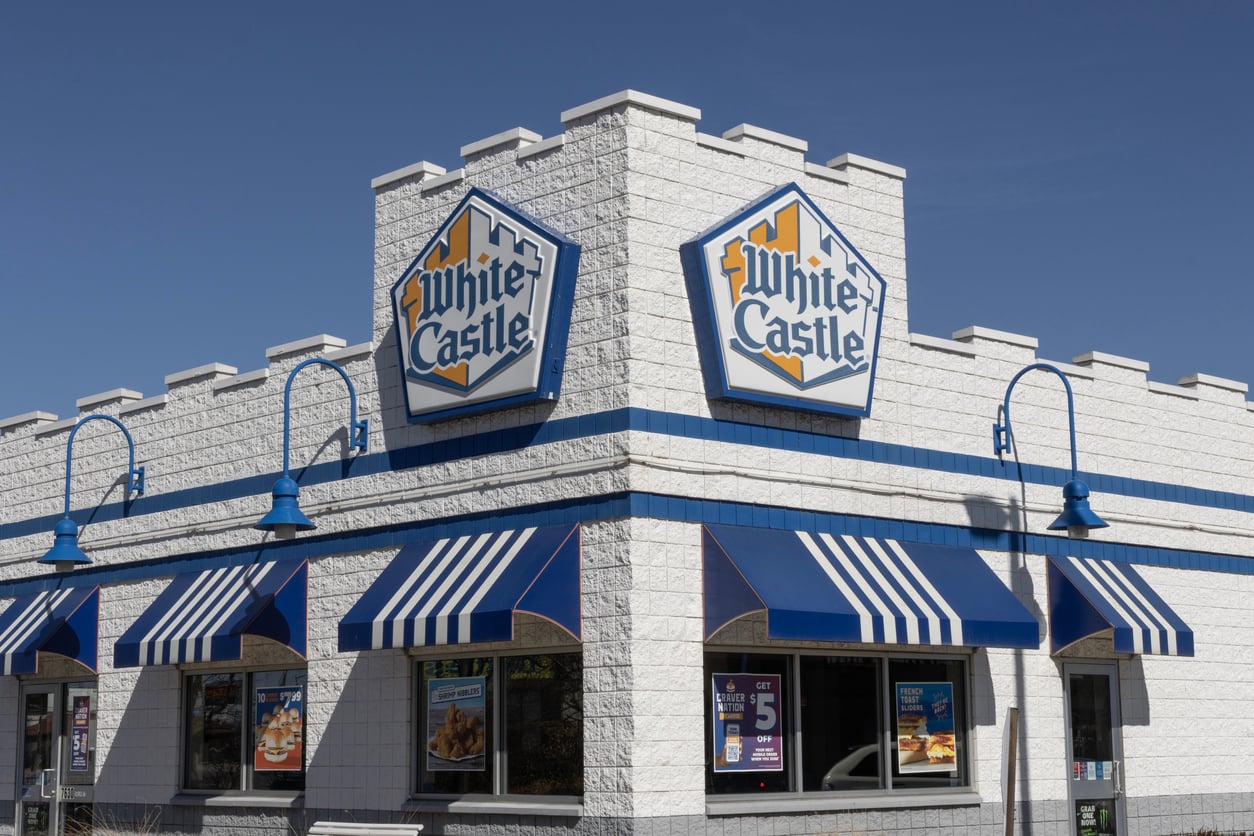
White Castle calls itself the world’s first fast-food hamburger chain, tracing its beginnings to Wichita, Kansas, in 1921. Founder Billy Ingram launched the business with $700 and sold small, square hamburgers for just five cents apiece. Customers could buy several at once, helping establish the “slider” style still associated with White Castle today. More than a century later, the company remains family-owned, making it an unusually direct surviving link to the earliest days of American fast-food chains.