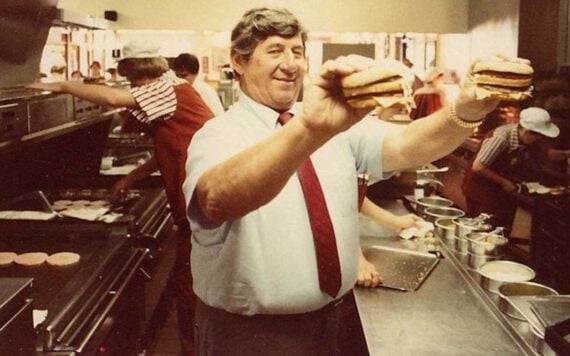
Fast-food chains burst onto the culinary scene and have gained millions of followers worldwide. They have prevailed despite claims by other restaurants, which later criticized the food as highly unhealthy, and the fact that, in many countries, their prices rival those of average sit-down restaurants. Here are 20 surprising fast food history facts, according to McDonalds, Subway and Wendy’s, that hardly anyone knows!
The Egg McMuffin Started as an Attempt to Make Eggs Benedict Portable
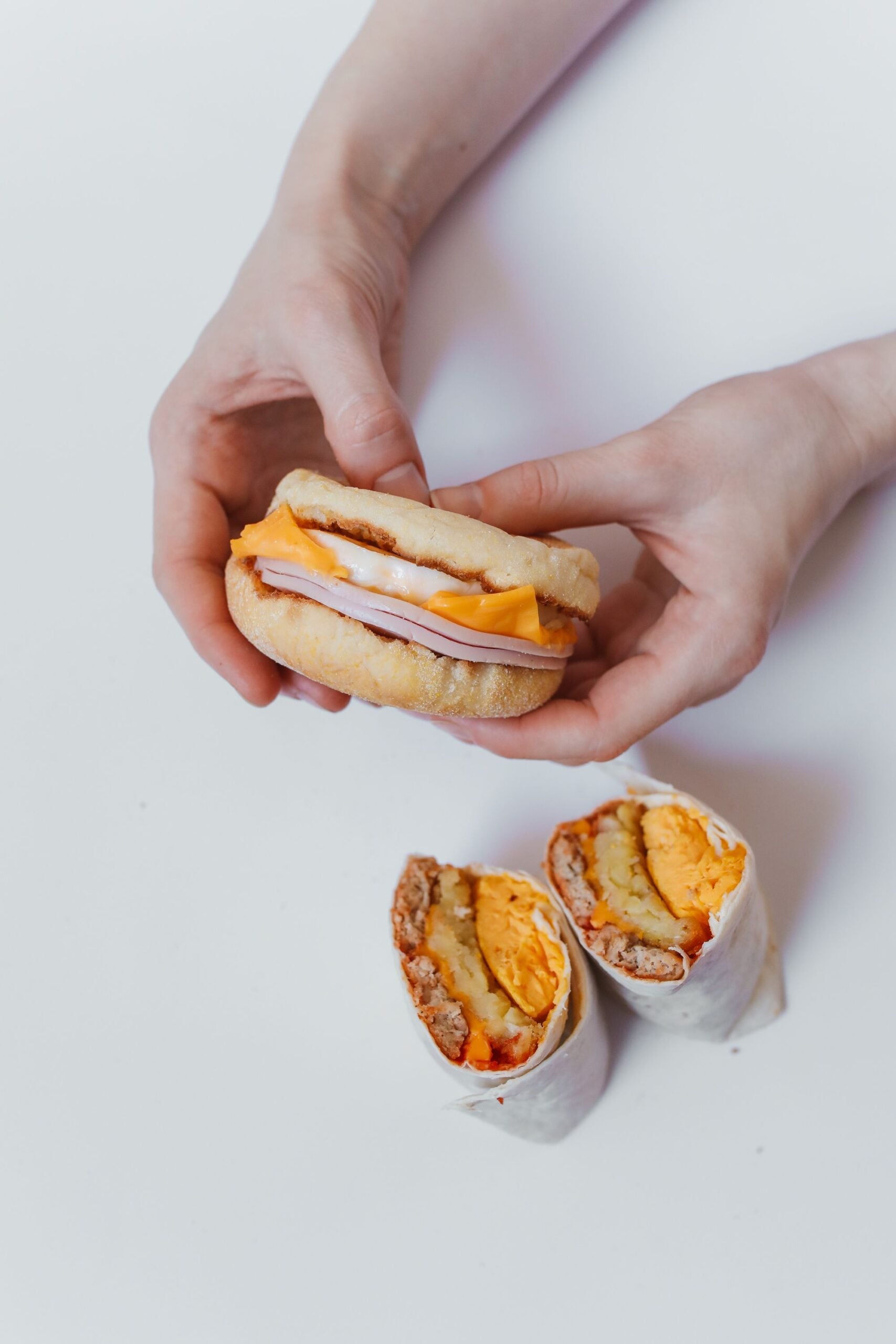
In 1971, Herb Peterson, a McDonald’s franchisee in Santa Barbara, wanted to create a portable version of Eggs Benedict, his favorite dish. His method involved substituting the cheese, adding bacon, and using a ring to keep the egg round. The result was the ‘Egg McMuffin,’ one of McDonald’s most popular breakfast sandwiches and an important part of fast food history.
The Big Mac Was Invented by a Pennsylvania Franchisee, Not McDonald’s Headquarters
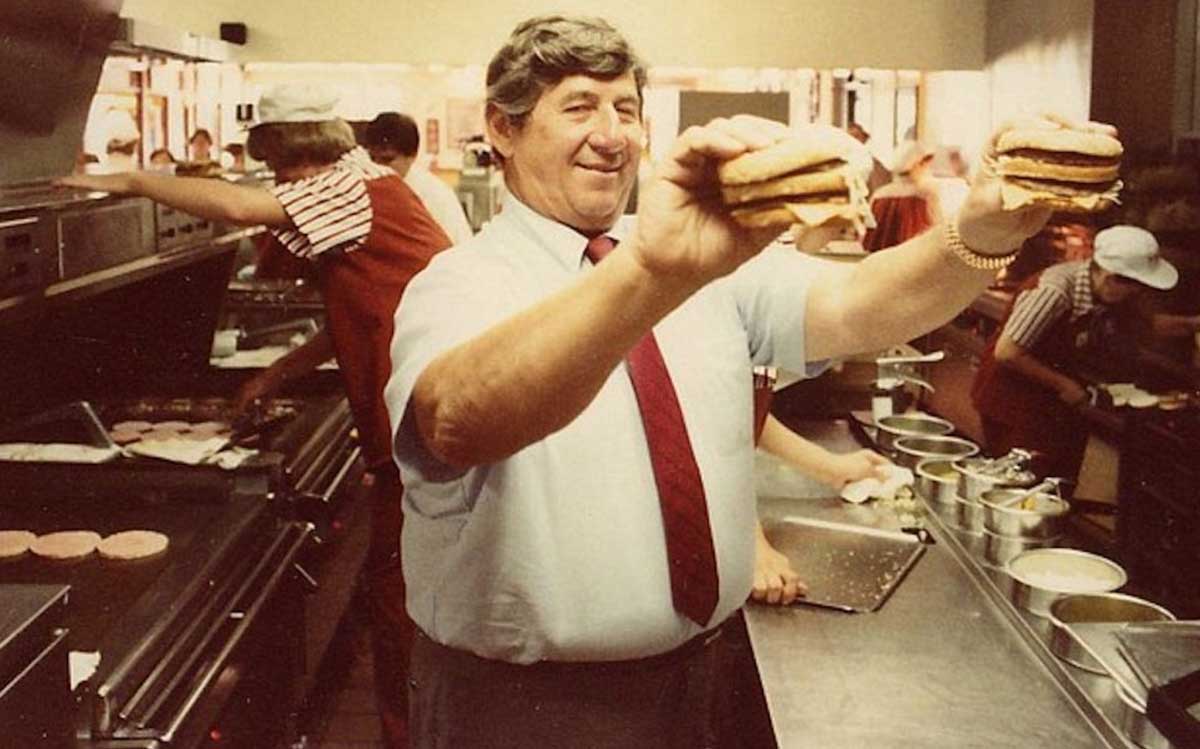
The ‘Big Mac’ was not an idea conceived by McDonald’s corporate leadership and then rolled out to all its franchises, quite the opposite. It was the Uniontown, Pennsylvania franchise, specifically Jim Delligatti in 1967, that created this double-patty burger with special sauce to offer a larger option of a meal. By the following year, it was a massive success, prompting the company to launch the burger nationwide. It remains one of the most recognizable stories in fast food history.
Subway Was Originally Called Pete’s Super Submarines
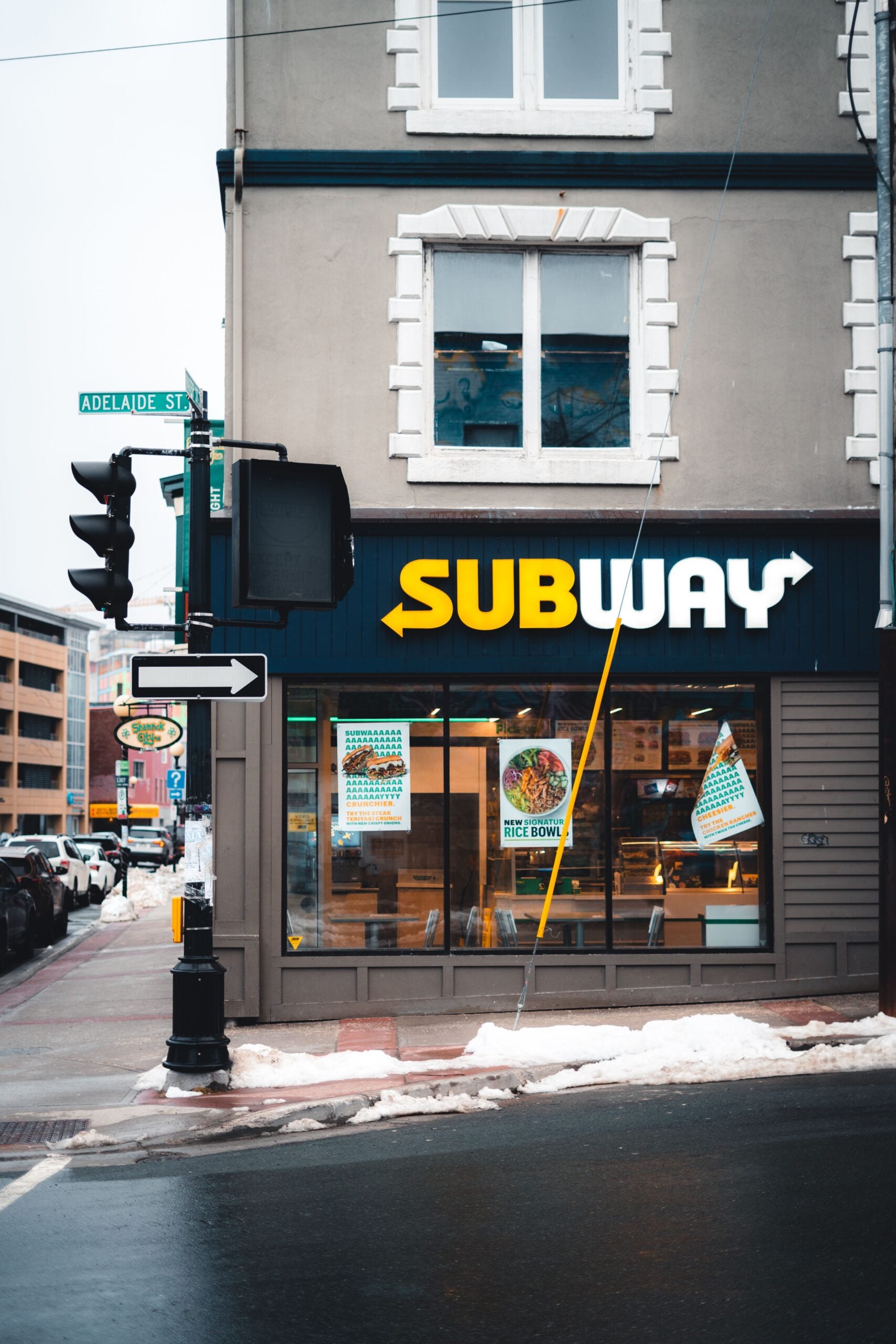
When the shops you know as ‘Subway’ first opened in 1965, they did not bear that name. Instead, they were called ‘Pete’s Super Submarines.’ Subway’s own history mentions the name was simply that, and has nothing to do with being inspired by the city of origin, Bridgeport. It was 17-year-old Fred DeLuca and a family friend, Dr. Peter Buck, who launched this fast-food chain as a way to repay the money Buck had lent DeLuca for his college tuition.
Subway’s Parent Company Was Called Doctor’s Associates for a Surprisingly Literal Reason
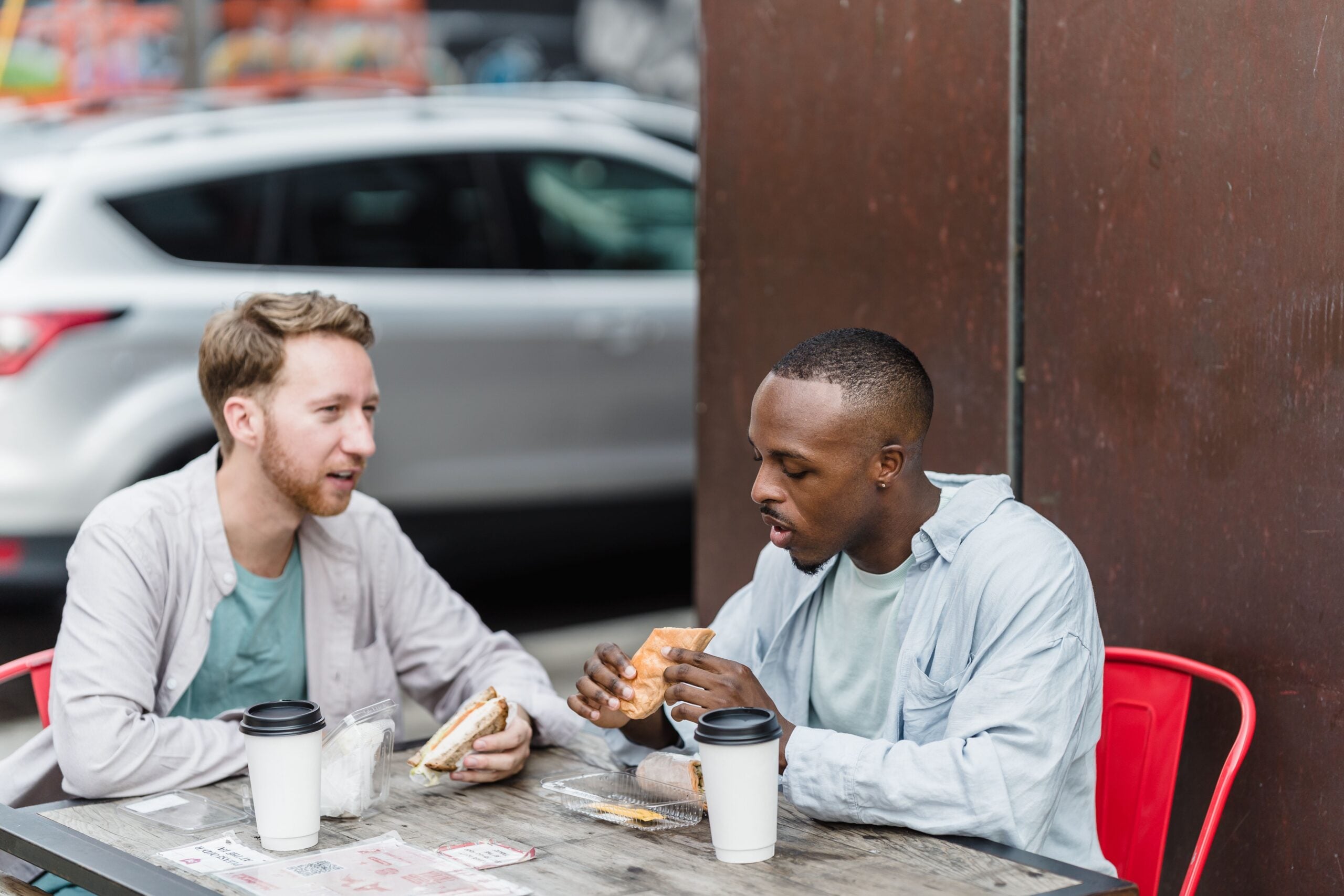
The name ‘Doctor’s Associates’ for Subway’s parent company is directly linked to the fact that co-founder Peter Buck held a doctorate in nuclear physics and DeLuca wanted to become one. The relationship between Buck and Subway founder Fred DeLuca was quite close, as the profits from that first sandwich shop helped pay for DeLuca’s education. It is one of the more unusual stories in fast food history.
Dunkin’ Was Originally Called ‘Open Kettle’
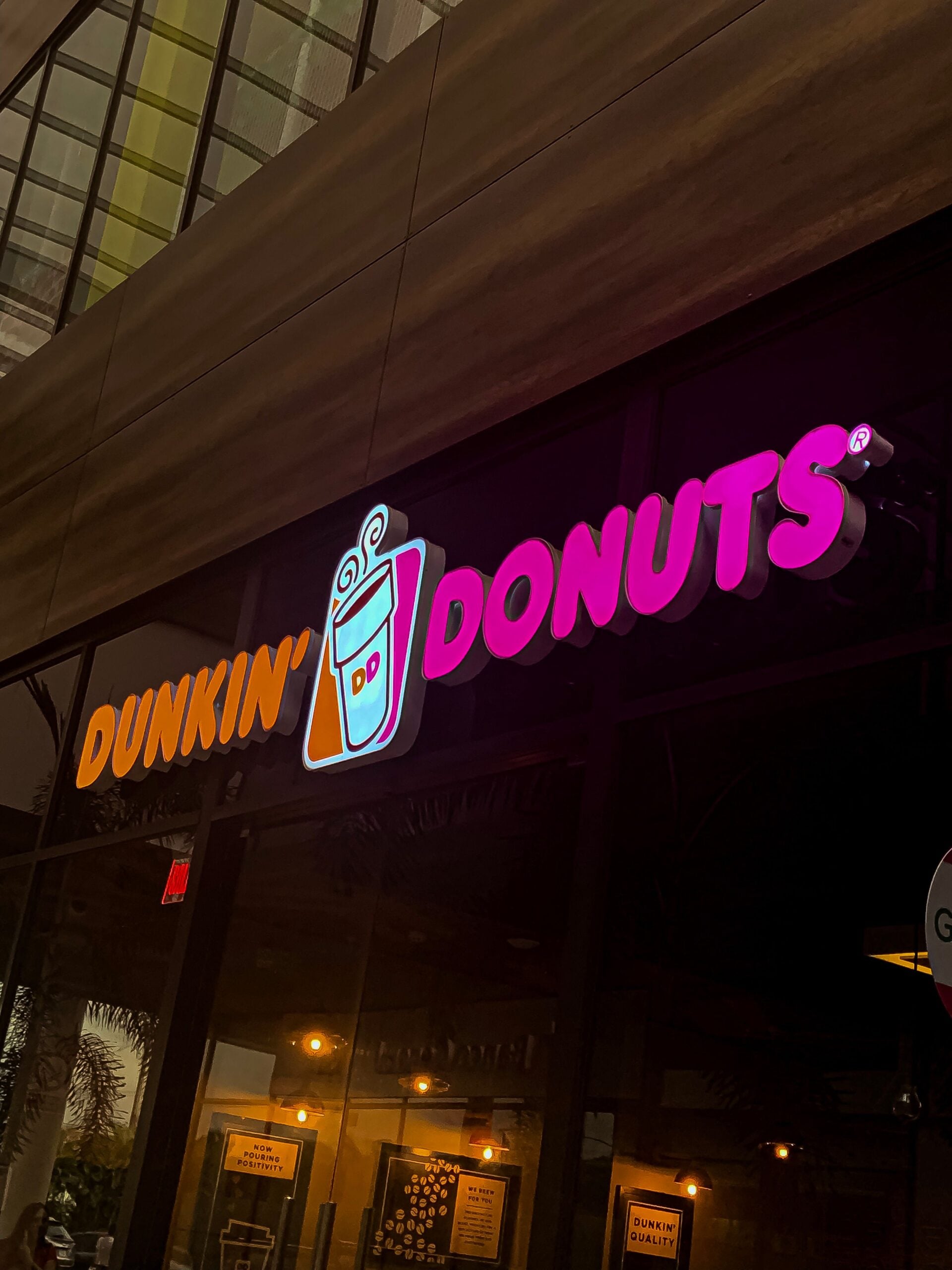
Bill Rosenberg is the founder of the donut chain known today as ‘Dunkin Donuts,’ but when he decided to open the first store in 1948 in Quincy, Massachusetts, he chose the name ‘Open Kettle’ for his new business. Some mentioned the name was chosen because it reflected a traditional, industrial-style cooking setup used to make deep-fried donuts and fresh coffee. At those stores, donuts were sold for 5 cents and coffee for 10 cents.
Trending on Cheapism

Dunkin’s Munchkins Didn’t Arrive Until 1972
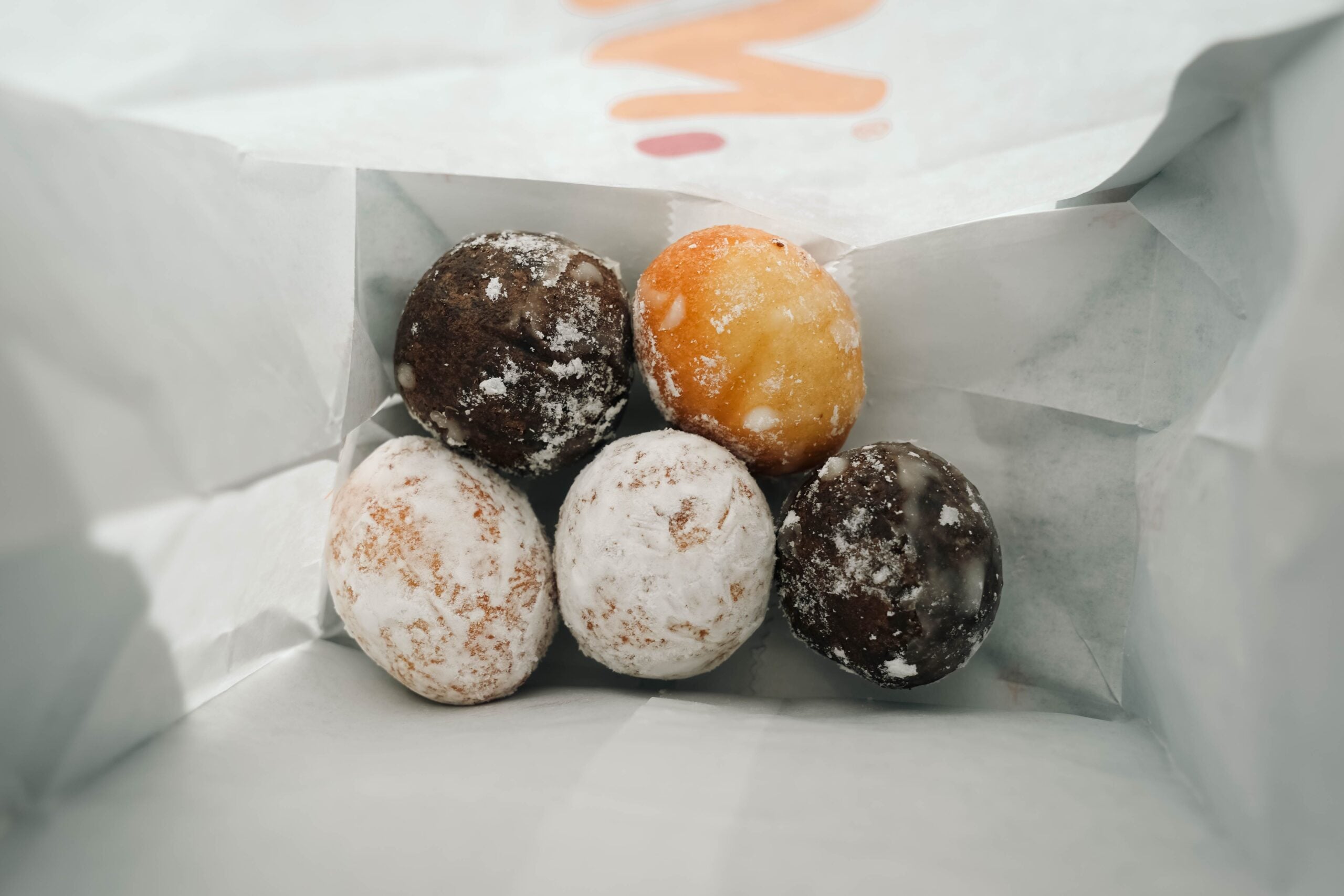
Dunkin’s ‘Munchkins’ were not sold to the public until 1972 because they didn’t exist prior to that. These bite-sized donut holes were created as a way to use dough scraps cut from the centers of ring donuts. They were marketed primarily to children and families, and were named after the small characters from the movie ‘ The Wizard of Oz,’ making them a memorable part of fast food history.
Wendy’s Used to Have a Full Salad Bar
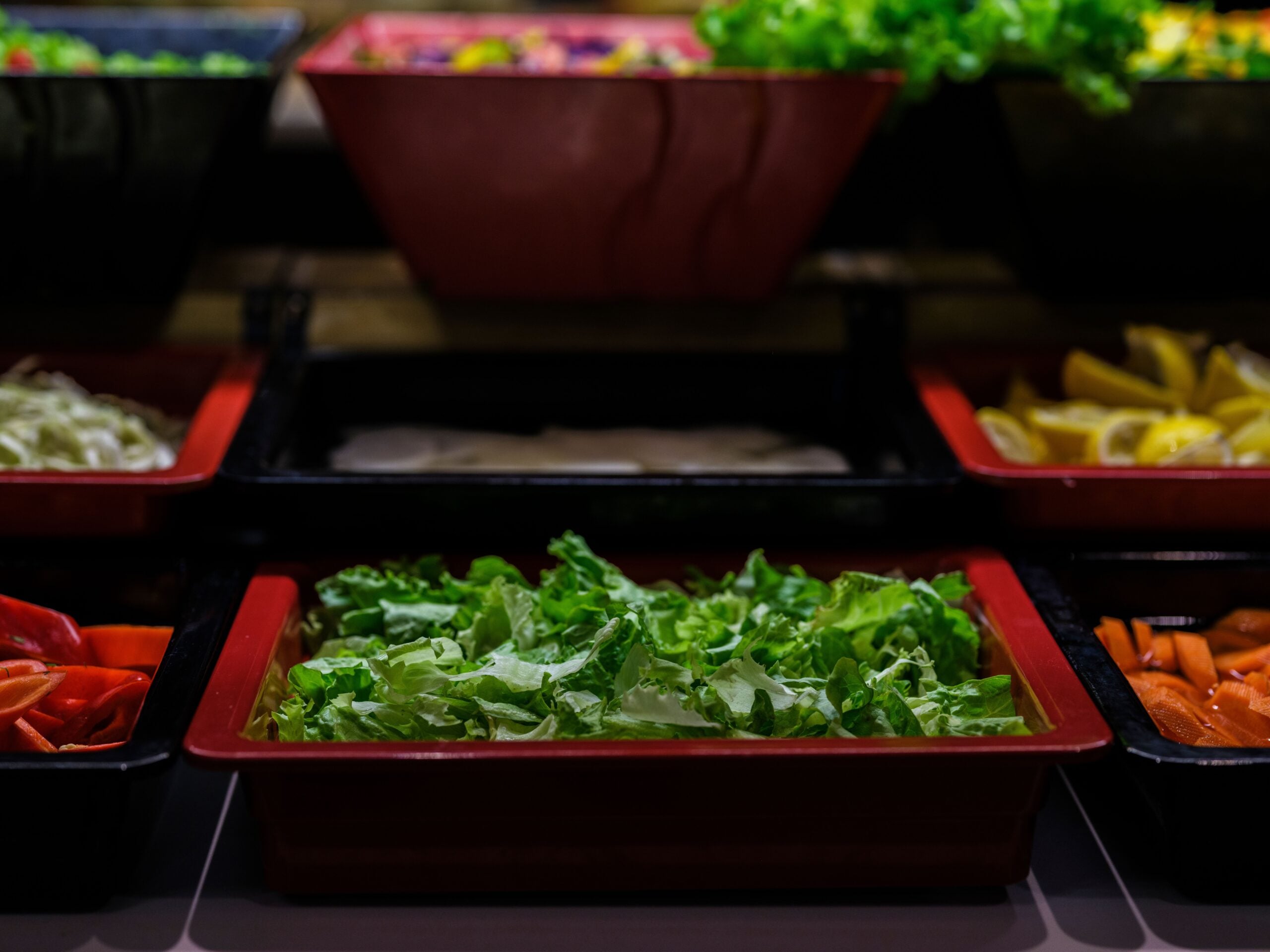
During the 1970s and 1980s, Wendy’s used to offer a popular salad bar that later evolved into the ‘SuperBar,’ where you could eat everything from Mexican food and pasta, to salads. High labor costs and the shift toward the more convenient drive-thru led to the salad bar’s demise, and it disappeared completely in 2006. The buffet-style approach remains a memorable piece of fast food history.
Wendy’s Modern To-Go Salads Grew Out of That Salad Bar
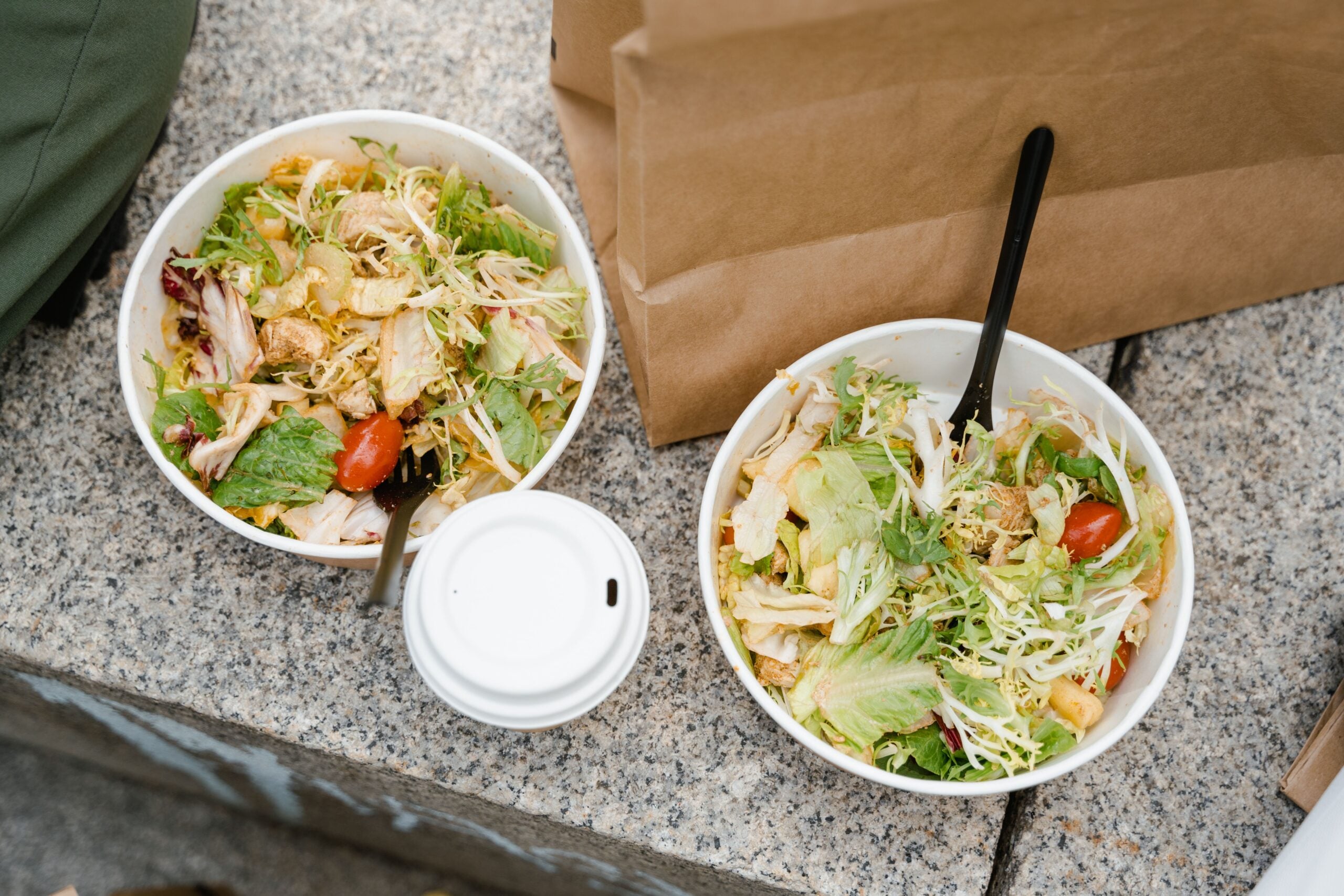
When Wendy’s abandoned that salad bar concept, it began focusing on individually prepared salads, specifically the Grilled Chicken salad, Taco Caesar salad, Deluxe Garden salad, and side salads. Nowadays, customers want a modern fast-food salad because to the changing dining habits, and they want food that could leave the restaurant with them, to go on with their day. That reflects a broader shift in fast food history.
Sign up for our newsletter
Wendy’s Didn’t Offer Vanilla Frosty Until Decades After Opening
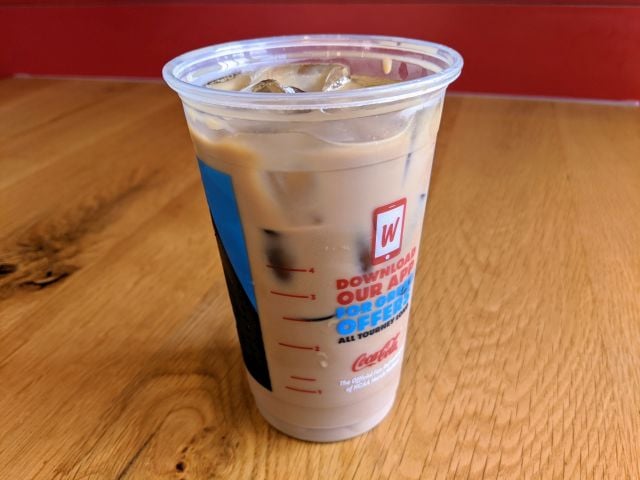
Wendy’s opened its doors for the first time in Columbus, Ohio, in 1969, and the only Frosty flavor that was available in that time was chocolate. It wasn’t until 2006, more than 30 years later, that the Vanilla Frosty was introduced worldwide. From then on, it became a permanent menu option, offering customers a variation on the dessert.
Sonic Was Originally Called ‘Top Hat’
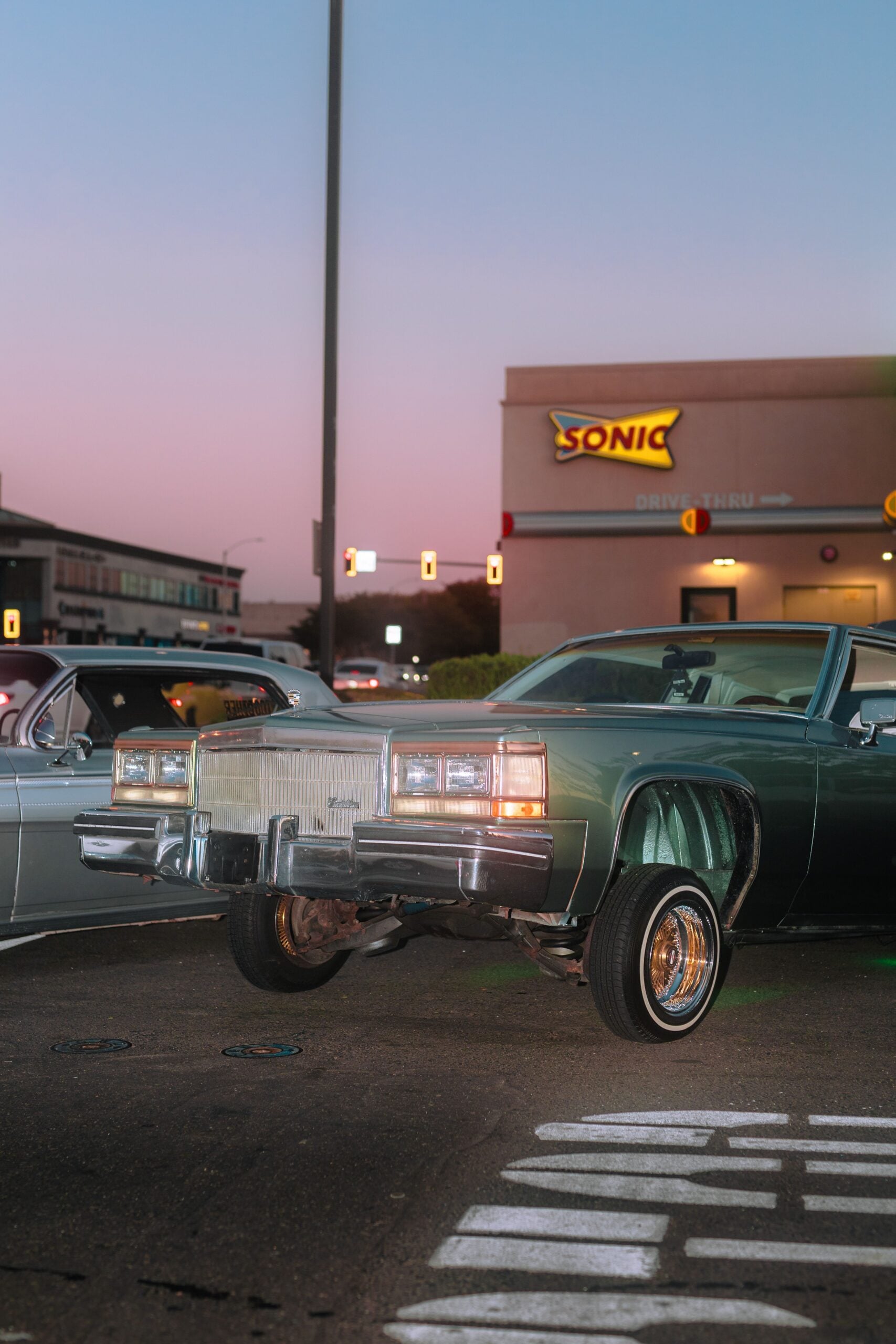
The drive-in fast-food Sonic was known as ‘Top Hat’ when it started business in 1953 in Shawnee, Oklahoma. The founders changed the name to Sonic in 1959, after discovering that ‘Top Hat’ was already trademarked. While they used their original name, the slogan was: ‘Service at the Speed of Sound’. They also chose ‘Sonic’ because it matched their old fast-service slogan, creating a memorable moment in fast food history.
The First Drive-In to Use the Sonic Name Survived for Decades
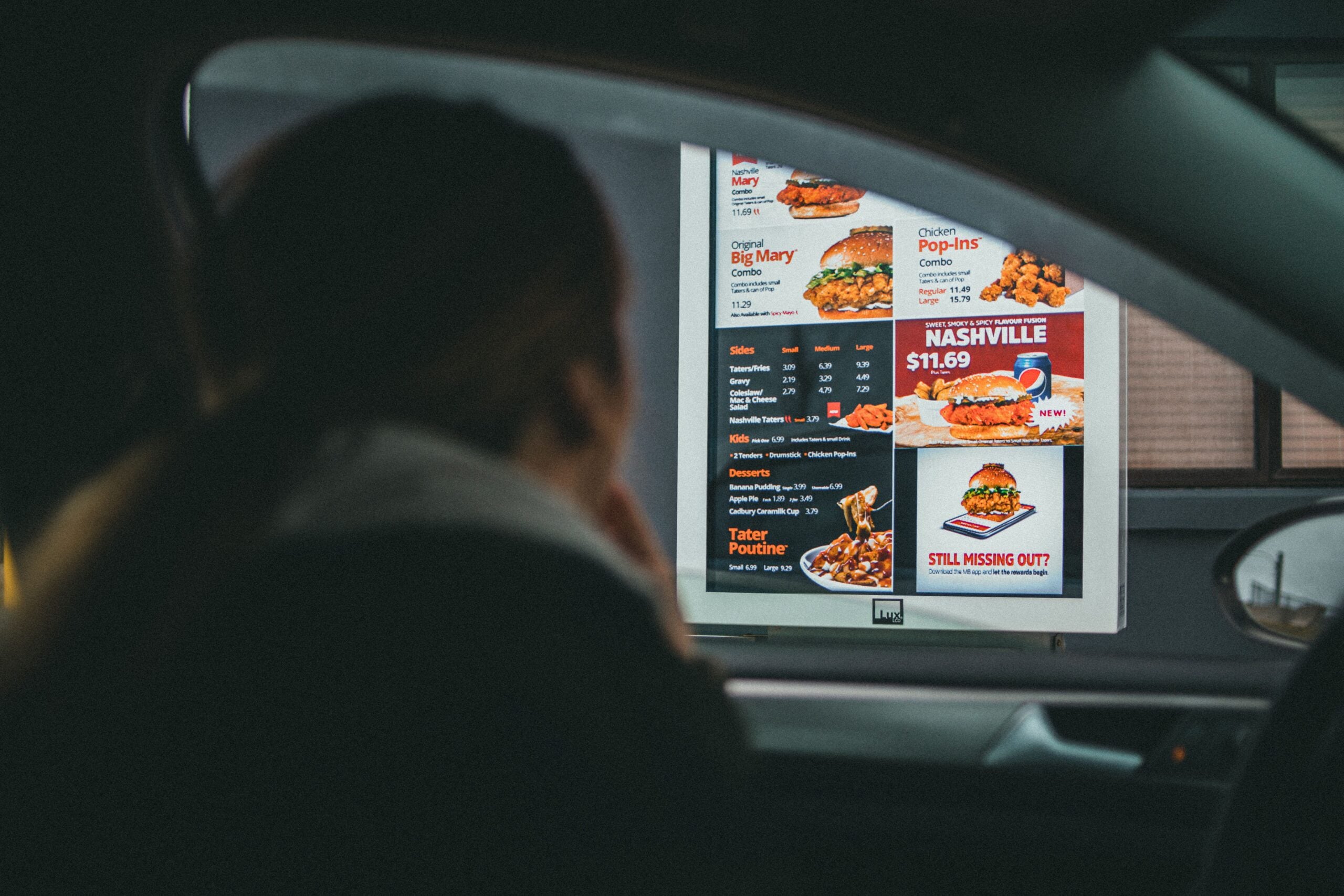
The first Sonic Drive-In, originally opened as ‘Top Hat’ Drive In, was built in 1953, in Shawnee, Oklahoma and remained in operation until 2015. Over that period, it adapted to the classic carhop model and intercom technology, and the facility was rebuilt to meet modern standards. Notably, it managed to preserve the historic ‘Top Hat’ sign for a long time, because it is an important part of fast food history.
Burger King’s Original Chicken Sandwich Is Older Than Many Customers Realize
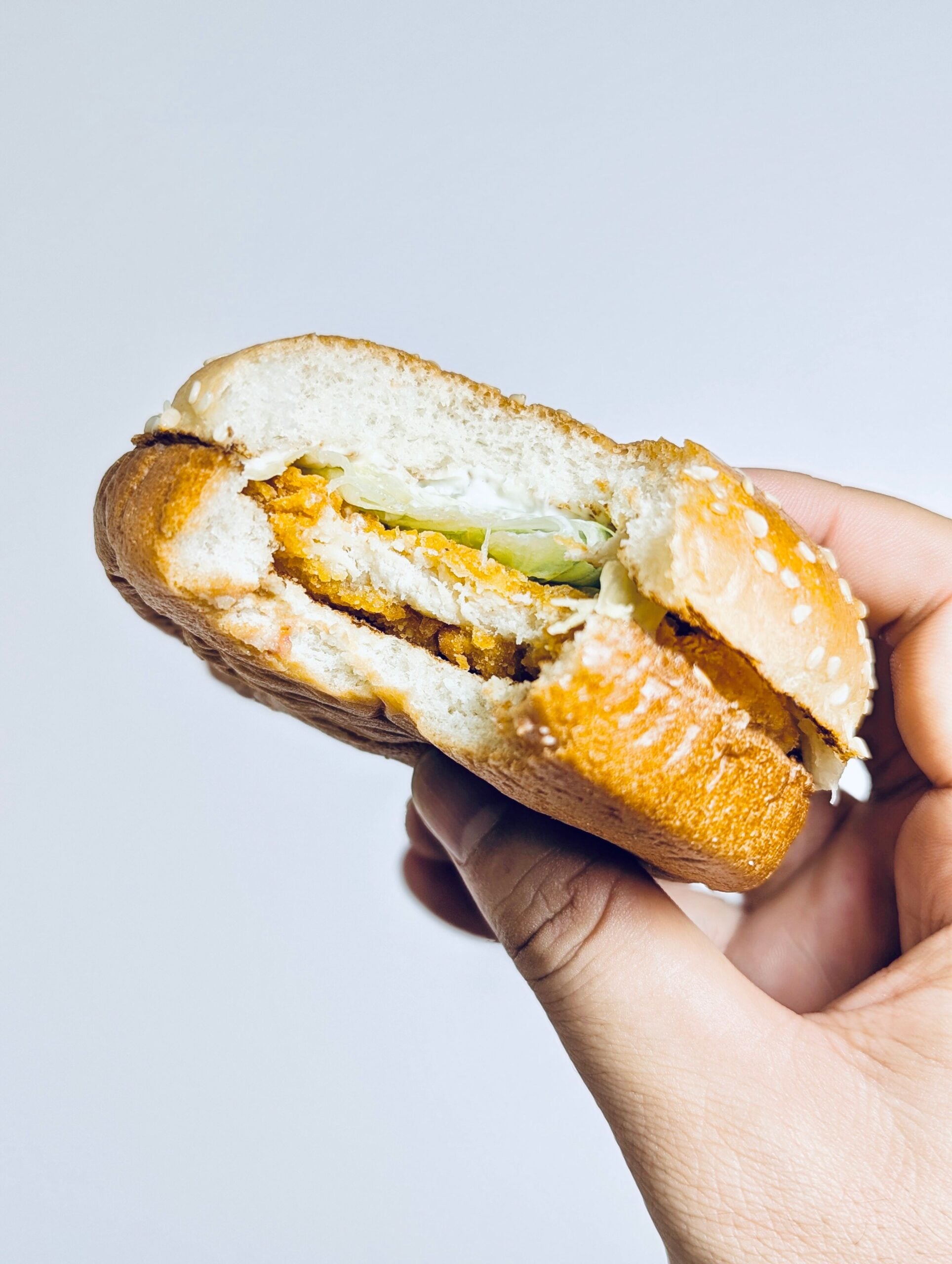
Burger King’s Original Chicken Sandwich made its debut in 1979, making it a menu item that has been available for 47 years, and counting. This breaded white-meat sandwich is one of the longest-running items in fast-food history. It launched as a special offering aimed to adults, featuring an unmistakable long sesame seed bun, crispy fried white-meat chicken, shredded lettuce, and mayonnaise. It longevity makes it a notable example of fast food history.
McDonald’s Quarter Pounder Did Not Join the National Menu Until 1973
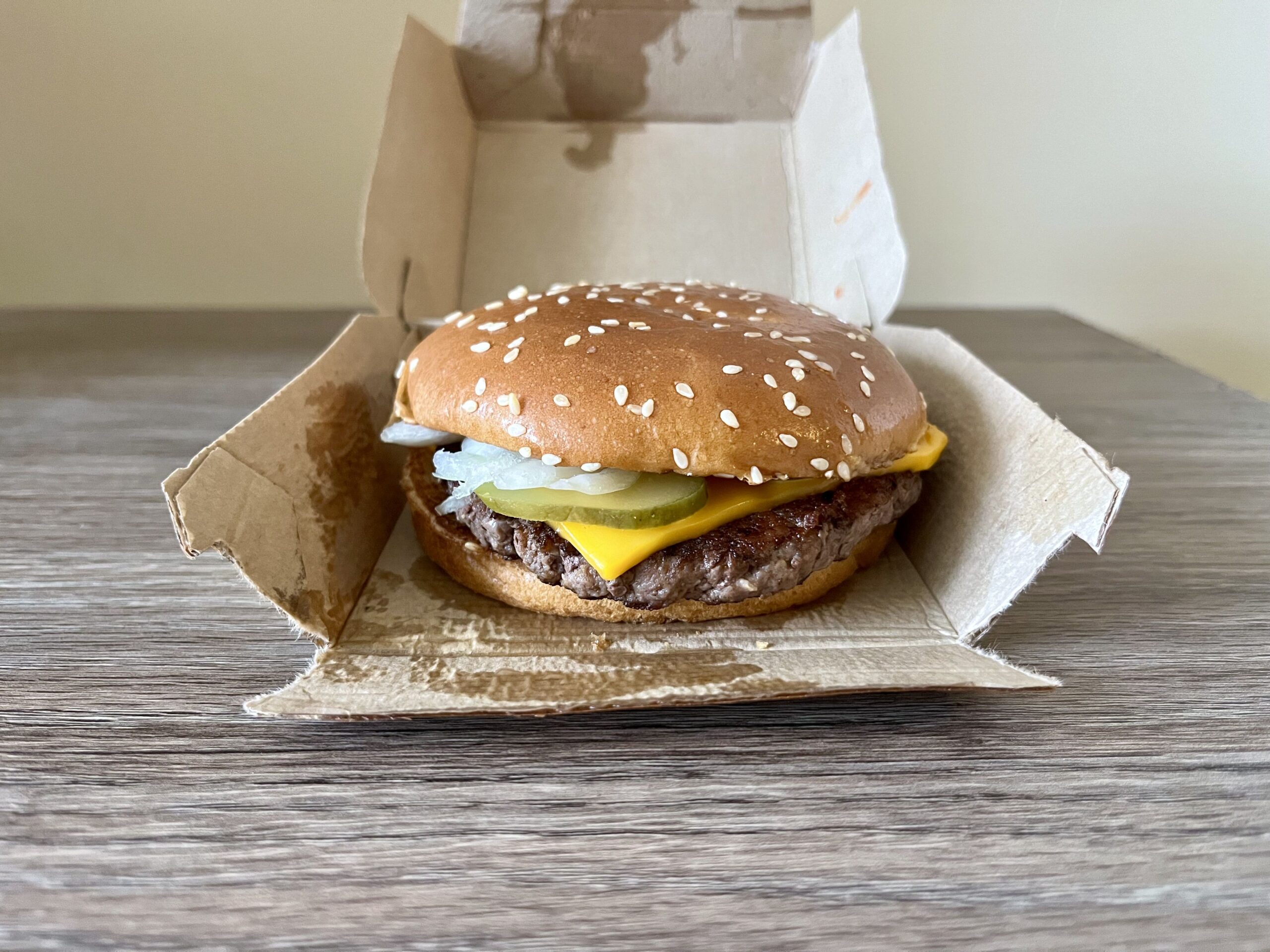
The McDonald’s ‘Quarter Pounder’ was first created and sold in 1971 in Fremont, California before joining the national American menu across the country in 1973. It was franchise owner Al Bernardin who created the burger because of the appeal of adults wanting more meat. When it was launched nationally, a plain ‘Quarter Pounder’ cost about 60 cents, adding another memorable detail to fast food history.
Chicken McNuggets Did Not Go Nationwide Until 1983
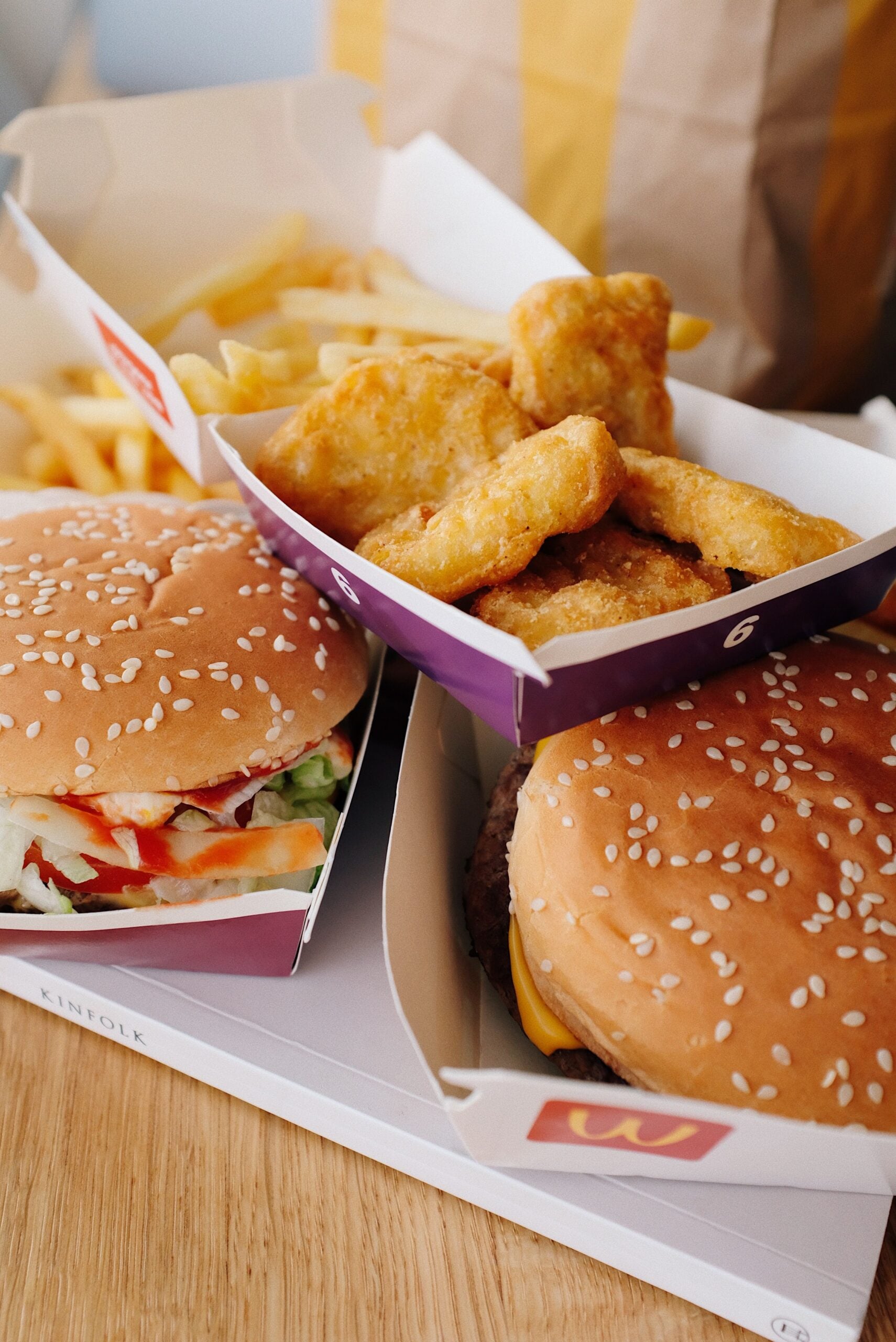
McNuggets first underwent market testing in 1981, in cities like Knoxville, to gauge public acceptance. Two years later, following supply chain issues due to infrastructure limitations that delayed their launch, chef Rene Arend’s creation hit the market and has been a resounding success ever since. McNuggets began to earn a place among McDonald’s most recognizable products, even though the chain dominated the fast-food sector thanks to its hamburgers.
The First Ronald McDonald House Grew Out of an NFL Family’s Experience
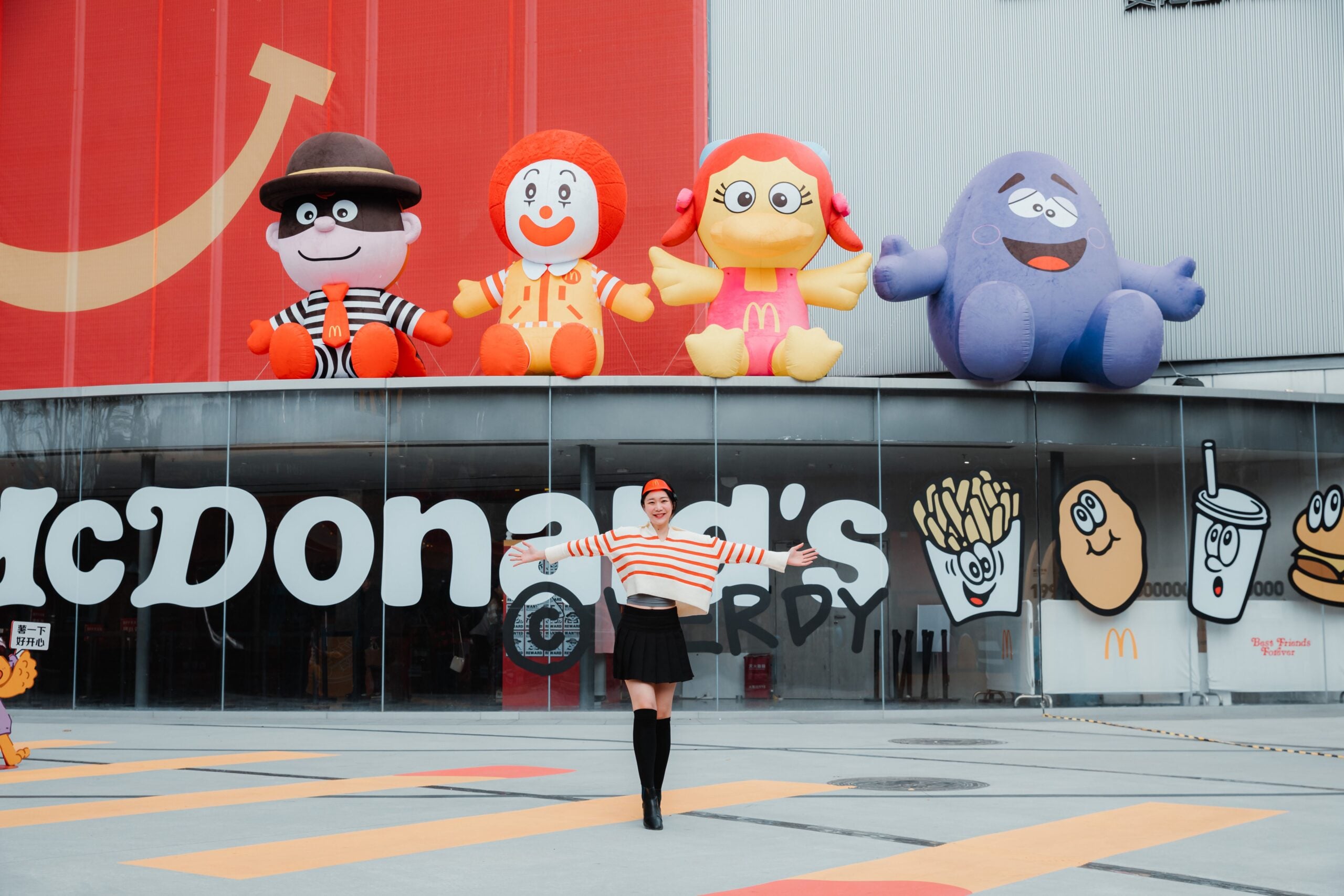
The first ‘Ronald McDonald’s House’, an organization that helps those in greatest need with the support of McDonald’s, came about because NFL player Fred Hill, who played for the Philadelphia Eagles, had a daughter suffering from leukemia. Hill and his NFL team partnered with McDonald’s to build a safe home for families in need. It became a significant story in fast food history.
Dunkin’ Opened Its First Overseas Restaurant in Japan

Dunkin’ opened its first international restaurant in the Ginza district, Tokyo, Japan, in 1970. That store was managed locally through partnerships involving groups like Saison Group and Yoshinoya. The brand operated in the country for nearly three decades before withdrawing commercial civilian operations in 1998 due to heavy competition and declining sales, marking an unusual chapter in fast food history.
Subway Sold More Than 300 Sandwiches on Day One Despite Being Started by a Teenager
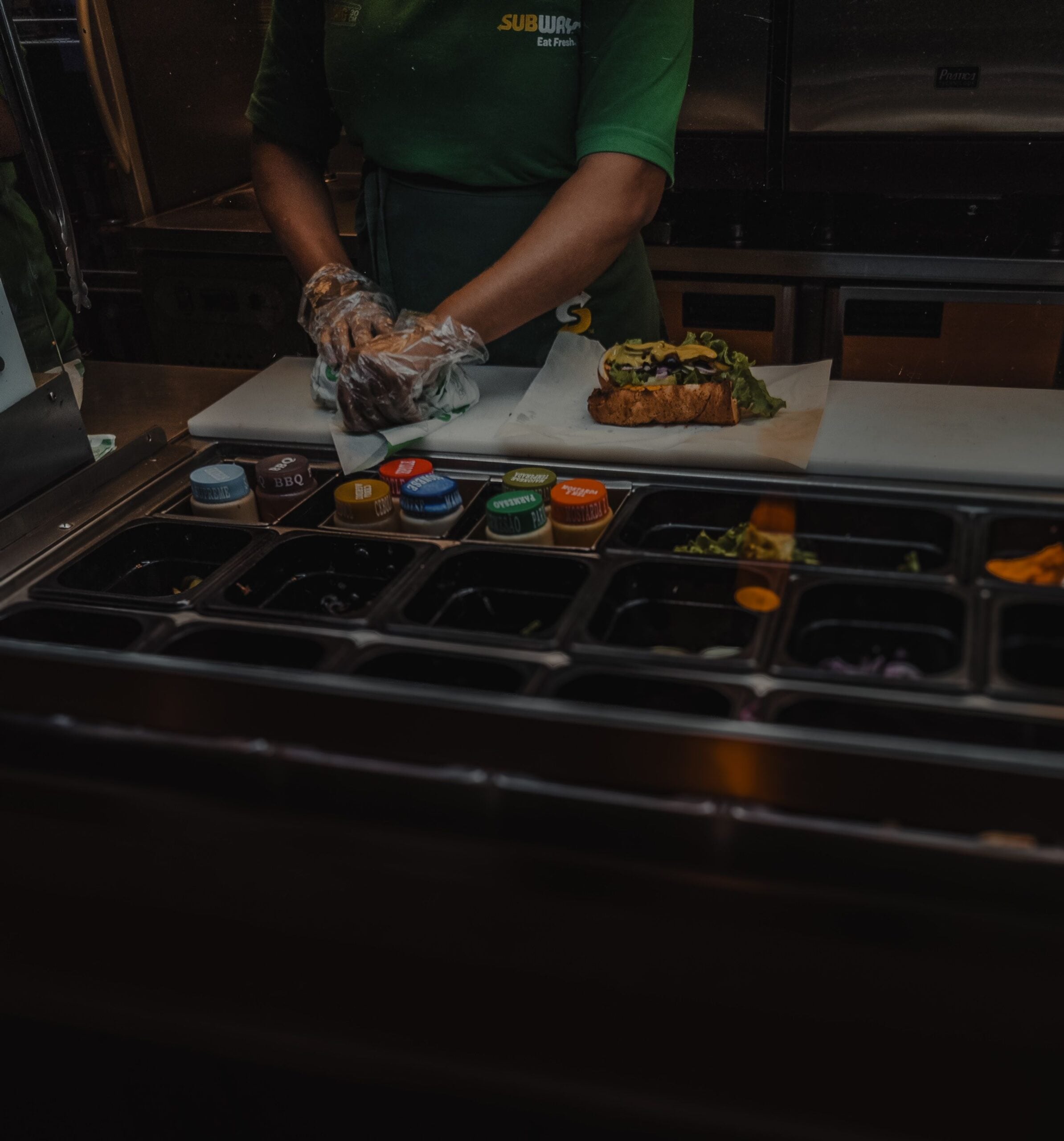
When Subway first opened its doors under Fred DeLuca and co-funder Dr. Peter Buck, it sold about 312 sandwiches on its first day of business. On that day, August 28, 1965, when the shop was known as ‘Pete’s Super Submarines,’ the initial investment was just US$1000, provided by a loan from Buck to help DeLuca. The prices of those sandwiches back then ranged from 49 to 69 cents, offering a fascinating glimpse into early fast food history.
The Big Mac Went National Only One Year After Its Local Debut
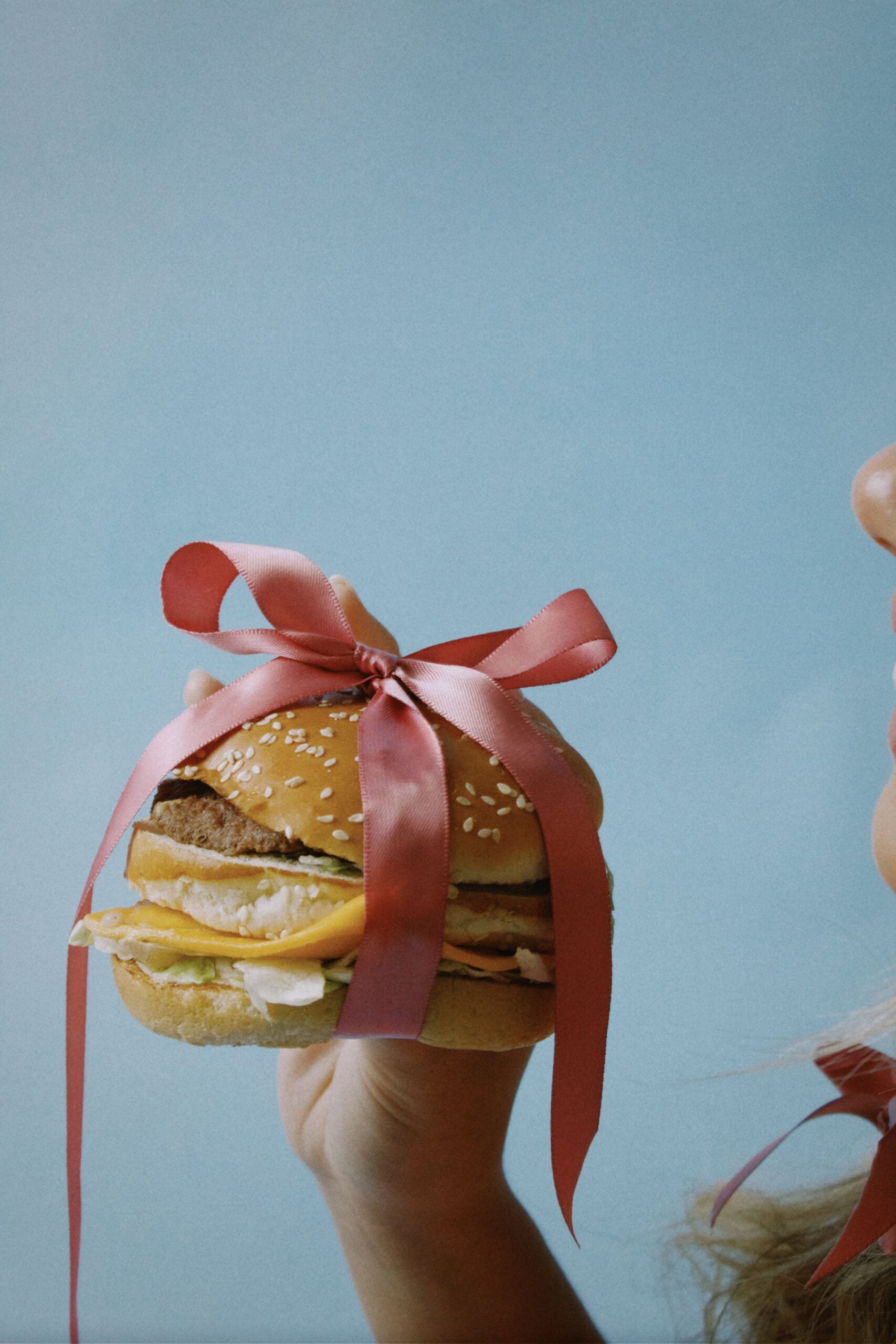
We already mentioned that the ‘Big Mac’ originated in Pennsylvania, but a year after that historic day for McDonald’s, May 1968, the ‘Big Mac’ was introduced nationwide. Upon that year it was being enjoyed across the United States for just 45 cents. It didn’t take long for the Big Mac to become a global icon, that brief period saw the sandwich transform from a franchise experiment into a staple of the global menu, making it a landmark in fast food history.
Dunkin’ Didn’t Add Bagels Until the 1990s
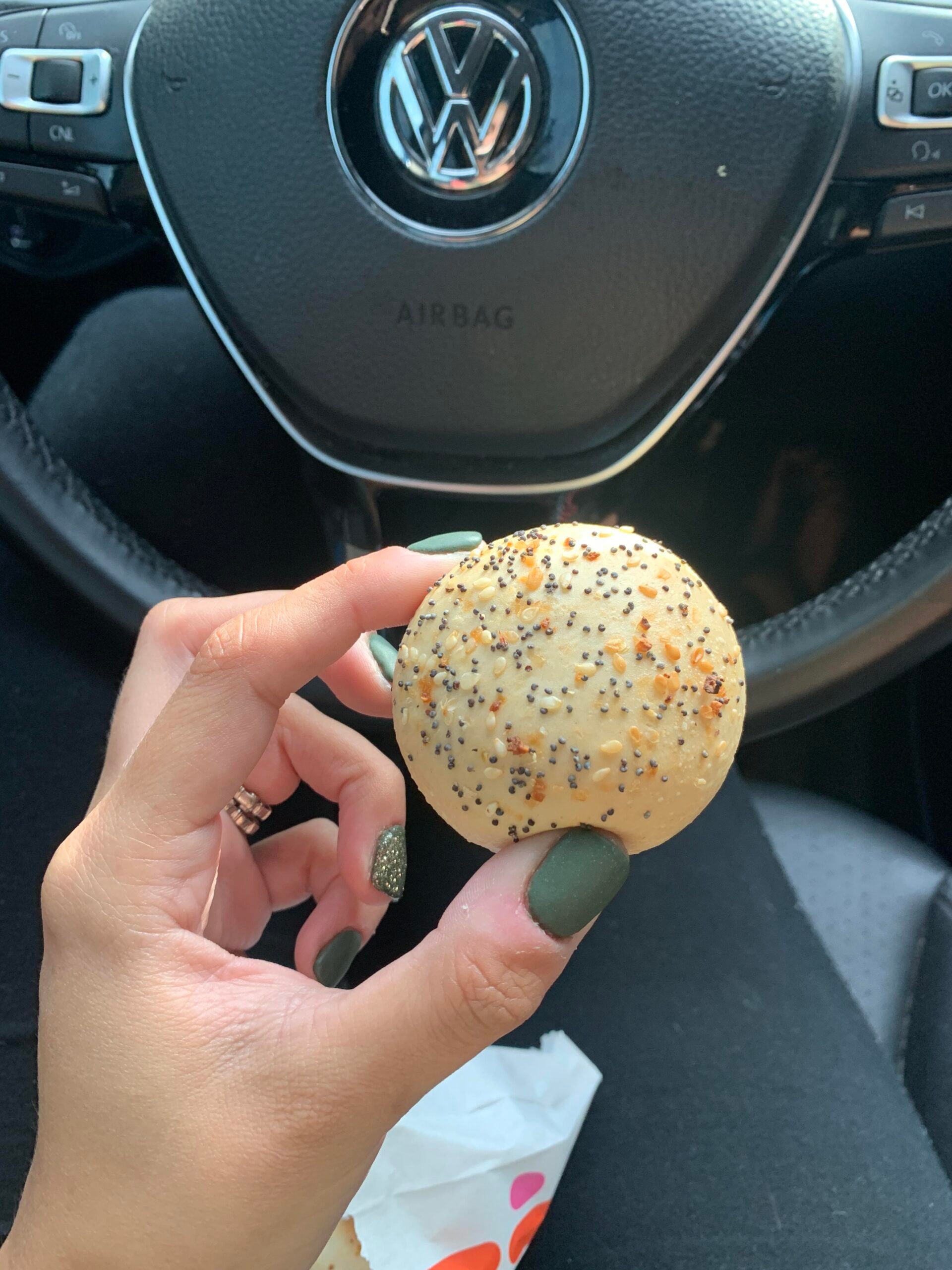
Dunkin’ was and remains known for its donuts, but bagels are also one of its standout offerings. However, bagels didn’t appear on the menu until 1996, 46 years after the fast-food chain opened. That launch was supported by campaigns featuring the fictional character ‘Fred the Baker’. In the following year, other items, such as breakfast sandwiches, were added, further expanding Dunkin’s place in fast food history.
McDonald’s Breakfast Took Years to Become a National Business
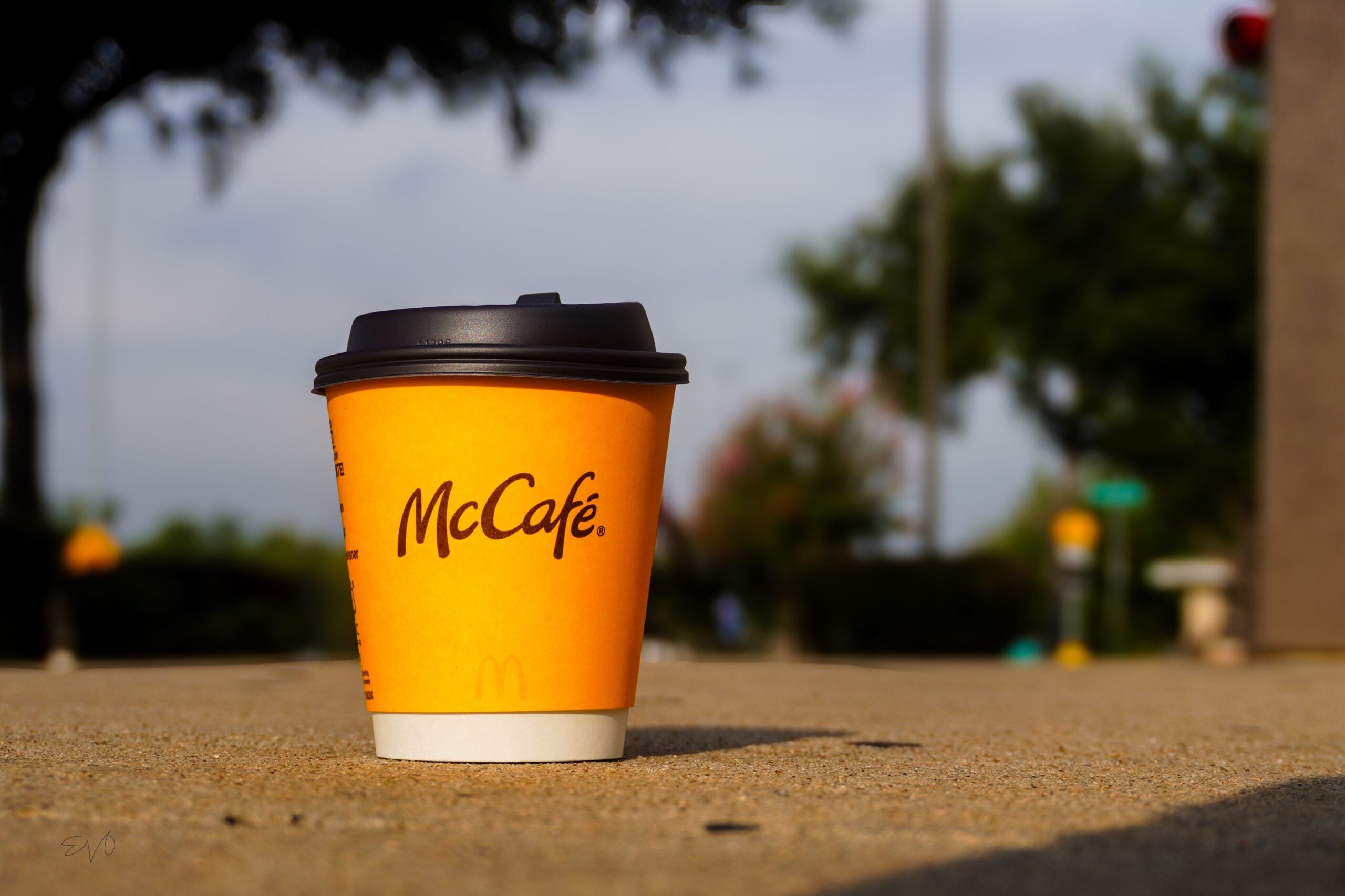
Not everything McDonald’s devised immediately captured the public’s attention. McDonald’s breakfasts were not initially appealing. Although breakfasts had been available at one of its locations since 1971, starting in Santa Barbara, California, with the introduction of the Egg McMuffin, it took six years for the offering to become successful enough to warrant a nationwide launch. Nowadays, hotcakes, sausage, and eggs are familiar parts of the chain’s fast food history.
Conclusion
It hasn’t always been easy for fast-food chains to win over customers. From products and decisions that took time to gain acceptance to incredible meals that caused an immediate sensation, here are some little-known milestones in the history of fast-food chains. Even today, customers continue to contribute to the ongoing story of fast food history.