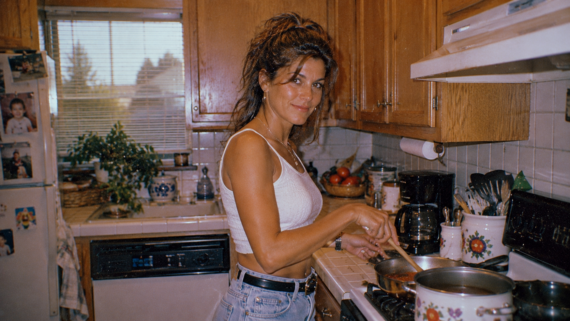
Meals middle-class moms cooked in the 1990s were simple, filling, and built around value. From casseroles and pasta to boxed shortcuts and ground-beef dinners, these meals helped families get through busy weeknights without overspending. With grocery costs still on shoppers’ minds, many of these old-school dinners feel practical again. For food-price context, we referred to the USDA Food Price Outlook.
Spaghetti With Meat Sauce
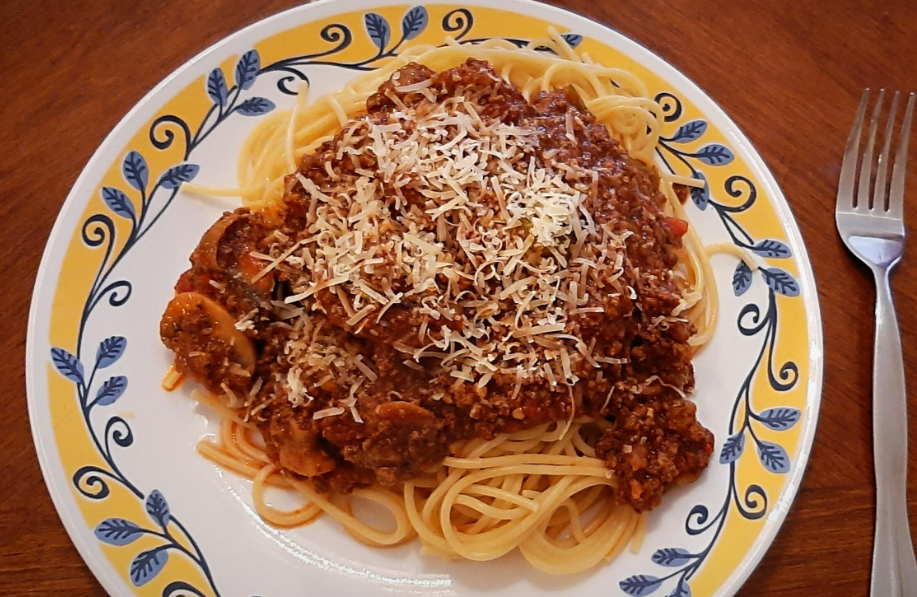
Spaghetti with meat sauce was the kind of dinner that could make one pound of ground beef feel bigger than it was. A jar of sauce, a box of pasta, and maybe a sprinkle of Parmesan could feed a family without much planning. It also worked well for leftovers, which mattered on school nights and workdays. The downside was that cheaper jarred sauces could taste flat or sugary. Still, as 1990s family meals go, this one earned its place.
Hamburger Helper
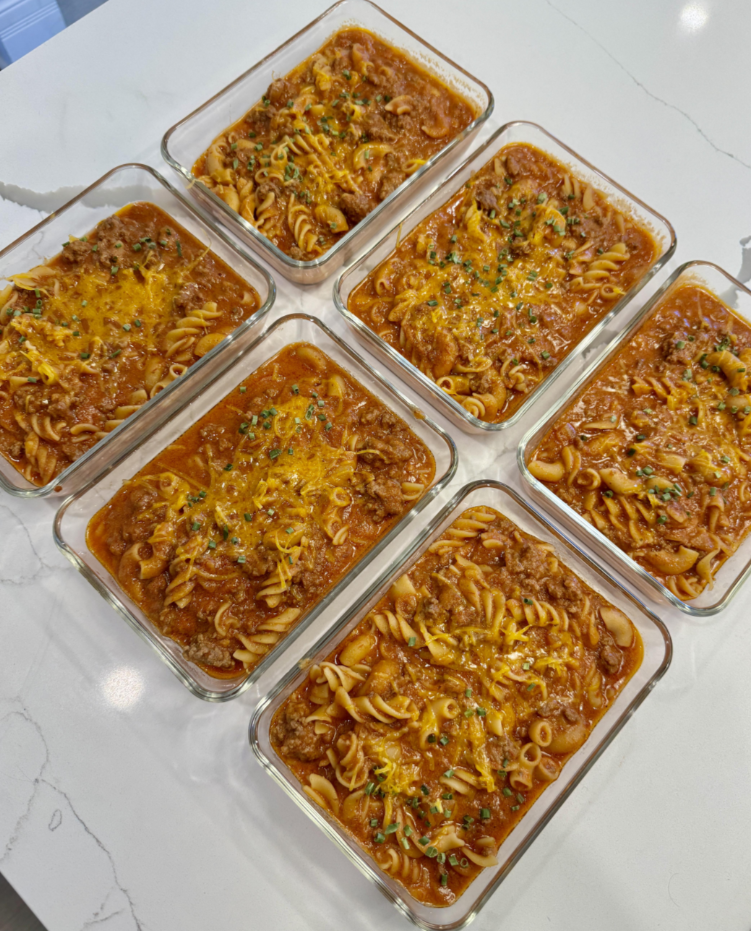
Hamburger Helper never really disappeared, but it feels especially suited to expensive grocery years. General Mills says the brand made its national debut in 1971, during a time when families were trying to stretch meat further. That same idea still works. A pound of ground beef, a boxed mix, and maybe some frozen vegetables can become a full skillet dinner. The downside is that boxed versions can be salty, so many families now make copycat versions with pasta, seasoning, cheese, and whatever ground meat is on sale.
Chicken and Rice Casserole
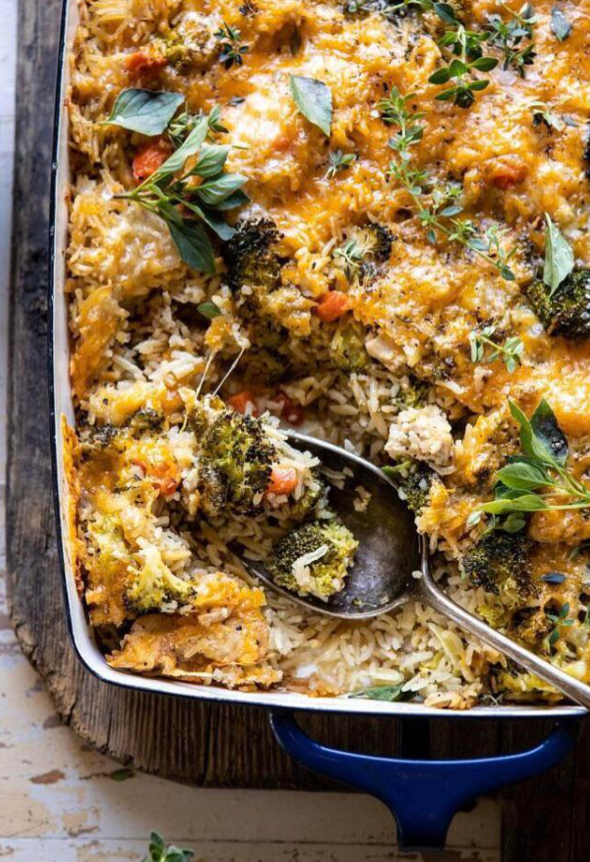
Chicken and rice casserole was popular because it made one or two chicken breasts feel like dinner for the whole table. Rice, canned soup, frozen vegetables, and leftover chicken can all go into one baking dish, which keeps cleanup easy too. It is still practical today, especially when rotisserie chicken leftovers or sale-priced chicken need a second life. The downside is that canned soups and seasoning mixes can be high in sodium, so homemade sauce or low-sodium versions may be better for some households.
Meatloaf and Mashed Potatoes
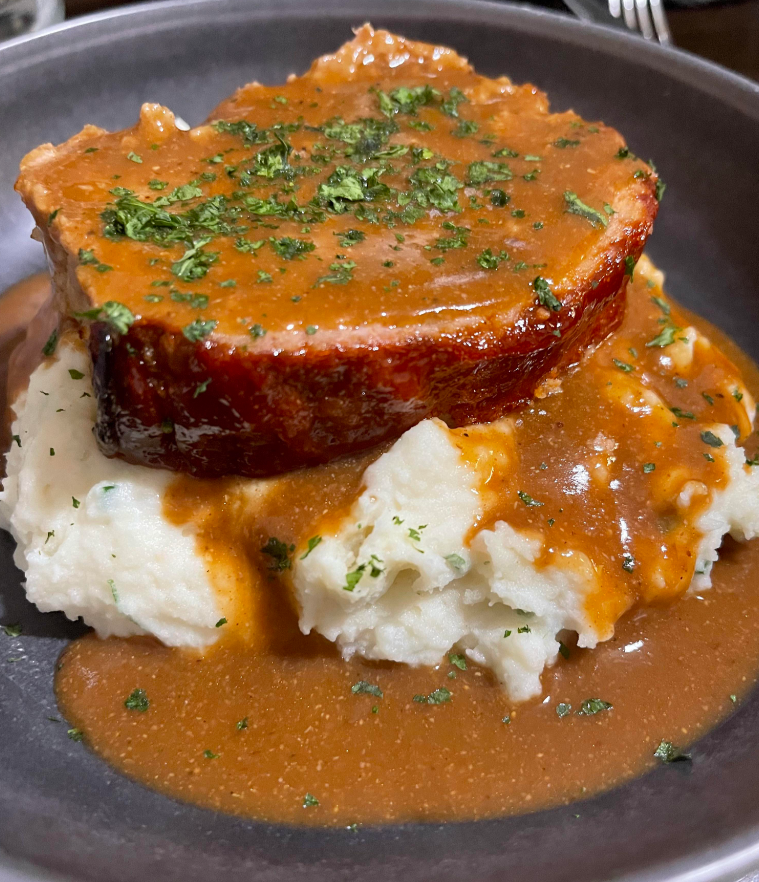
Meatloaf was one of those dinners that felt older than the 1990s, but it was still very much alive on family tables. Breadcrumbs, oats, crackers, or eggs helped stretch the ground beef, while mashed potatoes and canned green beans made it feel complete. It was also a leftovers meal in disguise, because cold meatloaf sandwiches could show up the next day.
Tuna Noodle Casserole
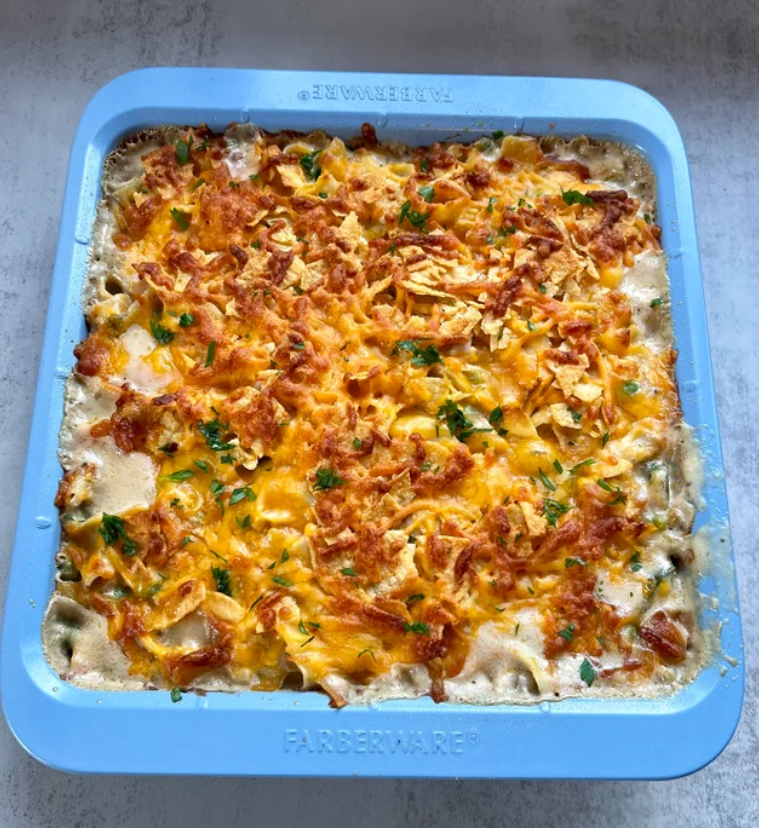
Tuna noodle casserole is one of those meals people either miss deeply or remember a little too clearly from childhood. Still, it is hard to argue with the math. Egg noodles, canned tuna, cream soup, peas, and a crunchy topping can feed a family with mostly shelf-stable ingredients. Recent budget-food discussions still bring it up because it is fast, filling, and flexible. The catch is taste: canned tuna and cream soup are not for everyone, so adding onion, celery, cheese, or potato chips can help it feel less like cafeteria food.
Trending on Cheapism

Sloppy Joes
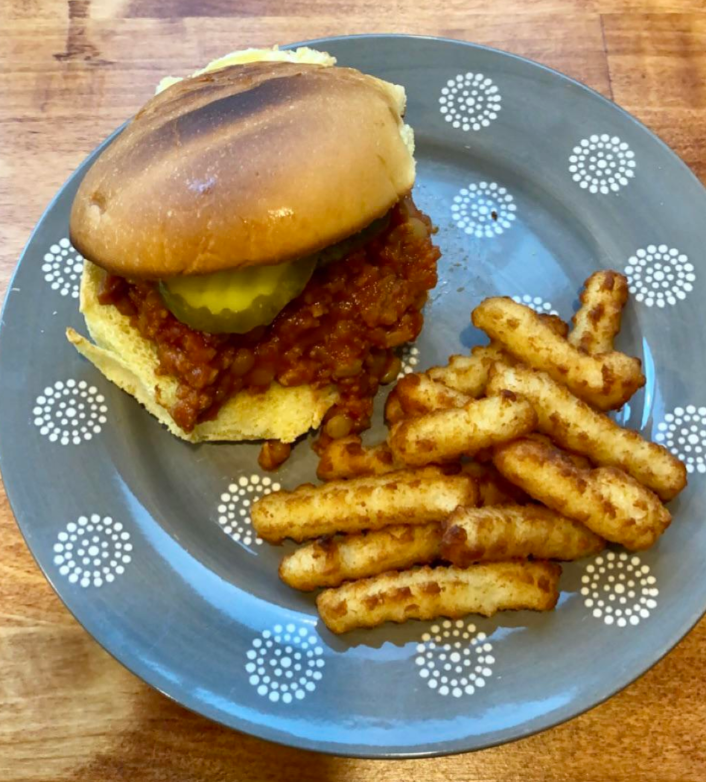
Sloppy Joes were messy, sweet, and easy to sell to kids. A little ground beef, tomato sauce or canned mix, and soft buns could stretch into a casual dinner that felt more fun than another casserole. Many families served them with chips, pickles, fries, or canned corn, which kept the meal cheap and low-effort. They were also common in cafeterias and church-style dinners, so they carried that familiar group-meal feeling.
Tacos From a Box Kit
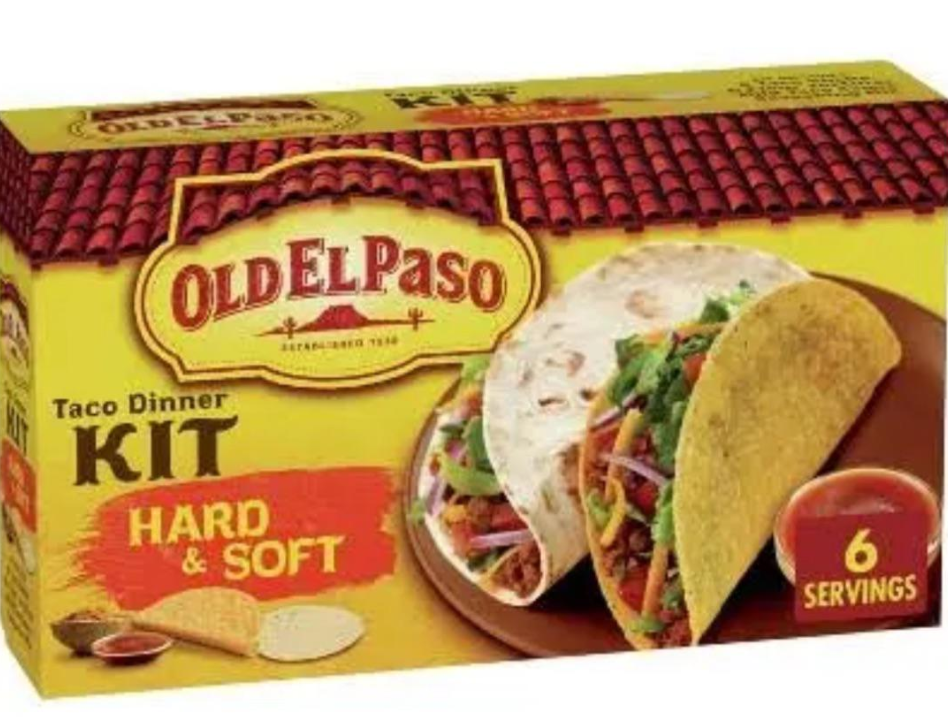
Boxed taco night gave families a dinner that felt interactive without being complicated. Old El Paso and similar kits made it easy: shells, seasoning, sauce, ground beef, lettuce, cheese, and maybe sour cream if the budget allowed. Kids could build their own plates, and parents could stretch the filling with beans, rice, or extra toppings. It was not exactly traditional Mexican cooking, but it did bring Tex-Mex flavors into mainstream weeknight kitchens.
Macaroni and Cheese With Hot Dogs
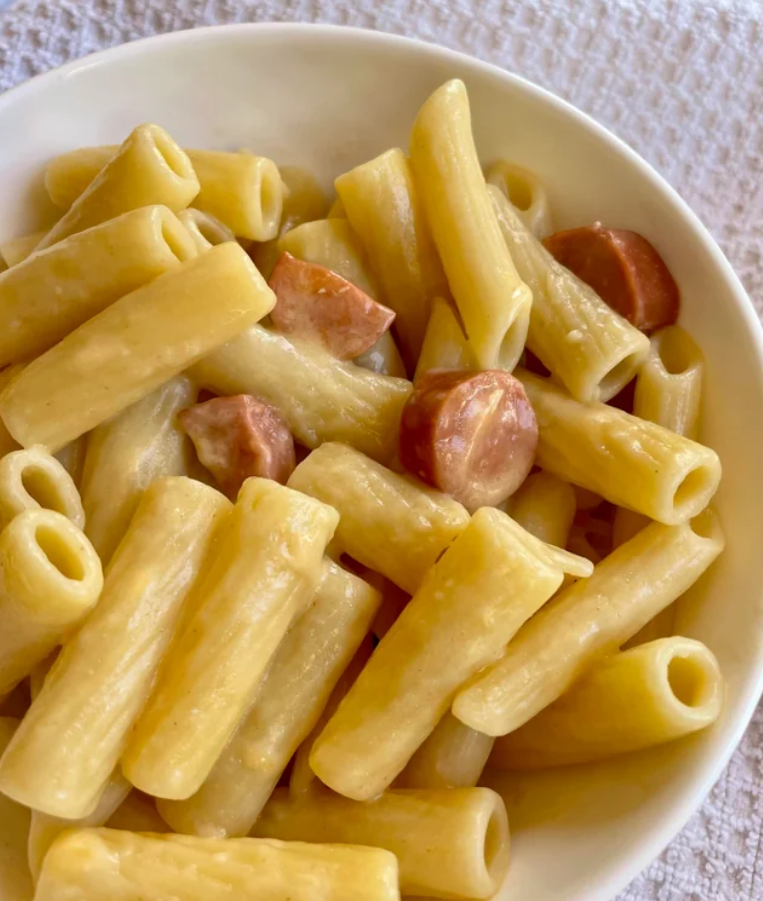
Boxed macaroni and cheese with sliced hot dogs was the emergency dinner of many 1990s kitchens. It was fast, cheap, and kid-friendly, which made it useful on nights when nobody had time for a real recipe. Kraft Mac & Cheese had already been around for decades, but it stayed a pantry staple because it solved a problem quickly. The downside was obvious: it was not a balanced meal unless parents added peas, broccoli, or a side salad.
Sign up for our newsletter
Baked Ziti
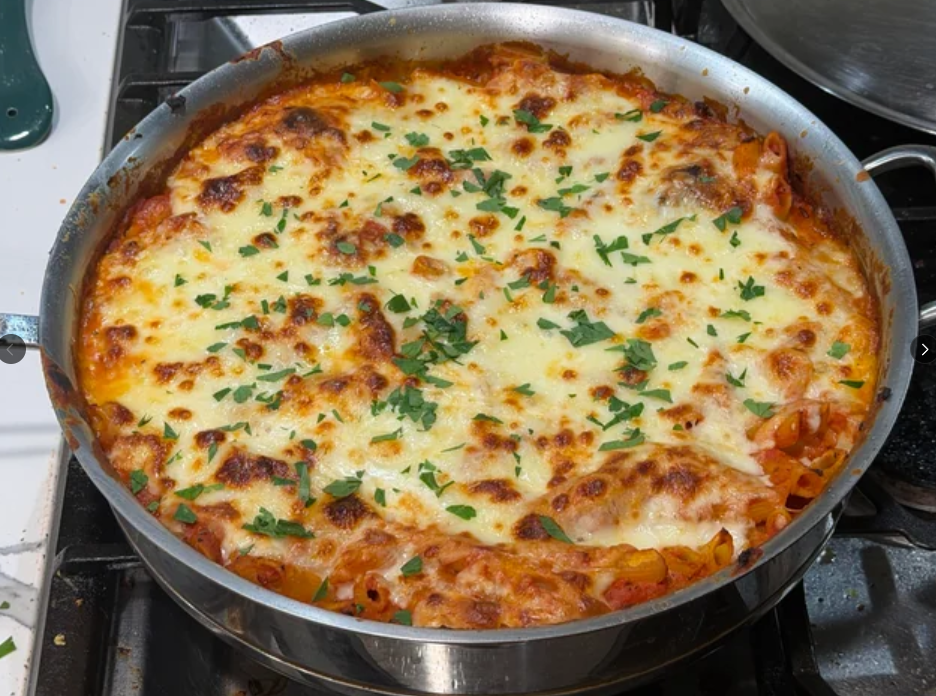
Baked ziti gave families the comfort of lasagna without the fussy layering. A box of pasta, jarred sauce, ricotta or cottage cheese, mozzarella, and sometimes ground beef or sausage could become a bubbling pan that fed everyone. It was a popular potluck-style dish because it traveled well and tasted even better the next day. The downside was that cheese could make it more expensive than plain spaghetti, especially now. But compared with ordering Italian takeout, baked ziti still feels like a smart family dinner.
Pork Chops and Applesauce
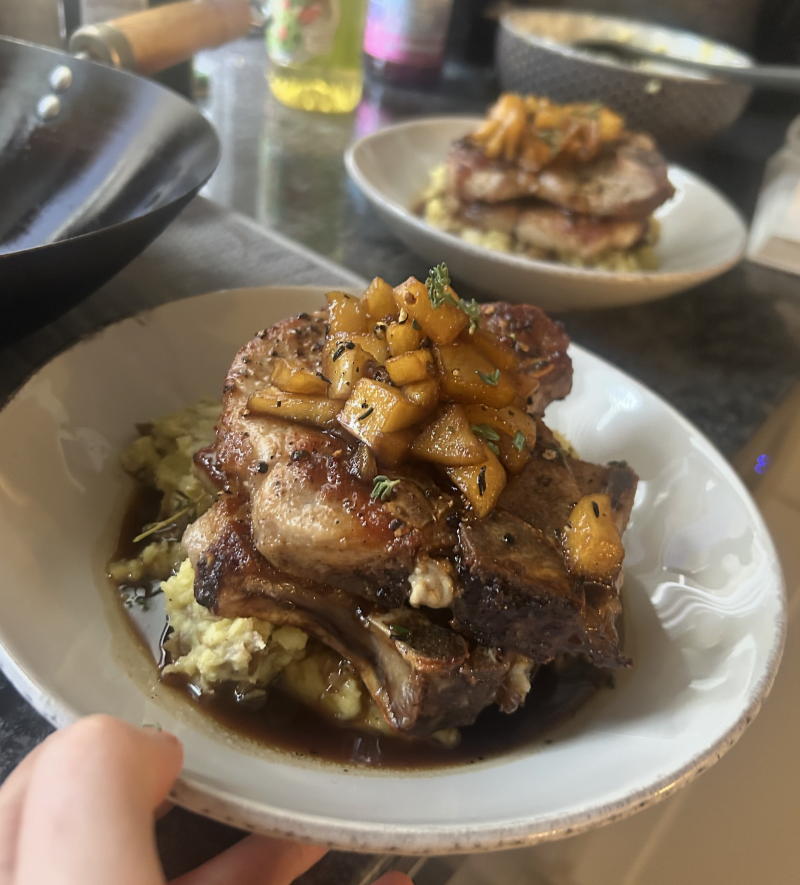
Pork chops and applesauce had an old-fashioned feel even in the 1990s, which is probably why so many parents kept it in rotation. It was simple: pan-cooked or baked chops, applesauce from a jar, and a starch like rice, potatoes, or boxed stuffing. The meal felt a little more grown-up than hot dogs or pasta, but it was still straightforward. The downside was that pork chops could turn dry quickly, especially the lean cuts many families bought.
Ground Beef Stroganoff
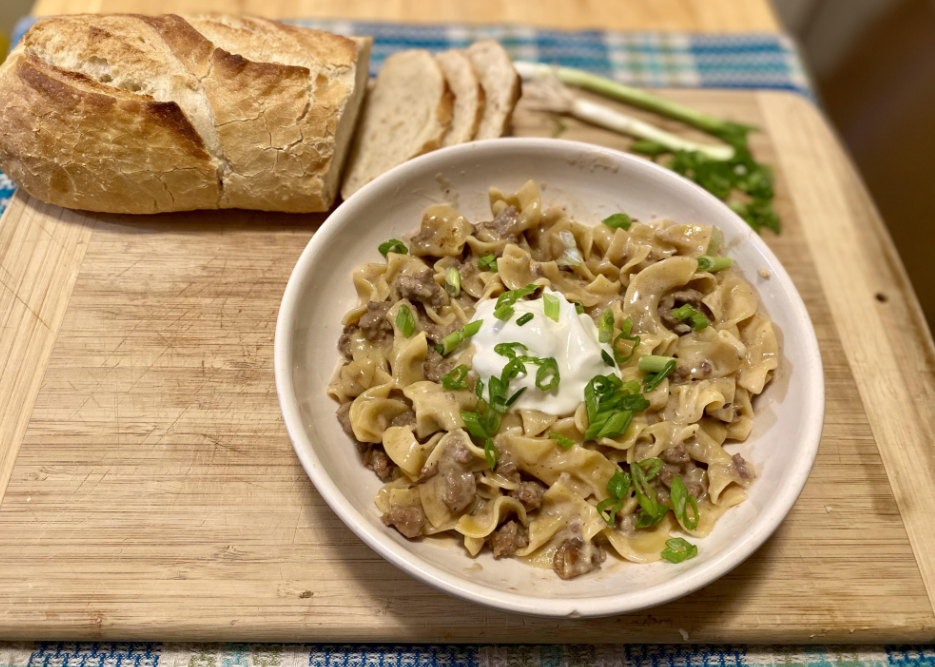
Ground beef stroganoff was the budget version of a dish that sounded fancier than it was. Instead of steak, many families used hamburger, egg noodles, cream of mushroom soup, and sour cream. It was creamy, filling, and faster than a Sunday roast. For middle-class families, that was the whole point: it felt like a “nice” dinner without the price tag. The downside was that it could be heavy, salty, and beige on the plate.
Chicken Pot Pie
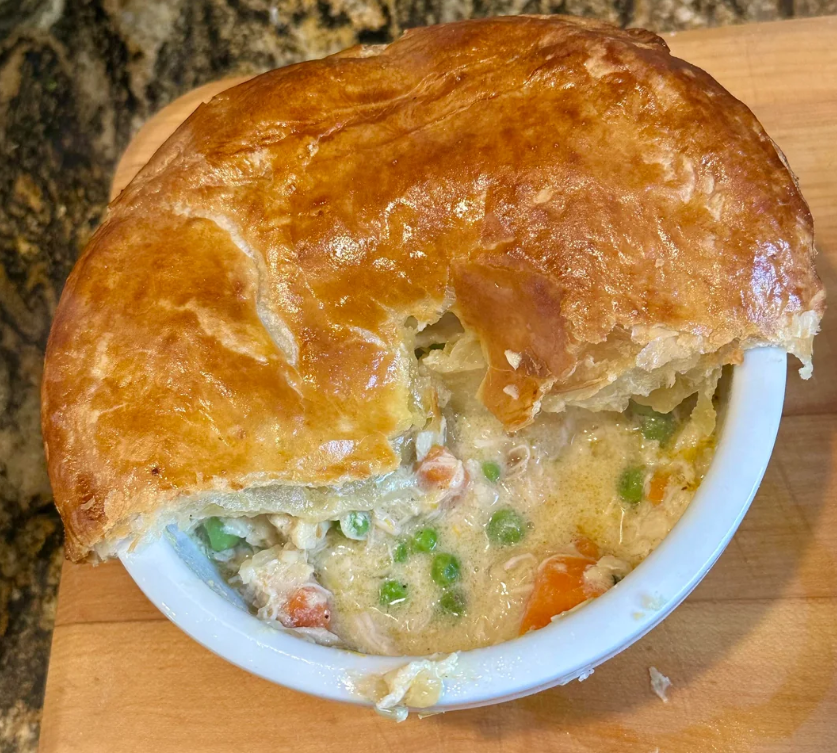
Chicken pot pie was one of the best leftover tricks in the family dinner playbook. Leftover chicken, frozen vegetables, gravy or condensed soup, and pie crust or biscuit topping could turn scraps into something that looked planned. Frozen versions were also common for busy nights, especially when kids needed dinner fast. The homemade version offered better value if the chicken was already cooked. The downside was time: from-scratch crust was not happening on every weeknight.
Shake ‘N Bake Chicken
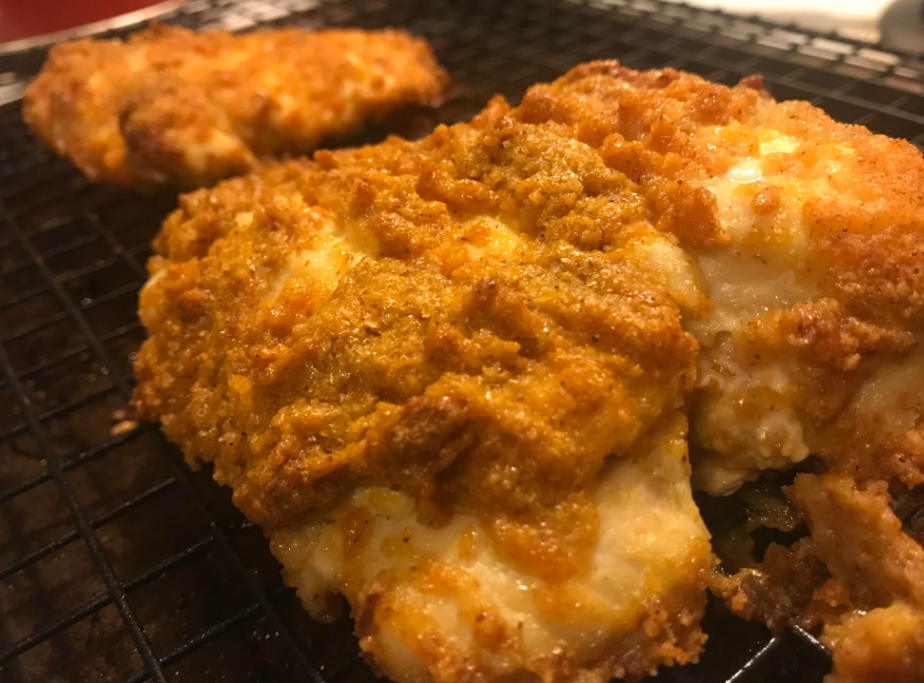
Shake ‘N Bake chicken captured the 1990s love of convenience without fully giving up on home cooking. The product had been around since the 1960s, but it stayed popular because it promised crispy chicken without deep-frying. Parents could coat drumsticks or pork chops, bake them, and pair them with boxed potatoes or canned vegetables. The upside was less mess. The downside was that the coating could be salty, and it never fully replaced real fried chicken.
Shepherd’s Pie
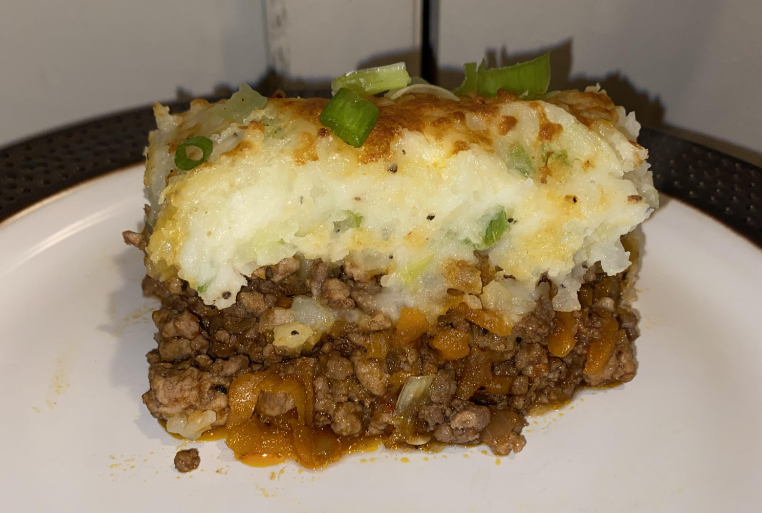
Shepherd’s pie usually meant ground beef, vegetables, gravy, and mashed potatoes, even though technically that is closer to cottage pie. Whatever the name, it was a smart way to stretch meat and use leftovers. Frozen corn, canned green beans, instant potatoes, and a little gravy could make a filling dinner with little waste. The downside was that it depended heavily on seasoning; bland gravy made the whole pan taste tired. But when it worked, it was warm, cheap, and built for leftovers.
Salisbury Steak
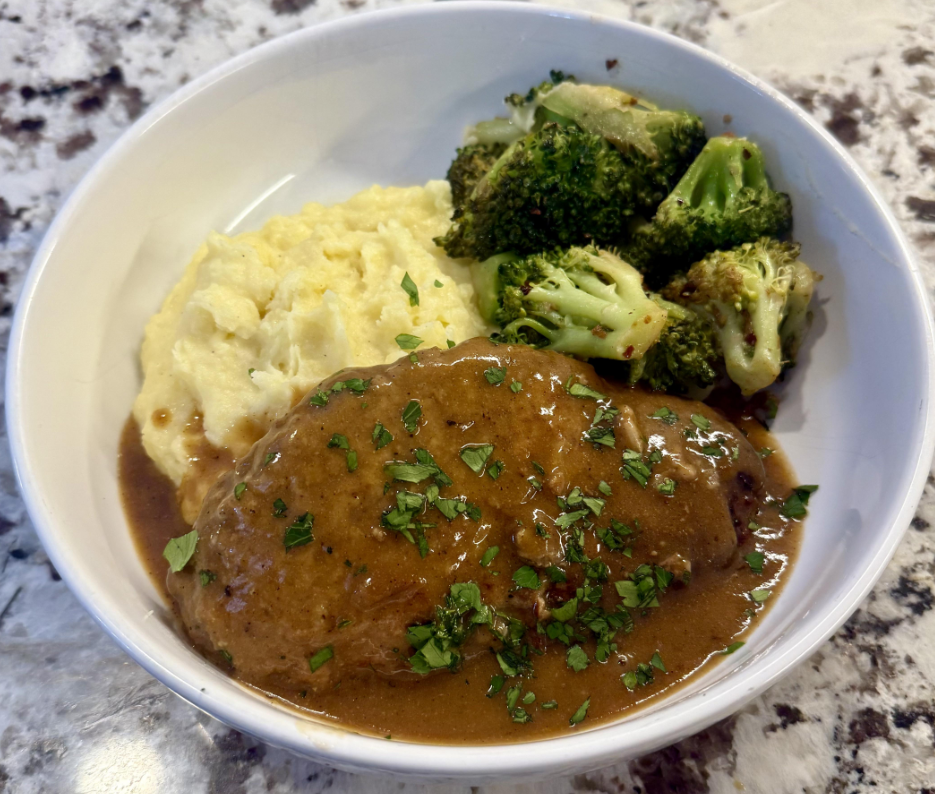
Salisbury steak sat somewhere between meatloaf and a TV dinner. Many families knew it from frozen trays, but homemade versions were not hard: ground beef patties, onion gravy, mashed potatoes, and a vegetable. It felt heartier than burgers but used many of the same ingredients. That made it useful for families who wanted a “meat and potatoes” meal without buying steak. Homemade gravy made a big difference.
Breakfast for Dinner
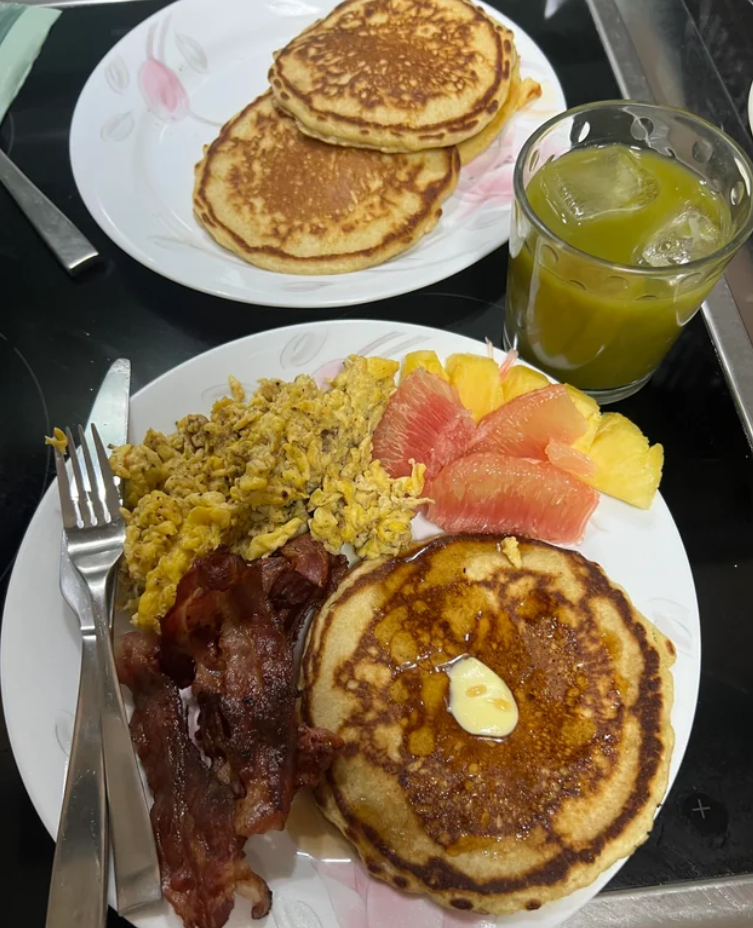
Breakfast for dinner was the night that felt like a treat even when it was really a budget move. Pancakes, eggs, toast, and maybe bacon or sausage could feed a family for less than many meat-centered dinners. Kids liked the novelty, and parents liked that the ingredients were usually already in the kitchen. The downside in 2026 is that eggs have been volatile in price, though recent USDA data shows egg production recovering. Even with that caveat, breakfast for dinner remains one of the easiest ways to improvise.
Grilled Cheese and Tomato Soup
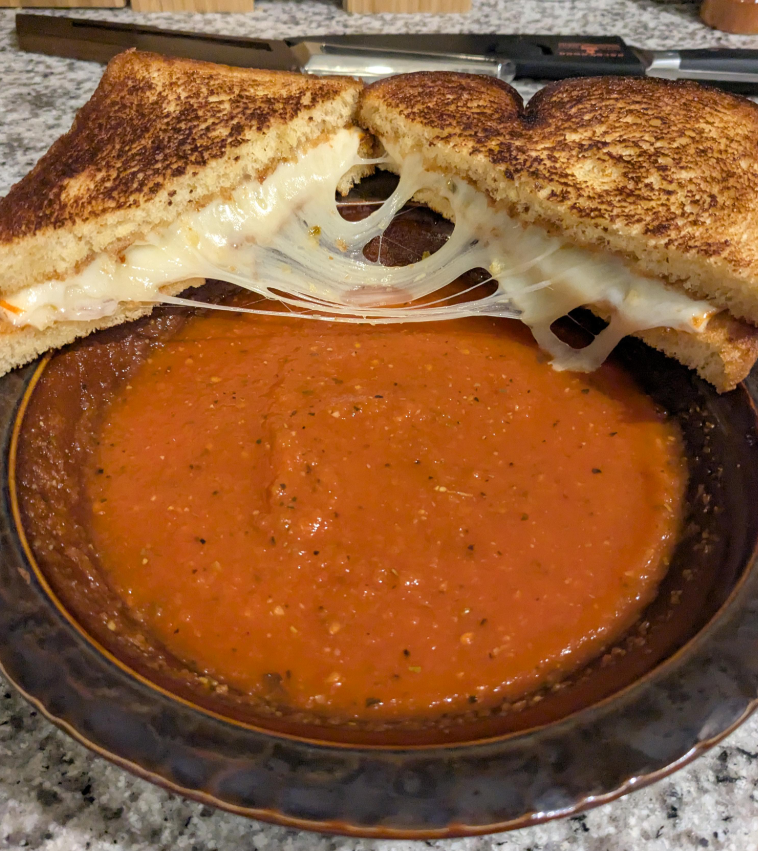
Grilled cheese and tomato soup was a rainy-day classic, a sick-day meal, and a weeknight fallback all in one. Campbell’s still has a tomato soup and grilled cheese recipe, which says a lot about the staying power of the pairing. White bread, American cheese, butter, and canned soup were not fancy, but they were comforting and quick. The downside was sodium, especially from canned soup and processed cheese. A lot of 90s kids remember it fondly anyway because it tasted like being home.
Stuffed Bell Peppers
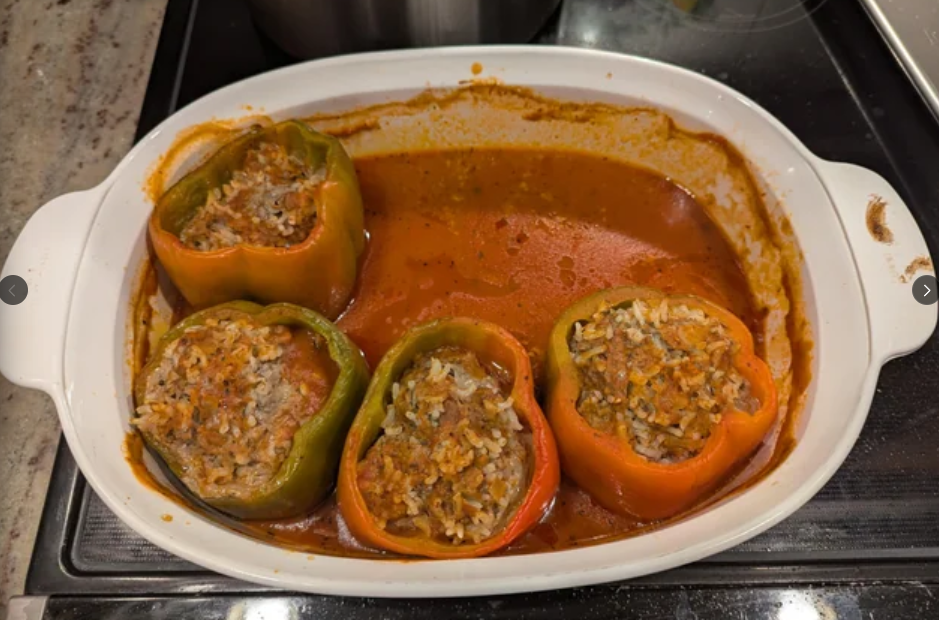
Stuffed bell peppers were a way to make ground beef look a little more respectable. Rice, tomato sauce, onions, and a small amount of meat could fill several peppers and make dinner feel homemade. They were also flexible: some families used leftover rice, others added cheese, and some skipped meat entirely when budgets were tight. The downside was that kids did not always love the pepper itself, which sometimes ended up abandoned on the plate.
Tater Tot Casserole
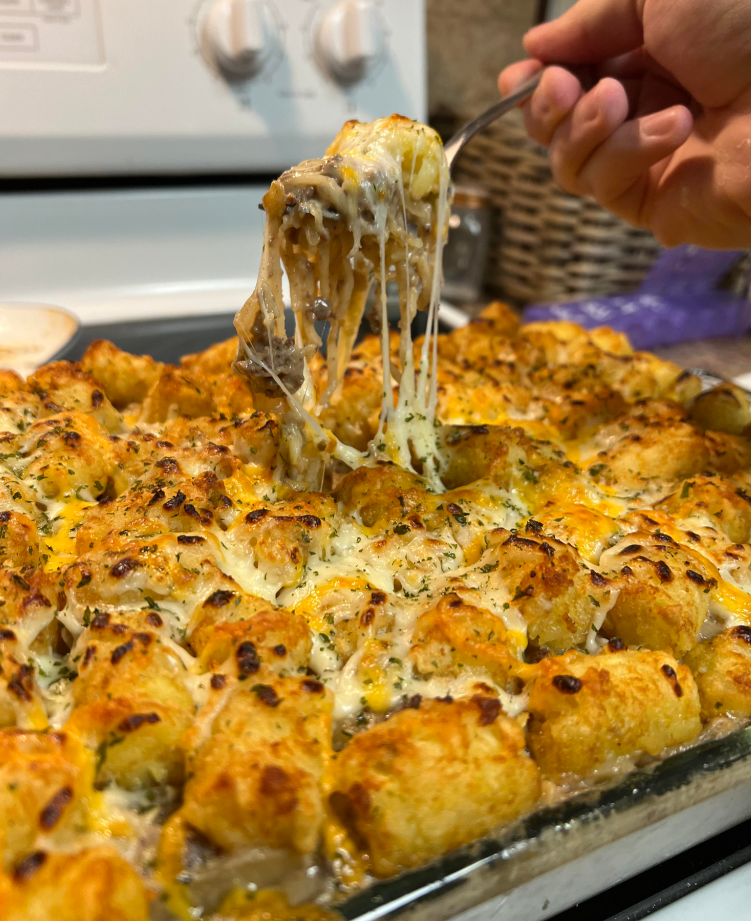
Tater Tot casserole deserves a spot because it checks nearly every 90s dinner box: frozen potatoes, ground beef, canned soup, vegetables, and a big baking dish. Ore-Ida’s official recipe still uses the basic comfort-food formula, and Kraft Heinz notes that Tater Tots began as a way to use excess potato pieces in the 1950s. By the 1990s, casseroles like this were familiar in many Midwestern and suburban kitchens.
Baked Beans and Hot Dogs
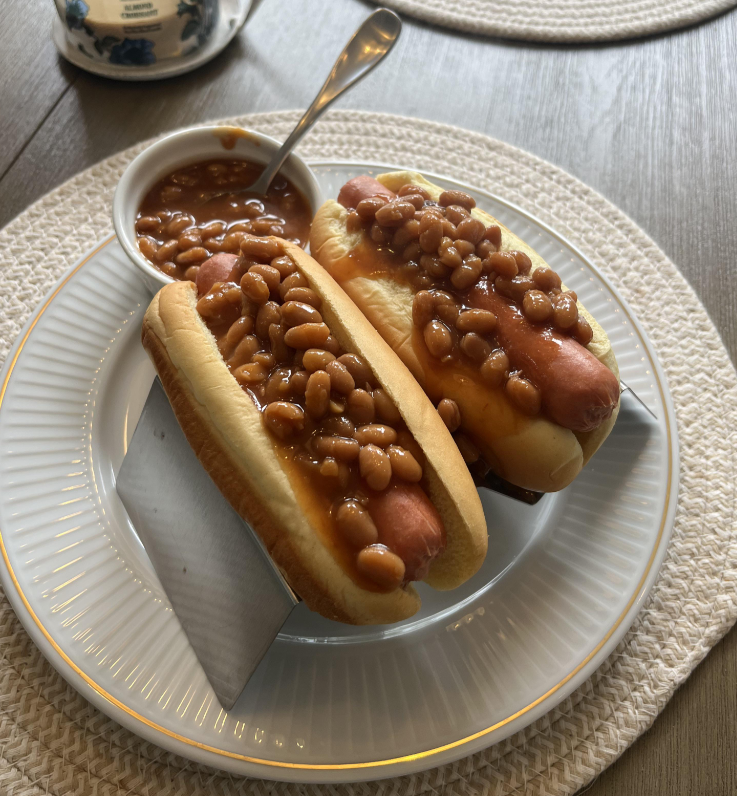
Baked beans and hot dogs was not glamorous, but that was the point. It was cheap, fast, and easy enough for a tired parent to make without a recipe. Some families served it with toast, cornbread, or boxed mac and cheese, while others just sliced the hot dogs straight into the beans. Reddit nostalgia threads mention this kind of dinner often, usually with a mix of affection and embarrassment. The downside was that it leaned heavily on processed foods.
The meals middle-class moms cooked in the 1990s were not trendy, but they were dependable, affordable, and familiar. They stretched ingredients, saved time, and kept families fed. For more budget-friendly meal ideas, check out this cheap weeknight dinners guide.