Traveling to historic places can bring back memories of family road trips, old-fashioned resorts, steam trains, and Main Streets that seem untouched by time. The National Park Service highlights thousands of places connected to American history and culture. These nostalgic travel destinations offer vintage architecture, historic transportation, and familiar traditions, along with practical details travelers should consider before planning a visit.
Mackinac Island, Michigan
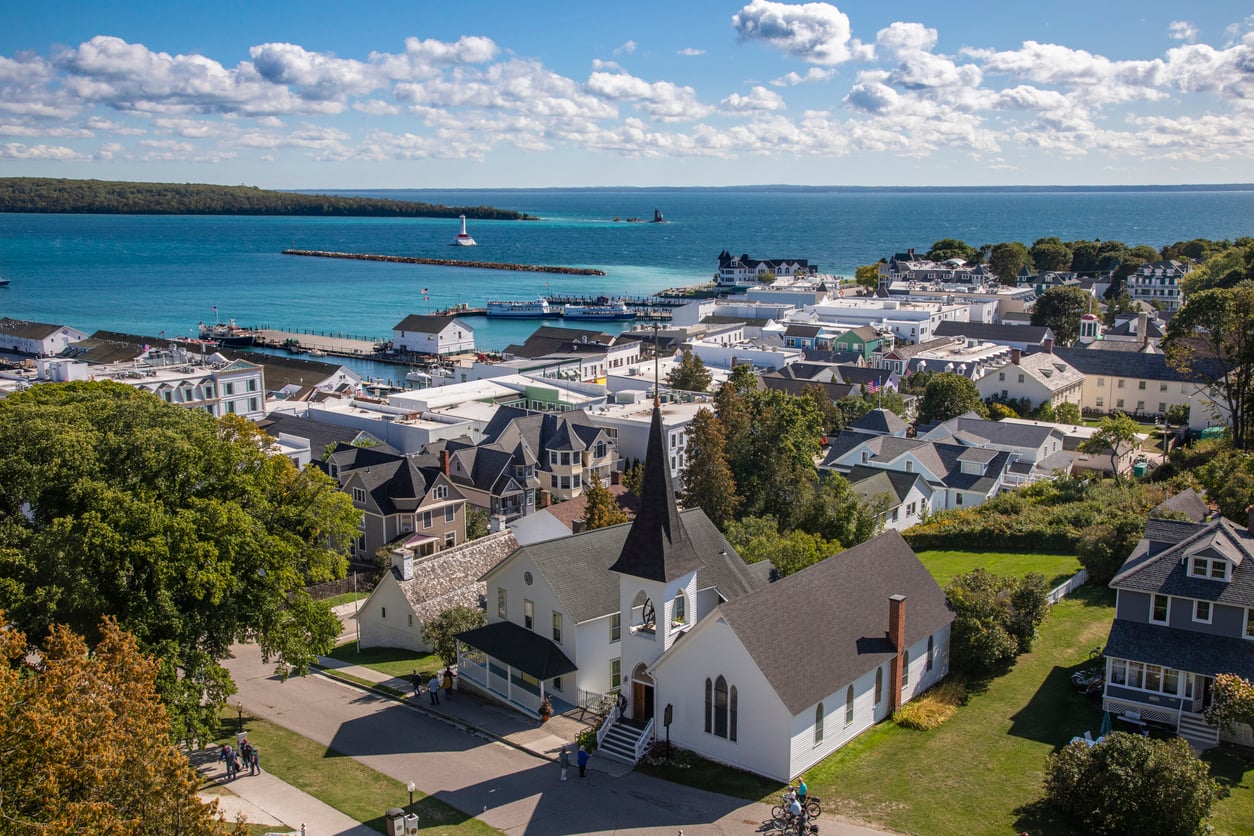
Mackinac Island still relies largely on bicycles, walking, and horse-drawn transportation because ordinary motor vehicles are prohibited. Victorian hotels, waterfront storefronts, Fort Mackinac, and carriage traffic strengthen its old-fashioned atmosphere. Summer crowds, ferry tickets, luggage fees, and expensive lodging can weaken the value, so late spring or early fall may offer a quieter and more affordable experience.
Colonial Williamsburg, Virginia
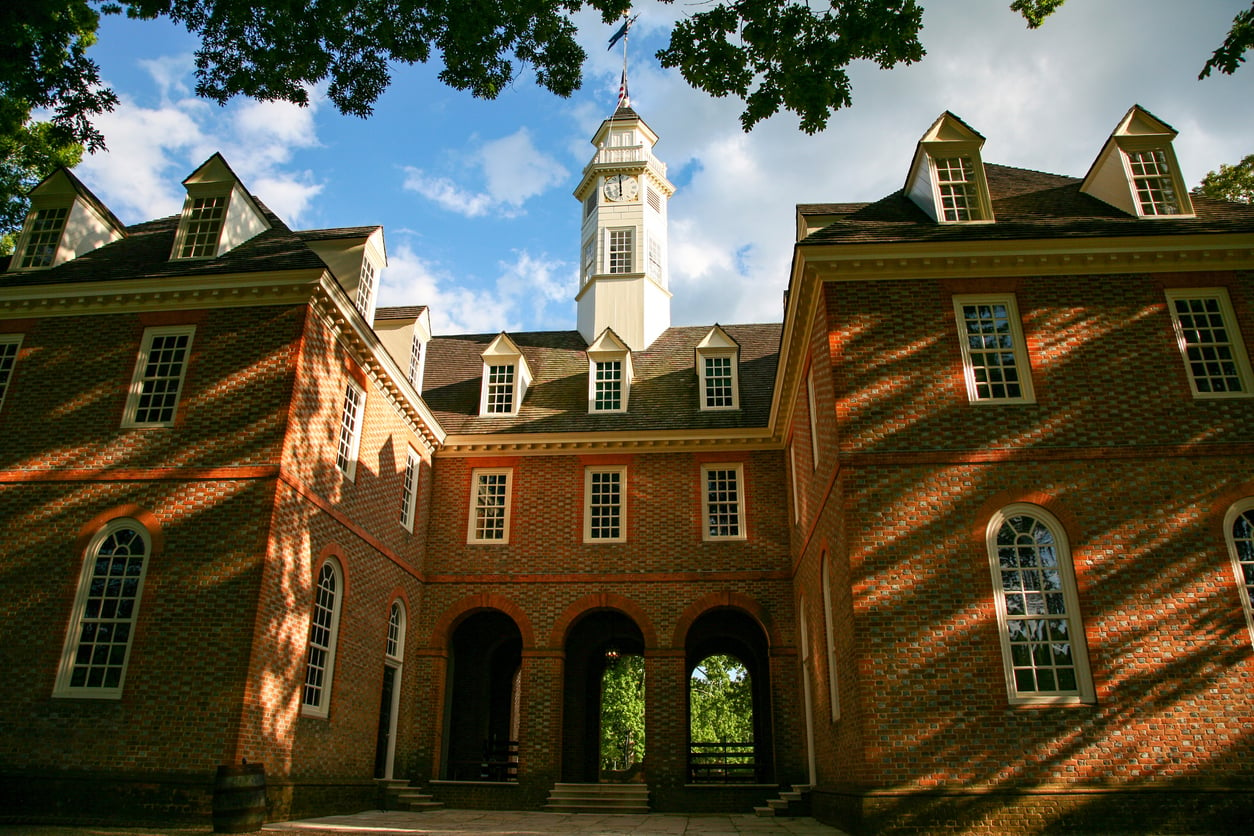
Colonial Williamsburg recreates Virginia’s 18th-century capital with restored buildings, gardens, working trades, government sites, and costumed interpreters. Visitors can watch blacksmithing, printing, tailoring, and other traditional skills. Modern programs also address slavery, class, politics, and labor. The public streets are free to explore, but building access, demonstrations, carriage rides, and special events usually require admission.
Seligman, Arizona
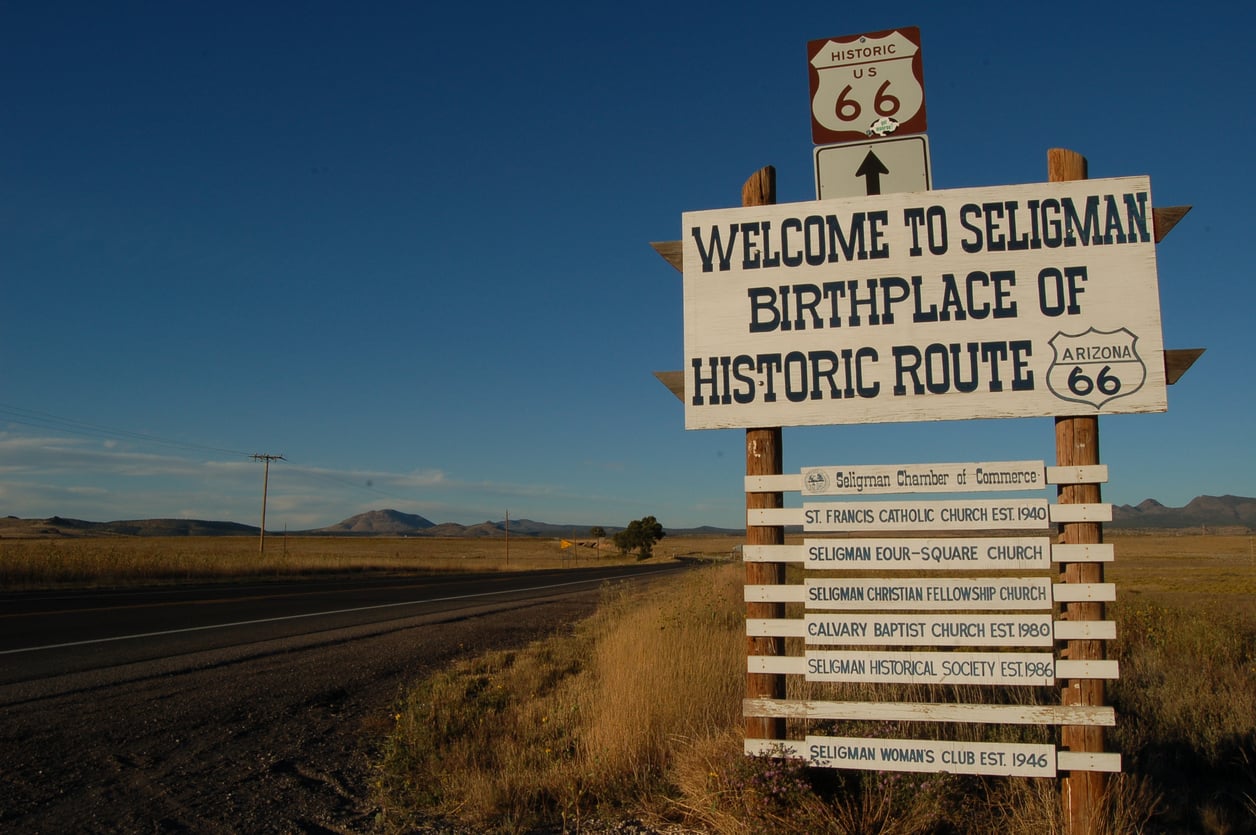
Seligman preserves the roadside personality of Route 66 through vintage signs, old service stations, diners, classic cars, and businesses packed with highway memorabilia. The town helped promote the historic road after it lost its federal designation. It remains a small stop rather than a full-day attraction, so travelers may want to combine it with Williams, Kingman, or another preserved section of Route 66.
Cape May, New Jersey
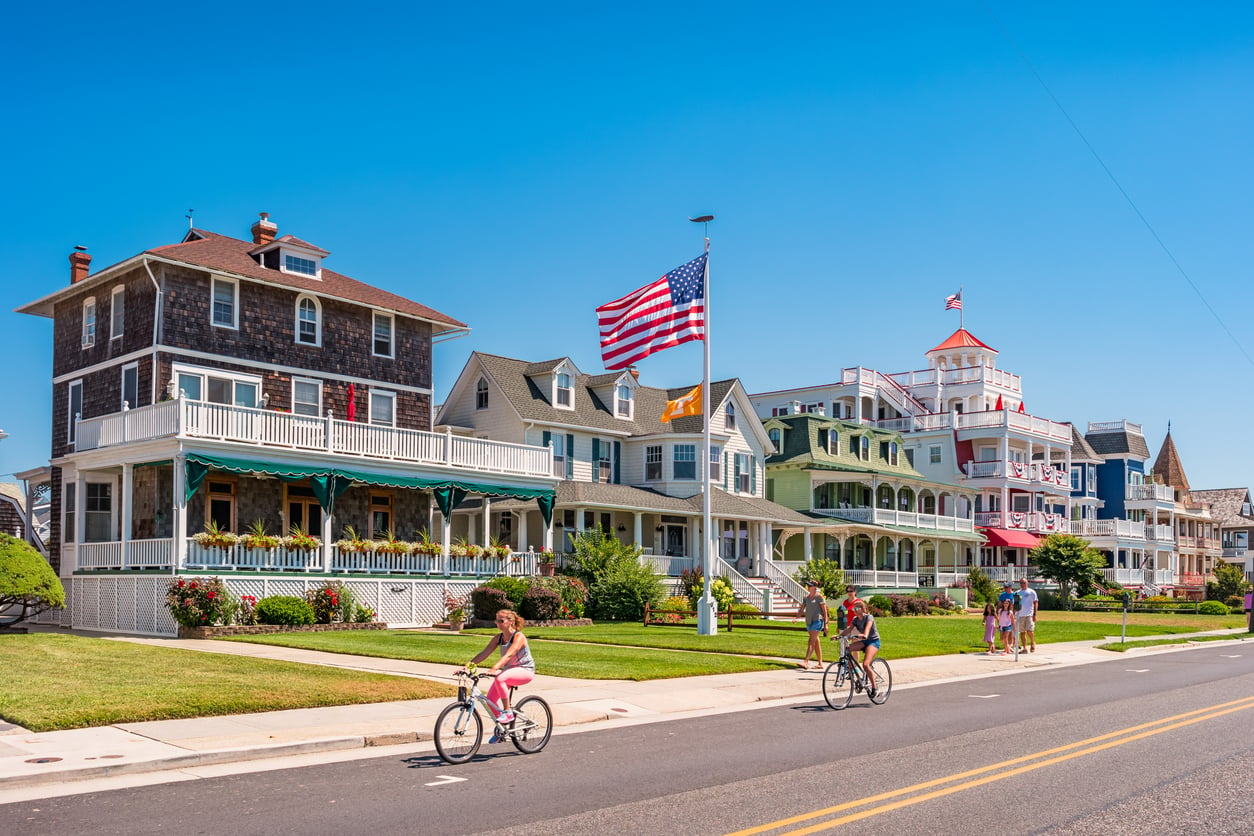
Cape May’s porches, turrets, decorative trim, historic inns, and seaside streets recall the height of Victorian coastal vacations. Visitors can tour the 1879 Emlen Physick Estate or join trolley and walking tours through the historic district. Summer lodging, restaurant bills, parking, and beach fees can make a trip expensive. Fall and the Christmas season provide similar historic charm with fewer beach crowds.
Deadwood, South Dakota
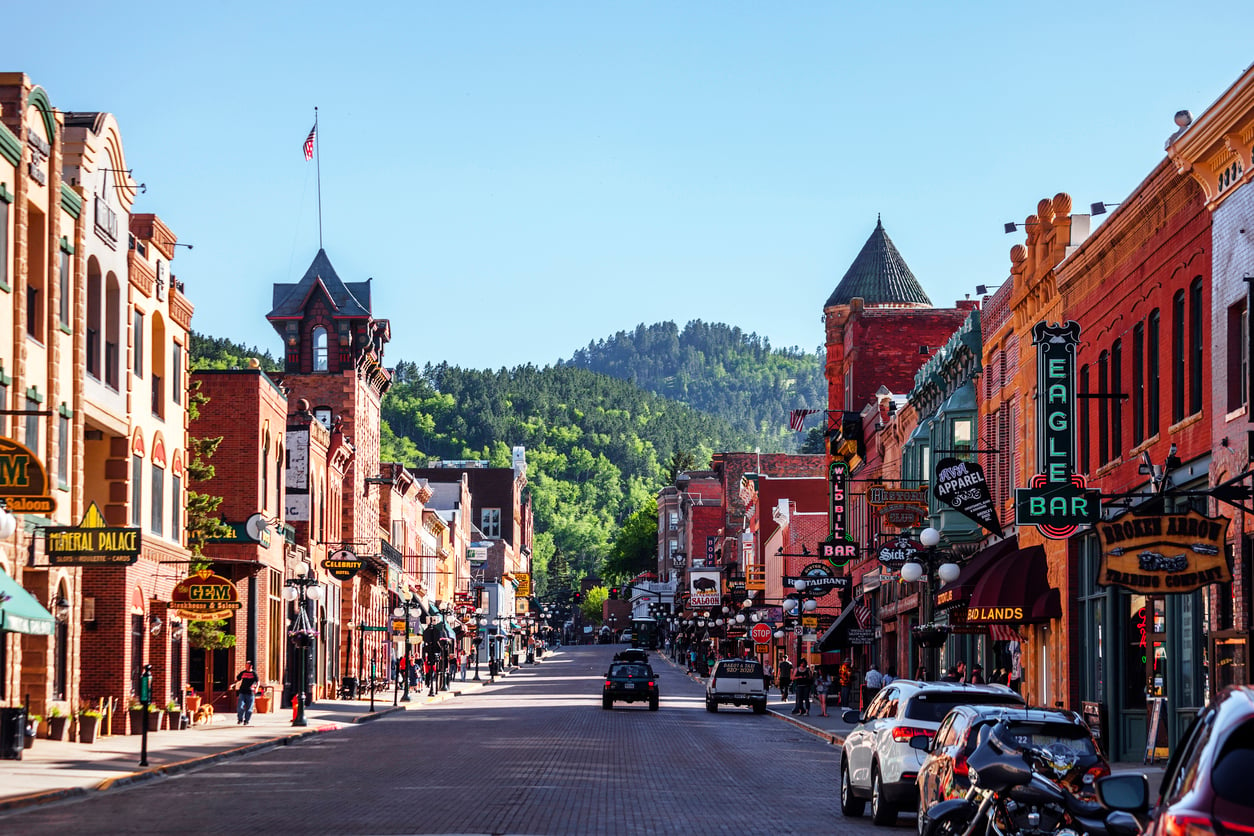
Deadwood’s brick storefronts, historic hotels, museums, saloons, and mountain scenery connect the town to the Black Hills gold rush. Reenactments and local attractions revisit stories involving Wild Bill Hickok and Calamity Jane. Modern casinos now occupy many historic buildings, so the atmosphere blends real architecture with commercial entertainment. Museums provide better context than the town’s gunfighter legends alone.
Trending on Cheapism

Mystic Seaport Museum, Connecticut
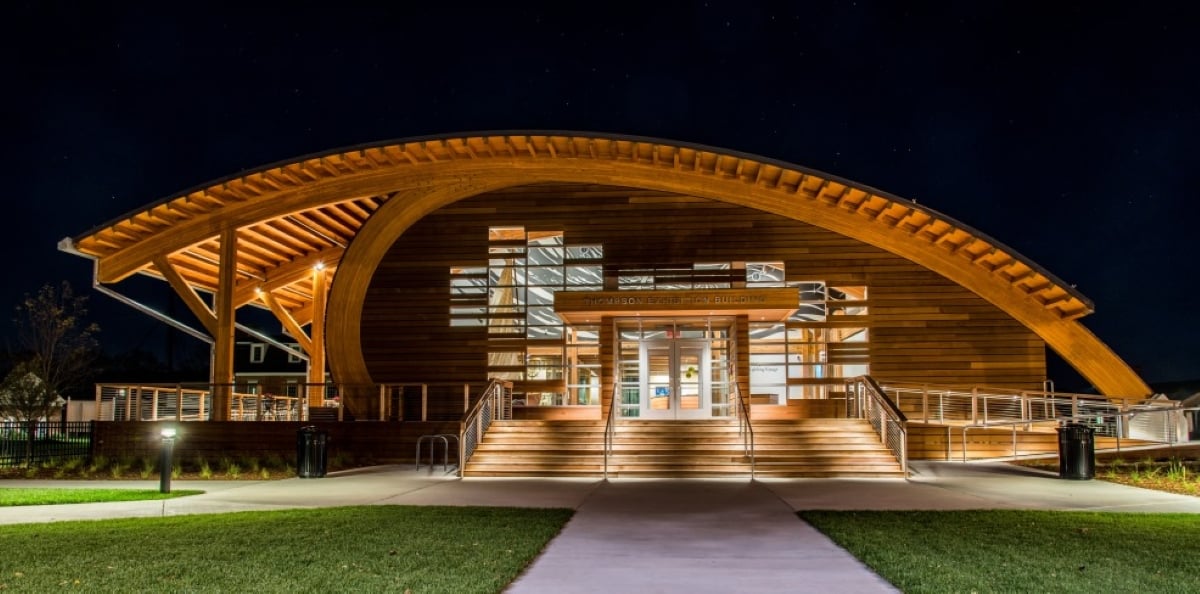
Mystic Seaport Museum recreates a 19th-century maritime village with historic buildings, workshops, ships, demonstrations, and exhibits beside the Mystic River. Visitors can learn about printing, ship carving, metalwork, fishing, and coastal commerce. It is a curated museum complex rather than an untouched seaport, but there is enough to fill much of a day. Boat rides and some special activities may cost extra.
Virginia City, Nevada
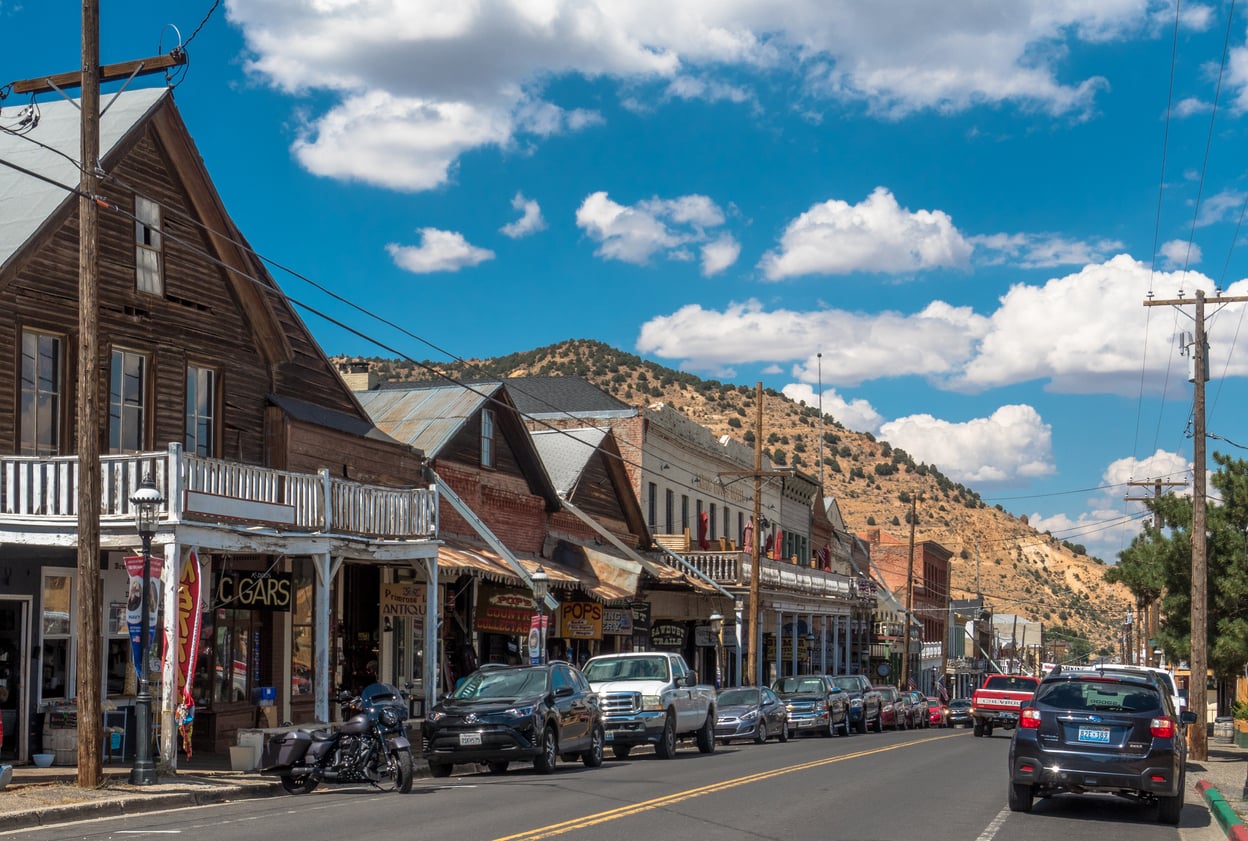
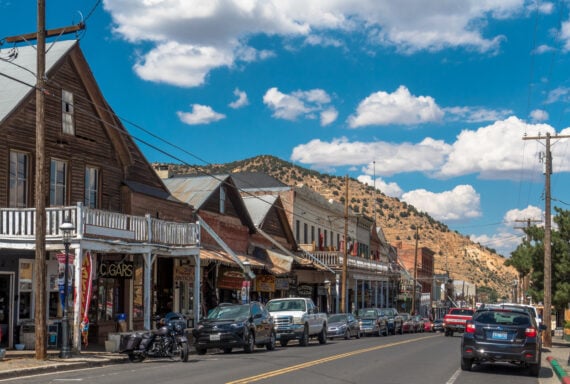
Virginia City grew around the Comstock Lode and still clings to a steep mountainside above the Nevada desert. Wooden sidewalks, old commercial buildings, mine exhibits, cemeteries, saloons, and railway rides recall its mining boom. Some attractions rely heavily on costumes, staged gunfights, and ghost stories. Travelers seeking deeper history should prioritize museums, mine tours, and preserved interiors over souvenir shops.
Tombstone, Arizona
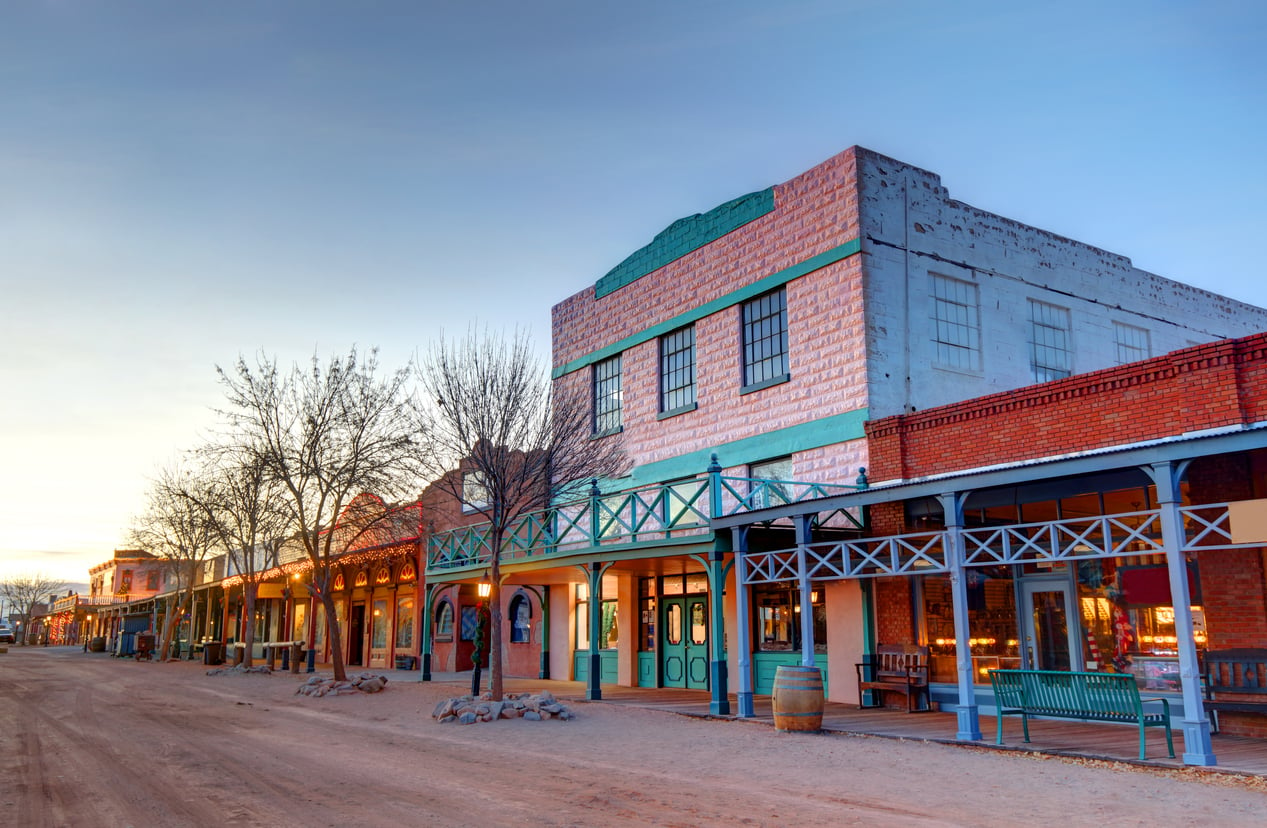
Tombstone attracts visitors with wooden boardwalks, stagecoaches, historic saloons, the old courthouse, and reenactments of the famous gunfight near the O.K. Corral. Its presentation mixes genuine 1880s history with folklore, Hollywood mythology, and modern tourism. The town can feel commercial, but the courthouse museum and historical exhibits provide stronger context. Many attractions are separately operated, so ticket costs can add up.
Sign up for our newsletter
Greenfield Village, Michigan
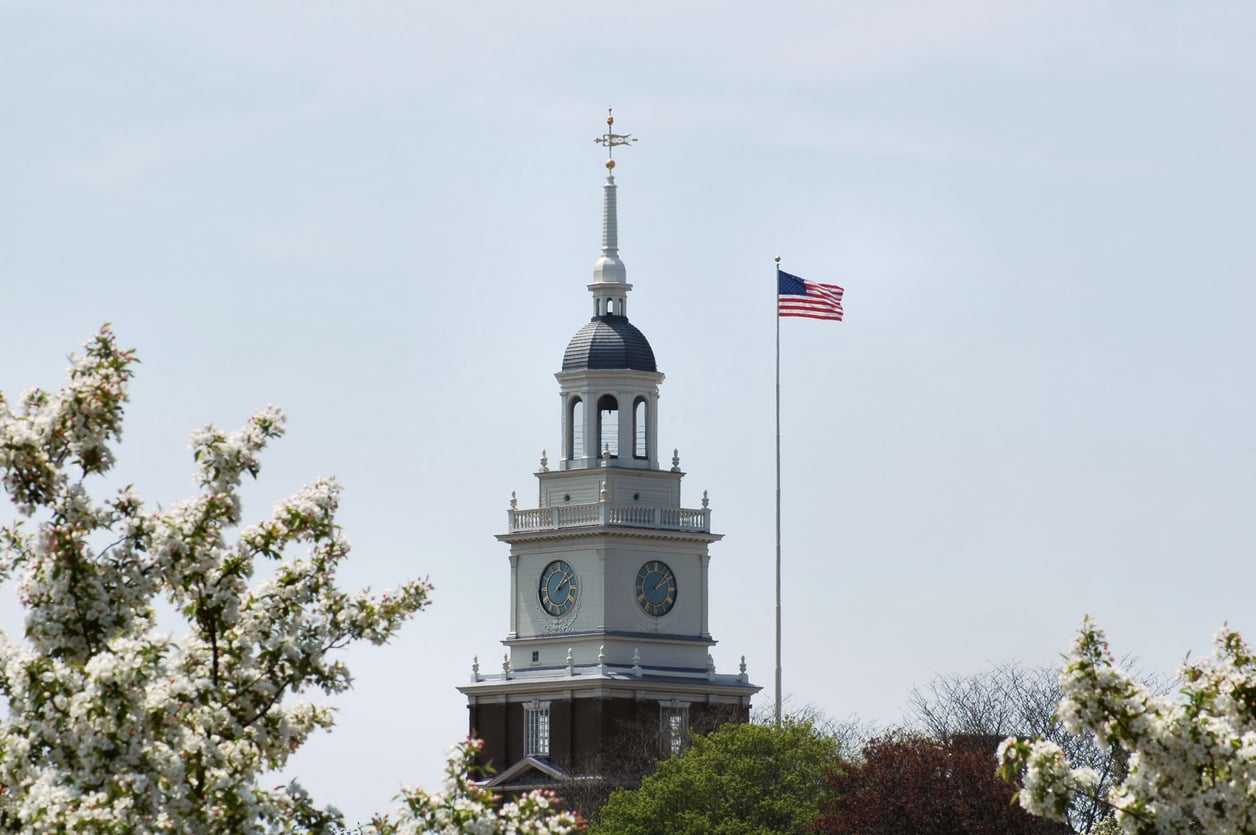
Greenfield Village contains historic homes, farms, schools, workshops, and laboratories collected by Henry Ford. Visitors may see craft demonstrations, steam trains, horse-drawn vehicles, vintage cars, and buildings connected to Thomas Edison and the Wright brothers. It is an assembled outdoor museum rather than a naturally preserved town. Transportation rides, parking, and special events may cost extra beyond the regular admission price.
Silverton, Colorado
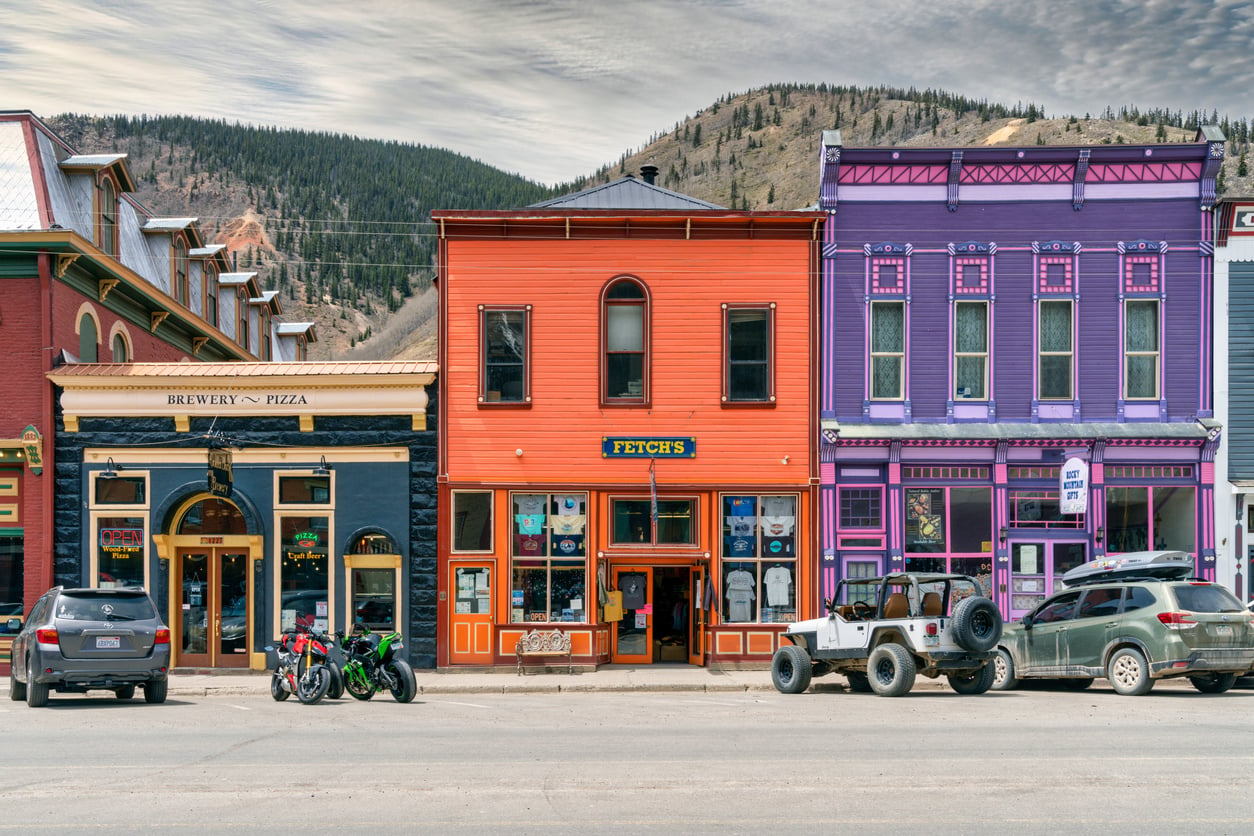
Silverton’s mining-era storefronts, historic hotels, unpaved side streets, and mountain setting create a strong Old West atmosphere. The narrow-gauge railroad normally connects the town with Durango along a historic mountain route, although operating disruptions can occur. Silverton sits above 9,000 feet, so altitude, snow, wildfires, smoke, and difficult roads may affect a visit. Travelers should check conditions before leaving.
St. Augustine, Florida
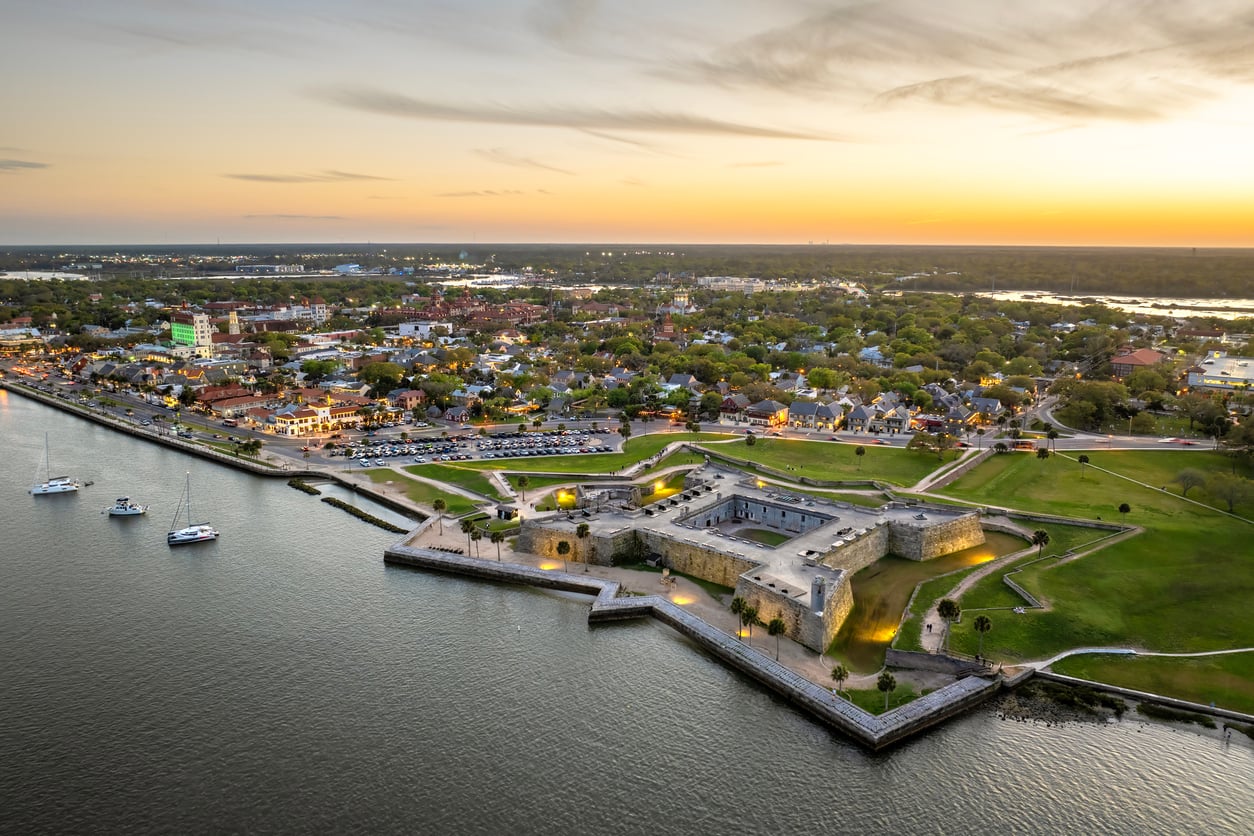
Narrow streets, courtyards, churches, balconies, historic inns, and Spanish colonial influences make central St. Augustine feel unlike most Florida destinations. Castillo de San Marcos provides important historical context beside the bay. The district can become crowded and commercial, especially during holidays. Visitors should look beyond ghost tours and attractive architecture to learn about Indigenous history, slavery, migration, war, and civil rights.
Skagway, Alaska
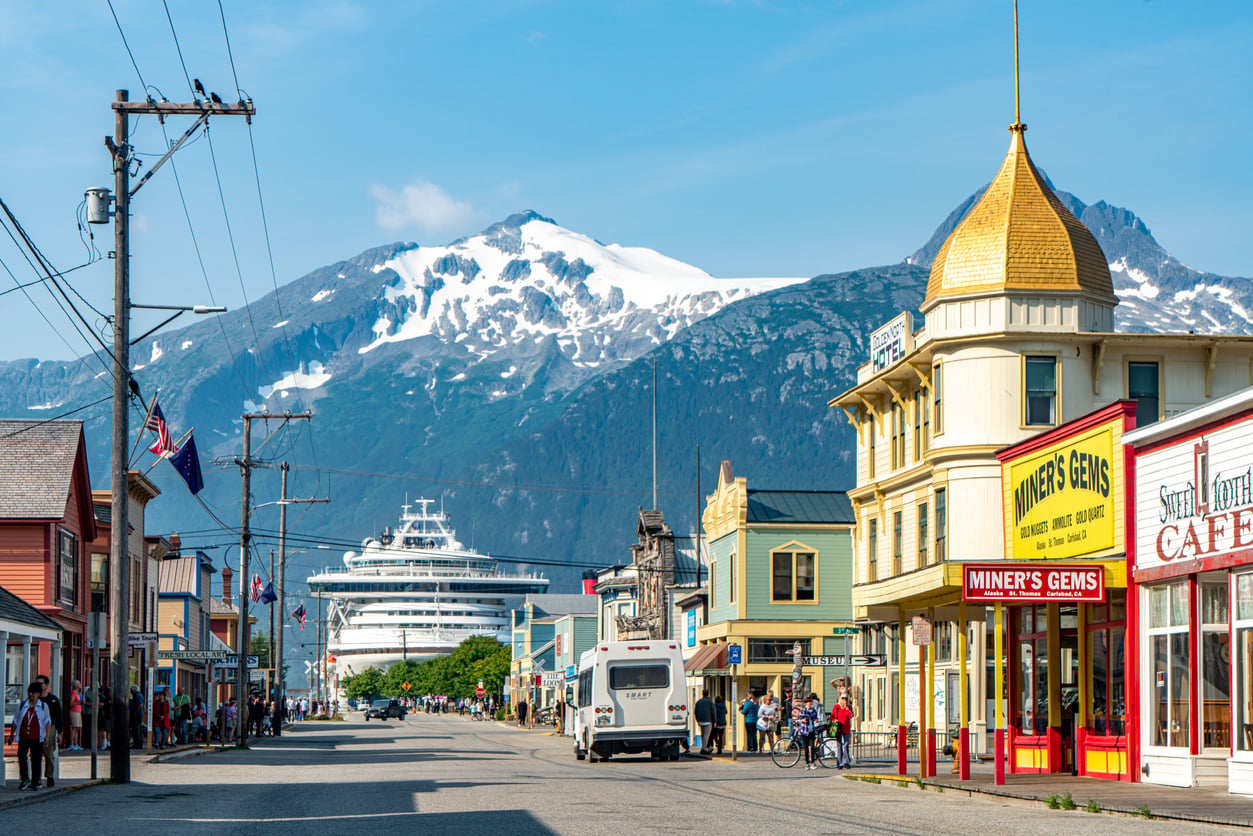
Skagway preserves buildings and landscapes linked to the Klondike Gold Rush, when travelers passed through on their way to Canada’s Yukon. National Park Service exhibits explain the experiences of prospectors, merchants, workers, and Indigenous communities. The White Pass railway offers dramatic mountain views, but tickets can be costly. Cruise arrivals can quickly crowd the small downtown, so visitors should begin exploring early in the day.
Galena, Illinois
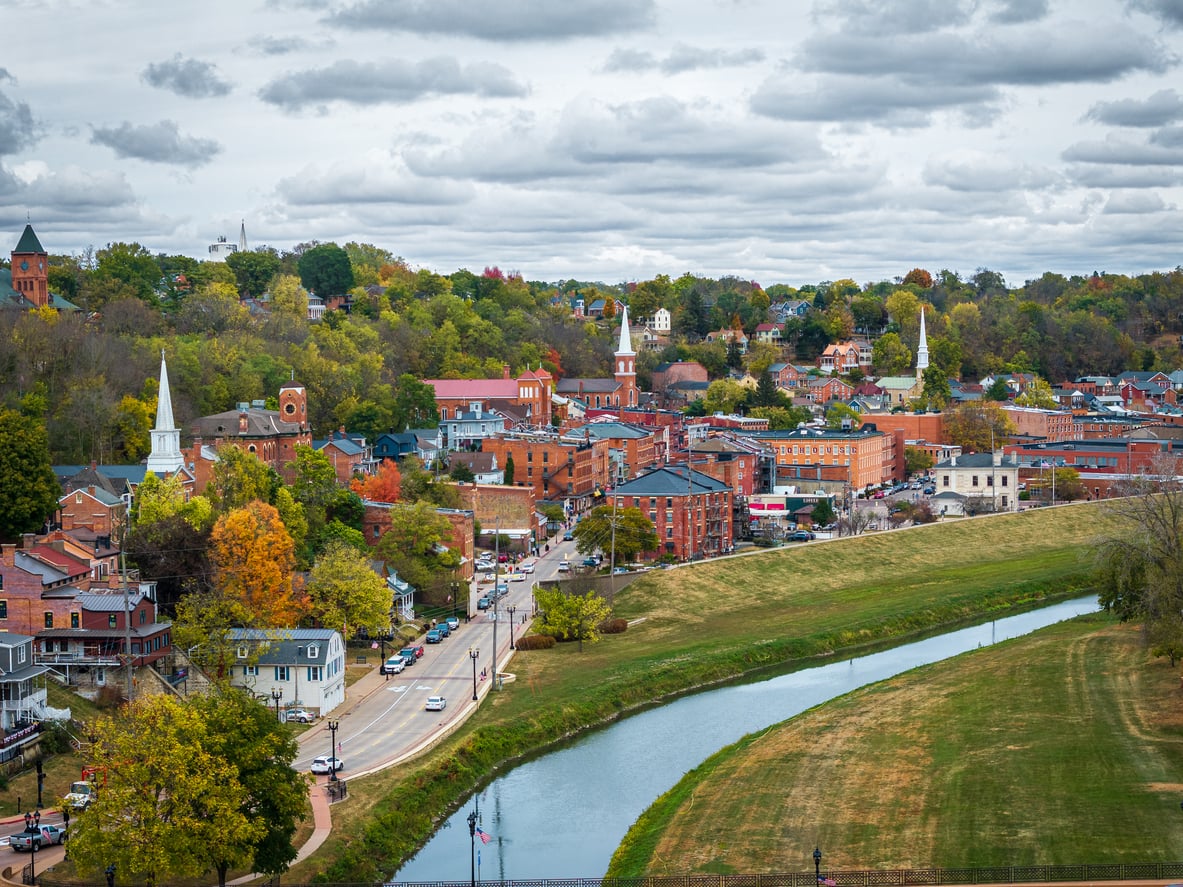
Galena’s sloping Main Street is lined with 19th-century brick buildings that now contain shops, galleries, restaurants, and small businesses. Historic homes, churches, stairways, and hotels reflect the town’s past as a lead-mining and trading center. Weekends can feel more like busy shopping trips than quiet historic escapes. The steep streets contribute to Galena’s appearance but may be difficult for visitors with limited mobility.
Savannah, Georgia
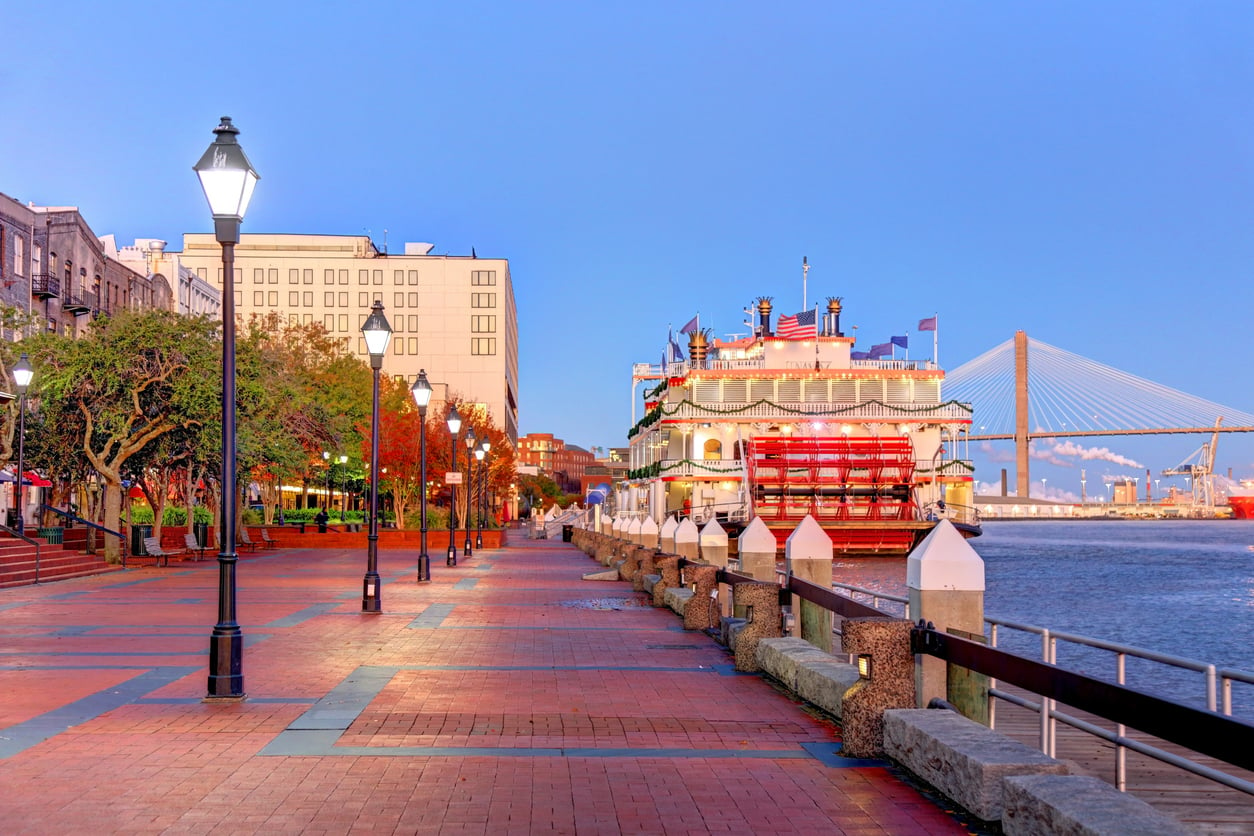
Savannah’s public squares, moss-covered trees, ironwork, townhouses, churches, cemeteries, and old riverfront warehouses create a memorable historic streetscape. Much of the district can be explored without paying admission, although parking, tours, and downtown lodging may be expensive. Its romantic image should not overshadow the city’s connections to slavery, segregation, labor, Gullah Geechee culture, and the civil rights movement.
Eureka Springs, Arkansas
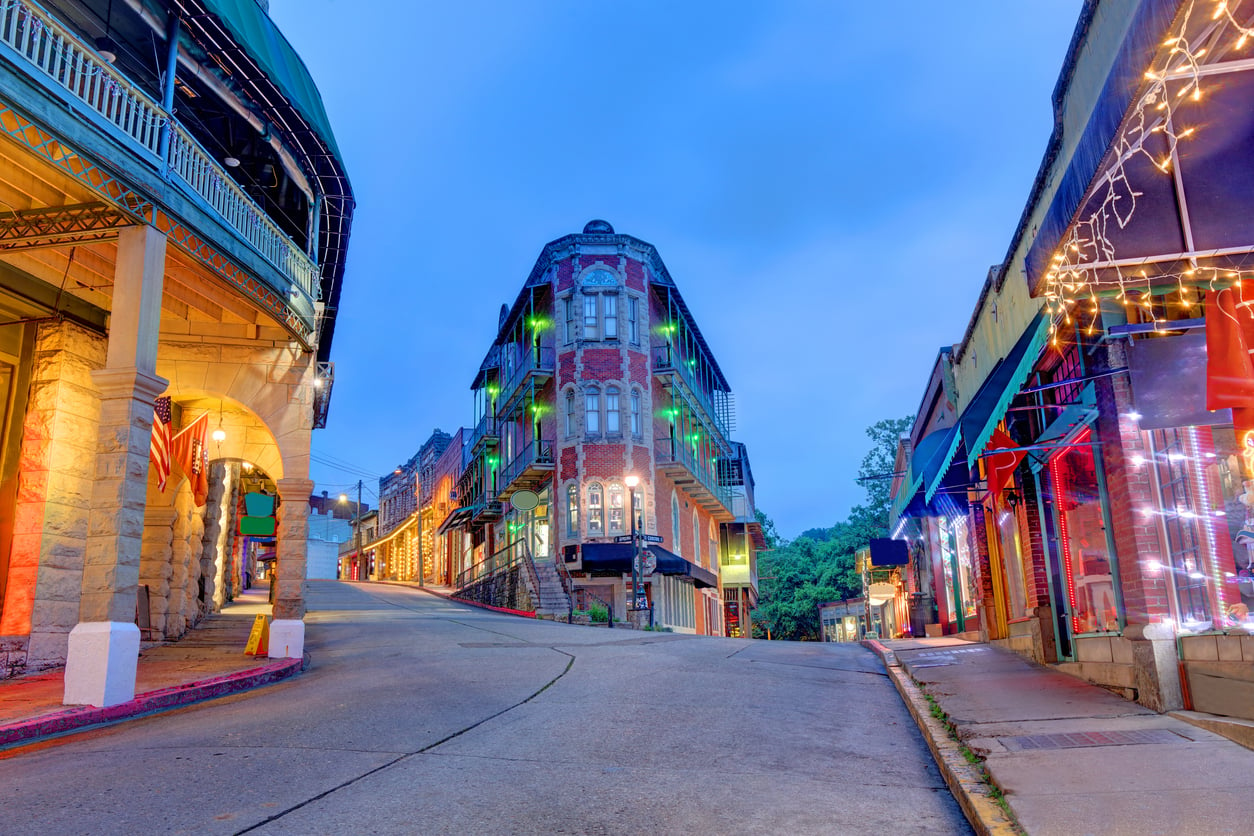
Eureka Springs developed around mineral springs and health tourism, leaving behind Victorian hotels, stone walls, winding roads, stairways, and hillside buildings. Independent shops, galleries, restaurants, and inns help preserve its old mountain-resort personality. The steep terrain also makes walking, driving, and parking difficult. Local trolleys can help, although some historic properties remain challenging for travelers who cannot manage hills or stairs.
The French Quarter, New Orleans
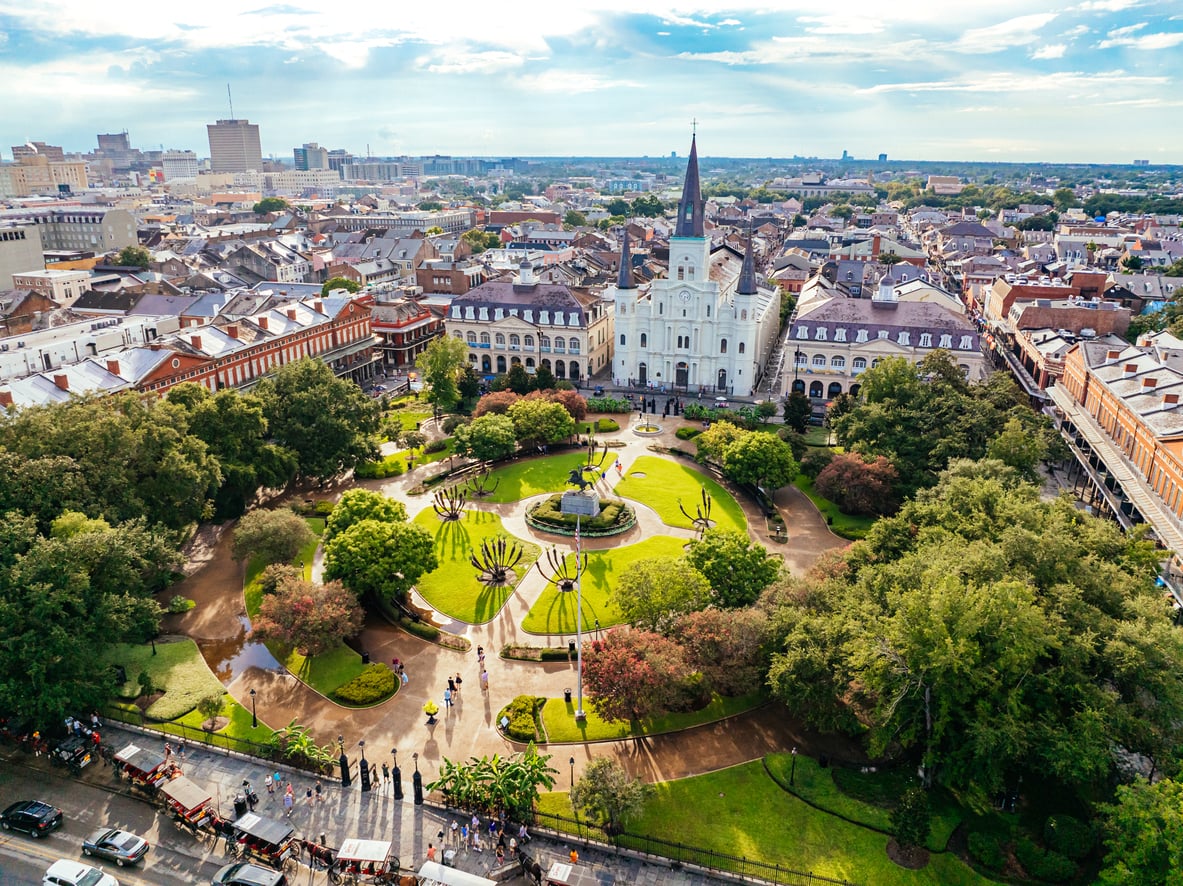
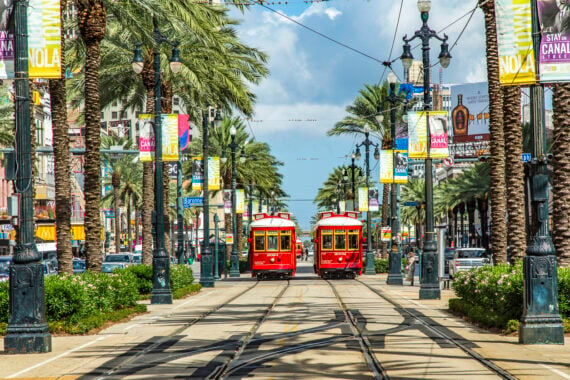
The French Quarter feels historic because its architecture, streetcars, restaurants, music clubs, markets, hotels, and neighborhood institutions remain part of daily city life. French, Spanish, Caribbean, African, Creole, and American influences appear throughout the district. Bourbon Street represents only one portion of the neighborhood. Daytime walks along quieter streets can provide a more relaxed and affordable look at its history.
Harpers Ferry, West Virginia
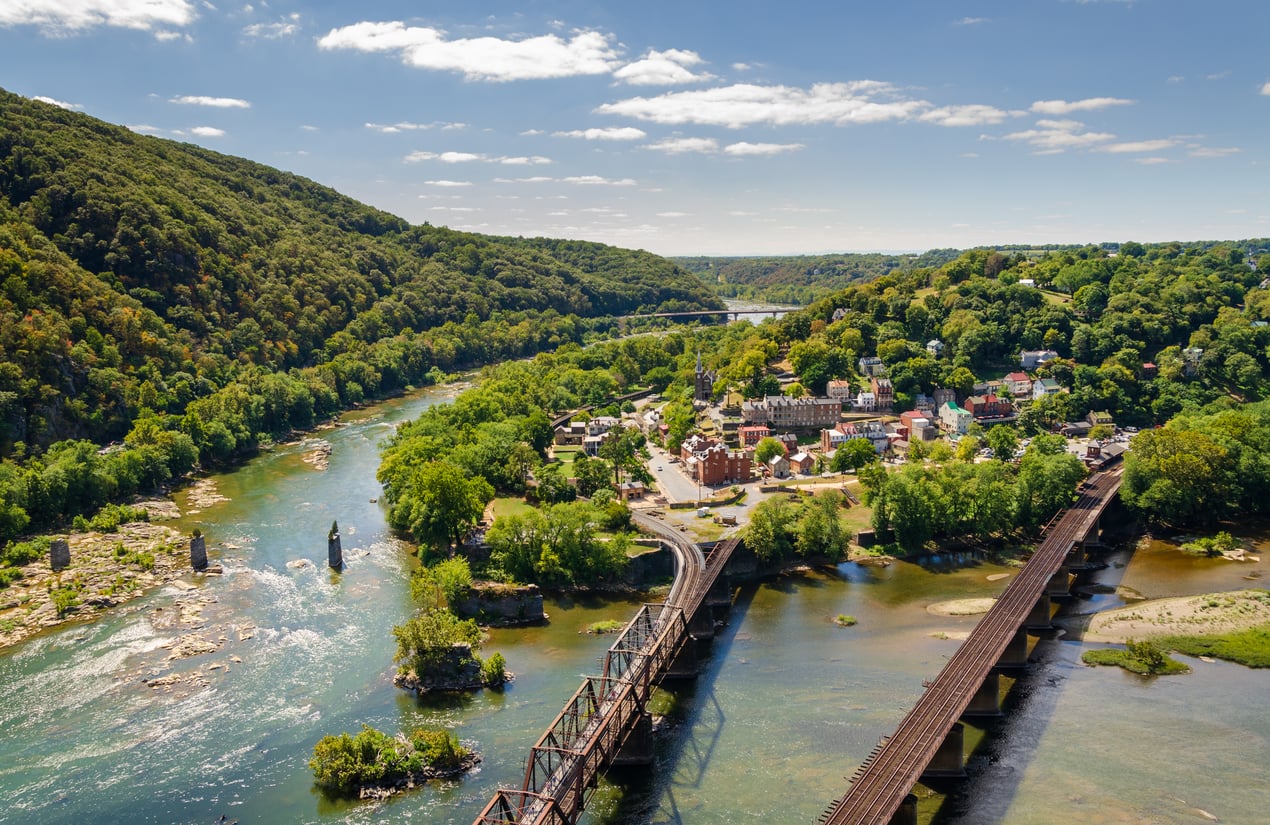
Harpers Ferry’s stone buildings, bridges, railroad lines, rivers, and surrounding hills form a historic landscape rather than a single attraction. National Park Service exhibits cover industry, transportation, slavery, John Brown’s raid, the Civil War, and African American education. Hills, stairs, uneven surfaces, and limited lower-town parking can be challenging. Many visitors park near the main visitor center and use the seasonal shuttle.
Solvang, California
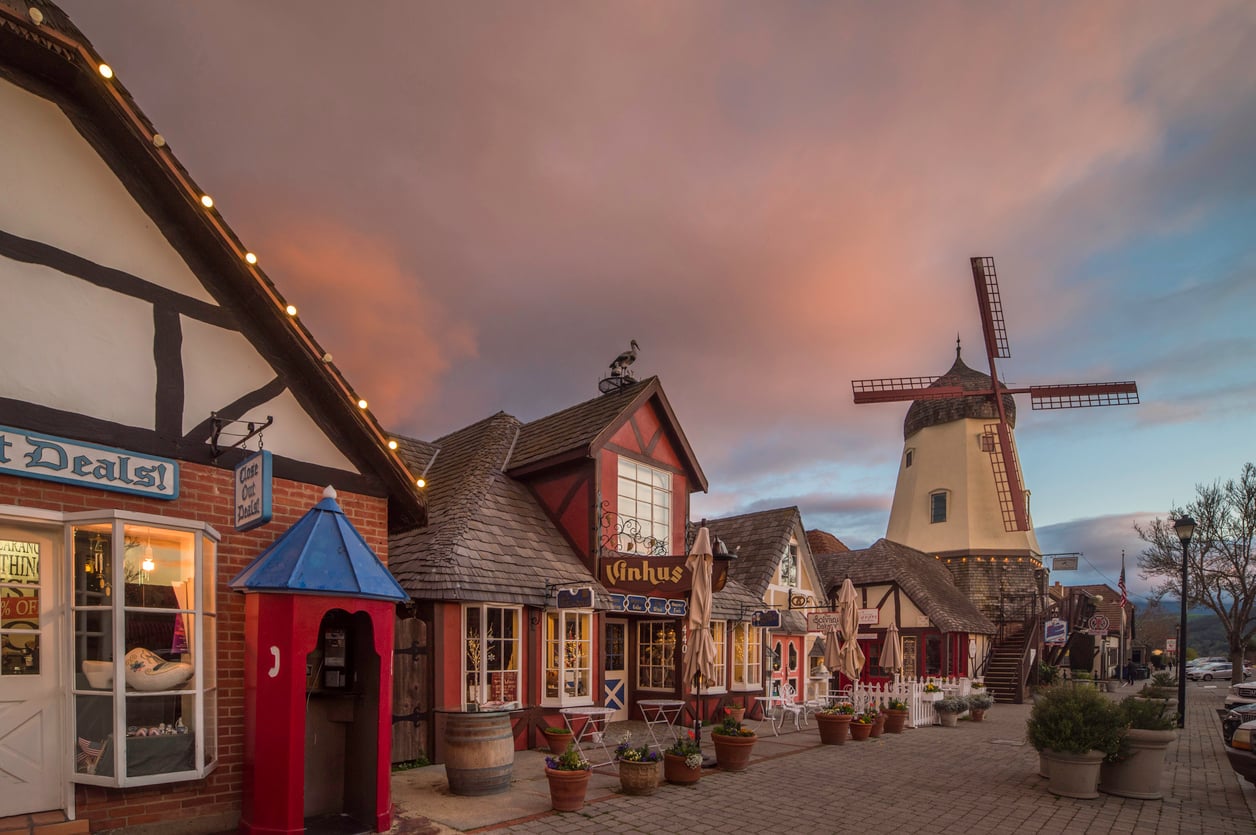
Solvang’s windmills, bakeries, courtyards, and Danish-style storefronts create the appearance of an old European village in California wine country. Danish immigrants founded the community, although much of its familiar look was developed later for tourism. Museums and long-running bakeries offer more context than souvenir shops alone. Weekend crowds, wine tasting, restaurants, and Central Coast lodging can make a short visit surprisingly expensive.
Wallace, Idaho
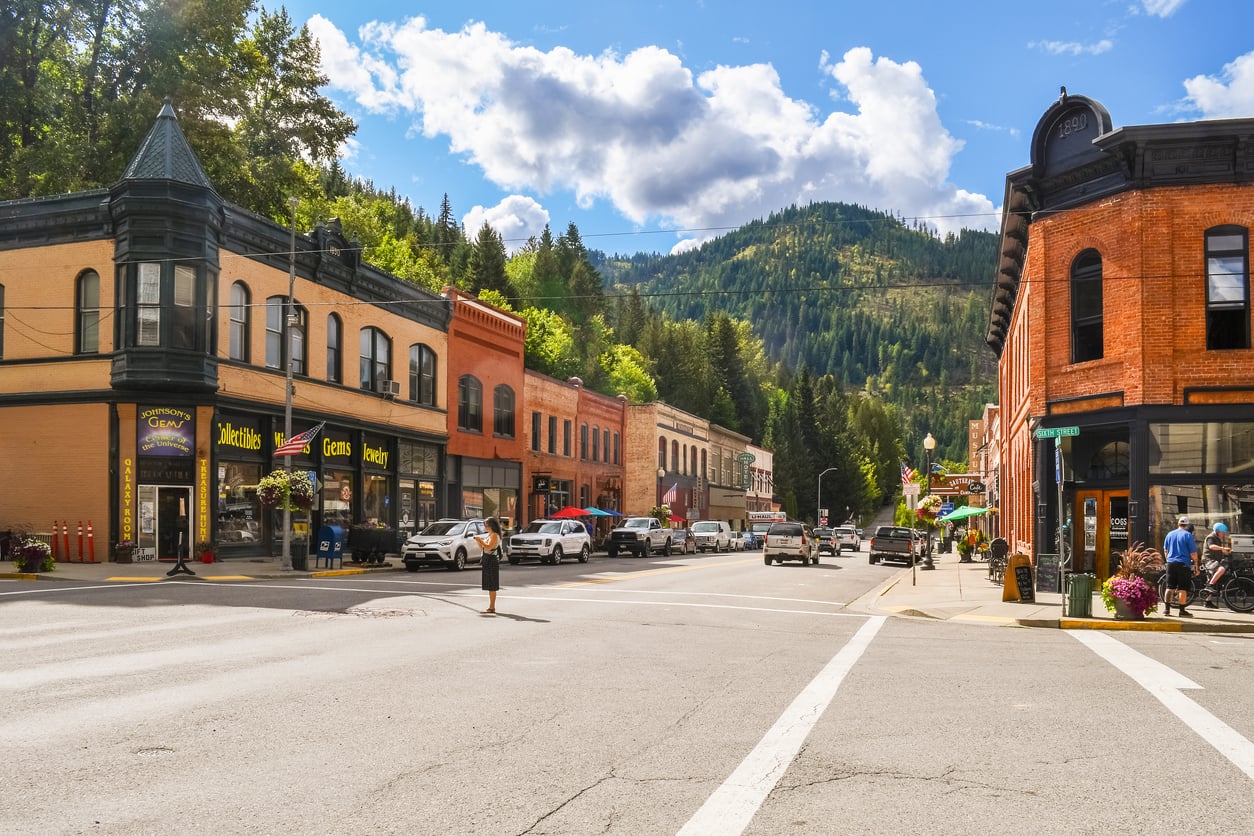
Wallace retains a compact downtown of brick hotels, storefronts, museums, and commercial buildings connected to northern Idaho’s mining and railway history. Mine tours and exhibits explain the dangerous work, labor disputes, environmental damage, and economic changes behind the attractive streetscape. Wallace is small enough to explore in a few hours. Many visitors combine it with nearby cycling routes or a wider Silver Valley road trip.
Nantucket, Massachusetts
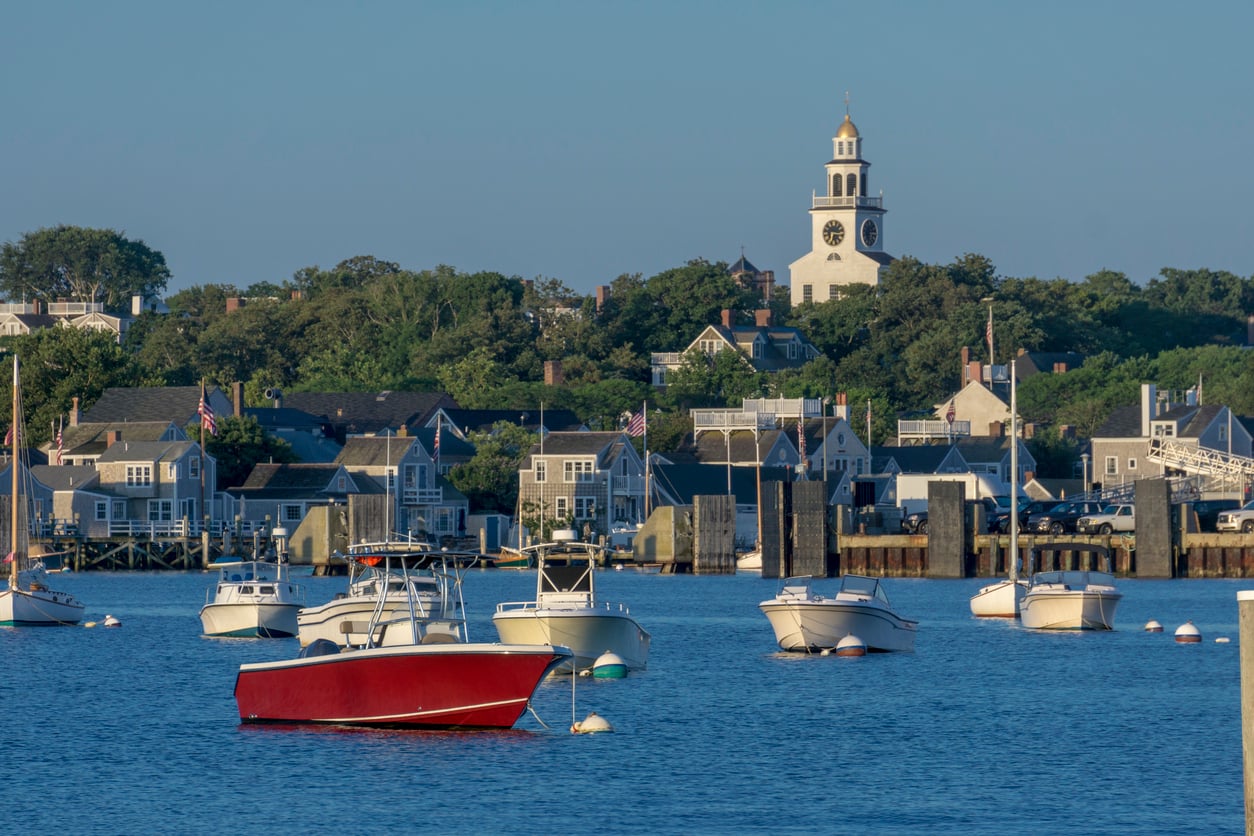
Cobblestone streets, weathered shingles, narrow lanes, lighthouses, harbor views, and historic homes give Nantucket a cohesive maritime appearance. Museums examine whaling, navigation, commerce, Quaker influence, and island life. Arriving by ferry adds to the sense of separation from the mainland but also increases the cost. A day trip or shoulder-season visit can be more practical than paying peak summer prices for lodging, meals, and transportation.