Dad habits looked a little different in the ’90s. Before smartphones, GPS apps, streaming, and online bill pay, fathers often kept family life moving with paper maps, toolboxes, VHS tapes, and a pocket full of change. And while fatherhood has changed over the years, with Pew Research noting that dads today spend more time on child care than fathers did decades ago, these old routines still bring back plenty of memories.
Refusing To Stop And Ask For Directions
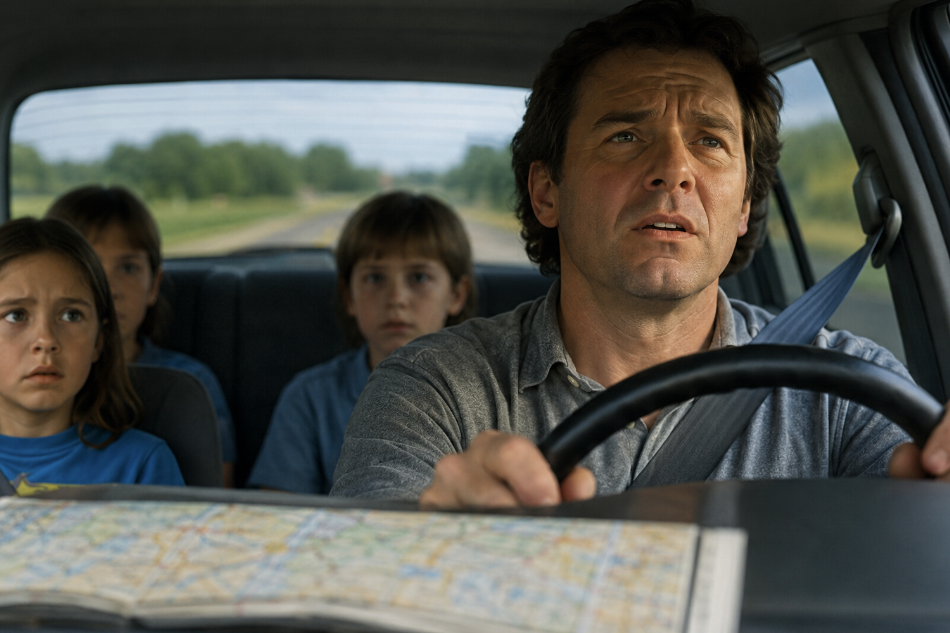
Before GPS apps, getting lost was just part of a family road trip. Dad might squint at highway signs, insist the exit was “coming up”, and keep driving long after everyone else suspected otherwise. It was partly confidence, partly pride, and partly the reality that stopping meant finding a gas station and admitting defeat. Today, turn-by-turn navigation has made this one of the most classic ’90s dad habits to disappear.
Keeping A Road Atlas In The Car
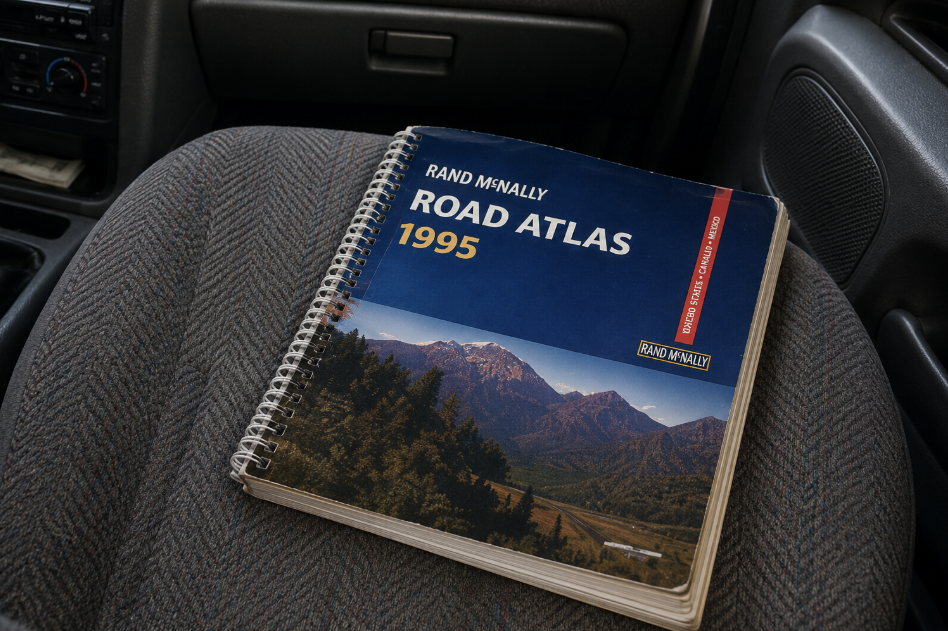
Many dads kept a thick Rand McNally-style road atlas tucked in the seat pocket, glove box, or trunk. Long trips often started at the kitchen table, with Dad tracing routes and circling exits before anyone packed the cooler. The atlas was practical, especially when detours appeared or directions got confusing. Many younger drivers have never needed one, but for ’90s families, that paper book could save a vacation.
Mowing The Lawn Every Saturday Morning
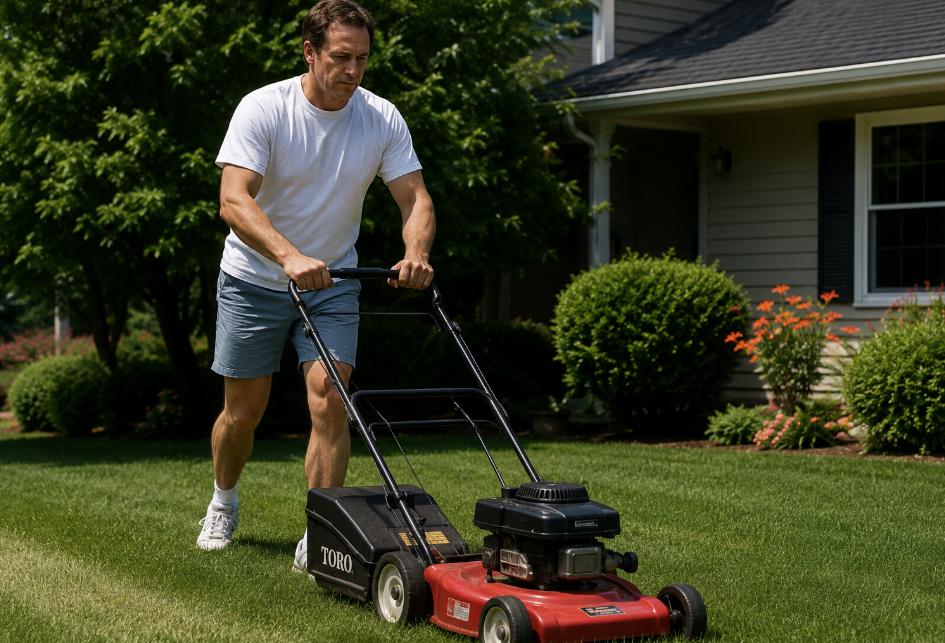
For a lot of suburban families, Saturday morning had a soundtrack: the lawn mower. Dad would pull the cord, walk the same careful lines, trim the edges, and treat the yard like a small public statement. Plenty of people still mow today, of course, but the ritual feels less universal. Smaller yards, lawn services, busier weekends, and different family routines have made this less of a fixed weekly dad performance.
Guarding The Thermostat Like It Was A Family Heirloom
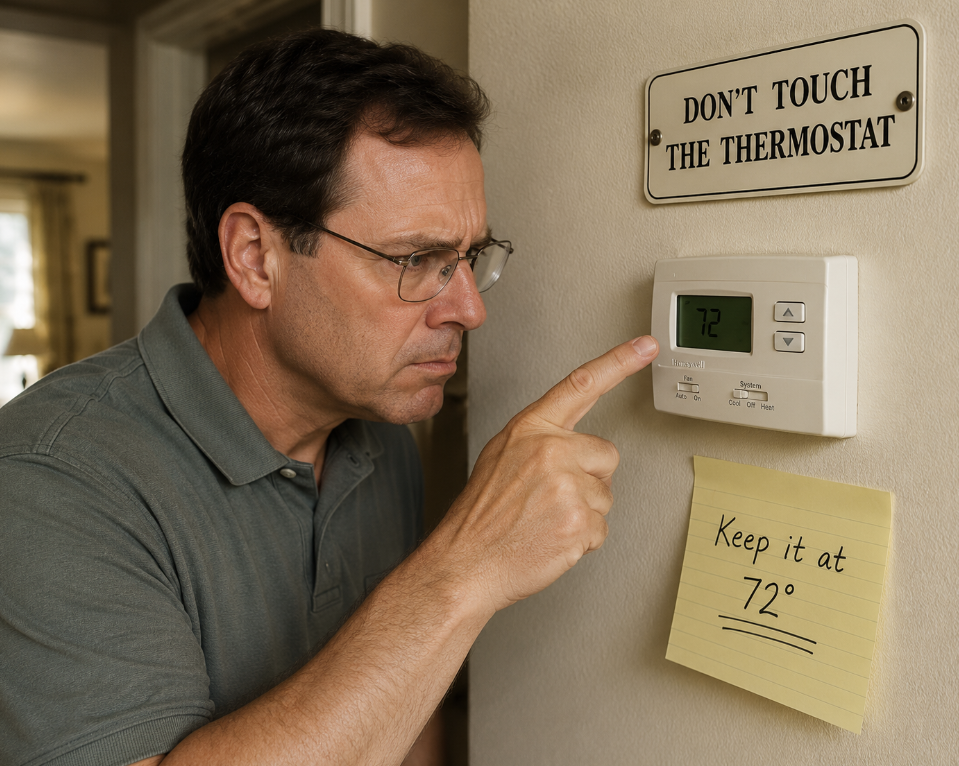
Few household items caused more ’90s drama than the thermostat. If someone touched it, Dad somehow knew. The joke had a real money angle, though: heating and cooling could take a serious bite out of the household budget. The Department of Energy says adjusting thermostat settings can save energy, so Dad’s obsession was not completely irrational. Smart thermostats have softened the ritual, but not the instinct.
Recording TV Shows On VHS
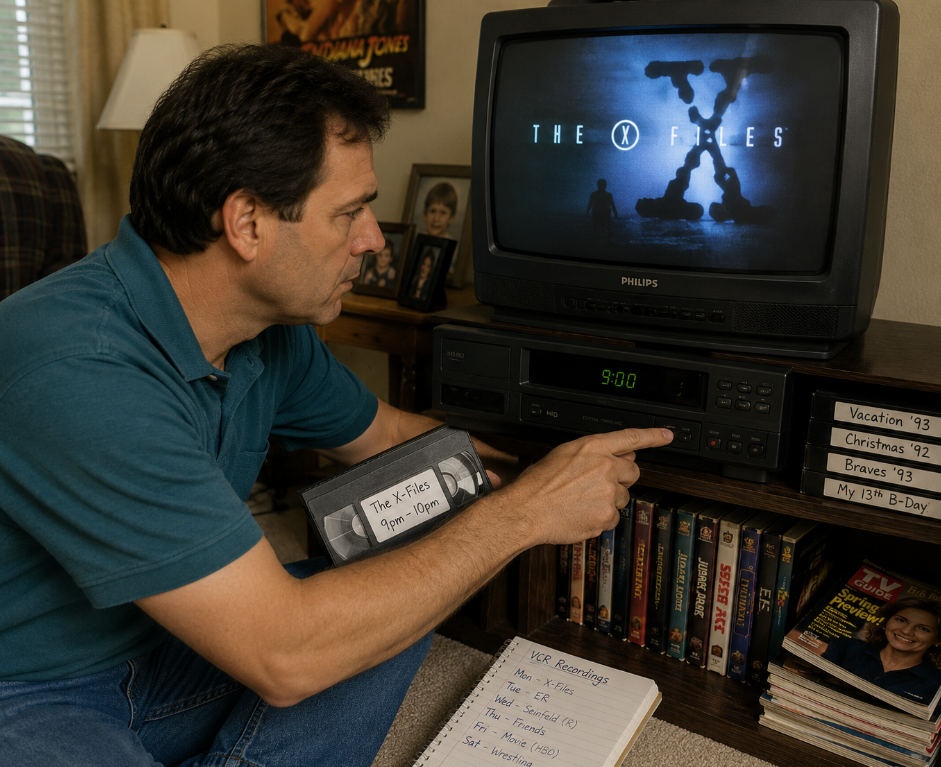
Before DVRs and streaming, someone had to program the VCR, and in many homes, that person was Dad. Recording a show meant knowing the channel, start time, tape speed, and whether the clock on the VCR was actually correct. If it worked, the family had a homemade replay. If it failed, you waited for reruns. Compared with today’s instant streaming, VHS recording feels wonderfully clunky.
Trending on Cheapism


Fixing Nearly Everything Himself
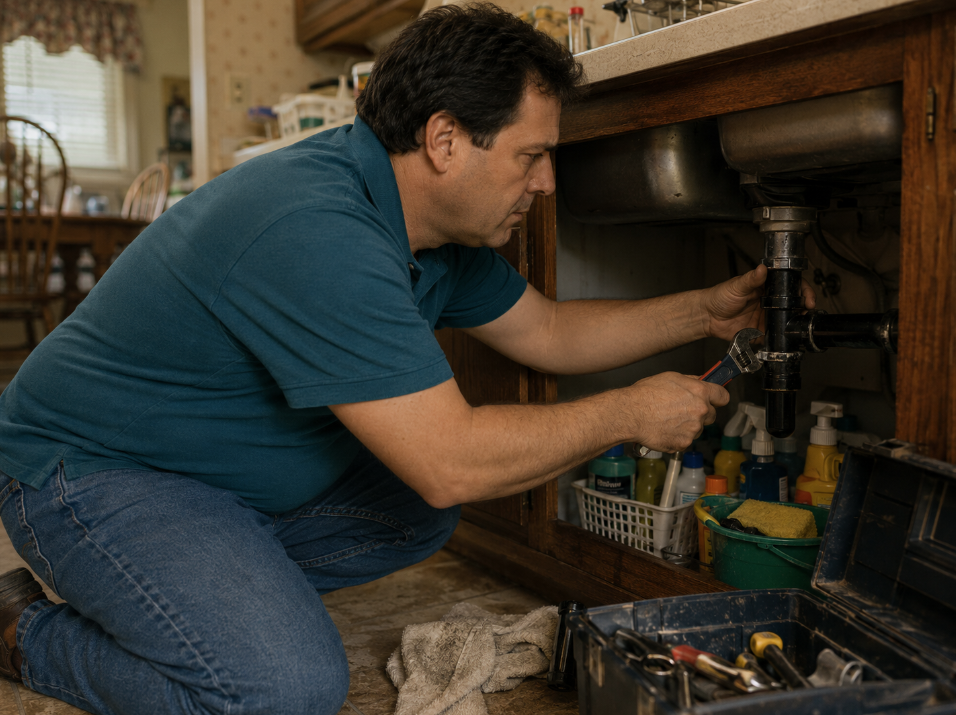
A broken lamp, leaky faucet, loose chair, sputtering mower, or strange car noise usually got one answer first: “Let me take a look”. Many dads tried to fix things before paying someone else, because labor was expensive and replacing items felt wasteful. That habit still exists, but modern products can be harder to repair because of electronics, sealed parts, software, and limited access to manuals or components.
Carrying A Pocket Full Of Change
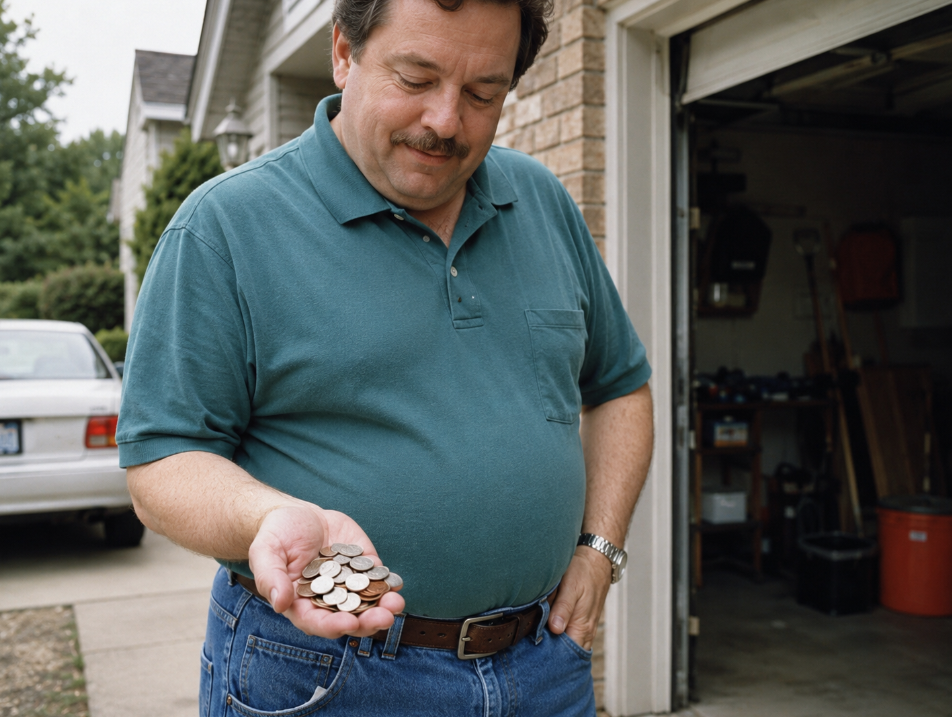
A dad’s pocket in the ’90s could sound like a cash register. Coins were useful for pay phones, parking meters, vending machines, toll booths, arcades, laundromats, and newspaper boxes. Having change was not just clutter; it was preparation. Digital payments, card readers, mobile parking apps, and cashless vending machines changed that. Today, a pocket full of quarters feels more like a laundry-day emergency than daily life.
Smoking While Doing Practically Everything
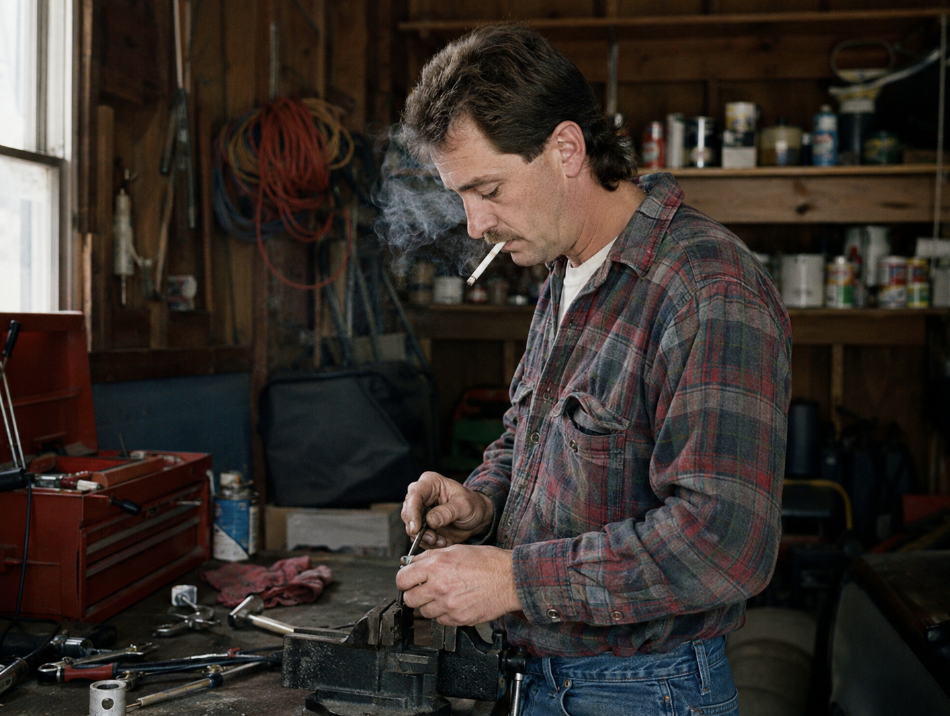
This one has faded for good reason. Smoking was already declining in the ’90s, but it was still more common and more tolerated than it is now. Many people remember dads smoking in cars, garages, bowling alleys, restaurants, or outside family gatherings. Public-health rules, changing attitudes, and lower adult smoking rates have made that scene far less common. It is nostalgic for some, but not exactly missed by everyone.
Sign up for our newsletter
Using The Garage As A Workshop
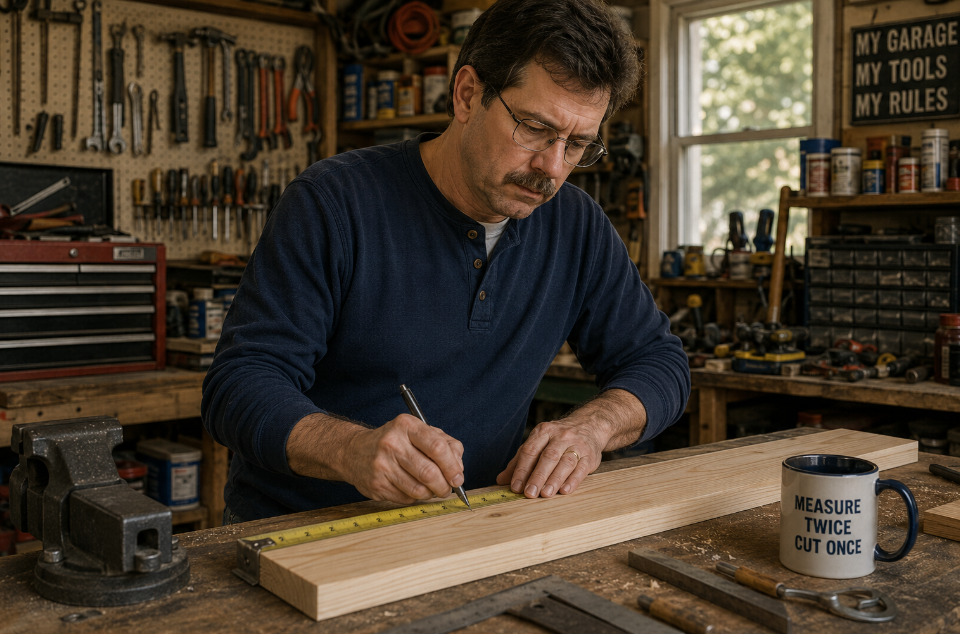
For many families, the garage was not just a place to park. It was Dad’s workshop, storage room, hobby zone, and mystery museum. There were coffee cans full of screws, half-used paint cans, extension cords, fishing rods, and at least one project “almost finished”. Some garages still look this way, but more families now rely on replacement, delivery, service plans, and storage systems instead of weekend tinkering.
Reading The Newspaper Cover To Cover
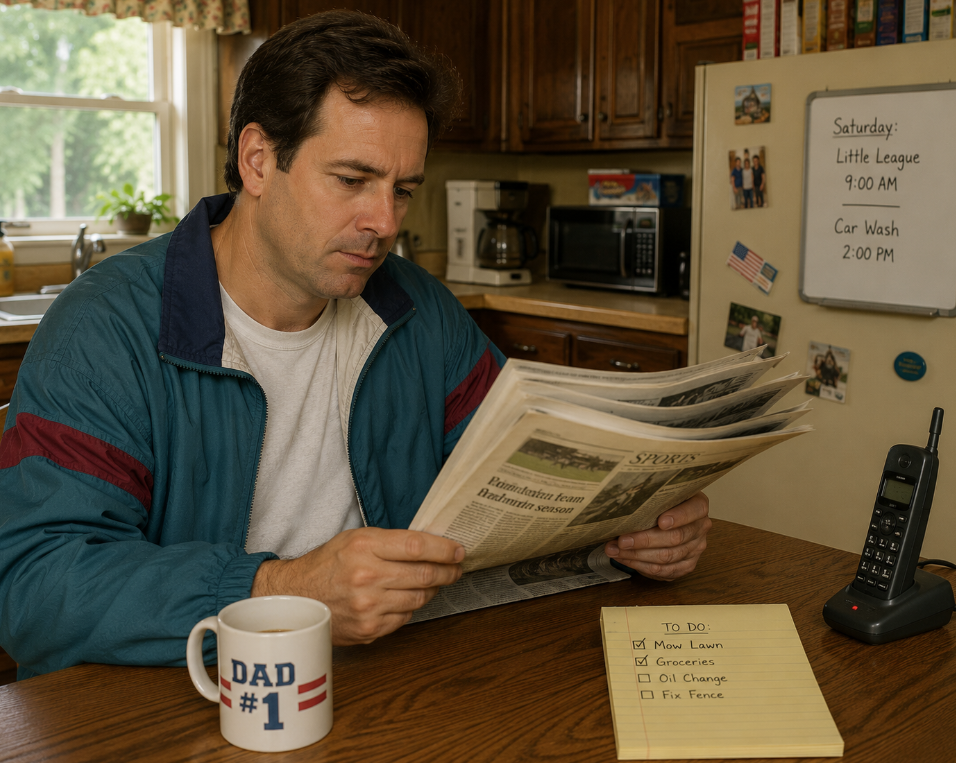
A physical newspaper and a cup of coffee were once a standard dad morning routine. Sports, local news, comics, weather, and grocery ads all had their place. Pew reported in 2000 that newspaper readership had already declined in the 1980s and early 1990s, but print papers still mattered deeply to many households. Today, the news arrives in alerts, feeds, podcasts, and headlines, not one folded bundle.
Having A Favorite Radio Station For Traffic Updates
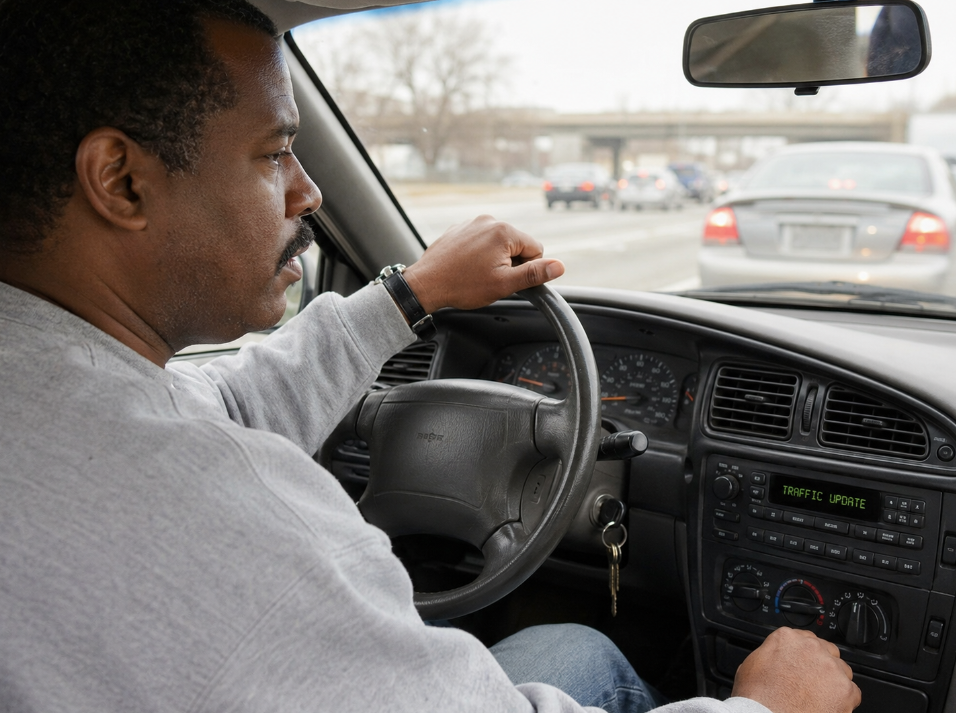
Before traffic apps rerouted drivers automatically, radio traffic reports were serious business. Dad knew which station gave updates “on the eights” or every half hour, and he timed the commute around them. The information was imperfect, but it was often the best available. Now a phone can show congestion, accidents, and alternate routes in real time, which makes waiting for radio traffic feel like another century.
Paying Bills By Mail
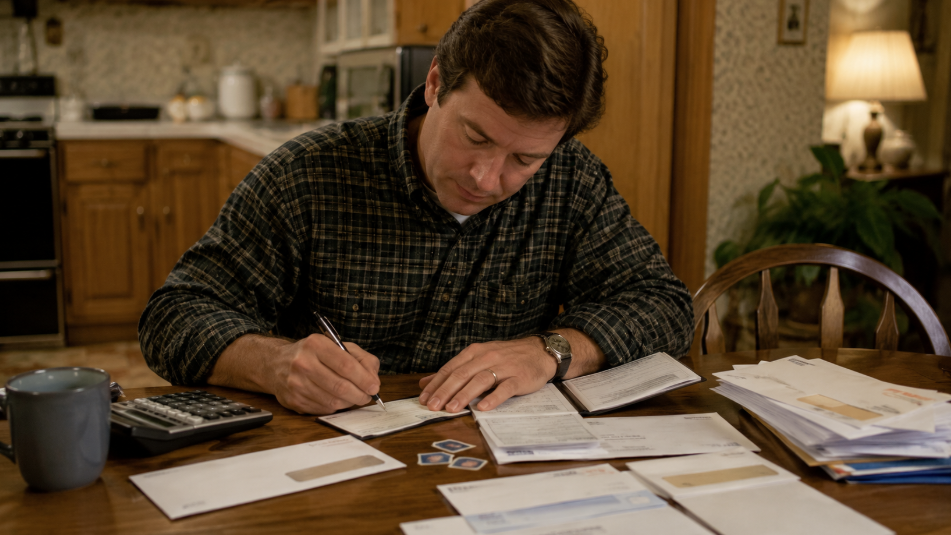
Bill-paying night used to mean envelopes, stamps, checkbooks, paper statements, and a kitchen table that looked like a small accounting office. Many dads had a system: stack the bills, write the checks, record the balances, and mail everything before the due date. The Federal Reserve notes that check volumes peaked in the early 1990s and later fell sharply. Online payments made the old routine mostly unnecessary.
Calling Long Distance Only When Necessary
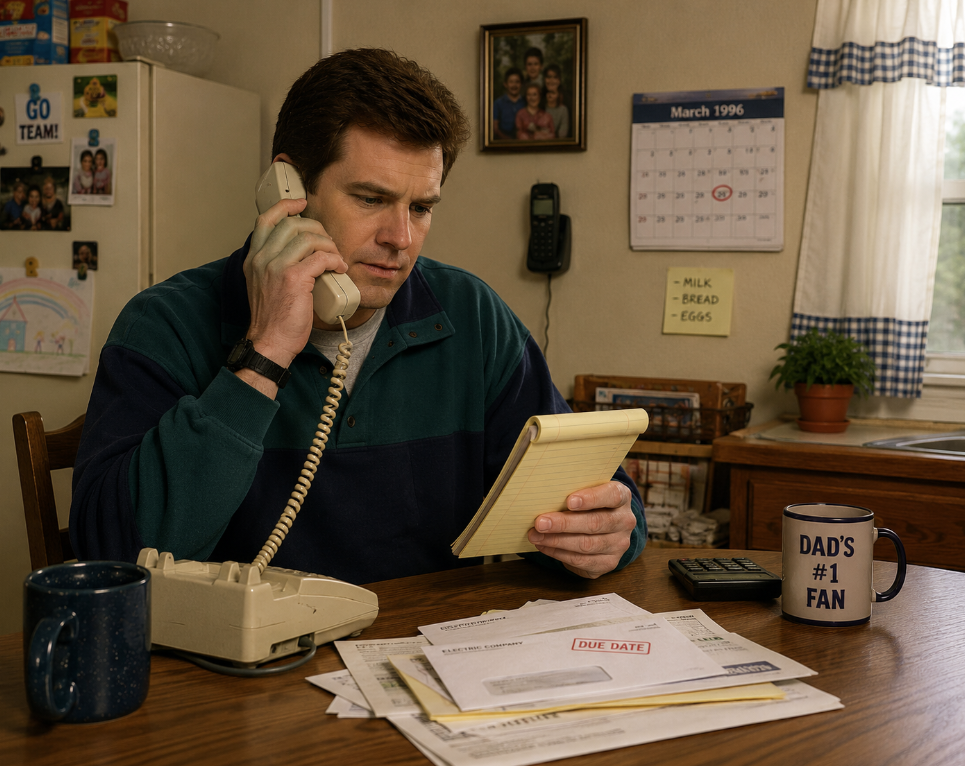
Long-distance calls once felt expensive enough to plan around. Families called relatives after dinner, on weekends, or only when there was a real reason. Dad might remind everyone not to “run up the phone bill” if a call crossed state lines. Competition and unlimited calling plans changed the economics, and mobile phones made distance feel almost irrelevant. Now, video calls across the country can cost nothing extra.
Memorizing Important Phone Numbers
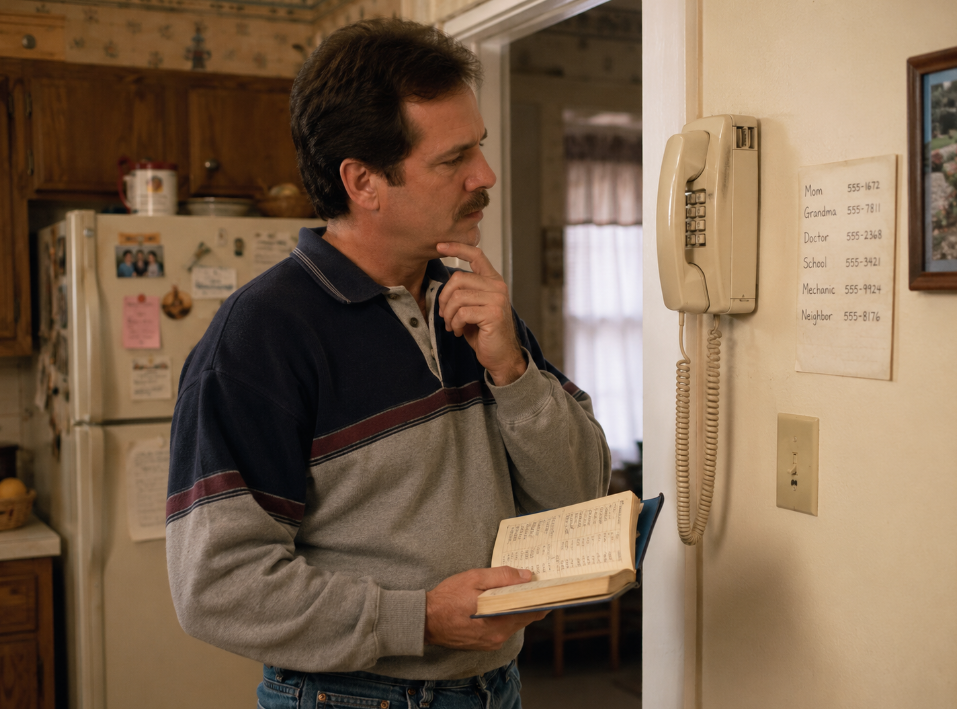
Before contact lists lived in smartphones, people actually knew numbers. Dad might remember work, home, grandparents, the mechanic, the doctor, the school, and a few neighbors without looking anything up. Phone numbers were repeated, written near the landline, and used often enough to stick. Today, many people barely know their own family’s numbers because the phone remembers everything. Convenient, yes, but it did weaken a useful little skill.
Keeping A Huge Collection Of User Manuals
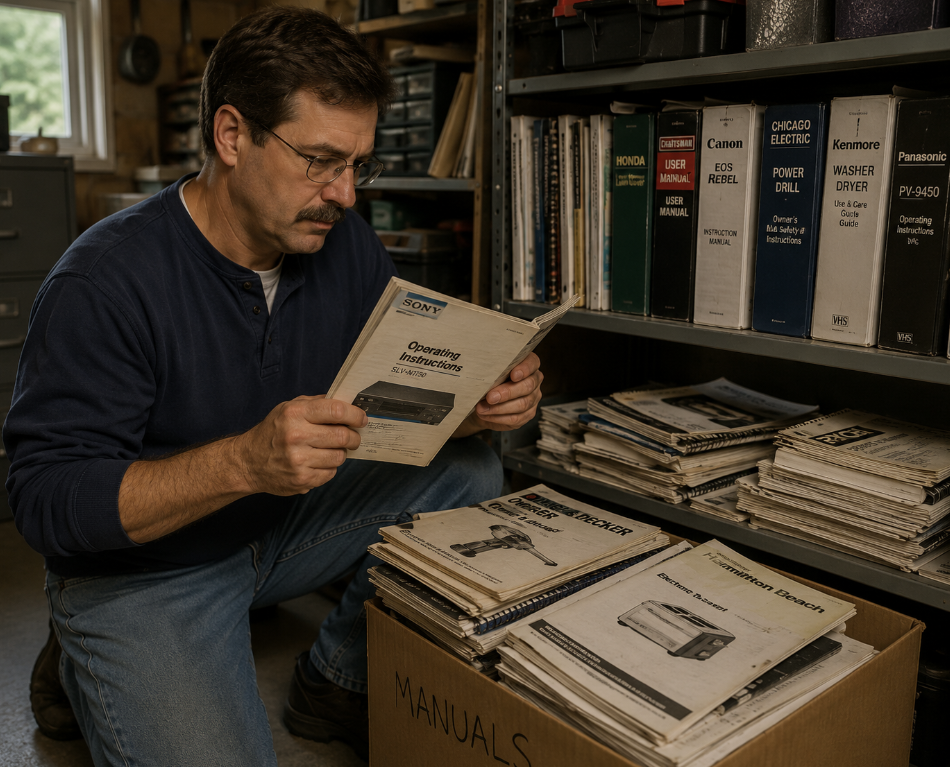
Every appliance, stereo, mower, camera, VCR, and power tool came with a manual, and many dads saved all of them. They lived in drawers, filing cabinets, basement shelves, or plastic folders that no one was allowed to throw away. The habit made sense: if something broke, the manual mattered. Now most instructions are online, though that is only helpful if the company still posts them and the model number is readable.
Spending Entire Weekends At Home Improvement Stores
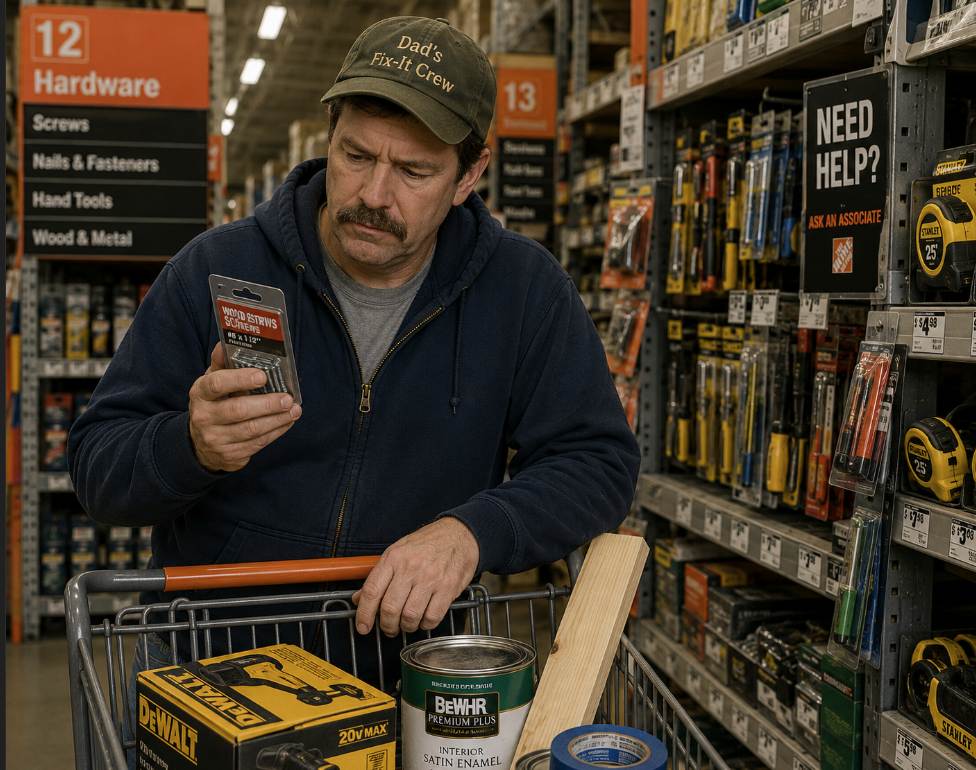
A trip to the hardware store could stretch from “we need one thing” into an entire afternoon. Dad would compare screws, inspect tools, price lumber, ask questions, and somehow leave with three extra project ideas. For kids, these trips felt endless. For parents, they were part errand, part budget strategy. Fixing, building, and maintaining things yourself could save money, even if the weekend disappeared in aisle 12.
Washing The Family Car By Hand
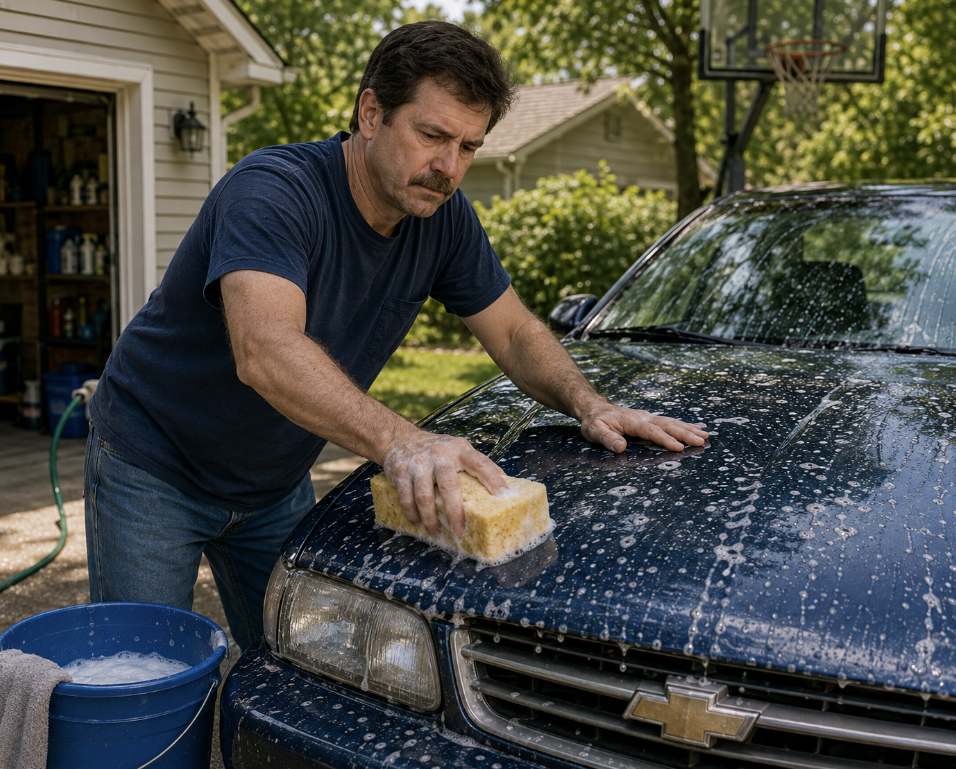
Automated car washes existed, but plenty of dads still preferred the driveway method: hose, bucket, sponge, old towels, and maybe a lecture about wax. Washing the family car by hand saved a little money and gave Dad control over every streak and wheel well. It was also a quiet pride thing. These days, water restrictions, apartment living, subscription car washes, and busier weekends make the ritual less common.
Maintaining A Giant Key Ring
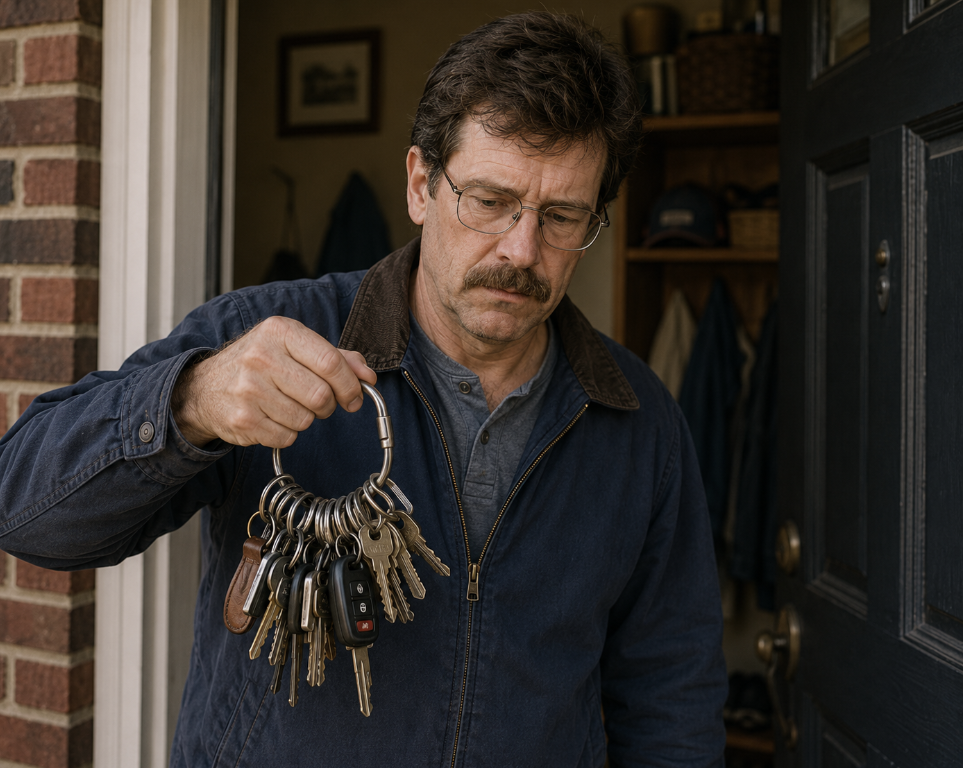
A big key ring was practically a dad accessory. House keys, car keys, work keys, shed keys, padlock keys, and several unidentified keys all clattered together. Before keyless entry, smart locks, office badges, and garage remotes became common, keys were how adults managed responsibility. The giant ring was annoying in a pocket, but it also said, “I probably have the key to that somewhere”.
Falling Asleep In A Recliner During The Game
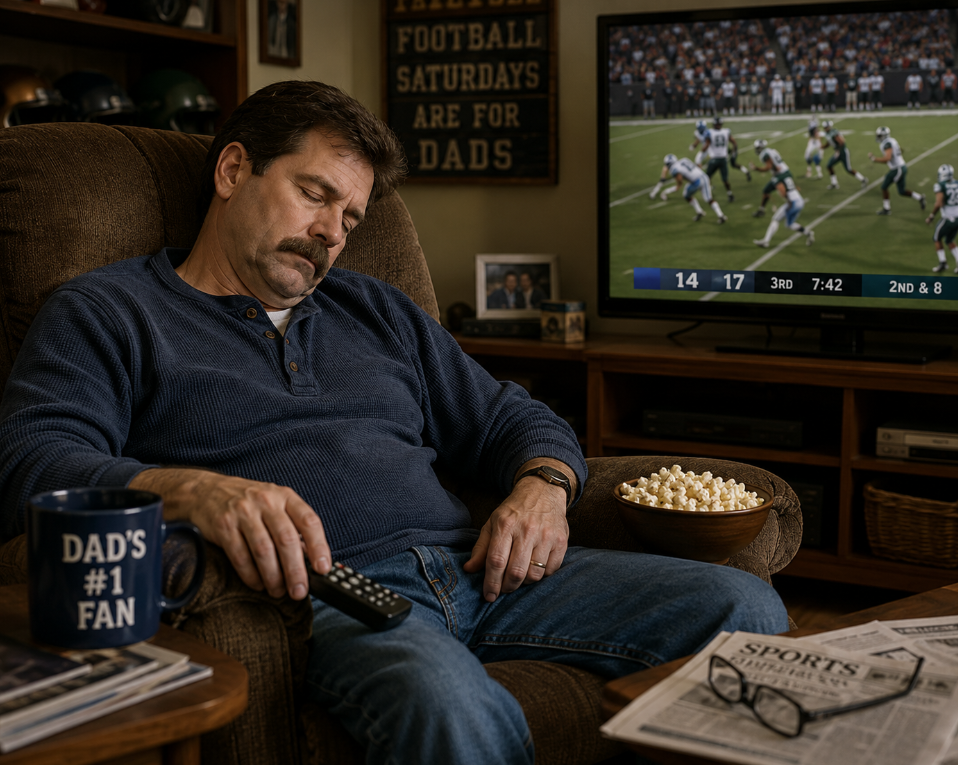
This might be one of the most recognizable ’90s dad habits. After work, errands, lawn care, and dinner, Dad would settle into the recliner to watch the game and slowly drift off. The TV stayed on, the remote stayed close, and anyone who changed the channel risked hearing, “I was watching that”. It is a cliche because so many families remember some version of it.
Acting Like The Family Tech Department
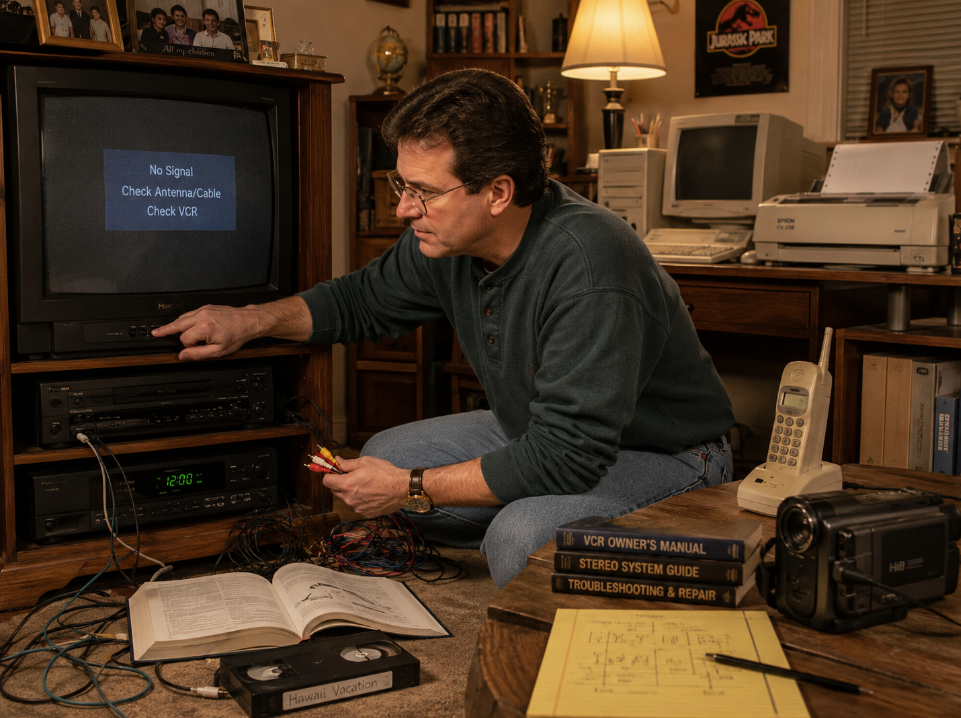
In the ’90s, “tech support” often meant Dad crawling behind the TV, fixing the VCR clock, untangling speaker wires, setting up the camcorder, or figuring out why the printer would not print. He may not have known everything, but he was usually willing to press buttons until something worked. Today, devices are easier in some ways and more complicated in others, but the old family tech ritual feels different.