
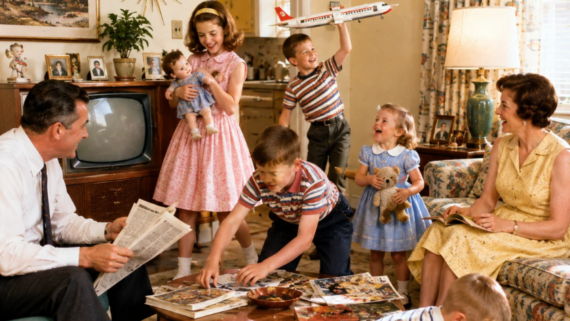
The early 1960s on a single income still stand out because one paycheck could often cover the basics of middle-class life: a modest home, a car, groceries, children, savings, and maybe even college help. That does not mean every family had it easy, but compared with today’s housing, healthcare, and education costs, many essentials were closer to reach. According to historical income data from the U.S. Census, the average family budget looked very different from what households face now.
A Starter Home That Often Became The Forever Home
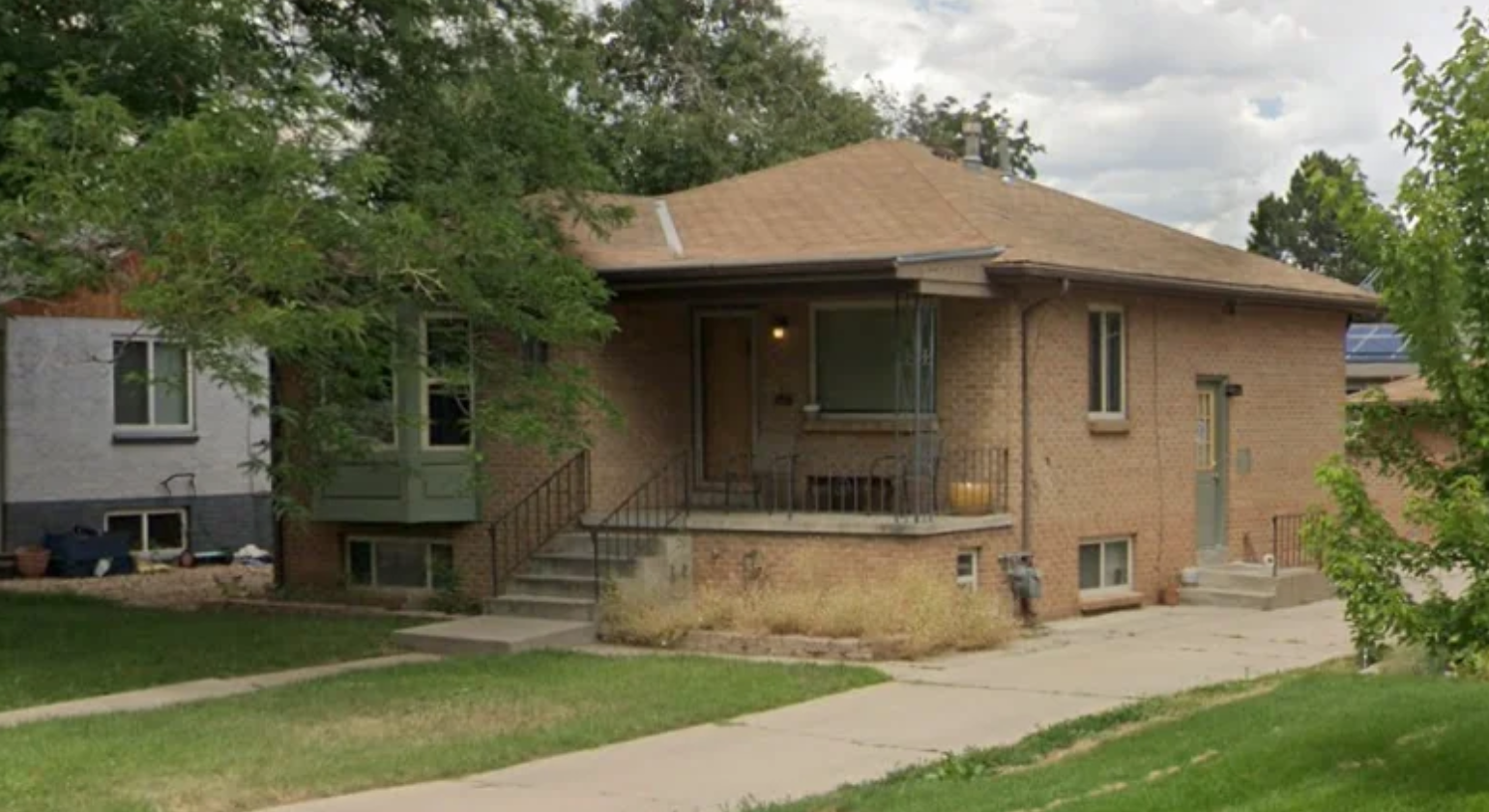
For many middle-class families, the biggest difference was housing. In 1960, the national median home value was around $11,900, while median family income was in the low-to-mid $6,000s by the early 1960s. That made homeownership feel possible in many parts of the country, especially outside expensive cities. These were not giant houses. A typical family might buy a small ranch, Cape Cod, or suburban house. The tradeoff was less space, fewer bathrooms, and fewer upgrades, but the mortgage was often manageable on one paycheck.
A Stay-At-Home Parent
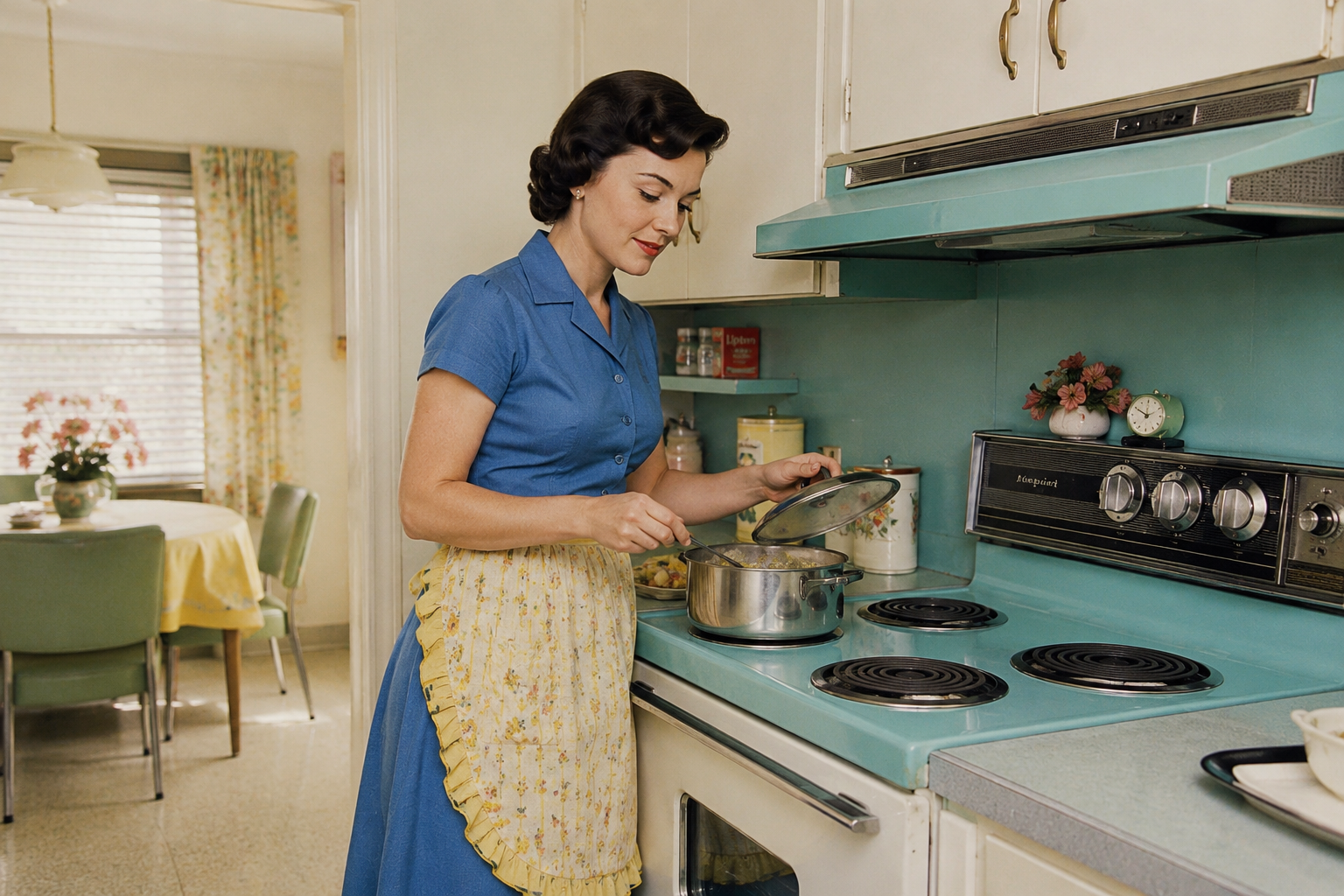
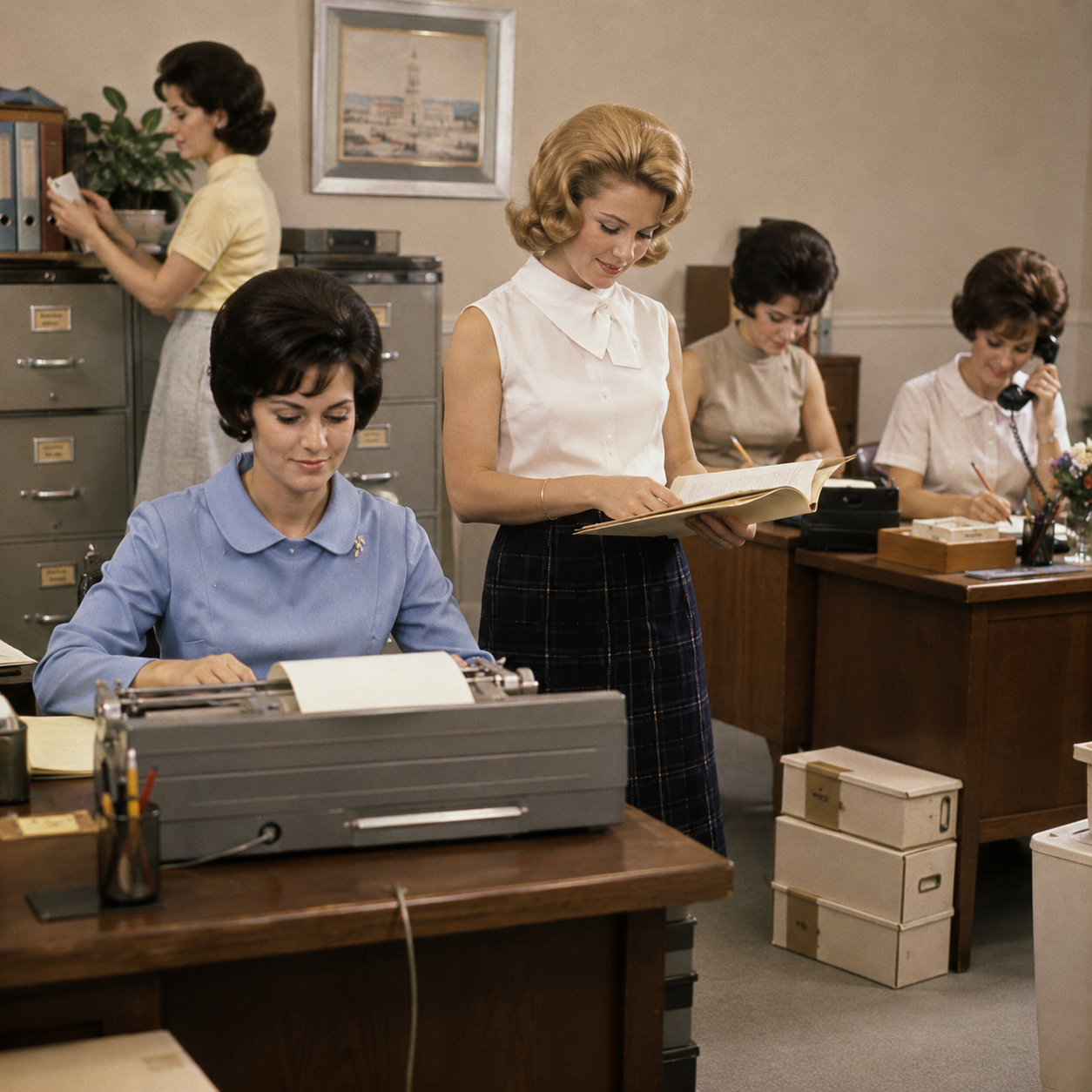
The single income family model was strongly tied to a stay-at-home parent, usually the mother. This was not everyone’s reality, and many women worked for pay, especially single women, lower-income women, and women in teaching, clerical, or factory jobs. Still, the culture of the time often assumed one parent would earn money while the other handled cooking, cleaning, childcare, and school routines. What made it more possible was lower housing costs, fewer paid childcare needs, and a more modest standard of daily consumption.
Raising Three Or Four Children
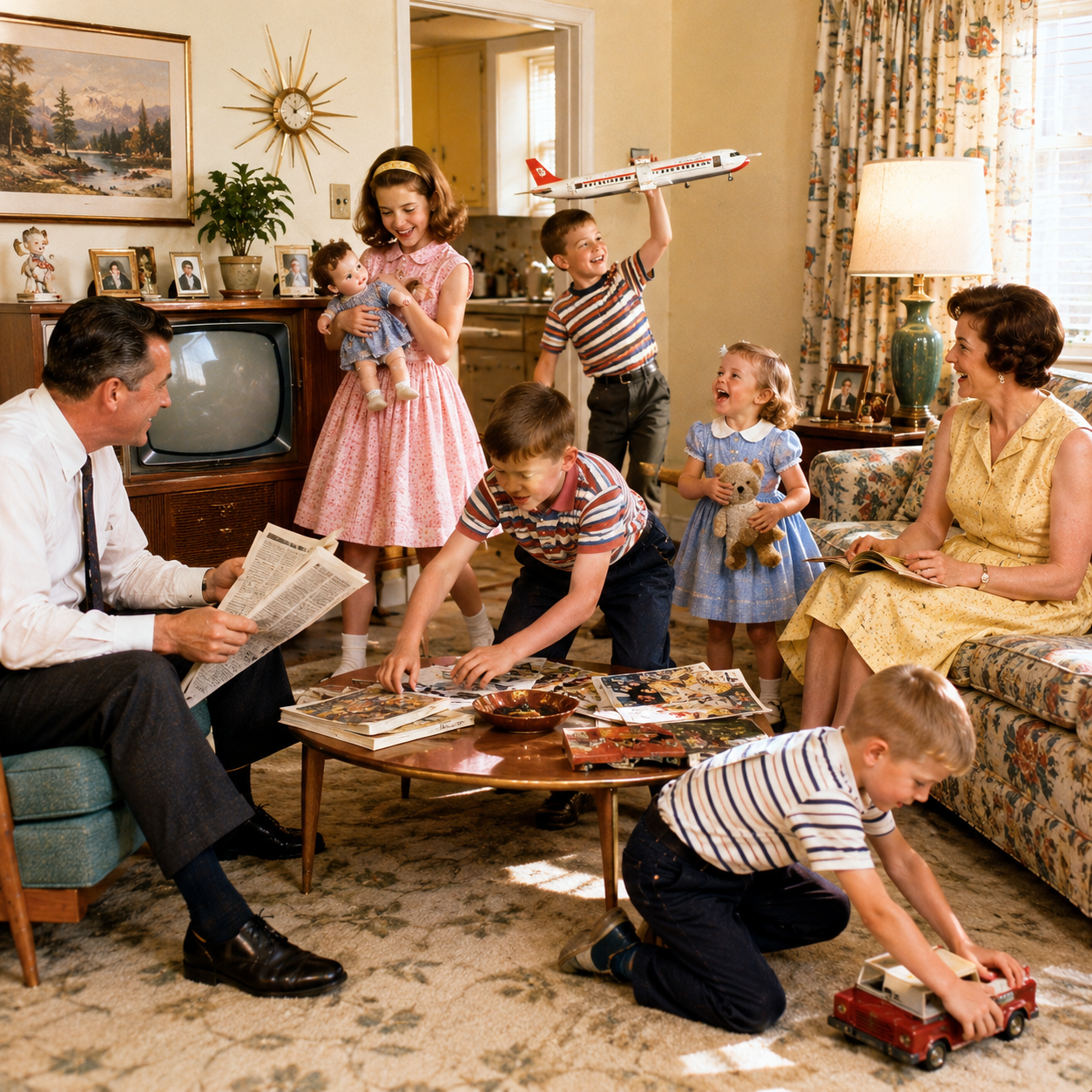
Families were often larger in the early 1960s, and three or four children did not seem unusual. A single paycheck could go further partly because childhood cost less in some ways. Kids shared bedrooms, wore hand-me-downs, walked to school, played outside, and joined fewer paid activities. There were no monthly phone plans, streaming subscriptions, travel sports fees, or constant electronics upgrades. However, food, shoes, school supplies, and doctor visits added up, so many parents stretched every dollar carefully.
A Family Car, Usually One
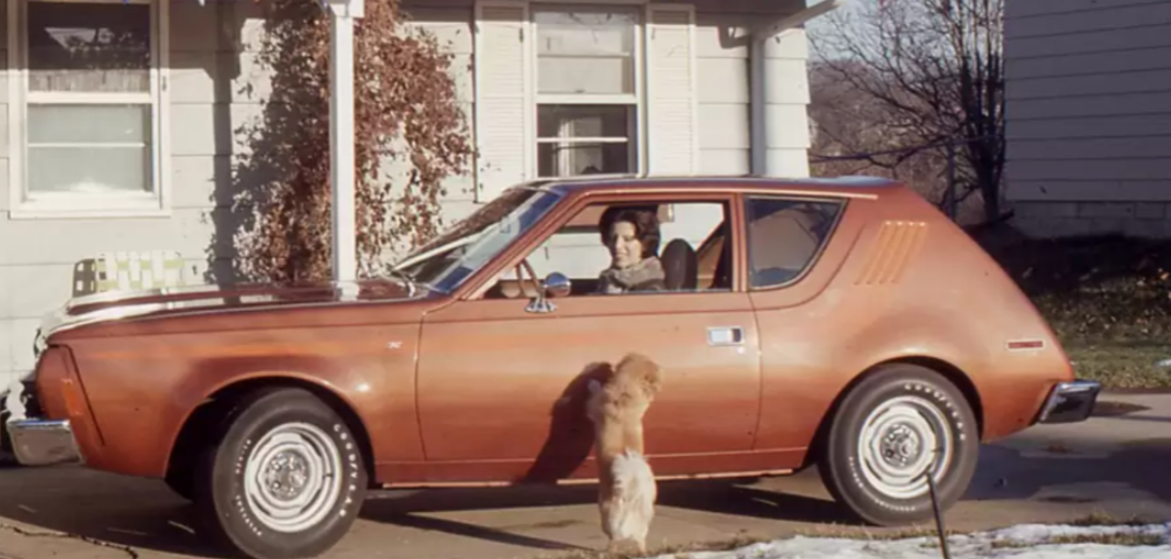
A new car was a major purchase, but it was still within reach for many working families. A family sedan or station wagon might cost a few thousand dollars, which was a serious chunk of annual income but not always impossible. Many households had one car. That meant errands were planned, rides were shared, and the working parent often had first claim on the vehicle. Cars also had fewer electronic systems and fewer luxury features. They needed maintenance, but families often kept them running for years.
A Grocery Budget Built Around Home Cooking
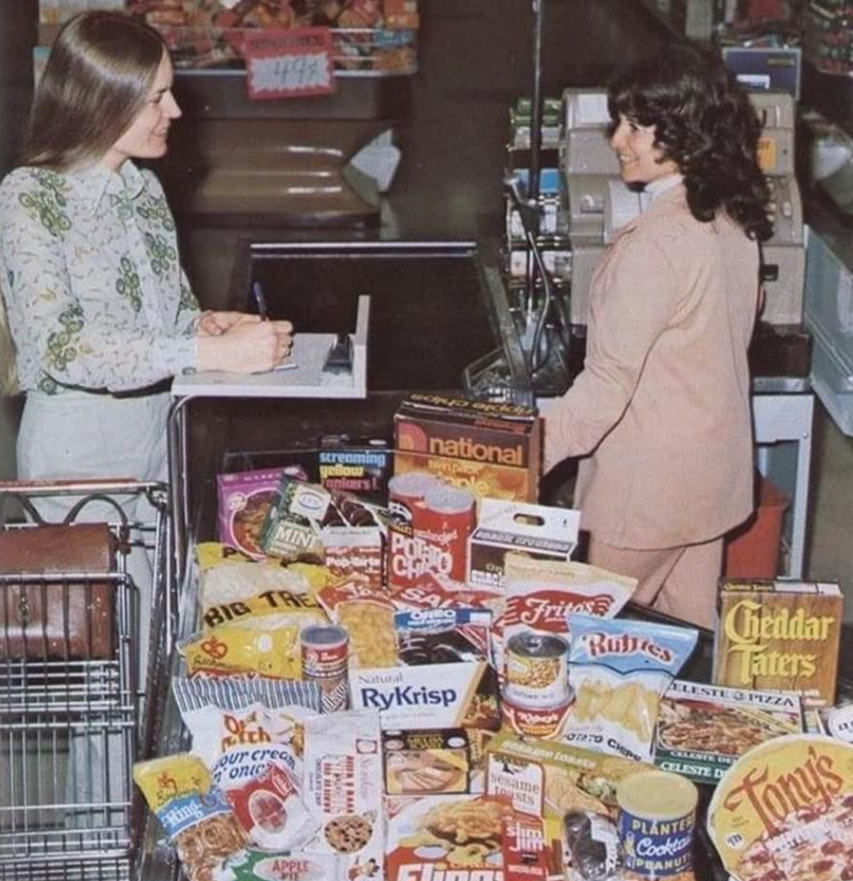
A single income family in the early 1960s usually ate most meals at home. The grocery bill was not tiny, but families cooked differently. Meat was stretched with potatoes, beans, noodles, casseroles, and soups. Lunches were packed. Restaurant meals were treats. USDA data shows food took a larger share of disposable income in 1960 than it does now, so groceries were still a serious budget item. The difference was that families relied heavily on scratch cooking, store brands, coupons, and plain meals that filled people up.
Trending on Cheapism


Annual Road Trips Instead Of Expensive Vacations
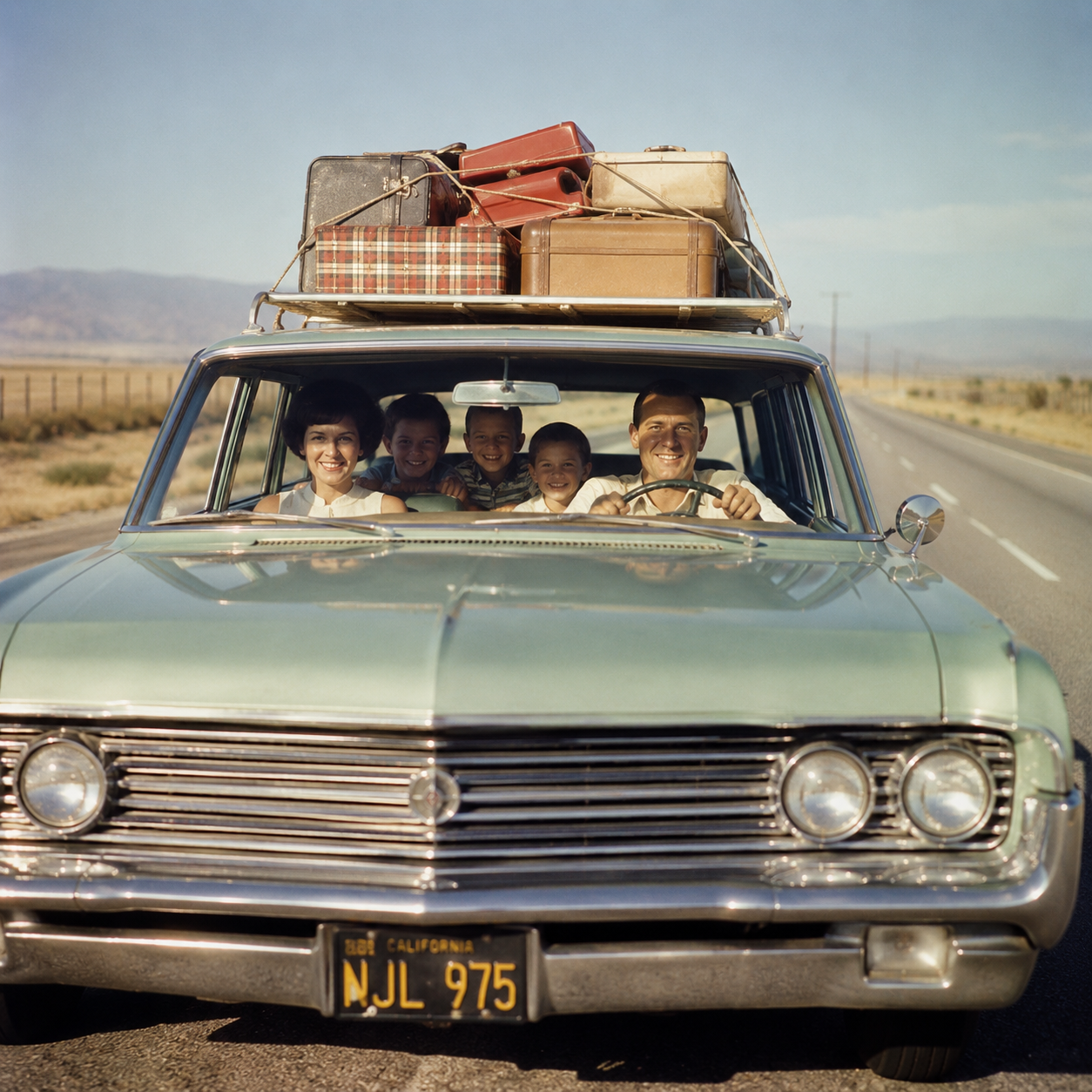
For many, vacation meant loading the car, packing sandwiches, and driving. The expanding interstate highway system made road trips easier, and motels, diners, campgrounds, national parks, and relatives’ homes kept costs down. A week at the beach or a visit to a national park could feel special without airfare, resort fees, or rental cars. That did not mean every family traveled. But for a middle-class single income family, a modest annual road trip was often more realistic than today’s full-price family vacation.
Public College Without Massive Debt

College was not universal in the early 1960s, but public tuition was far more manageable for many families than it is today. By 1963-64, average tuition and fees at public four-year institutions were only a few hundred dollars a year. Students could sometimes cover a meaningful share with summer jobs, part-time work, savings, or help from parents. Room and board still cost money, and many families could not afford college at all. But for some middle-class households, sending a child to a state school did not automatically mean decades of debt.
One Television For The Whole Family
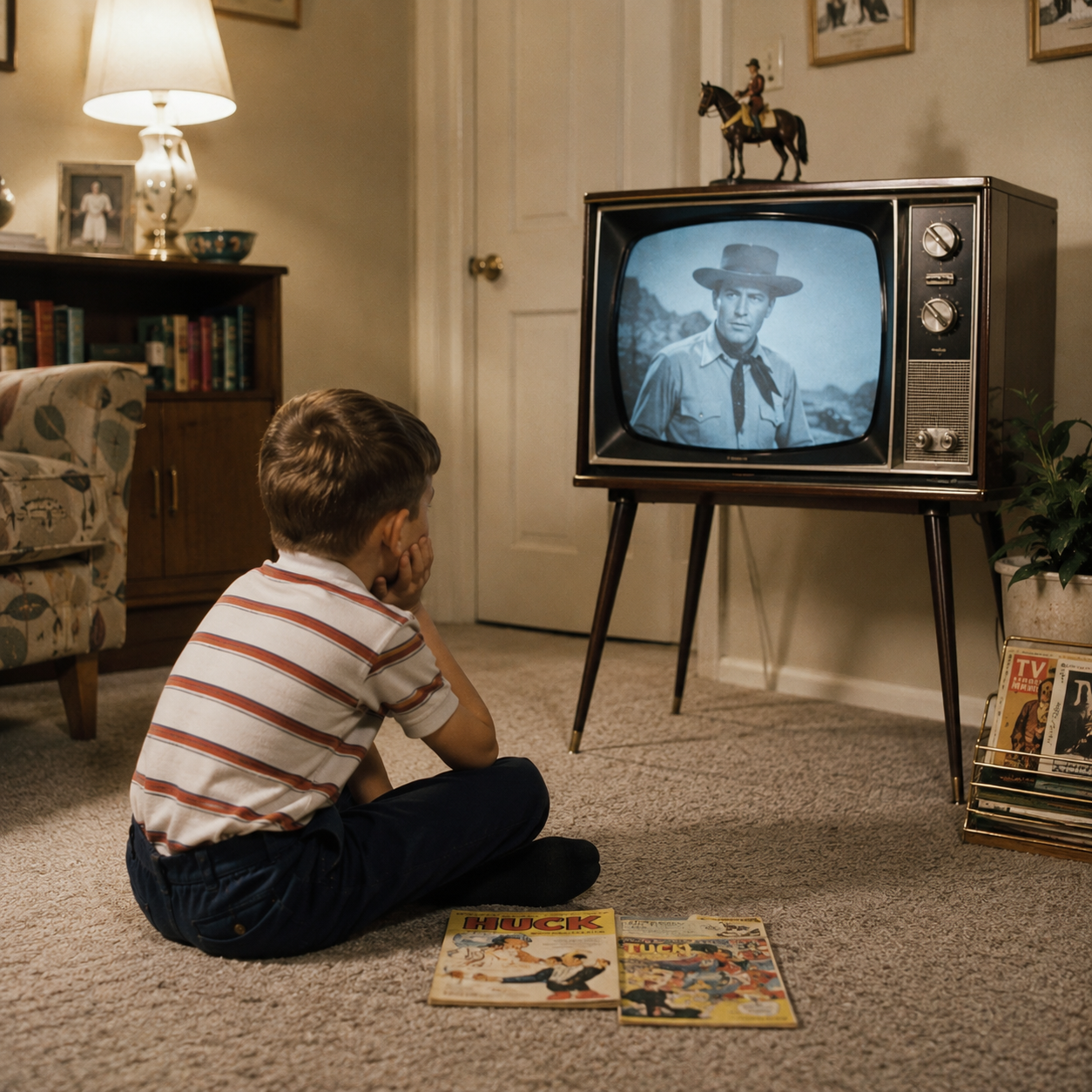
A television was a prized household purchase, not a screen in every room. Many families had one set in the living room, and everyone watched the same programs together. It could cost several weeks’ pay, so it was treated like furniture or an appliance rather than a disposable gadget. The upside was that one purchase entertained the whole household for years. The downside, of course, was that nobody got endless choice.
Sign up for our newsletter
A House Full Of Durable Goods
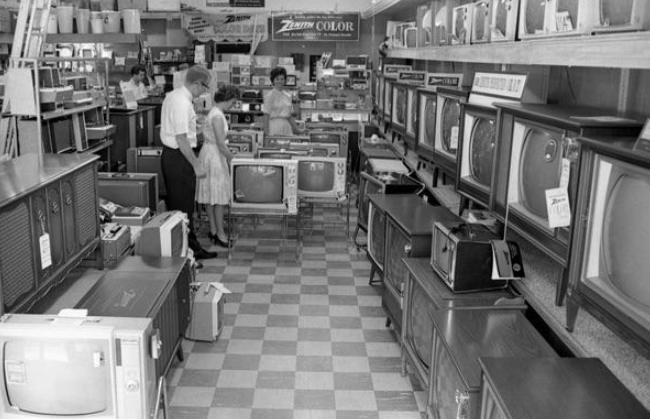
By the early 1960s, many households were adding appliances that made daily life easier: washing machines, refrigerators, vacuum cleaners, radios, mixers, and eventually dryers or dishwashers. These were not casual purchases. Families often bought them one at a time, saved for them, or used store credit. What feels different now is how long people expected things to last. Appliances were repaired, not quickly replaced. A good washer or refrigerator could stay in the family for years.
A Modest Savings Account

Many single-income households still tried to save something, even if it was not much. A savings account, Christmas club, envelope system, or small emergency fund gave families a cushion. This was easier for households with stable jobs, affordable mortgages, and employer benefits. It was much harder for families facing illness, unemployment, discrimination, or low wages. The culture also encouraged delayed gratification. People repaired shoes, mended clothes, reused jars, packed lunches, and avoided buying what they could not pay for.
Employer Health Insurance
For many full-time workers, especially in larger companies or union jobs, employer health insurance became an important part of the family budget. Coverage was not as universal or comprehensive as people sometimes remember, and Medicare did not arrive until 1965. Still, employer-sponsored insurance was expanding in the postwar years and could cover a worker’s spouse and children. That helped protect some families from medical bills that might otherwise wipe out savings.
A Pension To Look Forward To

Retirement planning looked different for many workers. Instead of managing a 401(k), some employees expected a defined-benefit pension from an employer, especially in unionized industries, government jobs, utilities, manufacturing, and large companies. These plans promised retirement income based on pay and years of service. They were not universal, and workers who changed jobs often or worked for small employers could miss out. But for those who had them, pensions reduced some pressure to self-fund retirement entirely.
A Backyard And Space For Kids To Play
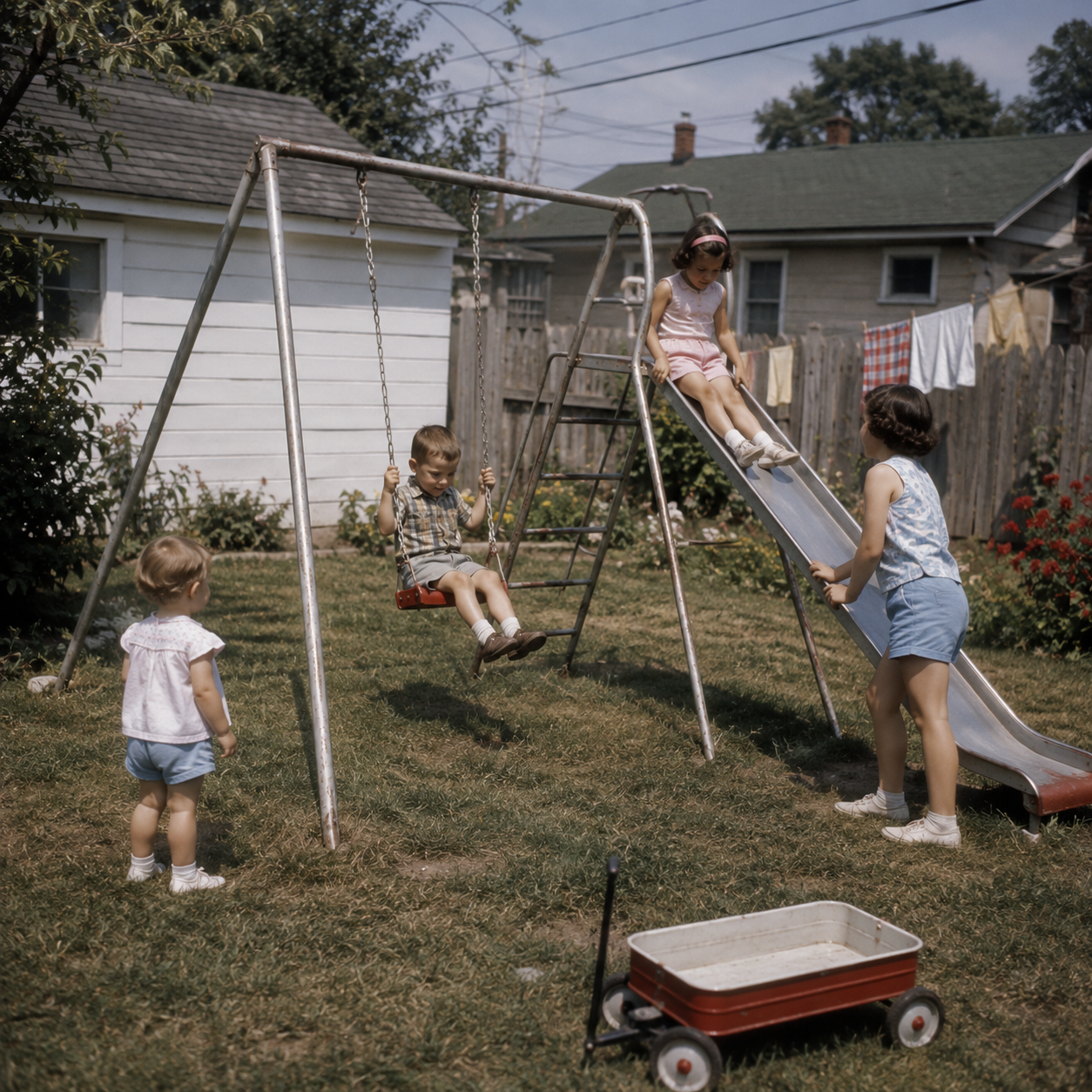
For many suburban families, buying a home also meant getting a yard, driveway, sidewalk, or quiet street where children could play. That outdoor space was part of the middle-class dream. It gave kids room for bikes, baseball gloves, jump ropes, gardens, and neighborhood games that did not cost much. The catch is that this dream was not equally available. For those who could access it, though, a yard was one of the most valuable things a single income family could afford.