You can relay on the Federal Reserve Economic Data, they don’t lie when they tell you that food prices have skyrocketed. Foods like coffee, meat, seafood and even dining have increased their prices due to global and national factors. Let’s take a look at many of the food items people are having to turn away just to keep their families afloat.
Steak
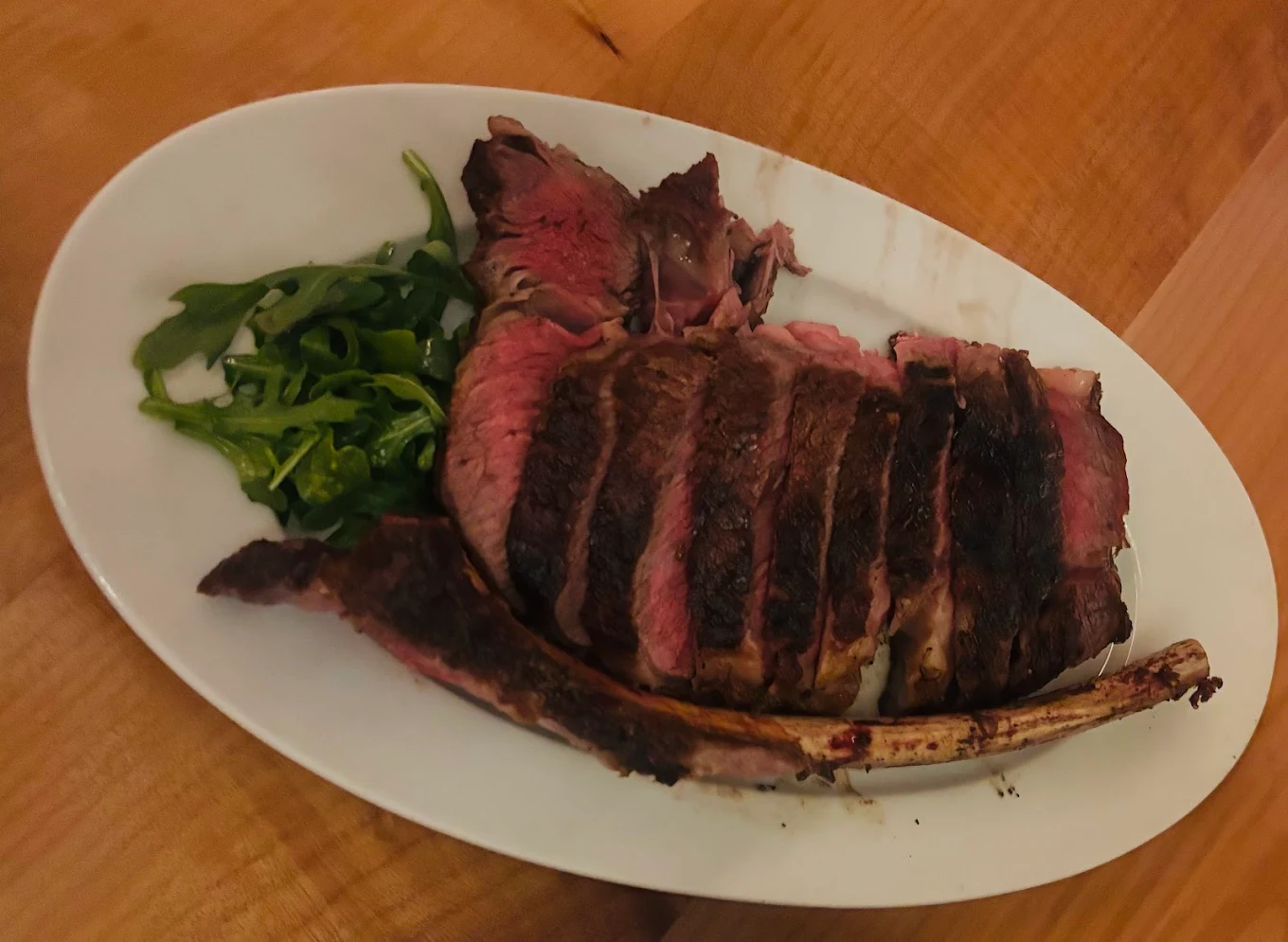
In 2016, beef was one of the foods that saw the greatest price increase due to inflation. This was because cattle owners and ranchers reduced their herds and struggled to obtain the necessary supplies. In most grocery stores across the United States, beef prices rose by an average of $20 USD for the most popular cuts. Consequently, many families bought beef in advance, while it was still relatively cheaper during peak season.
Bacon

Bacon is one of the worst foods you can put in your body, and to make matters worse, it’s one of the foods whose price has increased the most. Compared to the months before the pandemic, bacon is now available in smaller packages for which we pay the same price. In some households, bacon is only eaten for breakfast, and not as a regular part of other meals.
Eggs During Price Spikes
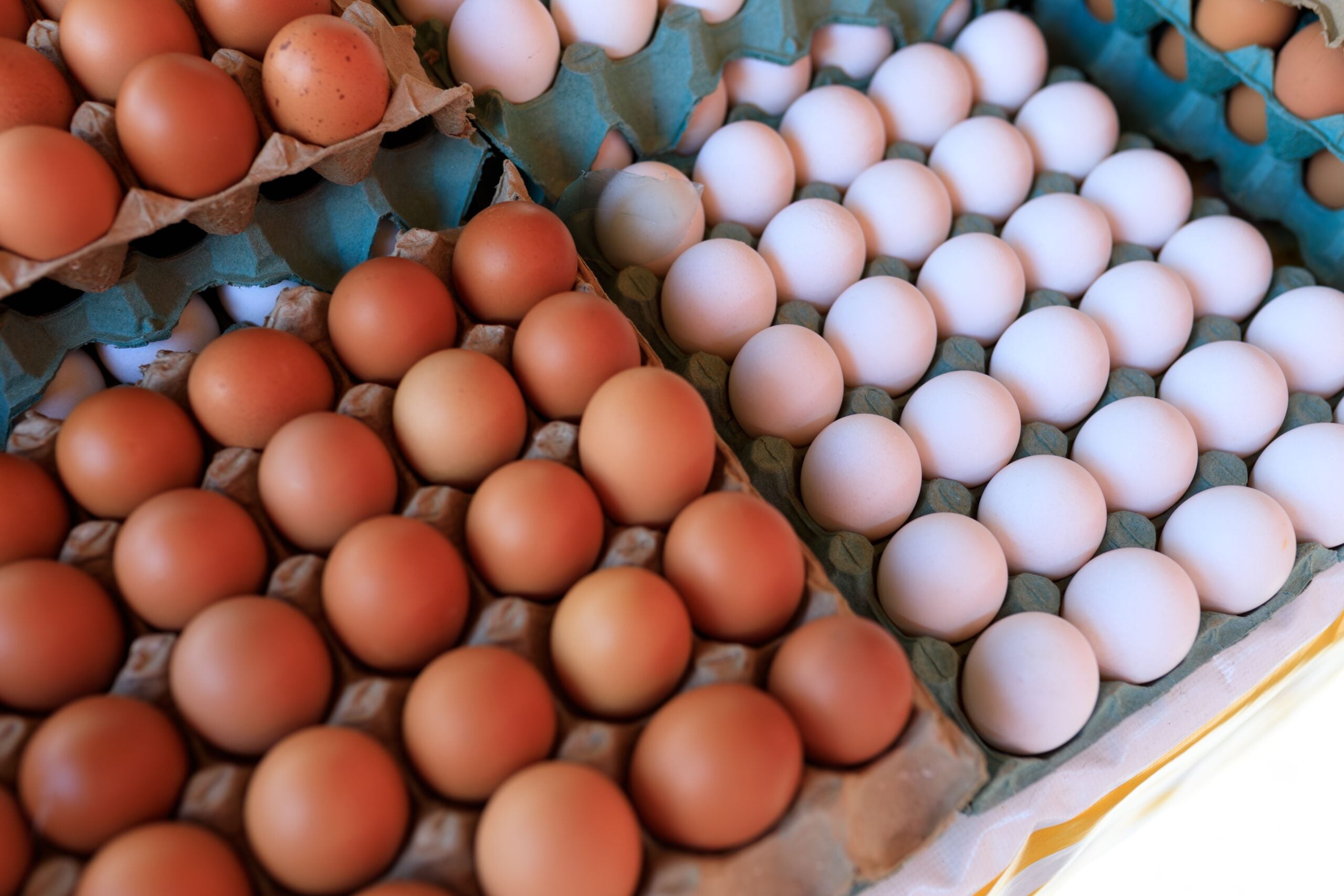
The price of eggs tends to fluctuate considerably, and household consumption habits also influence the price due to demand. Other factors that drive up the cost of eggs include hen diseases and disruptions in the supply chain. All of this has led to egg prices reaching an all-time high.
Fresh Seafood
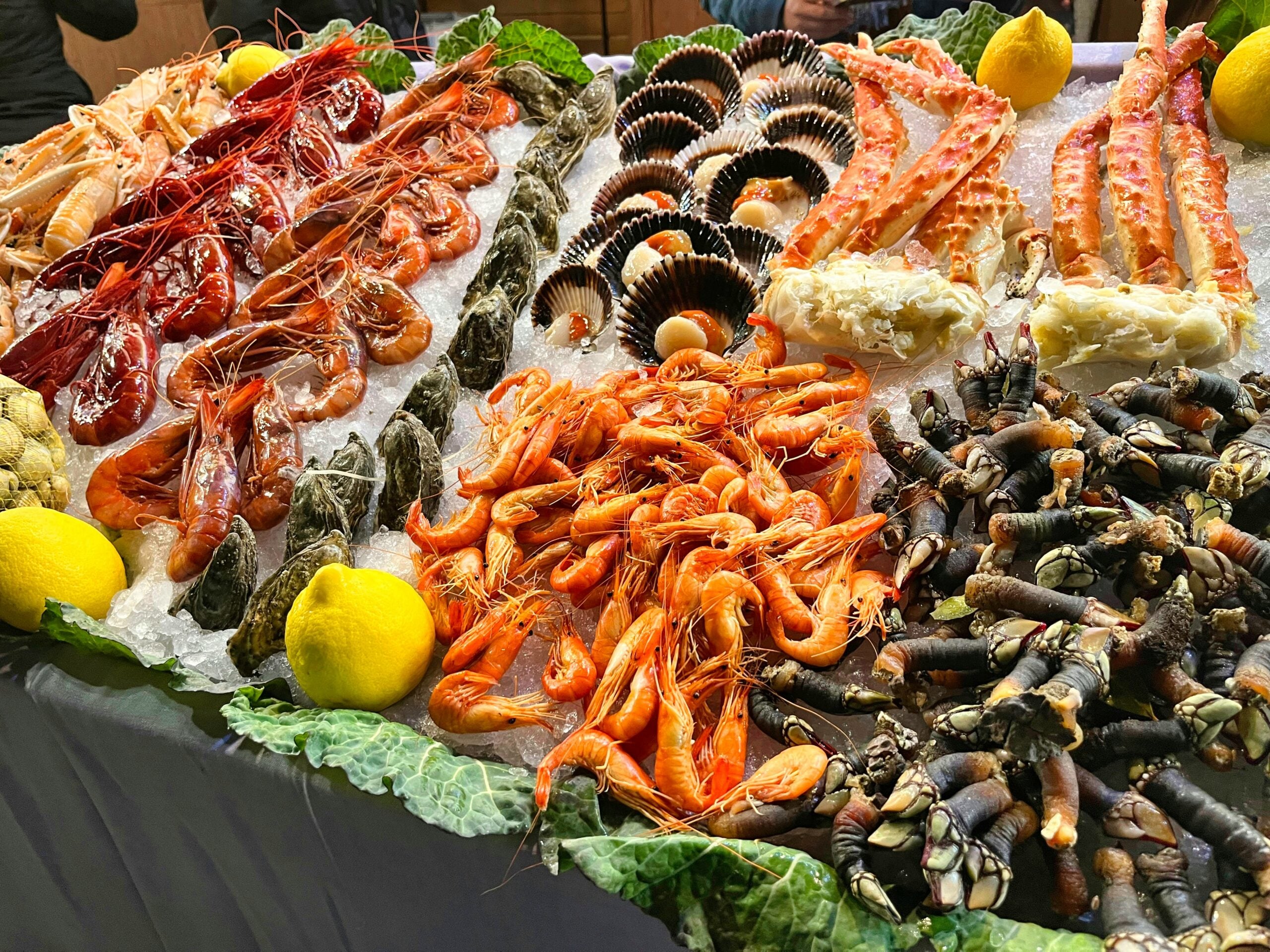
The price of fresh seafood has risen sharply due to widespread pressure on fuel costs, supply chain disruptions, and global shipping challenges. Eating fresh salmon, crab, and shrimp has literally become a luxury. Some of the cheaper alternatives are frozen seafood and canned tuna.
Crab Legs
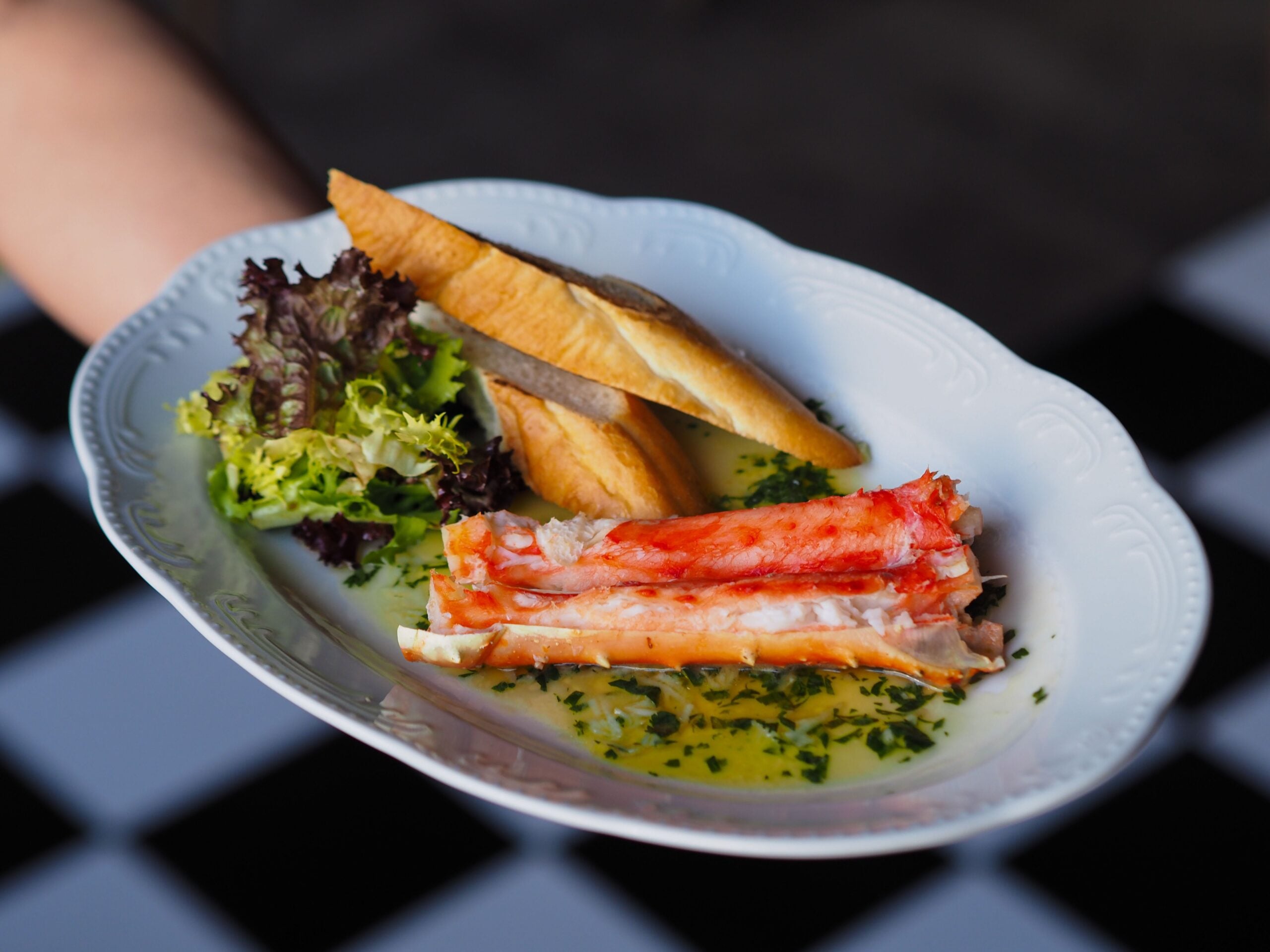
Crab legs were a food that was largely overlooked a few years ago, but they’ve become so popular that restaurants have transformed into a luxury dish. The process of this seafood has increased due to production problems, labor costs, and supply chain disruptions. Today, the cost of a serving of crab legs might surprise you.
Trending on Cheapism
Deli Meats
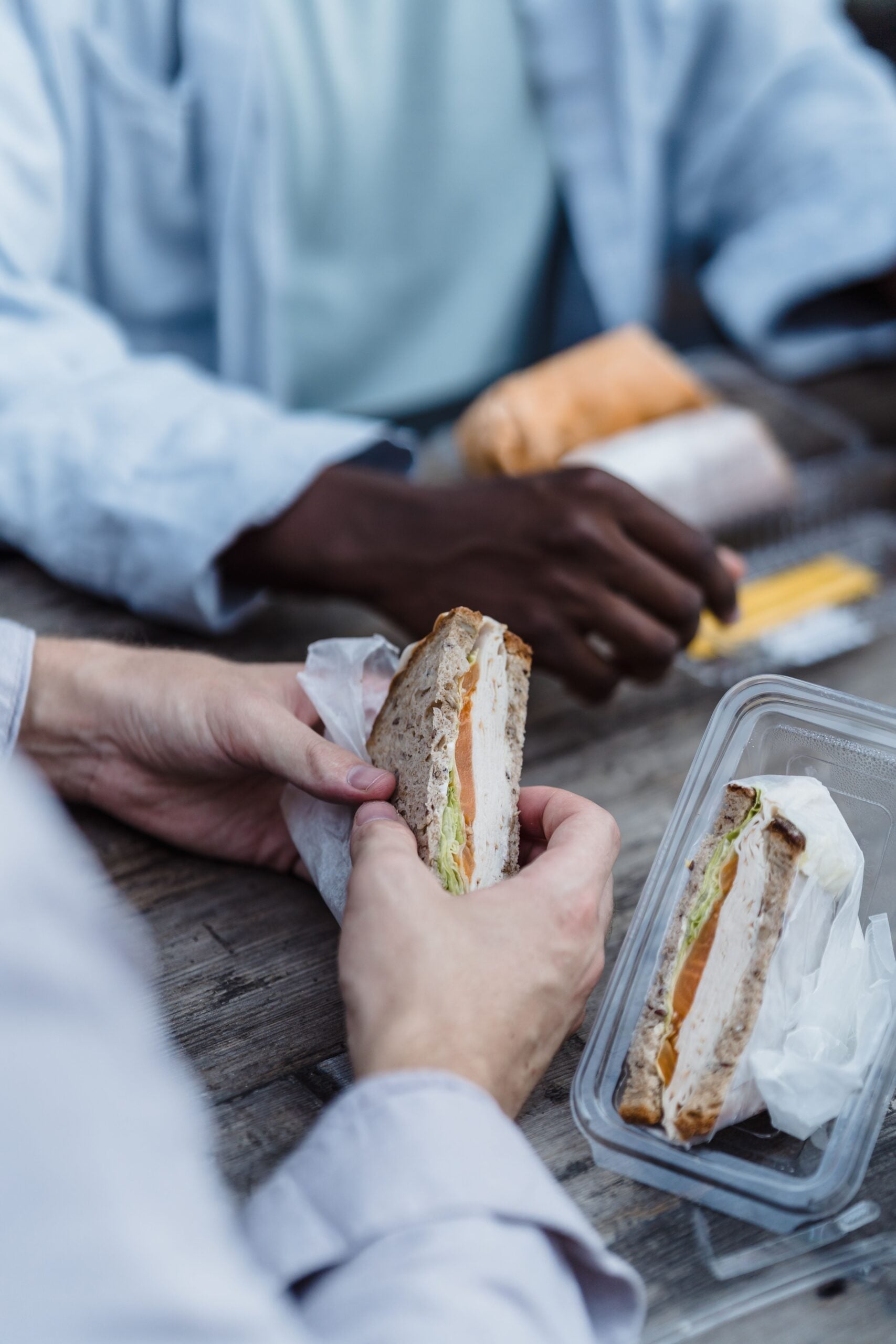
Buying deli meat used to be a quick and affordable way yo get lunch. However, the cost of turkey, roast beef, and ham per kilo has increased so much that vendors are now pricing it similarly to fresh cuts of meat. One solution consumers have found is to buy in smaller quantities or look for an alternative lunch option.
Name-Brand Potato Chips
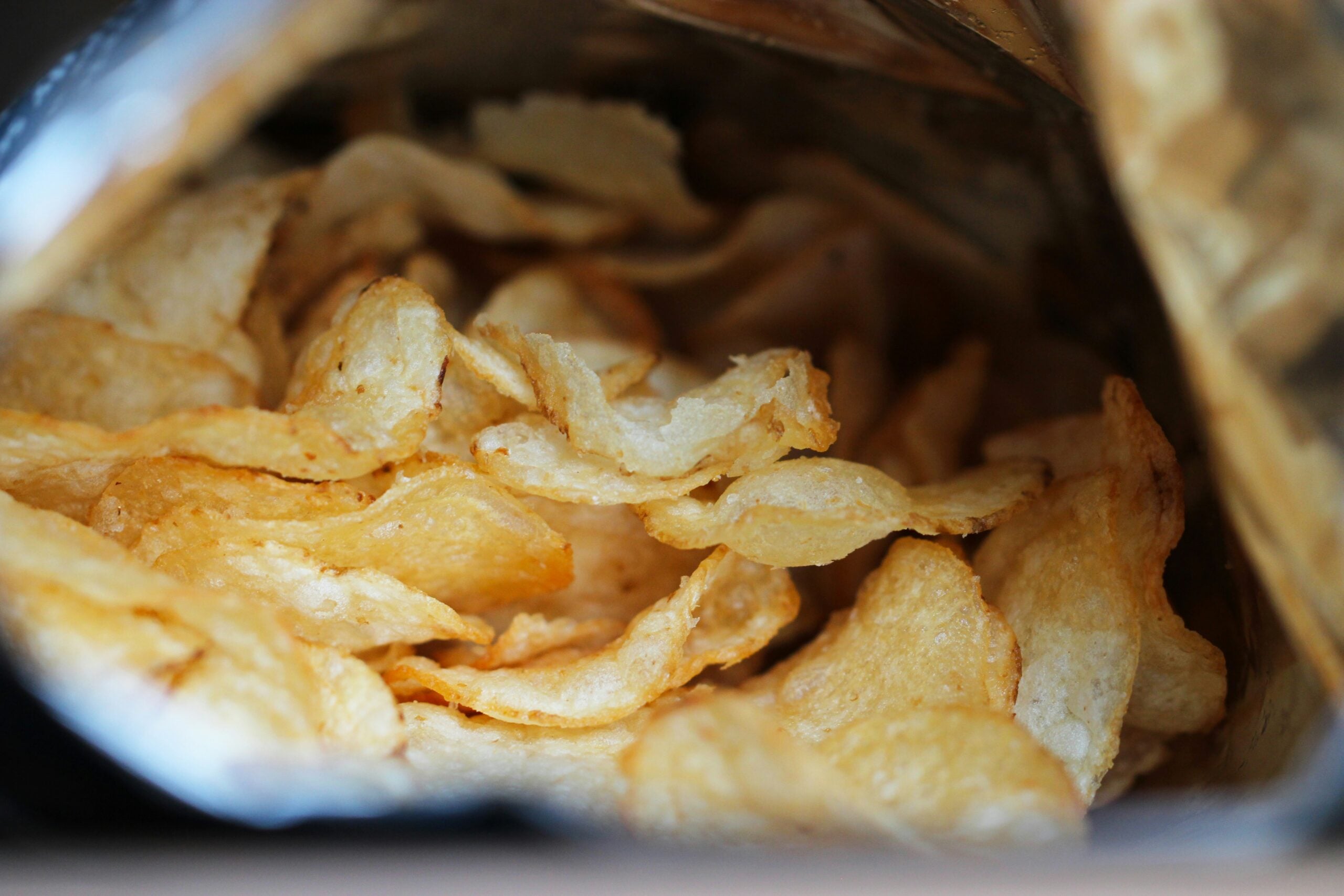
Snacks have recently come into the spotlight due to the trends they’ve driven in recent years. The reason for so much discussion surrounding them is that consumers point out that packaging has shrunk while prices continue to rise. Supermarket private labels have become a less expensive alternative for customers.
Orange Juice
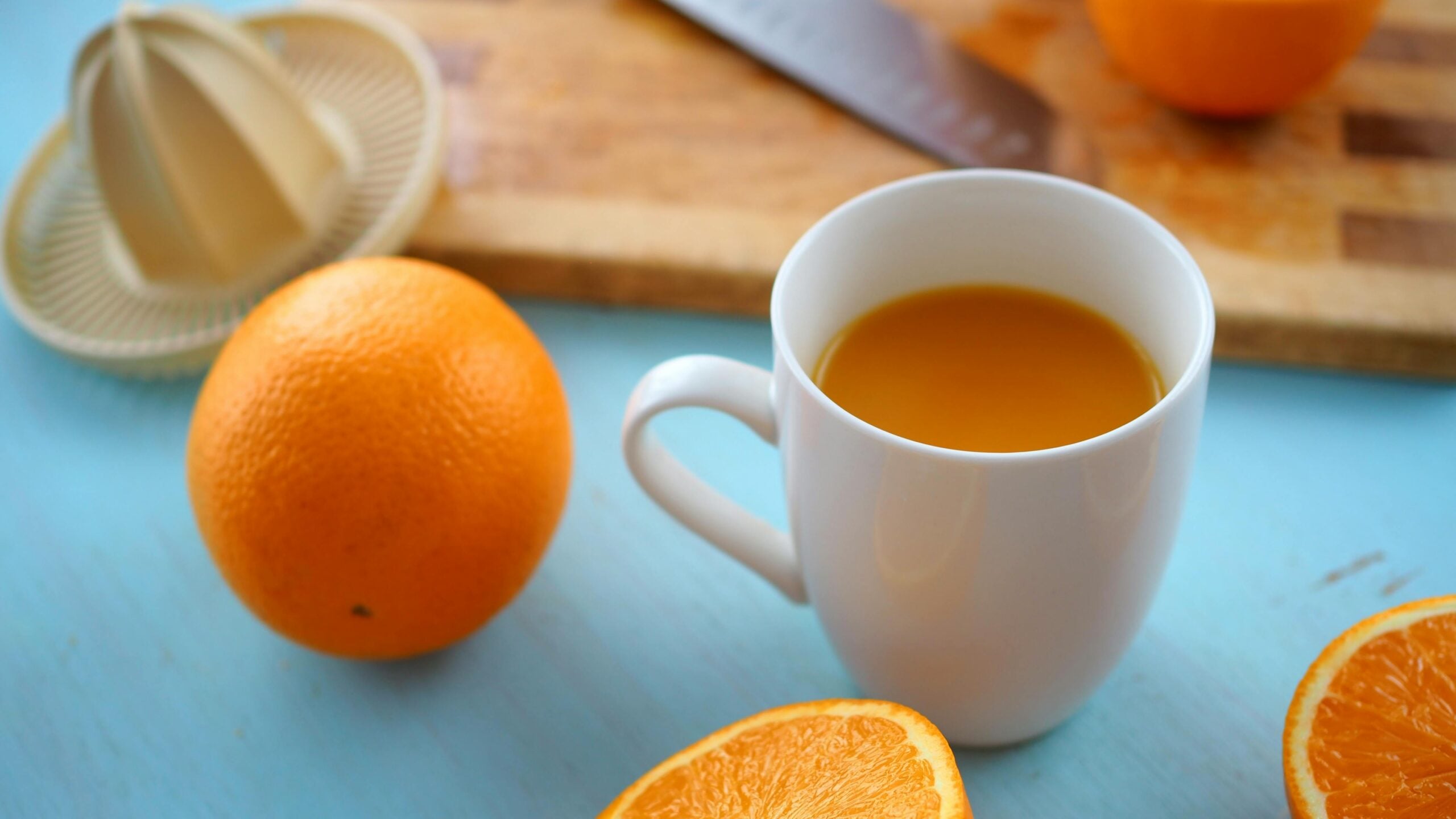
The food prices of orange juice has increased due to the health problems associated with this citrus fruit and the decline in orange production. Some so-called “premium” juices have become one of the most expensive breakfast items a grocery store can offer. And that’s crazy! People have opted for powdered drinks or buying smaller bottles of juice.
Sign up for our newsletter
Fast-Food Combo Meals
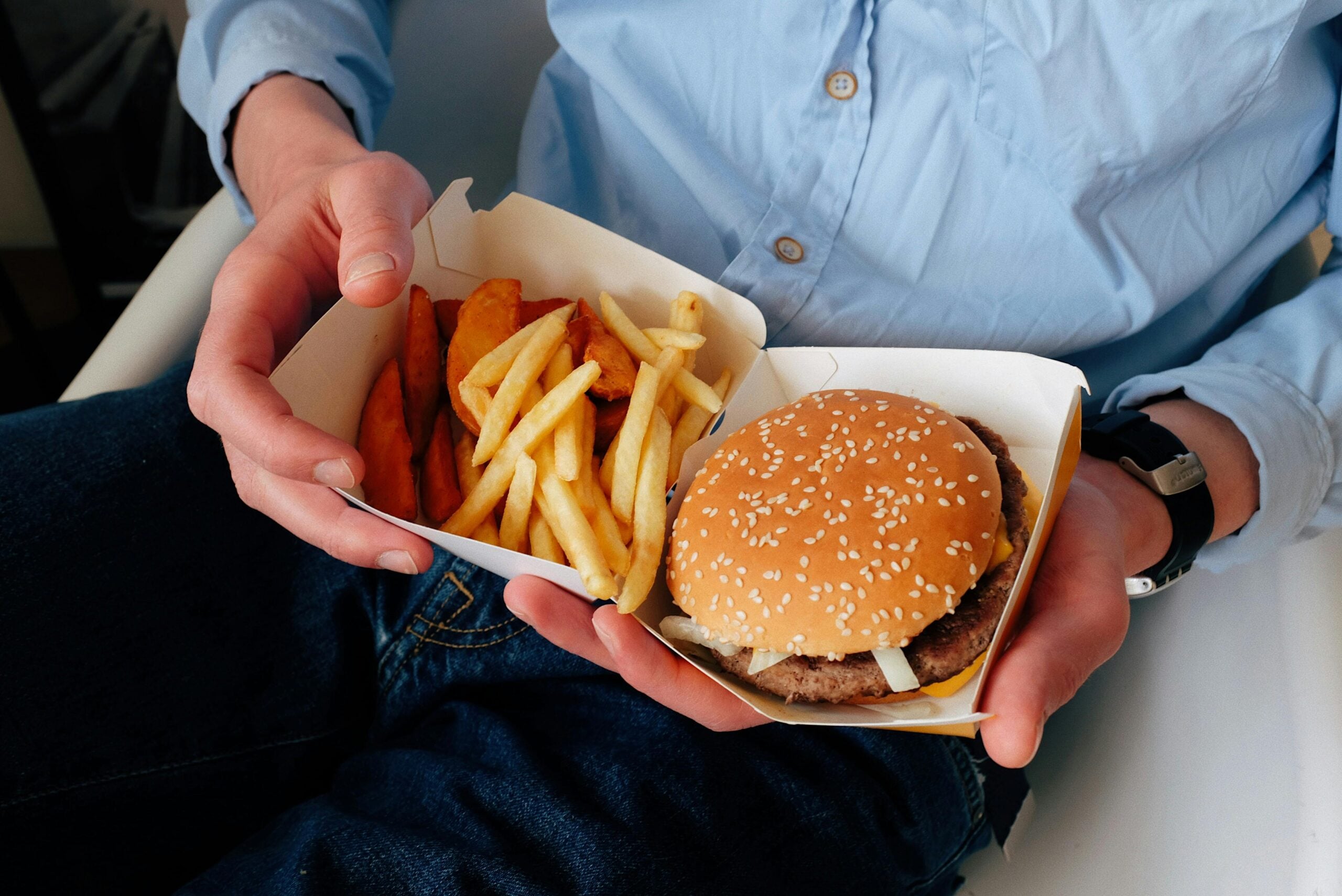
Another everyday expense that has increased in recent years is fast-food combo meals, which now cost over $10 to $15 USD in many cities across the United States and Canada. In many cases, people now compare fast food to buying prepared meals at the supermarket. “Savings packages” and deals on food delivery apps have become more common in recent years. Inflation has changed the way people shop for food.
Chicken Wings
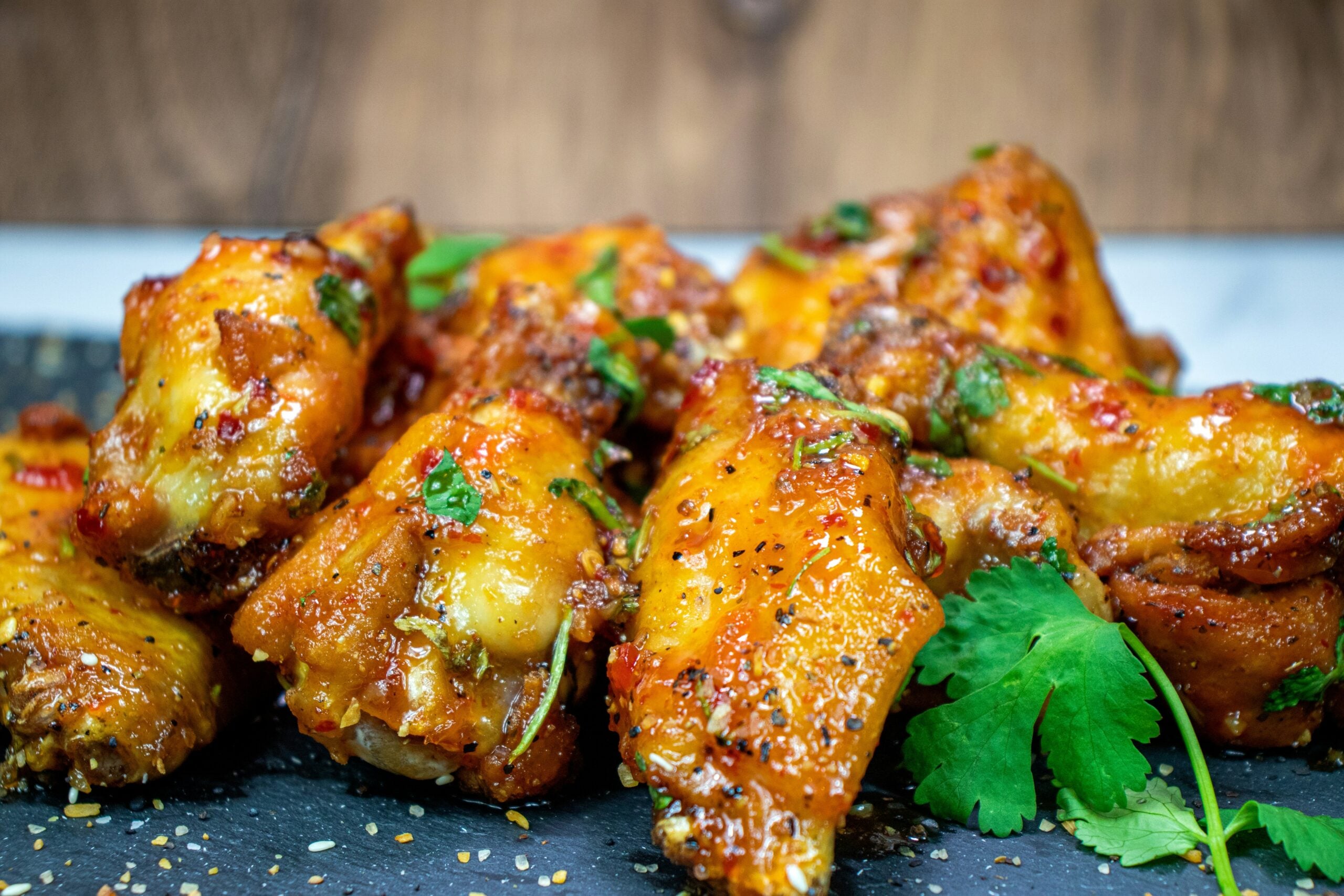
The demand for chicken wings from restaurants, athletes, and supply chains has driven up their price. If you compare the price of chicken wings from a decade ago to today, you’ll notice they’re much more expensive. Because of this, chicken lovers have turned to cheaper cuts like thighs.
Breakfast Cereal
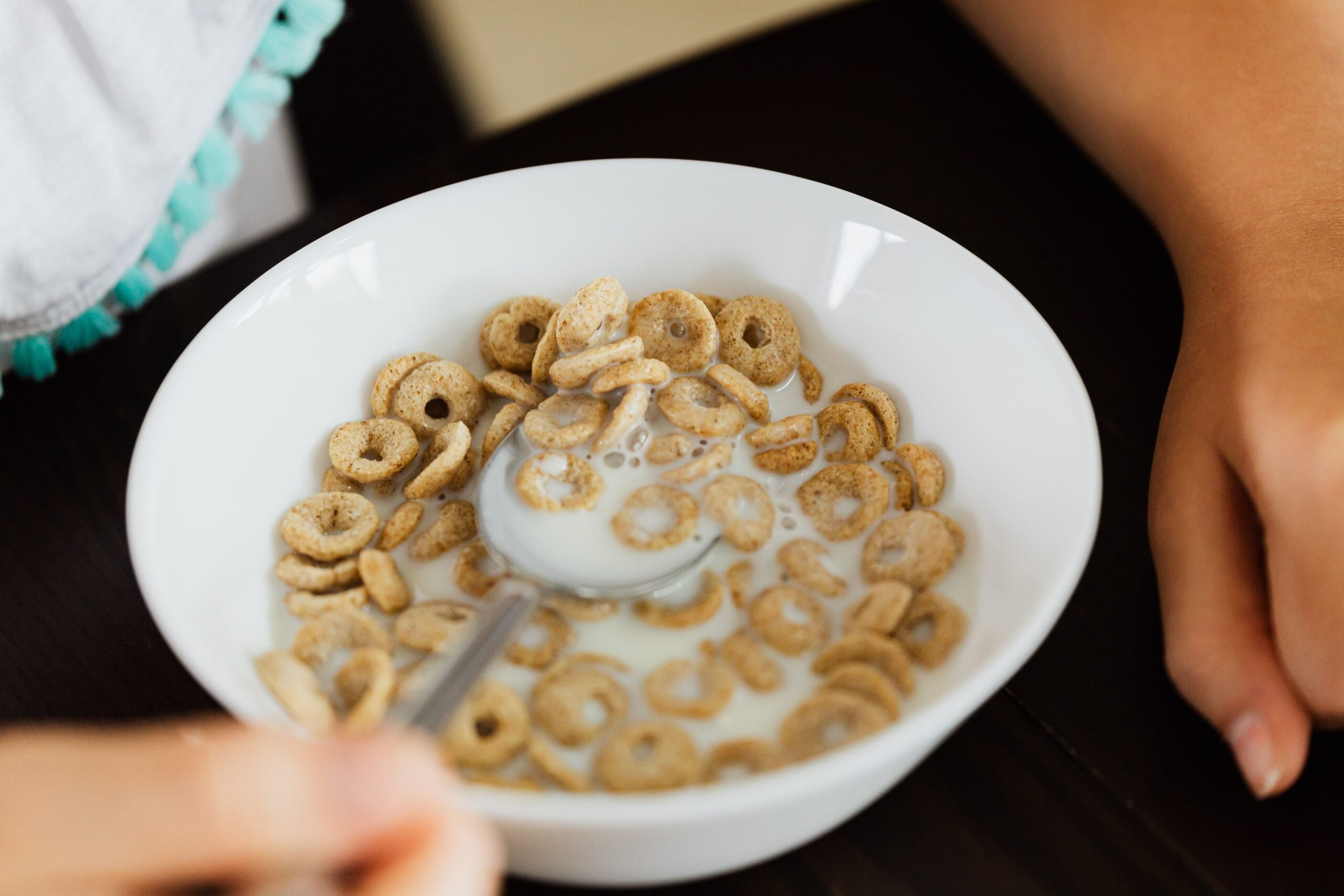
Cereal boxes are becoming increasingly expensive, not only because their price is rising, but also due to shrinkflation. Many consumers no longer believe the packaging represents the value it once did. Supermarket private labels have gained ground in positioning products for families with children.
Brand-Name Ice Cream

Well-known ice cream brands have raised their prices while the packages they sell are getting smaller and smaller. That’s why ice cream lovers wait for promotional days before making their purchases. These customers say they’re paying more for an amount of ice cream that doesn’t even resemble the traditional half-gallon container.
Avocados
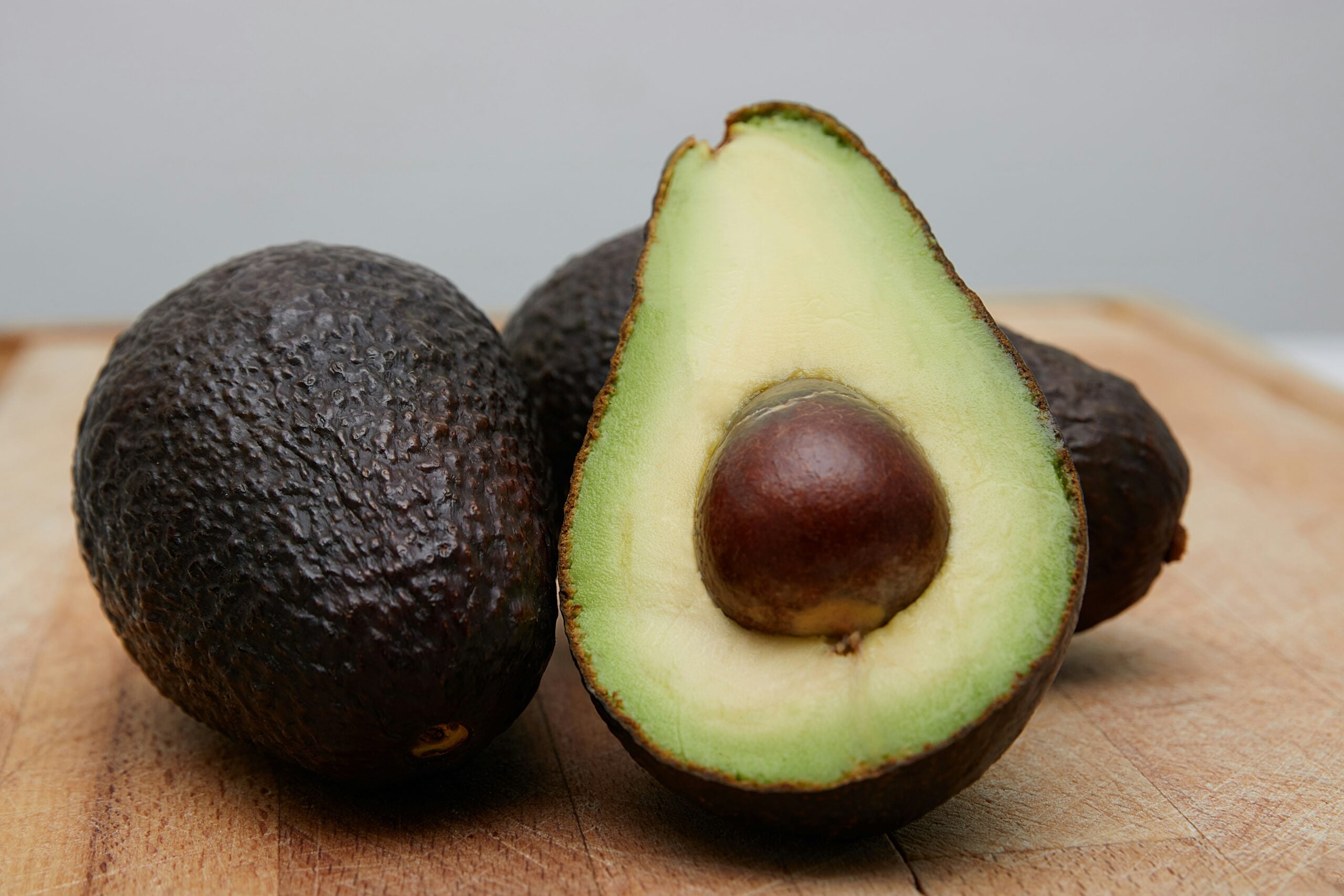
Avocados continue to be popular not only in the United States but in various regions of the world. The problem is that their price has skyrocketed, and consequently, people’s purchasing habits have fluctuated. Some customers say that when they see the product very expensive, they don’t even look for an alternative because it doesn’t seem reasonable. Price volatility is very prevalent in this product.
Restaurant Burgers
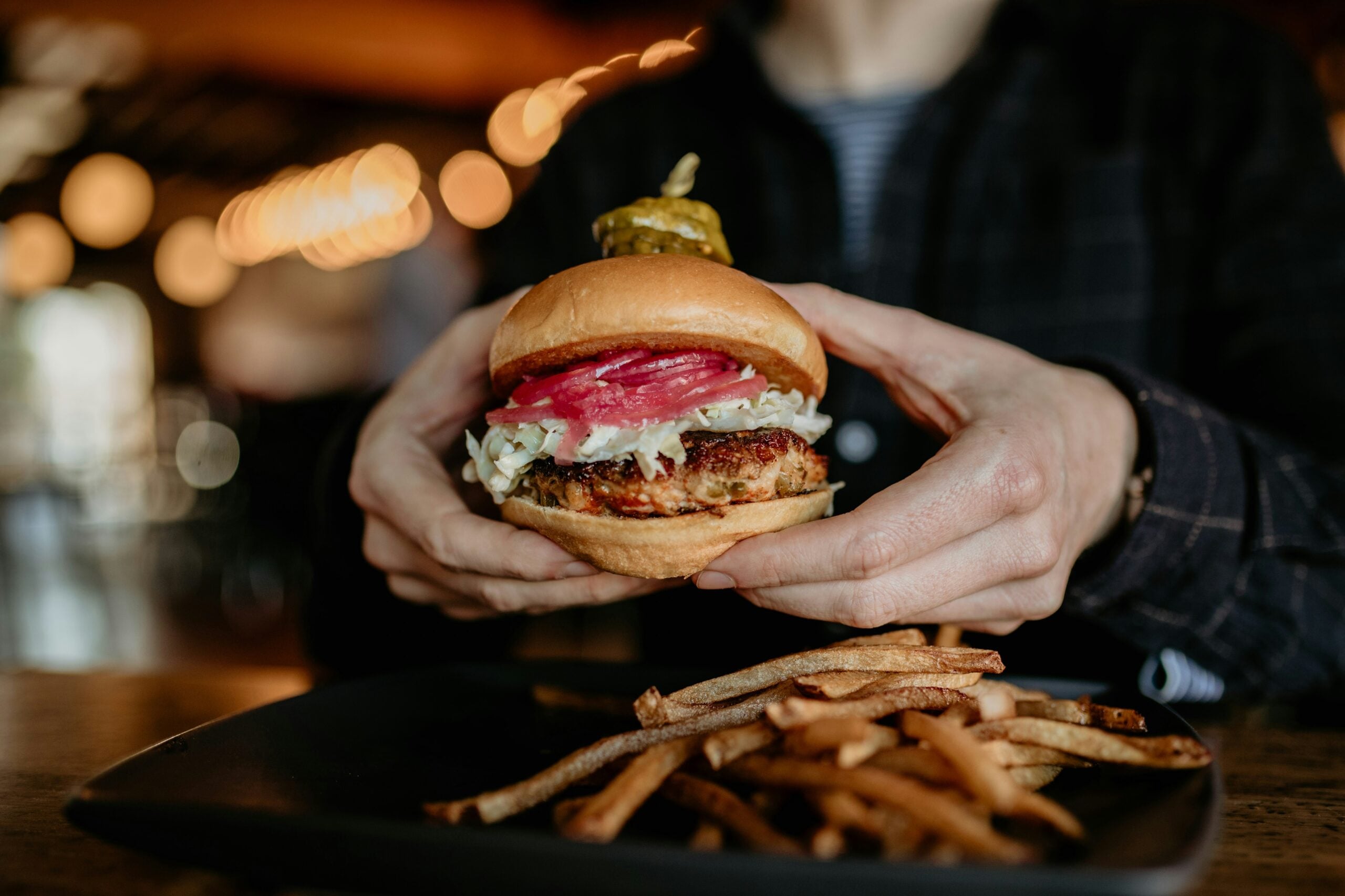
It’s unbelievable that a burger costs between $18 and $25 U$D in some restaurants, without a drink or fries. Just a few years ago, it was one of the most affordable meals in restaurants, and now it costs as much as a premium dish. Don’t even look at the cost of the extras for the burger; they just keep increasing the price.
Sushi
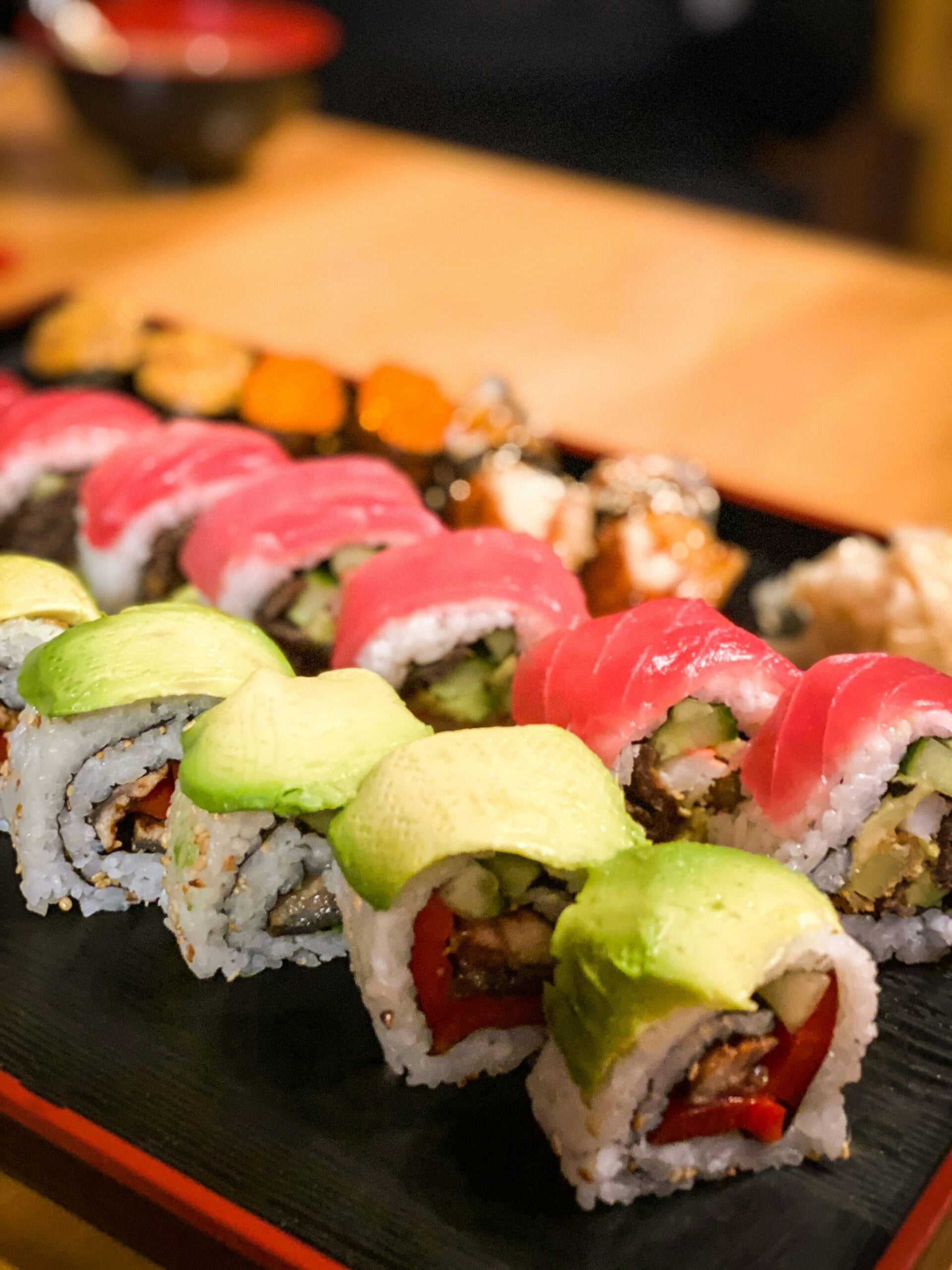
Sushi has always been categorized worldwide as a premium, healthy and expensive food. But to make matters worse, the cost of seafood and restaurant expenses have driven its price even higher. People tend to reserve eating sushi for a special occasion, rather than enjoying it on a regular weeknight.
Fresh Berries
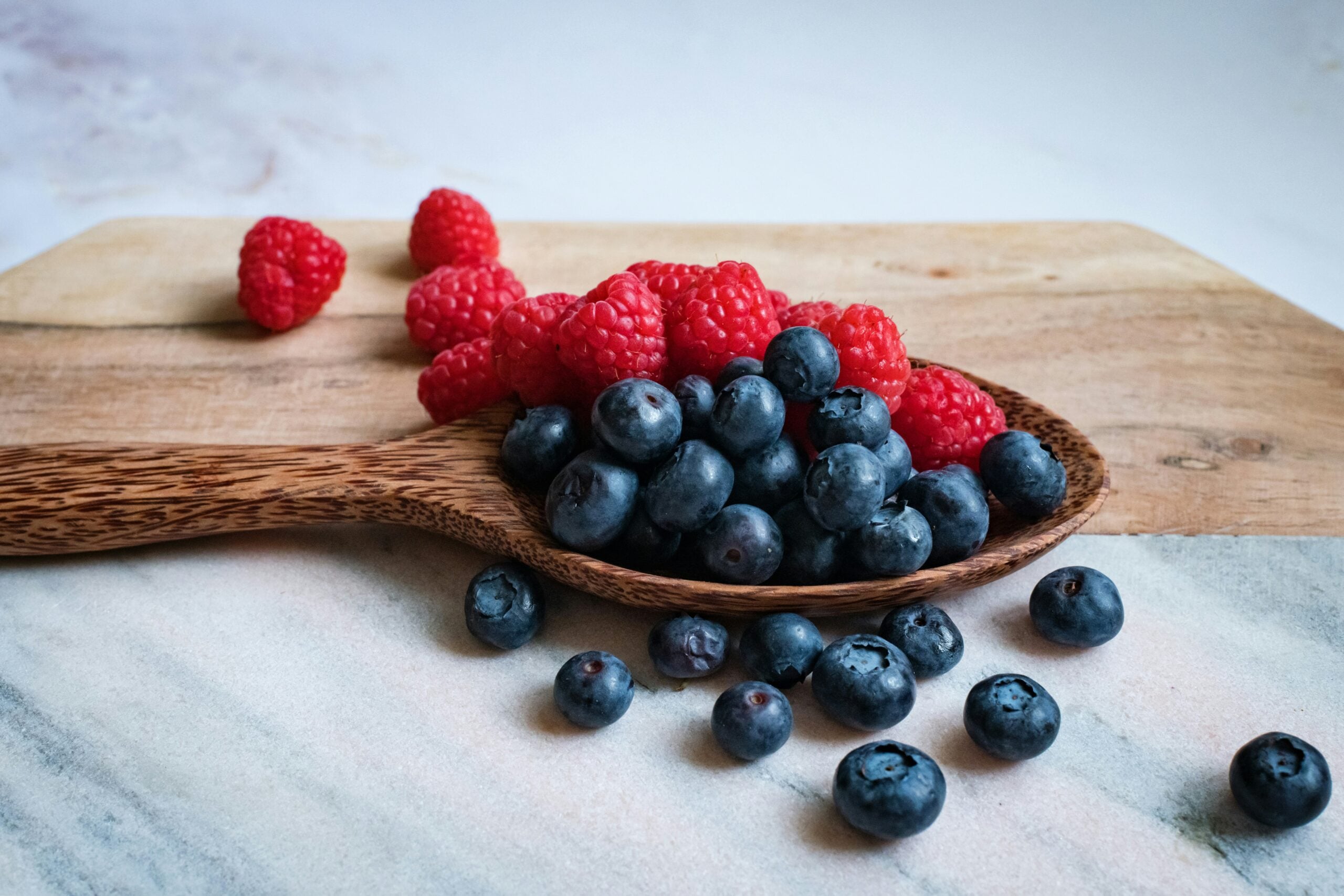
The problem with fresh berries is that their price fluctuates due to weather, processing costs, and transportation, which has led to increase the price. The small containers you find at the supermarket can cost between $5 and $8 USD for fruits like blueberries and strawberries. Given this new reality, frozen fruit has become a cheaper alternative for smoothies and desserts.
Specialty Coffee Drinks

The widespread pressure surrounding coffee bean cultivation and rising transportation costs have caused coffee prices to skyrocket. Premium coffee companies have found it difficult to justify the price increase to everyday customers. Meanwhile, consumers have turned to cheaper coffee blends, smaller quantities, or even brewing their own coffee at home.
Restaurant Salads
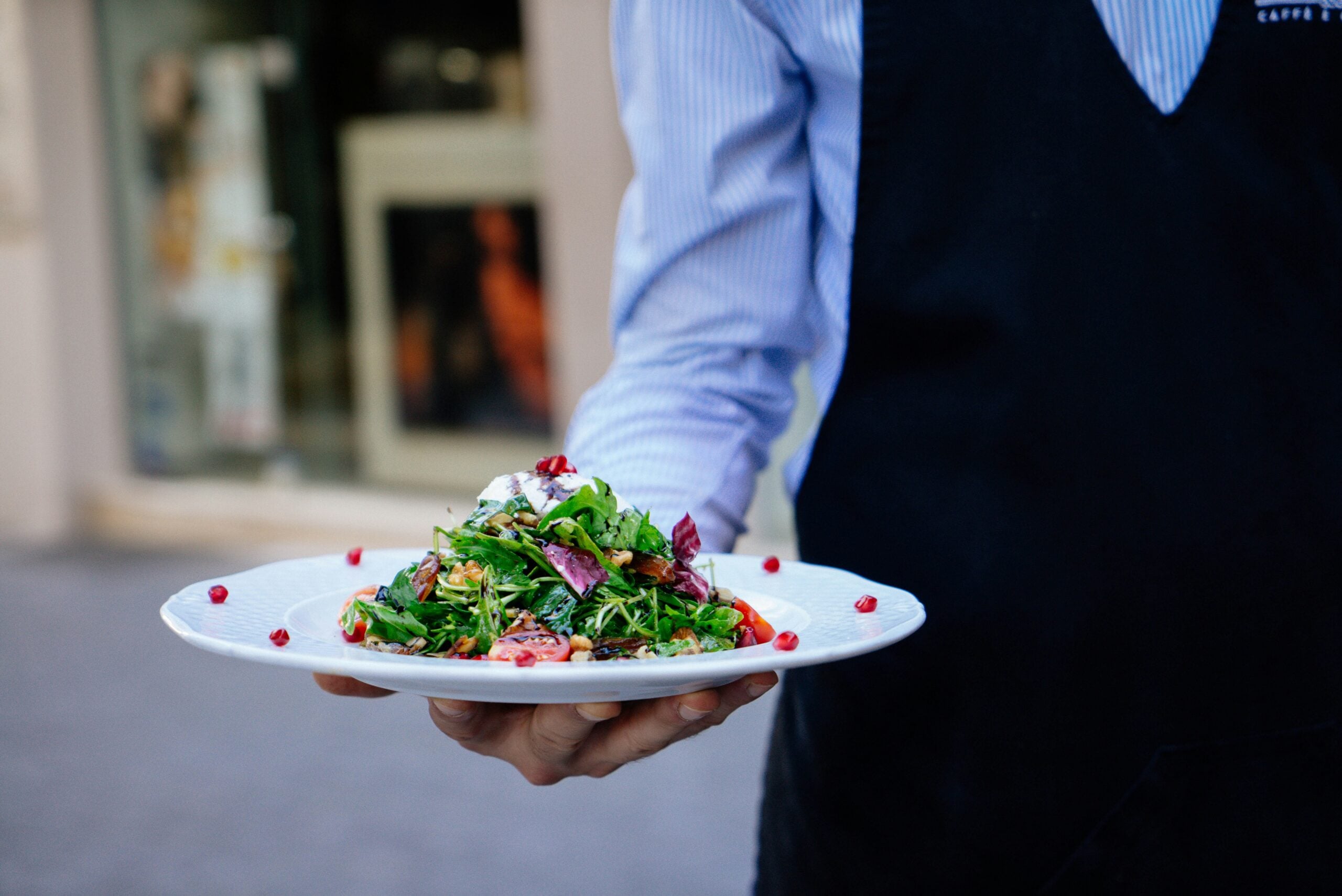
Jokes among customers about how expensive salads have become are commonplace when looking at the menu. The premium proteins they add, the specialty dressings, and the increased cost of production have made salads an expensive meal.
Premium Cheese
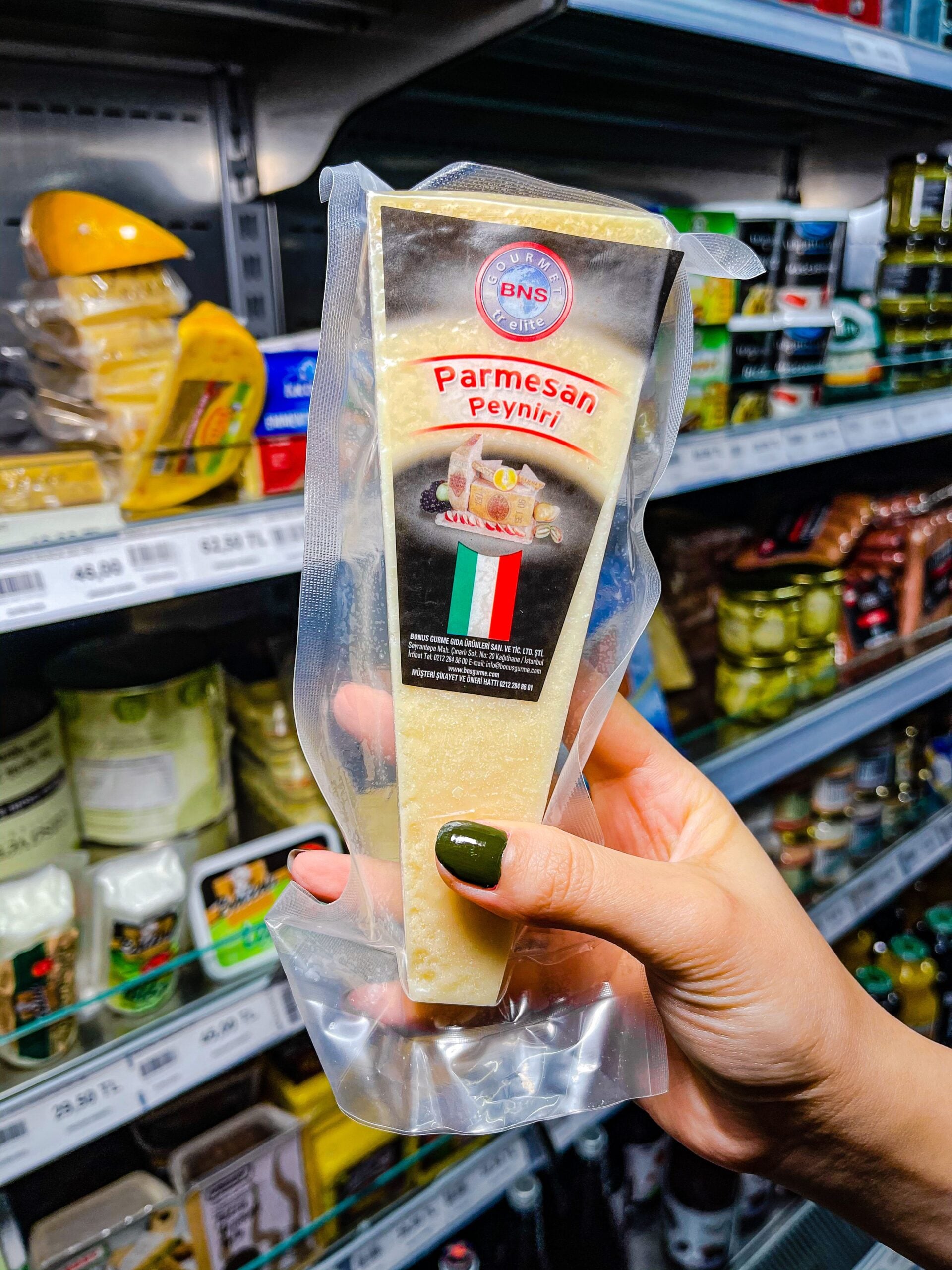
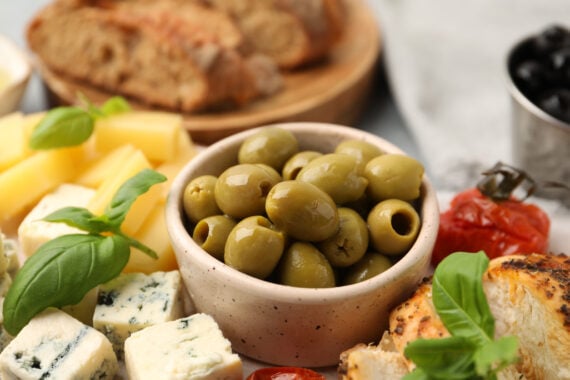
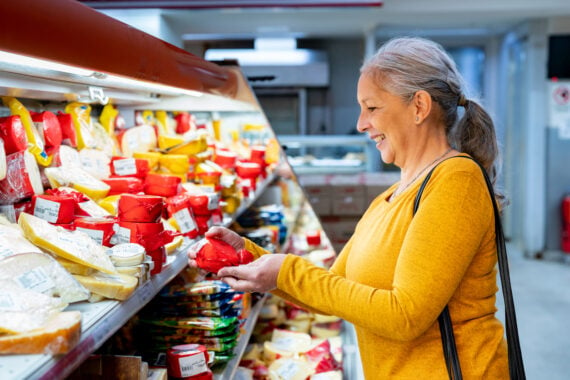
It’s already true that when a product has the “premium” label attached to it, it will be more expensive. While it’s true that imported and specialty cheeses have become more expensive than they used to be, some people still enjoy a portion of the product, but they reserve it for vacations, days of entertainment and relaxation, or some special occasion. The cheaper cheese options are reserved for everyday use.
Beef Jerky

This energy snack, beef jerky, currently maintains a price per ounce that rivals premium meats. Many seasoned consumers are astonished when they’re told that price at the register. This is why beef jerky has become an occasional treat rather tan a regular snack.
Takeout Pizza
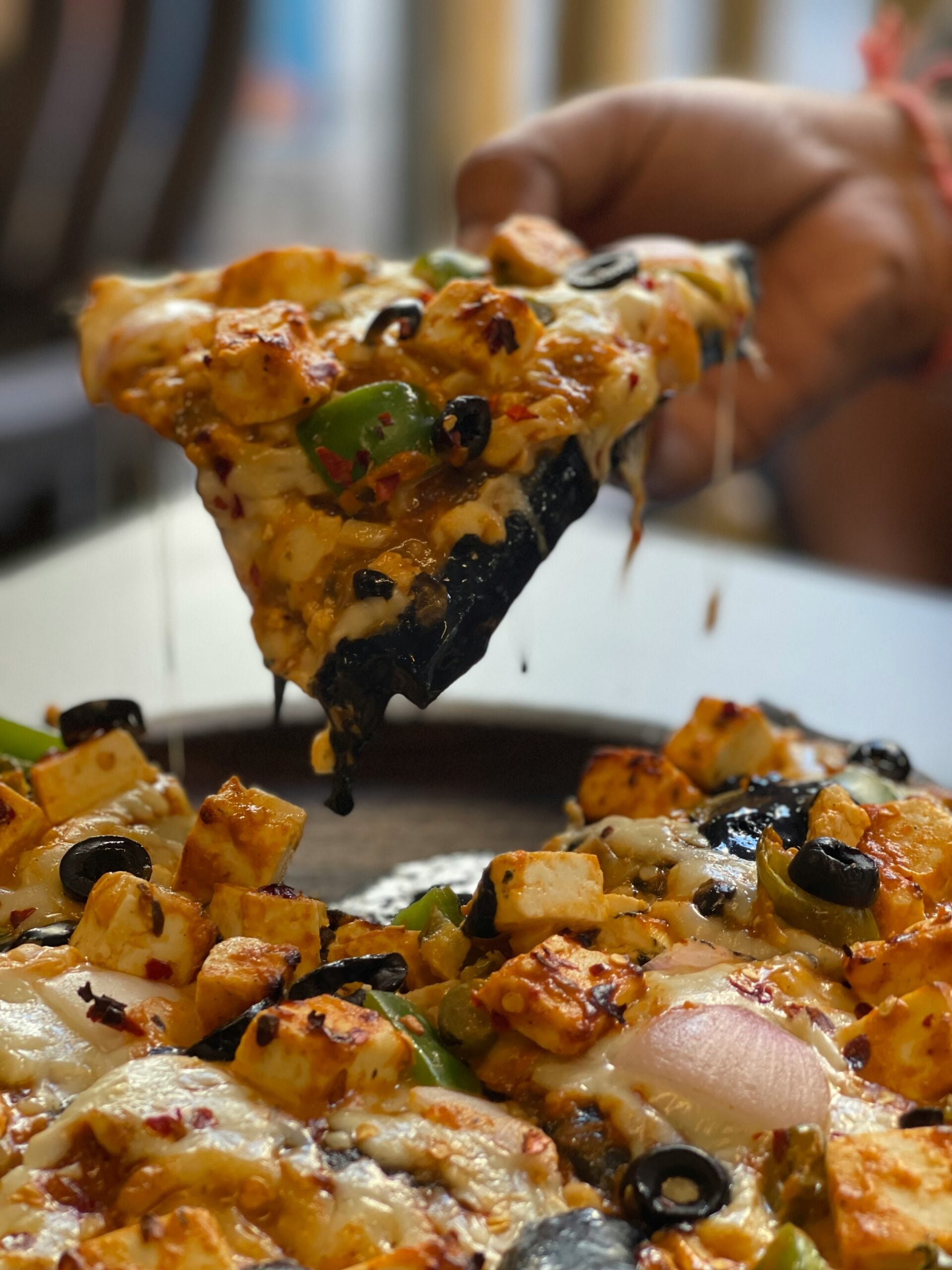
Pizzas used to be a cheap option when you wanted to feed a whole family with a meal that everyone would enjoy, that could fill more than two people, and above all, was inexpensive. Nevertheless, too many extra costs have been added to this food, such as delivery fees, app fees, and the premium toppings added to certain pizzas. Currently, a family pizza can cost between $40 and $60 U$D.
Fresh Cherries
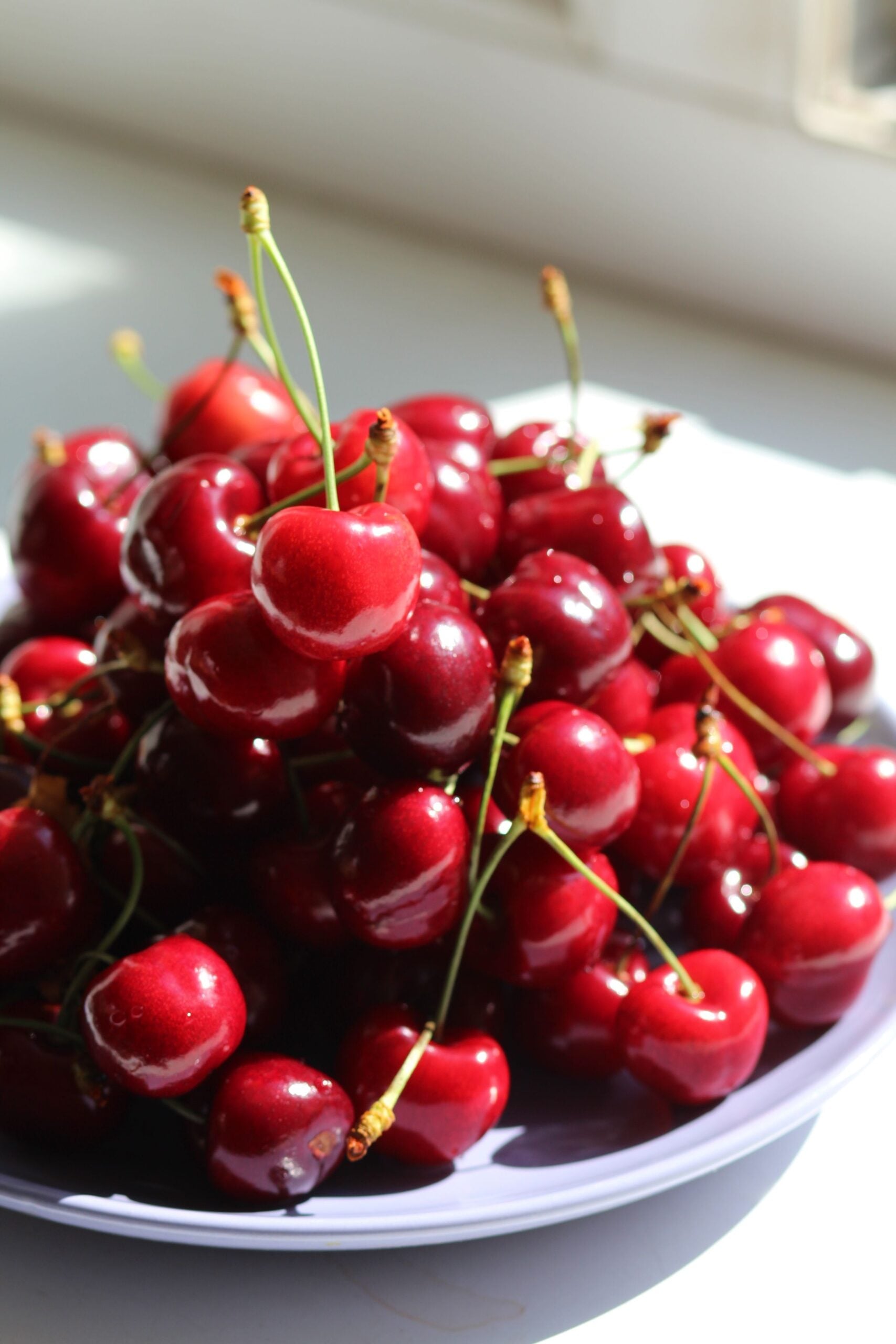
The problem with fresh cherries is that when they’re in season, people love them, and the high demand drives up the price. However, that desire to eat them is often dampened by the price. It’s not new that seasonal fruit cost more and their prices fluctuate, but they can’t be so expensive.
Prepared Grocery Store Meals
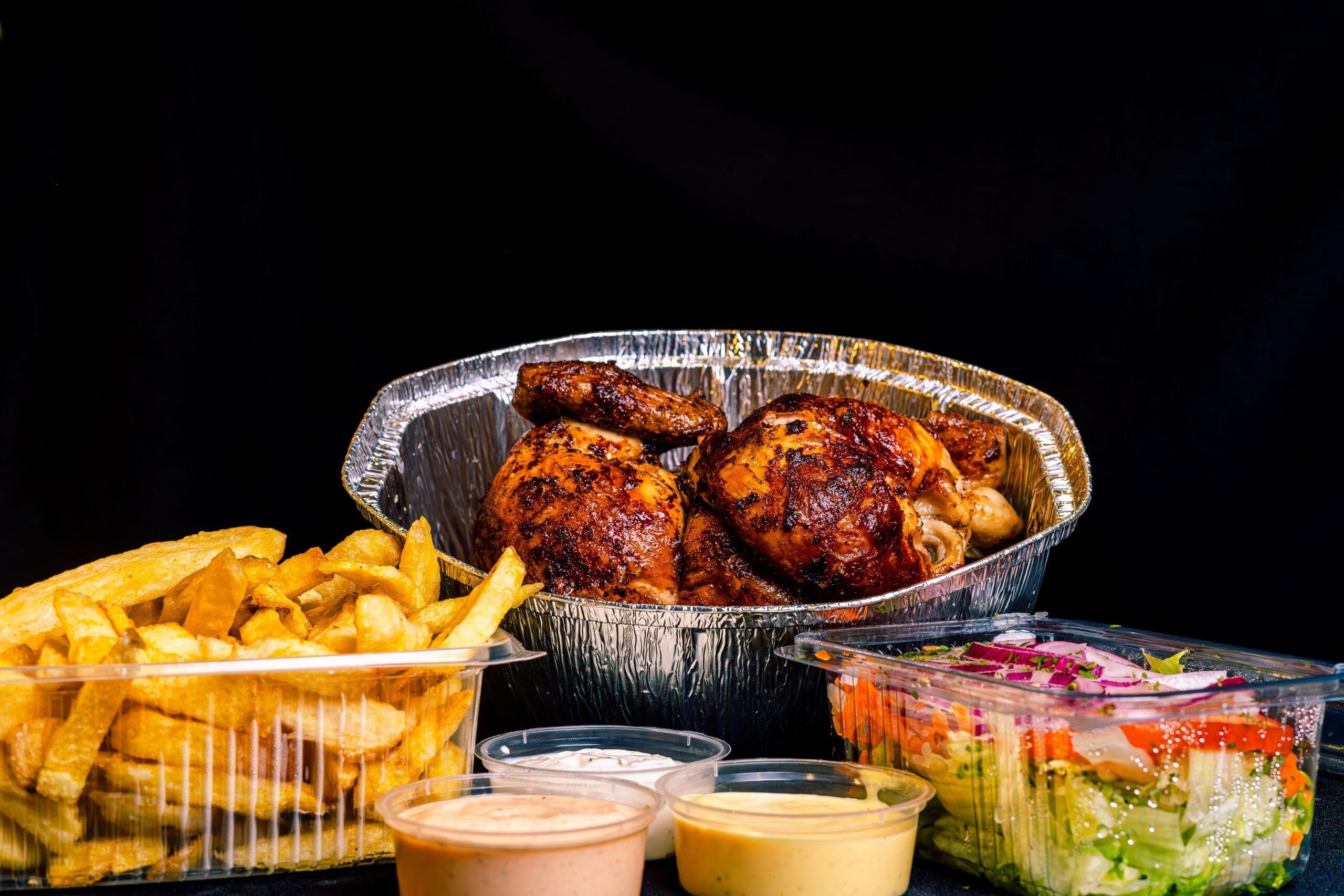
when you pay for a prepared meal at a grocery store, you’re paying to save yourself the time of cooking. However, everyone has their limits, because labor costs have driven up the price of a prepared grocery store meal so much that customers are comparing it to a restaurant meal.
Name-Brand Soda
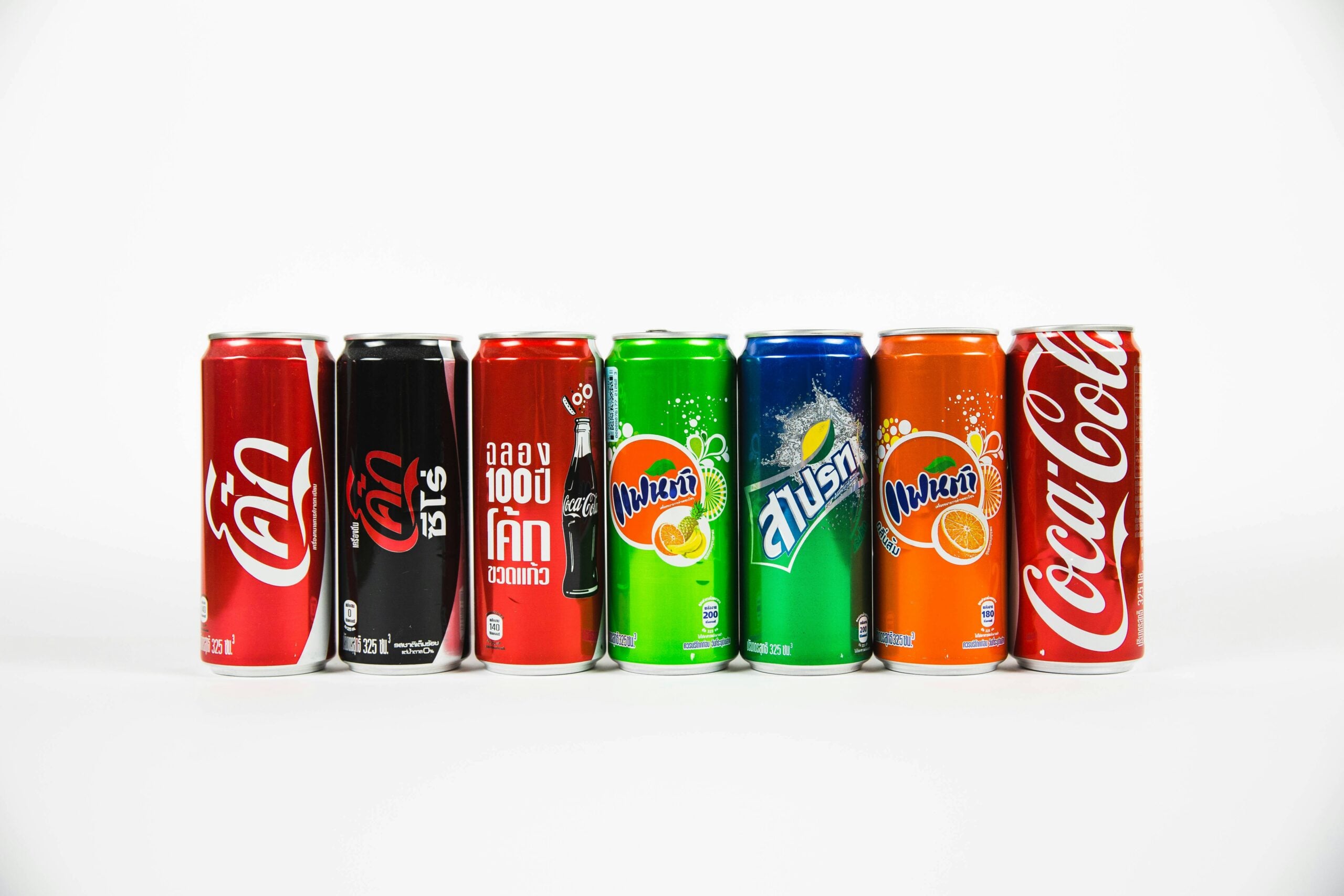
Soft drinks are affected by two factors that drive up their price. Both global inflation and shrinkflation, paying more for less product, affect sales. Those who drink soft drinks wait for promotional days or when they can buy in bulk to save money amidst other expenses. Otherwise, they opt for the grocery store brand.
Lobster
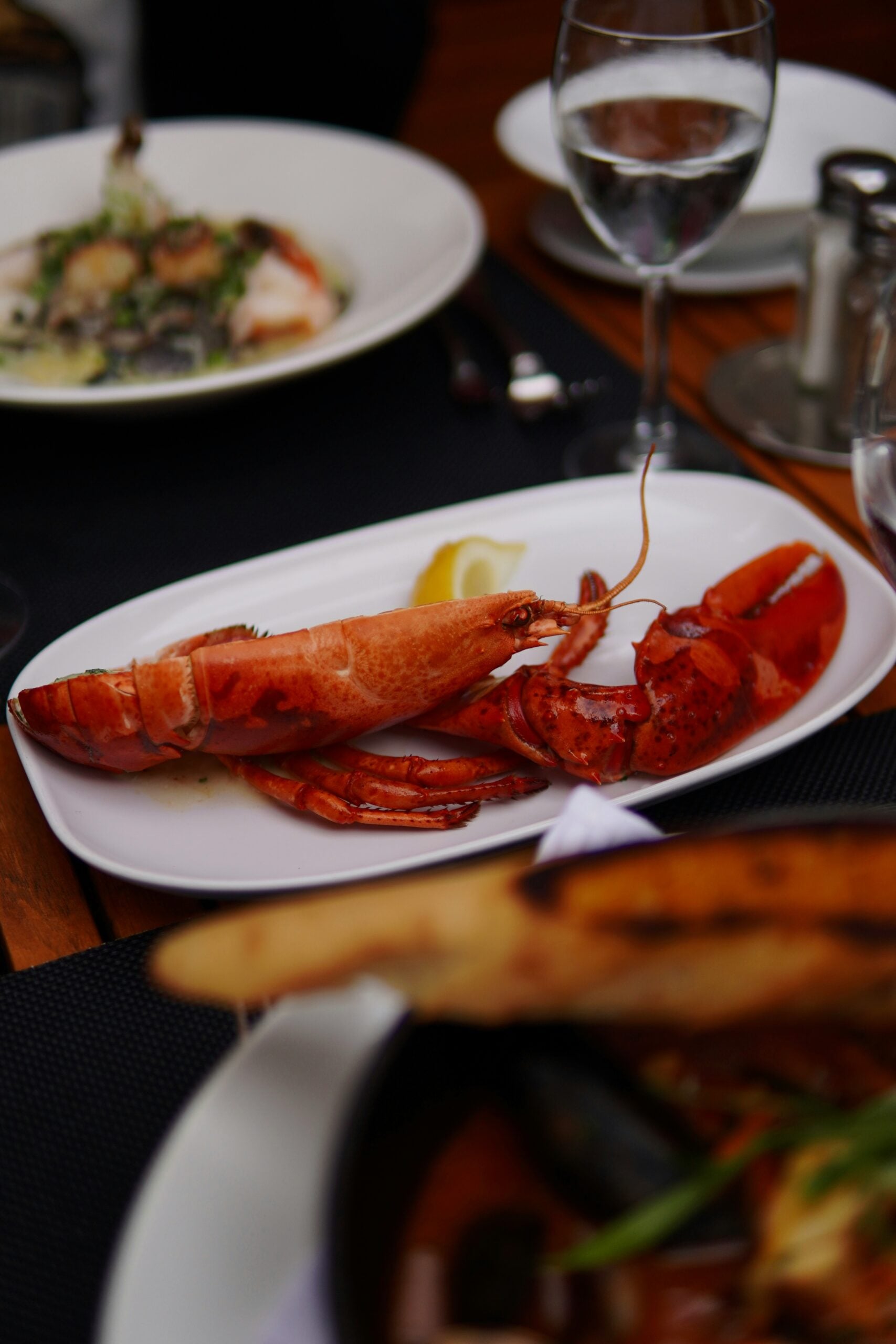
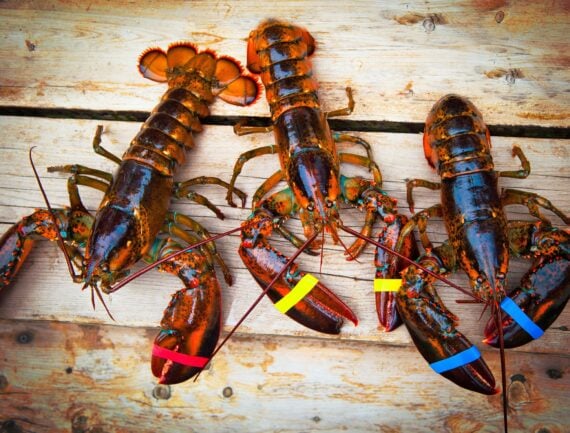
Just like sushi, lobster has always been considered a luxury dish, but now it’s more expensive than before. The processes involved in obtaining the food, the transportation chain where it must maintain its cold temperature and freshness, and labor costs have all driven up the price. And if you order it at a restaurant, they might try to charge you extra fees that could make you decide against buying it.
Premium Chocolate

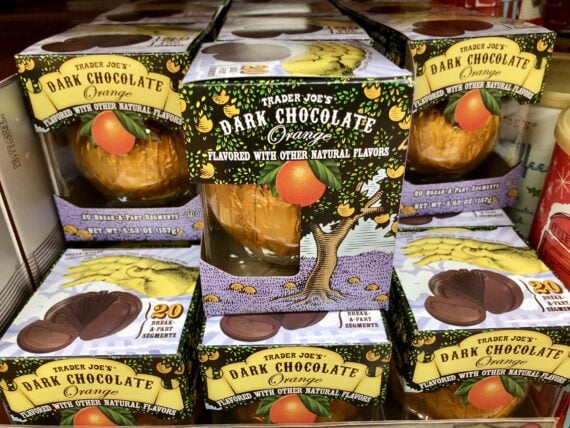
Chocolate, beloved by many, has faced challenges during harvesting and in the transportation chain, resulting in a limited supply and a soaring price. These days, people are debating whether to curb their cravings for chocolate due to the cost. And there are other products that are made with premium chocolate, like cakes, not just pure chocolate, so several desserts have increased in price.
Restaurant Breakfast
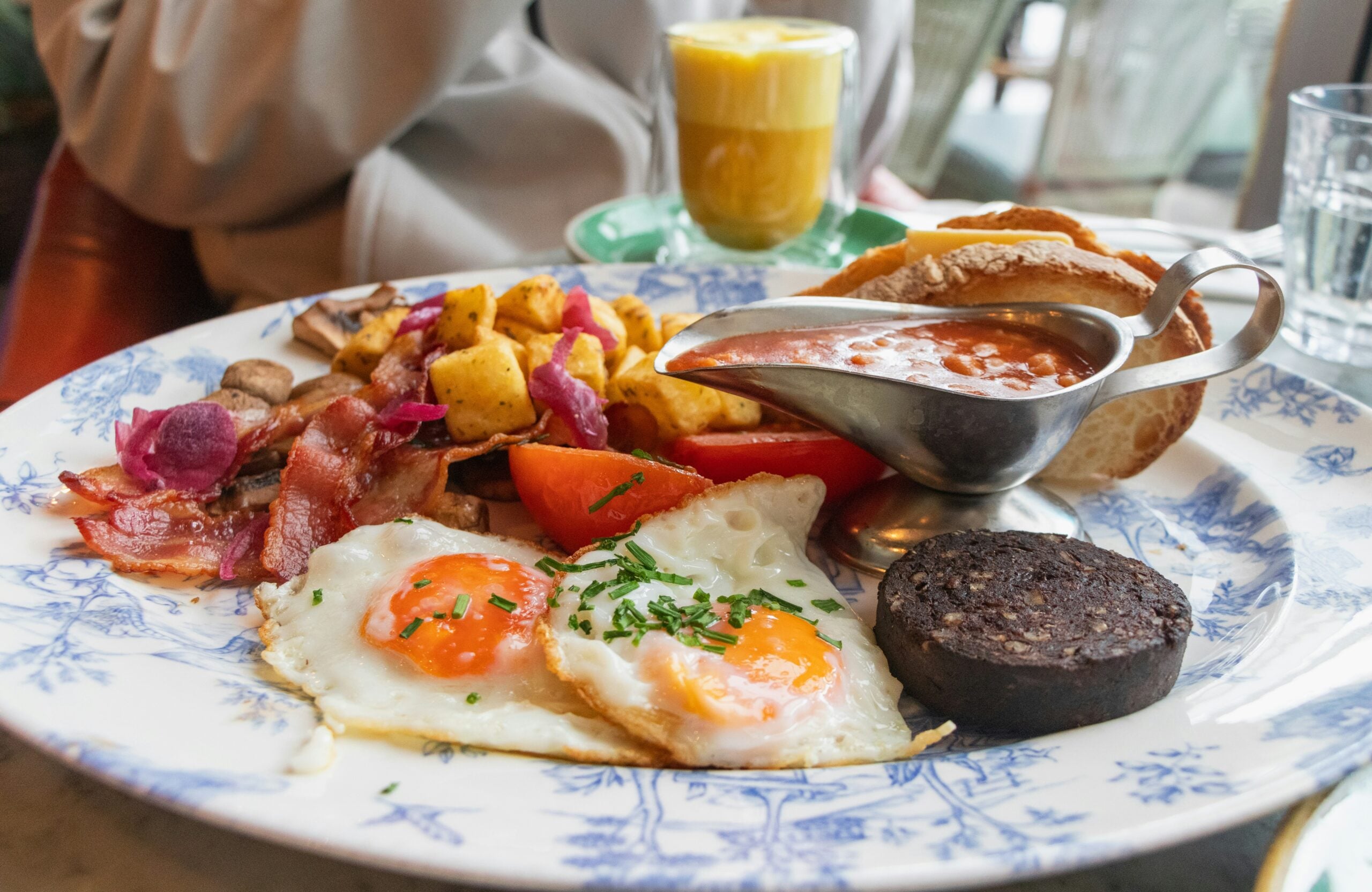
Several times a week, Americans eat breakfast out, enjoying eggs, bacon, toast, potatoes, and coffee. But this habit has cost them about $20 to $30 U$D per person, including tips and restaurant’s bill. Breakfast inflation is very noticeable because this meal consist of basic nutrients and shouldn’t be expensive under any circumstances.
Frozen Convenience Foods
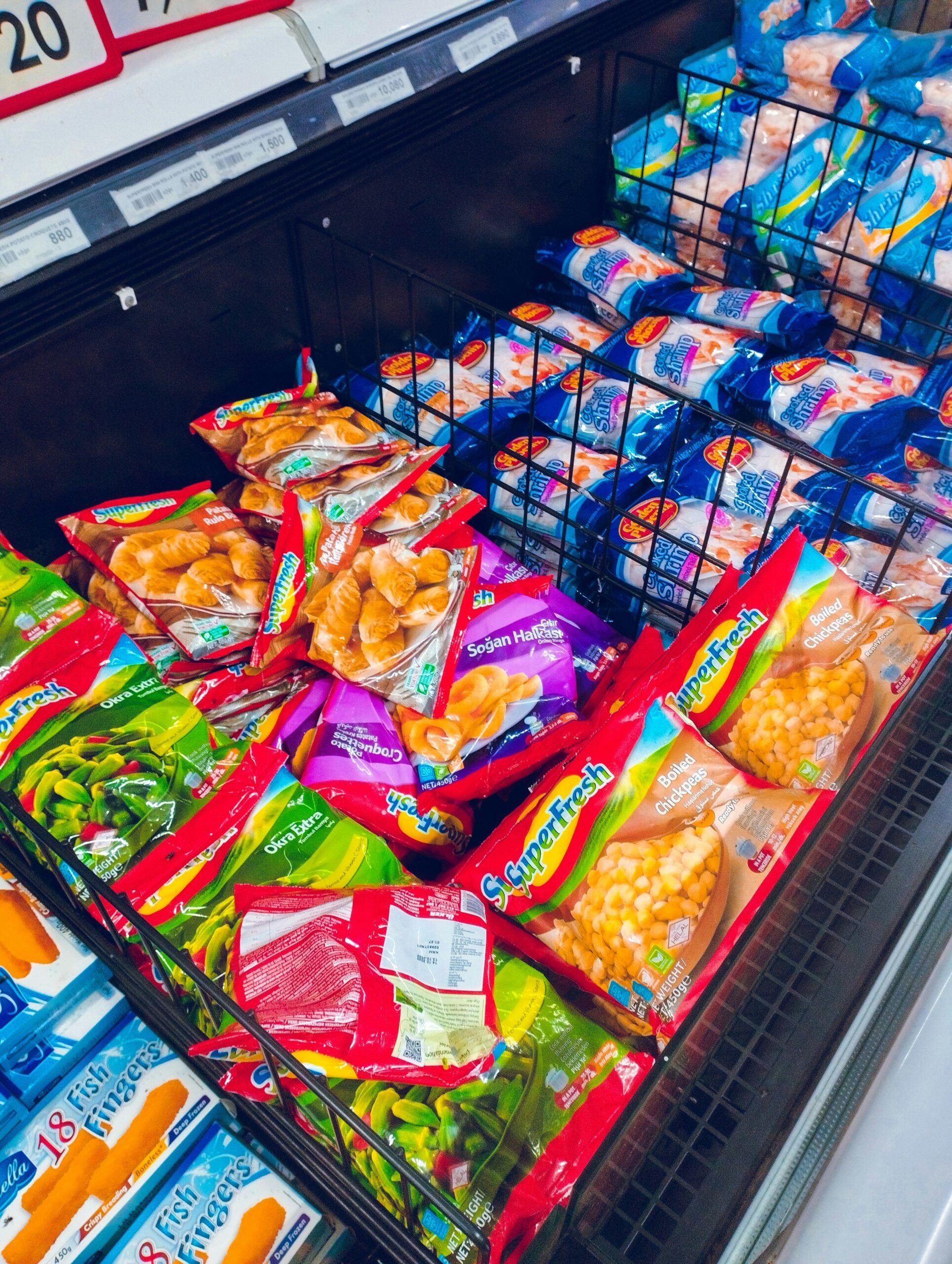
Not only have deli meals increased in price, but frozen grocery store meals, which should be cheaper since you have to cook them and use electricity at home, have also gone up in cost. These appetizers and prepared foods are so expensive these days that many people have opted to prepare their own meals from scratch.
Almonds and Mixed Nuts
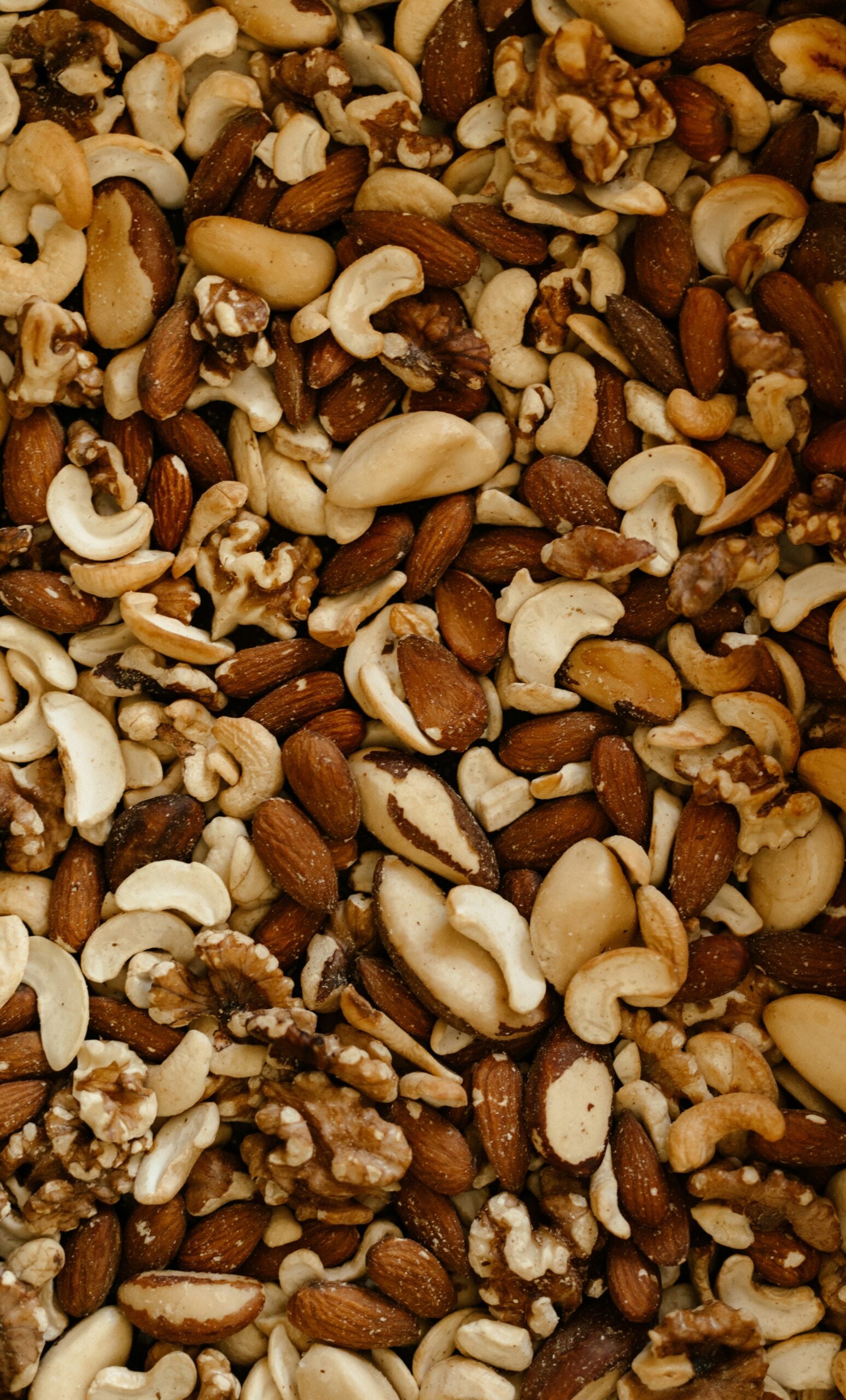
Almonds and mixed nuts are nutritious foods that provide antioxidants and vitamin E to the human body, although their price per pound is causing many people to look elsewhere. One alternative is to buy them in bulk at warehouse clubs.