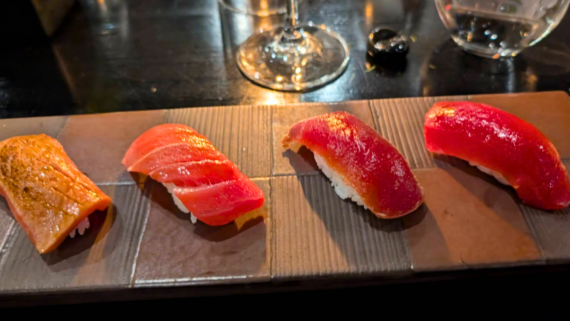
The best sushi restaurants are not always the fanciest or the most expensive. Across the country, diners tend to remember places that serve fresh fish, treat regulars well, and offer a meal that feels worth the bill. From neighborhood sushi counters to special-occasion omakase spots, these restaurants have earned loyal followings for quality, consistency, and the kind of experience people recommend to friends.
Alabama: O Sushi, Birmingham
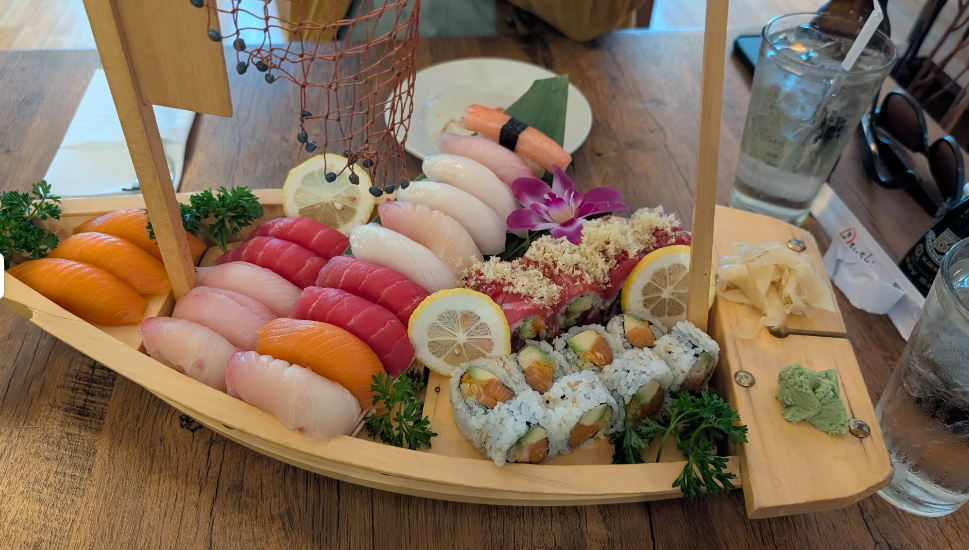
O Sushi is the kind of local sushi spot Birmingham diners tend to recommend for consistency rather than flash. Reviews often point to fresh-tasting fish, approachable rolls, friendly service, and prices that feel more reasonable than a big-city omakase counter. The safer order here is to stick with the classics: nigiri, sashimi, and a couple of specialty rolls for the table.
Alaska: Sushi Ya, Anchorage
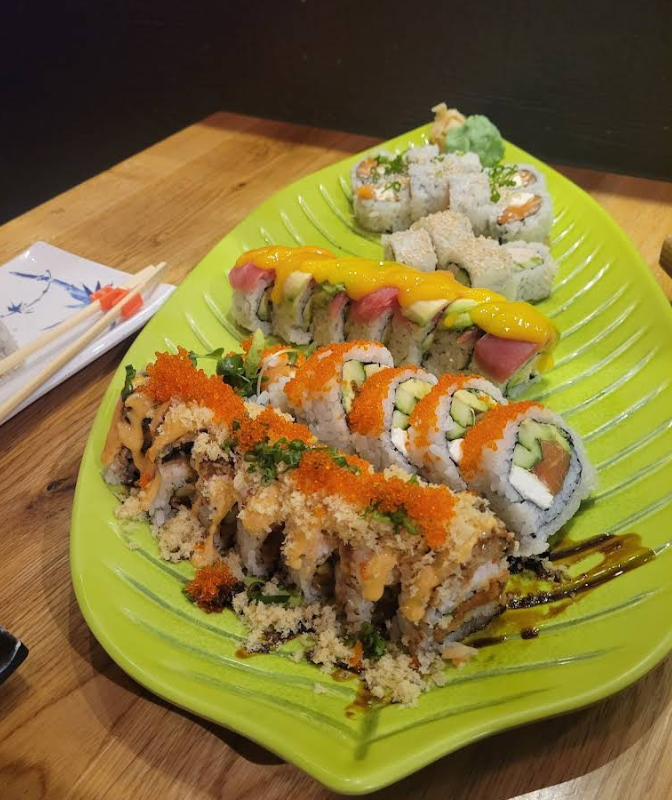
Anchorage has better sushi options than many visitors expect, and Sushi Ya is one of the names that comes up for a dependable, casual meal. The restaurant’s own site shows a broad sushi menu, along with wine and takeout options, which makes it more practical than a narrow special occasion counter. Diners tend to like places like this because they work for a weeknight dinner, not just a birthday.
Arizona: Harumi Sushi & Sake, Phoenix
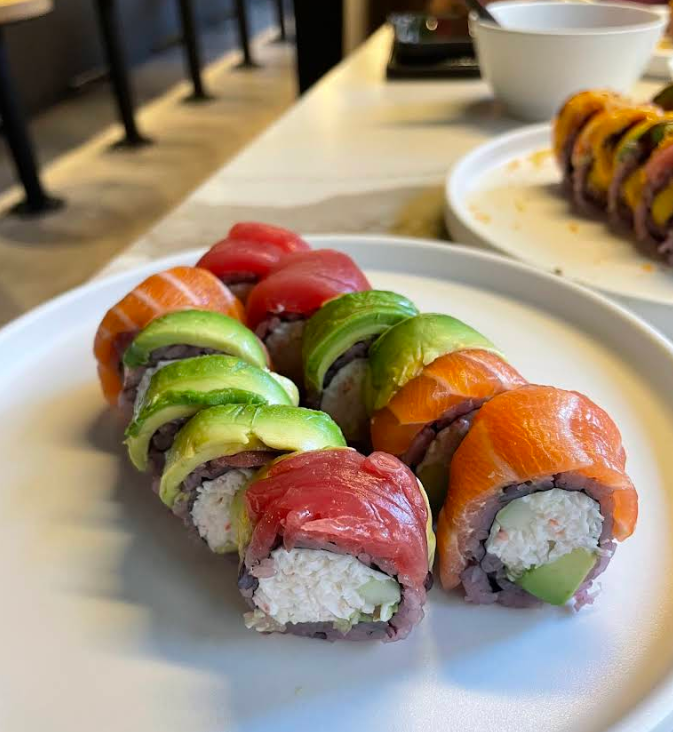
Harumi has name recognition in Phoenix partly because of its purple rice, polished presentation, and busy downtown location. Many sources describe the restaurant as serving traditional Japanese food with modern touches and never frozen sashimi. For readers, the appeal is that it feels lively and special without automatically meaning a full omakase bill.
California: Sushi Ota, San Diego
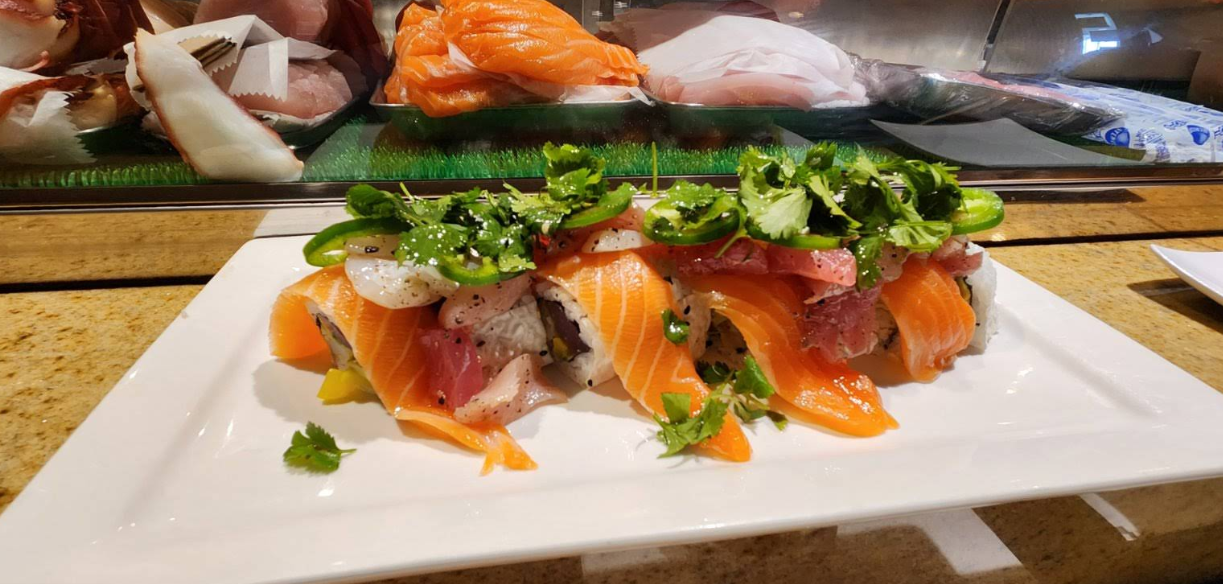
California has an unfair number of serious sushi restaurants, but Sushi Ota remains one of San Diego’s most trusted names. It is especially known among sushi fans for uni and chef selected nigiri. For value minded readers, the useful angle is not that it is cheap, but that some guests still see the chef’s selection as a worthwhile splurge compared with flashier luxury rooms.
Colorado: Sushi Den, Denver
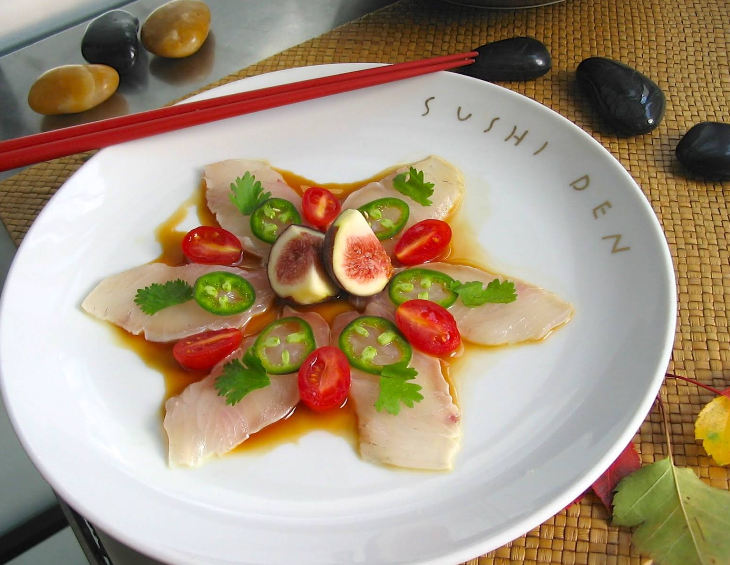
Sushi Den has been part of Denver’s dining conversation for decades, and that matters in a landlocked state where diners can be skeptical about seafood. The restaurant says it has been regarded as a premier sushi and Japanese restaurant in the United States for 38 years, and review summaries repeatedly praise freshness and solo dining friendliness.
Trending on Cheapism

Florida: Sushi Rock Grill, St. Petersburg
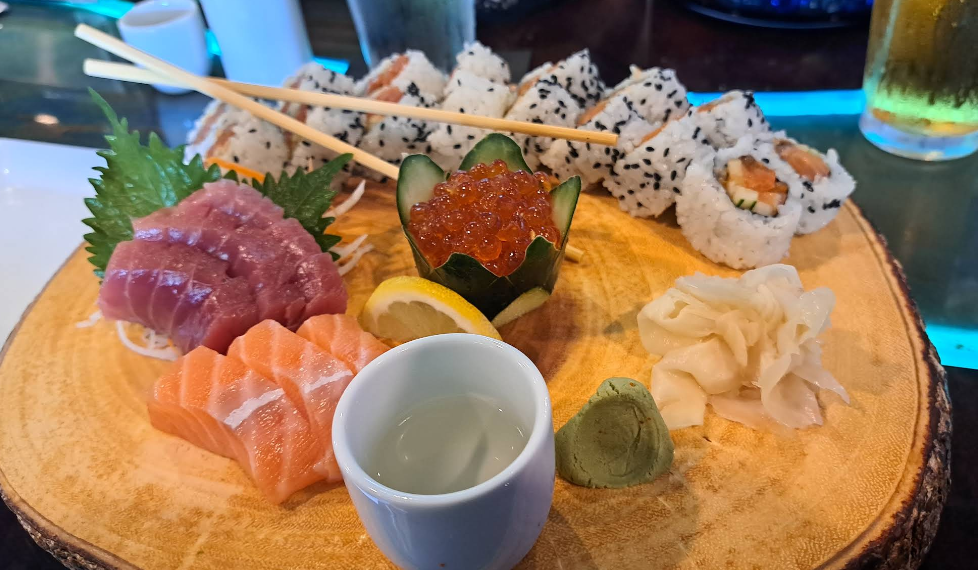
Sushi Rock Grill’s site describes a menu for both traditional sushi fans and more adventurous diners, while review summaries highlight fresh sushi, reasonable prices, and lunch specials. That combination matters in Florida, where tourist area dining can get pricey fast. The place works as an approachable and crowd pleasing pick.
Georgia: NoriFish Sushi & Izakaya, Atlanta/Sandy Springs
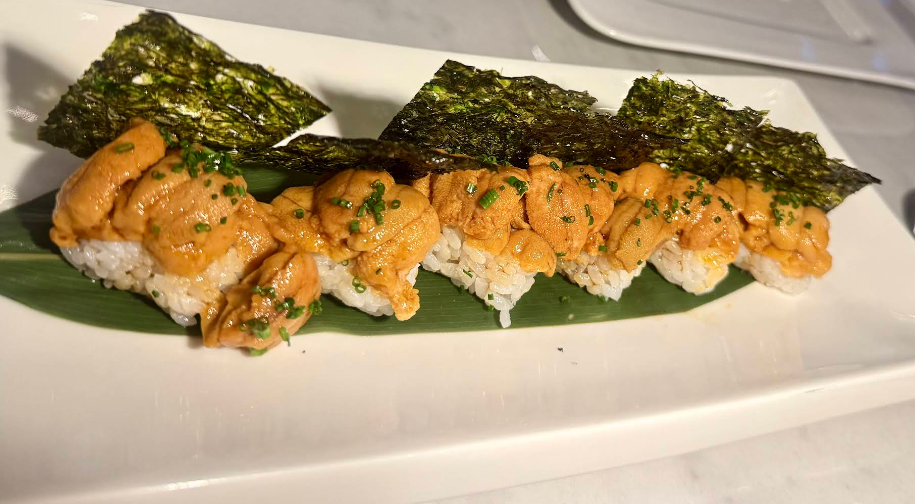
NoriFish has built buzz in the Atlanta area by offering both omakase style dining and izakaya energy. The restaurant’s own site features customer praise for fresh fish and presentation. It is a good fit for diners who want more than basic rolls but do not necessarily want a stiff fine dining room. The practical caveat is price: once you move into omakase or premium nigiri, this can climb quickly.
Hawaii: Sushi Sasabune, Honolulu
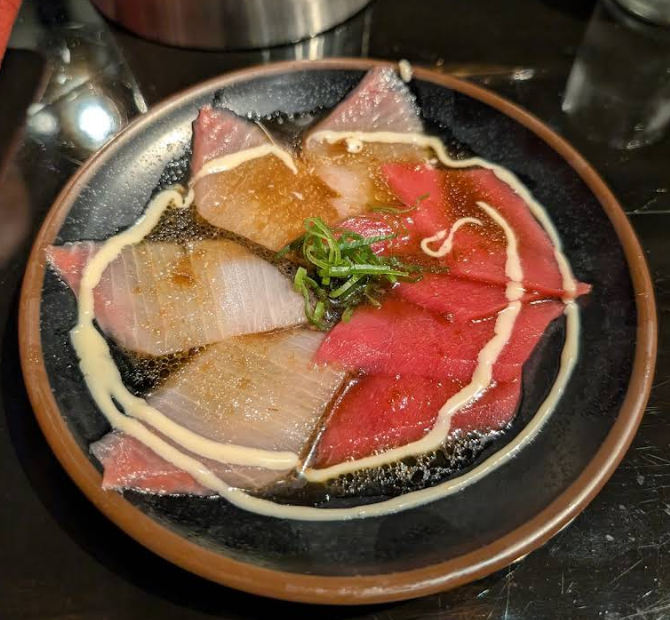
In Honolulu, Sushi Sasabune earns a place because diners looking for a serious chef led sushi experience often mention it with real affection. Review pages and local food writing point to omakase, quality seafood, and a more traditional “trust the chef” style. This place is better known for one memorable dinner where the meal itself is the event.
Sign up for our newsletter
Illinois: Kai Zan, Chicago
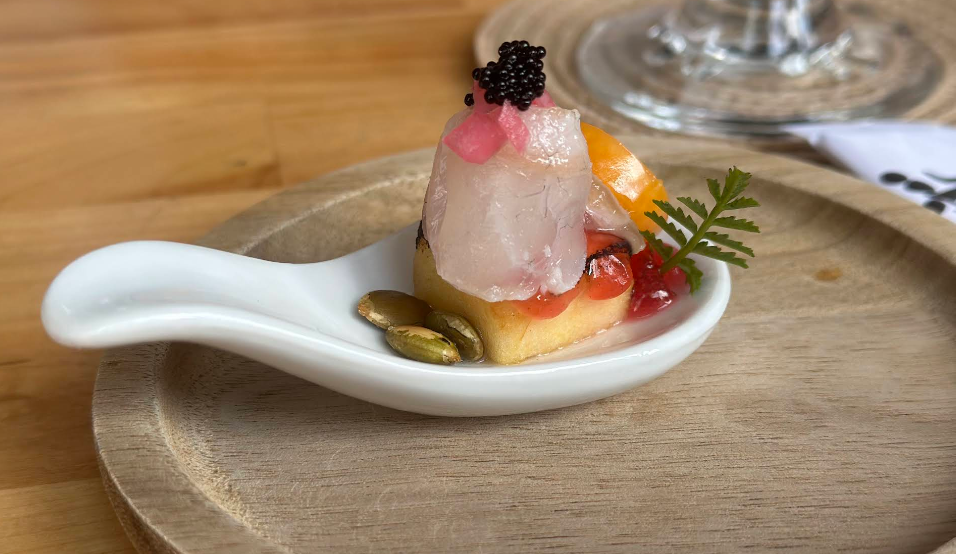
Kai Zan is a Chicago favorite for diners who want omakase creativity without the most intimidating luxury room feeling. Its own site describes a creative take on Japanese inspired food and omakase, while local and Reddit comments often praise the experience as a strong value compared with pricier tasting menus. The food can lean toward composed bites and small plates rather than a strictly traditional nigiri progression.
Massachusetts: O Ya, Boston
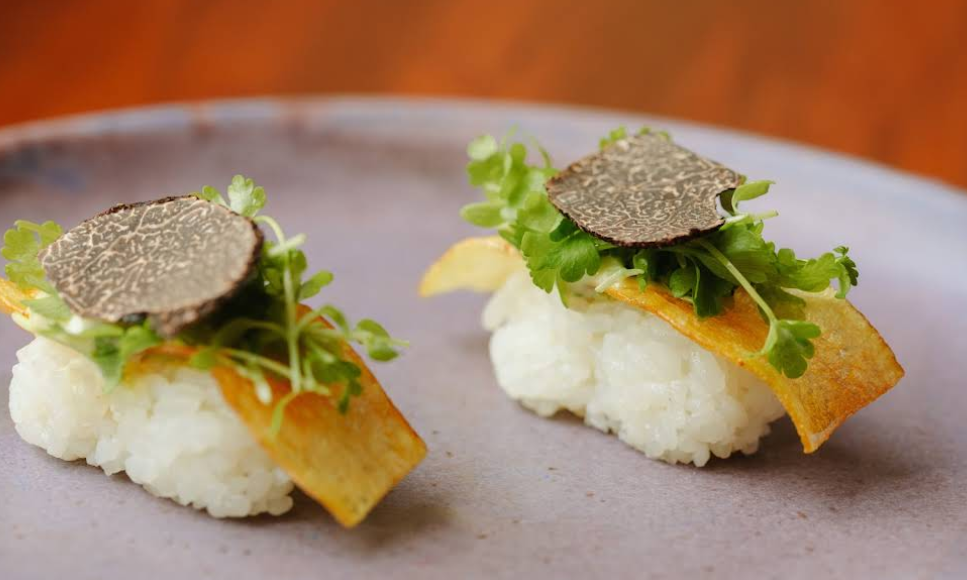
O Ya is more of a special-occasion omakase than a casual sushi stop, but the menu is the reason diners keep talking about it. The nightly chef’s choice tasting menu includes 20 courses with unique nigiri, sashimi, sushi, and cooked dishes, often using bold sauces, luxury touches, and unexpected flavor pairings. It is creative rather than traditional. The price is high, but for adventurous diners, the menu feels like the main event.
Michigan: Noble Fish, Clawson
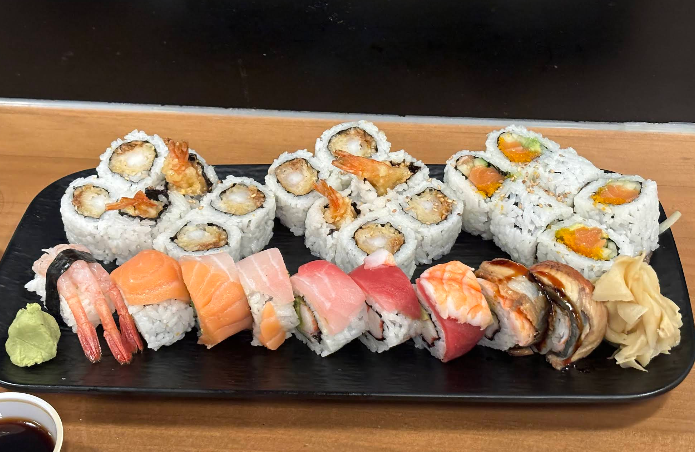
Noble Fish is part market, part sushi destination, and that setup gives it a less fussy, more practical feel than many high end sushi bars. The official site highlights longtime customers and fresh, simple sushi, while local discussions often mention good value and a familiar neighborhood feel. For Metro Detroit sushi fans, it remains one of the most recognizable names.
Nevada: Kabuto Edomae Sushi, Las Vegas
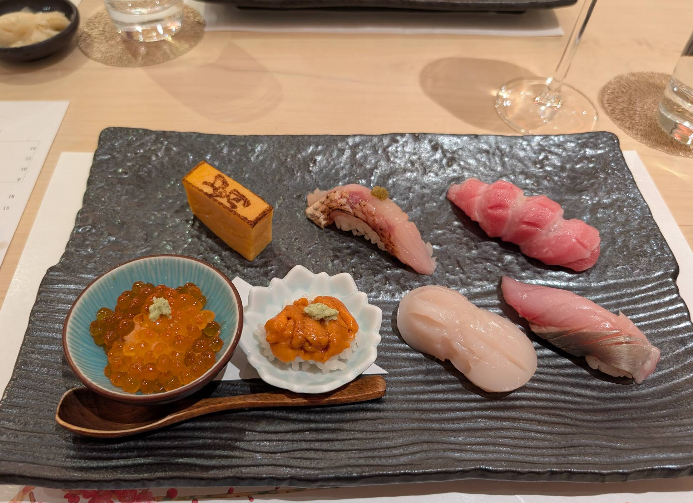
Kabuto is an intimate Edomae style sushi restaurant where diners go for omakase, careful rice, and traditional technique rather than casino flash. Reviewers often praise the fish and the quiet, focused counter experience. This is a smarter splurge than a louder Strip restaurant charging resort area prices for less precision. It is best for people who truly care about nigiri.
New Jersey: Sushi Palace, Multiple Locations
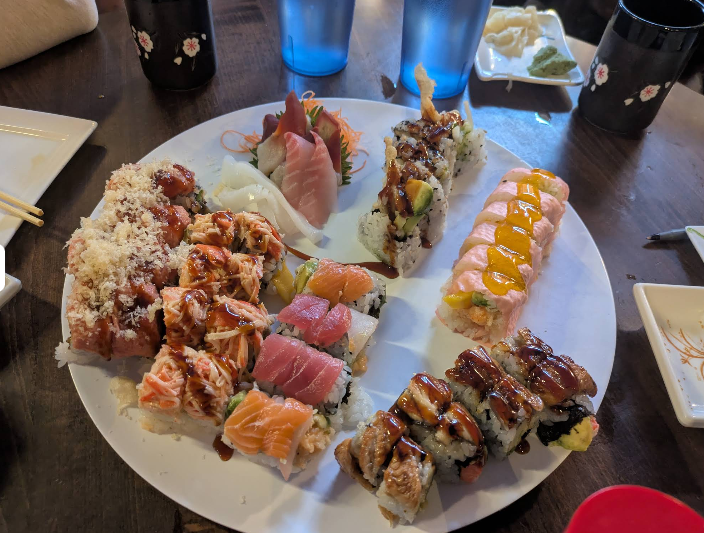
Sushi Palace is not trying to be a hushed omakase counter, and that is exactly why it fits this list. The draw is the all-you-can-eat format, made to order sushi, and enough variety to make groups happy. Review summaries for New Jersey locations mention quick service, good value, and a broad menu, though they also note crowded tables and a less refined atmosphere.
New York: Sushi Nakazawa, New York City
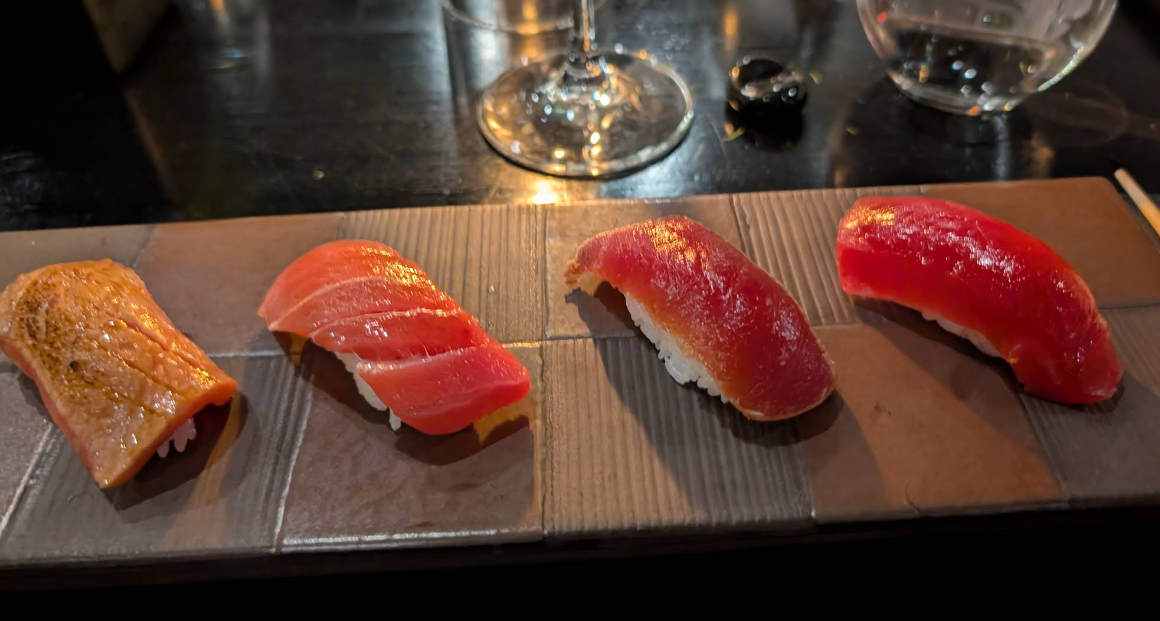
Sushi Nakazawa remains one of the better-known omakase names in New York, helped by Michelin recognition and national coverage. The Michelin Guide describes it as high-quality cooking with tender fish and carefully seasoned rice, while recent national lists still place it among the country’s major sushi destinations. The caveat is that some diners leave feeling the reputation raises expectations too high.
North Carolina: Waraji Japanese Restaurant, Raleigh
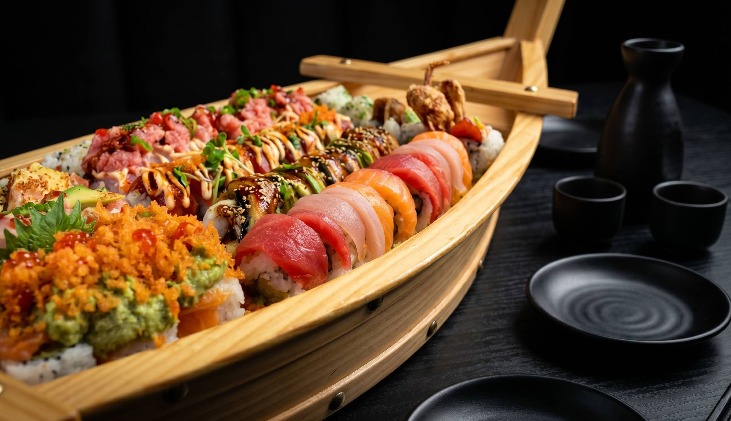
Waraji has the advantage of longevity, which matters when diners are choosing seafood far from the coast. The restaurant’s own site says many Triangle residents consider it among the area’s best and freshest sushi options, and review summaries praise fresh sushi, presentation, and the sake list. This is the kind of place that works for a date night, family dinner, or a more traditional sushi meal without the pressure of a luxury counter.
Oregon: Bamboo Sushi, Portland
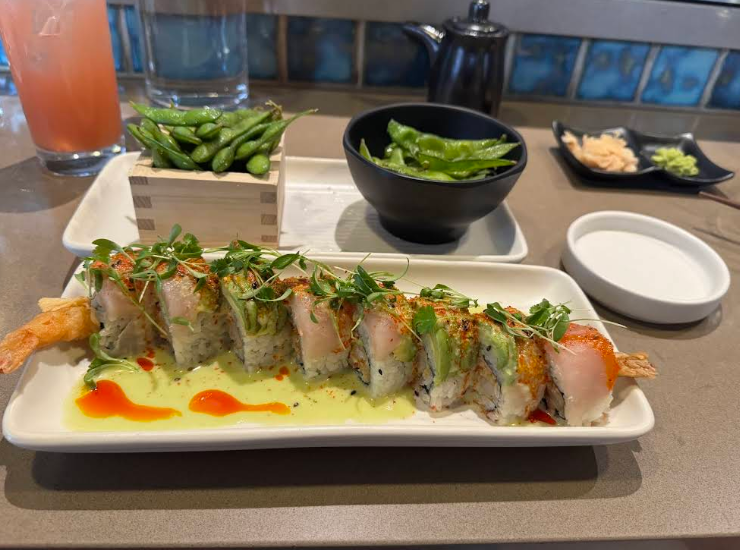
Bamboo Sushi stands out because it made sustainability part of the sushi conversation before that became standard restaurant language. The company says it became the world’s first certified sustainable sushi restaurant in 2008 and continues to emphasize responsible sourcing. This is a good pick for people who care about where the fish comes from as much as how it tastes.
Pennsylvania: Morimoto, Philadelphia
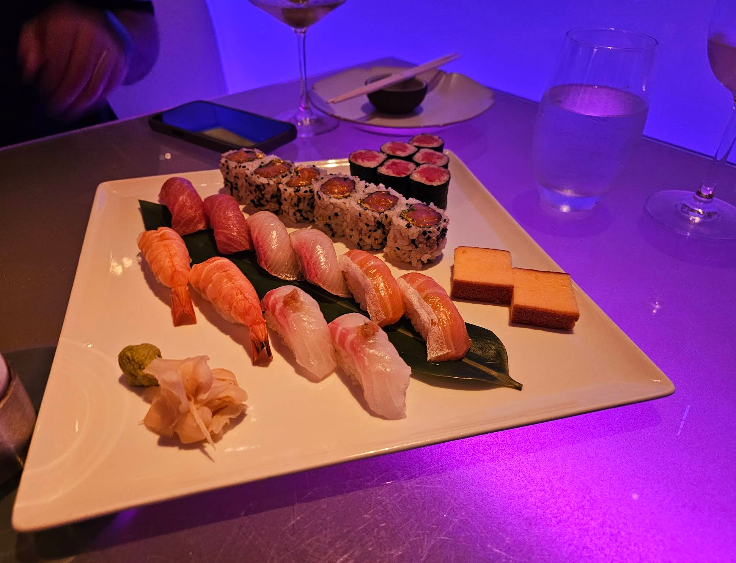
Morimoto is a Philadelphia name with national recognition. The official site describes Japanese technique with global influences, including sushi, sashimi, and a non-traditional omakase experience. Review summaries praise the atmosphere, service, cocktails, and showy dishes, which makes it a strong pick for birthdays or visitors. The downside is that the bill can rise quickly, especially with tasting menus, drinks, and premium items.
Texas: Uchi, Austin
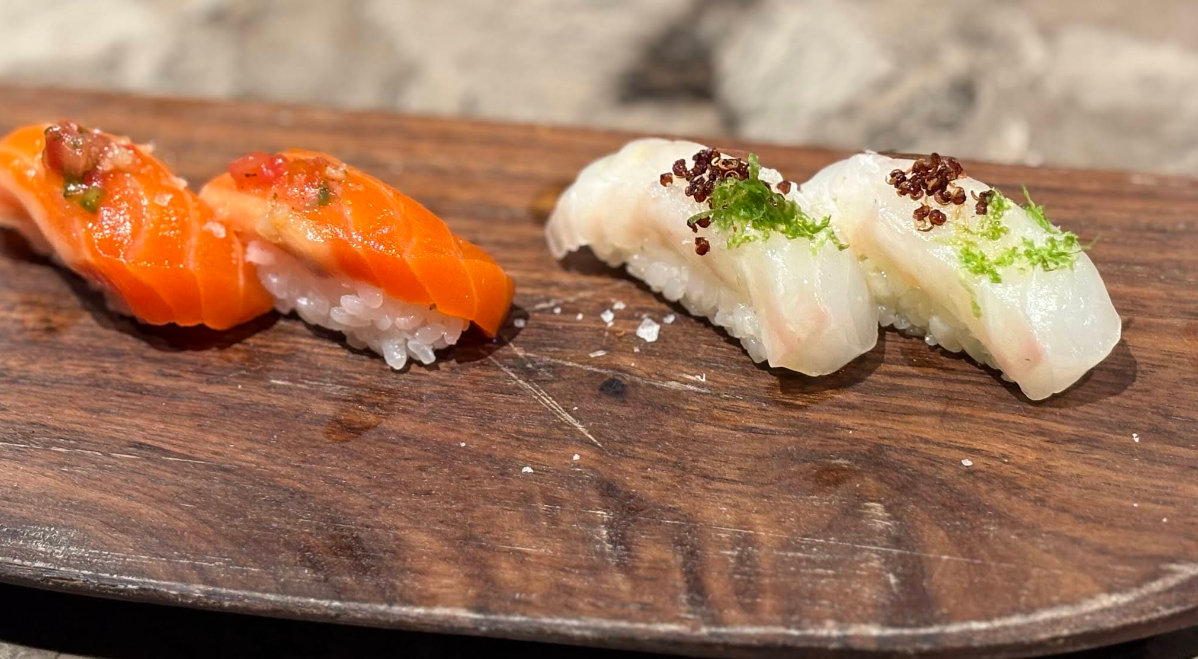
Uchi helped make Austin a serious sushi city, and it still draws diners who want a meal that feels inventive rather than predictable. The restaurant’s official site connects Uchi to James Beard Award-winning chef Tyson Cole and describes a nontraditional Japanese approach with tastings, seasonal omakase, and careful service. For value-minded readers, the smartest move is often happy hour or ordering a few signature bites instead of treating the whole menu like a blank check.
Washington: Sushi Kashiba, Seattle
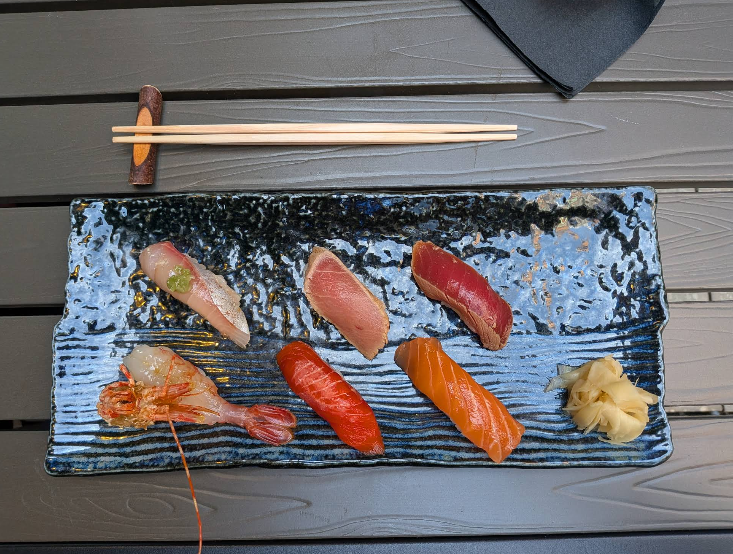
Sushi Kashiba has the kind of backstory that gives a restaurant real weight. Chef Shiro Kashiba helped shape Seattle’s sushi culture, and Bon Appetit has highlighted both his history and the restaurant’s connection to Pike Place Market seafood. Diners often praise the omakase and counter experience. The Infatuation has noted that ordering a la carte or choosing a set can be a more manageable way in. For readers visiting Seattle, it is a strong splurge if they care about craft, history, and local seafood.
Connecticut: Miku Sushi, Greenwich
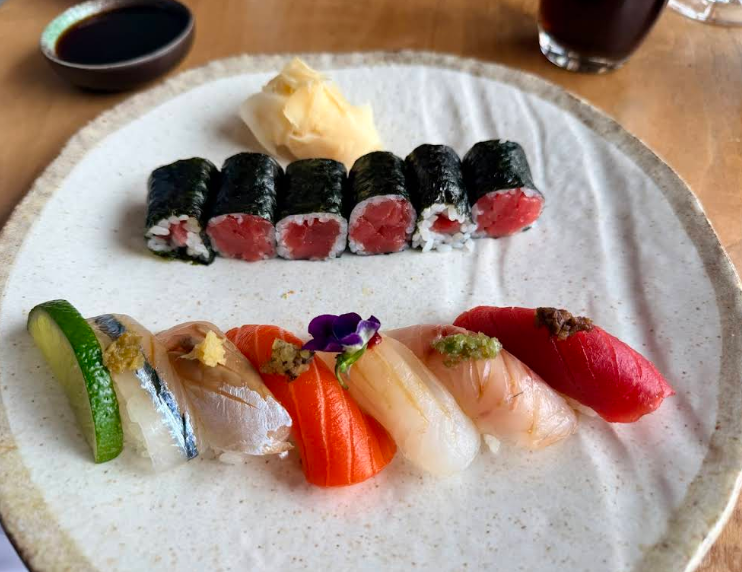
Miku Sushi is a strong Connecticut add for readers who want sushi that feels polished without being only about omakase. The menu covers classic rolls, sashimi, sushi platters, noodle and rice dishes, plus flashier specialty rolls like the Greenwich Roll with toro, avocado, and seared spicy lobster salad. The restaurant also notes vegan and gluten-free options, which makes it useful for mixed groups.
Good sushi is about more than a beautiful plate. For many diners, the real test is whether a restaurant feels reliable enough to return to again and again. These picks show that the best sushi restaurants can be found in big cities, quiet suburbs, and unexpected places, as long as the fish is fresh, the service is steady, and the meal feels worth it.