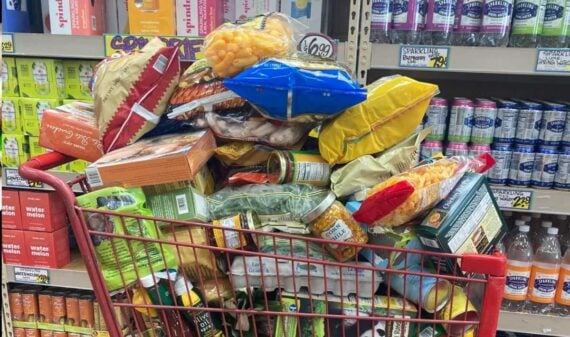
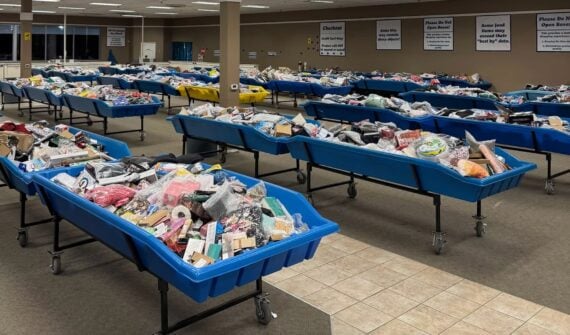
A peculiar type of store is popping up on random corners across the country. These places aren’t much to look at and lack the appeal of your average retail shop — bare bones, with oversized bins filled to the brim with odds and ends and signs showing prices that vary from 25 cents to $10.
Still, you’ll find they’re packed with crowds swarming the bins looking for something worth grabbing. They’re called bargain bin stores and are a byproduct of capitalism and the overproduction that comes with it. So are they worth visiting? We took a closer look.
What Are Bargain Bin Stores?
Bin stores buy truckloads of overstock from big-box retailers, returned items from online sellers like Amazon, and liquidation goods from bankruptcies for pennies on the dollar, then resell it all dirt cheap. It’s a decent way to stop giant retailers from letting all the crap they made (and that nobody asked for) pile up and rot in landfills. It also lets people buy things that would normally cost umpteen times more in regular stores.
If you’re familiar with Goodwill Bins, officially known as Goodwill Outlet Stores, it’s a similar concept — except Goodwill sells unsold items from its own stores.
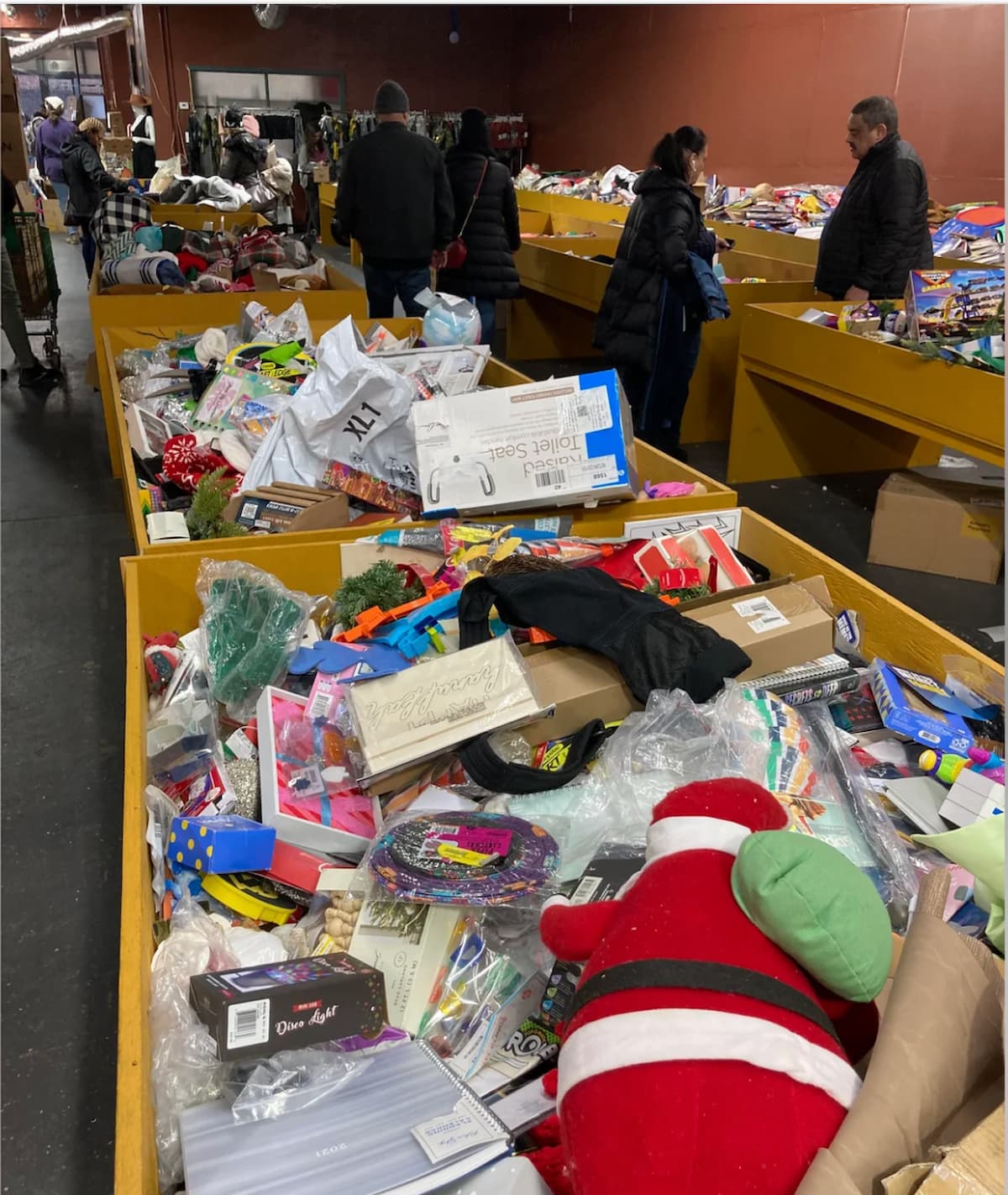
“It’s basically Goodwill Bins, but with new stuff,” said one user on Reddit, referring to one of their local bin stores. “The store is divided into $5/$3/$1 sections. I bought a new phone case, new chargers, wrapping paper, a planner and some things for work. The value of these things new would have been $75+. A $35 phone case brand new sitting in a bin for $1 because capitalism.”
People are flocking to these increasingly popular stores for two reasons: You can buy majorly discounted products, and it’s a clear visual indictor of how much massive retailers — looking at you, Amazon — overcharge for cheaply made stuff while tossing the rest.
“I shop at bin stores a lot. You can find real good stuff for very very cheap. It’s really changed my perspective on how much goods are sold for vs what their actual cost to make is. It’s really crazy,” said one Redditor. “The lesson to take from bin stores is there can be solutions to capitalist problems. They’re also good for visualizing the scope of the problem. Bin stores are the last line. From here it goes to the trash. “
Another added: “I think everyone who uses Amazon should have to go to one of the in person stores, I’ve been to one, and wow. It was depressing to realize that I was looking at just a tiny percentage of the overall waste of Amazon.”
What Can You Find in a Regular Bargain Bin Store?
Everything you can think of, and then some. These stores buy pallets of miscellaneous merchandise, from food and clothes to furniture, tech gadgets, and even name-brand laptops. The only thing you’ll need is patience to dive through piles of random stuff.
“I use these stores mainly for the food. I get amazing deals all the time. 12 pack of Quest bars for $3, cereal boxes for $1, definitely saved me a lot of money compared to supermarkets,” said one user on Reddit.
“We had one near us that was mostly Target brand stuff,” added another. “I went once in a while and mainly got clothes, but I think these stores are great for people who can’t afford to shop in regular stores where prices keep going up. They are great for parents with smaller kids, especially for clothes, toys, and shoes.”
Where Can You Find a Great Deal?
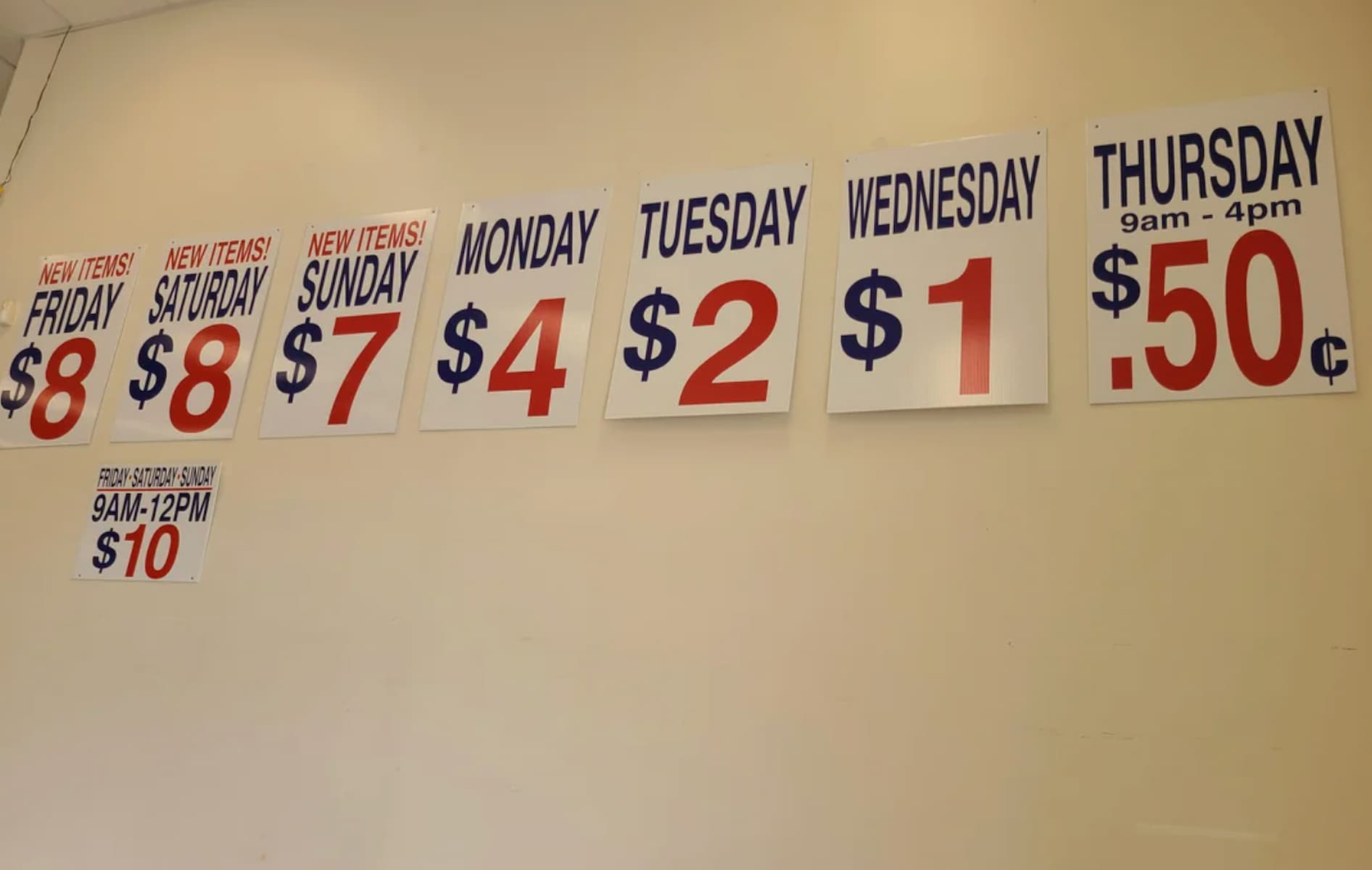
Depending on the store and its pricing strategy, you can find great deals every day of the week. Some popular bin store chains like Where Ya Bin follow a weekly markdown cycle where prices start at $10 on Fridays and drop to as low as $0.25 by Thursday.
“This is so the bins can be emptied entirely and fully restocked with updated merchandise the following week,” reads the Where Ya Bin website.
But not every good deal comes with a recognizable name. Plenty of local bin stores fly under the radar, and they often have just as good — if not better — finds. You won’t always see them online or neatly branded, but if you’re willing to dig a little, that’s usually where the real deals are.
Are Bin Stores Actually a Good Idea?
The core idea behind these “last chance before it goes to the landfill” stores sounds like a fix for America’s messy relationship with consumption. But according to critics, bin stores may just be feeding the same overconsumption problem they claim to solve.
“I mean, sure, you can probably get a great deal, but to me, this is indicative of our trash retail problem,” pointed out one user on Reddit. “Corporate buyers sign up for this junk, which gets made with cheap materials and low-wage labor in a foreign country, where it has to be shipped and trucked to retailers all over the country, where it’s stocked by more low-wage laborers, then it sits on the shelves unsold, then they have to take it down, box it up, truck it to these bin stores, where they have to then sell it to people and, if they can’t, they then have to truck it to landfills to rot.”
Phew.
Another side effect (though not really the store’s problem) is that people grab these whatchamacallits for cheap and flip them on eBay or Etsy for more. If they’re not purchased, they potentially end up in landfills all the same.
Do you frequent a bin store? Do you think they’re worth it? Let us know in the comments.
More From Cheapism
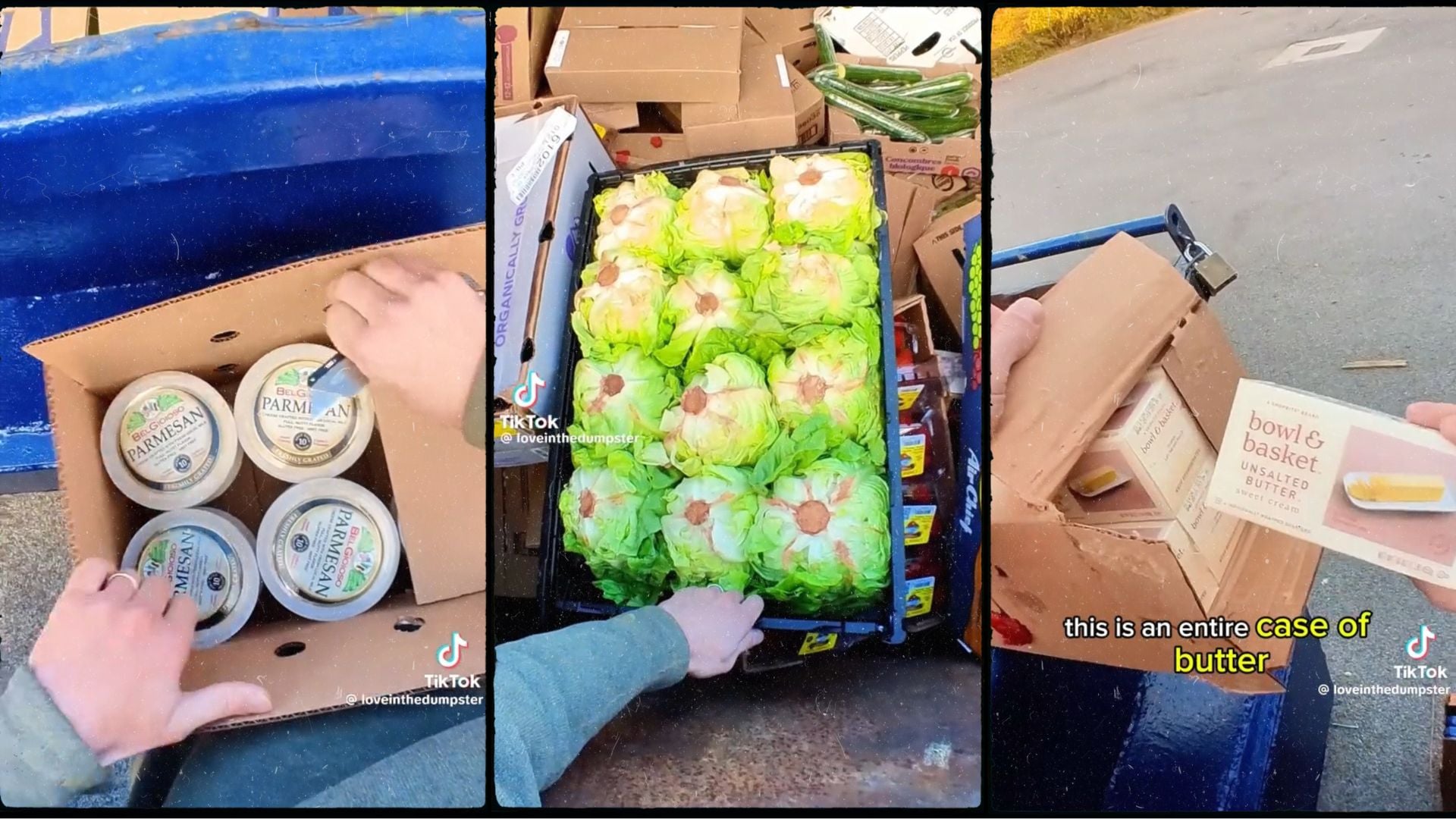
- TikToker Finds $1K Worth of Groceries in a Dumpster — Americans are skipping the front door of the grocery store and going straight to the dumpster.
- Walmart Accused of Overcharging for Meat in Viral TikToks — Next time you’re buying packaged meat by the pound at Walmart, you may want to weigh it before you buy it to avoid being overcharged.
- TikToker Shares Clever Hack to Make Food Pantry Meal Kits for Donating — One TikTok user puts together affordable food pantry meal kits so families can use them to create a complete meal. Here’s how she does it.