
“Boomers” are people currently aged roughly 60 to 80, placing them at retirement age. Having lived through the decades, they possess the experience of weathering numerous economic and social shocks. Right now, they are being forced to cut back on food, switch brands, and delay replacing certain appliances due to a lack of funds, as indicated by Pew Research Center, the U.S. Bureau of Labor Statistics, and YouGov. Boomers saving money is becoming a necessity as we’ll reveal the products they are deciding not to buy at 2026 prices!
Full-Service Restaurant Meals
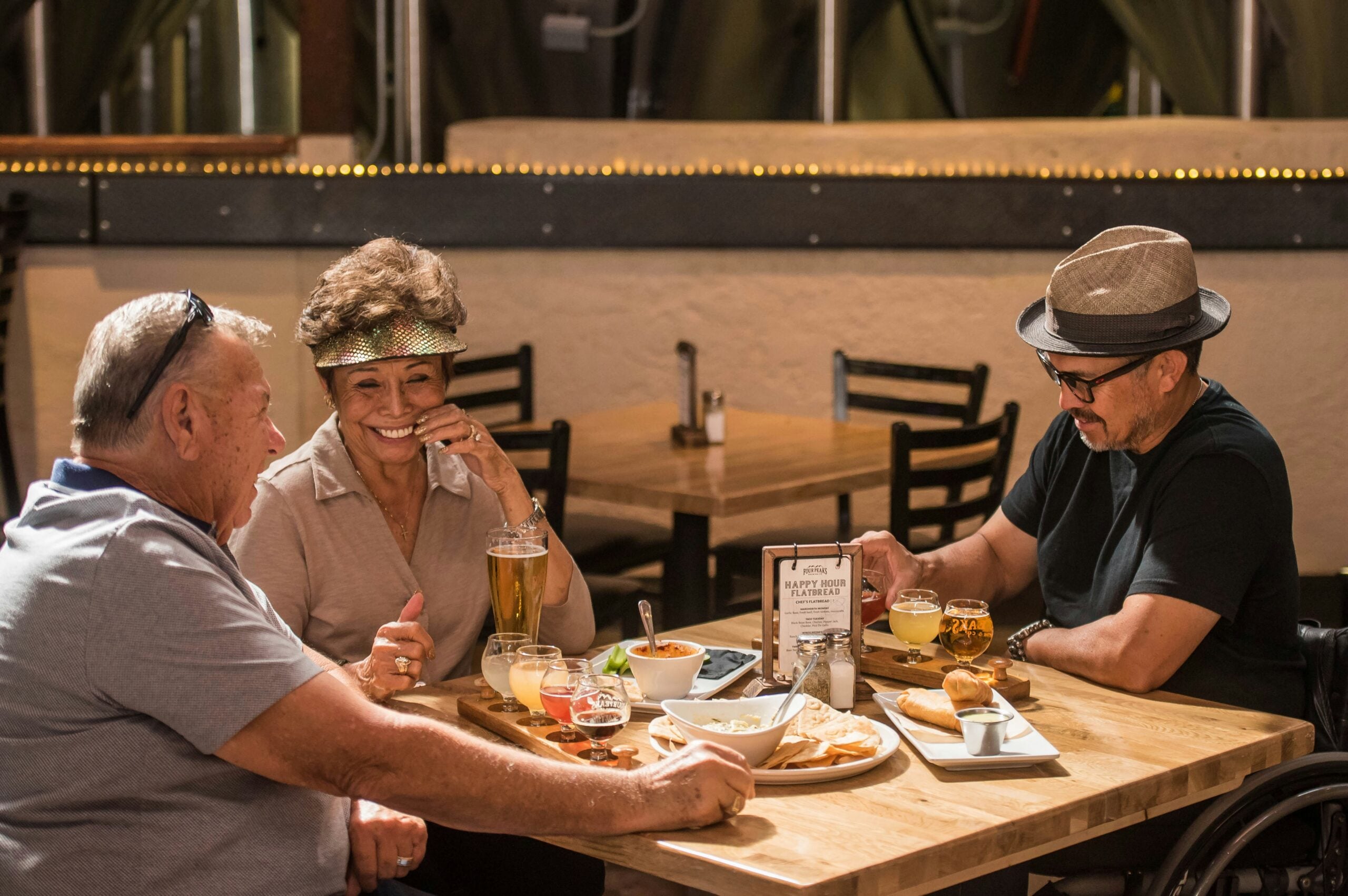
As restaurant prices have risen, adults aged 60 and older have decided to cut back on dining out, noting that eating at home will save them a significant amount of money. Also, final bills usually include tips, drinks, taxes and service fees, making it feel like a special-occasion purchase. U.S. restaurant menu prices are up 3.4% compared to the same time last year, according to data from the U.S. Bureau of Labor Statistics. Boomers saving money has become a priority.
Takeout and Delivery Meals

The delivery cost includes service fees, delivery charges, menu markups, and tips for the delivery person, all of which drive up the final price. For this age group, it is far better to keep meal bundles in the freezer and grab one of those, as Boomers saving money means spending much less on meals. Data from YouGov revealed that 90% of baby boomers do not use food delivery apps on a regular weekly basis.
Premium Cuts of Beef
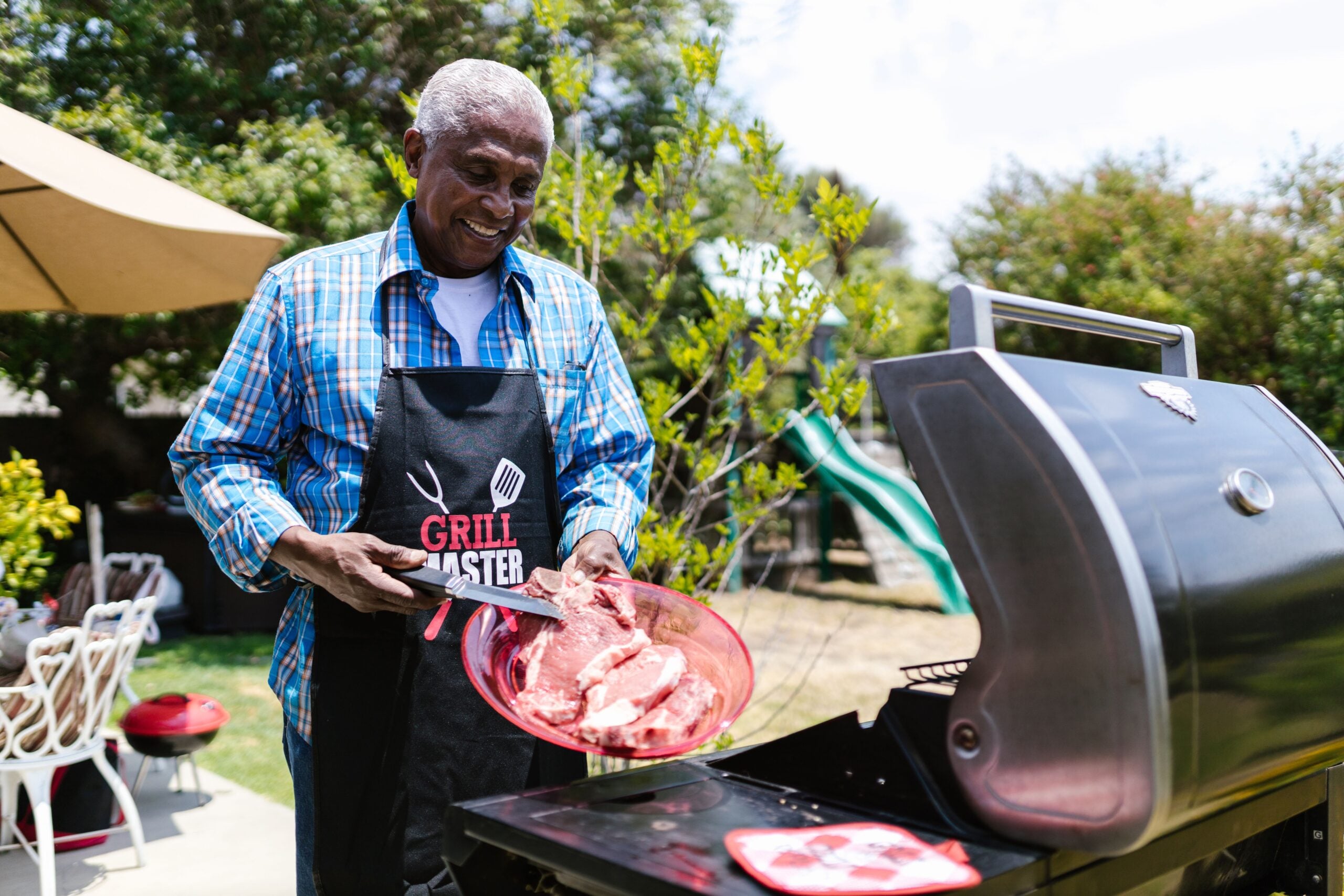
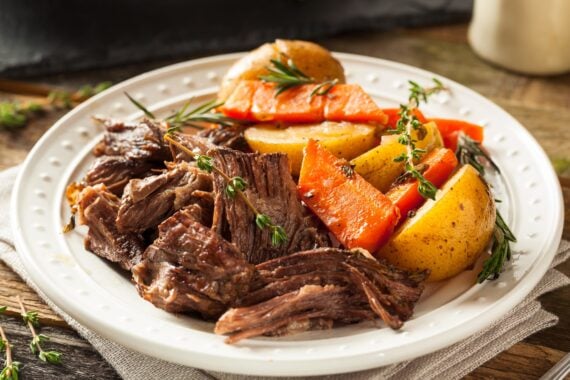
Premium steaks are particularly easy to postpone because you have less expensive cuts that can give you some sort of the same taste, like ground beef, poultry, pork, eggs, and beans, and at a lower cost. The variant that these older adults choose is taking home smaller steak portions paired with additional vegetables or potatoes, to complete a full meal. According to AARP research, more than 4 in 10 adults aged 50 and older state that grocery stores have risen beyond what they can afford.
Organic and Specialty Groceries
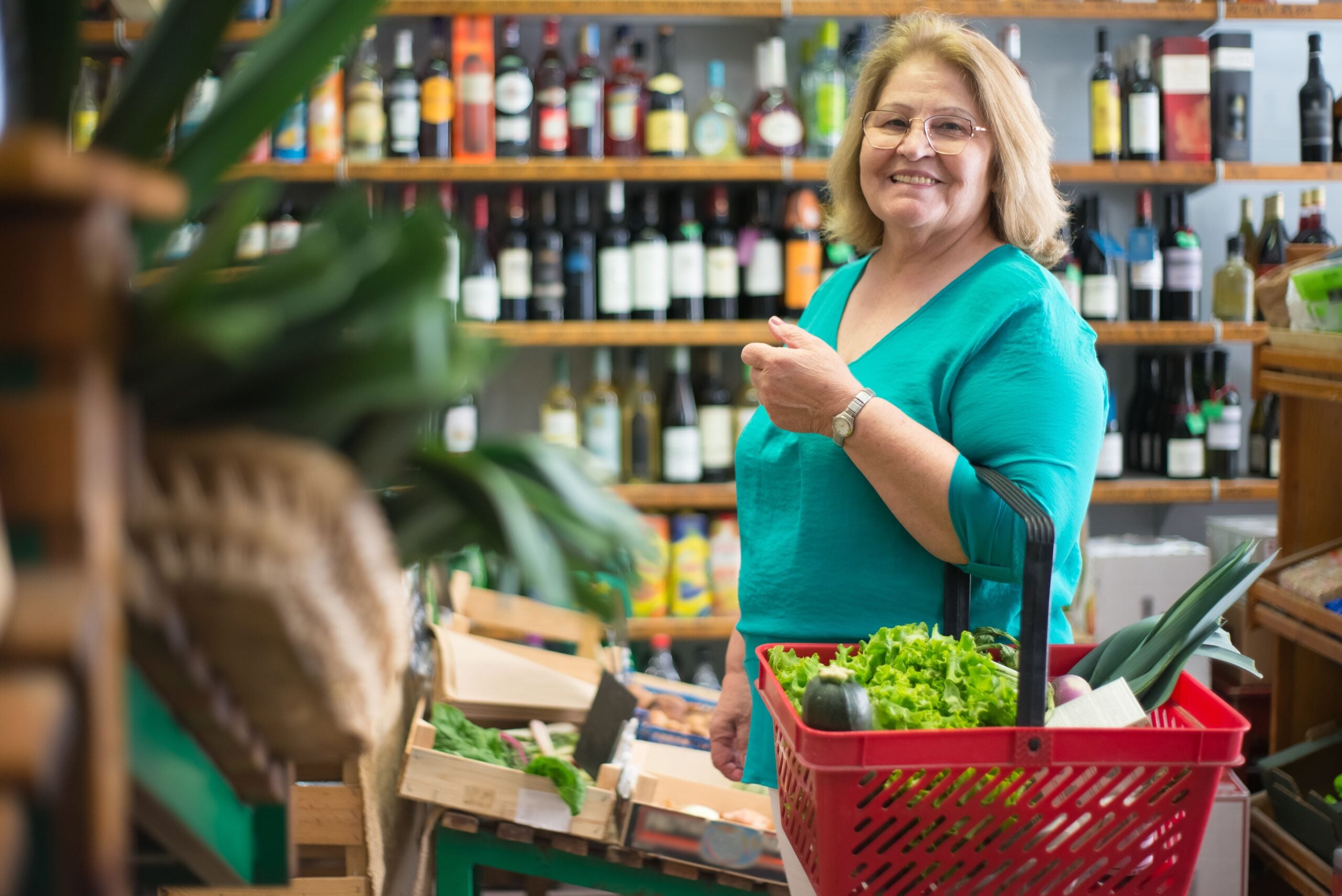
The difference between conventional and premium products becomes harder to justify when the entire grocery bill is already elevated, which is why Boomers saving money means opting for seasonal produce, products discounted near their sell-by dates or they get some domestic cheeses that are cheaper. The AARP specifically identified organic products, specialty cheese, premium meat, and other upgraded foods as areas where consumers are making concessions.
Name-Brand Pantry Staples
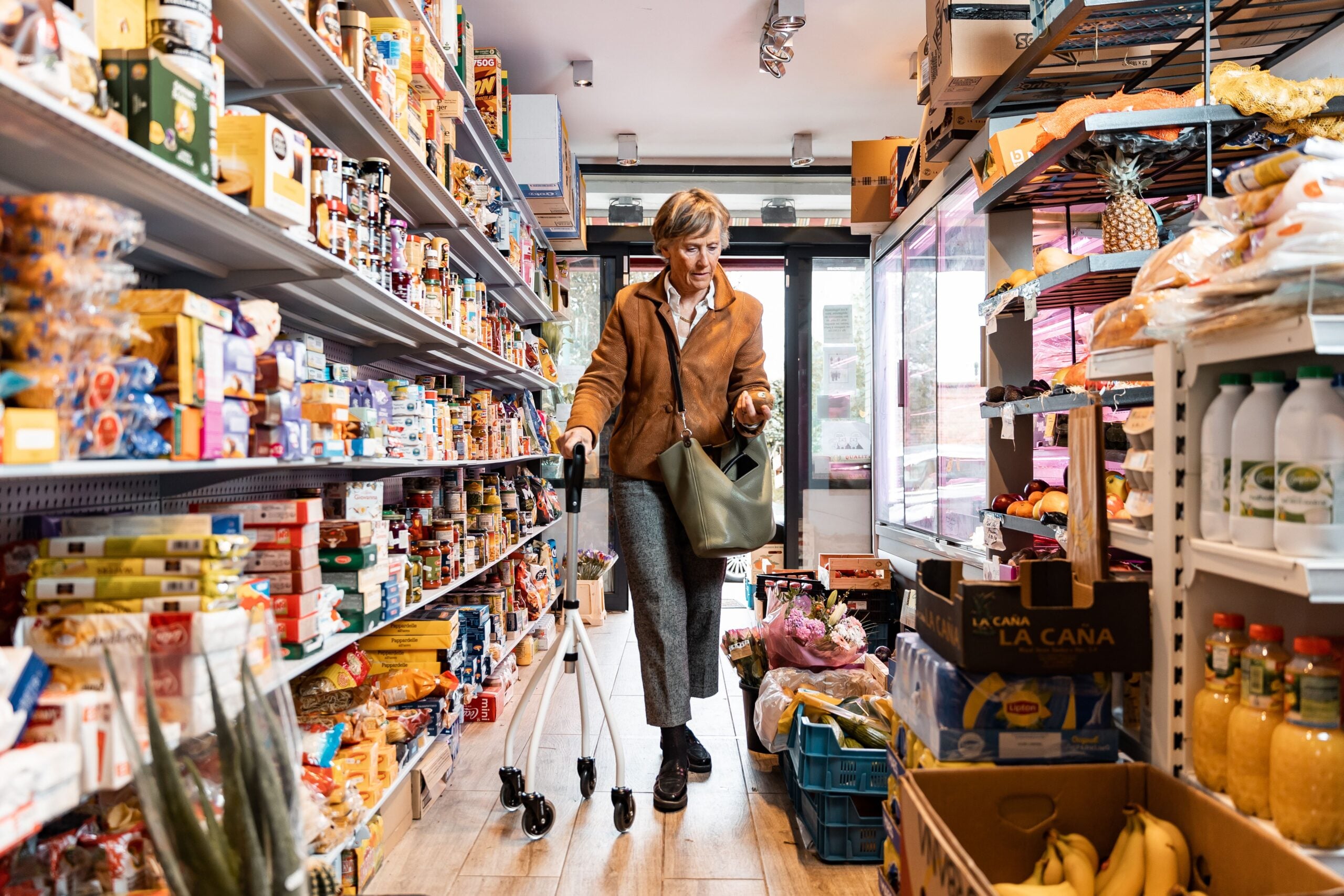
Boomers have had to turn to the supermarket’s own private-label products, which tend to be the cheapest compared to national and international brands, due to economic pressures. This is especially true given that many store-brand staples are manufactured to similar specifications, allowing for easy savings. Sometimes, even with a coupon the discounted national brand still costs more than the regular store brand.
Trending on Cheapism

Impulse Snacks and Grocery-Store Treats

Boomers are better than younger people at curbing impulse purchases, such as snacks, desserts, baked goods, and items found at the checkout counter. If you were to tally up everything spent on these products over the course of a month, it would add up to several hundred dollars. An increasing number of people are arriving at the supermarket with a list. The AARP indicates that strict list-making helps avoid costly impulse buys and support Boomers saving money.
Brand-New Cars

When you buy a new car, you have to add sales tax, registration, insurance, and the immediate depreciation that occurs once you drive it off the lot. At the same time, many Boomers may not drive their cars daily, so they are unlikely to see the point of paying for a necessary repair, one that could be postponed, on a vehicle that is still running, helping with Boomers saving money.
Furniture Bought at Full Price

Furniture is difficult to replace because, as long as you can still sit on a sofa, the decor stays on the wall, or the accessory serves its purpose, you are unlikely to swap it out. You might delay replacing it to avoid paying for delivery, assembly, and insurance against damage. For these reasons, the final price can end up being much higher than the initial figure, making Boomers saving money a practical choice.
Sign up for our newsletter
Decorative Home Accessories
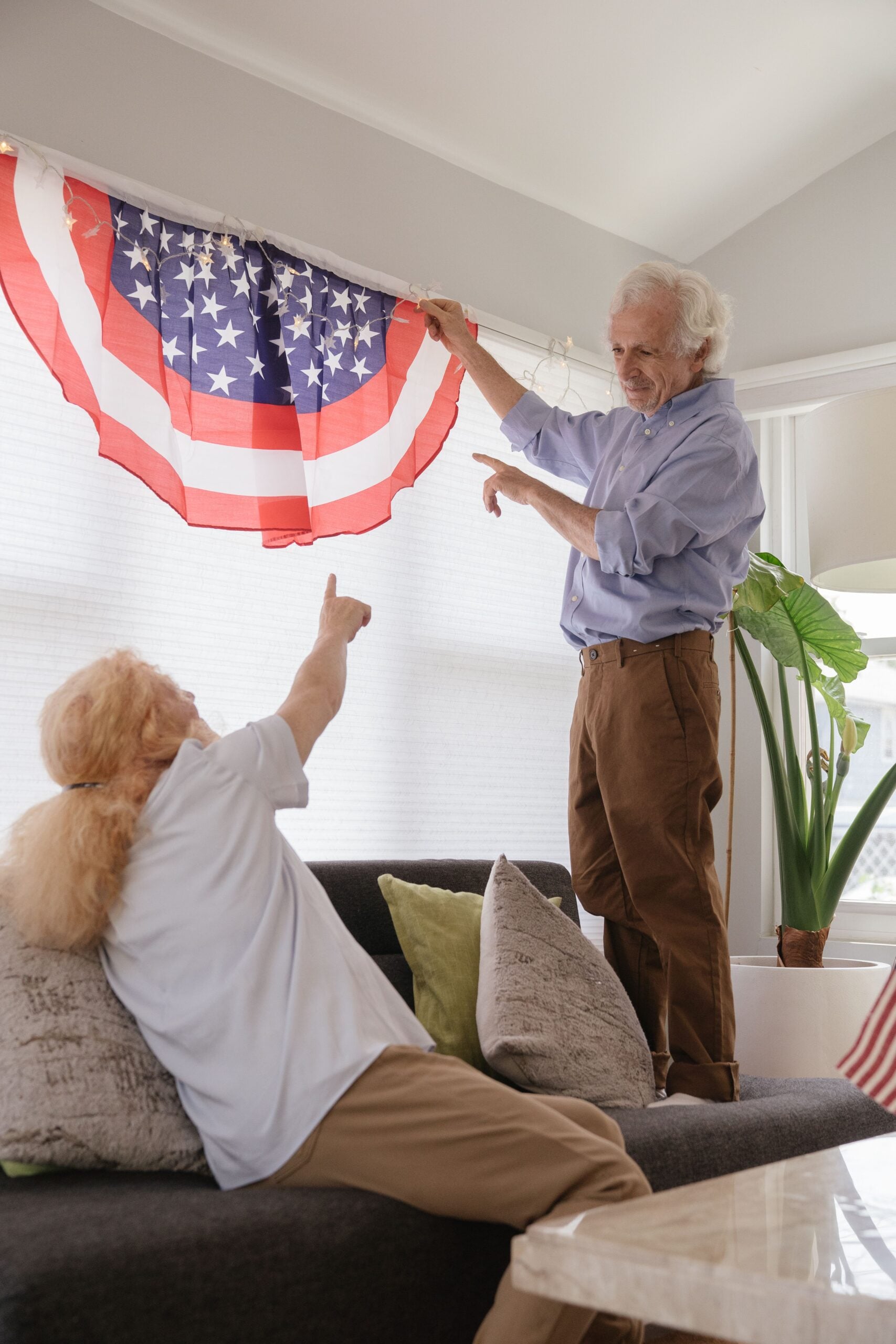
Home décor items are often the first things people decide not to spend money on. Whether it is seasonal displays, decorative pillows, wall art, or tabletop accessories, it is easy to forgo them. Furthermore, many Boomers dislike having their homes cluttered with unnecessary items. By not buying decorative accessories, they avoid accumulation. Despite this, a survey conducted by AARP mentioned that 42% of Boomers say their discretionary spending negatively affects their savings, encouraging Boomers saving money.
Expensive Jewelry and Accessories

Jewelry and accessories emerged as the category where consumers expressed a strong intention to spend less in 2026, leading them to focus more on resale value. For Boomers, the appeal of jewelry lies in the prospect of having more money available during retirement, helping to alleviate that underlying financial concern. The Jeweller Magazine revealed that 55% of Millennials have purchased jewelry in a period of 12 months in comparison to 33% of Boomers, reinforcing Boomers saving money.
Multiple Streaming Subscriptions at The Same Time

Baby Boomers don’t need to pay for multiple streaming subscriptions at the same time. When they were young, many of them grew up with only a few television channels available. Nowadays, they don’t need hundreds of them for entertainment. Pew Research stated that 65% of adults 65 and older mentioned ever watching programming on streaming devices, such as Netflix, Disney+, or Amazon Prime Video, making Boomers saving money easier by limiting subscriptions.
Traditional Cable Packages With Hundreds of Channels

Cable TV is more common in households with older adults than in those of younger people, although the overall trend is toward watching less traditional television and more streaming content. Boomers often wait for promotional rates rather than paying the full annual price, or they opt for a basic cable package, as the combined costs of cable and streaming services represent a significant expense. Pew Research mentioned that 64% of adults ages 65 and older are subscribing to cable or satellite TV, compared with 44% of adults aged 50 to 64.
High-Priced Concert and Events Tickets

Tickets for the most in-demand concerts averaged $37 in 1985, but by 2024, the average price had risen to $92, according to AARP. Pricing is far more dynamic than in the past, so Boomers might consider attending such events a waste of money. They might, however, opt for a concert at a local theater featuring some of their favorite artists from their youth, another example of Boomers saving money.
Full-Price Clothing

Older adults may need less clothing because they are not going to work, or, if they do, the tasks involved do not typically require formal attire like suits and shirts. They may even already own some of these garments, having purchased them over the course of their lives. However, if they do need to buy a specific item, they tend to look for sales or use coupons to avoid paying full price, supporting Boomers saving money.
Daily Coffee-Shop Drinks and Other Paid Conveniences

Due to the limited purchasing power of many Americans resulting from the economic situation, the first expenses usually cut are non-essential ones, such as stopping at a shop for a coffee before heading to work. These are small expenses that, when added up, can amount to hundreds of dollars that could have been saved. The alternative for Boomers saving money is clear: make your coffee at home.
Big Vacations Bought Without Discounts or Flexibility
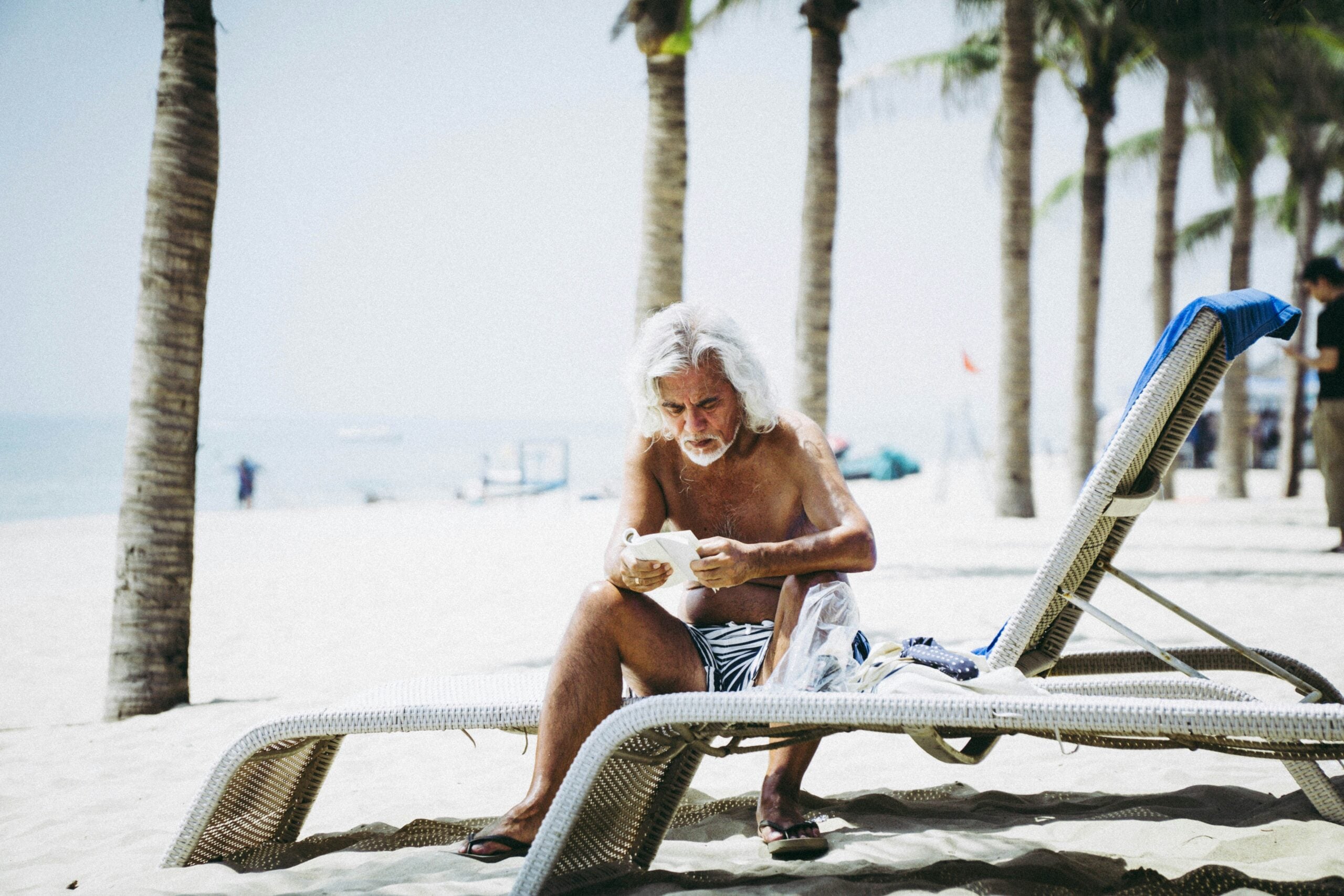
Another area where Boomers focus their attention when planning a vacation is finances. Their primary concern is preserving their savings to ensure a comfortable lifestyle for the rest of their lives or to cover unexpected medical expenses. Consequently, they prioritize this over taking lavish vacations. In general, Boomers forgo premium hotels and luxury restaurants in favor of a more moderate trip that still allows them to enjoy themselves, keeping Boomers saving money in mind.
Conclusion

The primary concern while Boomers saving money in their lives is ensuring they have enough money to avoid financial stress concerning food and healthcare for the remainder of their lives. At the same time, they do not entirely rule out spending on everyday indulgences, though they do seek ways to find lower prices on food and clothing, or affordable accommodation when traveling. They opt for product substitution rather than cutting out items completely, making decisions based on the wealth of experience they have accumulated.