A good trip does not have to mean chasing the trendiest city or paying peak-season prices. Some destinations are worth considering because they offer a mix of scenery, history, walkable streets, affordable meals, and enough to do without turning every day into an expensive production. With travel demand still strong, planning around shoulder seasons, transportation costs, and realistic daily spending can make a big difference. As the U.S. Travel Association has noted, travel remains a major part of how Americans spend their leisure time.
Mexico City, Mexico
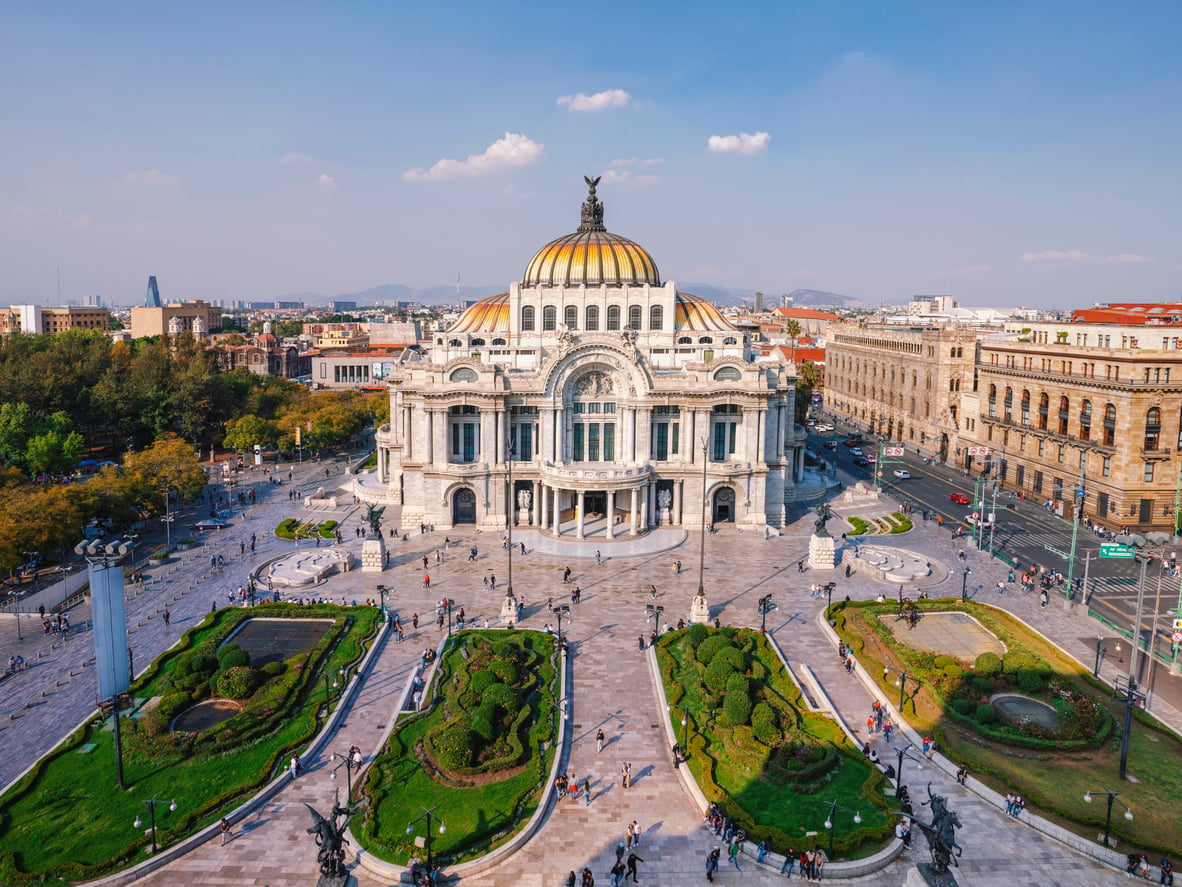
Mexico City can sound overwhelming: enormous, congested, and difficult to navigate. Travelers who explore it neighborhood by neighborhood often find leafy streets, major museums, markets, bakeries, parks, and food for many budgets. Chapultepec alone offers green space and several cultural attractions. The city’s size is still a drawback, and traffic can waste hours, so choosing a well-located hotel and planning each day by area can make the trip much easier.
Chicago, Illinois
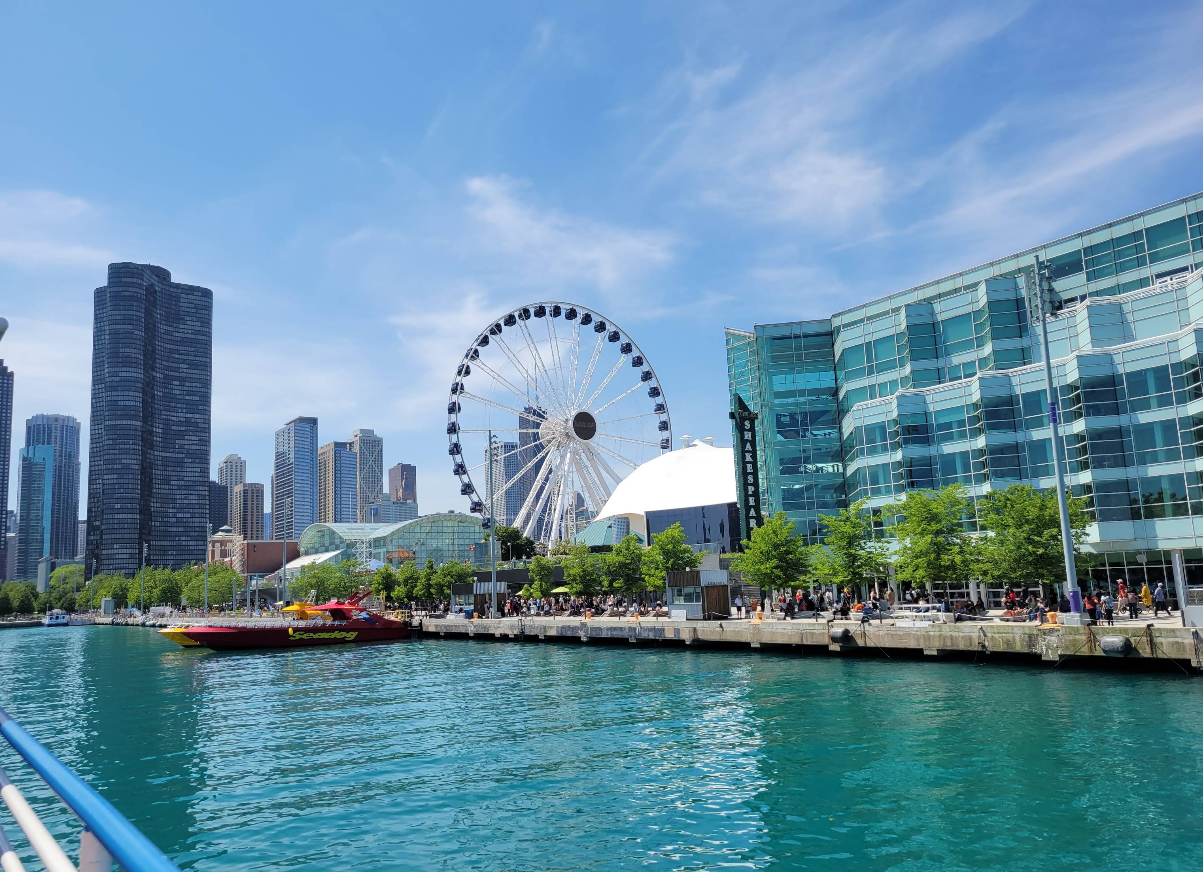
Some visitors expect Chicago to feel like a colder, less exciting version of New York. Lake Michigan quickly changes that impression, giving the city beaches, parks, trails, and broad waterfront views. Architecture cruises also surprise travelers who assume they will be dry or overly technical. Chicago can be expensive, and winter weather is serious, but its public spaces, museums, neighborhoods, and reliable transit make it feel more approachable than many first-time visitors expect.
Ottawa, Ontario
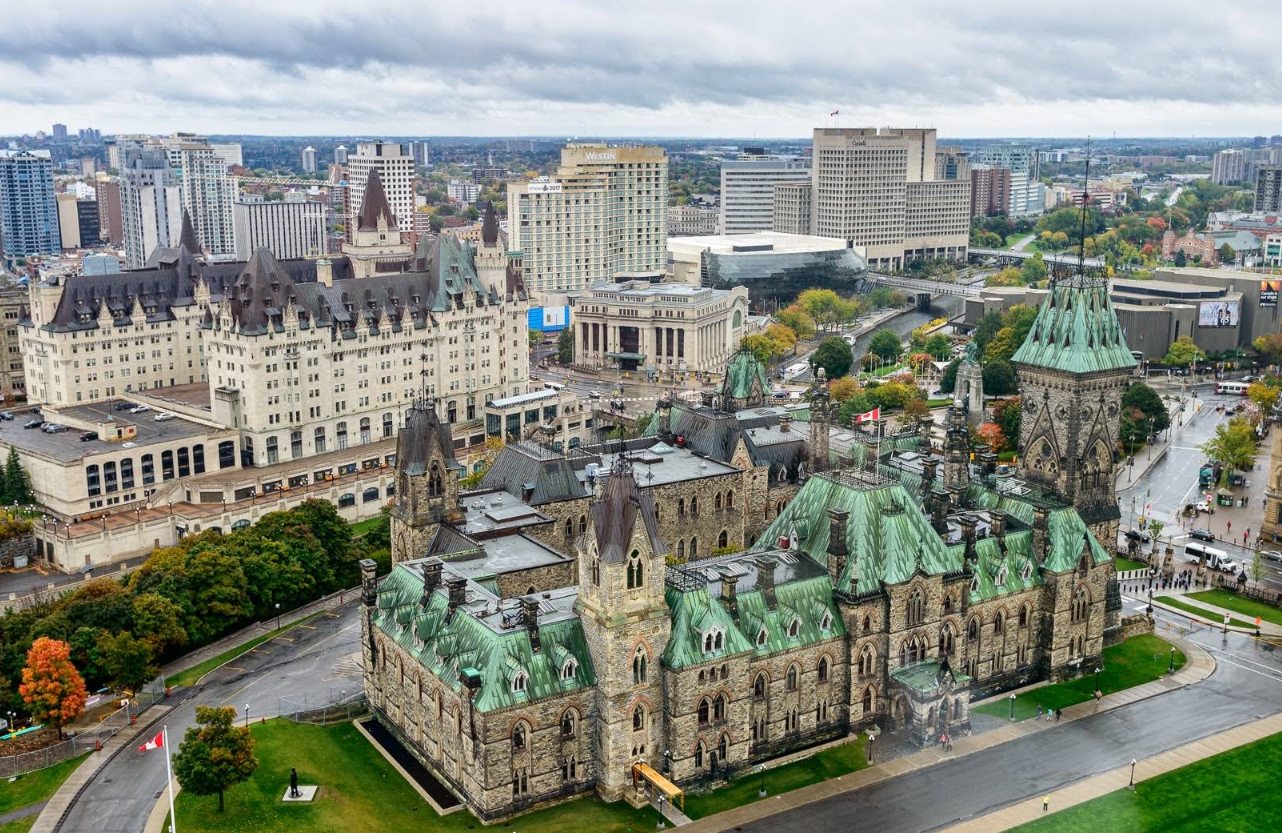
Ottawa is often dismissed as a sleepy government city, particularly compared with Toronto or Montreal. Travelers who prefer museums, walks, canals, and a slower pace may find it more enjoyable than expected. The Rideau Canal, Parliament area, riverside paths, and national museums are easy to combine without rushing. Ottawa may disappoint visitors looking for nonstop nightlife, and winter can be harsh, but its relaxed atmosphere is part of what wins many people over.
Pittsburgh, Pennsylvania
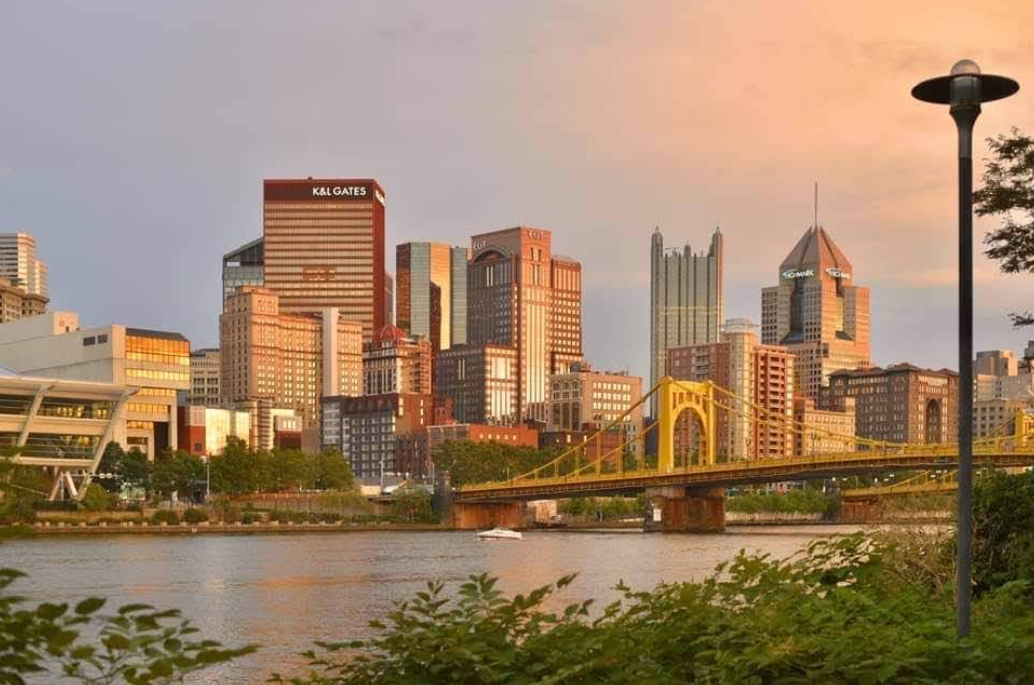
Pittsburgh still carries an outdated image of smoke, steel mills, and gray industrial streets. Visitors often discover a greener, hillier city shaped by rivers, bridges, steep neighborhoods, and dramatic viewpoints. Museums, historic districts, sports, and old industrial architecture provide plenty to explore. The hills can make walking harder than maps suggest, and some attractions are easier to reach by car, but the city feels far more distinctive than many travelers expect.
Detroit, Michigan
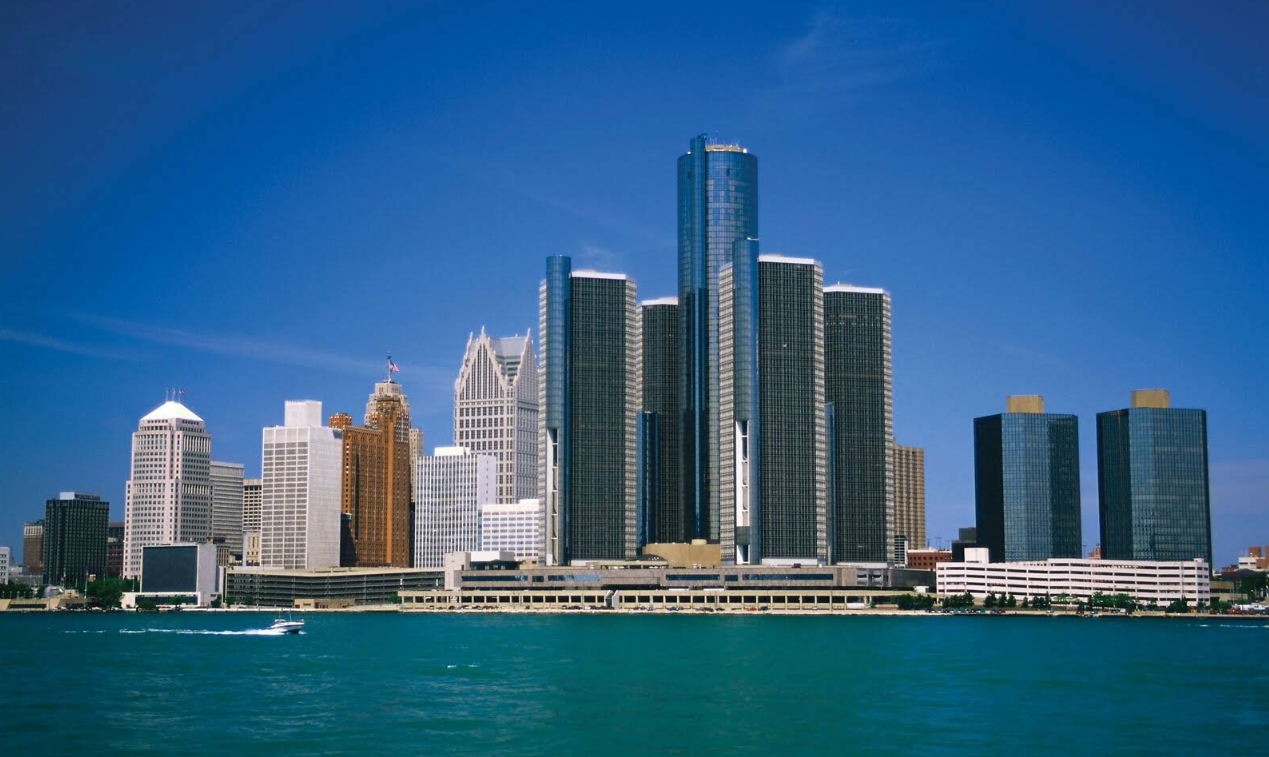
Detroit has long been reduced to images of abandoned buildings and economic decline. Travelers who explore more widely find major museums, music history, architecture, sports, markets, and a growing restaurant scene. The Detroit Institute of Arts and the city’s automotive and Motown heritage are especially strong draws. Conditions vary significantly by neighborhood, and public transportation is limited for some itineraries. Still, visitors often find far more culture and activity than they expected.
Trending on Cheapism

Kansas City, Missouri
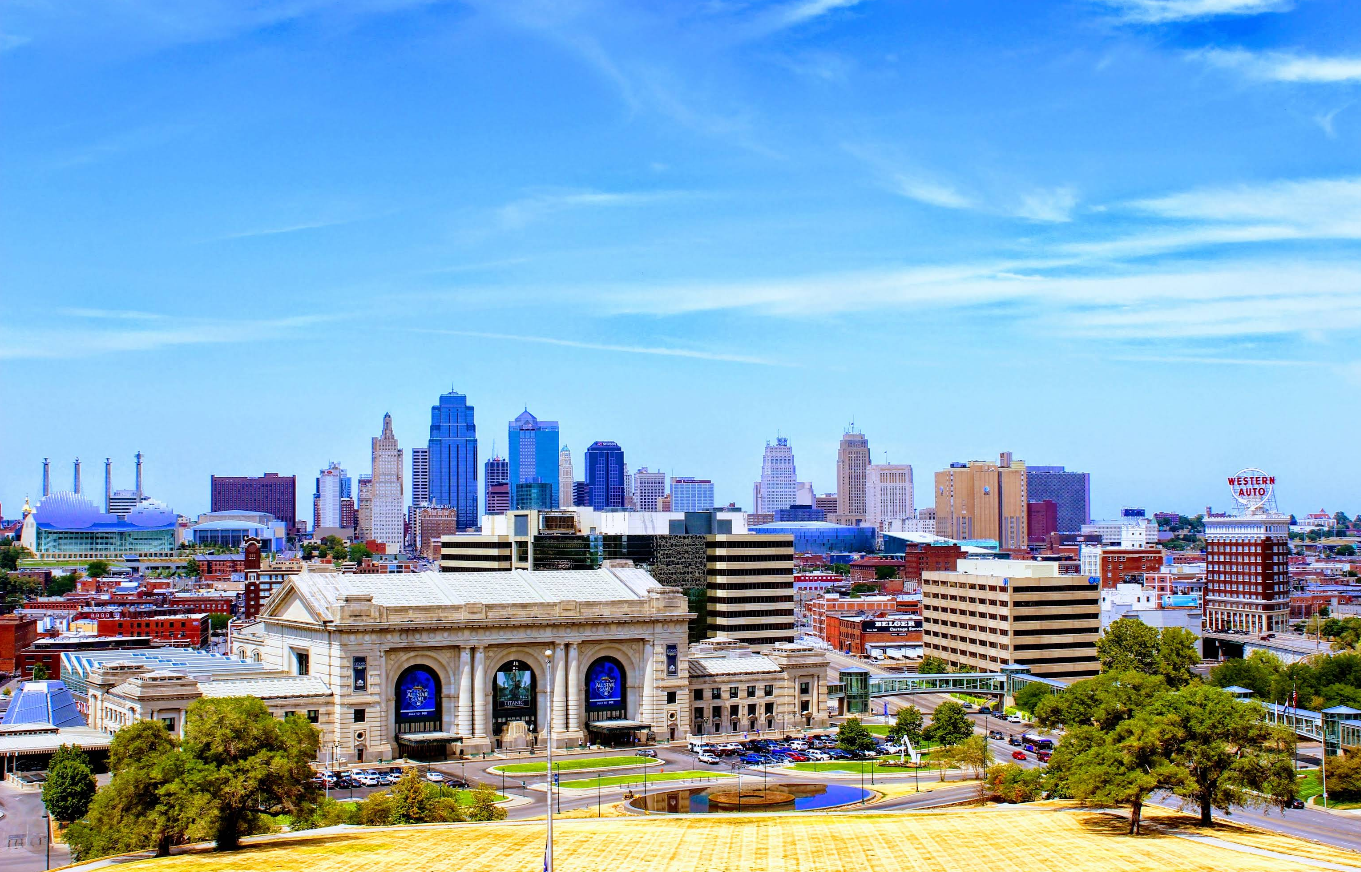
Kansas City is sometimes viewed as little more than a barbecue stop. Visitors often discover jazz history, art museums, markets, breweries, sports, and historic neighborhoods alongside the famous food. The Nelson-Atkins Museum of Art, National WWI Museum, and Negro Leagues Baseball Museum add real depth to a weekend trip. The city is spread out, so a car can be useful, and summer humidity can be uncomfortable. Even so, many travelers find it unexpectedly lively.
Cleveland, Ohio
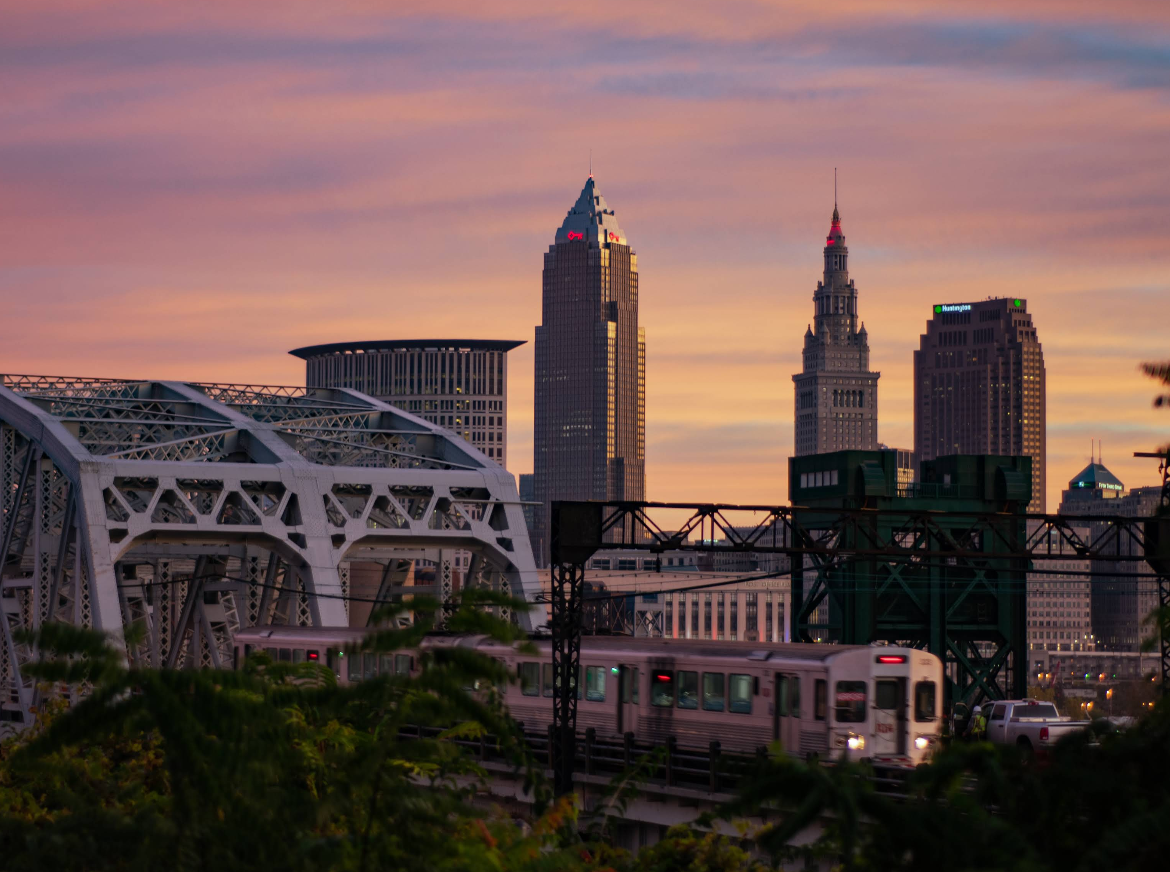
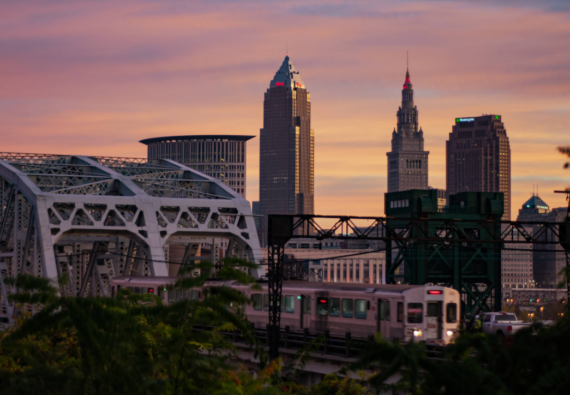
Cleveland still battles jokes about industrial decline, harsh winters, and an unremarkable downtown. Visitors often find much more than expected: Lake Erie views, the Rock & Roll Hall of Fame, lively food neighborhoods, and a concentrated group of museums around University Circle. The Cleveland Museum of Art offers free general admission, while the surrounding Metroparks add trails and lakefront recreation. Winter weather remains a drawback, and some sights are spread apart, but the city delivers strong cultural value.
Milwaukee, Wisconsin
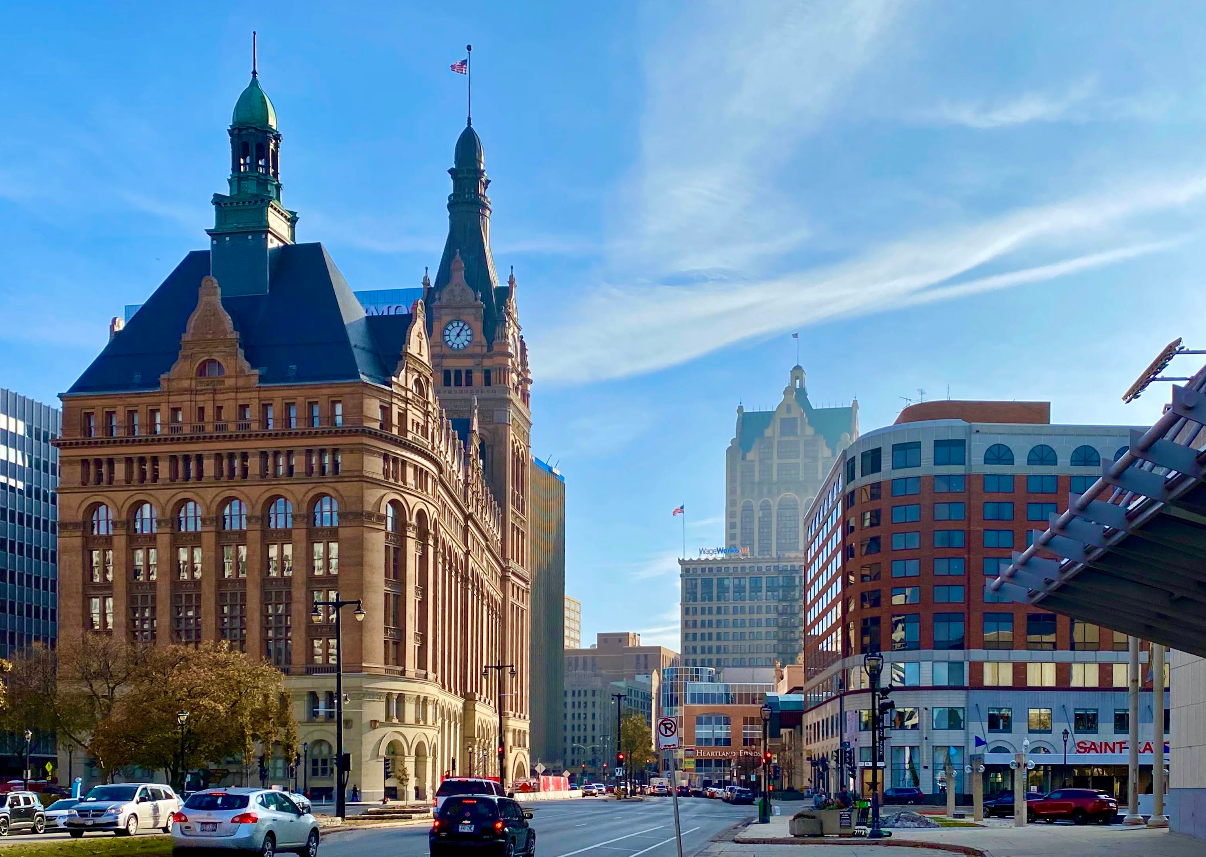
Milwaukee is sometimes dismissed as a smaller Chicago or a city built entirely around beer. Travelers who spend a weekend there often discover an attractive Lake Michigan waterfront, historic architecture, public markets, museums, and neighborhoods with a relaxed Midwestern feel. The Milwaukee Art Museum’s waterfront building is a destination by itself, while the Historic Third Ward is easy to explore on foot. Winters can be bitterly cold, and nightlife is quieter than Chicago’s, but that slower pace appeals to many visitors.
Sign up for our newsletter
Baltimore, Maryland
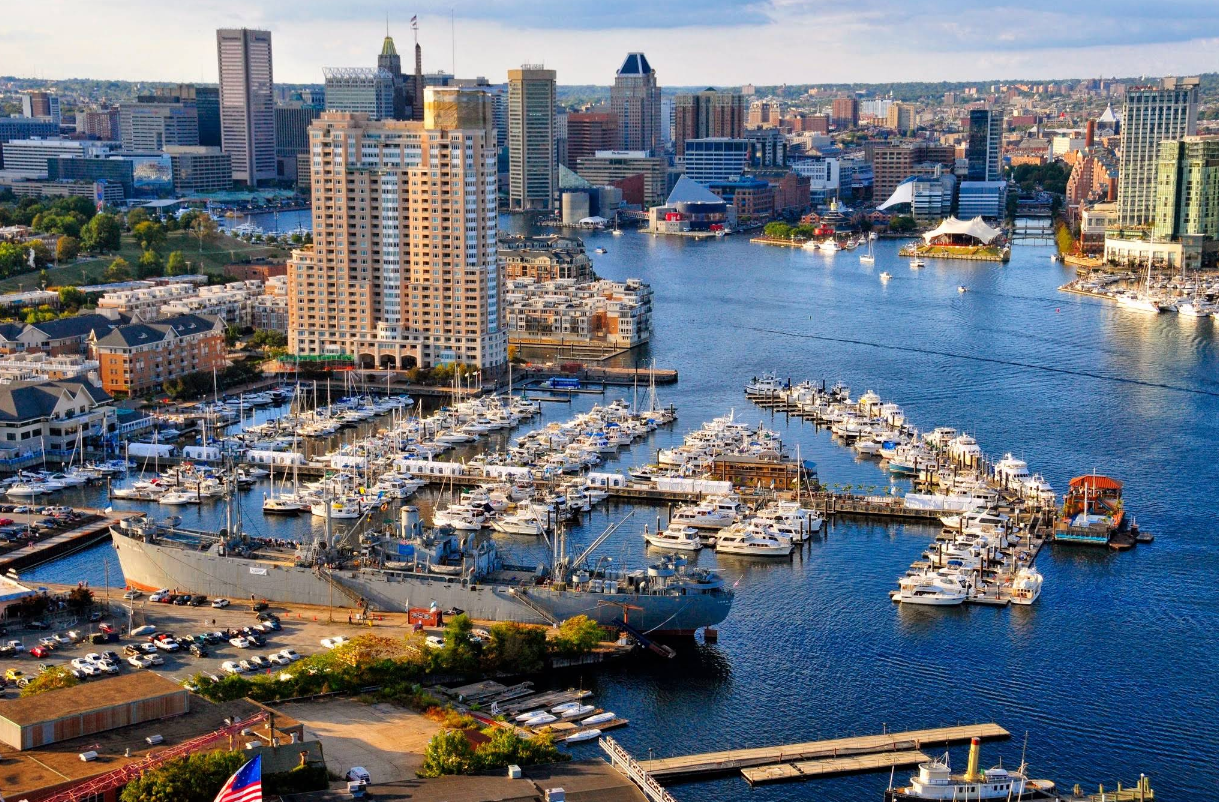
Baltimore’s national image is often shaped more by crime reports and television dramas than by its waterfront neighborhoods and cultural institutions. Visitors who explore beyond the most tourist-heavy part of the Inner Harbor find historic Fells Point, Fort McHenry, the Walters Art Museum, the Baltimore Museum of Art, and a strong seafood tradition. Recent visitors frequently describe a city with more history, personality, and warmth than expected.
Albuquerque, New Mexico
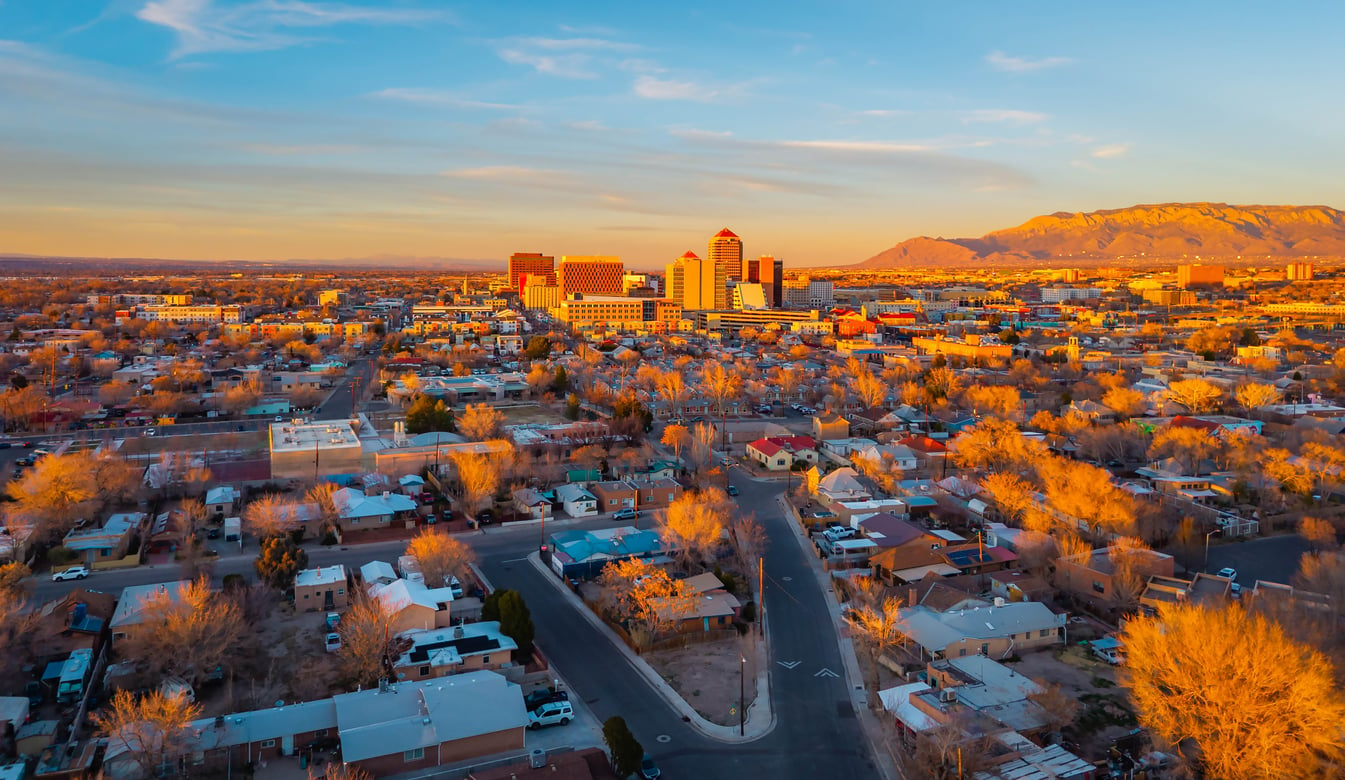
Albuquerque is frequently treated as an airport stop on the way to Santa Fe or Taos. Travelers who stay discover a city shaped by Native American, Hispanic, Route 66, and Southwestern traditions. Old Town, the Indian Pueblo Cultural Center, Petroglyph National Monument, the Rio Grande bosque, and the Sandia Mountains provide several days of activities. Albuquerque is sprawling, and its high elevation can affect some visitors. Even so, its cultural depth and dramatic landscape make it far more than a convenient arrival point.
St. Louis, Missouri
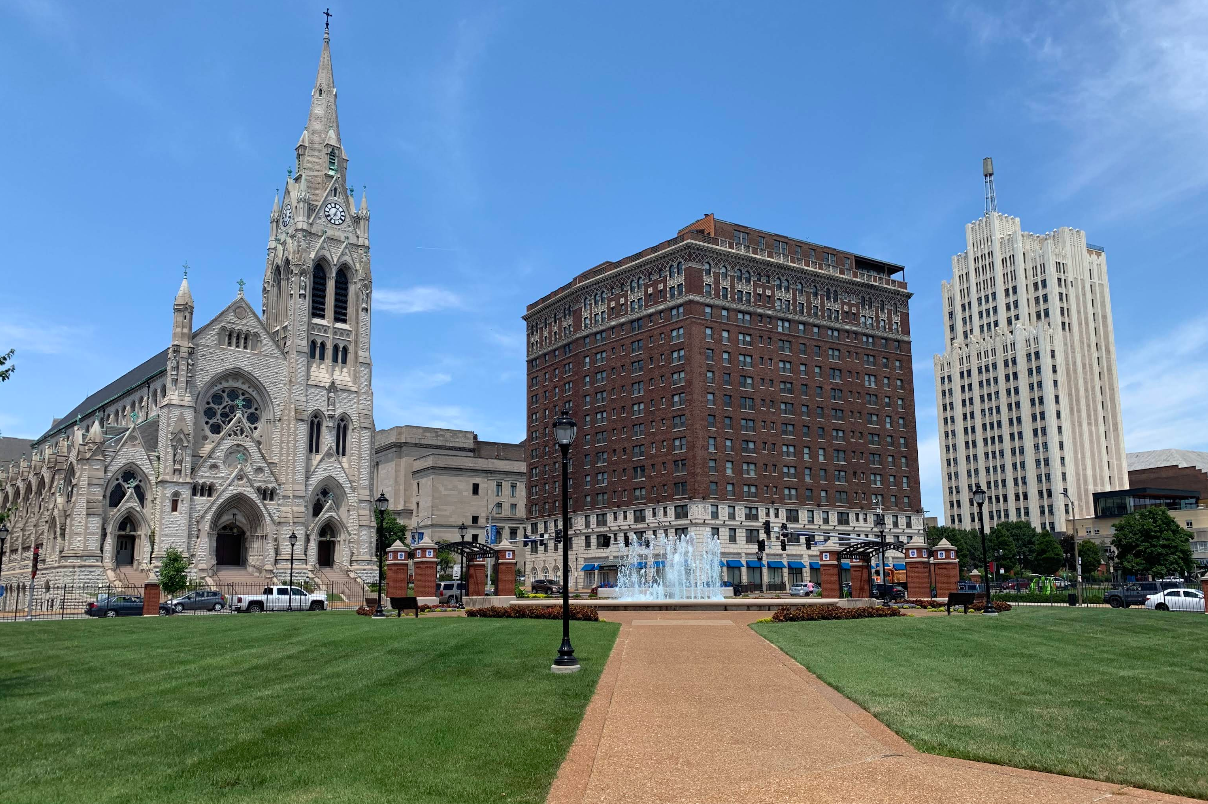
St. Louis can be reduced to the Gateway Arch, baseball, and outdated images of urban decline. Visitors are often surprised by how many major attractions cost little or nothing. Forest Park contains the Saint Louis Art Museum, Missouri History Museum, and Saint Louis Zoo, all with free general admission. The City Museum offers a very different, highly interactive experience. The city is spread out, however, and neighborhood conditions vary considerably. Travelers who plan carefully often find an affordable and culturally substantial weekend destination.
Buffalo, New York
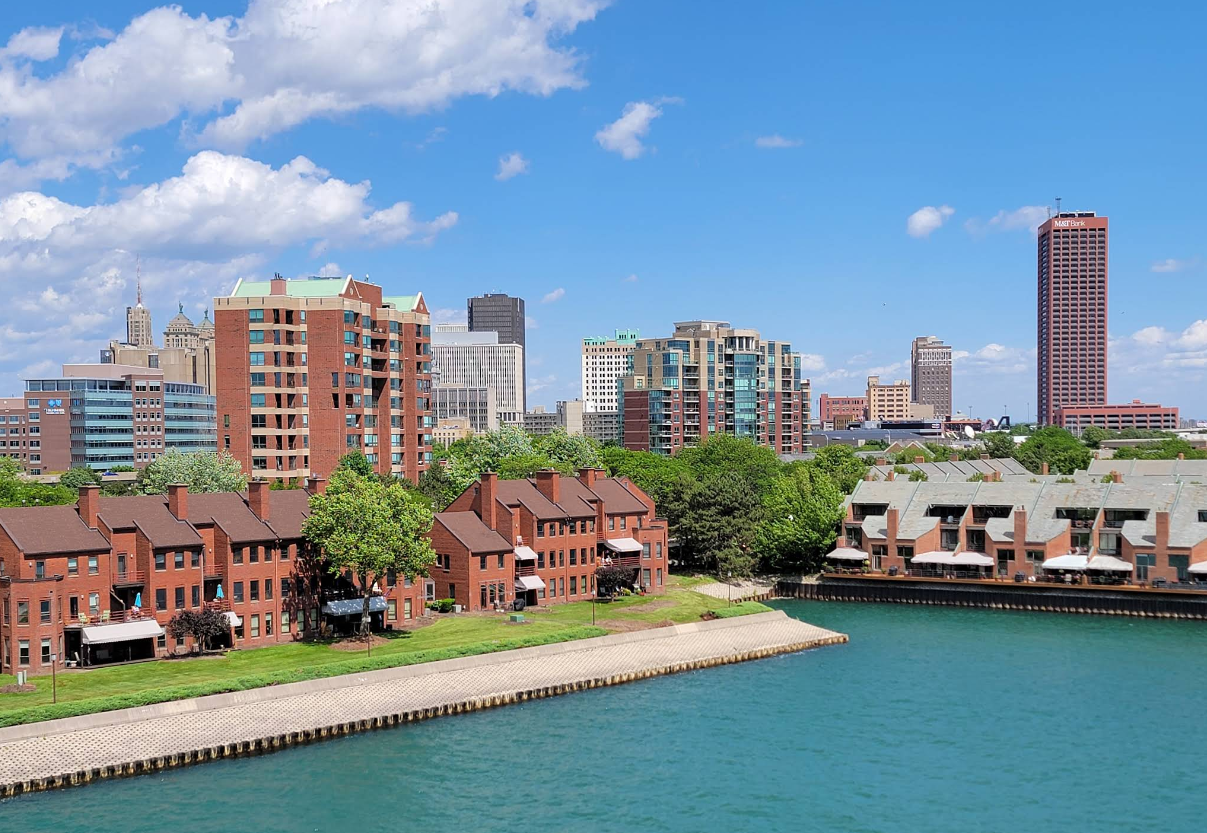
Buffalo is often seen as a snowy industrial city or simply the place to stay before visiting Niagara Falls. Travelers who look around find grand architecture, historic neighborhoods, Lake Erie waterfront spaces, hearty regional food, and important works by Frank Lloyd Wright. The city’s parks were shaped by Frederick Law Olmsted and Calvert Vaux, while ongoing waterfront improvements have added more places to walk and cycle. Winters are long, but warmer months reveal a greener and more attractive city than many expect.