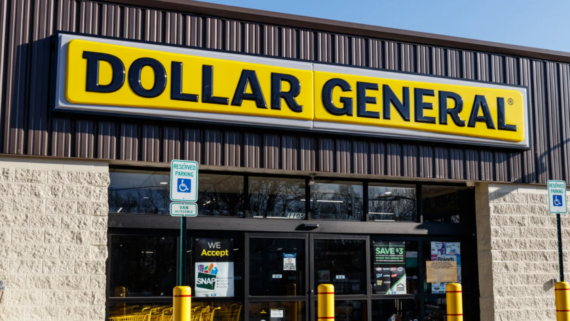
While many major retailers are closing locations and scaling back expansion plans, Dollar General expansion is moving in the opposite direction. The discount chain plans to open approximately 450 new stores in 2026 after opening 575 stores in 2025, continuing one of the largest expansion efforts in American retail.
Company executives say rising demand from budget-conscious shoppers is helping fuel the growth. Dollar General has also reported increased traffic from middle- and higher-income households looking to stretch their budgets as inflation and higher everyday costs continue affecting consumers.
The retailer now operates nearly 21,000 stores nationwide and has identified roughly 11,000 additional locations where future stores could potentially be built. Rather than concentrating on major metropolitan areas, Dollar General’s strategy focuses heavily on small towns, rural communities, and areas where larger retailers often have limited presence.
Here are the states where Dollar General expansion is already well established—and where future growth is likely to continue.
Texas
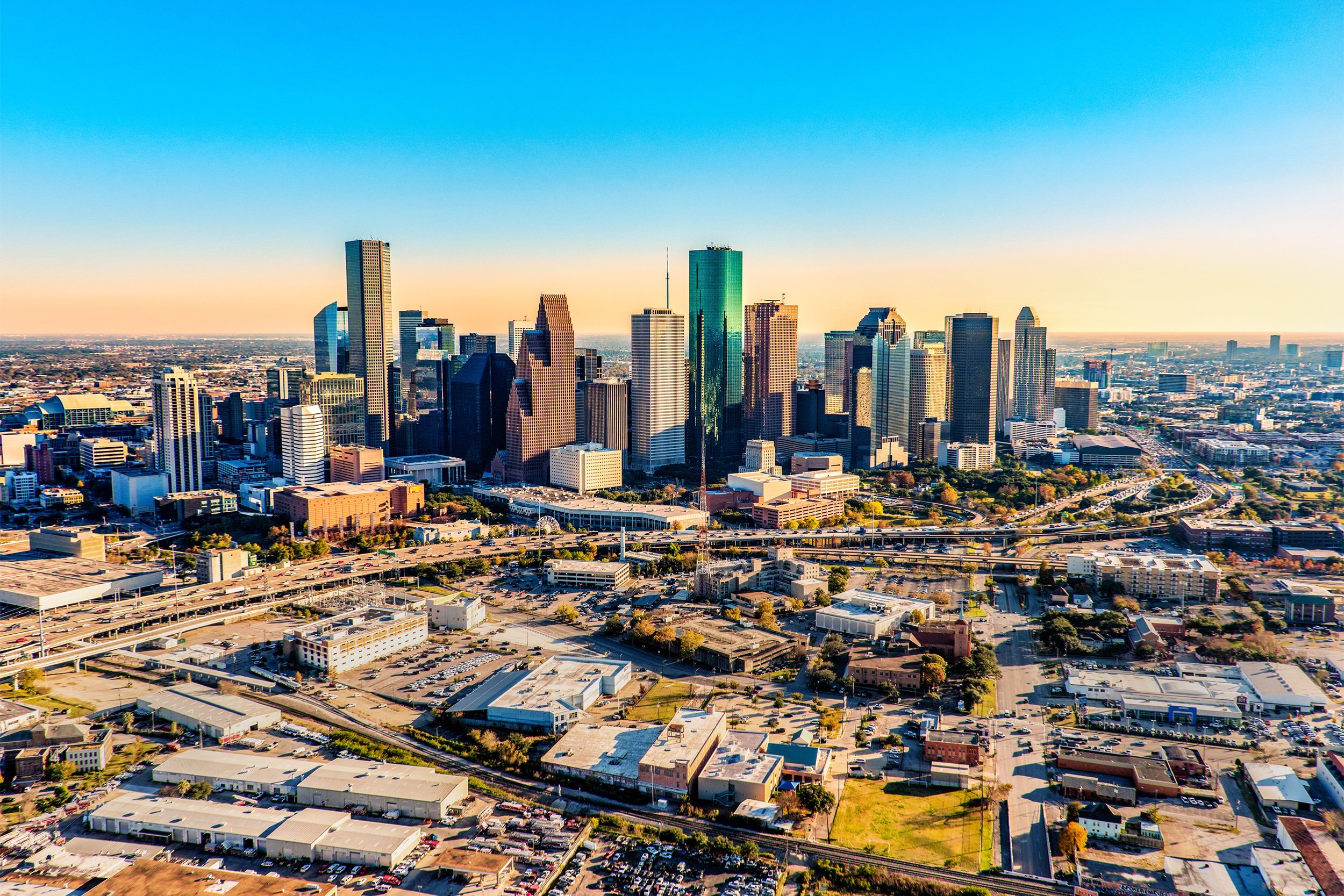
Texas is Dollar General’s largest market by store count, with roughly 1,755 locations already operating throughout the state. Its combination of small towns, rural communities, and rapidly growing exurban areas makes it an ideal fit for the company’s expansion strategy.
Many parts of rural Texas still have limited access to major discount retailers, creating opportunities for additional locations. The company also operates distribution facilities within the state, helping support continued growth. As Dollar General adds hundreds of stores annually, Texas will likely remain one of its top priorities.
Georgia
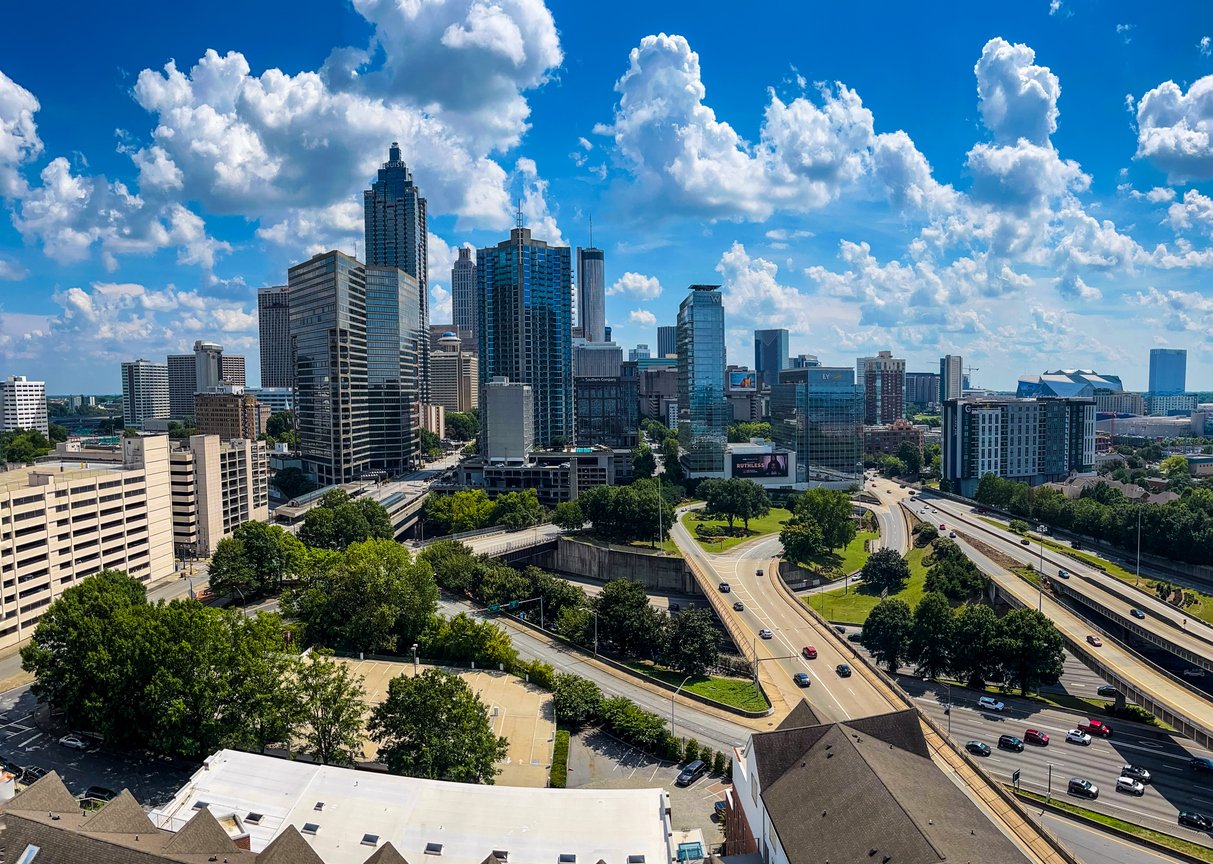
Georgia hosts more than 1,000 Dollar General stores, making it one of the retailer’s most important markets. The company’s roots in the Southeast have helped establish a strong presence across both rural and suburban communities.
Many Georgia counties fit Dollar General’s preferred profile of smaller communities with limited retail competition. Population growth in many of these areas continues creating opportunities for new stores while existing distribution infrastructure supports future expansion.
Florida
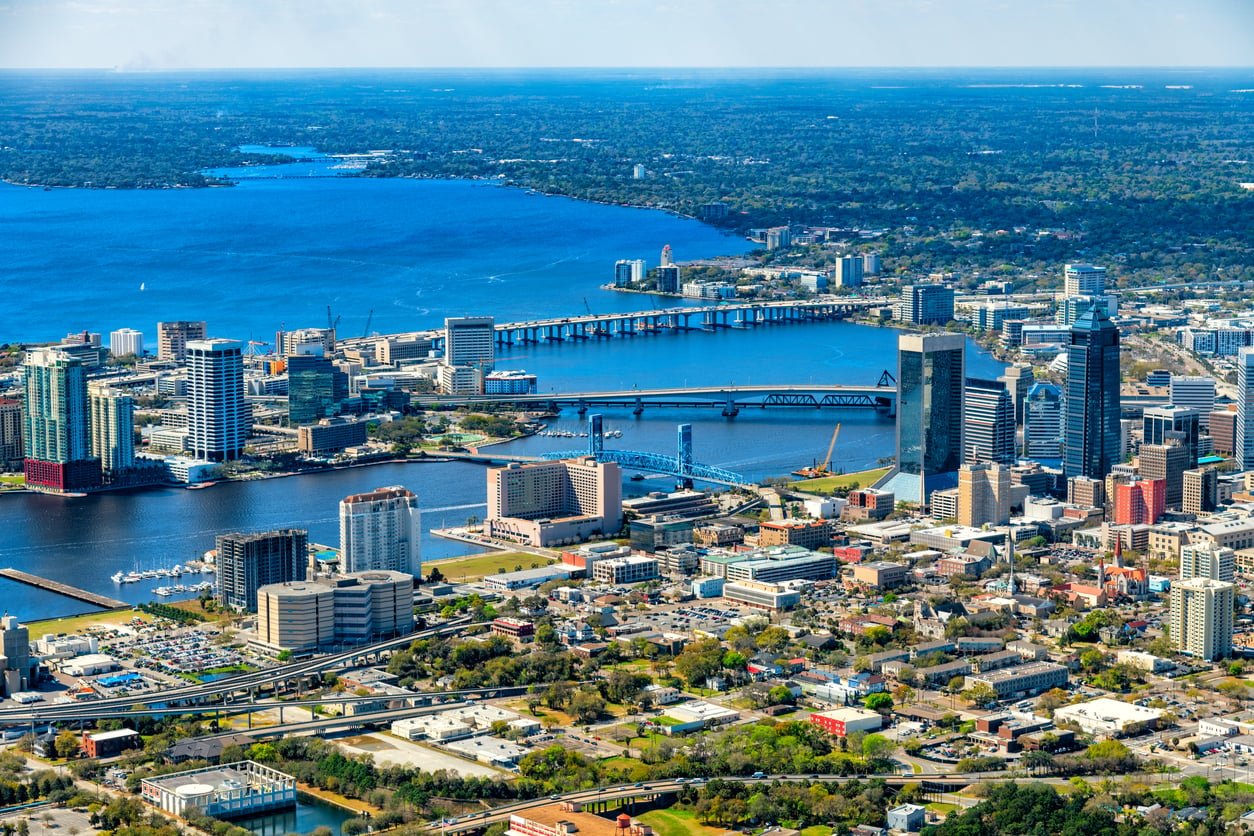
Florida has more than 1,000 Dollar General locations spread across the state. While major metropolitan areas receive much of the attention, many of the company’s growth opportunities lie in smaller inland communities and less densely populated regions.
Rising living costs have increased demand for discount retail options, and Florida’s steady population growth continues bringing new potential customers into the market. Those trends could help support future store openings throughout the state.
North Carolina
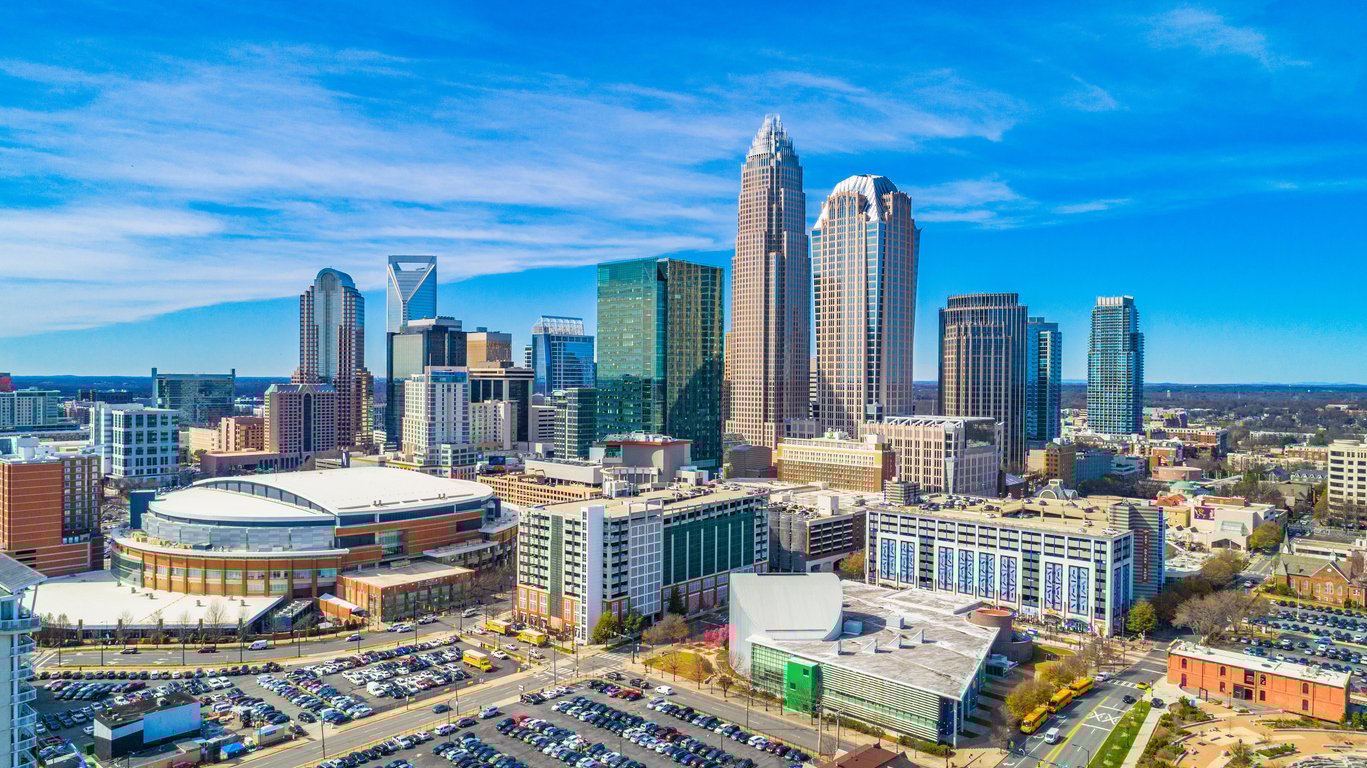
North Carolina is home to nearly 1,000 Dollar General stores, with many concentrated in rural areas and smaller communities. Eastern North Carolina has proven especially attractive because many residents live far from traditional big-box retailers.
The state’s combination of rural markets and expanding suburban communities aligns well with Dollar General’s smaller-store model. As population growth continues, the company is likely to keep investing throughout the state.
Ohio
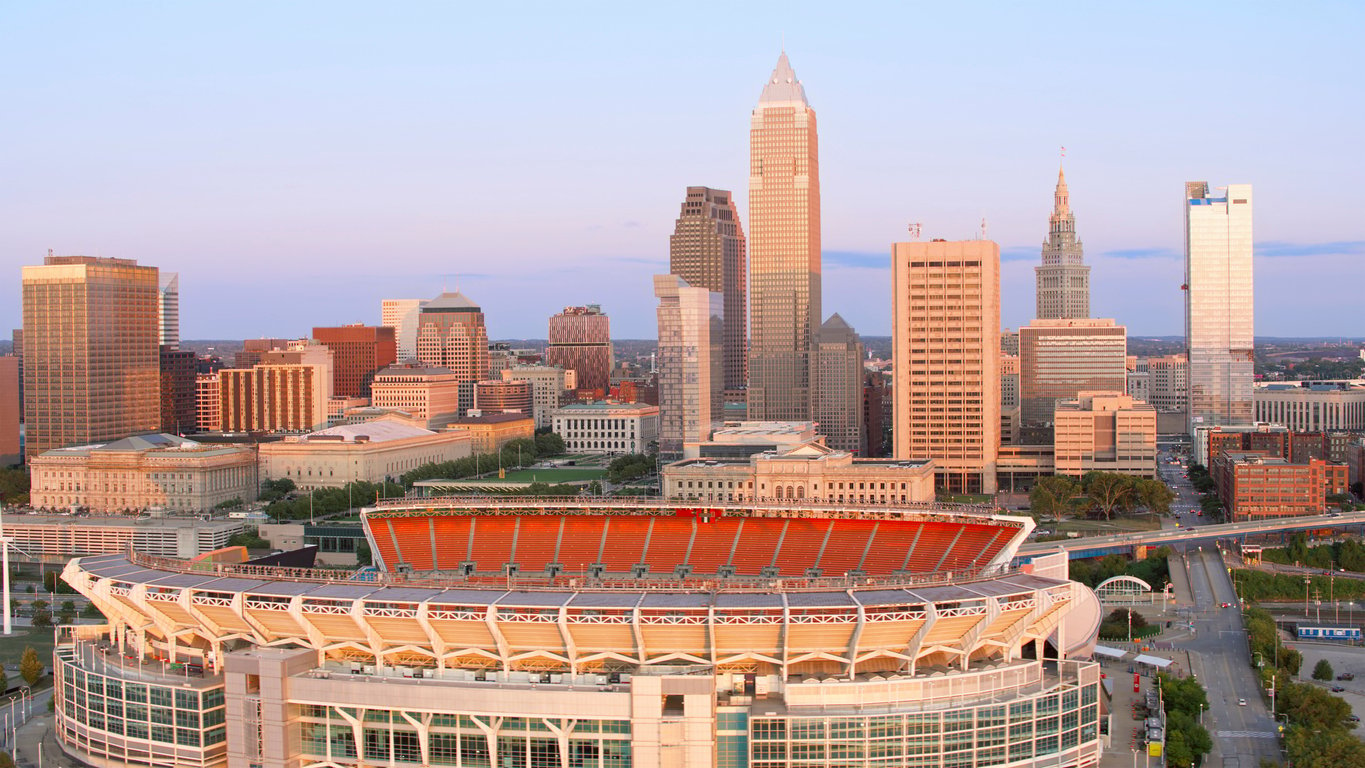
Ohio has nearly 1,000 Dollar General locations, giving the company one of its largest footprints in the Midwest. Smaller cities, rural communities, and former manufacturing towns have become particularly important markets for discount retailers.
As consumers increasingly seek lower-cost shopping options, Ohio remains a key region where Dollar General’s value-focused model continues to resonate with shoppers.
Trending on Cheapism
Pennsylvania
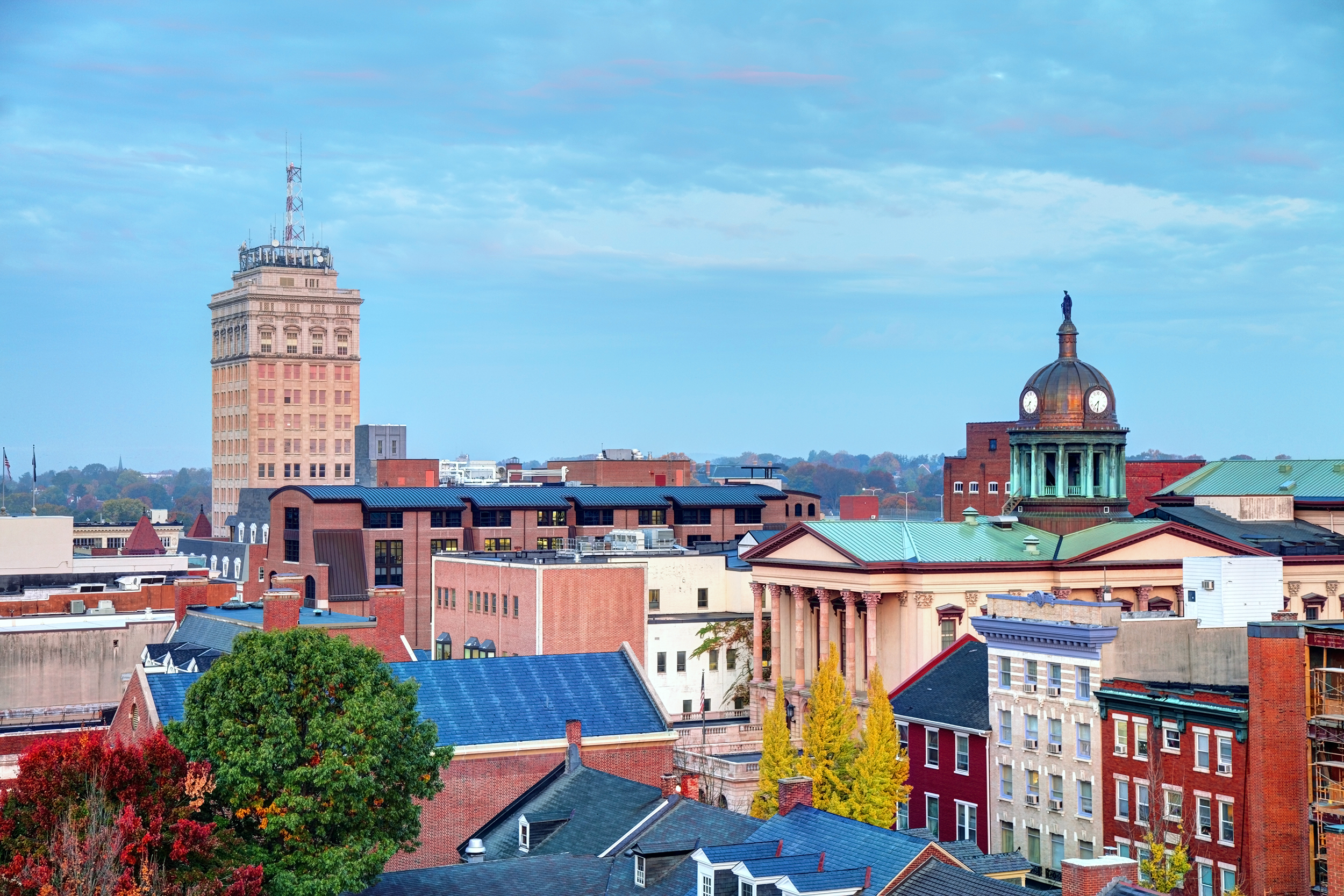
Pennsylvania currently has more than 900 Dollar General stores. The state’s large number of rural communities and smaller towns provides numerous opportunities for neighborhood discount retail.
Dollar General often performs well in areas where large-format retailers are less common, making Pennsylvania one of its strongest Northeastern markets. The state’s geography and population distribution continue supporting the company’s expansion strategy.
Tennessee
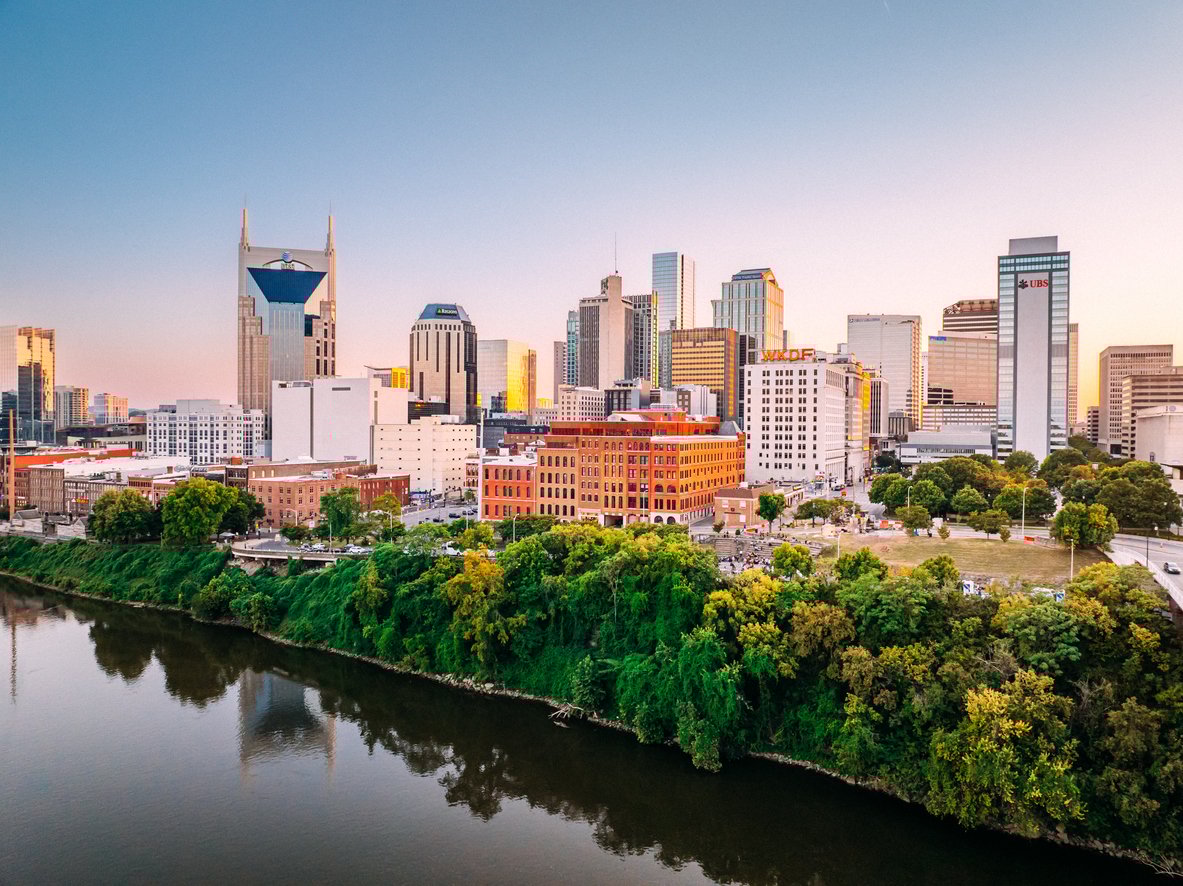
As Dollar General’s home state, Tennessee remains one of the company’s most important markets. The retailer operates roughly 925 stores throughout the state, while its corporate headquarters also remain there.
Tennessee frequently serves as a testing ground for new initiatives, store formats, and operational strategies. Given its importance to the company, continued investment in the state is highly likely.
Alabama
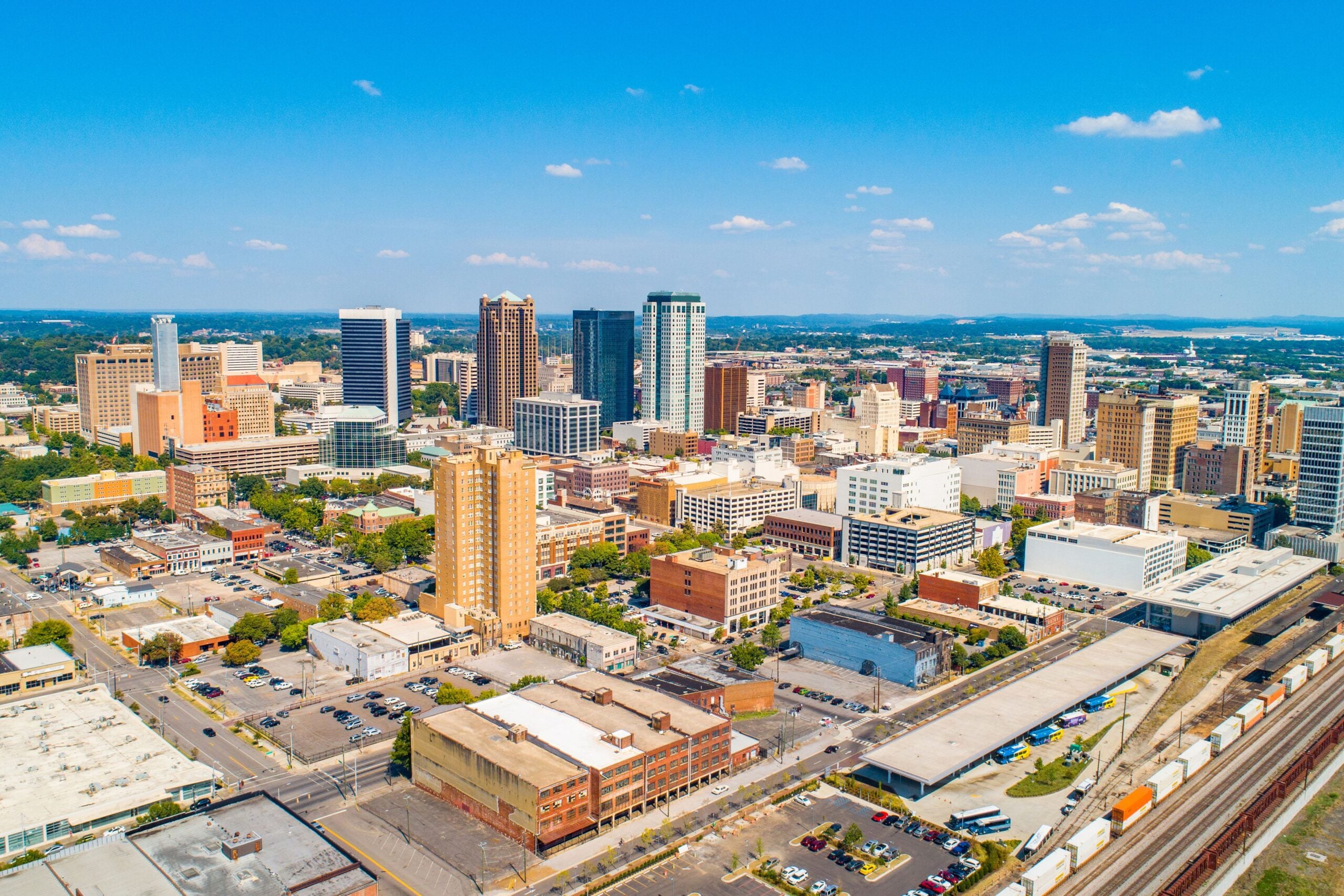
Alabama has one of the highest concentrations of Dollar General stores on a per-capita basis. Many communities fit the company’s traditional rural growth model, where smaller stores can serve customers who may not have easy access to larger retail chains.
The state’s logistics network and proximity to other major Southeastern markets also make Alabama strategically important for future growth.
Sign up for our newsletter
Kentucky

Kentucky is home to roughly 690 Dollar General stores and plays an important role in the company’s distribution network. Several distribution facilities help support operations across the region.
Many rural communities throughout Kentucky rely on Dollar General for everyday household purchases, reinforcing the chain’s strong presence and making future growth opportunities easier to identify.
Mississippi
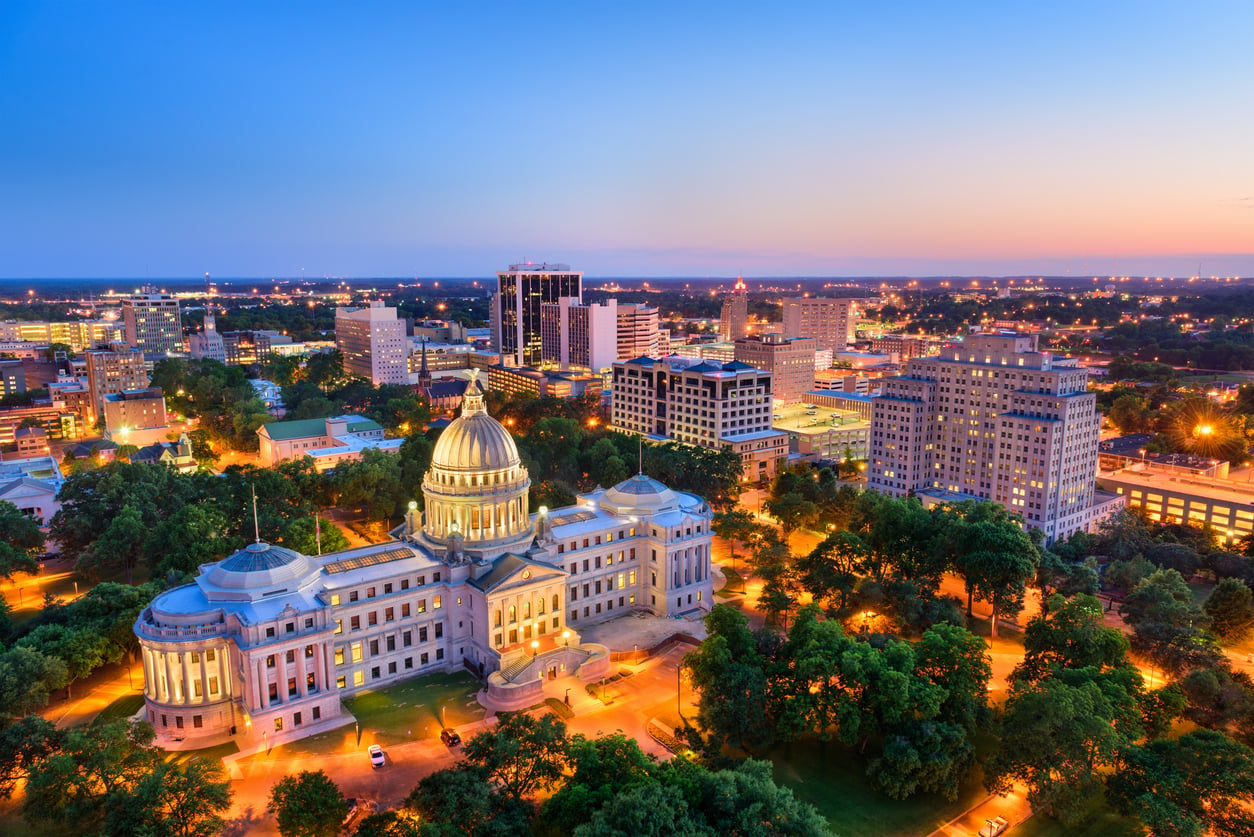
Mississippi remains one of Dollar General’s strongest markets, with approximately 587 stores operating statewide. The company’s model works particularly well in communities where retail options are limited and residents value convenience.
As the retailer continues targeting underserved markets, Mississippi is likely to remain a key part of its long-term strategy.
Arkansas
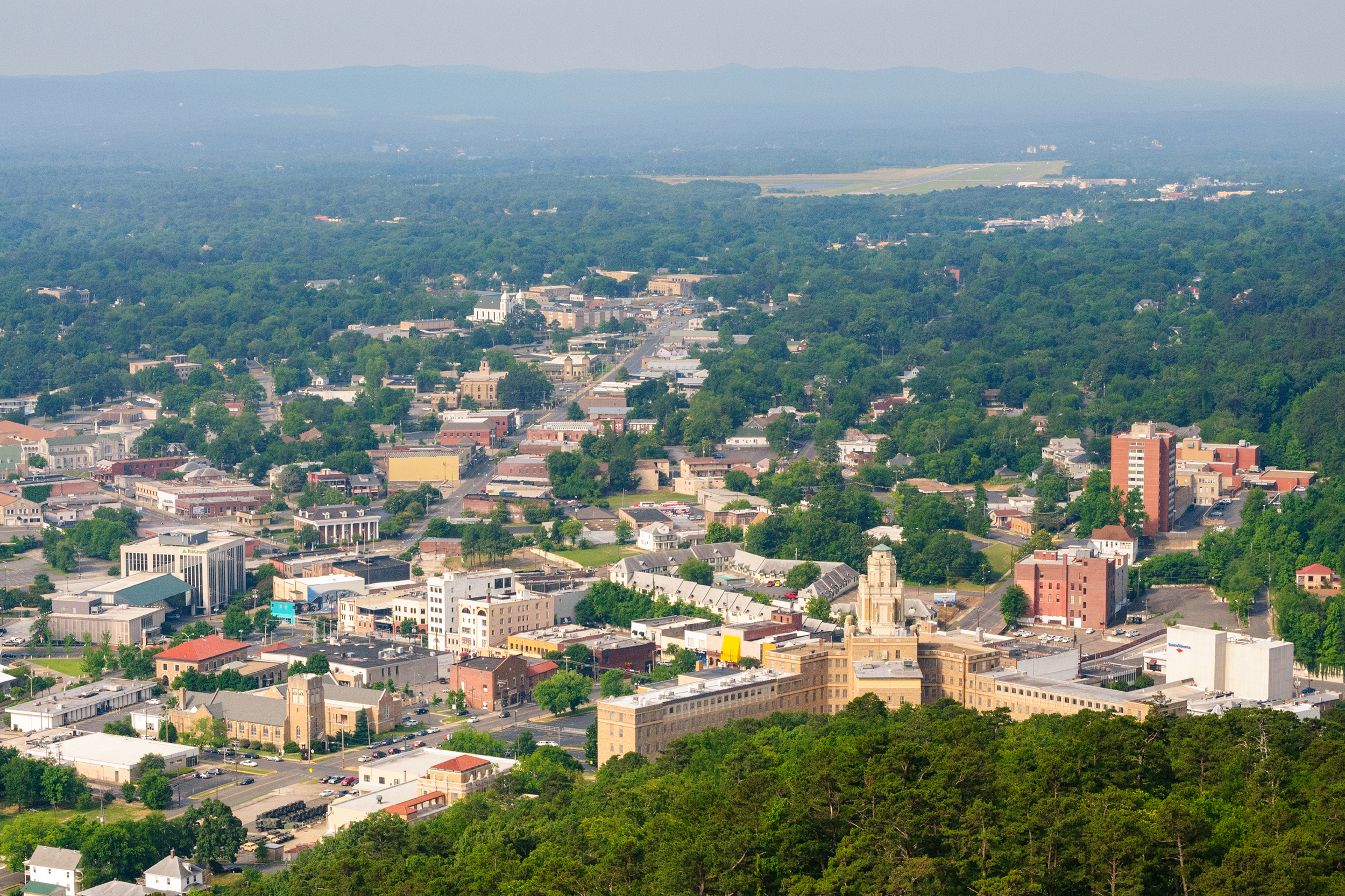
Arkansas has more than 500 Dollar General stores and shares many characteristics with other successful markets. Rural communities, limited retail competition, and a strong demand for value-oriented shopping all support the company’s growth model.
The state’s demographics align closely with Dollar General’s traditional customer base, making additional expansion likely.
Louisiana
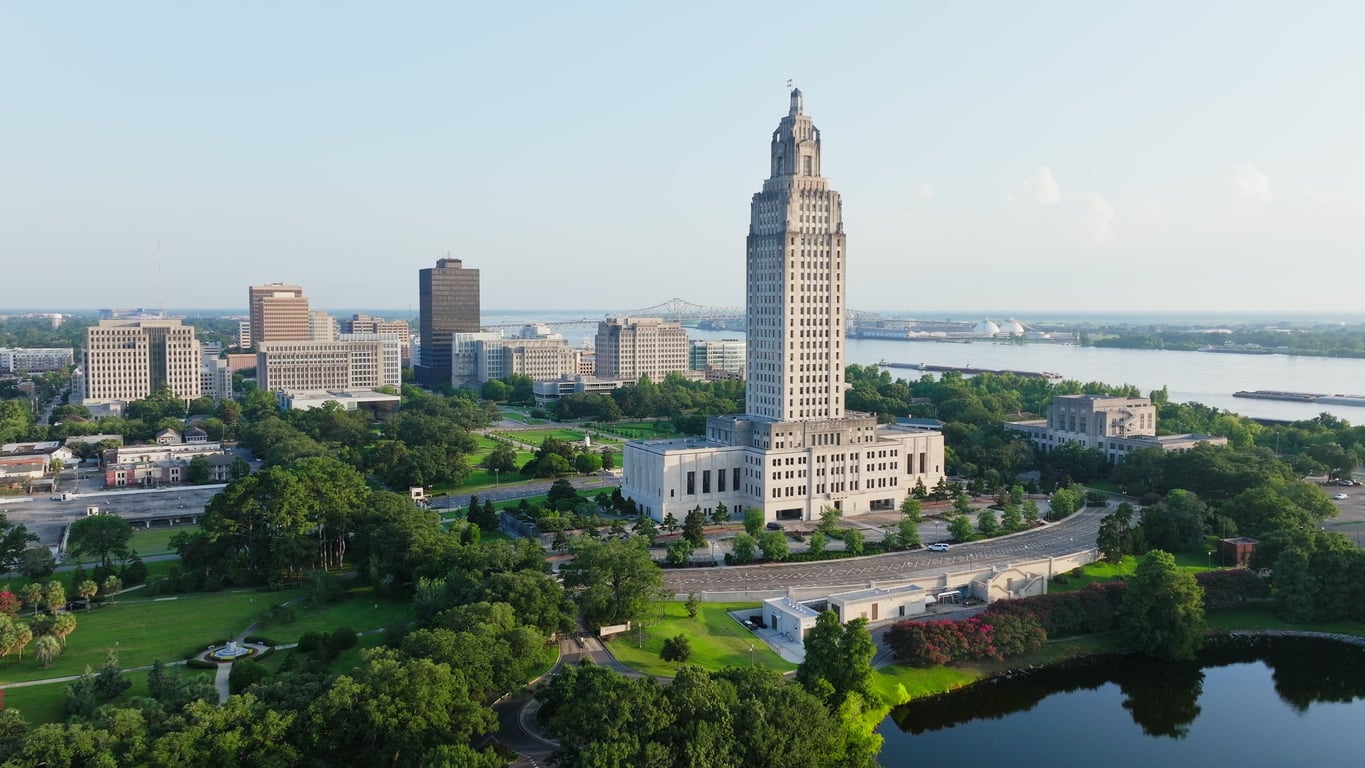
Louisiana has more than 600 Dollar General stores already operating throughout the state. Smaller towns continue playing a major role in the retailer’s growth plans.
Rising grocery costs have increased consumer interest in discount shopping, while Dollar General’s expanding food offerings have helped attract additional customers. Accessibility remains one of the company’s biggest advantages in rural Louisiana.
Oklahoma
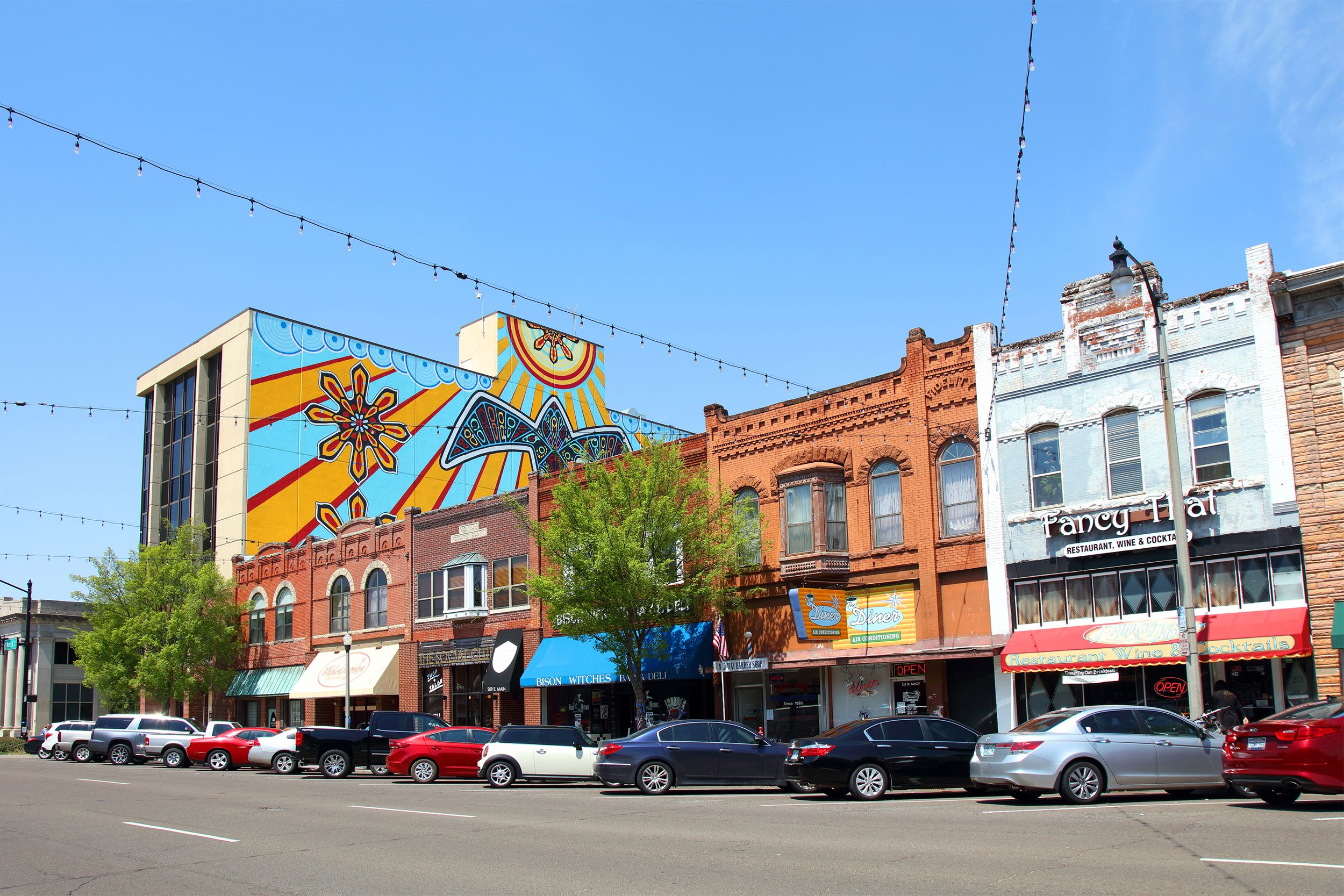
Oklahoma currently has more than 500 Dollar General stores. Like many of the company’s strongest markets, the state features numerous small towns where major retailers have limited presence.
Consumers increasingly seeking convenience and value have helped support Dollar General’s growth, and the retailer continues filling retail gaps left by larger chains.
Why Rural America Remains Ground Zero for Expansion
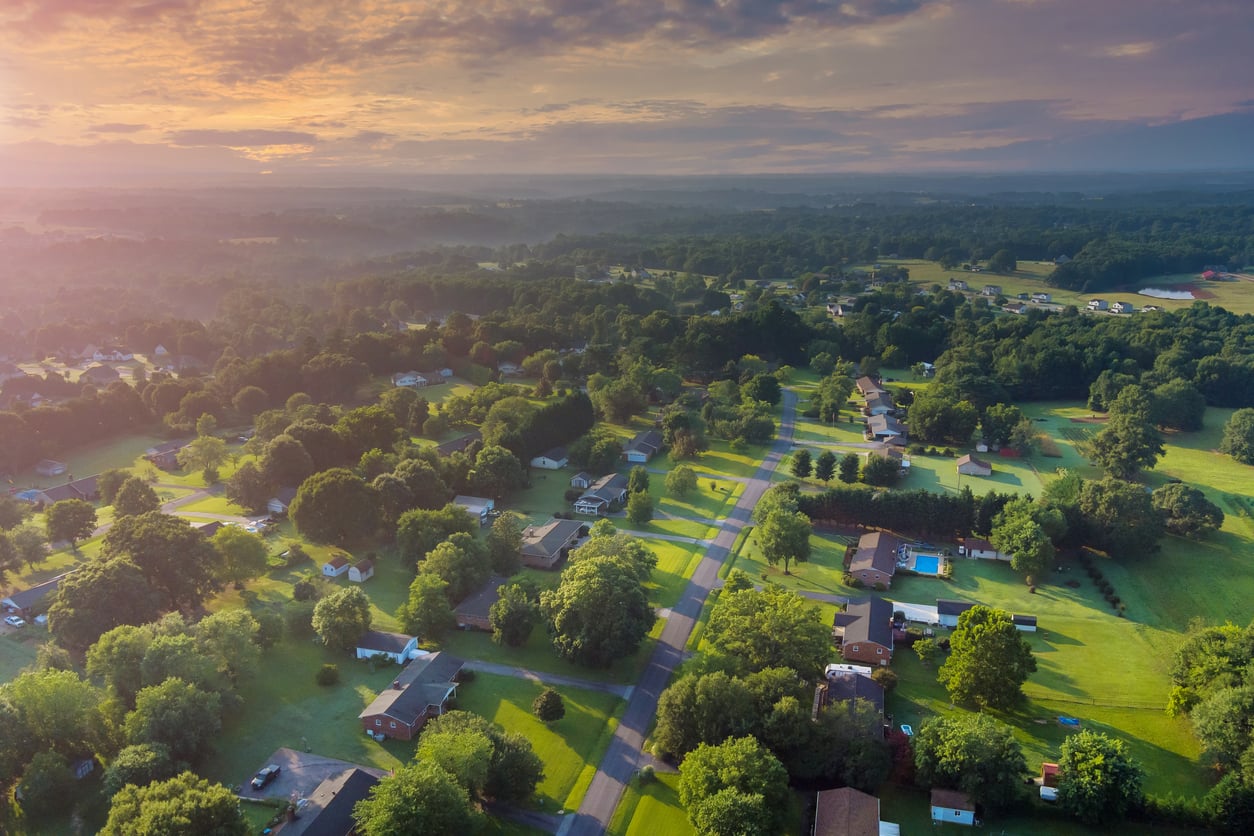
Dollar General’s expansion strategy is deeply tied to rural America. According to company leadership, roughly 80% of Dollar General stores are located in rural communities.
Many of these towns have limited retail competition, creating opportunities that larger chains often overlook. Because Dollar General stores require significantly less space than traditional big-box retailers, the company can operate profitably in communities that may not support larger stores.
Lower real-estate costs and easier site selection also make rural markets attractive. For Dollar General, these communities remain central to its long-term growth plans.
Why More Shoppers Are Turning to Dollar General
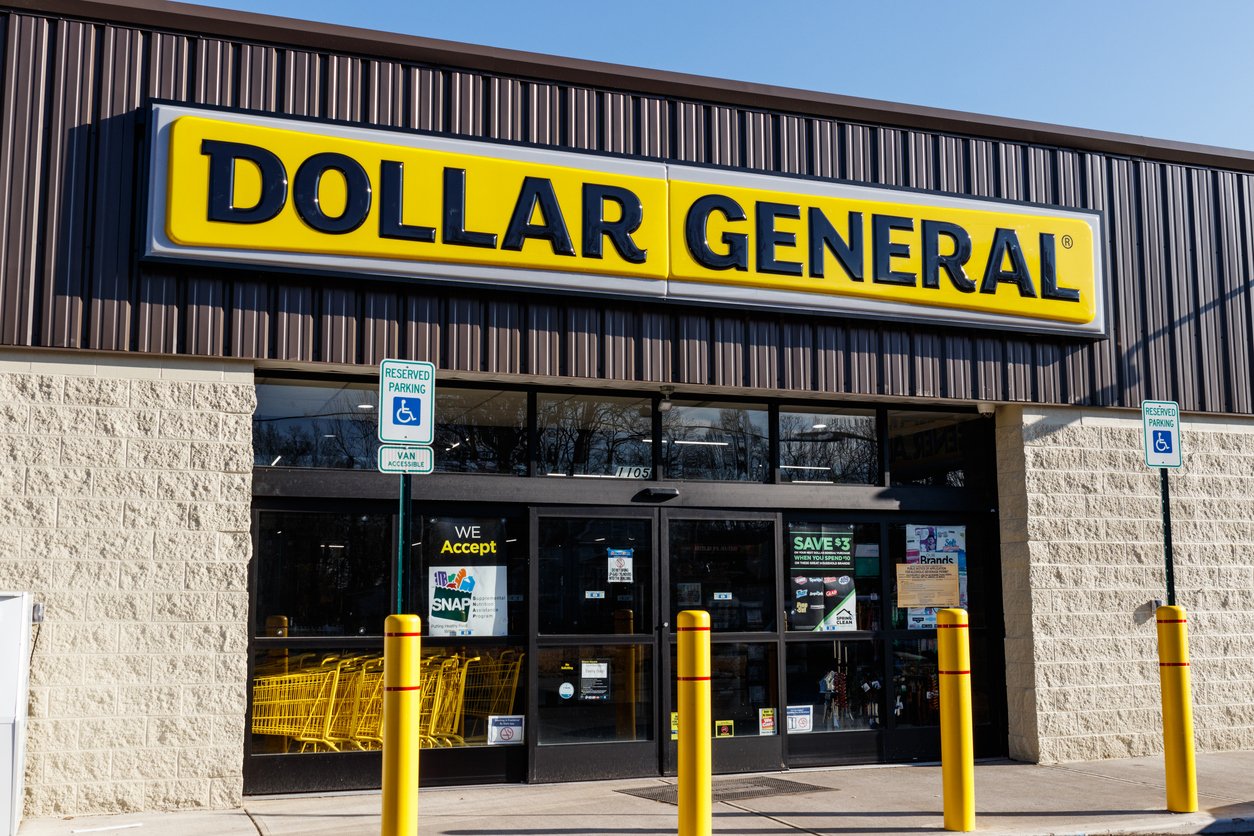
The company’s expansion comes as more Americans search for ways to reduce everyday expenses. Dollar General recently announced plans to offer more than 2,000 products priced at $1 or less, reinforcing its value-focused positioning.
Executives have also reported increased traffic from higher-income shoppers who are becoming more selective about spending. The retailer has expanded its private-label products, frozen-food offerings, and value-focused merchandise as consumers continue seeking bargains.
Inflation, rising grocery prices, and higher fuel costs have all contributed to growing demand for discount retail options.
The Bigger Story Behind Dollar General’s Expansion
Dollar General plans to open approximately 450 new stores in 2026 after opening 575 stores in 2025. Even more striking, the company says it has identified roughly 11,000 potential future locations across the continental United States.
At a time when many retailers are reducing their physical footprints, discount chains continue expanding because consumers remain focused on value. Dollar General’s growth reflects broader changes in shopping habits as households look for ways to stretch their budgets.
The company’s strategy isn’t simply about opening more stores. It’s a long-term bet that bargain hunting will remain a defining consumer trend for years to come—and based on its aggressive expansion plans, Dollar General appears confident that demand isn’t going away anytime soon.