Grocery prices have a way of making old family recipes look smart again. As the USDA’s Food Price Outlook shows, food costs are still a real pressure point for households, which helps explain why so many families are returning to practical ’90s and 2000s budget meals. These dinners rely on pantry staples, modest amounts of meat, leftovers, rice, noodles, beans, potatoes, and canned goods. They are not fancy, but for families trying to stretch grocery dollars, that is exactly the point.
Hamburger Helper
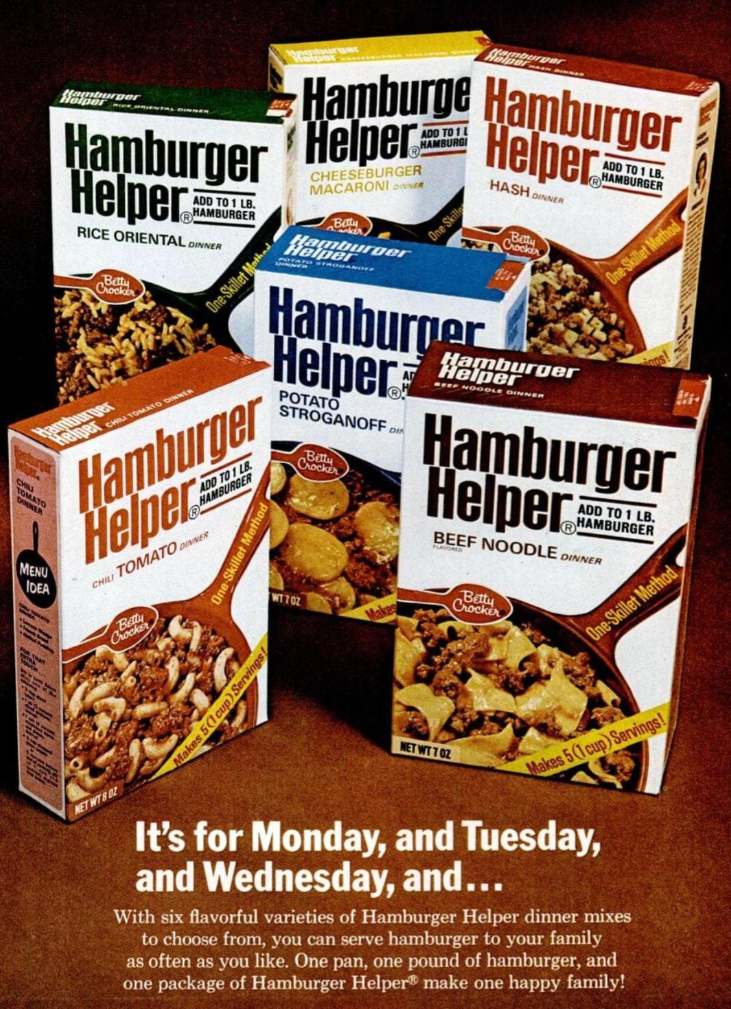
Hamburger Helper never really disappeared, but it feels especially suited to expensive grocery years. General Mills says the brand made its national debut in 1971, during a time when families were trying to stretch meat further. That same idea still works. A pound of ground beef, a boxed mix, and maybe some frozen vegetables can become a full skillet dinner. The downside is that boxed versions can be salty, so many families now make copycat versions with pasta, seasoning, cheese, and whatever ground meat is on sale.
Tuna Noodle Casserole
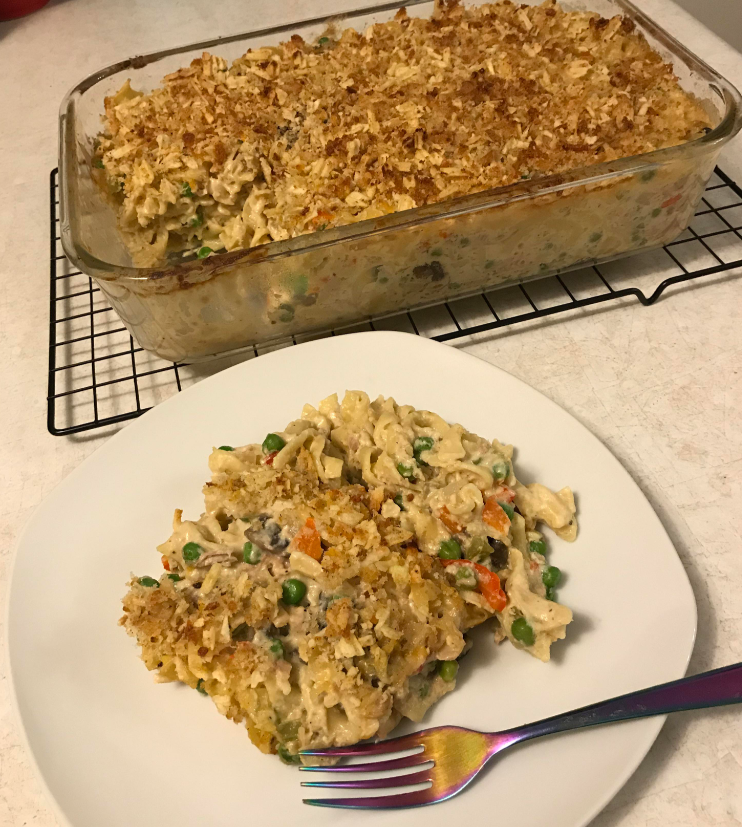
Tuna noodle casserole is one of those meals people either miss deeply or remember a little too clearly from childhood. Still, it is hard to argue with the math. Egg noodles, canned tuna, cream soup, peas, and a crunchy topping can feed a family with mostly shelf-stable ingredients. Recent budget-food discussions still bring it up because it is fast, filling, and flexible. The catch is taste: canned tuna and cream soup are not for everyone, so adding onion, celery, cheese, or potato chips can help it feel less like cafeteria food.
Creamed Chipped Beef on Toast
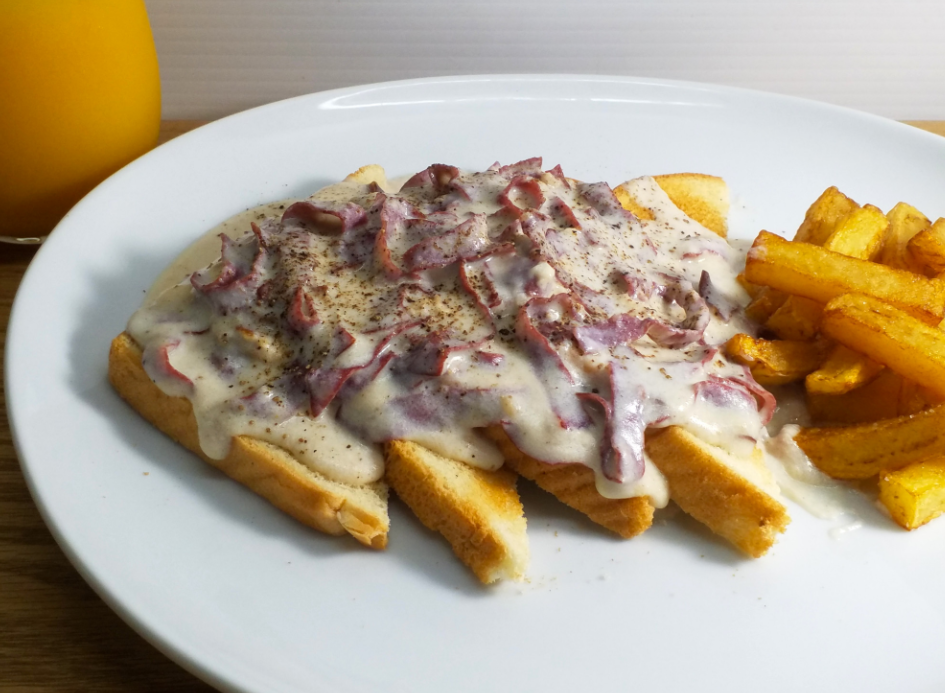
Creamed chipped beef on toast, often known by the old military nickname “SOS,” goes back much further than the ’90s, but plenty of older households still remember it as a cheap dinner. The formula is simple: dried beef in a white gravy spooned over toast. It is quick, warm, and filling, especially when there is not much else in the fridge. The drawback is that dried beef can be salty and not as cheap everywhere as it once was, so this works best when the ingredients are already familiar and affordable in your area.
Rice and Ground Beef Skillet
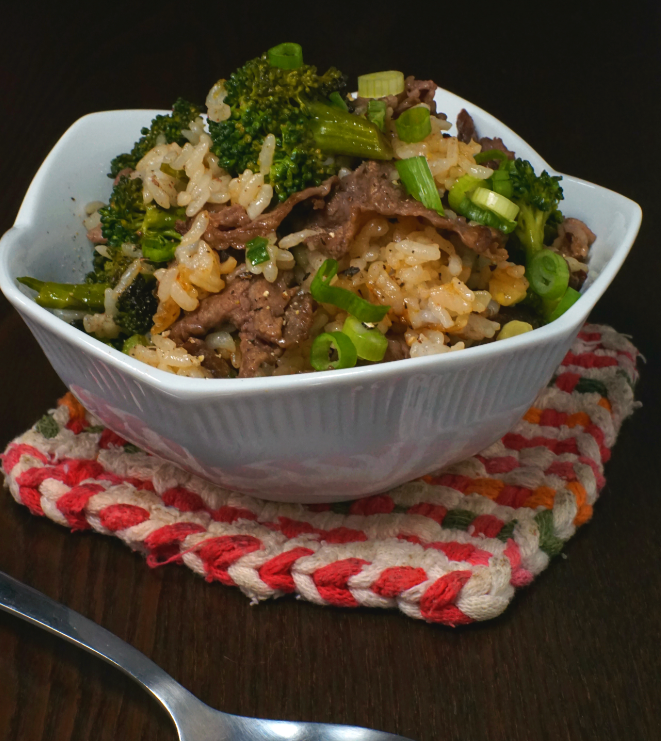
Before meal kits, there was the dependable skillet dinner. Rice and ground beef could go in almost any direction: taco seasoning, soy sauce, canned tomatoes, frozen corn, leftover vegetables, or a little cheese on top. That flexibility is why it still makes sense. Rice remains one of the easiest ways to bulk up a meal, while a small amount of beef adds flavor without needing to be the whole plate. The only real risk is blandness, so seasoning matters more than the recipe itself.
Sloppy Joes
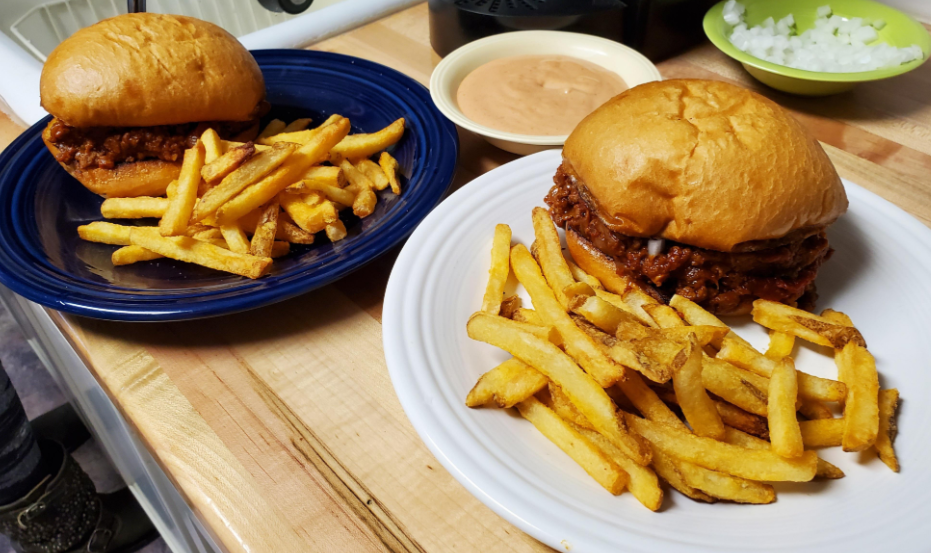
Sloppy Joes were built for weeknights when nobody wanted to fuss. Ground beef, a tomato-based sauce, and buns can feed several people quickly, and the filling can be stretched with lentils, beans, onions, peppers, or extra sauce. Budget Bytes lists a homemade sloppy joe recipe at about $10.20 total, or roughly $2.04 per serving, though prices will vary by store and region. The downside is that buns, chips, and sides can add up, so the best value usually comes from serving them with potatoes, vegetables, or leftovers.
Trending on Cheapism

Breakfast for Dinner
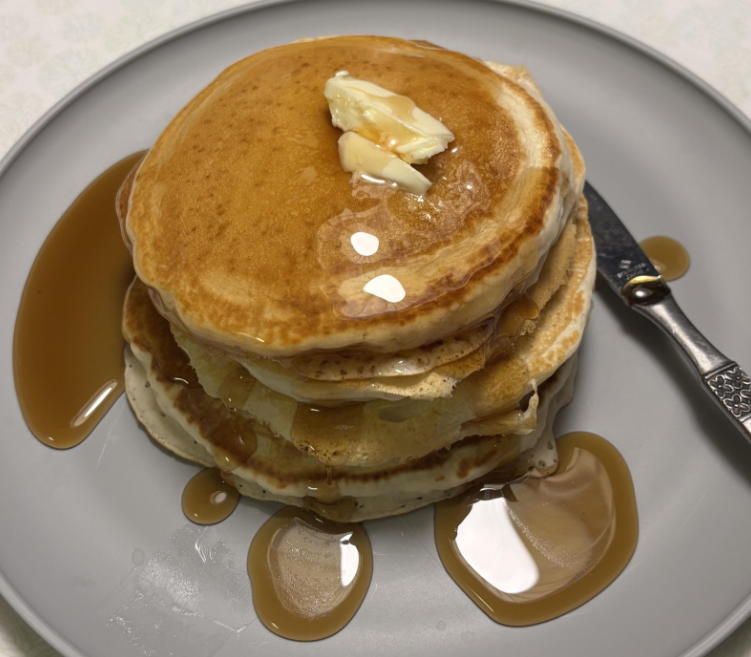
Breakfast for dinner was never just cute. It was budget strategy. Pancakes, toast, eggs, breakfast potatoes, oatmeal, or French toast can turn basic ingredients into a full meal without buying a special dinner protein. This one is especially useful when the fridge is down to eggs, bread, milk, and potatoes. The only caution is that egg prices have been unpredictable in recent years, so the cheapest version may change from week to week. Pancakes or potatoes can carry the meal when eggs are pricey.
Potato Soup
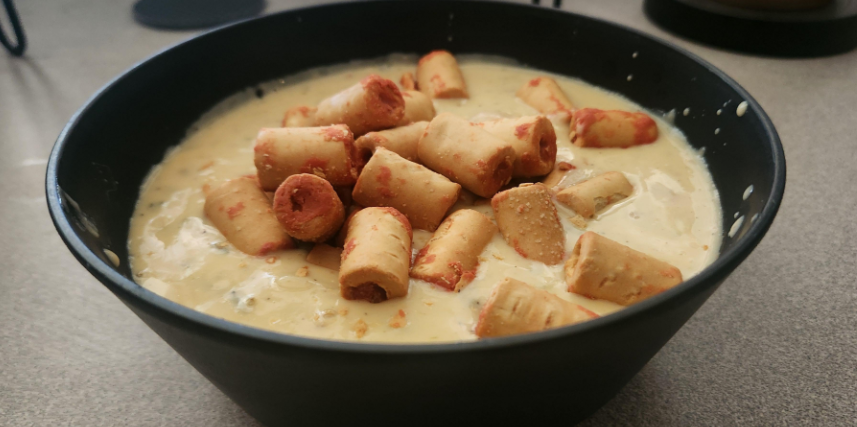
Potato soup is the kind of meal that reminds people why potatoes have always mattered in budget kitchens. A few potatoes, onion, broth, milk, and seasoning can become a big pot of soup, with bacon, cheese, or sour cream added only if the budget allows. USDA noted that fresh potato prices were lower in April 2026 than a year earlier, even as many other vegetable prices rose.
Macaroni and Tomatoes
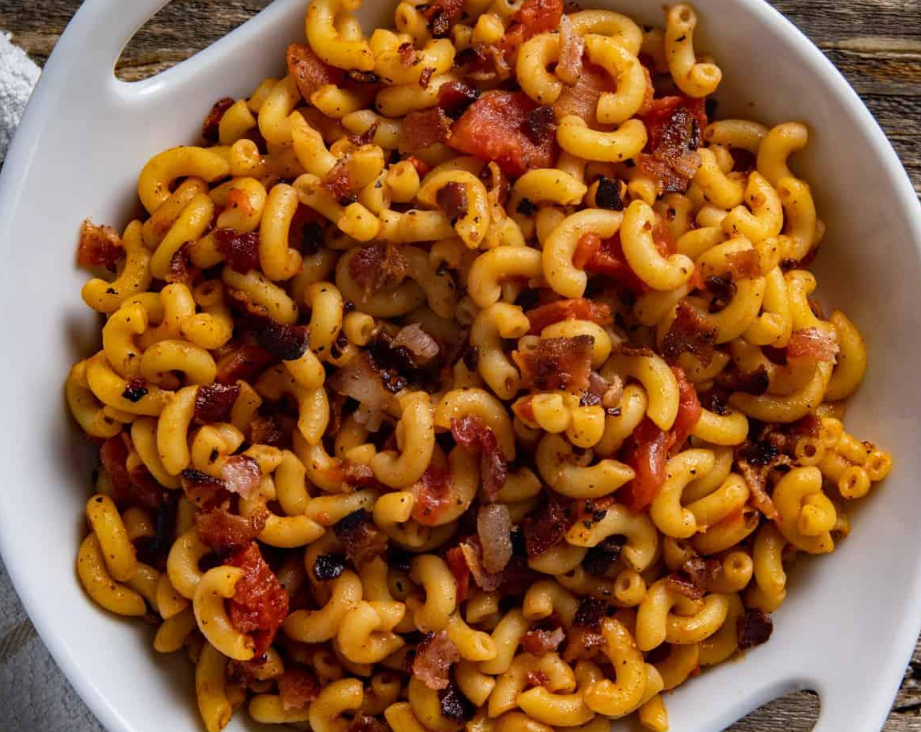
Macaroni and tomatoes is about as plain as budget cooking gets, but that is part of its staying power. Pasta and canned tomatoes can sit in the pantry until the night before payday, then turn into a hot meal in minutes. Some families add butter, onion, pepper, cheese, or a little ground beef if they have it. Others keep it almost bare. It is not a protein-heavy dinner on its own, so beans, eggs, tuna, or leftovers can make it more filling without ruining the low-cost appeal.
Sign up for our newsletter
Grilled Cheese and Tomato Soup
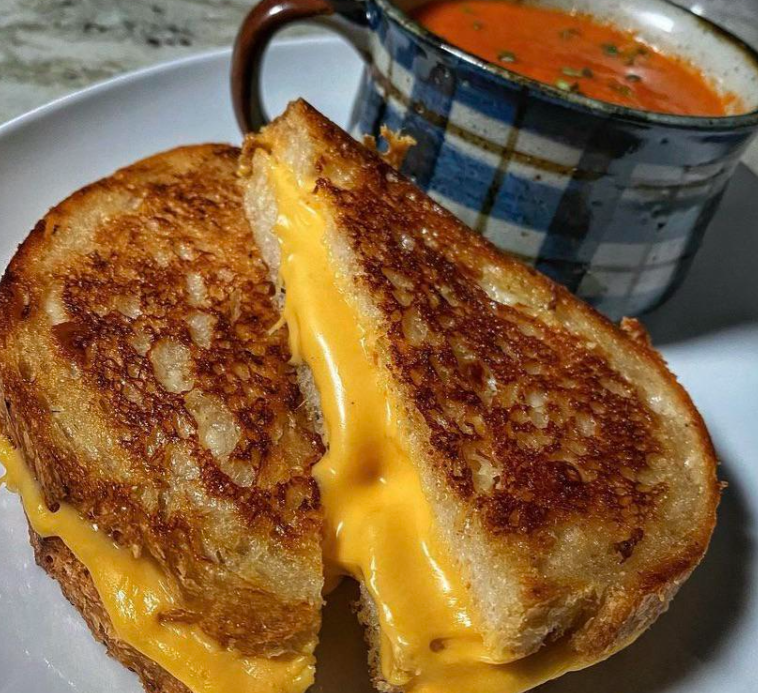
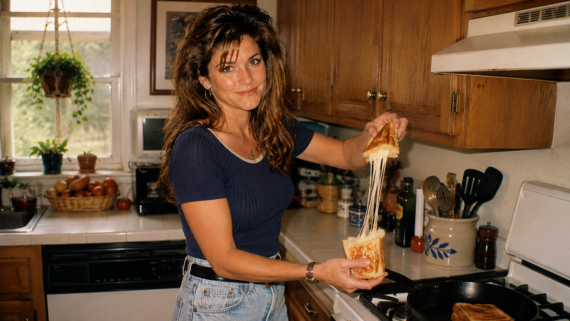
Grilled cheese and tomato soup is the comfort-food version of “use what you have.” Bread, cheese, butter, and canned soup can feed a family quickly, especially on cold nights or busy school evenings. It also compares well against restaurant comfort food, where a simple sandwich and soup can cost far more than the homemade version. The limitation is nutrition: it can be salty and light on vegetables unless you add a salad, fruit, or extra tomatoes. Still, for a cheap, familiar dinner, it is hard to beat.
Chicken and Rice Casserole
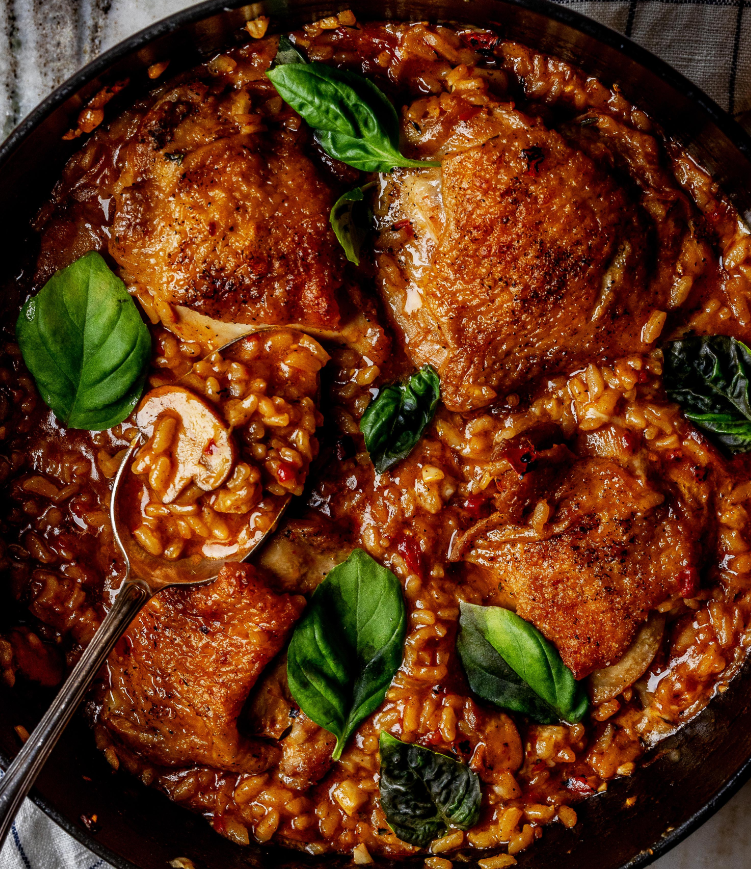
Chicken and rice casserole was popular because it made one or two chicken breasts feel like dinner for the whole table. Rice, canned soup, frozen vegetables, and leftover chicken can all go into one baking dish, which keeps cleanup easy too. It is still practical today, especially when rotisserie chicken leftovers or sale-priced chicken need a second life. The downside is that canned soups and seasoning mixes can be high in sodium, so homemade sauce or low-sodium versions may be better for some households.
Bean Burritos
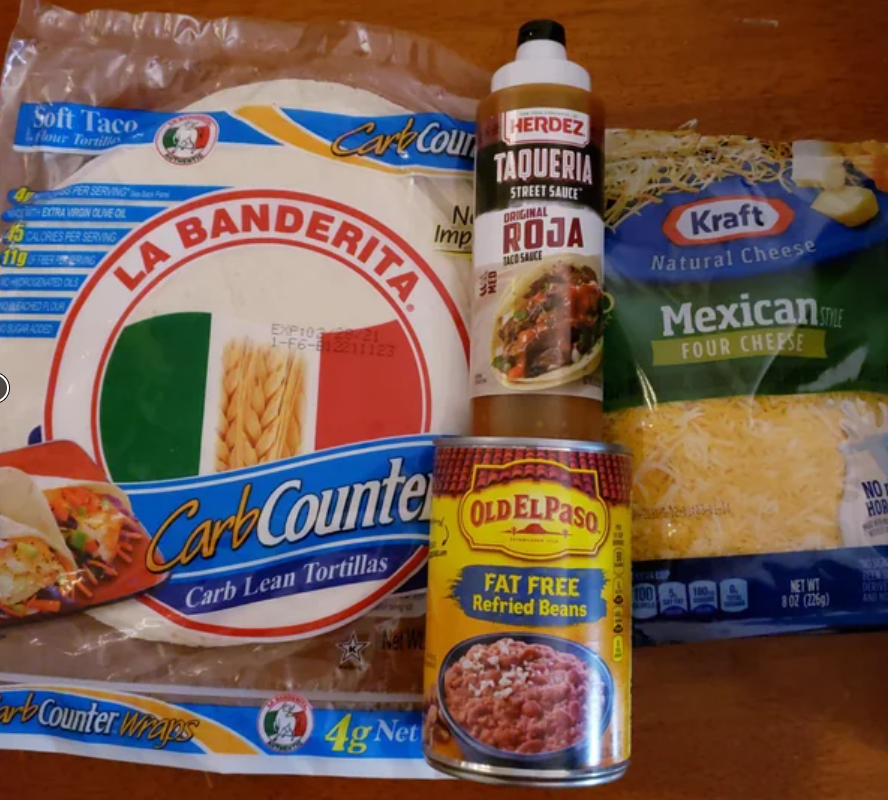
Before fast-casual burritos became a premium lunch, bean burritos were one of the easiest cheap meals around. Refried beans or black beans, tortillas, cheese, salsa, and rice can make a filling dinner for far less than takeout. They also freeze well, which makes them useful for older adults, working parents, or anyone who wants emergency meals ready. The main downside is that tortillas and toppings can quietly raise the total cost, so the best budget version keeps the fillings simple and uses beans as the base.
Shepherd’s Pie
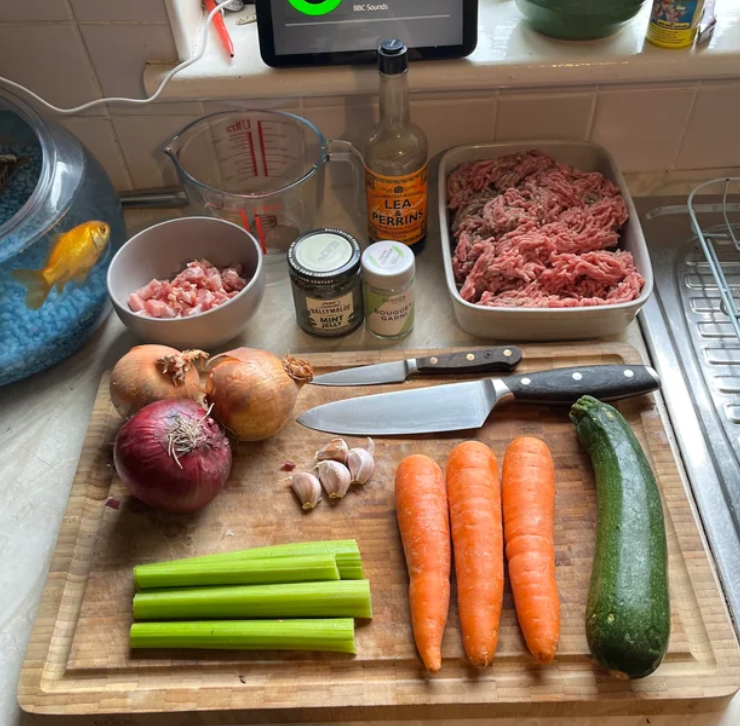
Strictly speaking, shepherd’s pie is made with lamb and cottage pie is made with beef, but many American families use “shepherd’s pie” for the ground-meat-and-potato version they grew up with. It is a smart leftover meal: ground meat, mixed vegetables, gravy, and mashed potatoes become a full dinner in one dish. It works especially well after a big batch of mashed potatoes or a sale on ground beef. The only downside is prep time.
Pasta With Butter and Parmesan
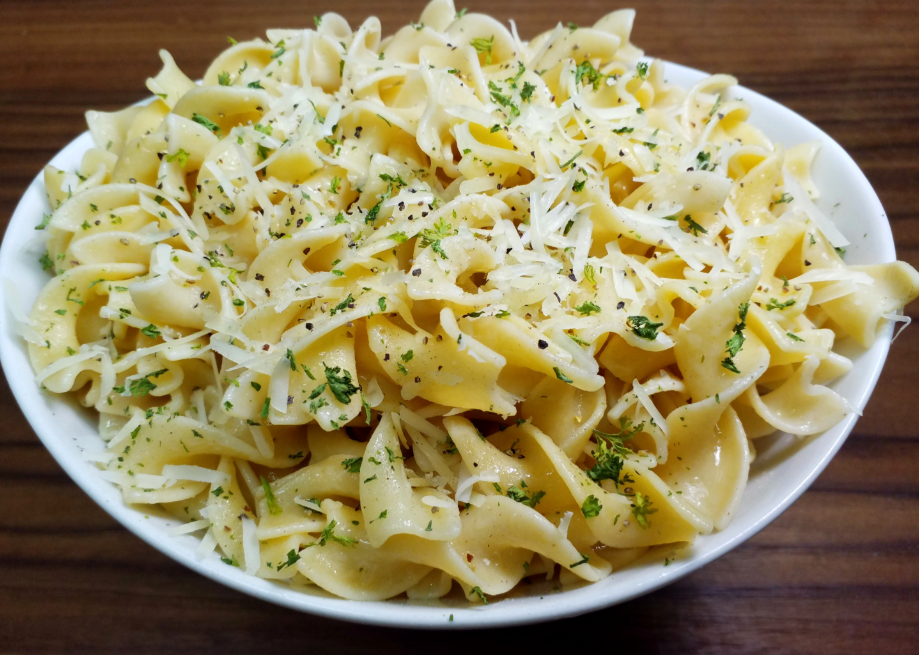
Plenty of adults remember pasta with butter and Parmesan as the dinner that appeared when money, time, or patience was gone. It is still useful because it requires almost nothing: pasta, butter, grated cheese, salt, and pepper. It also works for picky eaters and can be upgraded with peas, broccoli, canned tuna, leftover chicken, or a fried egg. The downside is that it is more of a base than a balanced meal, so families may want to add vegetables or protein when they can.
Hot Dog and Bean Suppers
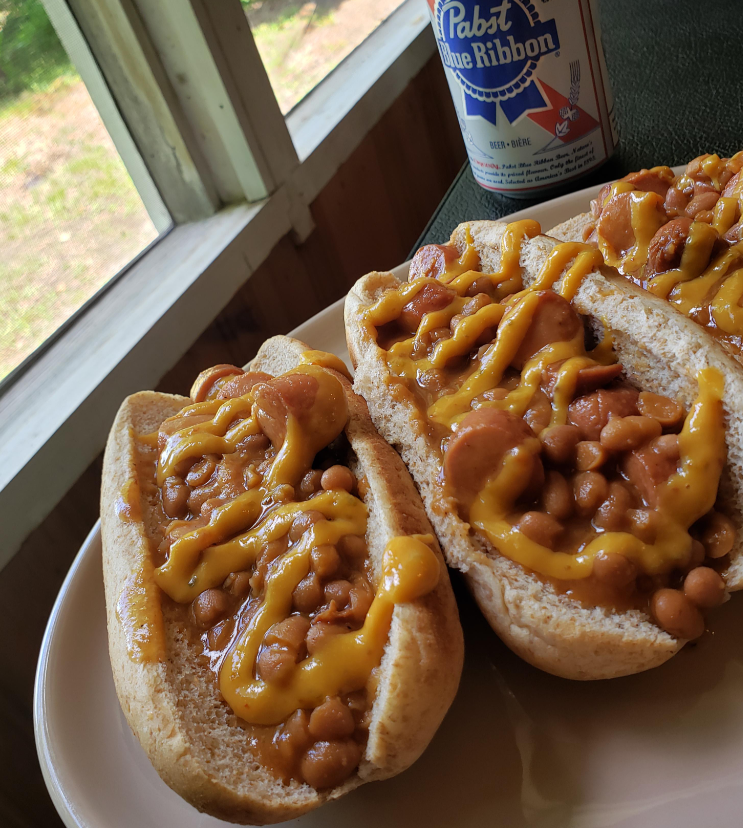
Hot dogs and baked beans were a classic weeknight supper because they were easy, familiar, and hard to mess up. Even now, the meal can be cheaper than fast food if you buy store brands or sale items. Some families slice hot dogs into beans, serve them with toast, or turn the mix into a casserole with biscuits on top. The downside is that hot dogs are processed and can be salty, so this is better as an occasional budget meal than an every-week dinner plan.
Homemade Chili
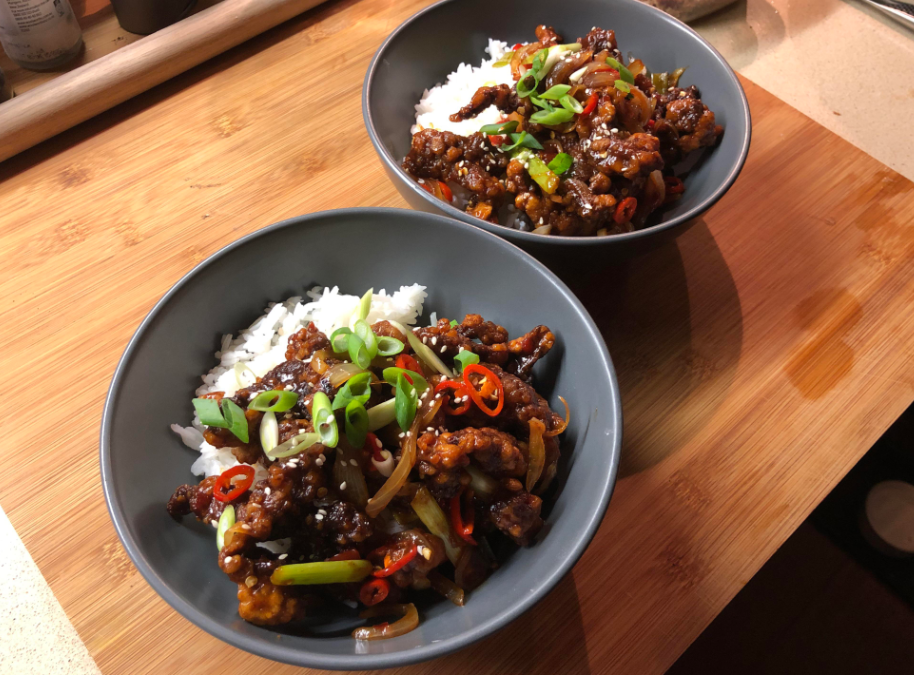
Chili is one of the best examples of a meal that rewards batch cooking. Beans, tomatoes, spices, onion, and a modest amount of meat can produce a pot big enough for dinner, leftovers, baked potato toppings, or freezer meals. Reddit frugal-cooking threads often mention beans, lentils, and chili-style meals because they stretch far. The limitation is that beef can be expensive, so the budget version leans heavier on beans and uses meat more like seasoning than the star.
Baked Potato Bar
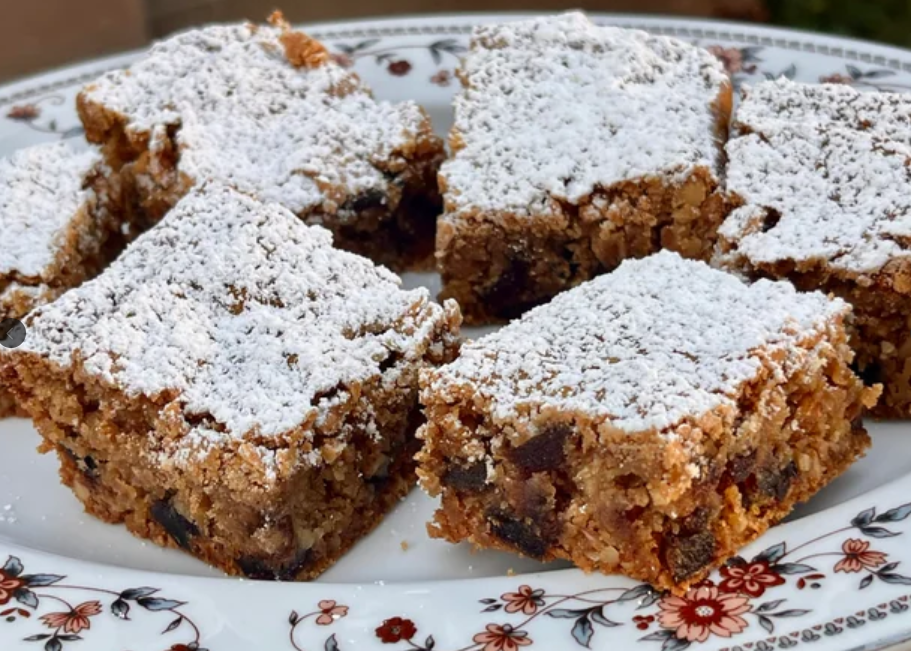
A baked potato bar sounds like a school cafeteria memory, but it is still a smart family dinner. Potatoes are filling, easy to cook in batches, and flexible enough for different appetites. Toppings can be as simple as butter and cheese or as practical as leftover chili, broccoli, beans, sour cream, or taco meat. The value comes from using what is already in the fridge. The downside is that packaged bacon bits, fancy cheeses, and multiple toppings can turn a cheap dinner into a sneaky splurge.
Chicken Pot Pie
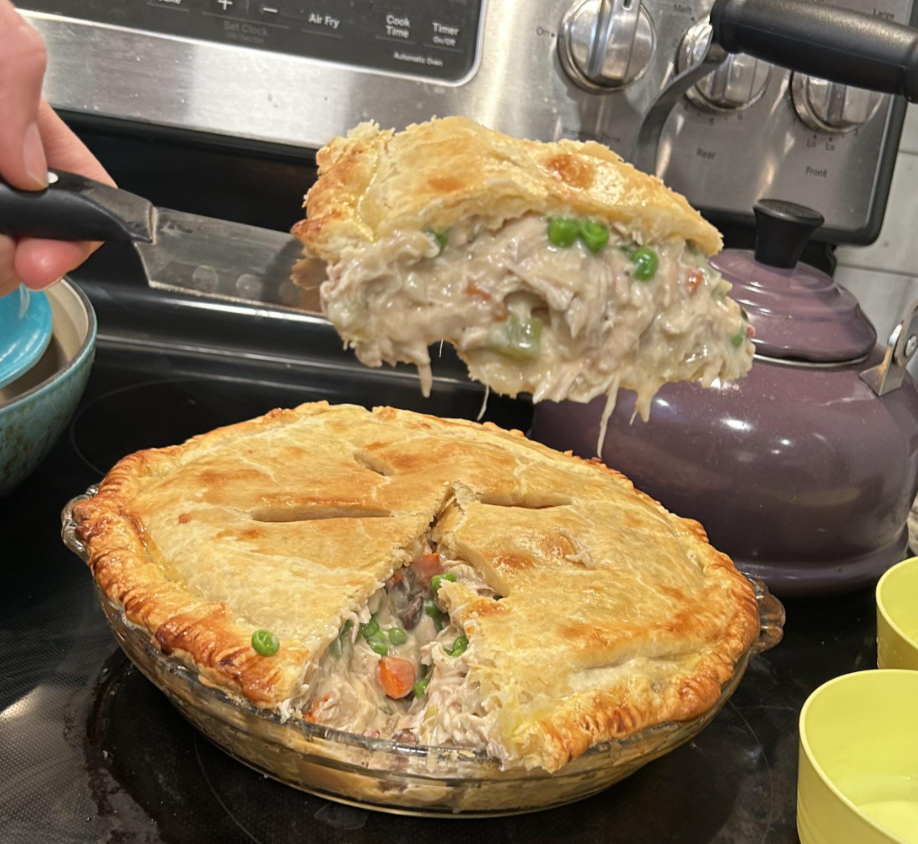
Chicken pot pie is a classic way to make leftover chicken feel like a new meal. Frozen vegetables, gravy or cream sauce, and a pie crust or biscuit topping can turn small scraps of chicken into a filling dinner. It also has the advantage of feeling more special than the ingredients suggest. The downside is that store-bought crusts and canned fillings can raise the price, so the best savings usually come from using leftover chicken, frozen vegetables, and a simple homemade topping.
Ramen Upgrades
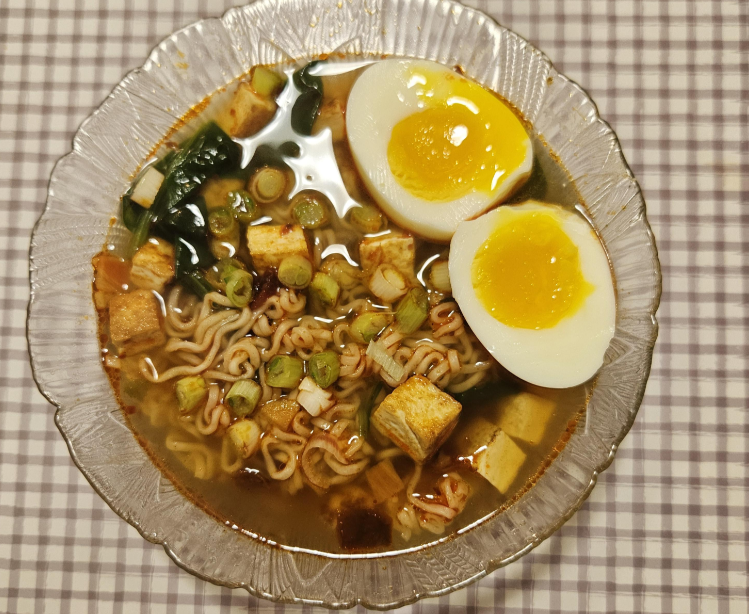
Ramen upgrades are not just for college students. Families have long used cheap noodles as a base, then added eggs, frozen vegetables, leftover chicken, green onions, or a spoonful of peanut butter or chili sauce. Recent budget-food threads still mention ramen with hard-boiled egg and frozen vegetables as a filling, low-cost meal. The downside is obvious: instant ramen packets can be very high in sodium, so using less seasoning or adding broth, vegetables, and protein can make it more practical.
Biscuits and Gravy
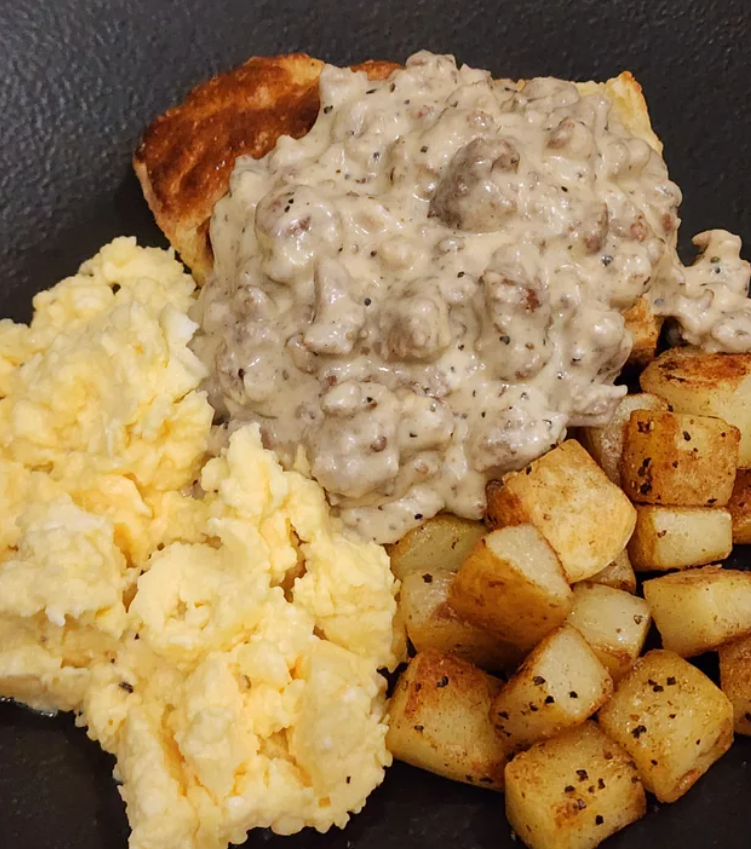
Biscuits and gravy is another old comfort meal that works because the ingredients are basic. Flour, milk, fat, sausage, and biscuits can produce a breakfast-for-dinner plate that feels filling without requiring steak, chicken breasts, or takeout. It is especially useful when sausage is on sale or when homemade biscuits replace canned ones. The downside is that it is not exactly light food, and sausage prices vary. For families watching sodium or fat, smaller portions with fruit or eggs on the side may make more sense.
Mac and Cheese With Hot Dogs
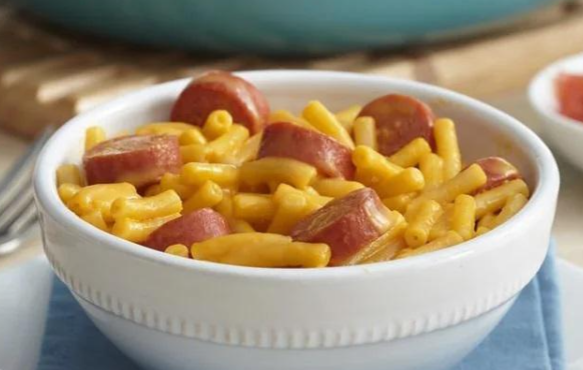
Mac and cheese with hot dogs is the kind of meal many people remember from childhood but do not always admit they still like. Boxed macaroni, sliced hot dogs, and maybe peas or broccoli made a quick dinner that kids usually ate without complaint. It is still useful when the goal is fast and filling rather than fancy. The limitation is quality: boxed versions can be salty and processed, so adding vegetables or using homemade cheese sauce can make it feel more like dinner and less like an emergency meal.