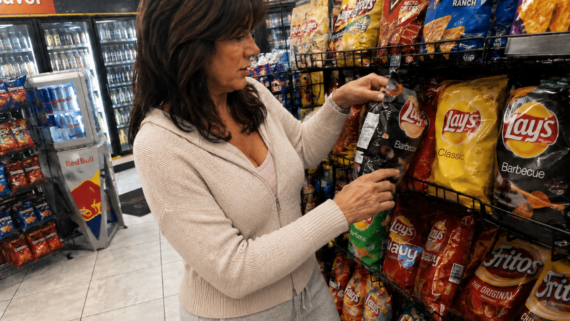
When fuel prices rose, many Americans began to rethink their spending, and as USDA Beef Price Reports, AAA Gas Prices, and Bureau of Labor Statistics CPI Data indicate, they were already considering this at the gas station. Discover which snacks people are no longer buying because they’re spending their money on fuel!
Single Beef Jerky Bags
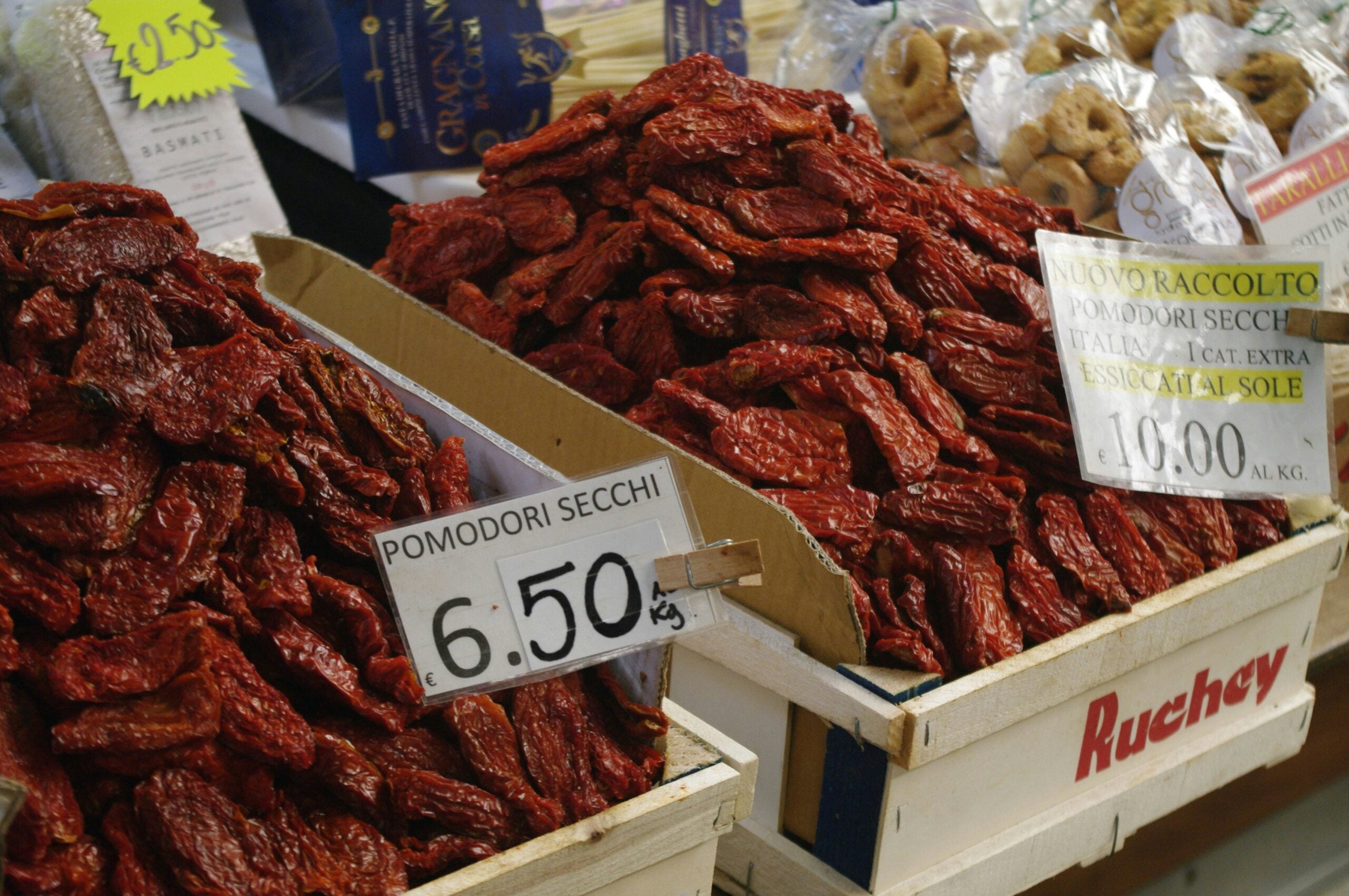
Inflation is affecting all prices, so the cost of goods at gas stations has risen as much as the price of gasoline. Small bags of jerky typically cost between $8 and $15 USD, depending on the brand and location. To offset the price, many drivers buy jerky in bulk at convenience stores to save money.
Bottled Soda
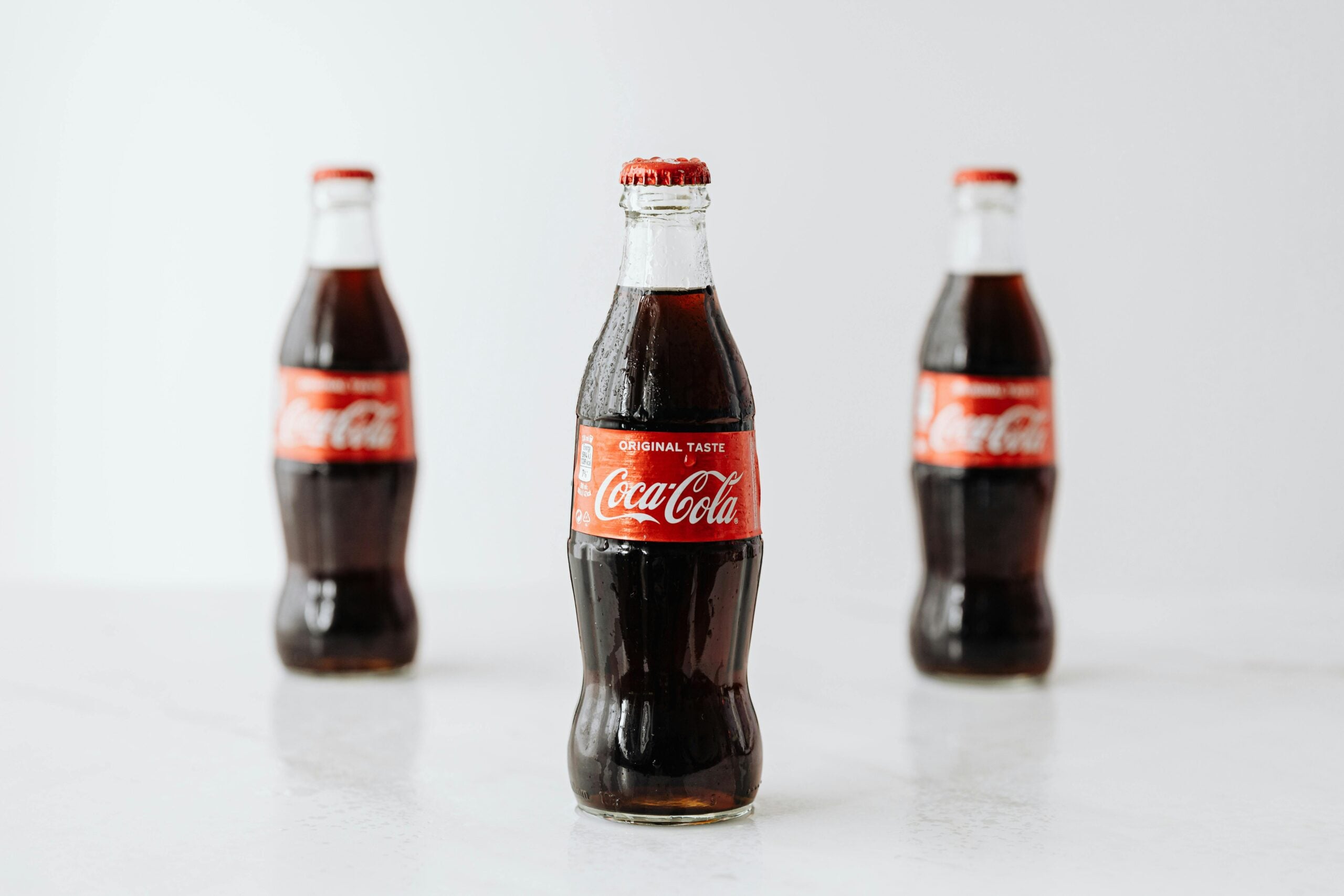
Bottled soda can cost between $3 and $5 USD at grocery stores. Families and drivers transporting goods are aware of these prices, so they often try to buy bottles in bulk. But another way to address the price issue with bottled soda is to bring your own from home, thus avoiding the inflated prices at gas stations.
Small Bags of Chips
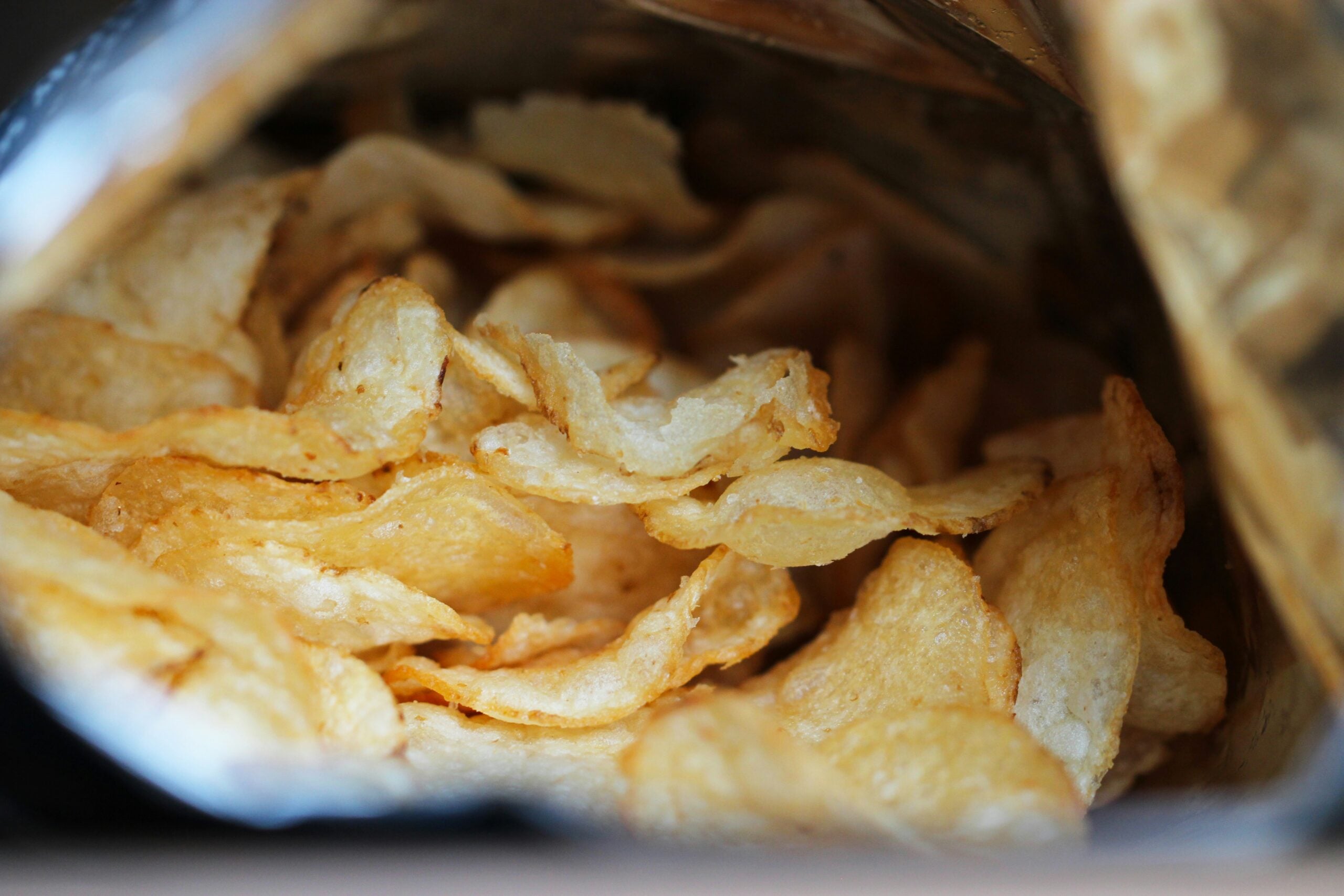
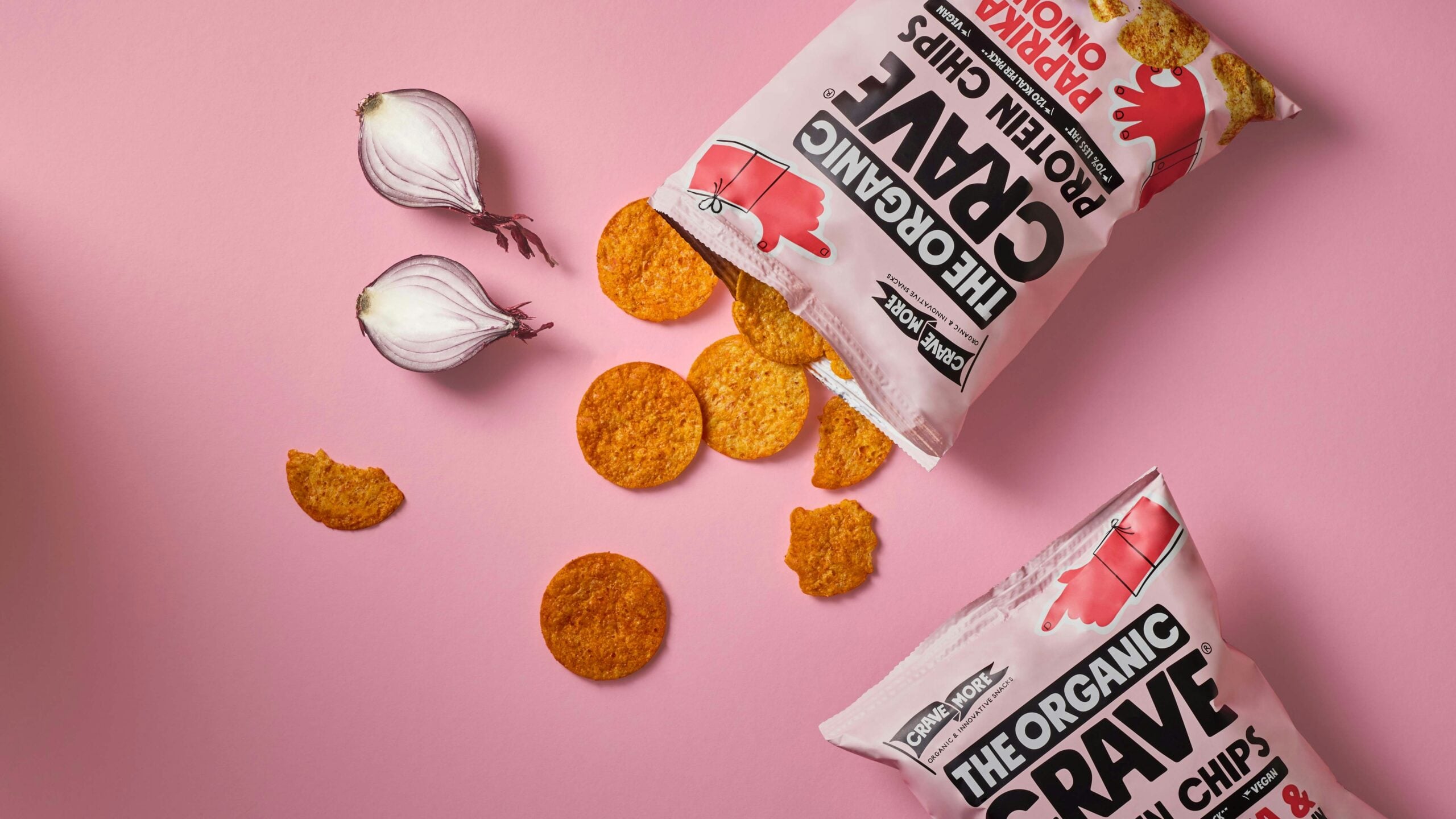
If you can’t break the habit of eating chips, perhaps a first step towards curbing your intake is to pay for a smaller bag of chips to save some money. These bags of chips usually cost between $3 and $6 USD depending on the brand and where you are. This price is linked to shrinkflation, where the price may remain the same but the product gets smaller and smaller. It’s no wonder drivers often complain about paying exorbitant prices for smaller portions.
Energy Drinks

Energy drinks aren’t good for the human body when consumed in large quantities, and now that you see the price of one ranges from $4 to $7 USD, you might think twice. At gas stations, you can compare the cost of an energy drink to that of a coffee, and in both cases, the price has increased. You can buy them in bulk at a warehouse or online, but remember to be careful with your intake.
Roller Grill Hot Dogs
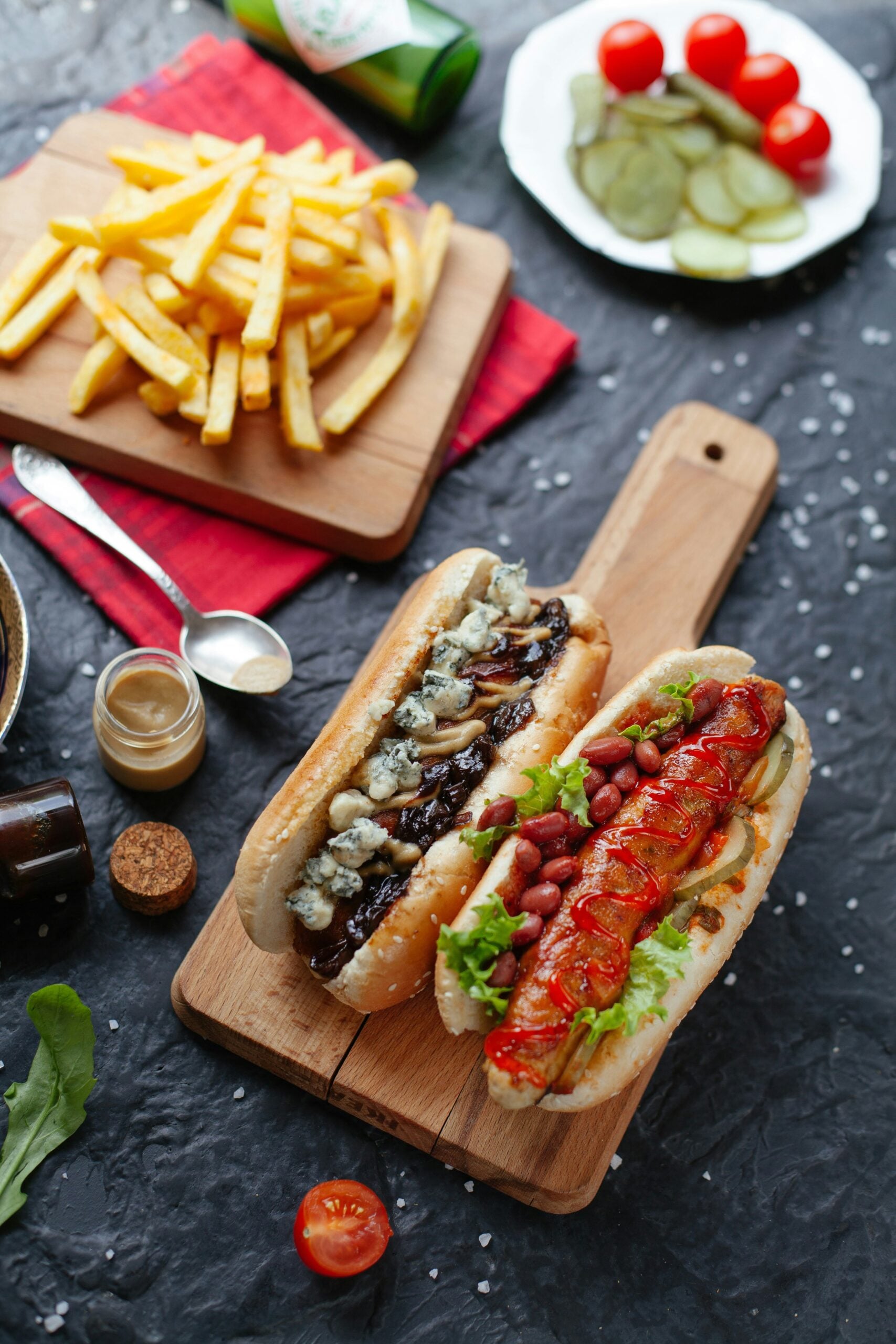
Hot dogs are a food we’ve all loved at some point in our lives. Because they’re so easy to eat, delicious, and portable, hot dogs are always a good choice. However, the current price of $4 to $8 USD, depending on the chain or the toppings, might deter some customers. Delivery drivers are already comparing them to fast-food combos and noticing the price difference.
Trending on Cheapism
Candy Bars at Checkout
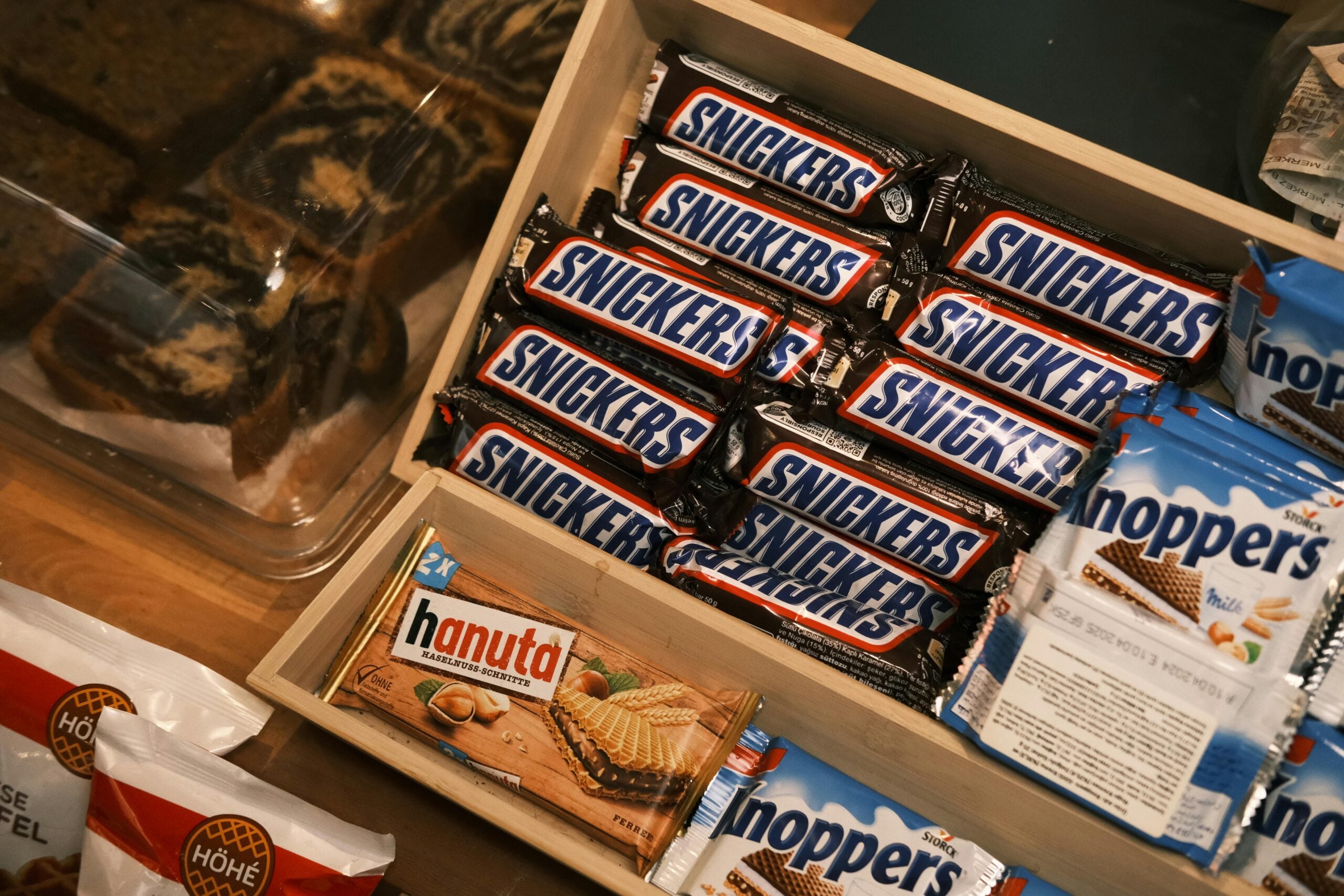
There’s a reason they put the candy near the registers while you’re waiting to pay—because it’s meant to tempt you while you’re looking around in line. The candy bars cost between $3 and $5 each, directly targeting impulse buys. Many customers compare prices at the gas station with those at the Dollar Store and come up short.
Premade Sandwiches
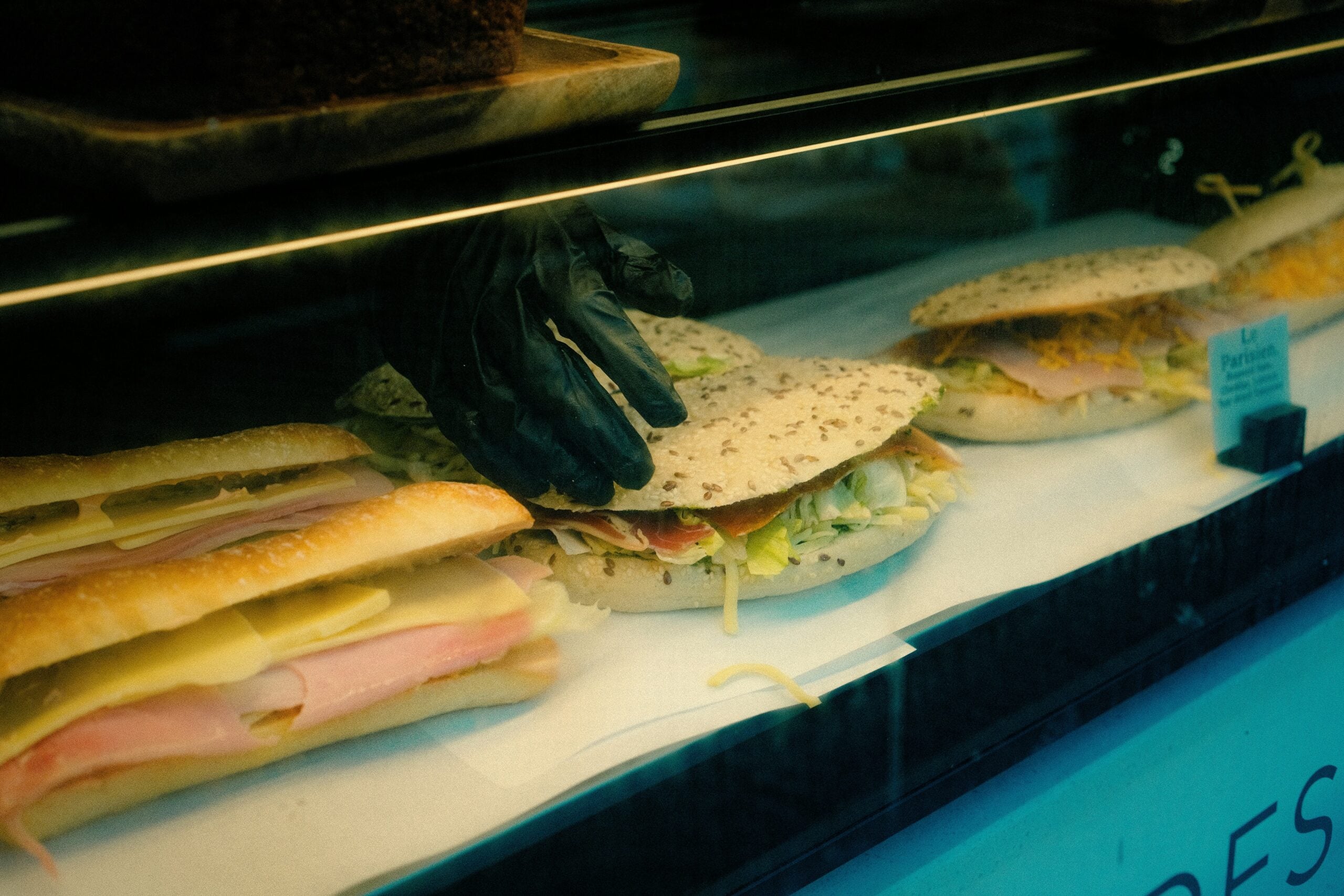
When buying a premade sandwich, compare its price to a full lunch at a fast-food chain. If the costs are similar, you’re better off going to a restaurant. These sandwiches cost between $8 and $14 USD at many gas stations, according to AAA Consumer Travel Costs, but even if they’re labeled “premium sandwich” or made with “fresh ingredients,” don’t fall for it…they’re not worth the price.
Convenience- Store Pizza Slices
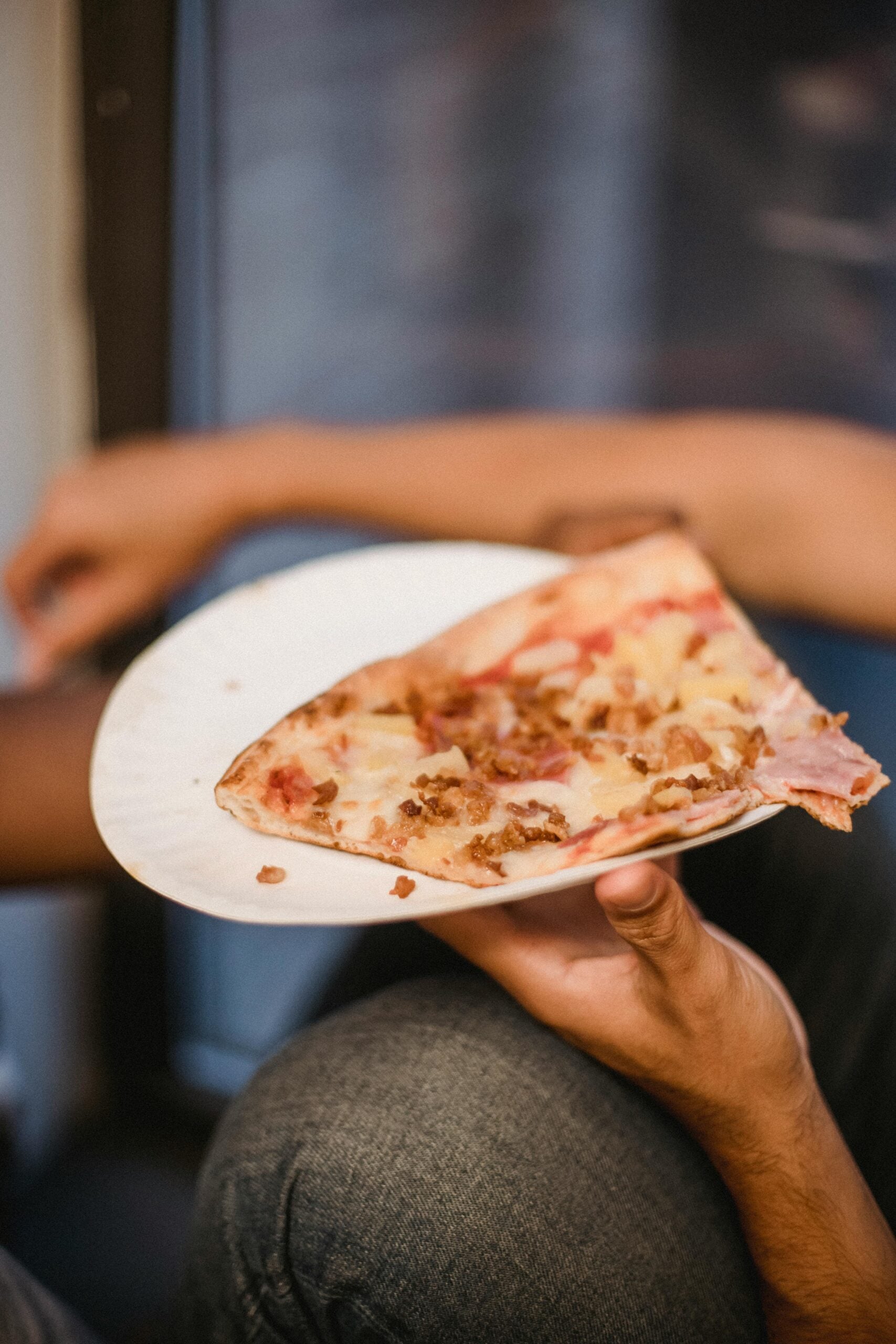
Convenience store chains offer so-called “premium” pizza slices for $4 to $7 USD. While this may not seem like an exorbitant expense, when you compare the price of a slice to the price of a whole pizza at Domino’s or Little Caesars, you realize it’s more expensive. These convenience stores have become particularly vulnerable during periods of high inflation, so pay attention to the price difference between a slice and a whole pizza.
Sign up for our newsletter
Trail Mix and Nut Packs
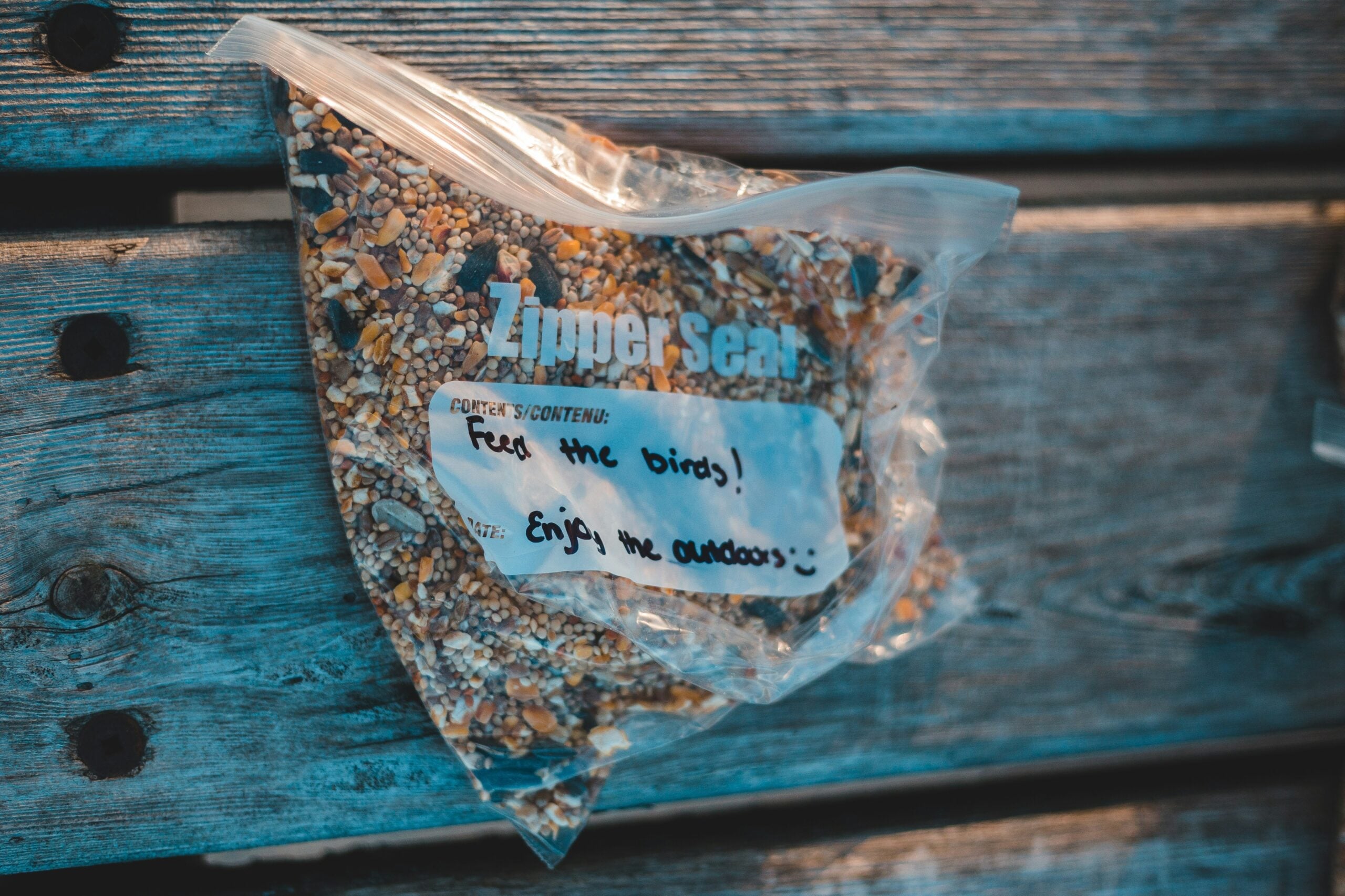
Small packets of Trail Mix typically cost between $5 and $10 USD at gas stations in 2026. Their counterparts cost a bit more because the cost of production and packaging, along with inflation, has affected them more. The solution drivers have found is to buy these packets in bulk at warehouses to get better prices.
Bottled Water
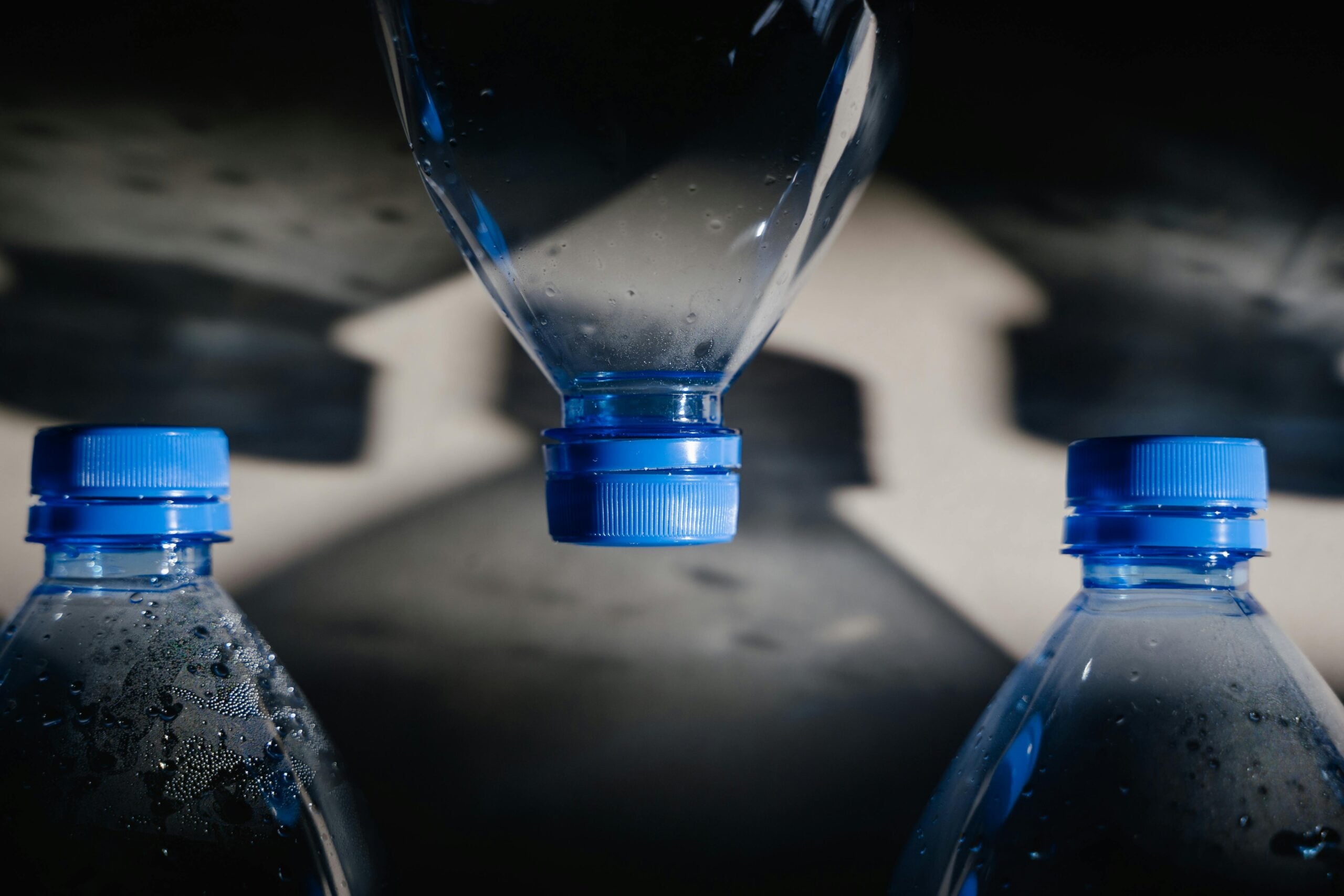
As Consumer Inflation Data has indicated, bottled water prices have risen significantly. A single bottle can cost between $2 and $4 USD at gas stations. Because of this, many drivers have opted to carry reusable bottles and refill them regularly. They were practically forced to do so after seeing the prices at the pumps. A similar situation occurs at airports or in tourist areas; prices are exorbitant.
Gas Station Coffee

We know you can’t go several days without coffee, but we ask that you avoid buying it at gas stations, it’s to save you money! At many of these places, a coffee can cost you between $3 and $6 USD depending on the size and the state, but it won’t be less than that. If you compare the prices to coffee at fast-food chains, you’ll be disappointed. Inflation has hit the production and transportation of coffee beans hard.
Ice Cream Bars
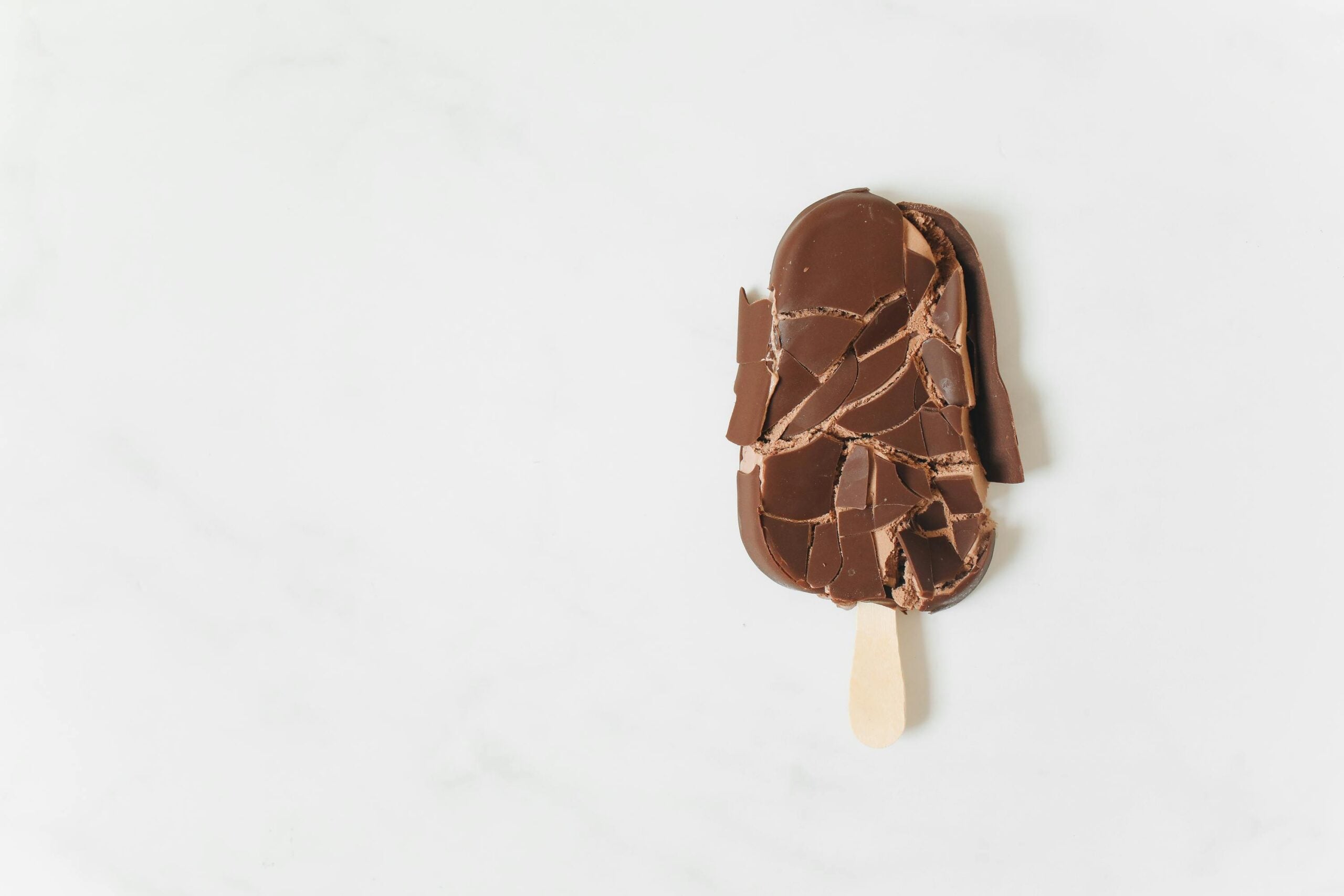
A single ice cream bar costs between $4 and $7 USD at convenience stores, and this is because frozen snacks have kept pace with inflation since 2020. What used to be a simple purchase that didn’t affect your daily budget is now considered an impulsive luxury. If you want to make your paycheck stretch, you should pay attention to these habits when you hit the road.
Gas Station Sushi
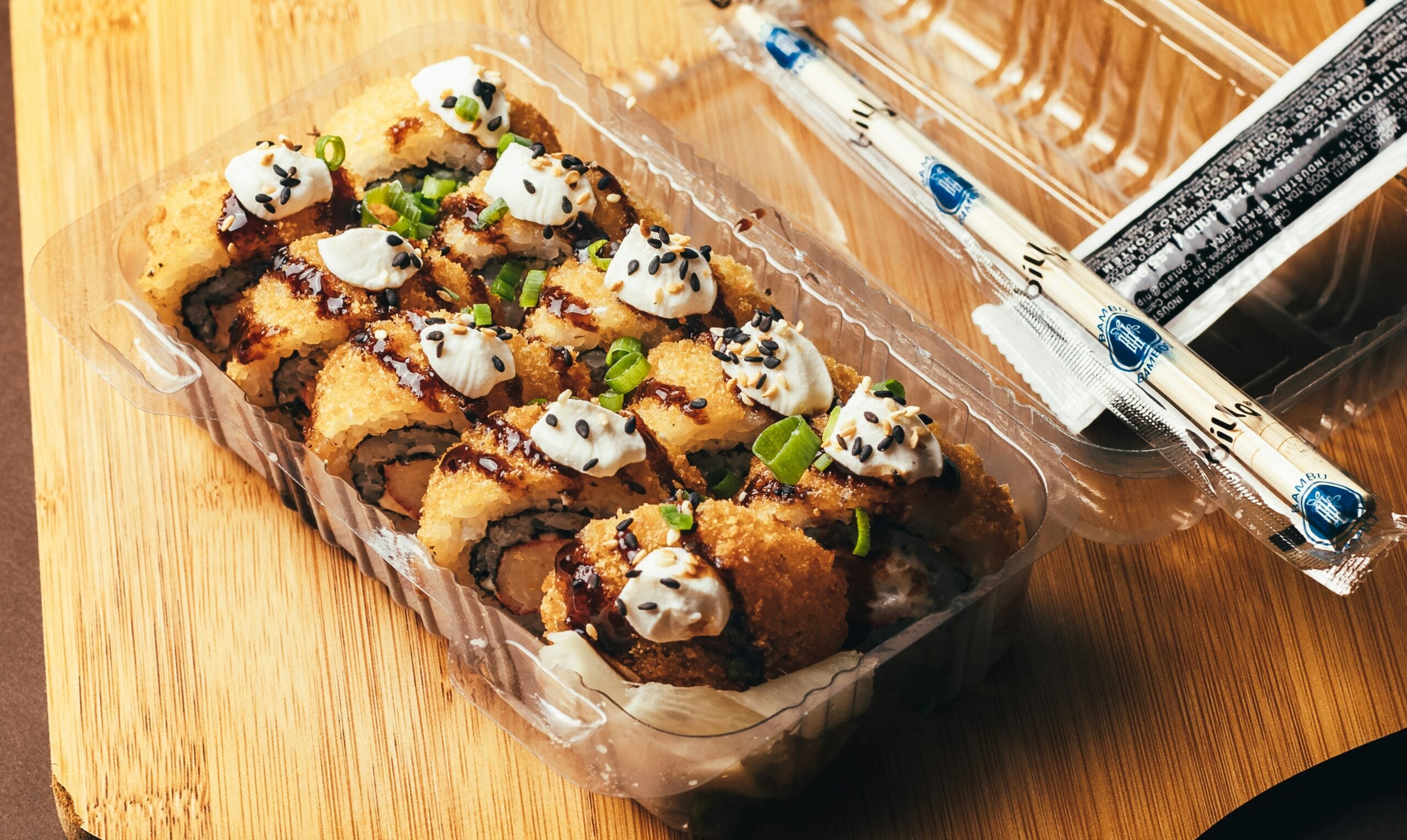
Just as you can find coffee at gas stations, you can also find sushi. It’s a food that’s generally expensive, but at gas stations, it reaches its peak in terms of value for money. You’ll pay between $10 and $16 USD if you’re a traveler looking for something to eat while on the road. It’s no wonder that premium gas stations have expanded into the prepared food sector since 2020.
Protein Bars
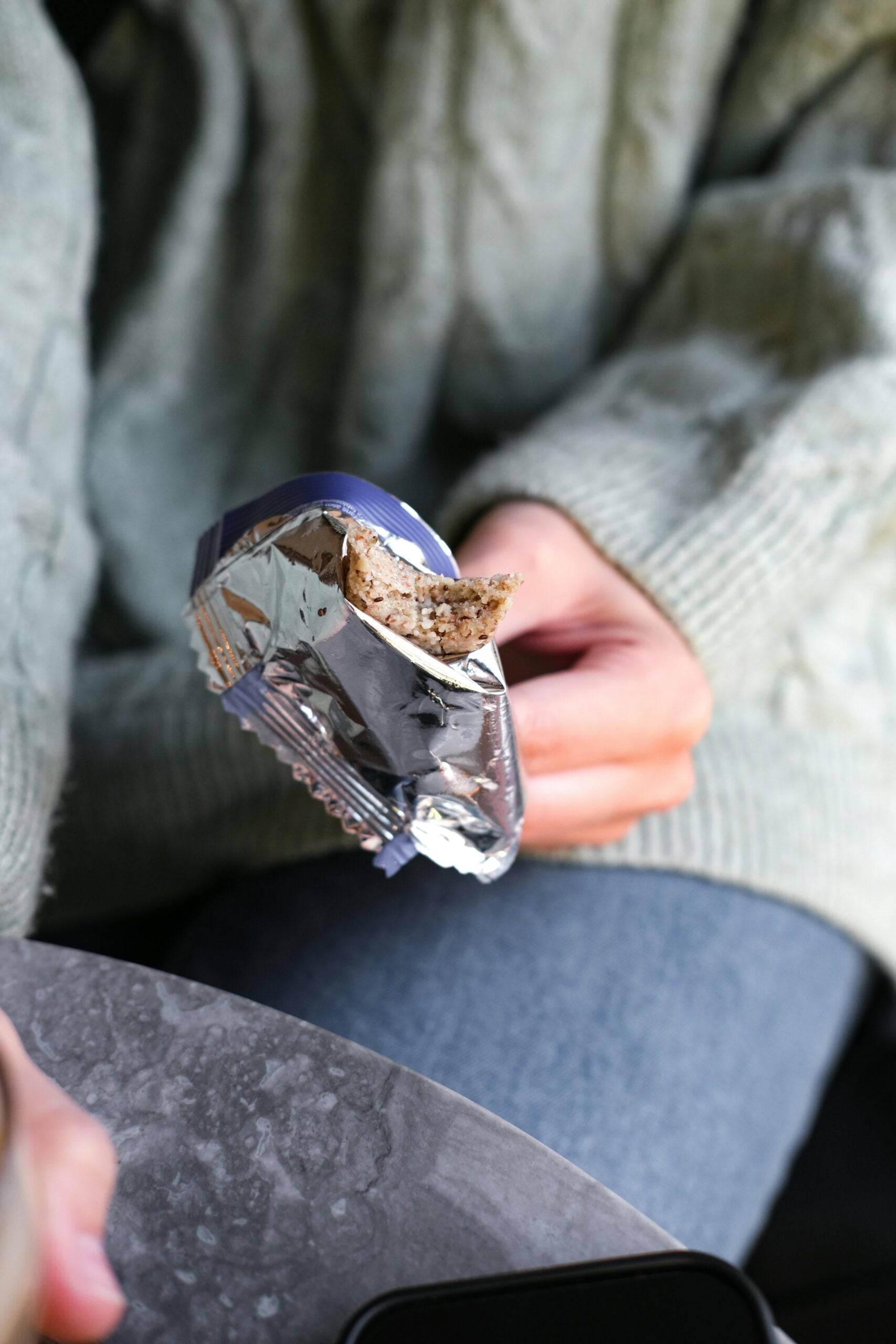
Protein bars are a food you can enjoy and get the most out of if you know when to eat them. These bars can cost between $4 and $6 USD at a gas station. When you’re trying to stay in shape, you might be a little influenced by the cost, right? The truth is, the best way to buy these protein bars is in bulk, and even better if you do it online, according to BLS Food Inflation Data.
“Healthy Snack” Packs
This isn’t the time to debate whether packaged cheese, fruit, hummus, and protein are healthy for you, but rather whether the $7 to $12 USD price tag is worth paying. You can find these kinds of “healthy snacks” at gas stations, and you’ll also notice the inflated price; they would cost less at a store near your home. Many drivers report paying the same prices at airports as they do at gas stations.
Basically Anything Near the Register
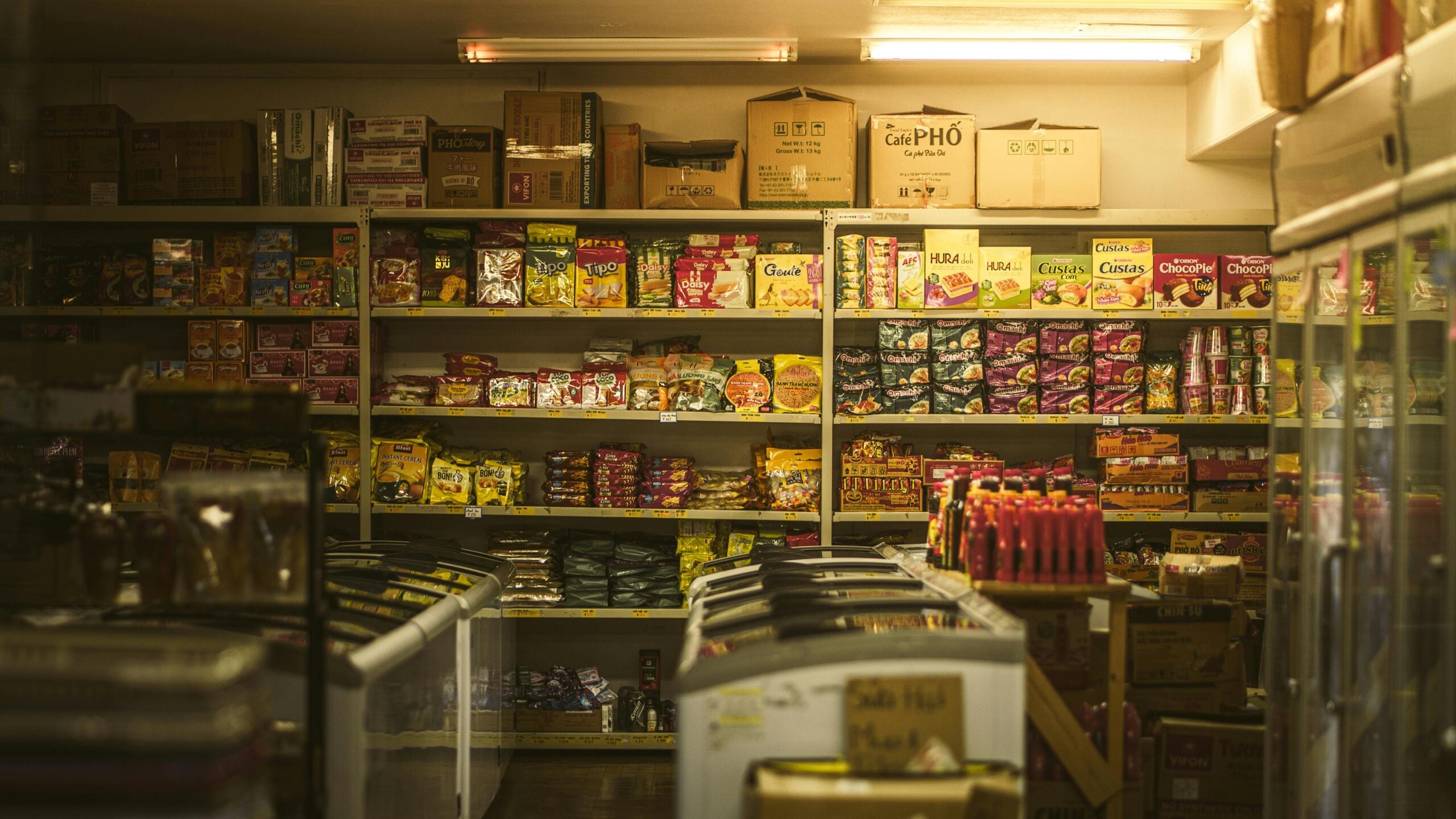
The area where you wait to pay for items in your cart at a gas station is more dangerous than you might expect. The element of surprise, waiting to leave but having to look around and see candy, brightly colored products, and other unnecessary but somehow appealing items, is a problem. This is why many Americans try to avoid shopping at gas stations. One more time, the affordability crisis changed how people think about small purchases.
More from Cheapism
- 15 Gas Station Mistakes That Are Costing You Money — Rising gas prices are making everyday driving more expensive, and simple mistakes at the pump may be quietly costing drivers even more money on every fill-up.
- Photos That Capture the Spirit of the Great American Road Trip — Vintage road trip photos capture America’s long-standing love of highway travel, showcasing generations of family adventures, classic cars, and the nostalgic spirit of the open road.
- Toyota Recalls 43,500 Trucks Over Engine Defect — Toyota has recalled more than 43,000 pickup trucks after a manufacturing issue was linked to possible engine damage and stalling risks.