Gourmet kitchens operate differently from the kitchens people are familiar with in restaurants or in their own homes. The meals served there require extensive preparation, precise timing, specialized roles, and coordination among multiple cooks. Drawing on information from Bon Appétit and The Culinary Institute of America, we’ll reveal what happens behind the scenes in a gourmet kitchen!
Some Dinner Preparations Begin Days Before Anyone Orders
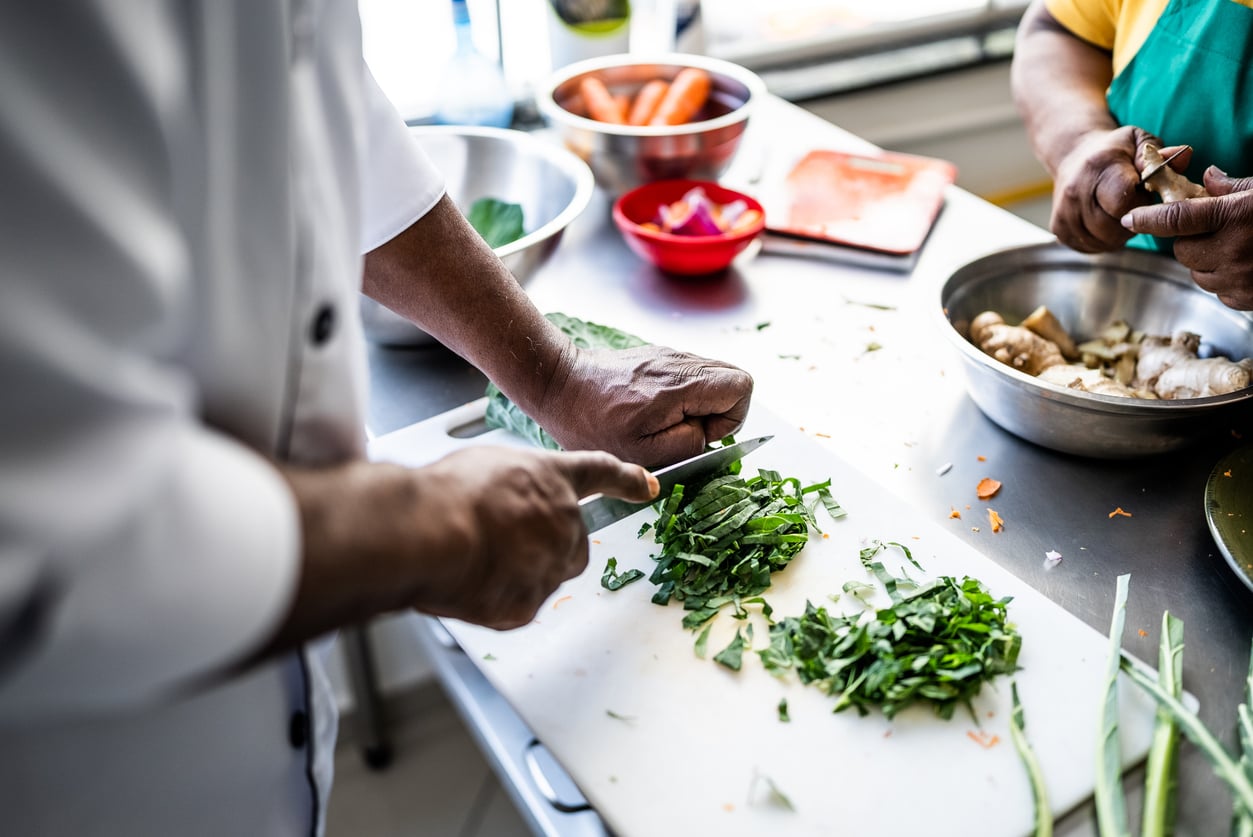
In sophisticated kitchens, certain ingredients and components must be prepared before service begins. Items such as stocks, sauces, and portioned ingredients are prepared in advance. A cook might spend hours at a station before service begins, even though preparing an individual dish may take only minutes.
One Person May Oversee Every Plate Before It Reaches the Dining Room
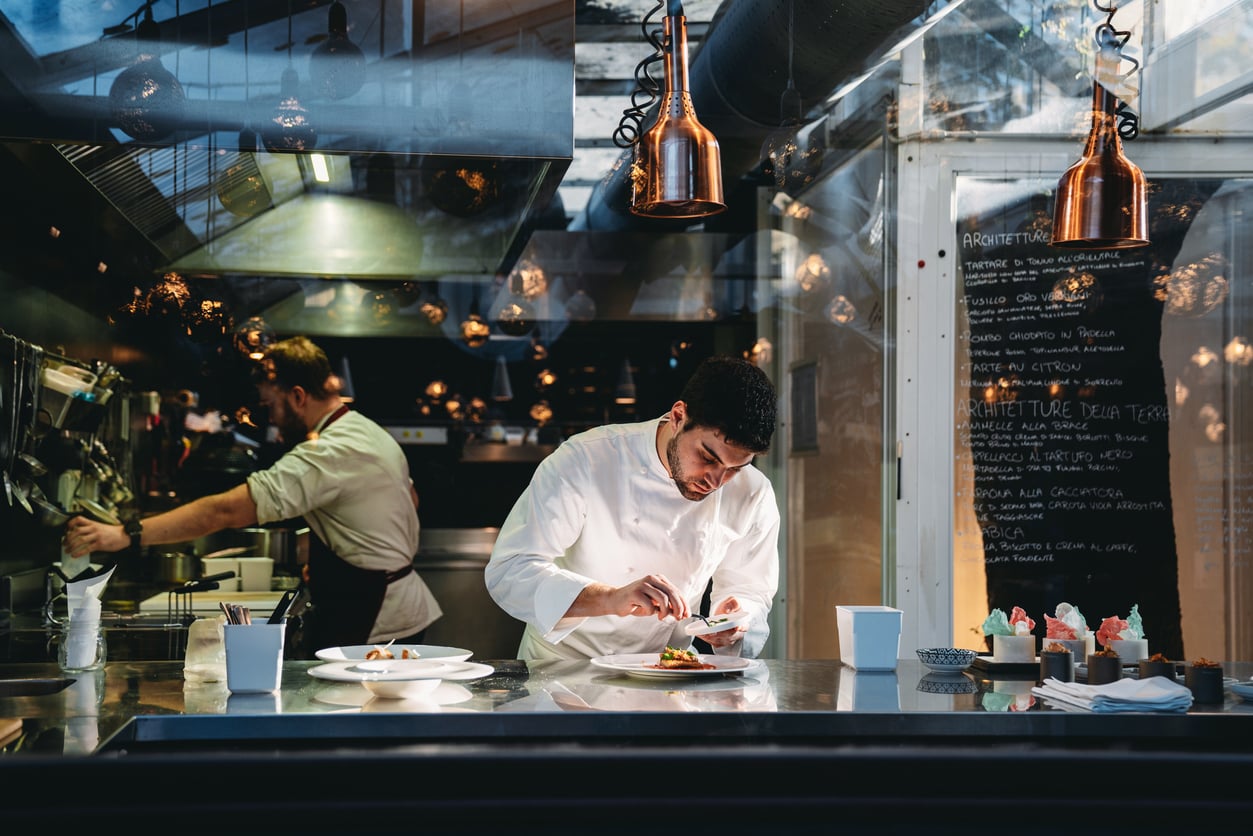
There is a person known as an expediter who coordinates the timing of orders, checks the dishes, and monitors the various cooking stations to ensure they are working well together. In gourmet kitchens, this staff member ensures that a diner’s steak remains hot while a fish dish is still prepared, coordinating the process so that both dishes arrive at the table hot.
Gourmet Kitchens Often Operate Like a Highly Specialized Assembly Line
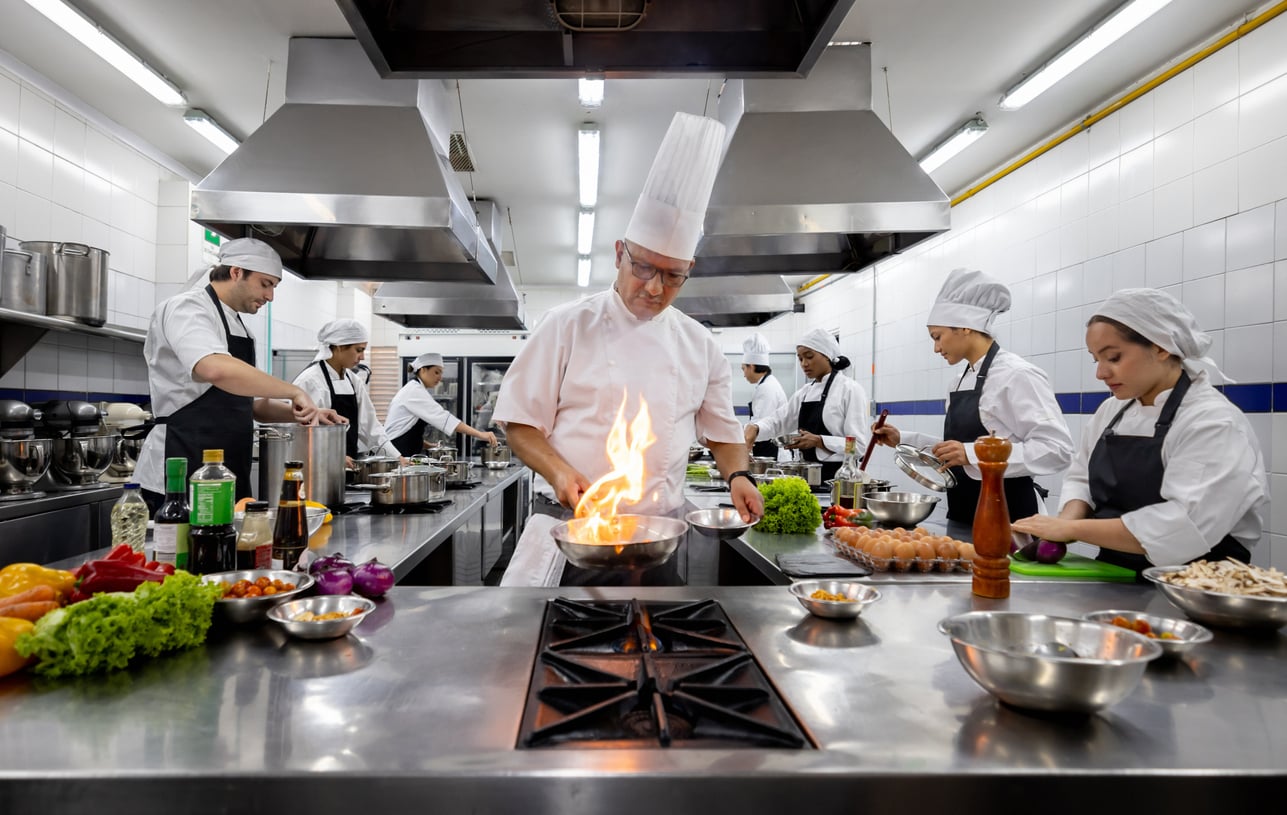
Responsibilities in gourmet kitchens are divided, with each cook individually handling tasks such as sautéing, grilling, cold preparations, pastry, and sauces. This structure is influenced by the classical French brigade system, functioning much like an assembly line, according to Michelin Guide.
Chefs May Taste Ingredients Repeatedly Before a Dish Is Served
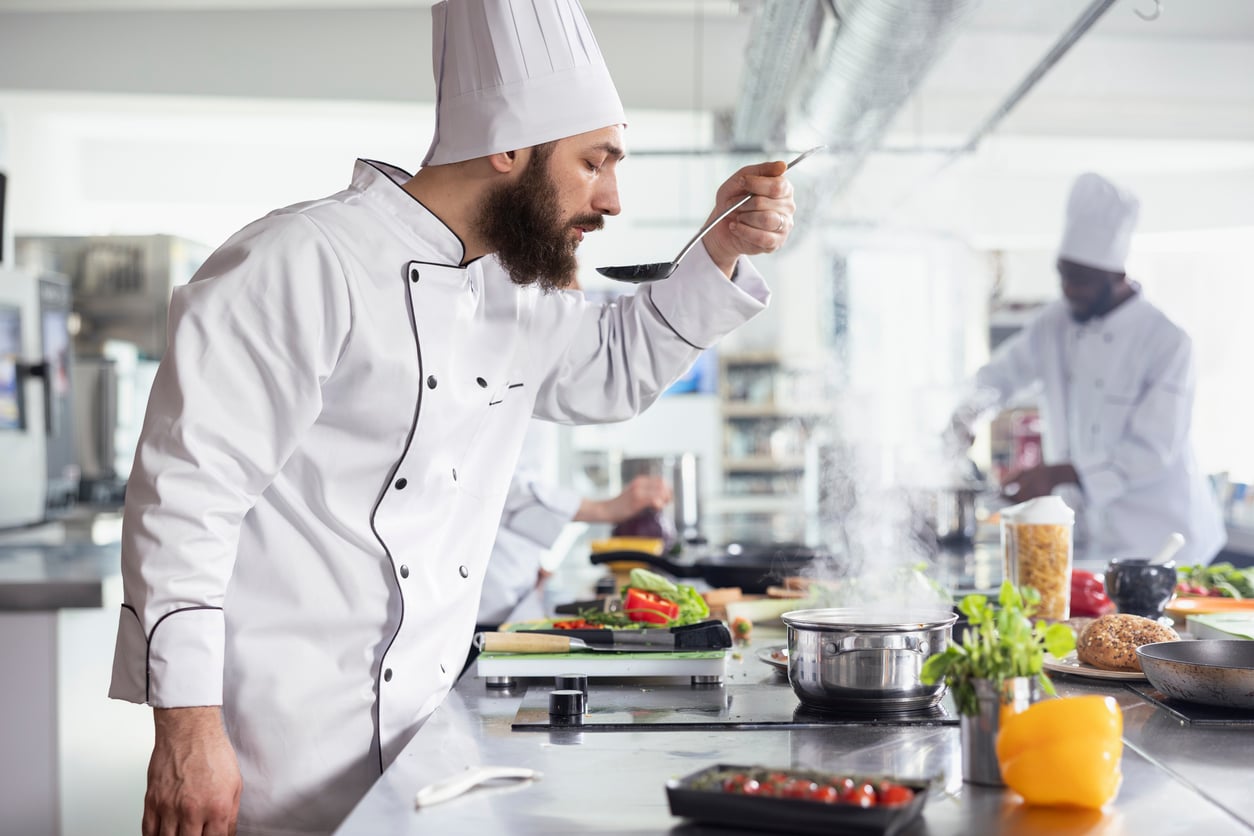
Professional chefs must continuously evaluate food as they prepare it, from sauces, soups, and reductions to complex components. Small adjustments to salt, acidity, sweetness, or temperature can alter the final result. Therefore, tasting a sauce before plating it ensures that the desired flavor profile has been achieved.
The Sauce on Your Plate May Take Longer to Make Than the Main Course
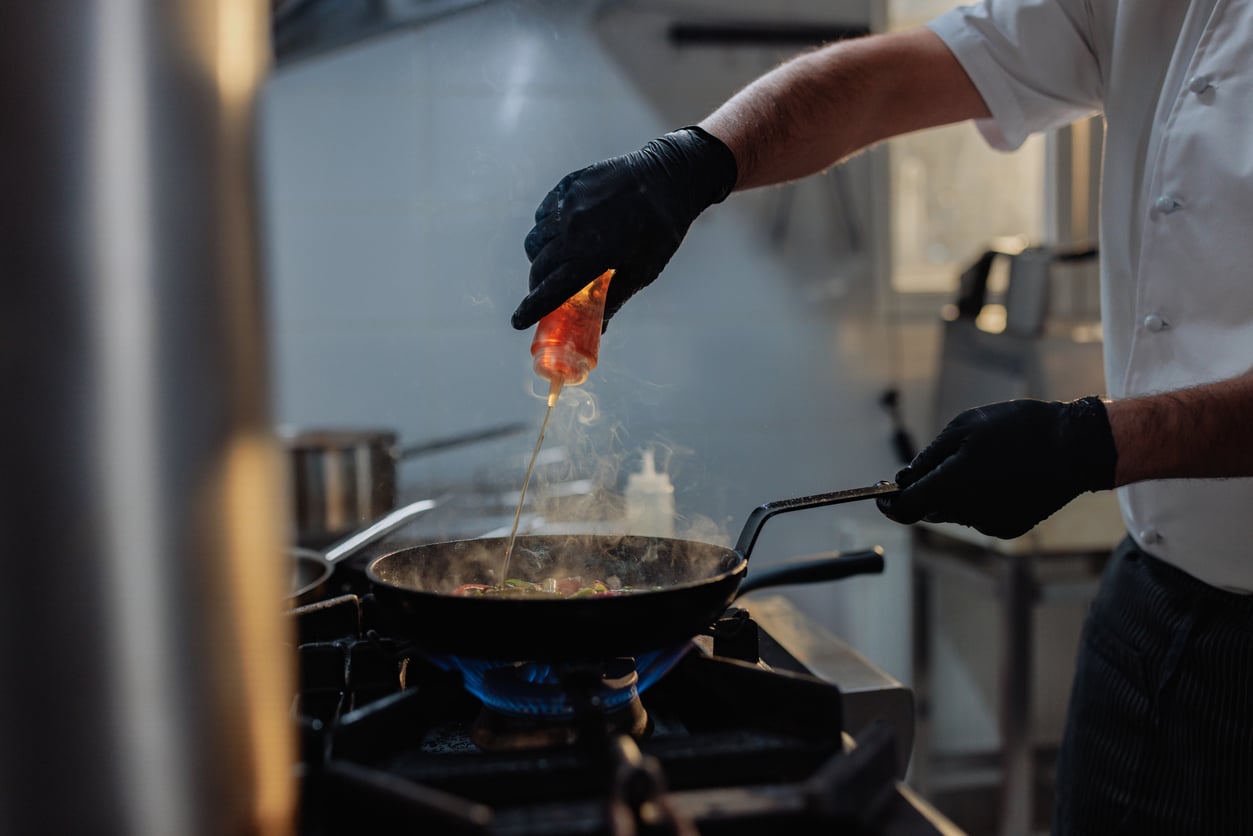
The process of preparing sauces in gourmet kitchens can take longer than preparing the main course. From roasting bones and simmering stocks to reducing liquids, these sauces can require hours of work. For this reason, they are prepared in advance, as they are a central feature of many dishes, according to the Culinary Institute of America (CIA).
Trending on Cheapism


Chefs Use Specific Plate Temperatures to Help Food Taste Better
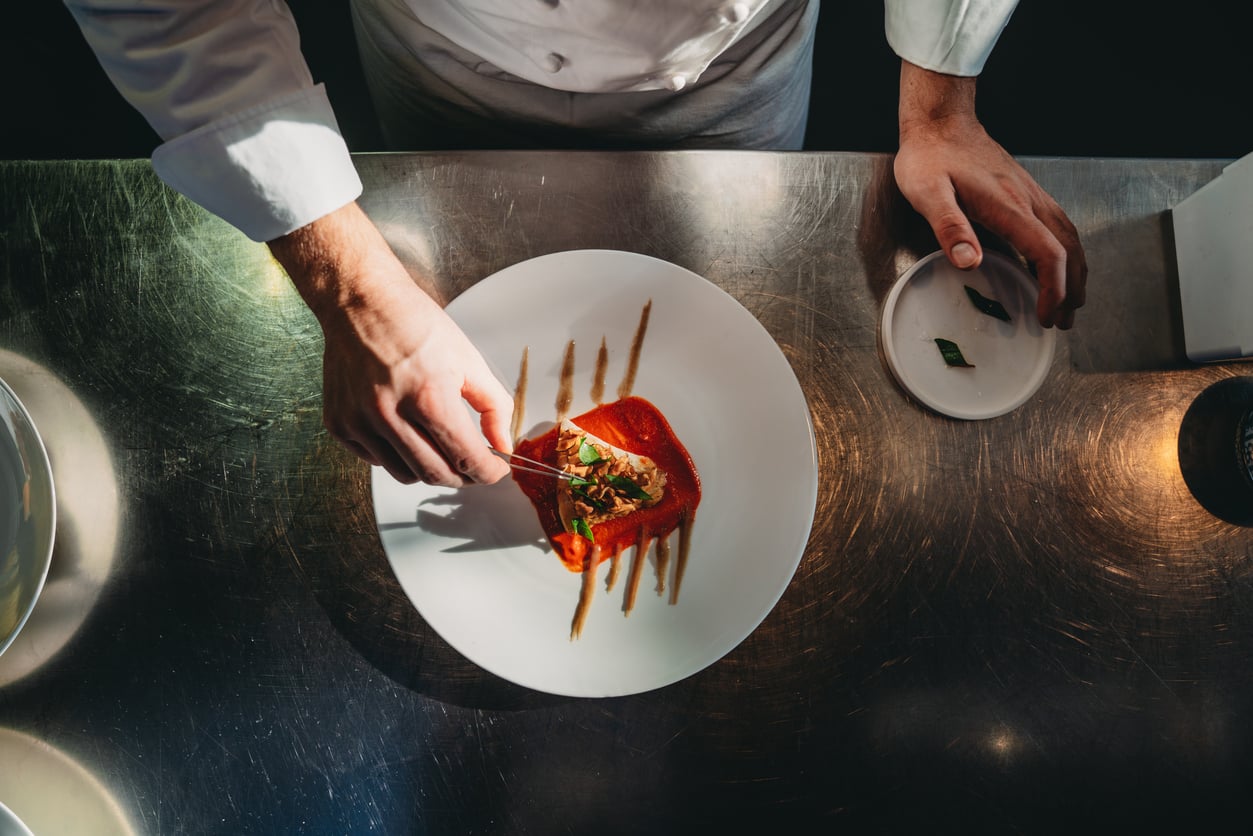
Chefs working in gourmet kitchens can use warmed plates when necessary, ensuring that hot dishes reach the table at the temperature intended by the cook. Conversely, chilled plates can help protect delicate cold preparations. According to Bon Appétit, temperature management is therefore an important aspect of dish preparation.
Tiny Garnishes May Be Prepared with Extraordinary Precision
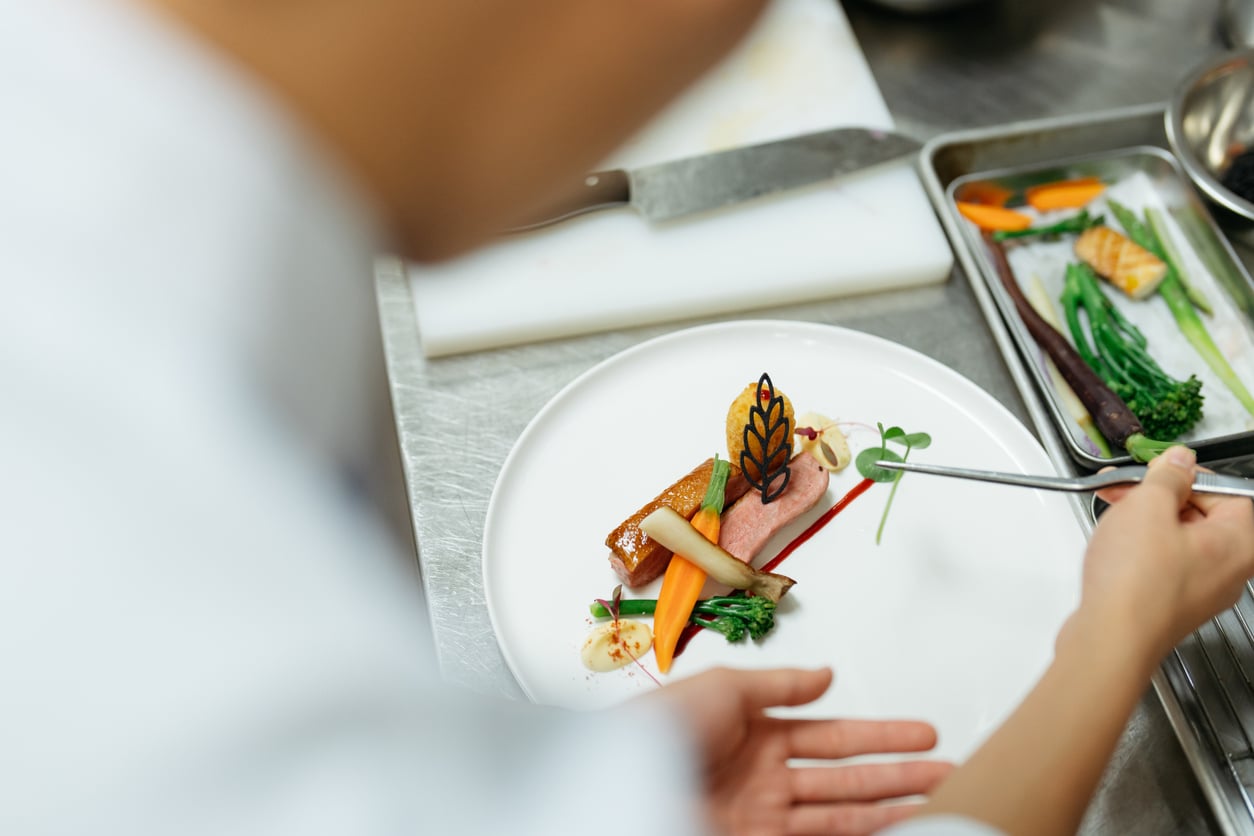
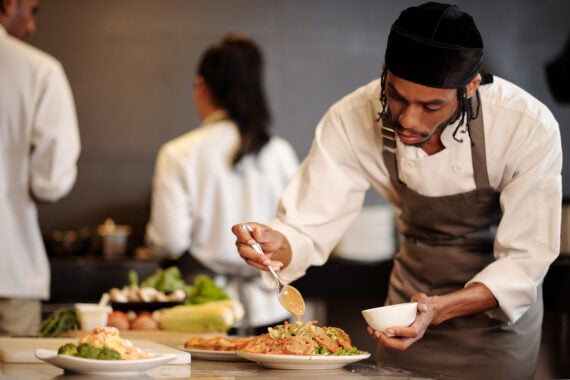
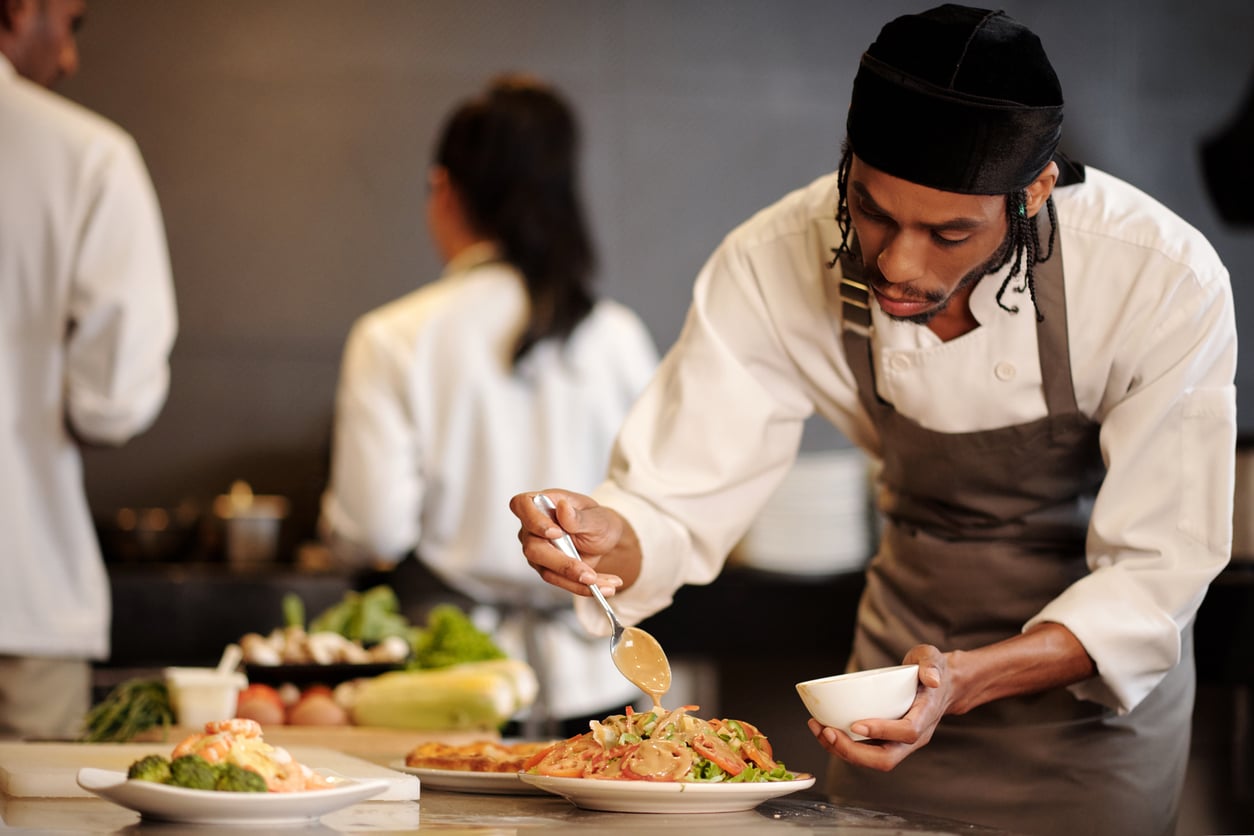
Placing small ingredients with tweezers, squeeze bottles, brushes, and specialized utensils requires extraordinary precisions. Ingredients such as microgreens, edible flowers, and delicate herbs are difficult to handle because of their size. The visual appeal of a dish when it arrives at the table is also an important aspect of a meal.
A Restaurant’s Most Elaborate Dish May Not Be Its Most Profitable
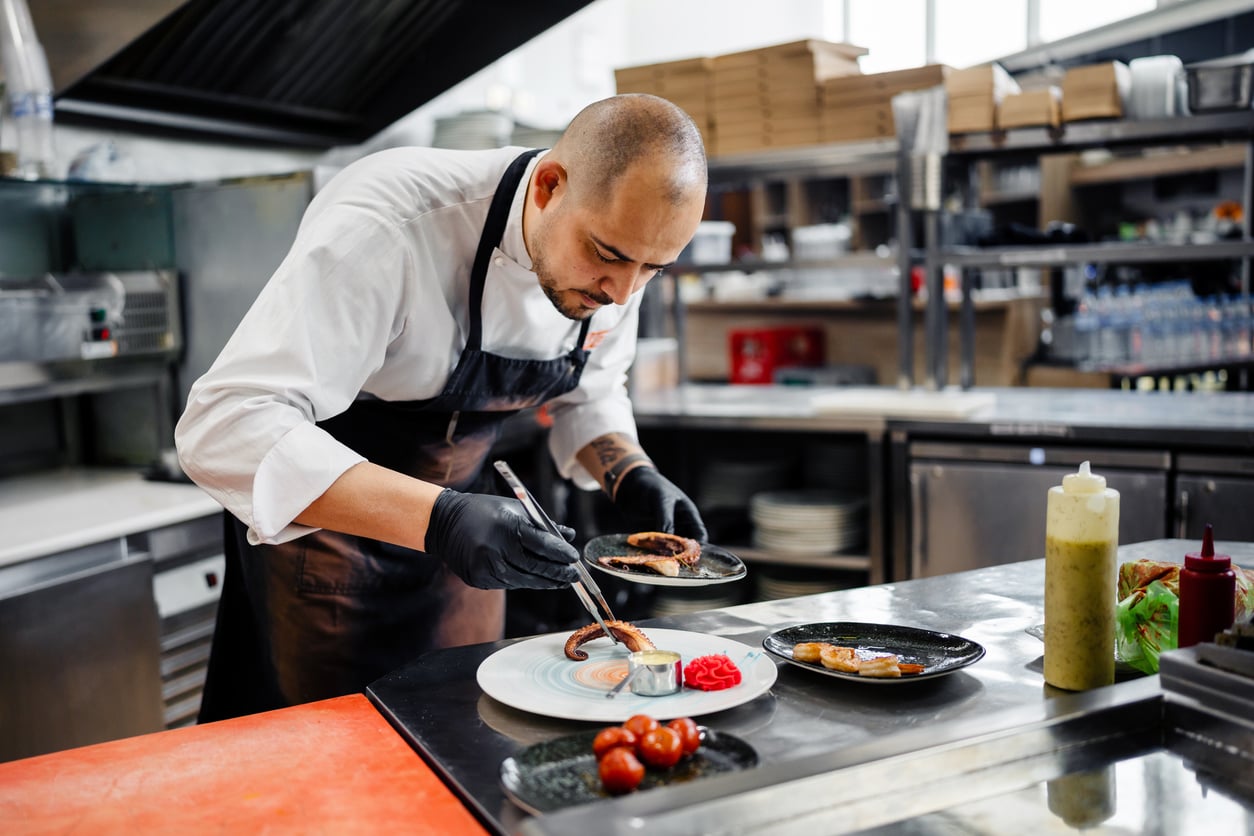
An expensive dish in gourmet kitchens, featuring premium seafood, extensive preparation, and complex plating, might yield a smaller profit margin than a simpler dish that is prepared efficiently. Food cost, labor time, and preparation complexity all affect the profitability of a menu item.
Sign up for our newsletter
A Tasting Menu Requires Precise Timing Between the Kitchen and Dining Room
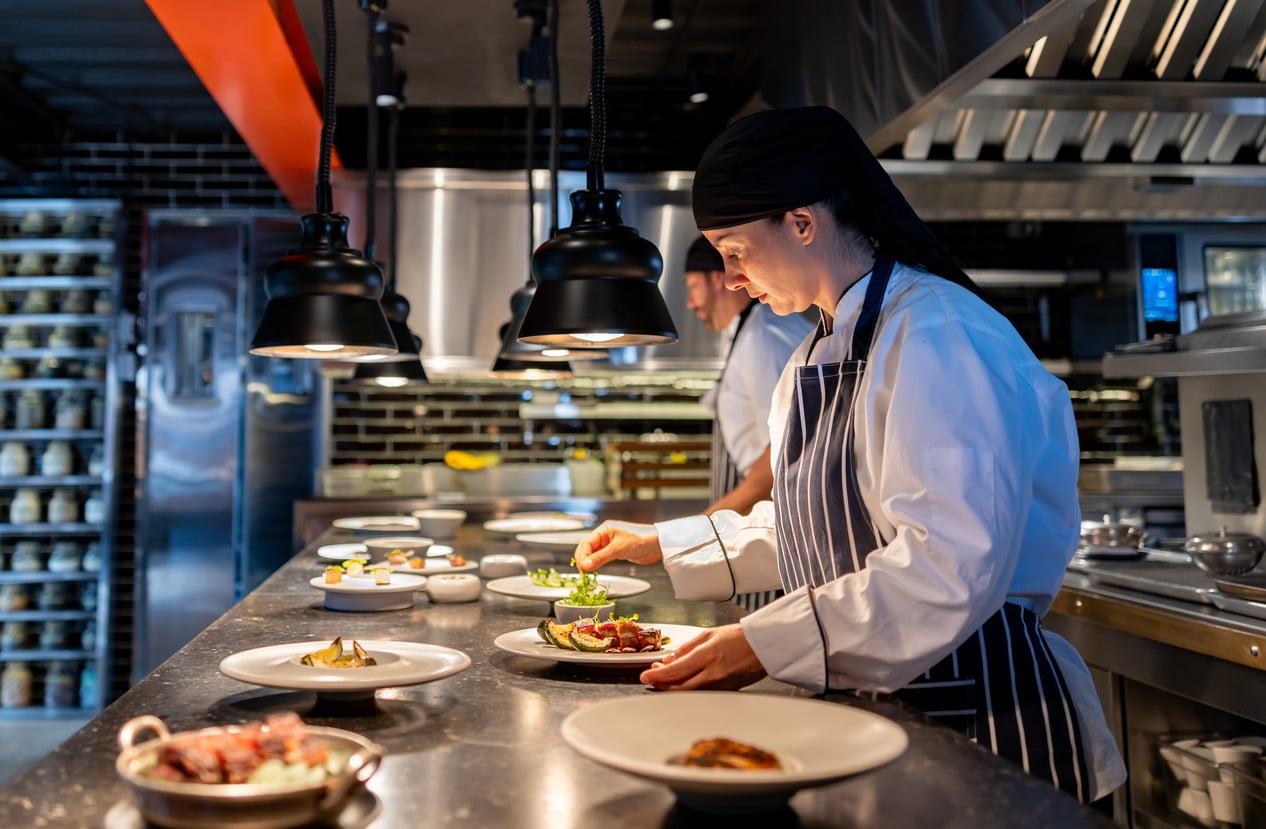
Communication is a crucial aspect in gourmet kitchens, as multi-course fine dining meals rely on staff members signaling when a guest has finished a course, when plates should be cleared, and when the next dish can be served. This makes communication especially important during tasting menus.
Gourmet Restaurants May Prepare Several Versions of the Same Dish
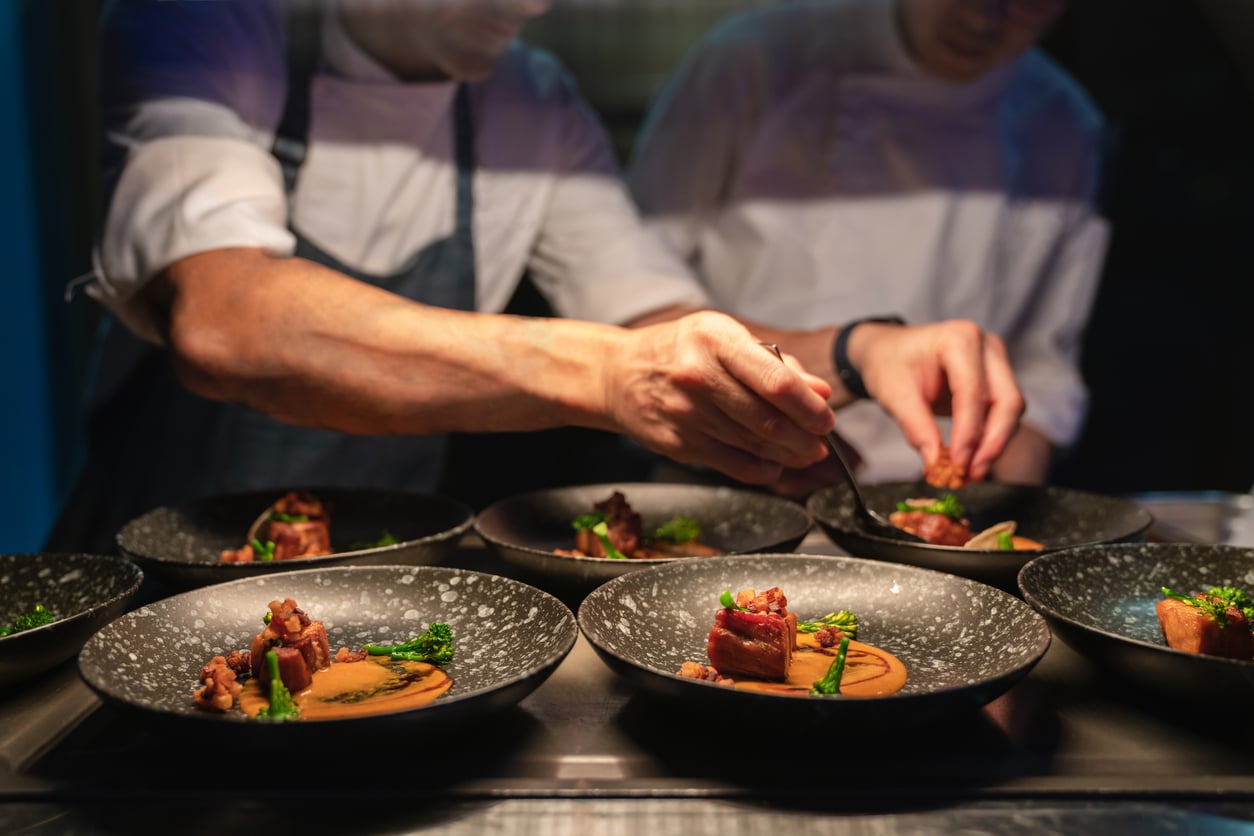
Since restaurants must account for people’s dietary restrictions, such as food allergies, ingredient substitutions, and personal preferences, a kitchen should be equipped with alternative sauces, garnishes, and preparation procedures. Furthermore, allergies should be taken very seriously and communicated clearly to the restaurant staff before ordering to ensure proper protocols are followed and to prevent cross-contact.
Restaurants Have a Special Language for Items That Are No Longer Available
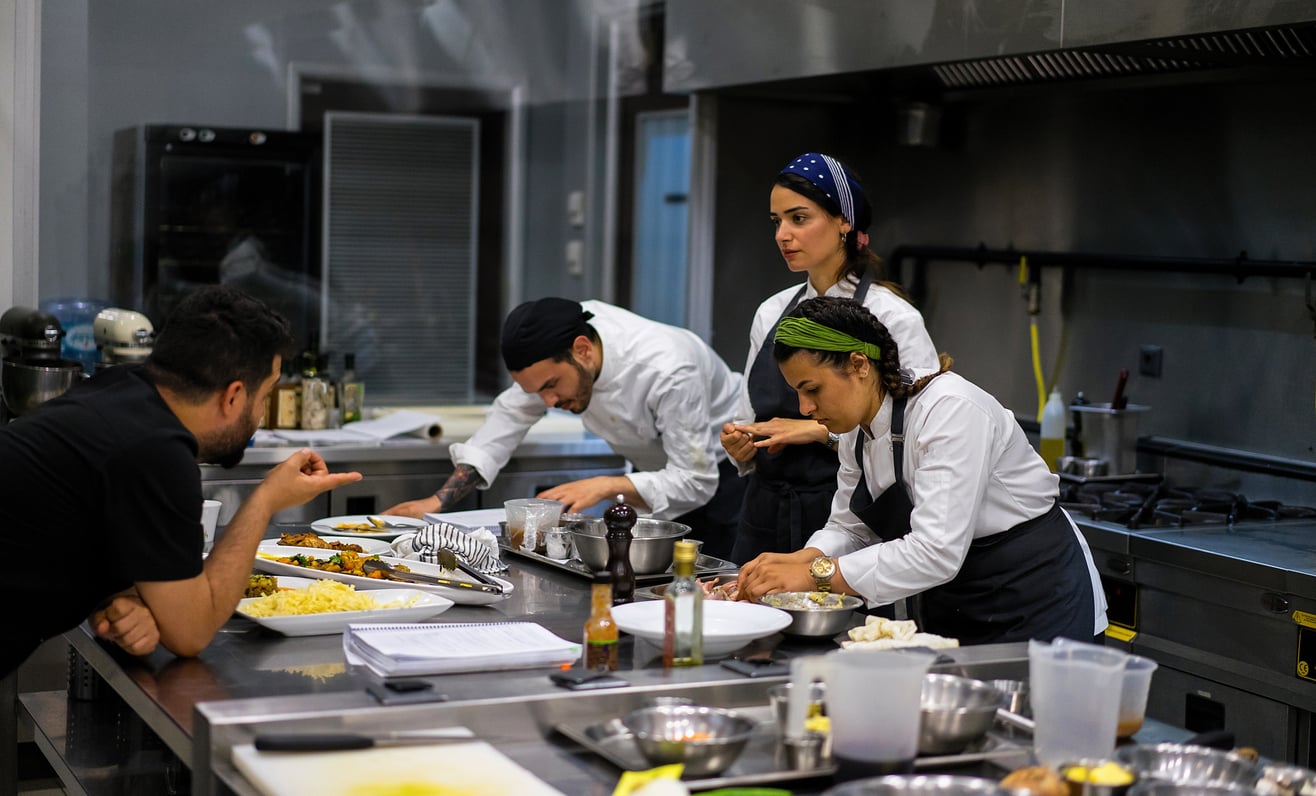
Among the kitchen staff at a gourmet restaurant, the term ’86’ indicates that an ingredient or menu item is no longer available. If an ingredient runs out, the cooks and servers must communicate with one another to inform the customers so that dishes containing the unavailable ingredient are not ordered.
The Kitchen Usually Has a Meeting Before the First Guest Arrives
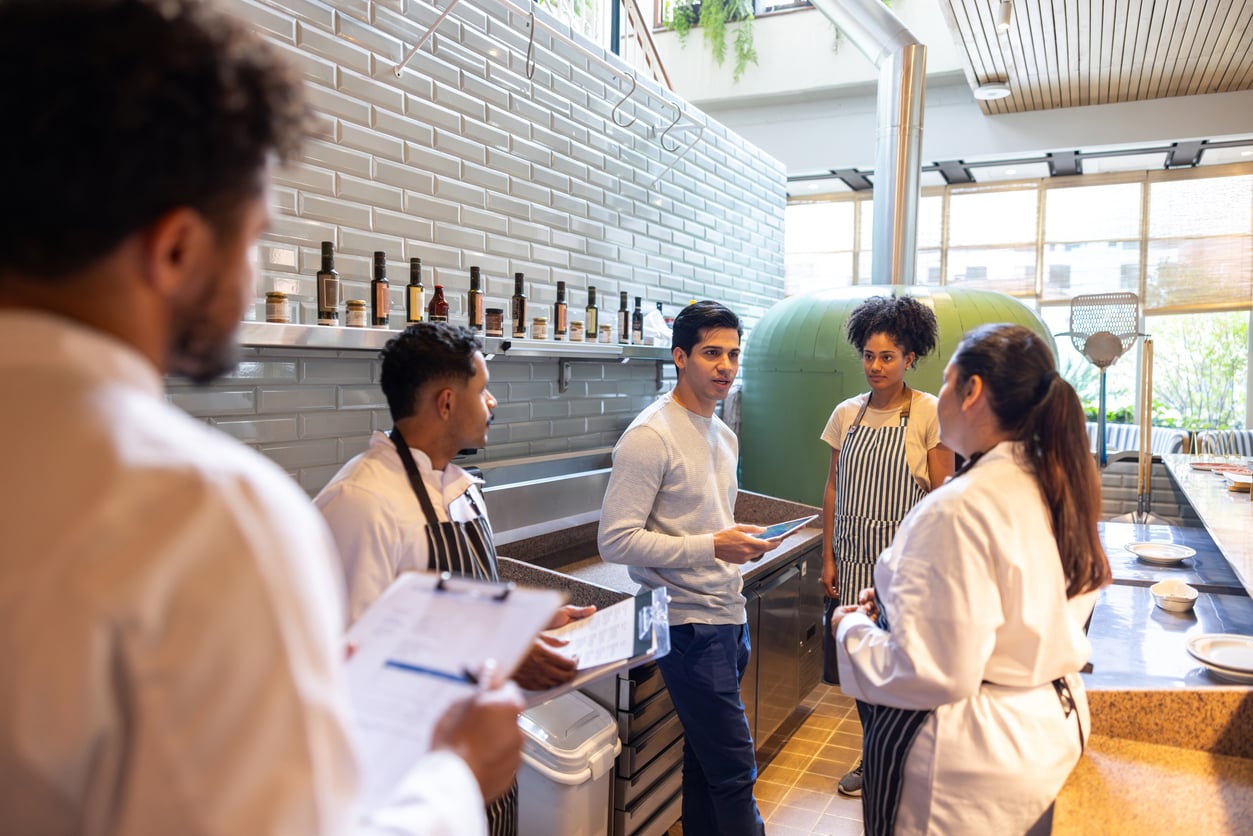
Before service begins in gourmet kitchens, staff meetings serve as brief discussions regarding restaurant reservations, menu changes, special requests, and the challenges expected to arise that day. Coordination among the chefs is key. The dining room staff also plays a crucial role, so each person’s responsibilities are clearly defined during these meetings.
Conclusion
The operation of gourmet kitchens relies heavily on the coordination and planning of the staff, as well as the individual culinary talent of each person. While customers may not notice the cooks’ refined techniques, the preparation of the dishes, including the sauces, timing, and overall quality, are reflected in every dish served and ultimately judged by customers. These tasks, therefore, demand significant effort.