
Seriously, AI, what is the deal? You’re out here pretending to be a useful tool meant to make life more convenient for everyone, but instead, you’re stealing jobs and making groceries more expensive? Case in point: A new study shows that Instacart’s algorithmic pricing experiments could mean that Instacart users are paying up to 23% more for the same cereal, pasta, and crackers that another shopper pays less for. That sure doesn’t seem useful to us.
What the Study Uncovered
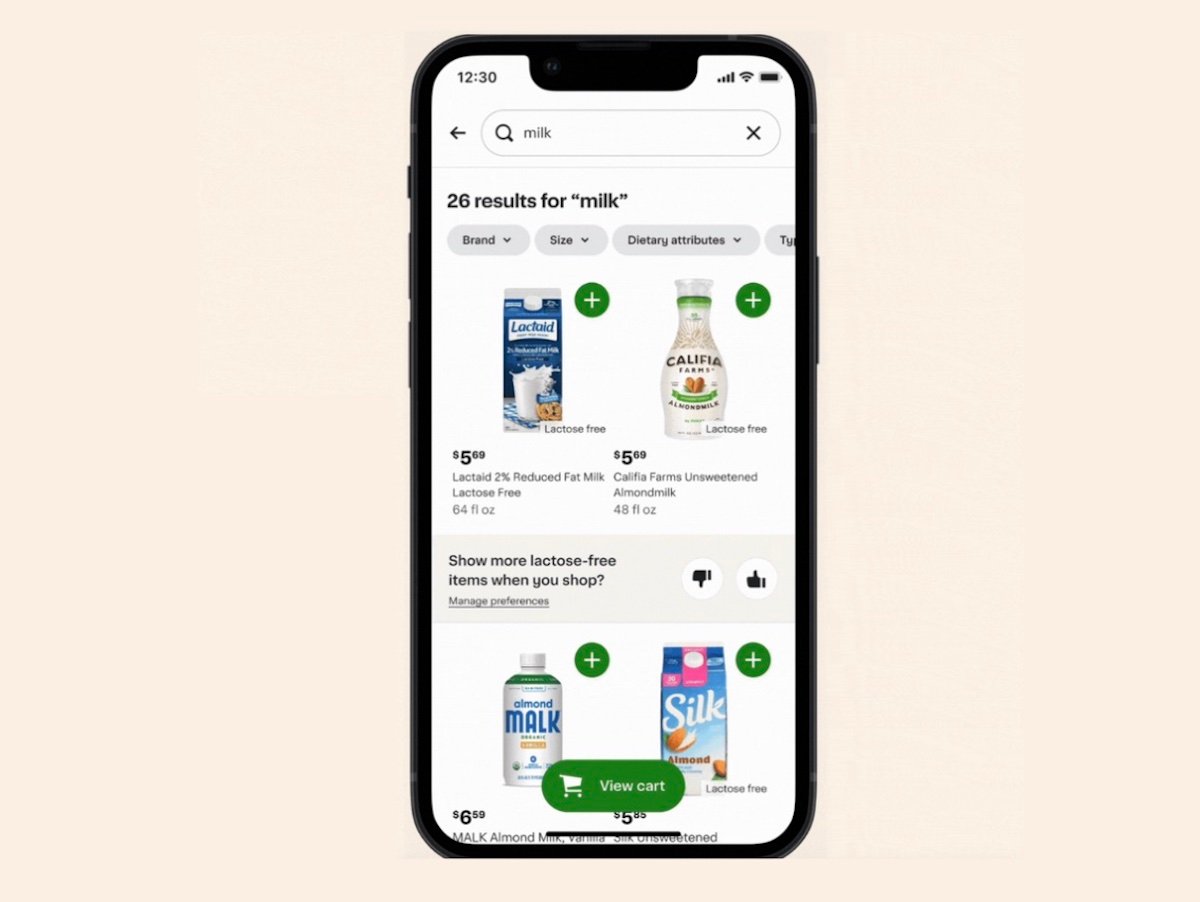
Nonprofit organizations Consumer Reports and the Groundwork Collaborative spent months digging into Instacart’s pricing system, and what they uncovered was basically dynamic pricing for groceries, but sneakier.
More than 437 volunteers shopped for the same baskets of goods on Instacart at stores like Safeway and Target. Every single shopper — 100% — was shown a different price on at least one item. Some products even had five different price points floating around, depending on which unlucky shopper you were. The biggest difference they found is that a single item (Wheat Thins in Seattle) had a 23% price gap between shoppers. (What’s the deal, Wheat Thins?)
For a family relying on Instacart weekly, that could balloon into more than $1,200 extra per year, according to the study. And the weirdest part is that some products never fluctuated at all, like Heinz ketchup and Barilla pasta. But for the most part, the algorithm was fair game for price discrepancies.
How Is AI Getting Away With This?
Instacart’s system has been experimenting with pricing since 2022, giving different shoppers different prices to see what sticks. And because online shopping removes the reference points we all rely on in-store — no shelf tags, no comparing brands, no seeing ten other people grab the cheaper option — those tests slide in pretty quietly.
Experts say this practice, sometimes called “surveillance pricing,” uses consumer behavior to predict the highest amount you personally might be willing to pay. Instacart says it doesn’t use personal or demographic data. (Critics aren’t convinced.) To add salt to the wound, the study found examples of “fictitious pricing,” where the “original” price shown to you is different from the original price shown to someone else, making the “discount” appear bigger.
Instacart says only 10 of its retail partners run these experiments, claiming it’s no different from stores doing price tests in physical locations. Except, you know, in a store you can see the price tag. And so can the person next to you. And the person next to them.
How to Protect Yourself Against AI’s Price Games
Look, we can’t unplug Instacart (tempting to try, though). But shoppers can outsmart the system, or at least stop feeding it so much power. Instead, we can try to protect ourselves with these smart moves:
1. Cross-check prices directly on retailer websites.
Target, Costco, Kroger, Safeway — most let you browse online. If Instacart’s price looks suspiciously high, it probably is.
2. Use store apps for pickup instead of Instacart delivery.
It cuts out the middle algorithm and is usually cheaper (or free).
3. Rotate between Instacart and other delivery options.
Shipt, Walmart+, Amazon Fresh — you have options, and options limit price manipulation.
4. Avoid shopping when items are likely to surge.
Dynamic pricing tends to spike during peak demand windows like weekends, evenings, and holidays.
5. And the big one: screenshot your cart.
If the price jumps later, you’ll know, and some retailers will actually honor the lower price if you pick up in-store.
More Stories on Cheapism

- The 10 Pantry Essentials That Help This Mom Slash Her Grocery Trips (and Save Money) — Feeding a family of four on just $300 a month might sound impossible — but one mom on TikTok has it down to a science.
- Groceries You Should Never Buy Generic — Is it always worth it to save money and go generic? Not by our count.
- 26 Budget-Friendly Trader Joe’s Groceries Customers Swear By — We dug through Reddit and reviews to find the best deals Joe’s has to offer.