
For shoppers trying to keep grocery bills under control, delivery apps like Instacart often feel like a necessary convenience. But according to federal regulators, some of that convenience came with costs that weren’t clearly disclosed.
Instacart has agreed to pay $60 million in refunds after the Federal Trade Commission alleged the company misled customers about delivery fees, refunds, and subscription enrollments. The settlement follows a lawsuit accusing Instacart of advertising “free delivery” while still charging mandatory fees that raised the final cost of groceries.
What Happened?
The FTC claims Instacart promoted free delivery to first-time customers even though shoppers still had to pay service fees to actually receive their groceries. According to regulators, those fees weren’t clearly explained upfront, leaving customers with higher totals than they expected.
The agency also took issue with Instacart’s “100% satisfaction guarantee.” While the wording suggested full refunds for late, damaged, or missing items, the FTC says many customers only received small credits toward future orders instead of their money back. Regulators also allege that some shoppers were enrolled in Instacart+ subscriptions — including after free trials — without clearly consenting to ongoing charges.
For its part, Instacart has denied wrongdoing, saying its pricing and policies are transparent and comply with the law.
What Happens Next
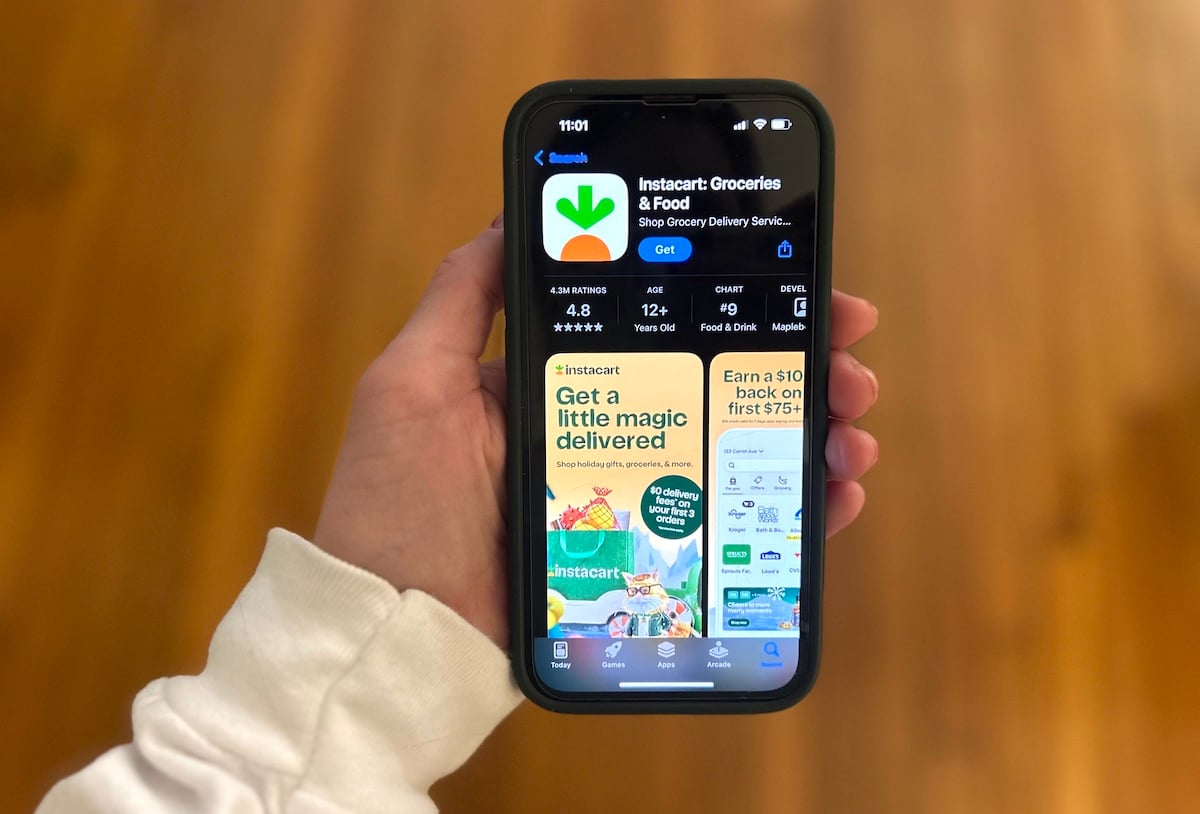
The Instacart settlement lands at a time when grocery prices are already stretching household budgets (because when it rains, it pours). Delivery apps became popular because they promised predictability: know the price, place the order, avoid surprises. When fees show up late in the process, that predictability disappears. For shoppers relying on delivery because of time constraints, transportation issues, or caregiving responsibilities, even small unexpected charges can throw off a tight budget.
Under the settlement, Instacart is prohibited from misrepresenting delivery costs or satisfaction guarantees and must obtain clear consent before enrolling customers in subscription programs. The $60 million refund fund will go toward compensating affected shoppers, though details on how refunds will be distributed have not yet been finalized.