
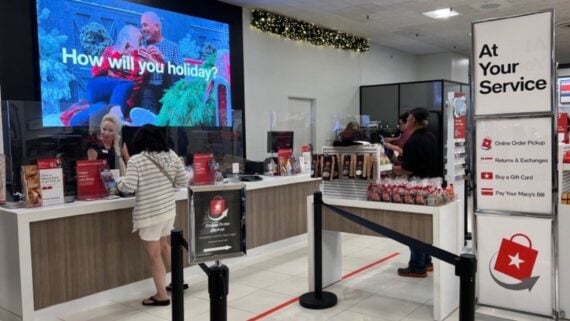
“It’s the thought that counts.” That’s a nice sentiment, but if we’re all being honest, everyone has received a Christmas gift that they’ve wanted to return before. But this Christmas postseason, if you’re planning to return a few unwanted gifts, there’s a decent chance you’ll be paying for the privilege.
Hassle-free returns — long treated as a basic part of online shopping — are quietly disappearing. Several major retailers now charge customers to return items by mail, even when those items are unopened, unused, and exactly as they arrived.
Which Retailers Are Charging Return Fees?
Return fees vary by retailer, but they add up fast. Macy’s charges $9.99 for mail-in returns. TJ Maxx and Marshalls charge $11.99 each. J. Crew charges $7.50, while Abercrombie & Fitch charges $7. H&M’s fee is $3.99, and Zara charges $4.95.
Electronics returns can be even more painful. At Best Buy, returning certain electronics can cost as much as $45 — enough to make keeping the wrong item feel like the cheaper choice. Amazon, long known for easy returns, has also tightened its policy. Some customers are now charged unless they use the company’s box-free, in-person drop-off option. That means the “free” part of free returns may depend on how much effort you’re willing to put in.
Why Returns Are Getting More Expensive
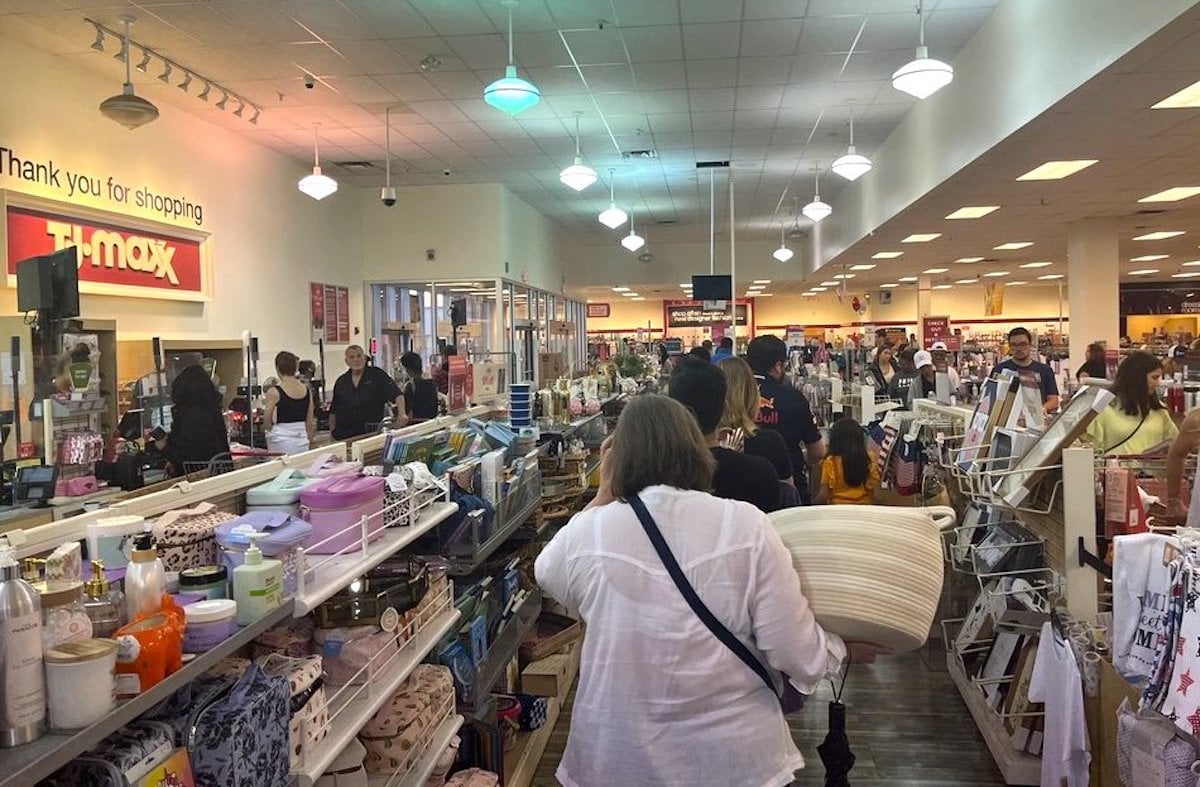
Returns have exploded in recent years. According to the National Retail Federation, Americans are expected to return about $850 billion worth of merchandise this year. Nearly 20% of all online purchases end up going back.
That volume comes at a cost, and retailers are no longer absorbing it quietly. David Sobie, co-founder of Happy Returns — a company that uses artificial intelligence and robotics to streamline the returns process — told CBS News that rising costs and tariff-related pressures are pushing retailers to shift some of the burden onto shoppers.
What This Means for Shoppers
For consumers, the biggest change is that the real cost of a purchase may not be obvious until after the fact. Return fees don’t always show up until you start the process, which is exactly when it’s too late to reconsider.
Sobie’s advice is simple but increasingly necessary: Read the return policy before you check out. Not after the gift doesn’t fit. Not once the novelty wears off. Before. Because this holiday season, even giving something back can come with a price tag, and it’s one more reminder that “easy” shopping isn’t as easy, or as cheap, as it used to be.
More From Cheapism

- Smart Ways to Make the Most of Your Gift Cards — Here are some practical tips that help you stretch your gift card value, avoid common mistakes, and make every card work harder for you.
- Everything You Need To Know About the Return Policy at Costco — If you have a change of heart or suffer from buyer’s remorse, you’ll likely be able to return a Costco purchase without having any issues.
- Everything You Need To Know About Nordstrom’s Return Policy — We went on a deep dive and discovered everything you need to know about the Nordstrom return policy.