

After years of headlines about how everything costs more — groceries, housing, the privilege of owning a car — some workers are finally getting a bit of relief in 2026. Minimum wage increases are rolling out across the country, and while it’s not going to solve the affordability crisis overnight, it will put a little more breathing room in a lot of paychecks.
According to new data from the National Employment Law Project (NELP), 22 states and 66 cities and counties will raise wages next year, with most of the increases hitting right at the start of January.
Where Minimum Wages Are Rising on January 1

The biggest wave arrives on Jan. 1, 2026, when 19 states and 49 cities and counties bump up their minimums, creating a total of 68 jurisdictions with higher pay floors.
By New Year’s morning:
- 60 jurisdictions will have minimum wages of $15 or more.
- 3 states and 40 localities will hit or break the $17 mark.
A few standout examples:
- New Jersey is raising the minimum wage for long-term care workers to $18.92 an hour.
- New York City, Long Island, and Westchester, New York are all moving up to $17 an hour.
- In Hayward, California, large employers must pay $17.79, while smaller ones start at $16.90.
Why Are So Many Places Raising Wages?

Most of the increases are tied to inflation adjustments — not a raise for the sake of a raise, but a way to make sure paychecks don’t fall behind the cost of … well, existing.
According to NELP, 13 states and 44 localities are bumping their minimum wages specifically because the cost of living keeps rising. And honestly, thank goodness something is keeping up with inflation.
Worker organizing has played a big role too. The Fight for $15 movement — which started in 2012 — helped push these changes forward long before lawmakers wanted to touch the federal minimum wage.
What About the Federal Minimum Wage?
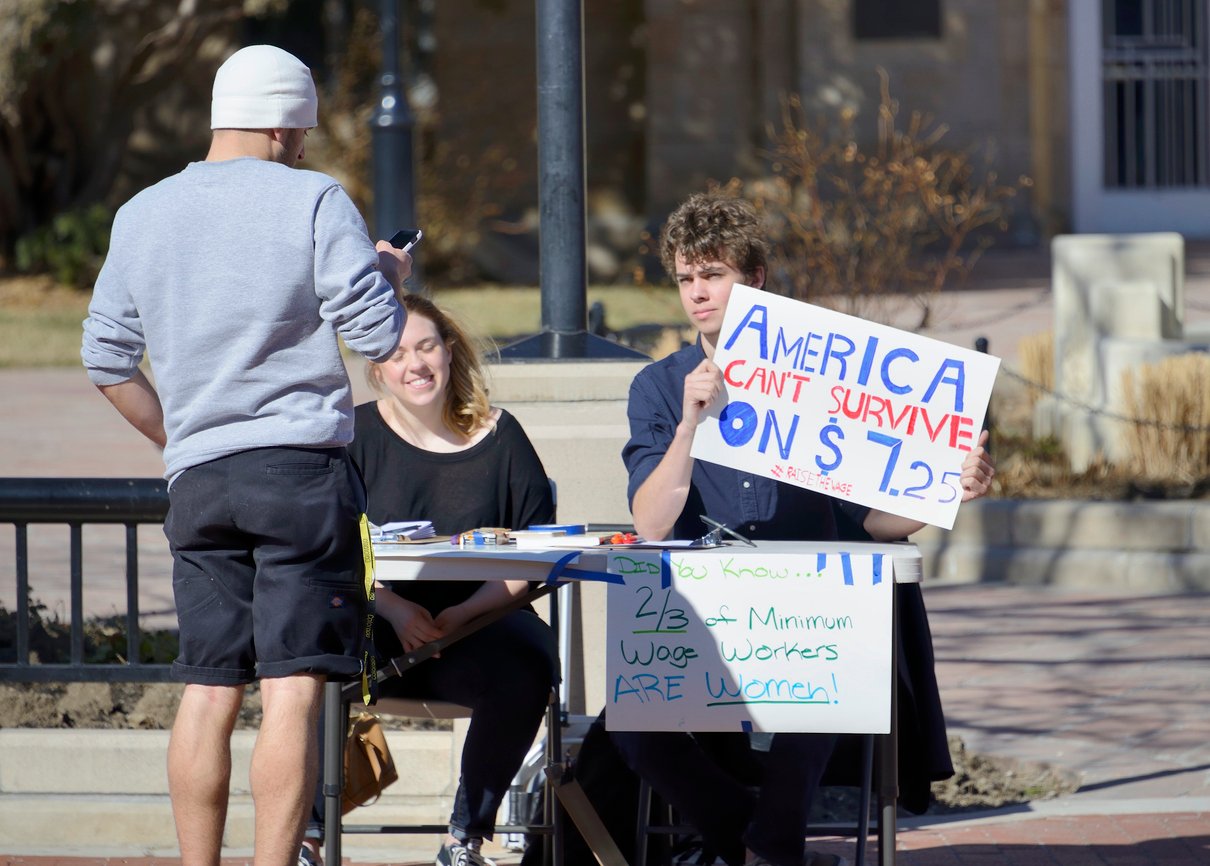
It’s impossible to talk about wage increases without pointing out the obvious: The federal minimum wage has been stuck at $7.25 since 2009. That’s 17 years without a raise — long enough that many people entering the workforce today were in kindergarten the last time it moved.
Some states and cities have decided they can’t wait any longer, which explains why local pay floors now vary widely. In many southern states, the minimum is still the federal $7.25, while other areas are landing closer to $17 and up.
More Increases Coming Later in 2026
Beyond the January bumps, four more states and 22 additional cities will raise their wages later in the year. That means even more workers will see incremental relief as 2026 rolls on.
Is this the magic fix for an economy where grocery shopping makes you think you need to take out a loan and rent makes your eyes water? No. But for millions of workers, a bigger paycheck is one of the few changes that actually helps. And in 2026, there are finally more of those coming.
Complete List of States Increasing Minimum Wage in 2026
- Alaska
- Arizona
- California
- Colorado
- Connecticut
- Florida
- Hawaii
- Maine
- Michigan
- Minnesota
- Missouri
- Montana
- Nebraska
- New Jersey
- New York
- Ohio
- Oregon
- Rhode Island
- South Dakota
- Vermont
- Virginia
- Washington
More on Cheapism
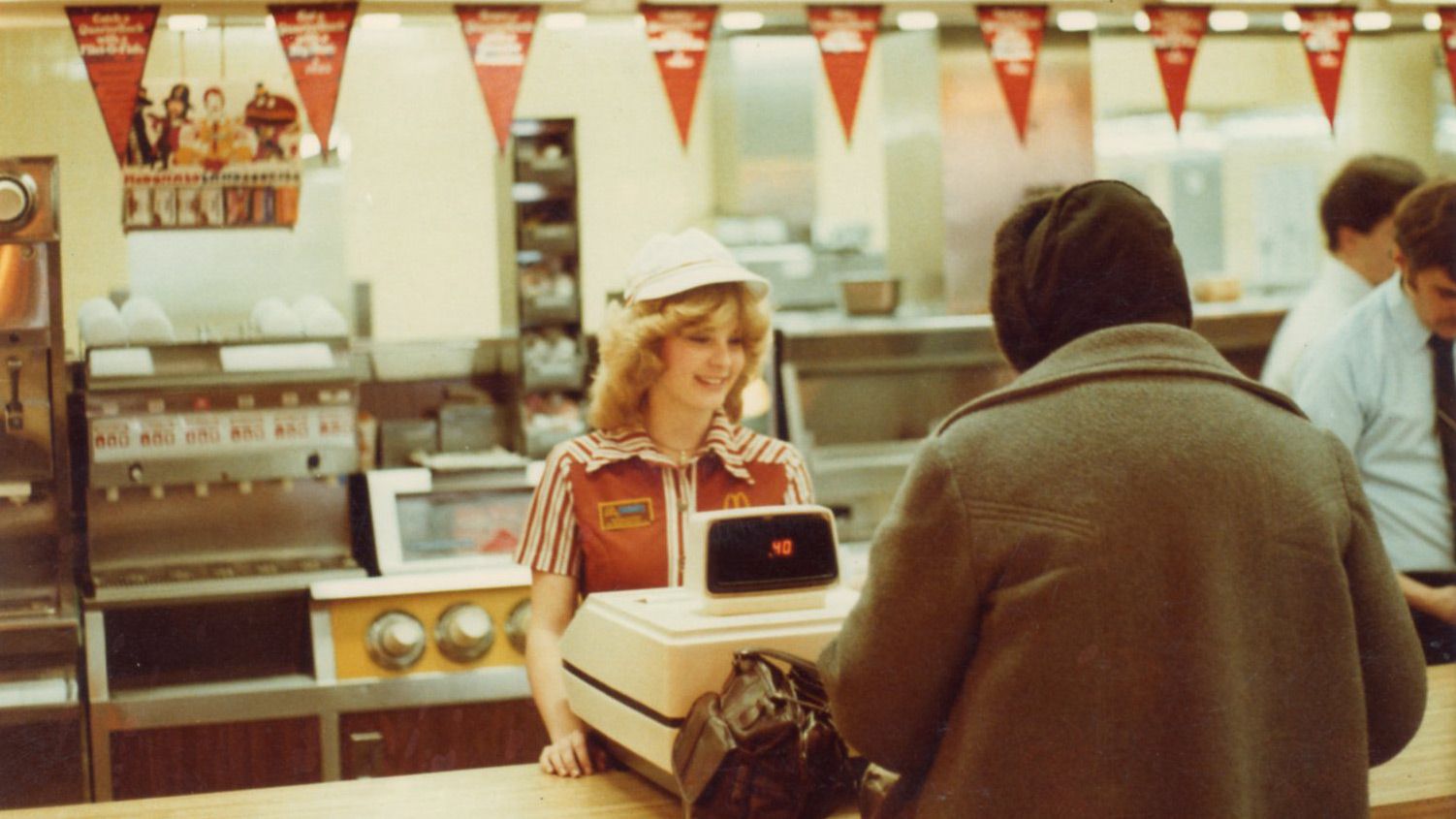
- The Minimum Wage the Year You Were Born — A dozen presidents have raised the minimum wage 22 different times — here’s what it has looked like since the beginning.
- 10 Best and Worst Places to Live on Minimum Wage in America — Some places are more affordable than others and provide a better chance for low-income employees to make a decent life for themselves.
- Why You Should Never Discuss Your Salary With Coworkers — Hear what experts have to say about sharing salary information with your coworkers.