
The price at the pump is creeping up like never before, and, surprise, surprise, it’s American drivers footing the bill. Brent crude topped $100 a barrel on Monday for the first time in nearly four years, hitting as high as $119.50 before slipping back below $90. U.S. oil futures jumped $8 to $99. It’s the kind of single-day spike you don’t see every decade — and if it sticks, your wallet will feel it.
Since the U.S. and Israel started striking Iran on Feb. 28, prices have jumped more than 40%.
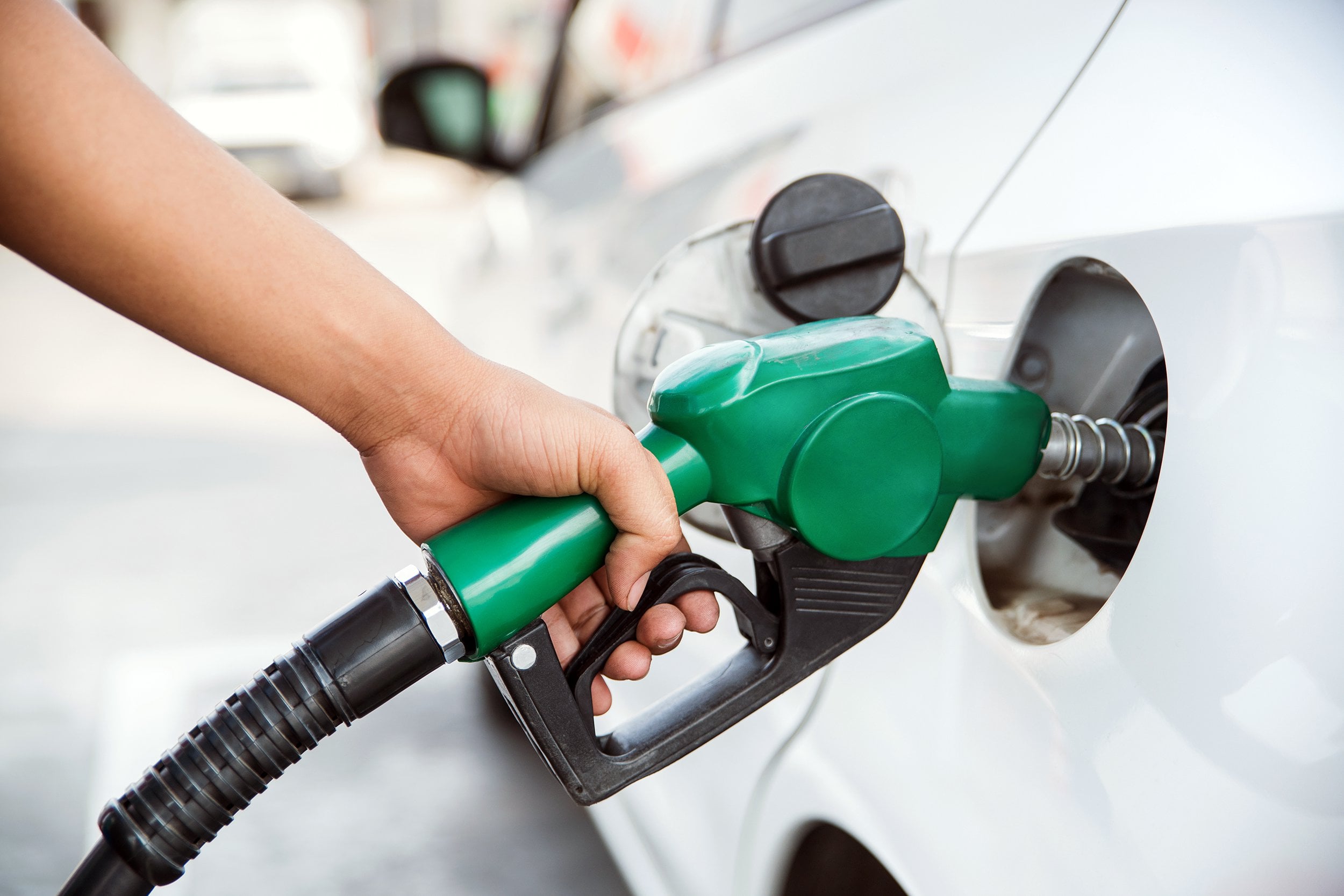
The average price of a gallon of regular gas in the U.S. on Monday, March 9, hit $3.47, up from $2.99 just a week ago and $2.90 a month ago, according to AAA Auto Club. Diesel isn’t feeling any mercy either, climbing 22 percent to $4.60 a gallon.
Why Are Prices Climbing?
Gulf producers have cut output and the Strait of Hormuz remains closed, creating the largest oil supply disruption in history. About 20 percent of the world’s oil passes through that narrow waterway, and analysts warn prices could climb even higher if the situation drags on.
Natural gas prices are climbing too, especially in Europe and Asia, though the U.S. is somewhat insulated because it produces a lot of its own. Oil hasn’t traded above $100 since Russia’s invasion of Ukraine, when prices broke triple digits in March 2022 and stayed there until mid-July.
President Donald Trump dismissed the surge in a post on Truth Social, writing that higher oil prices were “short term” and calling them “a very small price to pay for U.S.A., and World, Safety and Peace.”
Energy Secretary Chris Wright said the market reaction reflects fear more than an actual shortage. “You’re seeing a little bit of fear premium in the marketplace, but the world is not short of oil today or natural gas,” Wright said. He added that shipping disruptions through the Strait of Hormuz could last “weeks in the worst-case scenario, not months.”
Investors are already bracing for more pain at the pump, expecting oil prices to rise 4.5 percent over the next year, up from 2.3 percent in January, while rising Treasury yields are making borrowing more expensive.
What Do People Think of This?
People are feeling the pressure already, and the scare of inflation and stagflation isn’t helping. One Reddit user said, “So does this mean we’re likely to see stagflation? I’ve already noticed a drop in traffic around my town and bars are almost empty at times when it used to be booming. People are already cutting back on local travel it seems.”
Another added, “I’m cutting back on stuff. Thinking about dropping a backup cell line even though it’s not that expensive.”
“I’m glad I drive an EV. Maybe this finally pushes us to quit relying on fossil fuels in the EU,” someone else noted.
And as for who’s coming out ahead? “Literally no one, not even the rich, will be better off for this,” another user summed up.
Did you get gas today? Let us know what prices you’ve been seeing at the gas station.
More From Cheapism
- Higher Gas Prices Are Likely Coming — Oil prices jumped sharply after U.S. strikes in Iran escalated tensions in the region, sending shockwaves through global energy markets.
- The Cost of Gas the Year You Were Born — We determined the average cost of a gallon of gas every year from 1940 through today, showing the price in 2025 dollars.
- Grocery Prices Are Out of Control — Here Are 51 Smart Ways to Fight Back — Whether you’re cooking, grocery shopping, or going out to eat, here are dozens of ways that you can save money on your family’s food.