When a diner sits down at a restaurant, they expect the food they ordered to taste exactly as they envisioned. Few people stop to consider the work that goes on beyond the chef preparing an entrée and a server bringing it to the table. Drawing on information from the National Restaurant Association and the Culinary Institute of America, we’ll reveal some restaurant secrets involving the behind-the-scenes practices that take place in a restaurant!
Much of the Cooking Preparation Happens Before Customers Arrive
Restaurants must prepare the ingredients that will end up on a customer’s dish long before the customer even enters the establishment. Organizing ingredients, ensuring the right equipment is on hand, and prepping various components begin well before service starts. This thorough advance preparation helps kitchens maintain consistency and save time.
The Kitchen May Have Several Specialized Cooking Stations
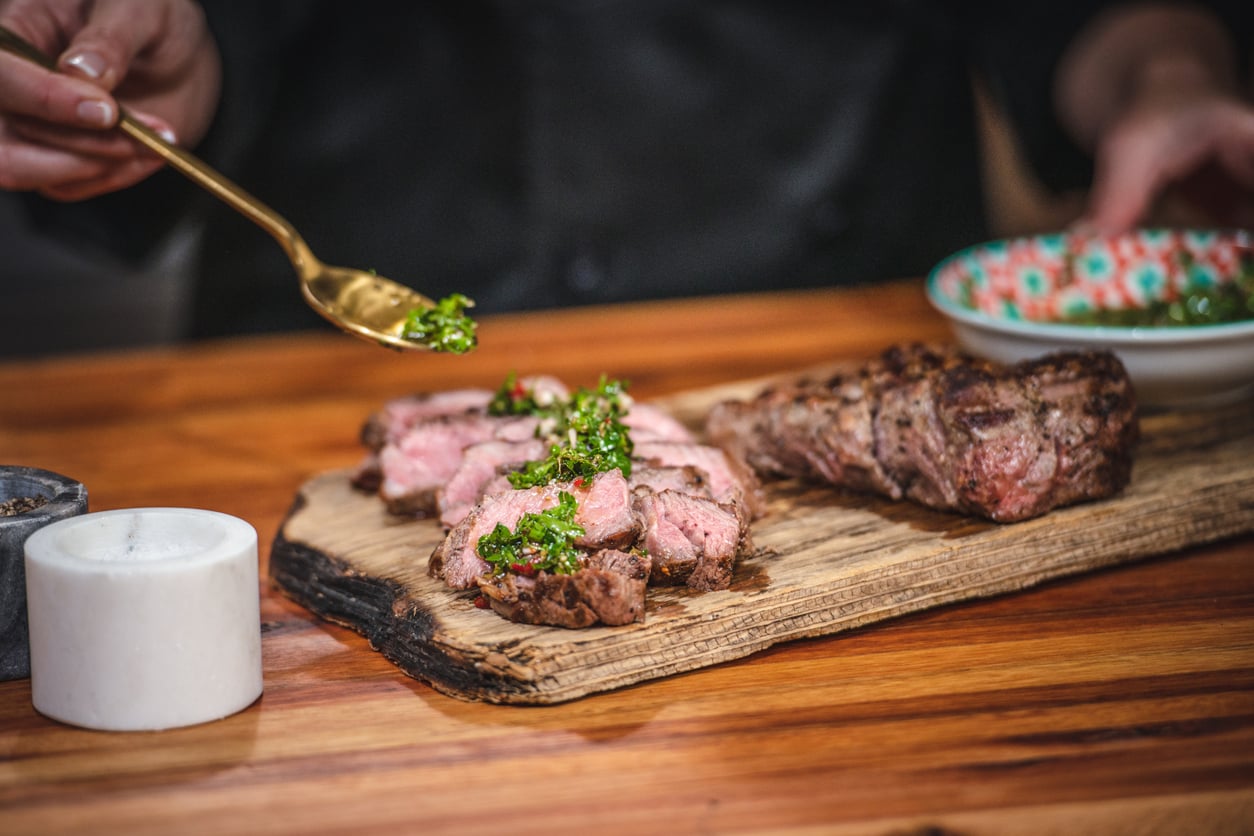
Kitchens are typically divided into stations, such as those for grilling, sautéing, and frying, where salads, desserts and other components are prepared. For any given dish, such as a steak, specific sauces and cooking methods may be required to complete it. These restaurant secrets reflect the combined effort involving multiple employees.
Someone May Be Responsible for Timing Every Plate at the Table
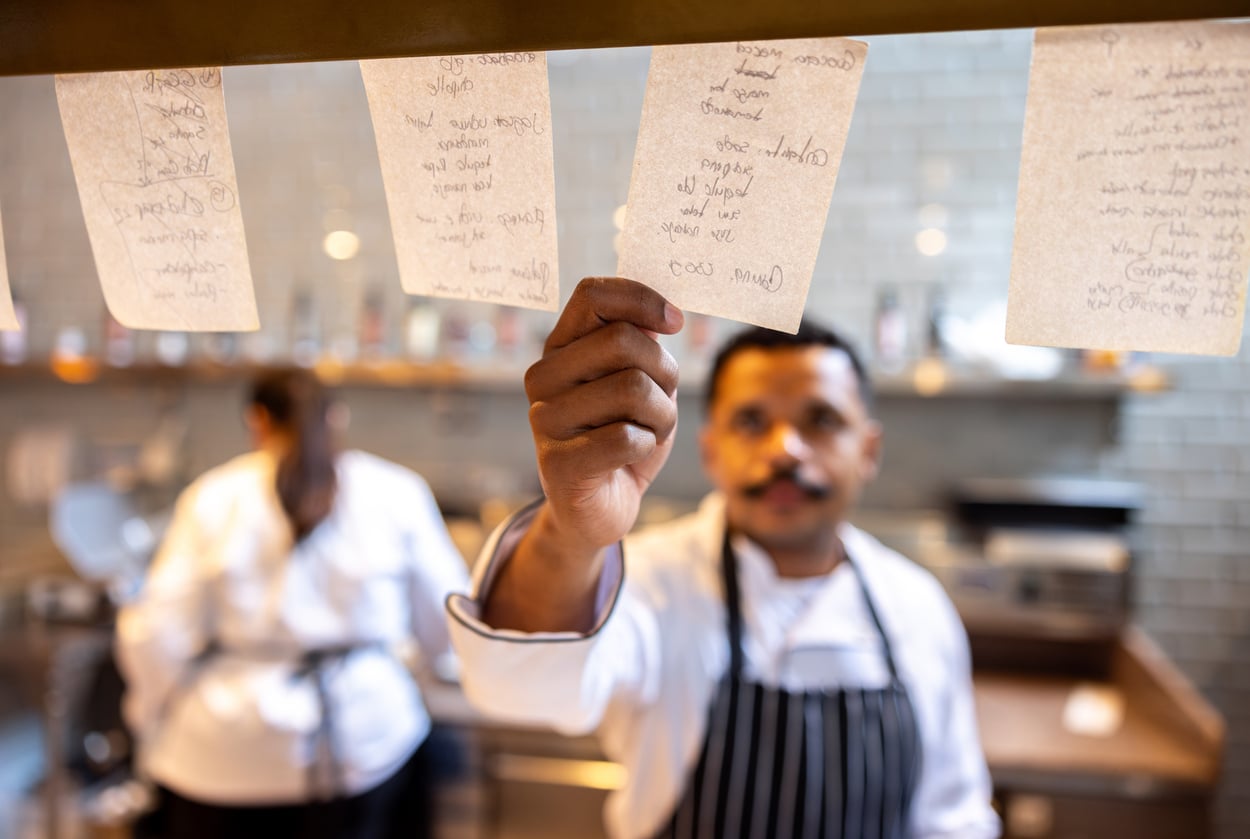
The expediter is a member of the restaurant staff who oversees and coordinates completed dishes, monitors orders, and acts as a liaison between the kitchen staff and the servers. While this employee rarely interacts directly with customers, they influence every single dish that is served. This is one of the restaurant secrets that helps keep service running smoothly.
Restaurants May Record Food Temperatures Throughout the Day
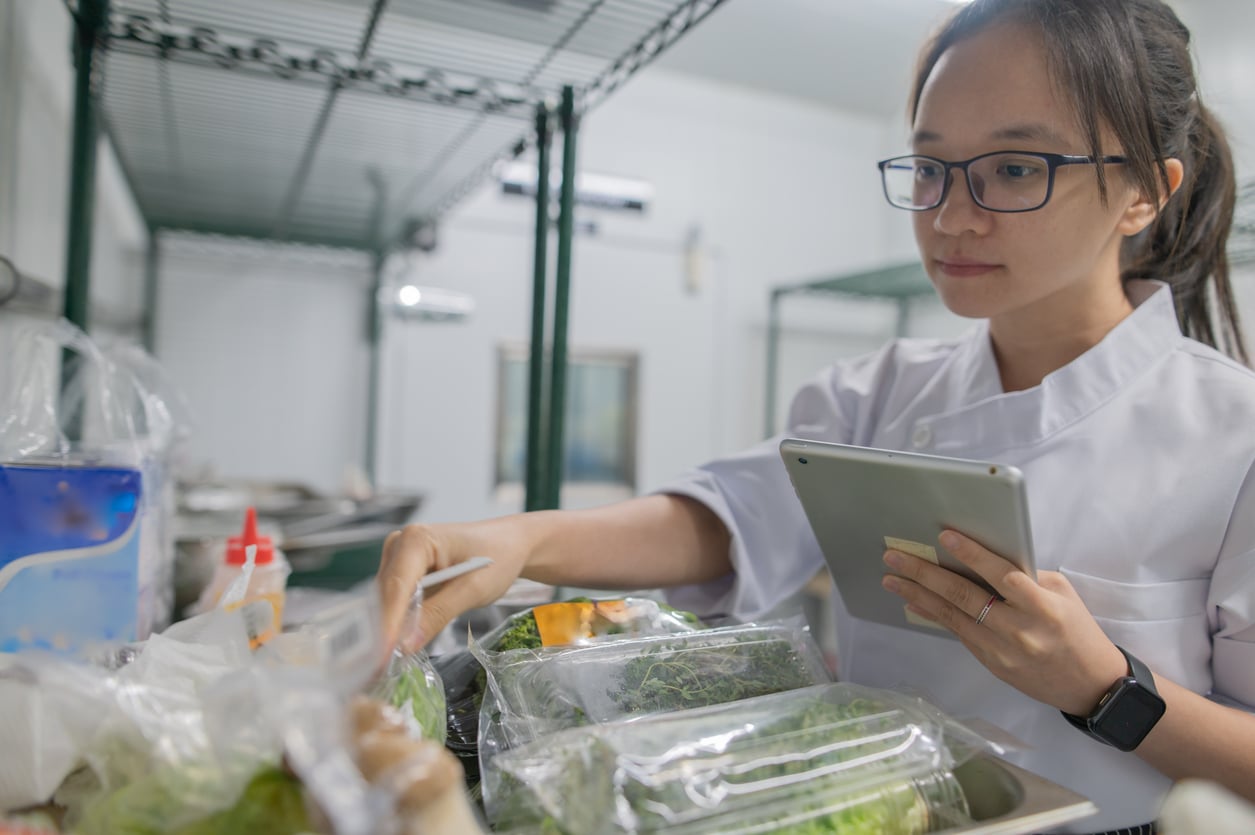
Certain foods require special attention during cooking, cooling, storage, and holding. Staff calibrate thermometers and monitor food temperatures, an important part of these restaurant secrets. This is because if a piece of equipment is at an improper temperature, harmful microorganisms can develop in the food.
Ingredients Are Often Organized According to Food-Safety Risk
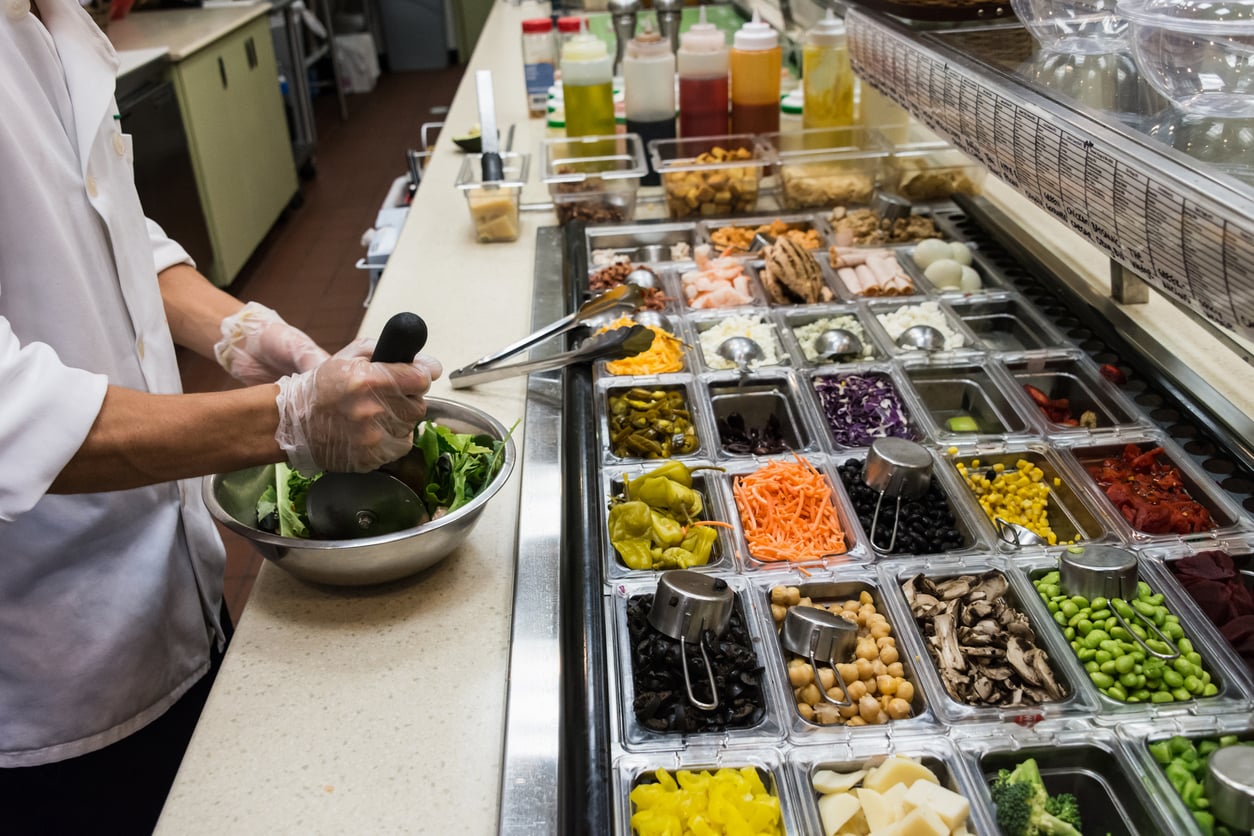
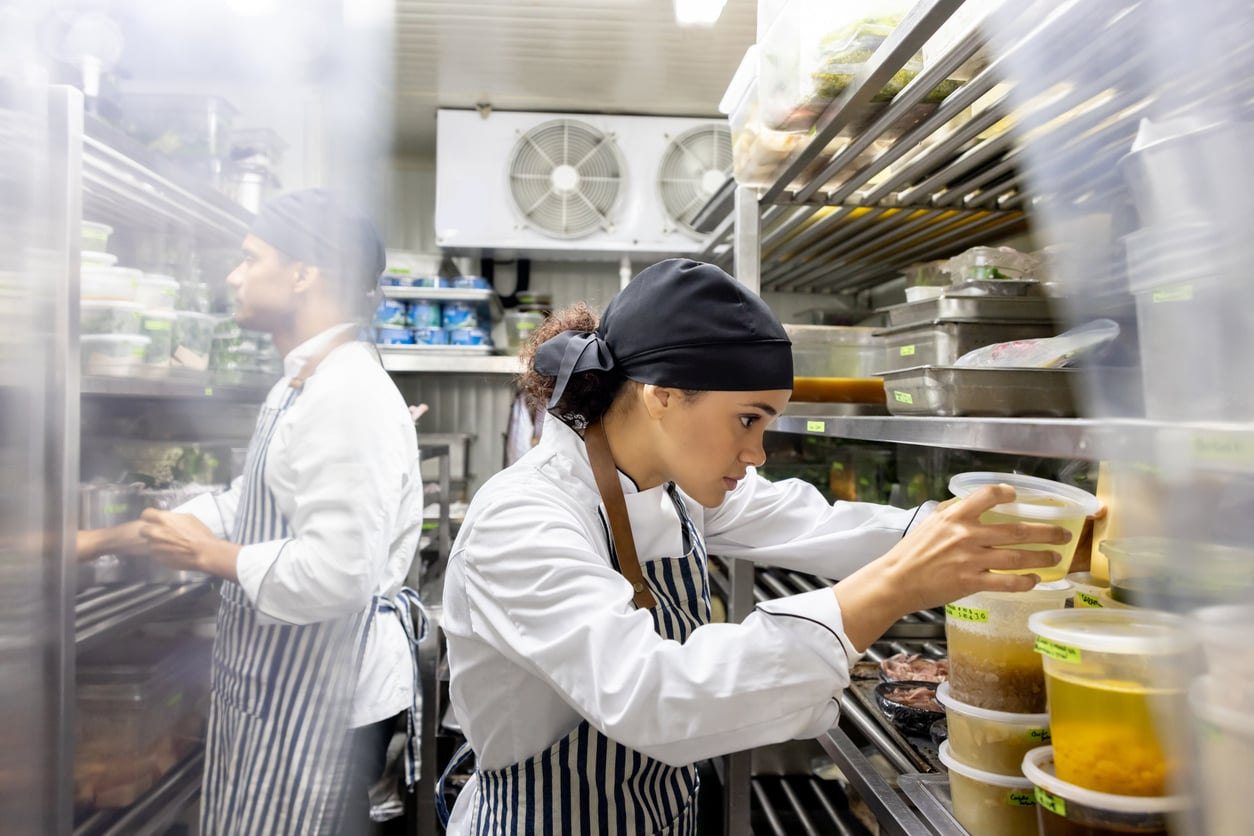
Ingredients in a restaurant refrigerator are organized based on food-safety risk, one of the restaurants secrets not widely known by those outside the kitchen. Proper placement of these food items prevents raw meat and poultry from causing contamination. The positioning of ingredients within a refrigerator is a deliberate choice made by the staff.
Trending on Cheapism
Allergy Orders May Require a Completely Different Preparation Process
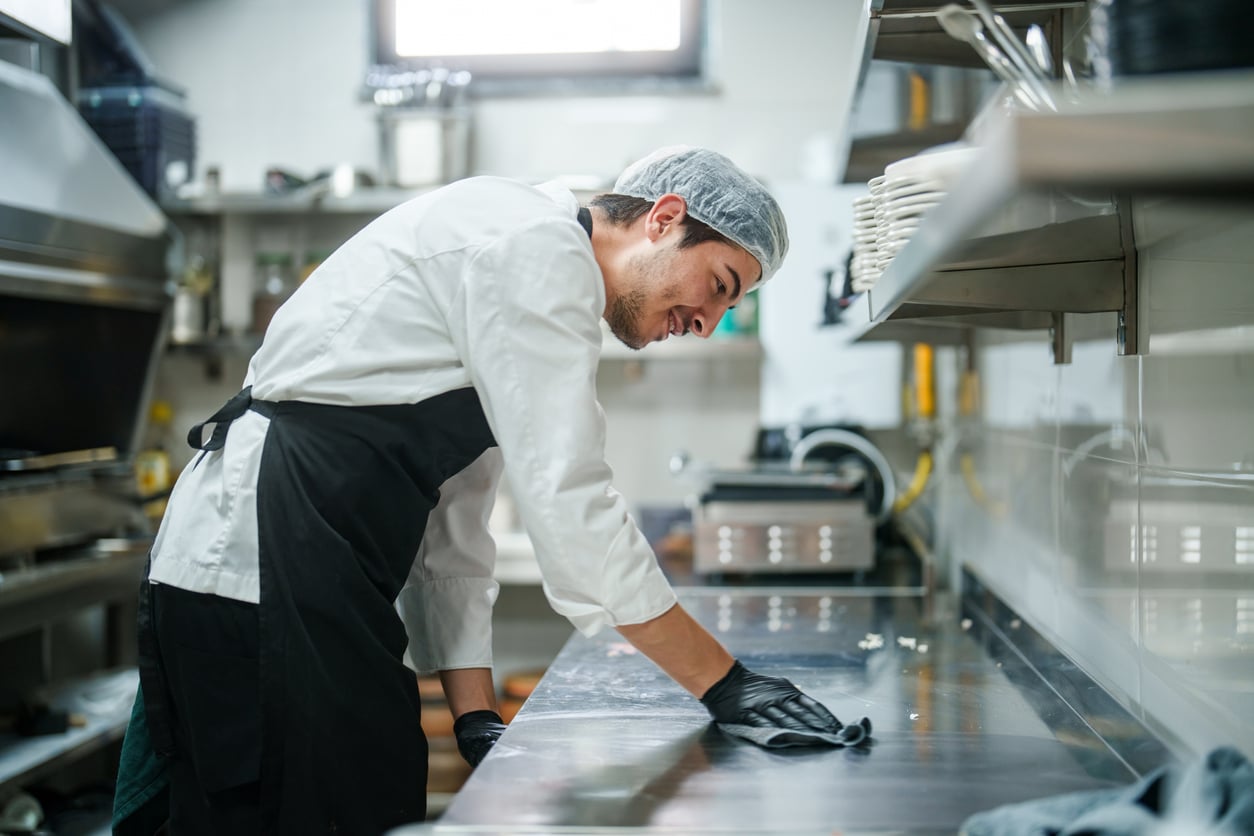
When a customer indicates that they have a serious food allergy, allergy protocols are triggered, requiring the kitchen staff to change their gloves, clean preparation surfaces, preventing cross-contact, use different equipment, and follow other such procedures. These restaurant secrets rely on clear communication and preparation to ensure the staff is ready to handle special food requests.
Restaurants Count Ingredients in Several Different Forms
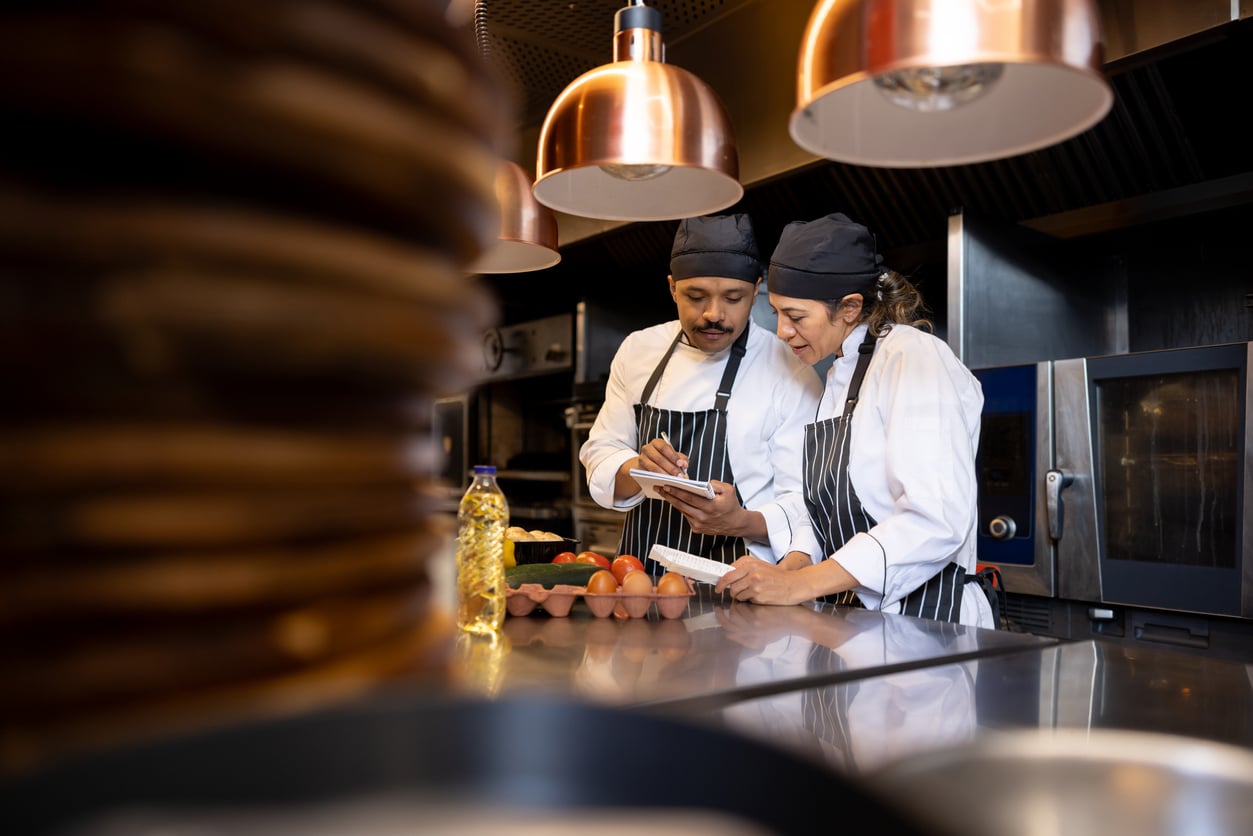
A restaurant’s inventory system can link the quantity of ingredients purchased to the amount used in the dishes sold. For this reason, detailed inventory tracking is highly significant, and it is one of the restaurant secrets behind efficient operations. It helps restaurants identify excess food waste, allowing them to address inefficiencies, reduce waste, and avoid unnecessary costs in the future, according to the National Restaurant Association.
Kitchens Try to Predict How Much Food Customers Will Order
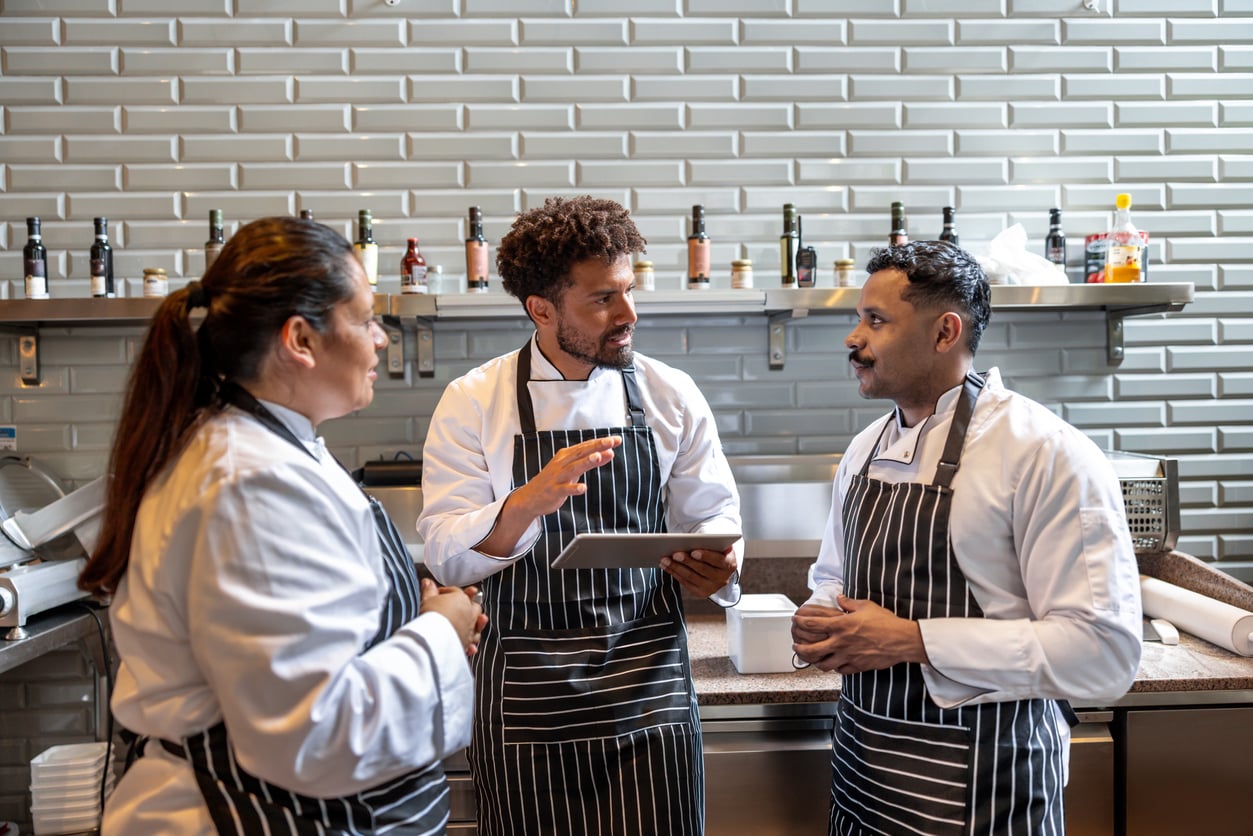
Restaurants analyze past sales, upcoming events, reservations, and other data to anticipate the demand they will face during the week. These restaurant secrets help establishments avoid shortages while also ensuring they do not end up with an excess of food that would eventually go to waste. Forecasting helps the kitchen balance product availability with freshness.
Sign up for our newsletter
Restaurant Menus Influence What Ingredients the Kitchen Can Share
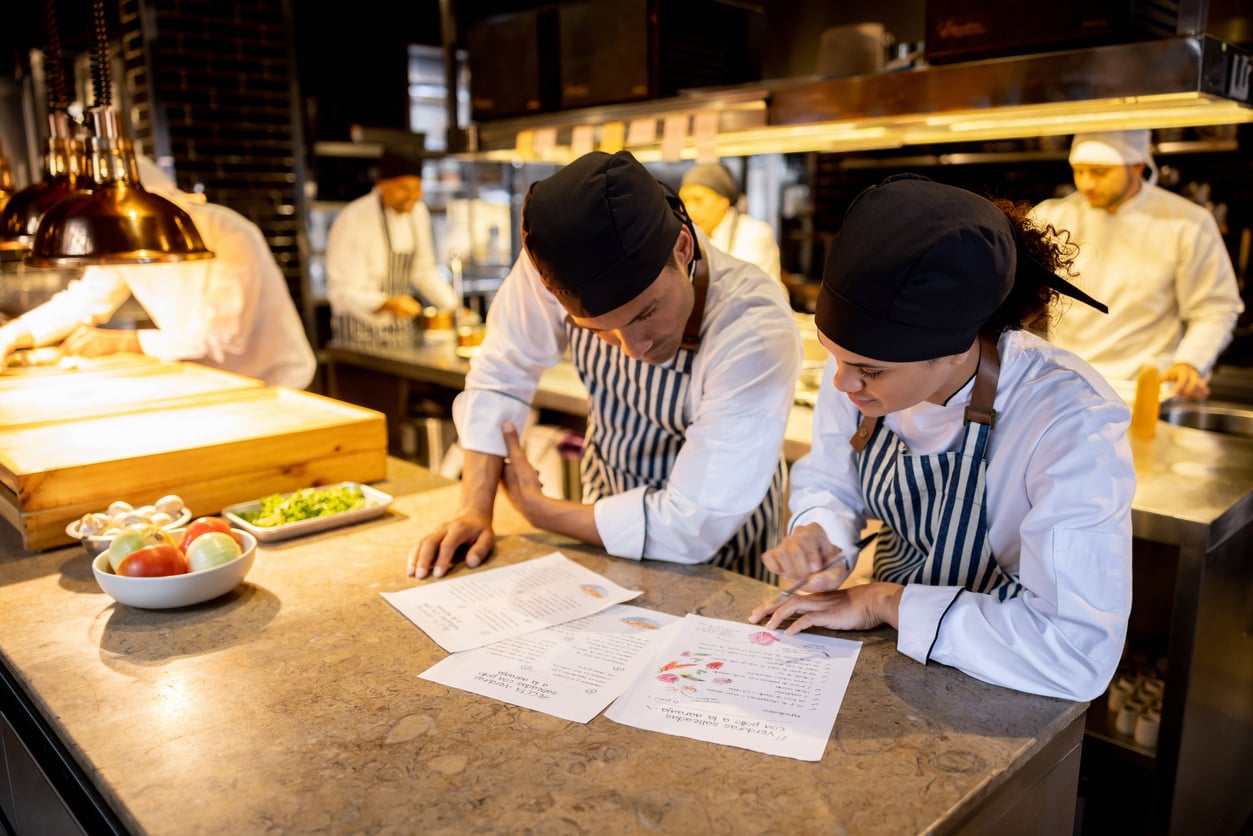
Another method to prevent food from becoming waste, one that restaurant customers might not be aware of, is for the establishment to purchase ingredients that can be used across various menu items. These restaurant secrets make ingredients more versatile: If an ingredient appears in a salad, a sandwich, an appetizer, and an entrée, it is less likely to end up as waste, because there are more potential ways for it to be served.
A Restaurant May Prepare Different Quantities of the Same Ingredient Throughout the Day
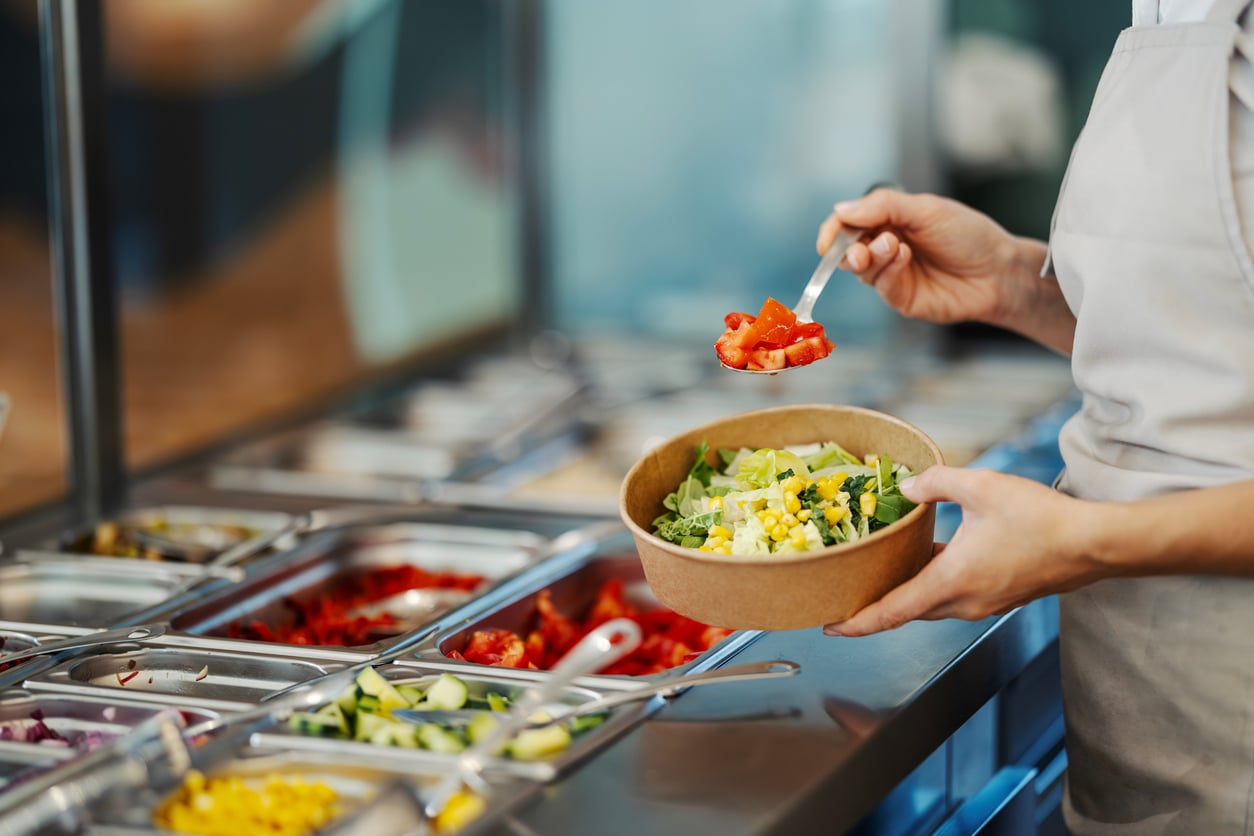
Restaurant staff do not prepare an entire day’s supply of an ingredient at once. Instead, preparation is based on demand and safe holding requirements, one of the restaurants secrets behind serving fresher food. Items such as soups, sauces, or side dishes can be prepared, replenished, or finished in separate batches throughout a single service.
A Good Kitchen Has to Manage Cleaning During Service, Not Just After Closing
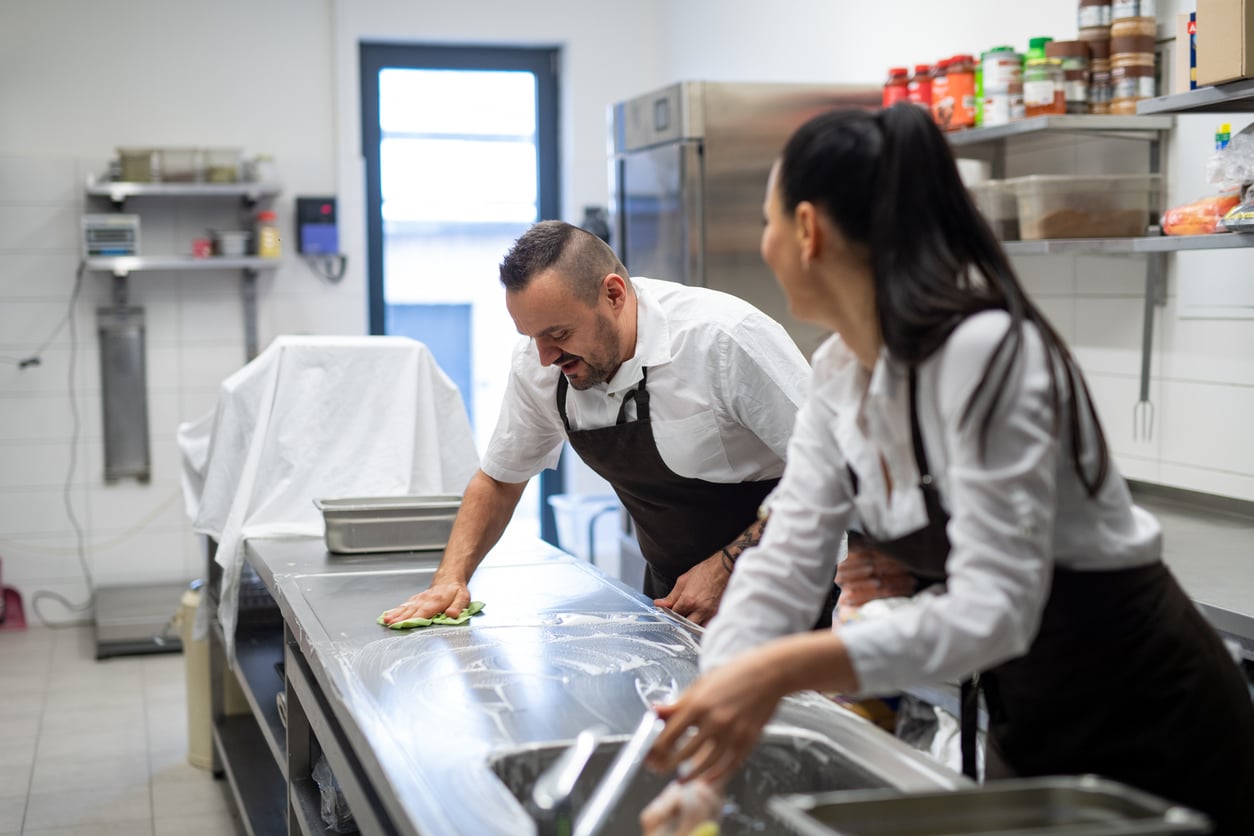
Restaurant staff spend their entire shift cleaning and sanitizing food and the surfaces on which it is prepared. These restaurant secrets help maintain hygiene throughout the kitchen. While some customers might assume that cleaning only takes place at the end of a shift, it is actually an integral part of food preparation at every stage, not a separate process.
Restaurants Track Food Waste to Figure Out Where Money Is Disappearing
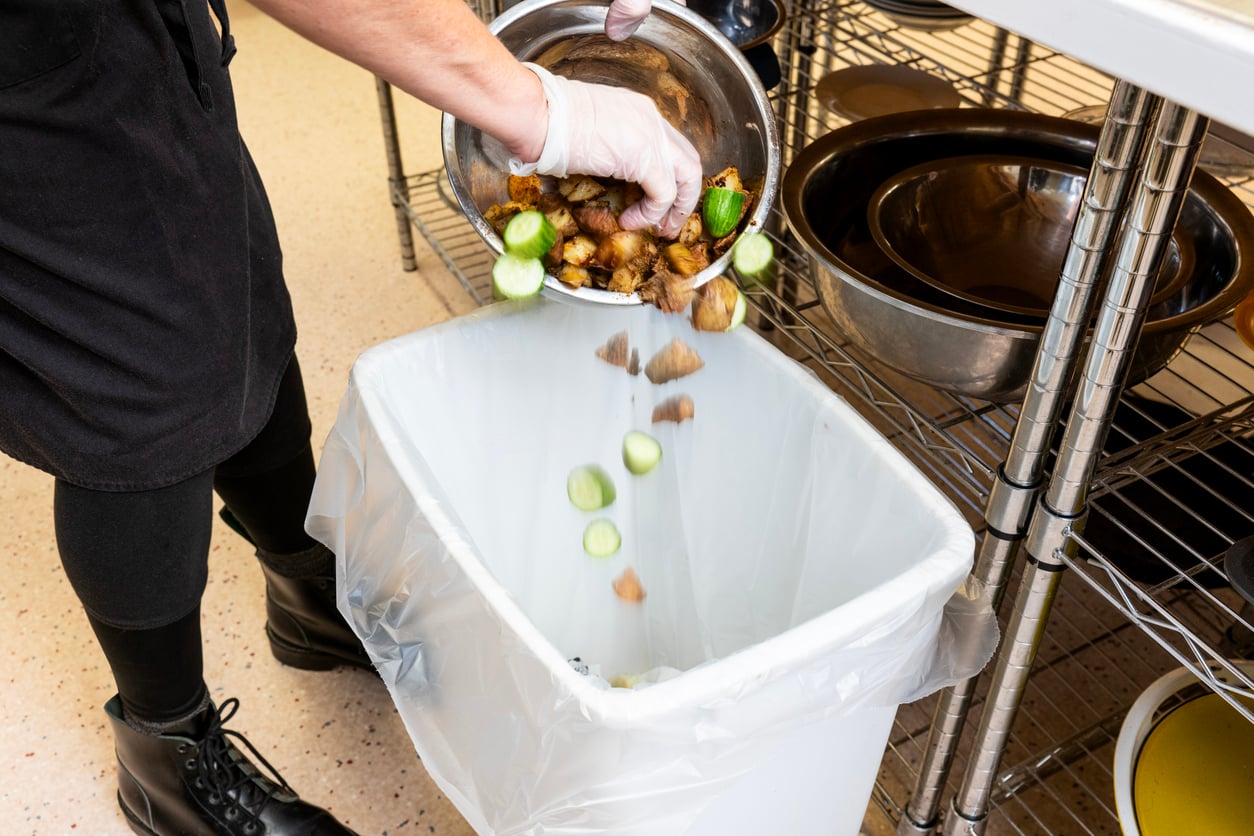
Generating food waste is equivalent to the restaurant losing money. Therefore, owners take into account factors such as trimming, preparation, spoilage, and overproduction, among other issues, to avoid significant losses. These restaurant secrets are part of controlling costs, since such losses can result from preparing a single dish, producing a batch of several dishes, or including an expensive ingredient in a recipe.
Conclusion
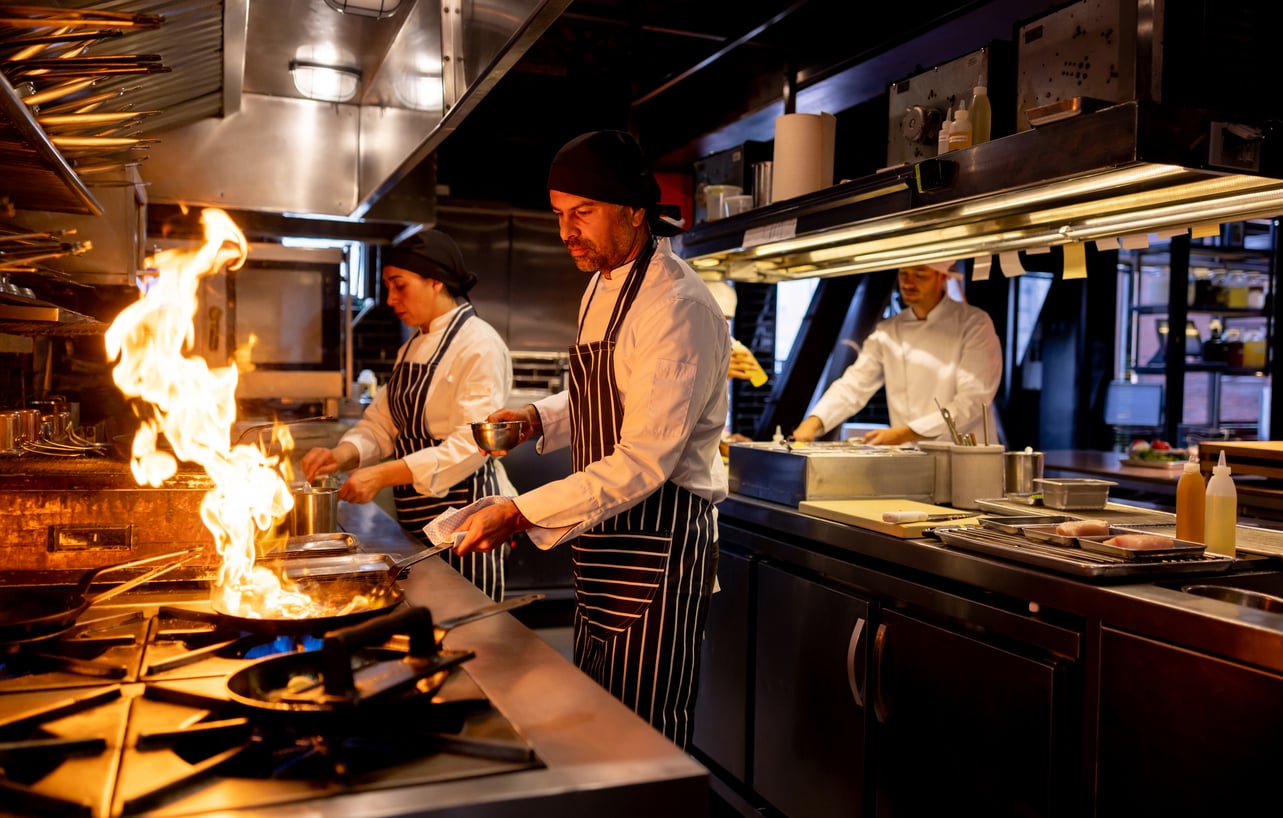
Restaurant kitchens operate in a coordinated manner to prepare the best possible food, maintain the right inventory without creating surpluses or shortages, and ensure food safety. These restaurant secrets involve far more than customers might realize. While customers might prioritize fast service, food arriving at the proper temperature, and an appealing taste, the staff must handle many other tasks that remain largely invisible to the customer.