The World Cup restaurants that benefited most during the 2026 FIFA tournament weren’t always the ones closest to the stadiums. Millions of fans filled restaurants, bars, breweries, and cafés across North America, but not every business benefited equally. While some operators saw packed dining rooms, record beer sales, and lines out the door, others discovered that simply being near the action wasn’t enough. The biggest winners were the restaurants that understood how fans wanted to watch, eat, and celebrate. From sports bars to neighborhood breweries and even coffee shops, these are the types of restaurants that came out ahead during this year’s tournament.
Sports Bars
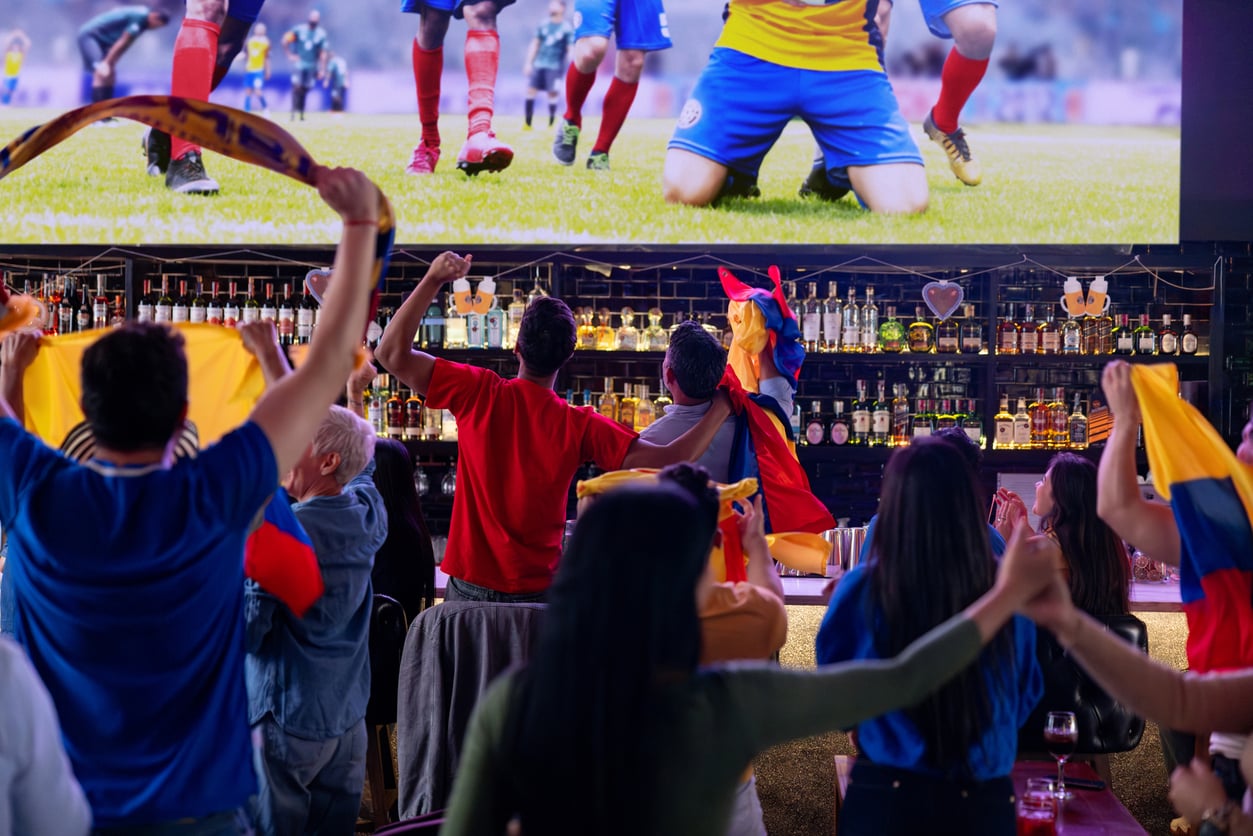
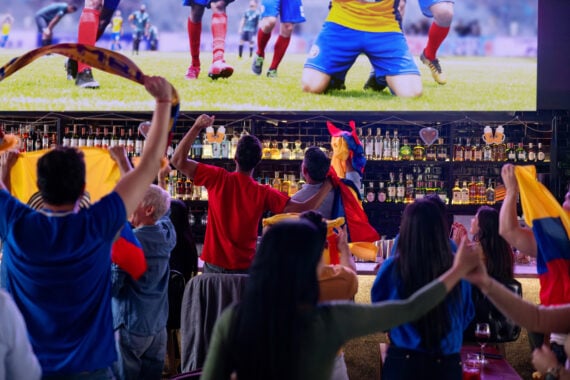
Traditional sports bars were among the clearest winners of the tournament. Multiple locations reported standing-room-only crowds for major matches, especially games involving host nations and knockout rounds. Big screens, lively atmospheres, and game-day food specials made them natural gathering places throughout the month.
Breweries
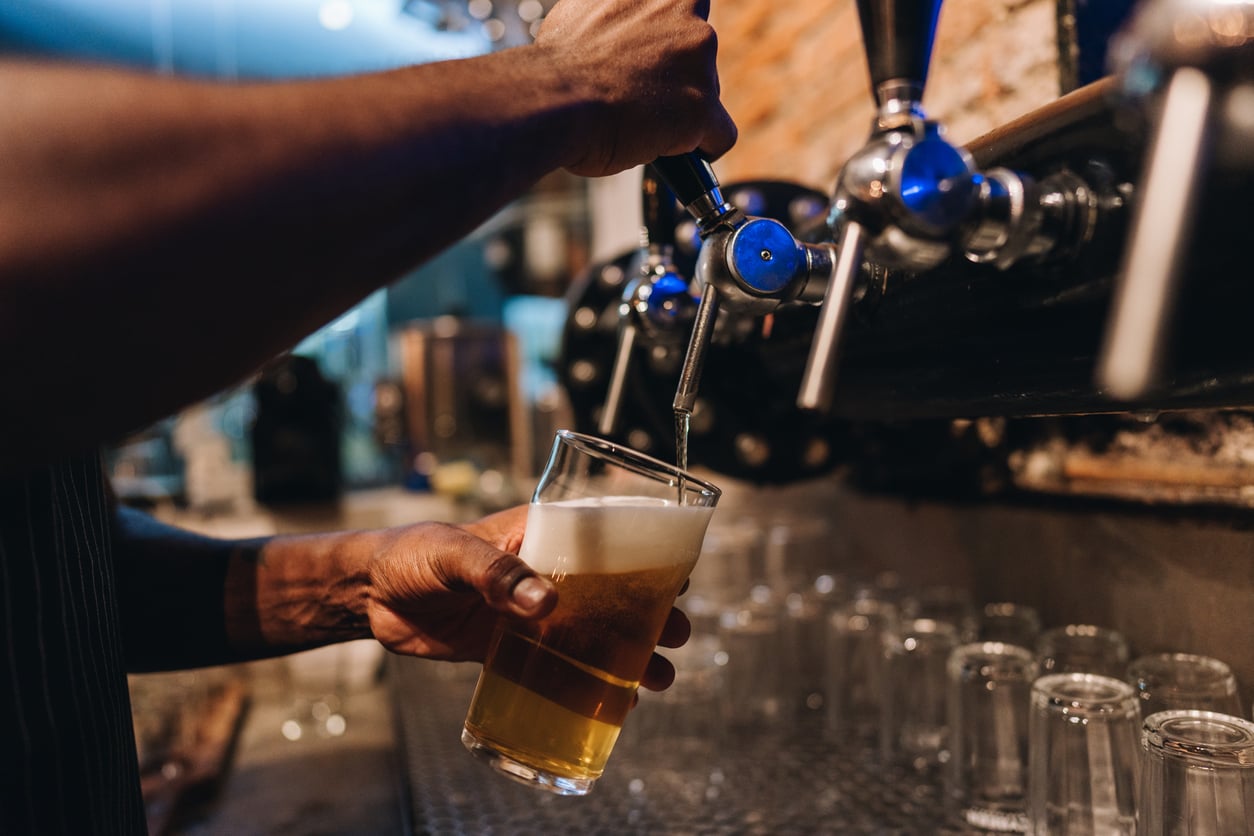
Independent breweries enjoyed a major boost as soccer fans looked for casual places to spend several hours watching matches. Industry data showed bars and breweries posting notable revenue increases, with beer sales climbing significantly in host cities throughout the tournament.
Neighborhood Bars
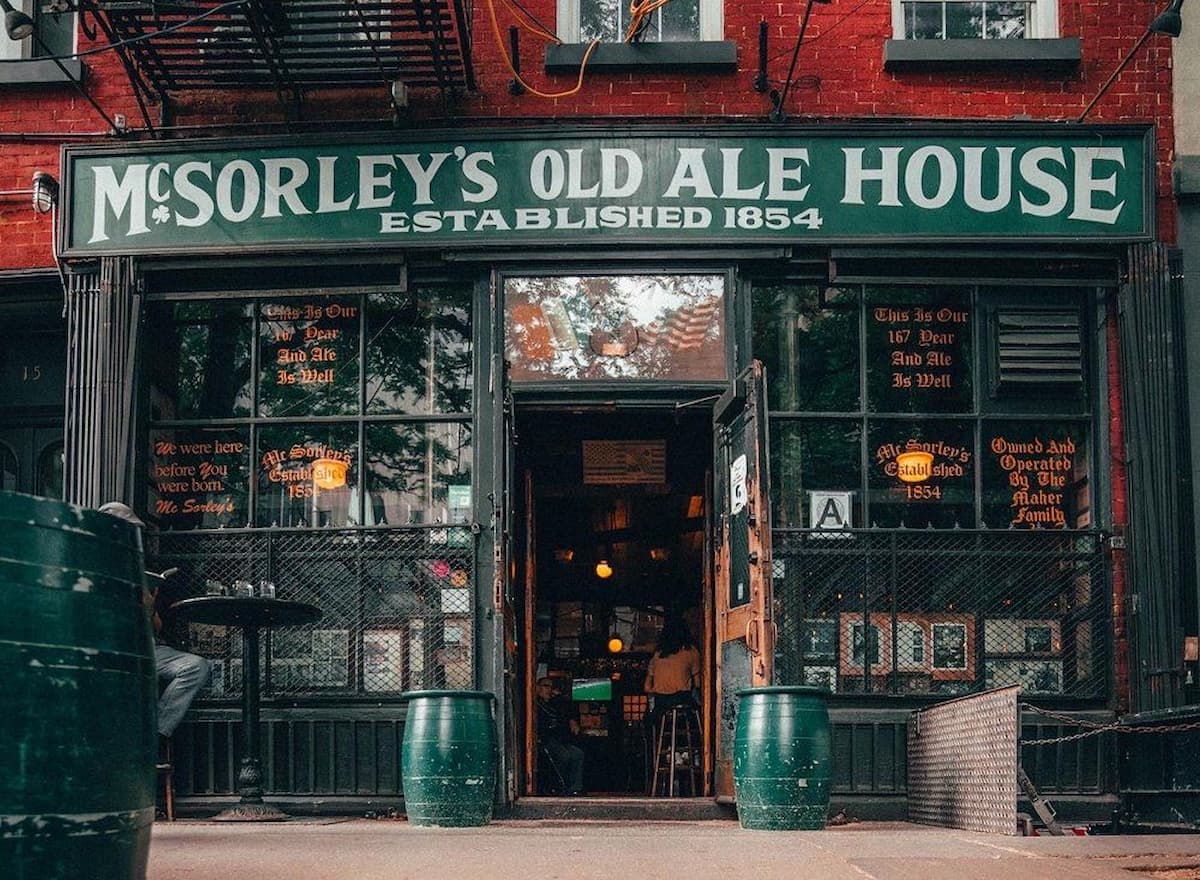
Local bars without a national profile often became unofficial headquarters for nearby fans. Operators that created welcoming watch-party environments with drink specials and communal seating benefited from repeat crowds throughout the World Cup schedule.
Restaurants That Added Big Screens
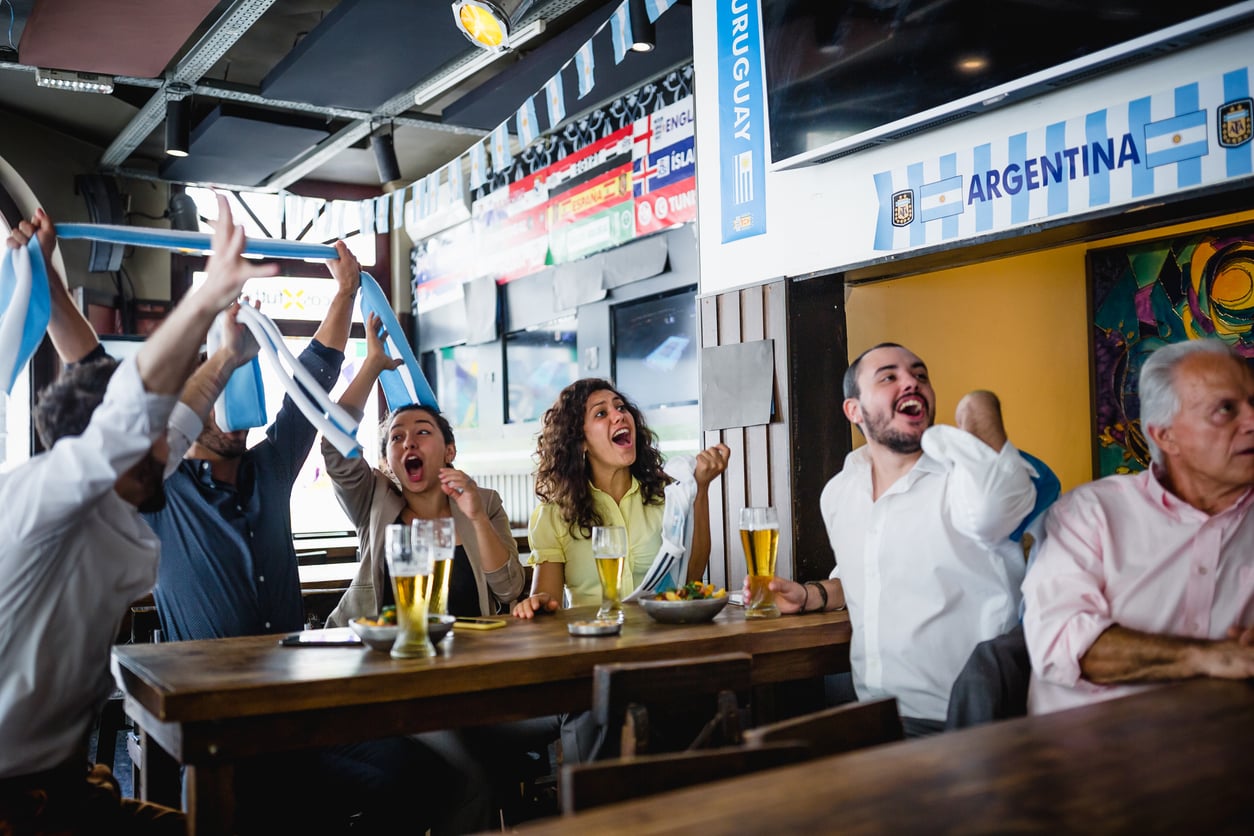
Many full-service restaurants temporarily transformed into viewing venues by installing projectors or large televisions. Operators who normally avoided sports programming found that World Cup crowds were willing to visit restaurants they otherwise might not have considered for game day.
Cocktail Bars That Broke Their Own Rules
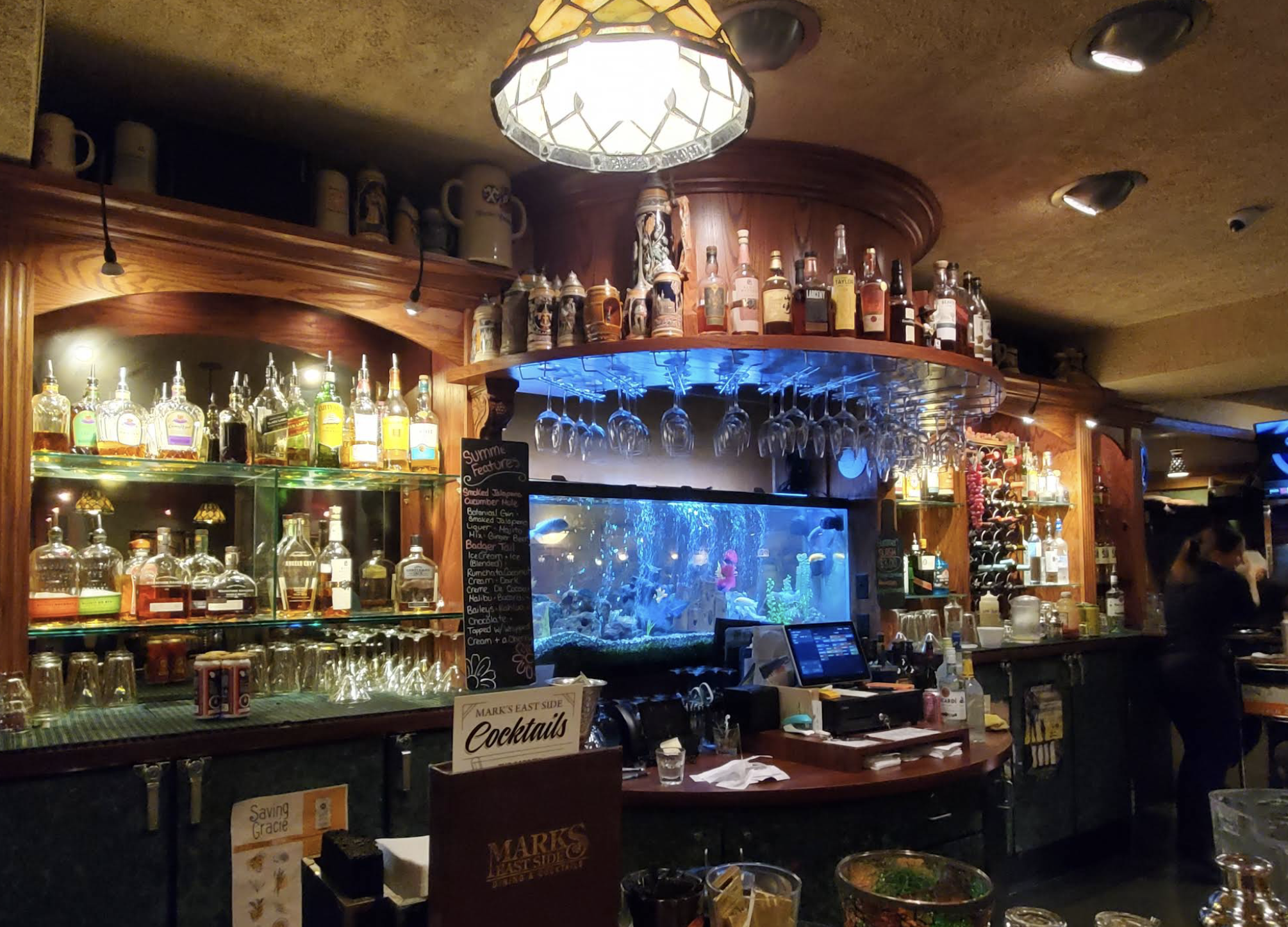
Upscale cocktail bars also found success by relaxing their usual atmosphere. Several venues that rarely show sports created special viewing events, pairing craft cocktails with soccer-themed menus and attracting customers looking for a more elevated watch-party experience.
Trending on Cheapism

Restaurants With International Menus
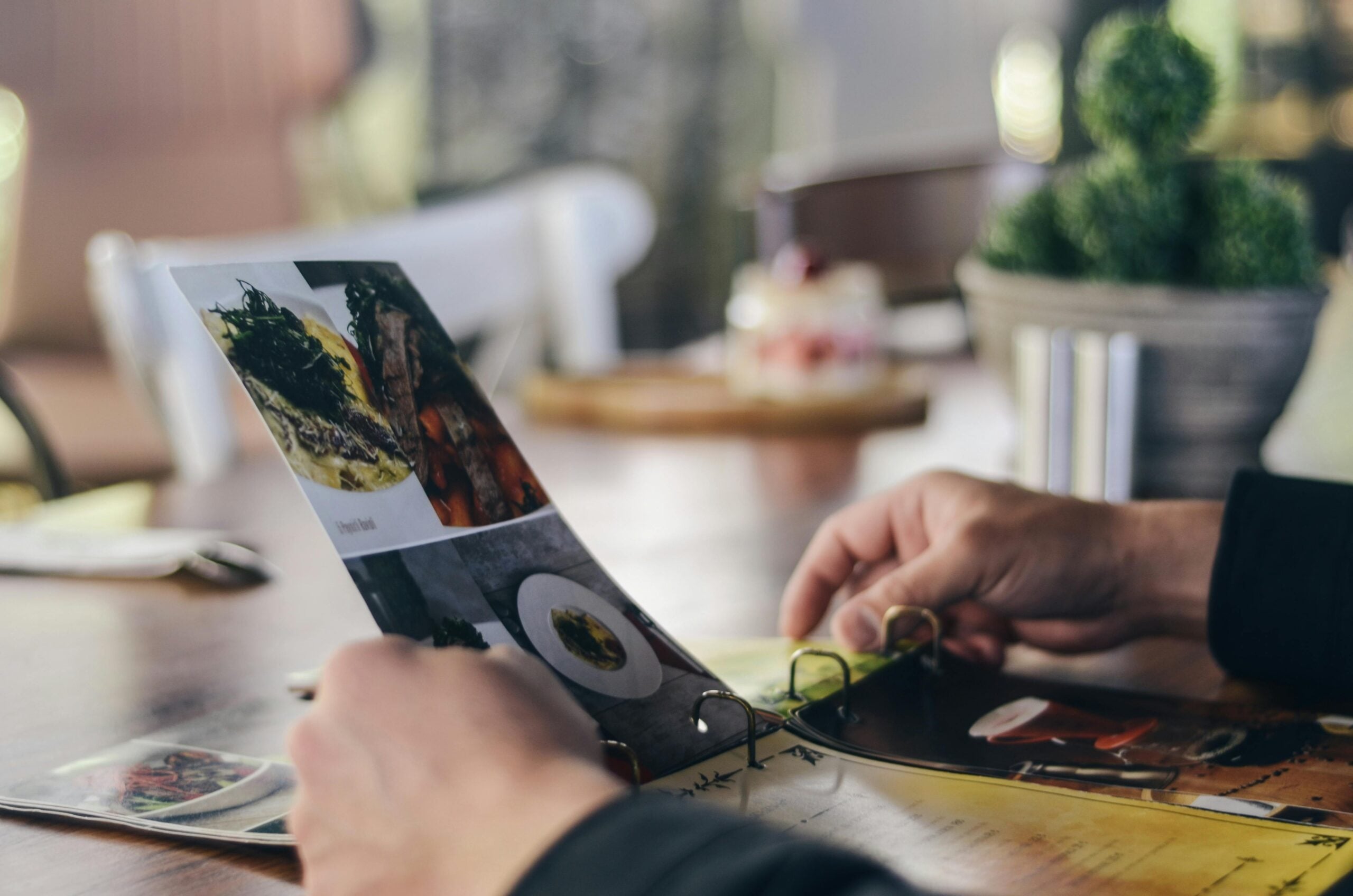
Restaurants serving cuisines connected to participating countries often experienced increased interest from supporters celebrating their national teams. Fans frequently sought out authentic food before and after matches, giving many international restaurants an opportunity to introduce new customers to their menus.
Mexican Restaurants
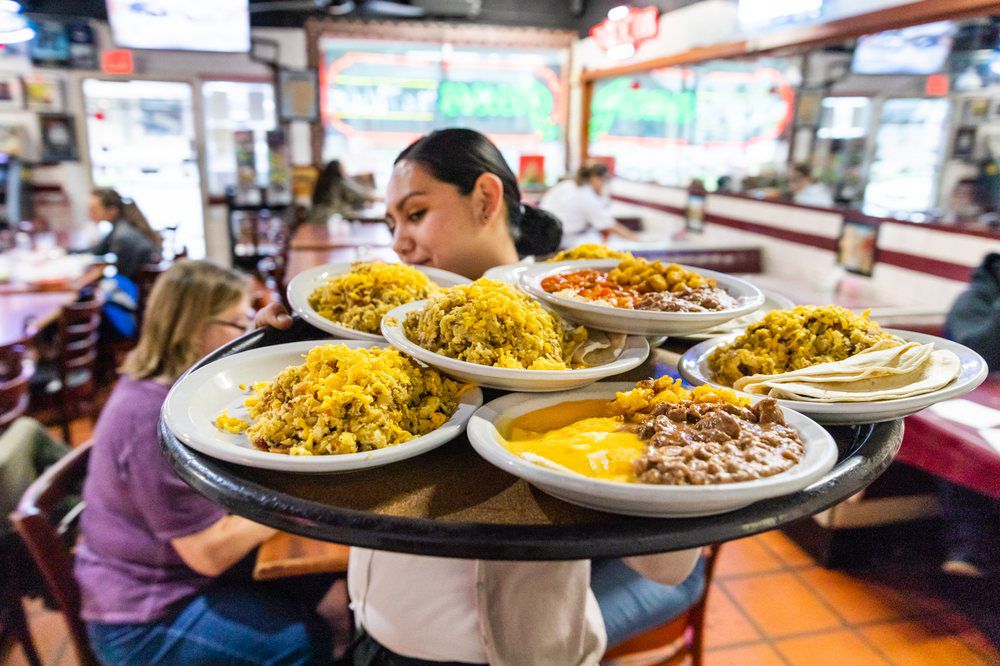
With Mexico serving as one of the tournament’s hosts and drawing enormous fan support, Mexican restaurants enjoyed especially strong traffic on match days. In several host cities, games involving Mexico produced some of the busiest restaurant days of the entire tournament.
Pizza Restaurants
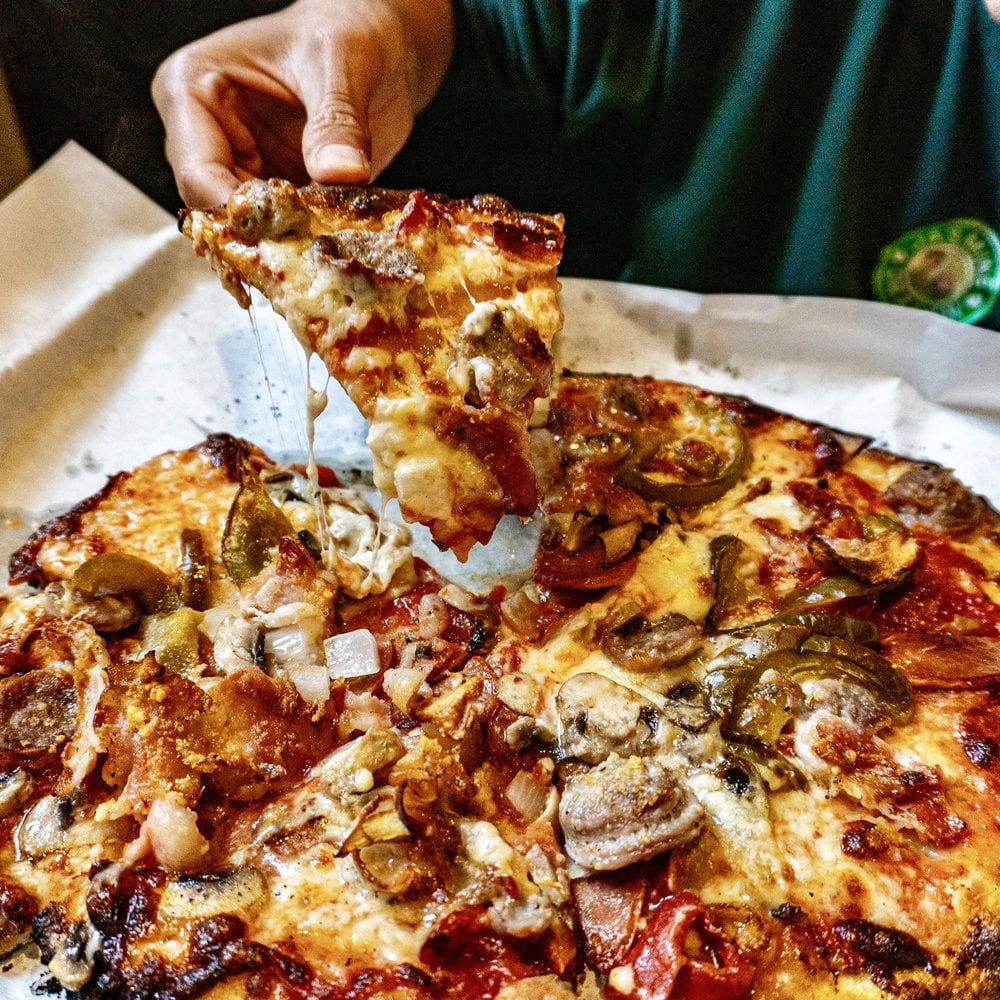
Pizza remained one of the easiest group-watch meals, making pizzerias consistent winners throughout the tournament. Some restaurants even received memorable high-profile orders, including one New Jersey shop that delivered dozens of pizzas to Spain’s national team after its championship victory.
Sign up for our newsletter
Restaurants Near Fan Festivals
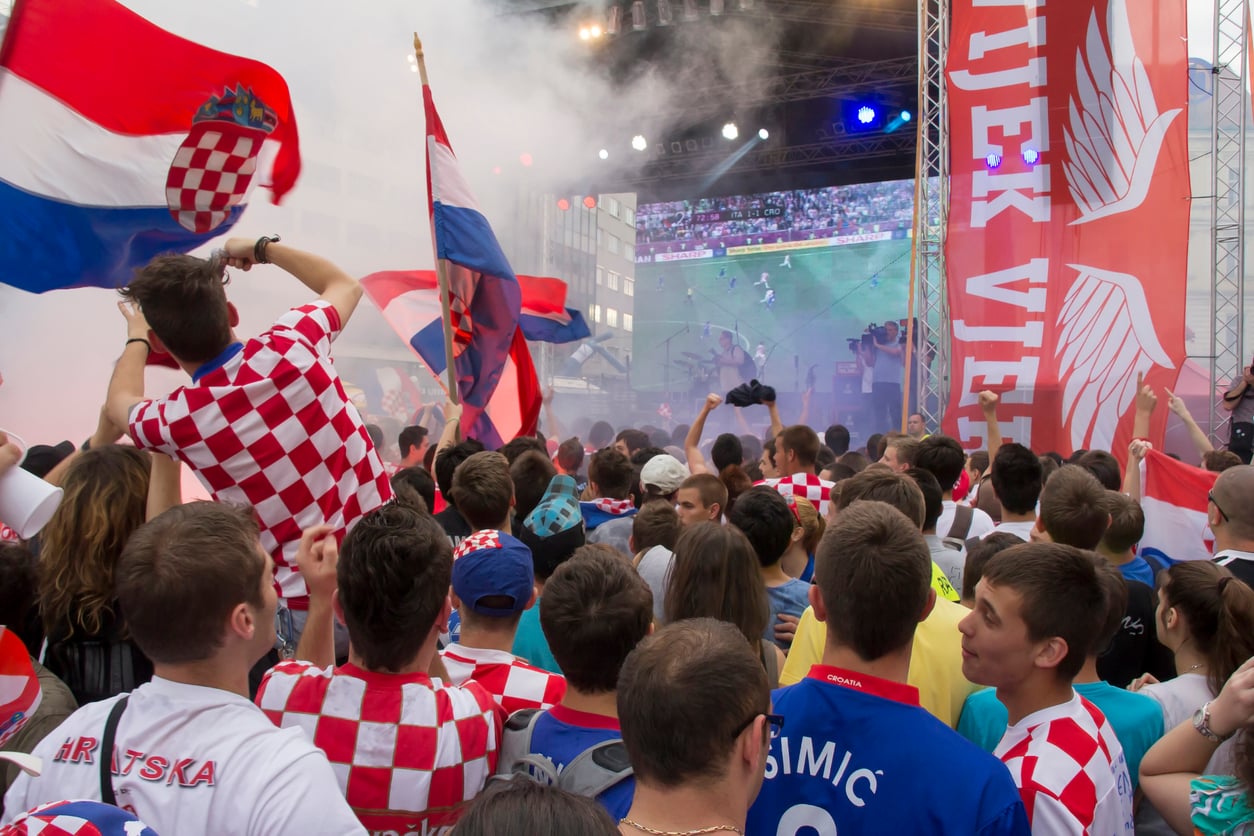
Businesses located close to official fan zones and public viewing areas benefited from constant foot traffic. Even visitors without match tickets spent hours eating and drinking before and after games, creating steady demand throughout the day.
Coffee Shops Hosting Morning Matches
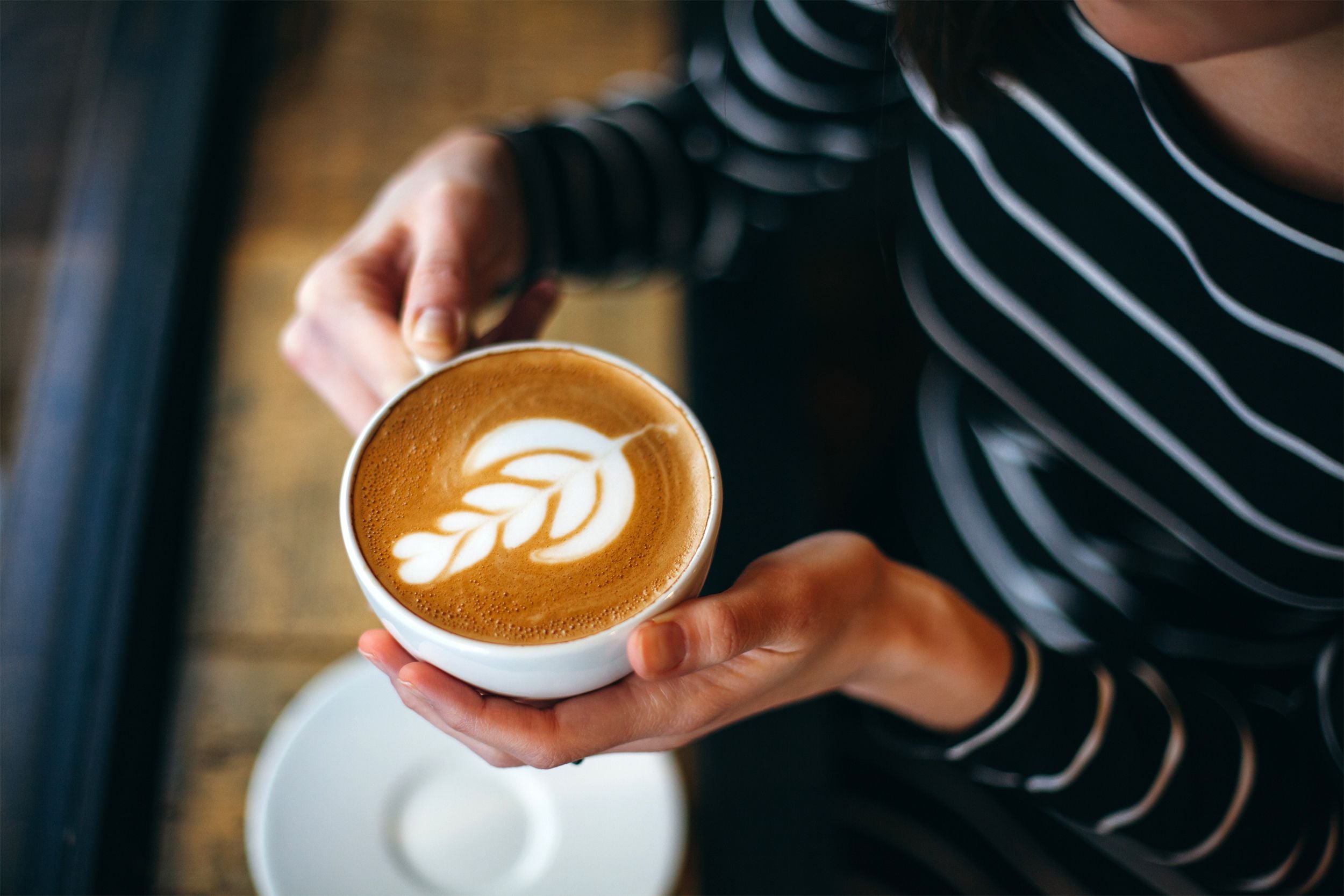
Early kickoffs gave cafés and coffee shops an unexpected opportunity to attract soccer fans. Some operators opened earlier than usual or promoted breakfast specials to capitalize on supporters gathering before work to watch matches.
Restaurants That Planned Ahead
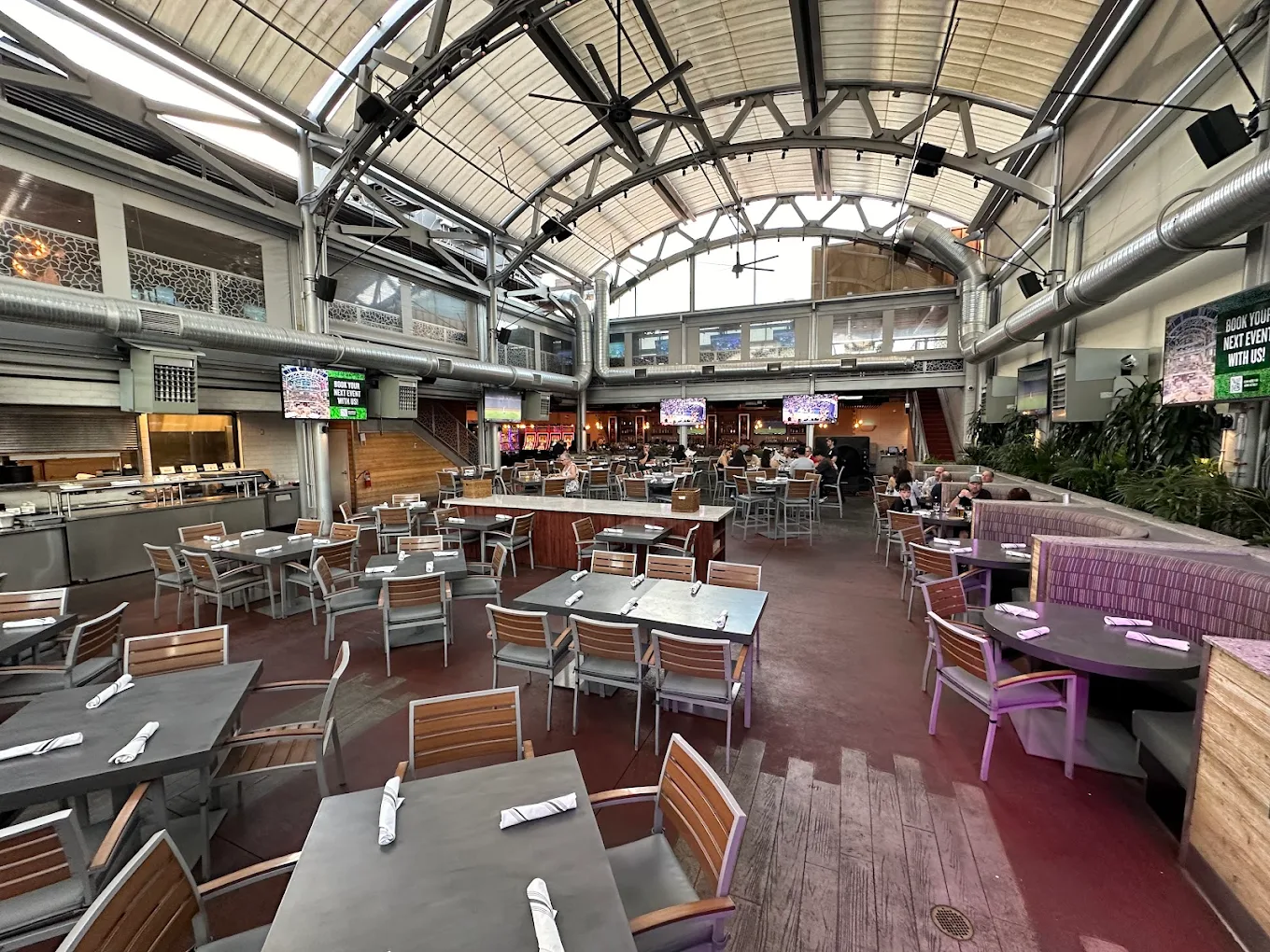
The businesses that performed best weren’t necessarily the biggest—they were the most prepared. Successful operators adjusted staffing, simplified menus during busy periods, increased inventory, and created promotions specifically tied to the tournament rather than relying on extra foot traffic alone.
Local Independents That Embraced Soccer Culture
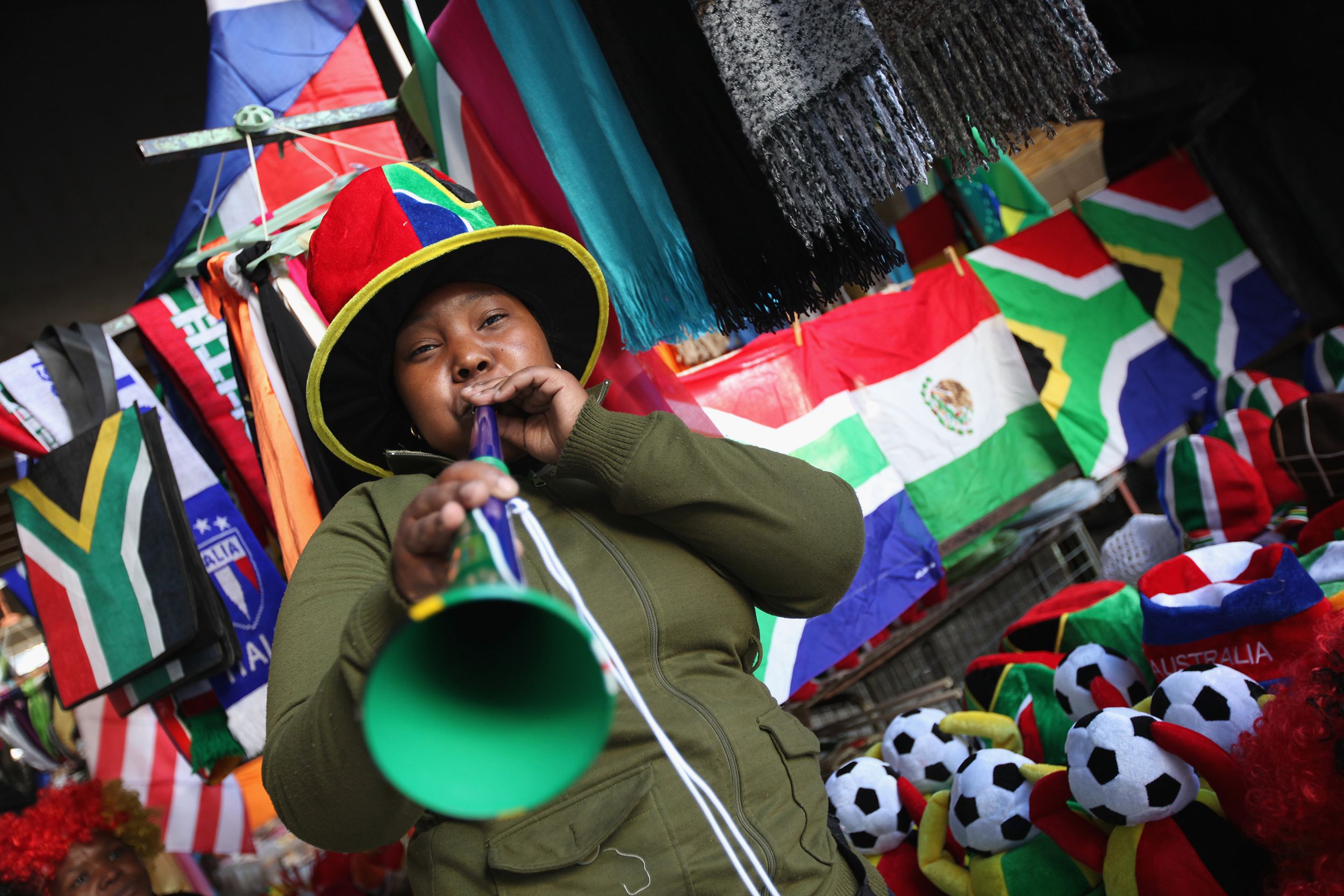
Independent restaurants that leaned into the excitement often earned new regular customers in addition to temporary World Cup crowds. By creating memorable viewing experiences instead of treating matches as just another day of service, many operators turned first-time visitors into repeat guests.
Final Whistle: Preparation Beat Location
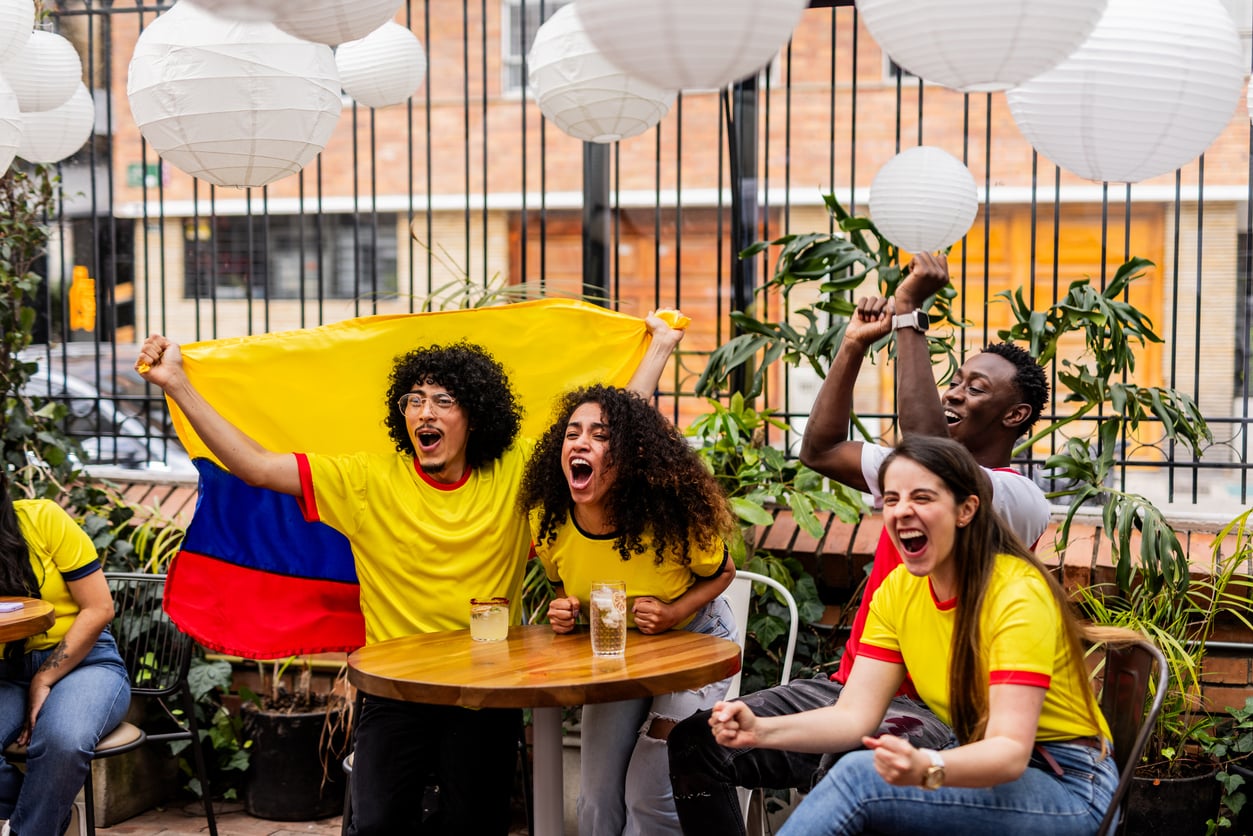
The World Cup created enormous opportunities for restaurants, but success wasn’t guaranteed simply by being close to a stadium. The operators that benefited most were those that anticipated how fans wanted to gather, watch matches, and celebrate together. Whether through special menus, expanded seating, extra televisions, or community-focused events, the biggest winners were the restaurants that made themselves part of the tournament experience rather than simply hoping fans would walk through the door.