
Every year, as temperatures drop and congestion rises, our spending on over-the-counter cold and flu medicine spikes. With more people falling ill at the same time, demand surges for common treatments like decongestants, pain relievers, and cough syrups, according to KSBY.
Pharmacies sometimes raise prices in response, manufacturers struggle to keep up with supply, and seasonal markups on brand-name products can push costs even higher. The good news: You don’t have to overspend to get relief.
Choose Generic Over Brand-Name Options

Pharmacists emphasize that generic medicines have the same active ingredients as name brands and work just as effectively, but often cost far less — sometimes 40% or more below the price of brand-name versions. Checking the ingredient list instead of relying on branding makes a measurable difference, especially during a season when prices surge.
Skip Multi-Symptom Kits Unless You Truly Need Them

Multi-symptom medicines tend to lump several drugs together and charge extra for that convenience. Because most people only need relief from one or two symptoms at a time, buying single-ingredient medications is usually both cheaper and safer. This avoids paying for unnecessary ingredients and avoids taking medications you don’t actually need.
Be Cautious With 24-Hour or Extended-Release Formulas

“24-hour relief” products cost significantly more than regular versions. According to pharmacists cited in the KSBY report, shorter-acting doses are often just as effective for the average person, especially if symptoms fluctuate during the day. Choosing the simpler formula can lower spending without sacrificing relief.
Compare Prices Across Pharmacies and Retailers

Identical medicines — especially generics — can vary widely in price from one store to another. Checking a few options online or at local retailers before you buy helps you avoid paying the seasonal markup some pharmacies apply when demand peaks. Many stores also offer digital coupons, loyalty rewards, and weekly promotions, and stacking those discounts with existing sales can lower your final price even more. Online platforms and big-box stores often offer the lowest prices.
Stock Up Before Cold and Flu Season Starts

Medicines are cheapest in the off-season, when demand isn’t pushing prices higher. Buying staples like fever reducers, decongestants, cough drops, and saline spray during the spring or summer helps you avoid winter price jumps. Stocking up early also prevents emergency pharmacy trips when you’re already sick and less price-conscious.
Trending on Cheapism


Purchase Larger Quantities Only When They’ll Get Used

When you find a good deal — especially on fever reducers or decongestants — buying a larger bottle or multipack can reduce the cost per dose. This can be especially cost-effective for big families, and warehouse retailers like Costco or Sam’s Club often offer the lowest per-unit prices. The key is to check expiration dates, particularly on liquids, and only buy in bulk if you’re confident the medicine will be used in time.
Keep a Small Starter Kit at Home

Having basic medicines on hand means you won’t have to rush out and buy overpriced items when symptoms hit. Experts recommend keeping items like acetaminophen or ibuprofen, a decongestant, cough drops, tissues, a saline spray, and a working thermometer stocked before the season starts. This reduces both stress and last-minute spending.
Prioritize Prevention to Reduce Medicine Costs Altogether

Reducing how often you get sick is also a form of savings. According to Midwest Express Clinic, getting your annual flu shot early, washing your hands regularly, disinfecting shared surfaces, staying hydrated, and maintaining consistent sleep can significantly reduce your chances of getting ill. Some households even create a “sick zone” to prevent germs from spreading between family members.
Sign up for our newsletter
Get Tested When Symptoms Escalate
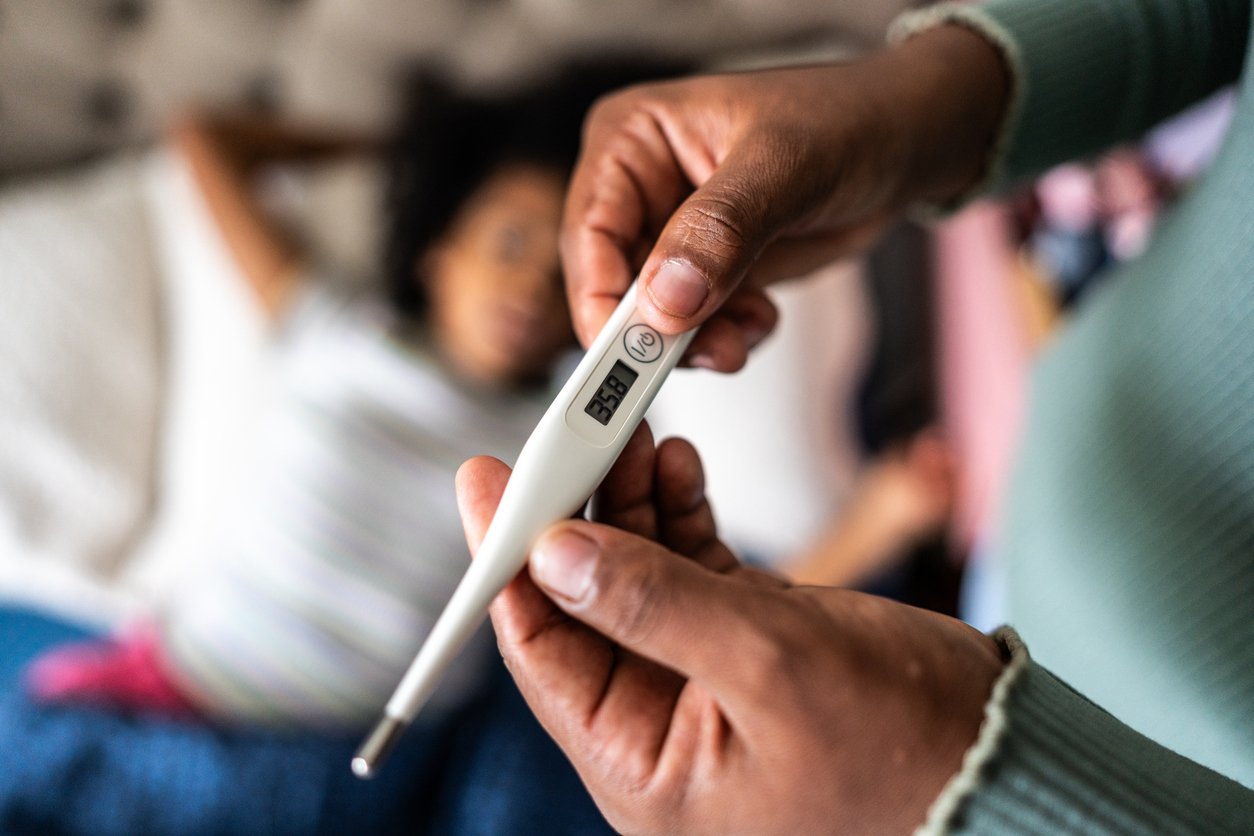
If your symptoms resemble the flu or become intense, getting tested can help you decide whether you need additional care or whether basic OTC relief is enough. This prevents unnecessary spending on products that won’t actually help and ensures you’re treating the right illness.
More From Cheapism

- What You Need To Know About the Cold and Flu Season — Before sniffles have a chance, get the truth on how colds and flu really spread and what actually works so you’re prepared instead of scrambling when sickness hits.
- Is Costco’s Vaccine Program Worth the Price? — If you’re due for a flu shot or other vaccine, Costco’s program might just be one of the smartest seasonal savings you make all year.
- Don’t Miss These Perks of Costco and Sam’s Club Membership — From cheaper prescriptions to unexpected services and discounts, these warehouse-club benefits can turn a bulky membership into a budget-friendly powerhouse.