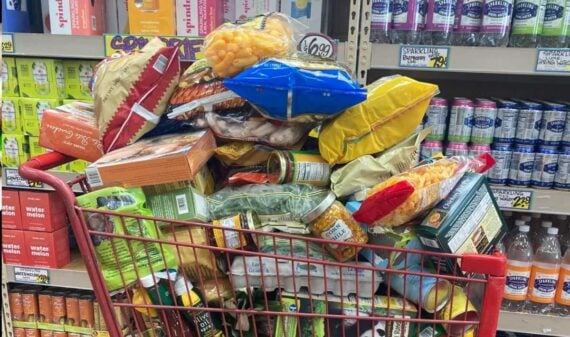

The list of states restricting what SNAP recipients can buy at the grocery store is getting longer. Kansas, Nevada, Ohio, and Wyoming have now joined a growing group of states limiting certain purchases under the Supplemental Nutrition Assistance Program, adding new restrictions to food stamp benefits on items like candy and sugary drinks.
The new waivers were approved March 4 by the U.S. Department of Agriculture, allowing each state to implement its own version of SNAP food bans. That means the rules — once again — will vary depending on where someone lives.
What the New States Are Restricting
The latest states adopting restrictions are targeting many of the same items already banned elsewhere: candy, soda, and other sugary beverages. The “fun” stuff.
Here’s what the newest rules look like:
- Kansas: Candy and soft drinks are banned from SNAP purchases.
- Nevada: Candy and sugar-sweetened beverages are prohibited.
- Ohio: Sugar-sweetened beverages are restricted.
- Wyoming: Sugar-sweetened carbonated beverages are banned.
State leaders say the goal is to encourage healthier food choices. Wyoming Gov. Mark Gordon said the waiver aligns SNAP spending with its original intent of helping families put nutritious food on the table.
A Rapid Expansion of SNAP Restrictions
The four new states join a much larger wave of SNAP changes. So far, 22 states have received waivers allowing food restrictions, including Arkansas, Florida, Indiana, Iowa, Nebraska, Texas, Utah, and West Virginia. Most of the approved waivers focus on similar categories — especially candy and sugary drinks — but the exact definitions vary by state.
Some include energy drinks or certain juices. Others target only soda. Basically, the caveats are causing confusion for both shoppers and retailers.
Why the Policy Shift Is Unusual
For decades, the USDA rejected requests from states that wanted to restrict SNAP food purchases. Federal officials historically argued they couldn’t override Congress’s definition of “food” under the program. SNAP recipients could buy nearly any grocery item except alcohol, tobacco, hot prepared foods, and non-food products.
That stance changed in 2025, when the Trump administration began approving waivers using a pilot program authority meant to test nutrition outcomes. USDA officials say the experiments are designed to study whether limiting certain foods improves public health.
More States May Follow
The four new waivers likely won’t be the last. Congress created incentives for states to apply for SNAP restrictions through a $50 billion Rural Health Transformation Program passed last year. States can receive scoring benefits for submitting waiver proposals. With more states considering similar policies, SNAP grocery rules could continue to diverge across the country, leaving shoppers, retailers, and policymakers navigating an increasingly complicated system, without a sugar buzz in sight.
More From Cheapism
- New Medicaid, SNAP Work Requirements May Delay Retirement for Older Workers — New Medicaid and SNAP work requirements might hinder older workers to the point of delaying their retirement plans.
- SNAP Shoppers in 5 States Will Face New Food Bans Starting Jan. 1 — Check out the original list of states rolling out SNAP restrictions.
- Plan Ahead: These Pantry Essentials Can Help You Weather SNAP Program Delays — During SNAP program delays, these are the pantry essentials you’ll want to lean on to stretch your grocery supply further without stressing your wallet.