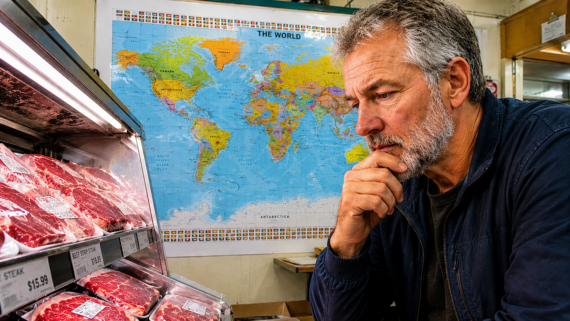
Steak has become one of the clearest examples of food inflation in America. Cattle supplies remain tight, beef prices are elevated, and restaurants have had to pass along higher labor, rent, insurance, and wholesale costs.
In many U.S. cities, a steakhouse ribeye can easily land in the $35 to $60 range before tax, tip, drinks, or sides. Upscale cuts can push far higher. That makes steak feel less like a weeknight dinner and more like a splurge.
But that sticker shock is not universal. Some of the world’s cheap steak countries benefit from large cattle industries, lower restaurant overhead, favorable exchange rates, or deeply rooted beef cultures. As a result, travelers can often enjoy quality steak dinners for a fraction of what they would pay in the United States.
Argentina

Argentina is perhaps the world’s most famous steak destination. Beef is deeply woven into the country’s culture, and Argentines have historically ranked among the world’s largest beef consumers on a per-capita basis. Cattle ranching remains a major part of the economy, helping maintain a strong domestic supply of beef.
Visitors are often surprised by how far their dining budget stretches. A ribeye or bife de chorizo that might cost $40 to $60 at a steakhouse in New York, Chicago, or Dallas can often be found for considerably less at a traditional Buenos Aires parrilla. Even many of the city’s acclaimed steakhouses can feel affordable compared to major U.S. markets, especially when exchange rates work in favor of American travelers.
Popular cuts include bife de chorizo (strip steak), ojo de bife (ribeye), entraña (skirt steak), vacío (flank), and massive parrillada platters featuring multiple cuts of beef.
Brazil

Brazil’s enormous cattle industry has helped make beef a cornerstone of the national diet. The country consistently ranks among the world’s largest beef producers and exporters, supplying both domestic consumers and international markets.
Many American travelers quickly notice the difference when dining at a churrascaria. In the United States, an all-you-can-eat Brazilian steakhouse experience can easily cost $60 to $80 per person before drinks and gratuity. In Brazil, comparable rodízio experiences are often available for a fraction of that price, particularly outside major tourist districts.
Picanha is the country’s signature cut, but diners will also encounter fraldinha (flank steak), alcatra (top sirloin), costela (beef ribs), and filet mignon served directly from skewers by roaming servers.
Uruguay
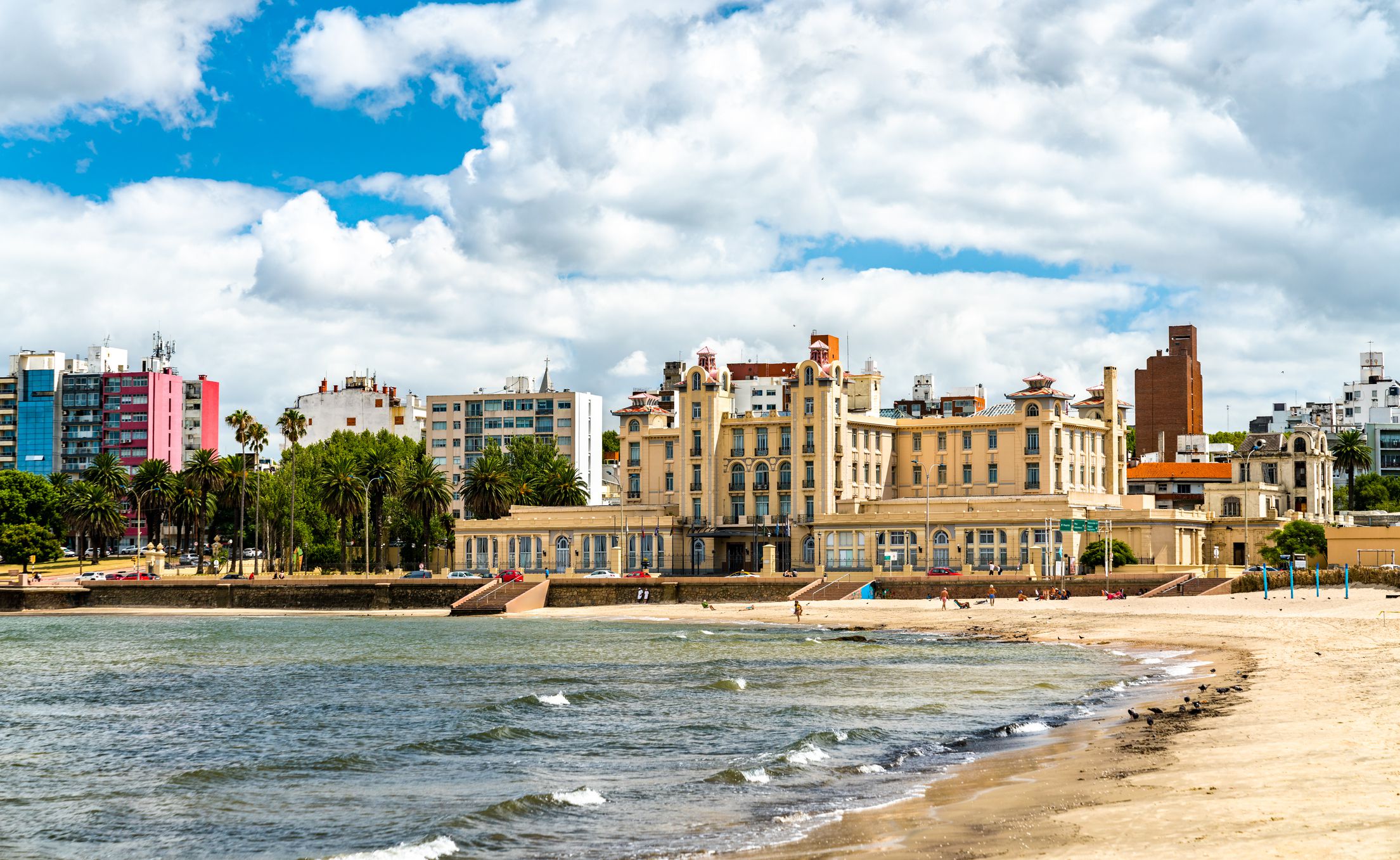
Despite its small population, Uruguay has built an outsized reputation in the global beef industry. The country is known for grass-fed cattle and exports premium beef around the world, yet visitors often find local steak prices surprisingly reasonable compared to American steakhouses.
Montevideo’s parrillas serve many of the same beloved cuts found across the Río de la Plata region. A steak dinner that could easily exceed $50 in a major U.S. city often costs substantially less while still delivering high-quality grass-fed beef.
Popular cuts include bife ancho (ribeye), ojo de bife, entraña, vacío, and asado de tira, all staples of Uruguay’s celebrated grilling culture.
Paraguay
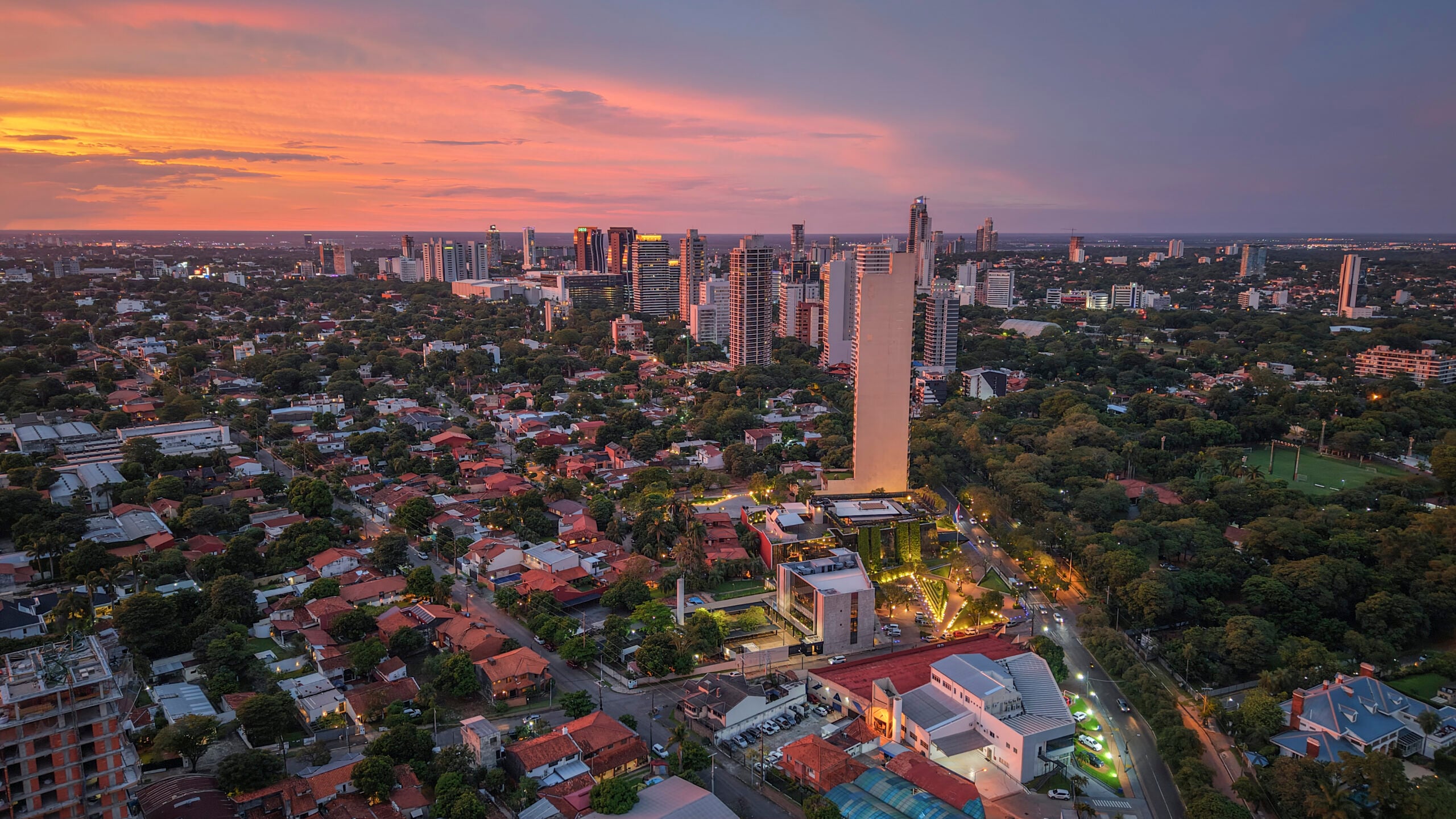
Paraguay rarely receives the same attention as neighboring Argentina and Brazil, but it has quietly become one of South America’s major beef producers. The country’s cattle industry plays a significant role in the economy, helping keep quality beef accessible for both locals and visitors.
Travelers are frequently surprised by restaurant prices in Asunción, where premium steaks often cost far less than comparable meals in American cities. Because Paraguay attracts fewer international tourists than some neighboring destinations, restaurants generally face less pressure to charge inflated visitor prices.
Steakhouses commonly serve picanha, ribeye, sirloin, strip steak, and traditional Paraguayan grilled beef dishes.
Colombia

Colombia’s cattle sector has expanded significantly over the years, helping create a strong supply of domestic beef. While imported premium beef can command high prices, locally raised beef often delivers excellent value for travelers.
In cities such as Bogotá and Medellín, diners regularly find steak dinners priced well below what they would pay at comparable restaurants in the United States. A meal centered around local cuts may cost half of what a similar dinner would cost in major American metropolitan areas.
Popular cuts include punta de anca, churrasco, baby beef, lomo fino, and bife de chorizo.
Trending on Cheapism


Mexico

Mexico’s steak culture is often overlooked by visitors focused on tacos, seafood, and regional specialties. Yet northern states such as Sonora, Chihuahua, and Nuevo León have deep ranching traditions and some of the country’s most respected beef industries.
Many American travelers discover that quality ribeyes, New York strips, and arrachera can be found at prices noticeably below those charged by U.S. steakhouses. While luxury restaurants in Mexico City or resort destinations can rival American prices, regional steak restaurants frequently offer far stronger value.
Arrachera, ribeye, sirloin, cabrería, and various forms of carne asada are among the most popular beef dishes found throughout the country.
South Africa

South Africa has earned a strong reputation among international travelers for delivering exceptional steakhouse value. The country’s beef industry, combined with favorable exchange rates for many foreign visitors, often creates a noticeable price advantage compared to dining in the United States.
A large sirloin or ribeye that might cost $45 to $60 in an American steakhouse can often be found for significantly less in Cape Town, Johannesburg, or Pretoria. Portions are frequently generous, further increasing the perceived value.
Common steakhouse offerings include sirloin, rump steak, ribeye, T-bone, and fillet, alongside locally sourced game meats.
Namibia

Namibia’s ranching tradition and export-oriented beef industry have helped establish the country as a respected producer of high-quality grass-fed beef. Although tourism has grown steadily, many visitors still find restaurant steak prices refreshingly affordable compared to American standards.
Steak menus often feature grass-fed fillet, rump, sirloin, and ribeye, along with specialty game meats unique to southern Africa. The country’s lower operating costs help restaurants offer meals that frequently undercut equivalent American steakhouse prices.
The result is a destination where beef lovers can enjoy premium cuts without the sticker shock increasingly common in the United States.
Sign up for our newsletter
Australia

Australia produces some of the world’s most respected beef, including premium grass-fed, grain-fed, and wagyu varieties. While Australia is not necessarily a bargain destination in the same way as Argentina or Paraguay, many American visitors still find restaurant steak prices surprisingly reasonable relative to the quality they receive.
The country’s massive cattle industry helps maintain a strong domestic beef supply, and the absence of a U.S.-style tipping culture can make the final restaurant bill feel more manageable. A quality steak dinner at an Australian pub or grill often compares favorably with what diners would pay at a steakhouse in major American cities.
Australia’s reputation for beef quality extends well beyond its borders. Industry experts note that Australian beef often sells at a premium in international markets because of its grass-fed production systems, strict traceability programs, and strong food-safety standards. In some export markets, Australian beef can cost 15% to 25% more than competing products even after transportation and import duties are factored in, yet demand remains strong because buyers view it as a premium product.
Popular cuts include scotch fillet (ribeye), rump, porterhouse, sirloin, T-bone, eye fillet, and various wagyu offerings.
New Zealand

New Zealand’s reputation for premium grass-fed beef extends well beyond its borders. The country’s pasture-based agricultural system produces highly regarded beef that often reaches international markets at premium prices.
Yet visitors frequently discover that enjoying steak locally can be surprisingly reasonable compared to American restaurant pricing. Strong domestic production and a deeply agricultural economy help keep quality beef readily available.
Steakhouse menus commonly feature sirloin, ribeye, eye fillet, rump, and porterhouse cuts sourced from New Zealand’s grass-fed cattle herds.
Hungary

Hungary may not be the first country that comes to mind for steak, but its growing restaurant scene has created attractive opportunities for value-conscious diners. Budapest in particular has developed a thriving steakhouse culture that often surprises visitors from Western Europe and North America.
A steak dinner that might cost $50 or more in an American city can frequently be found for considerably less in Hungary, especially when favorable exchange rates are factored in.
Ribeye, sirloin, tenderloin, flank steak, and imported specialty cuts appear on many modern steakhouse menus throughout the country.
Romania

Romania continues to offer some of Europe’s strongest restaurant values. While traditional Romanian cuisine is not centered around steak in the way Argentina’s or Brazil’s is, the country’s restaurant industry has steadily expanded its beef offerings.
Visitors often discover that quality steak dinners cost noticeably less than comparable meals in Western Europe or North America. Lower operating costs and wage structures contribute to restaurant prices that remain relatively accessible.
Steakhouses in Bucharest and other major cities commonly serve ribeye, tenderloin, sirloin, T-bone, and tomahawk cuts.
Poland

Poland’s rapidly evolving food scene has helped fuel the growth of modern steakhouse dining. Major cities such as Warsaw, Kraków, and Gdańsk now feature a wide range of restaurants serving premium beef at prices that often compare favorably with Western Europe and the United States.
Many travelers note that they can enjoy a quality steak dinner for substantially less than they would pay in American urban centers. Lower commercial rents and operating expenses help keep menu prices competitive.
Popular offerings include ribeye, New York strip, sirloin, tenderloin, flank steak, and dry-aged beef specialties.
Thailand

Thailand may be better known for curries, noodles, and street food, but the country also offers surprisingly affordable steak options. Western-style restaurants, hotel grills, and independent steakhouses have become increasingly common throughout Bangkok, Chiang Mai, and popular tourist destinations.
Although imported premium beef can be expensive, many steak dinners still cost significantly less than comparable meals in major American cities. Lower labor and operating costs help keep prices in check.
Menus frequently feature ribeye, sirloin, tenderloin, striploin, and Australian-imported beef, alongside locally produced alternatives.
Vietnam

Vietnam’s reputation for affordable dining extends beyond local cuisine. The country’s growing restaurant sector has created numerous opportunities for travelers seeking Western-style steak dinners without Western-style prices.
In cities such as Ho Chi Minh City and Hanoi, visitors regularly encounter steakhouse menus offering meals that would cost substantially more in the United States. Even upscale restaurants often deliver strong value by American standards.
Common menu items include ribeye, sirloin, striploin, tenderloin, steak frites, and bò lúc lắc, the Vietnamese dish often translated as shaking beef.
Why Steak Feels So Expensive In America
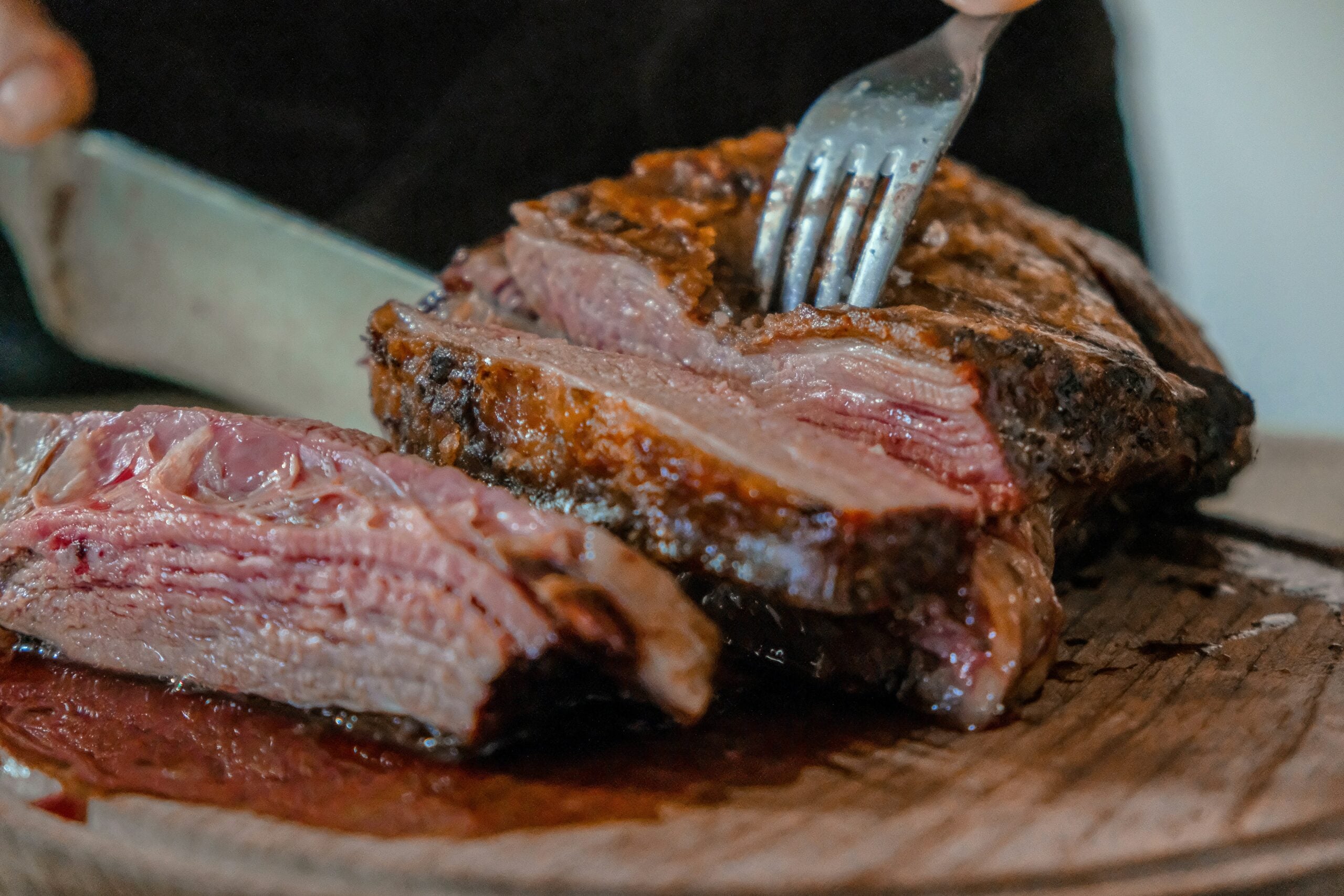
Several factors have pushed steak prices higher across the United States. The U.S. cattle herd has fallen to one of its smallest levels in decades after years of drought, rising feed costs, and changing economics within the cattle industry. At the same time, labor expenses, transportation costs, insurance premiums, and restaurant operating costs have all increased.
Restaurant markups amplify those pressures. A steak that is already expensive at wholesale may receive substantial menu markups to cover labor, rent, utilities, and profitability targets. As a result, consumers often experience sticker shock when ordering steak at restaurants.
Many of the countries on this list benefit from structural advantages that help keep beef more affordable. Some maintain larger cattle industries relative to their populations, while others enjoy lower labor costs, lower commercial rents, favorable exchange rates, or food cultures that place beef at the center of everyday dining. For steak lovers willing to travel, the savings can be substantial.