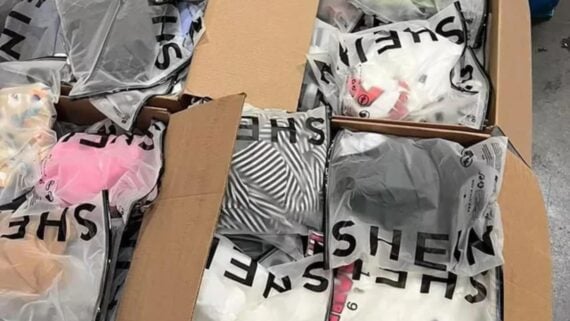
For consumers trying to cut costs, Temu and Shein have obvious allure. You can get everything from clothing items to kitchen gadgets cheaper than you can find in any brick-and-mortar store, let alone Amazon. But a lot of those purchases aren’t as cheap as they used to be, and many shoppers don’t find out until after they’ve already clicked the buy button
Since the U.S. rolled back a long-standing tariff exemption earlier this year, Americans have paid $1 billion in new duties on low-cost imports. The change mostly affects packages under $800, the kind that made ultra-cheap shopping sites so appealing in the first place.
What Changed?
For years, a rule known as the de minimis exemption allowed packages valued under $800 to enter the U.S. without tariffs. That loophole helped fuel the explosion of low-cost shopping on sites like Temu, Shein, and Alibaba. Earlier this year, the government closed it.
Now, those same packages are subject to tariffs ranging from 10% to 50%, depending on where the item comes from. In some cases, flat fees of $80 to $200 apply instead (at least until those expire early next year). Those sites aren’t broadcasting that change though, so shoppers often don’t see those costs at checkout.
Why the Fees Feel Like a Surprise
Unlike sales tax, tariffs aren’t always baked into the listed price. If the seller doesn’t include them upfront, the buyer can end up responsible for paying duties later — sometimes after the item has already shipped. That’s how a cheap order turns into an unexpectedly expensive one. Customs data shows that consumers started buying less once the fees kicked in. Daily low-value packages entering the U.S. decreased significantly after the change.
Who’s Feeling It the Most
This isn’t hitting everyone equally. Research shows that nearly half of these low-value packages were shipped to the poorest ZIP codes, compared to just over one-fifth going to the wealthiest ones. For many low-income households, ultra-cheap imports weren’t about impulse shopping; they were about affordability.
When money is tight, price differences matter. A few extra dollars in unexpected fees can mean skipping the purchase entirely or reshuffling an already strained budget. (It’s why I only buy certain things if they’re on sale, and if I find out they aren’t, I quietly put them back).
There Are Upsides, But They Don’t Pay the Bills

The government argues that closing the loophole has increased inspections and reduced the flow of unsafe or illegal goods. Customs officials say seizures of counterfeit products, faulty electronics, narcotics, and hazardous items have jumped significantly. Those are real benefits, we understand. But for shoppers just trying to buy affordable clothes, school supplies, or household basics, safety improvements don’t offset the immediate blow to their wallets.
If you rely on low-cost online shopping, here’s the new reality:
- Expect higher totals on ultra-cheap imports, even if the price looks low at checkout.
- Check whether duties are included before you buy — some sellers are clearer than others.
- Impulse buys carry more risk if surprise fees show up later.
- Comparing prices locally again may make sense, especially for basics.
In short, “cheap” now comes with more fine print.
More From Cheapism
- Costco Shoppers Can Expect New Kirkland Signature Thanks to Tariffs — Costco is leaning hard on its private-label powerhouse to offset rising costs.
- Love Pasta? These 9 Pasta Brands Made in the U.S. Won’t Be Affected by Tariffs — The tariffs would effectively double your cost for a plate of spaghetti, according to Coldiretti, an agricultural organization in Italy.
- 8 Reasons to Avoid Shopping on Temu — While you can snag wildly cheap stuff on Temu, there are still reasons to avoid it. Here are eight big ones.