Stretching food isn’t a new idea. Long before rising grocery prices became a weekly concern, moms were already finding creative ways to turn leftovers, rice, beans, bread, and pantry staples into filling meals for the whole family. These resourceful habits helped households save money, reduce waste, and make ingredients go further. With food costs still taking a sizable bite out of family budgets, many of these old-school strategies feel just as practical, and relevant, today as they did decades ago.
Adding Rice To Stretch Food Further
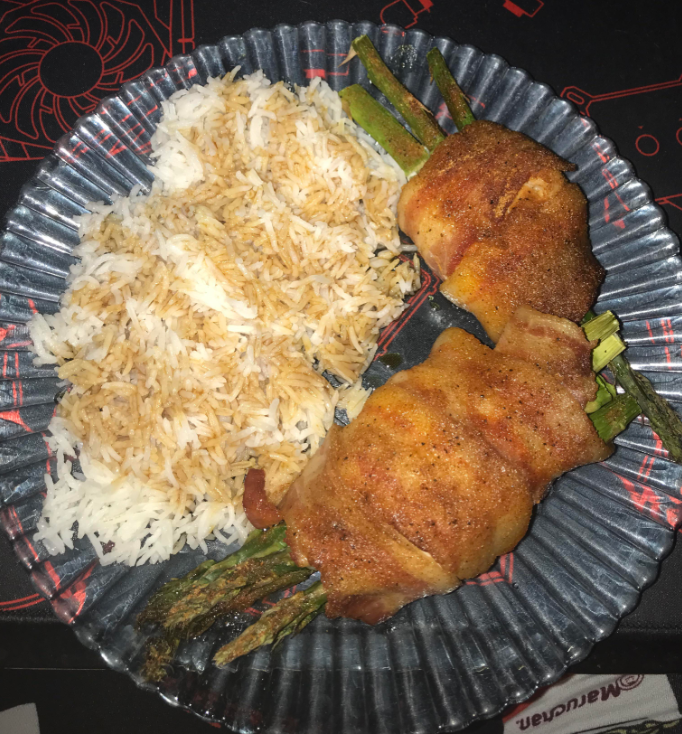
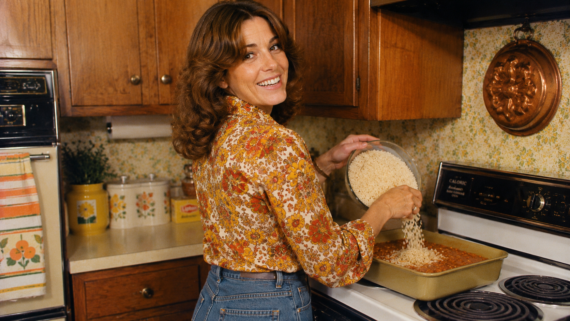
Rice has probably rescued more family dinners than anyone can count. Moms added it to soups, casseroles, stuffed peppers, cabbage rolls, taco filling, and ground beef mixtures because it made a small amount of meat or vegetables feel like a full meal. It also absorbs sauce and seasoning, so it does not feel like a random filler when used well. The downside is that plain rice can make meals bland if there is not enough seasoning, broth, or texture.
Turning Leftovers Into New Meals
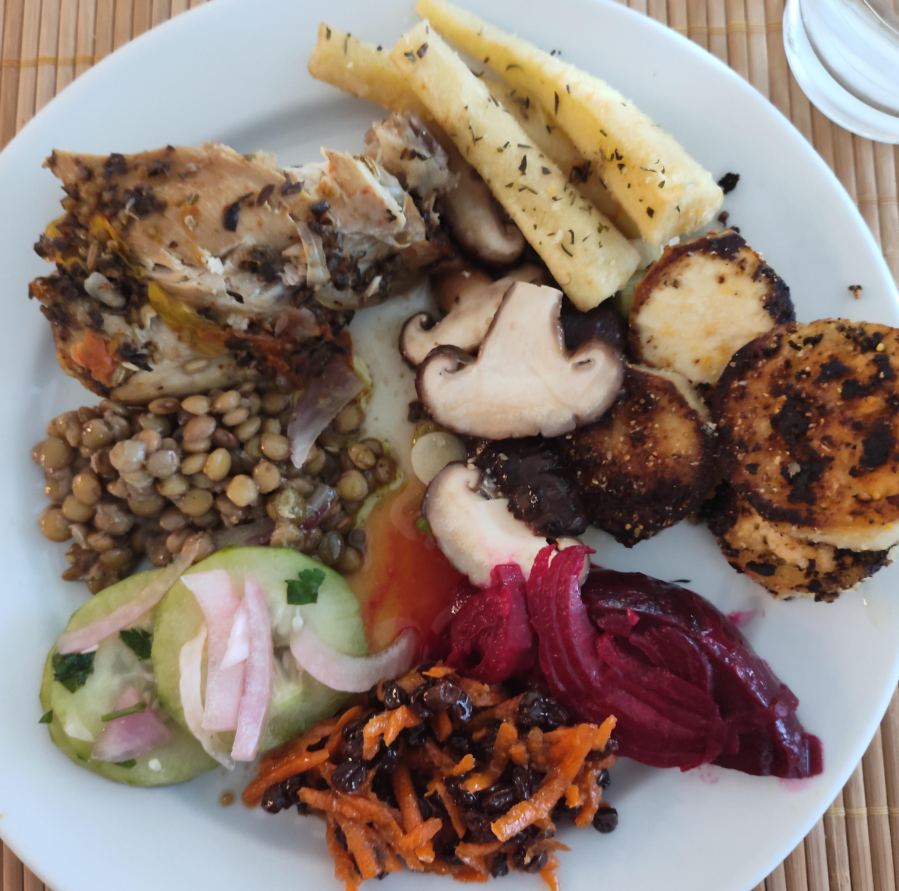
A good leftover plan was practically an art form. Roast beef could become sandwiches, soup, hash, stew, or shepherd’s pie. Chicken could become salad, pot pie, rice casserole, or broth. The point was not to serve the exact same plate three nights in a row, but to make yesterday’s dinner feel like a new meal. That helped reduce complaints and waste at the same time. The safety catch matters: refrigerated leftovers should generally be used within 3-4 days, or frozen if they will not be eaten soon.
Making Soup Out Of Almost Anything
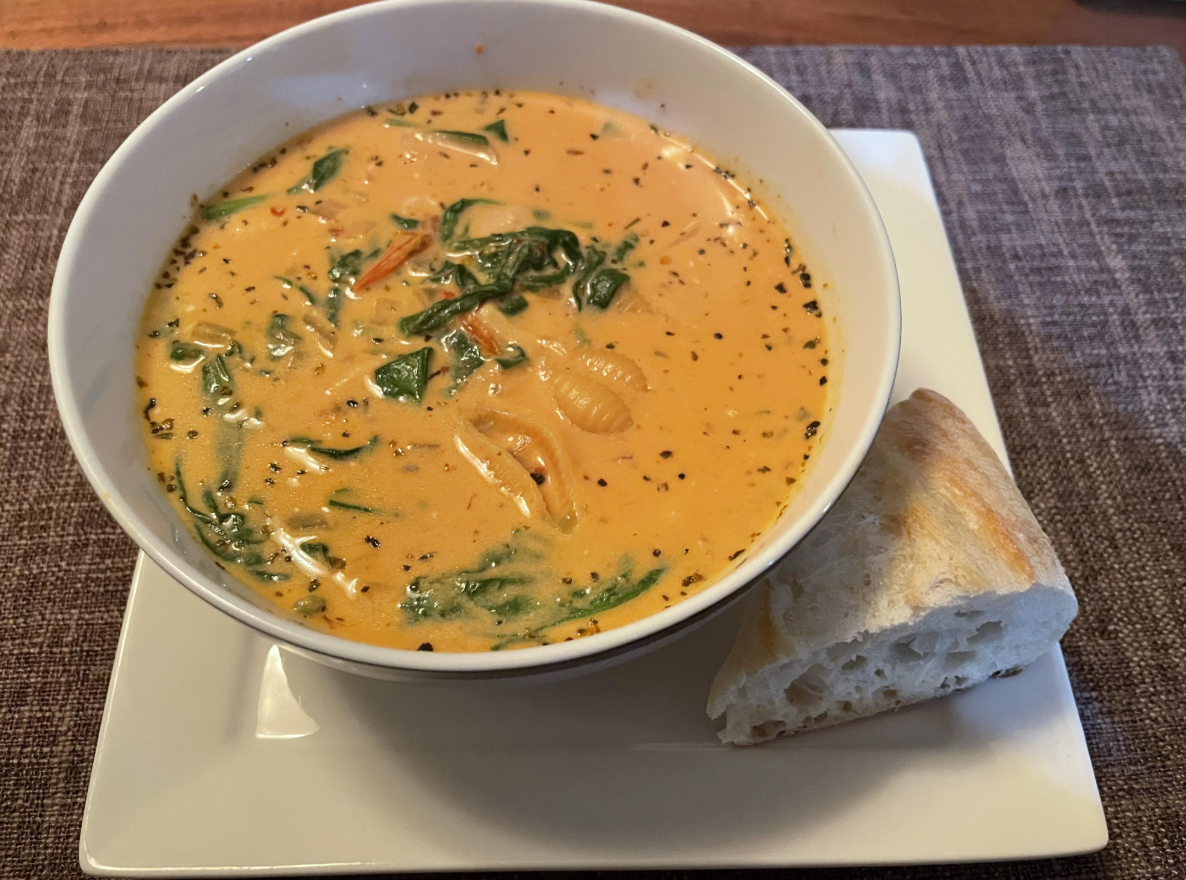
Soup is one of the oldest food-stretching tricks because it turns bits and pieces into something that feels intentional. A few vegetables, a potato, a handful of rice, leftover chicken, beans, noodles, or bones can become dinner once broth and seasoning join the pot. Moms did not always need a strict recipe, just a sense of what flavors worked together. The one downside is that soup can feel thin if it lacks protein or starch, so beans, potatoes, barley, rice, or noodles help make it more filling.
Stocking Up When Prices Were Good
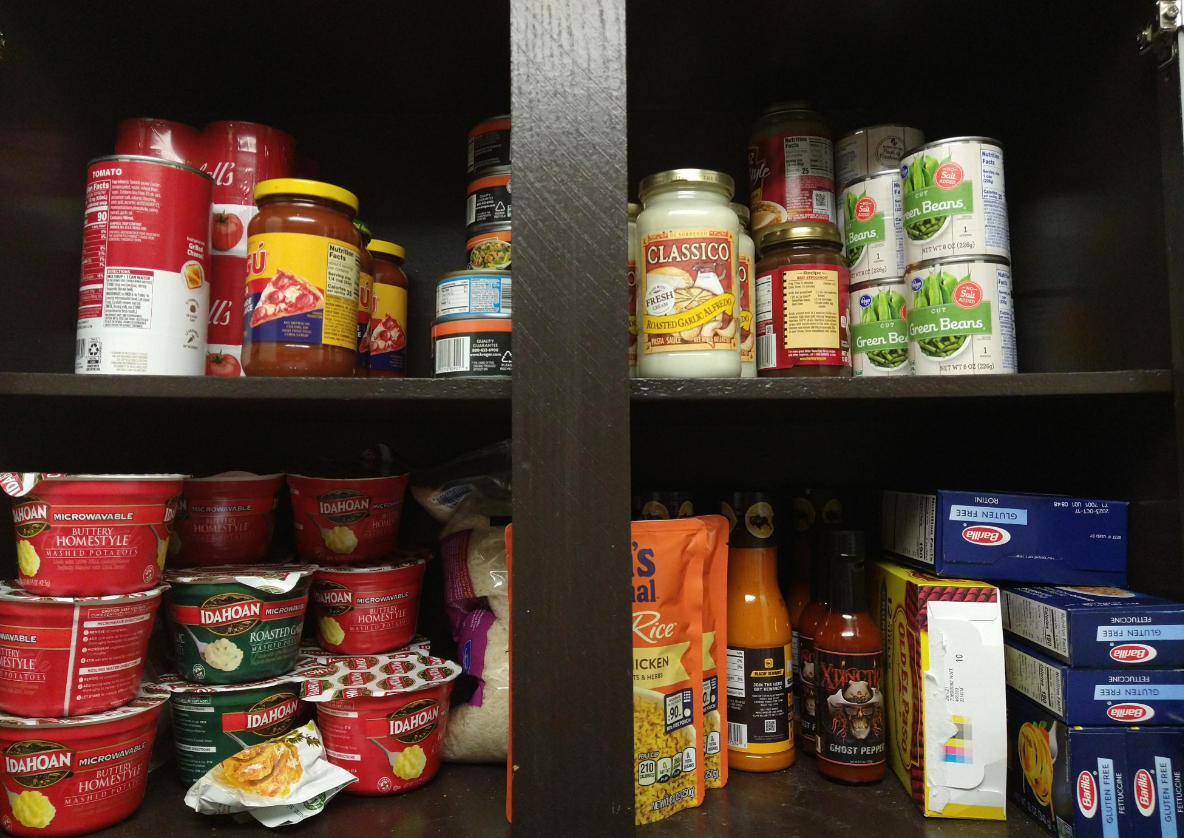
Before big-box warehouse shopping became common, plenty of moms already knew how to stock a pantry from weekly grocery sales. Flour, pasta, canned tomatoes, tuna, beans, rice, sugar, and paper goods were often bought when prices dropped. Stocking up only saves money if the food gets used before it spoils or goes stale. It also requires storage space, which not every household has. Done carefully, though, sale shopping can turn a tight grocery week into a manageable one later.
Using Beans To Stretch Meat
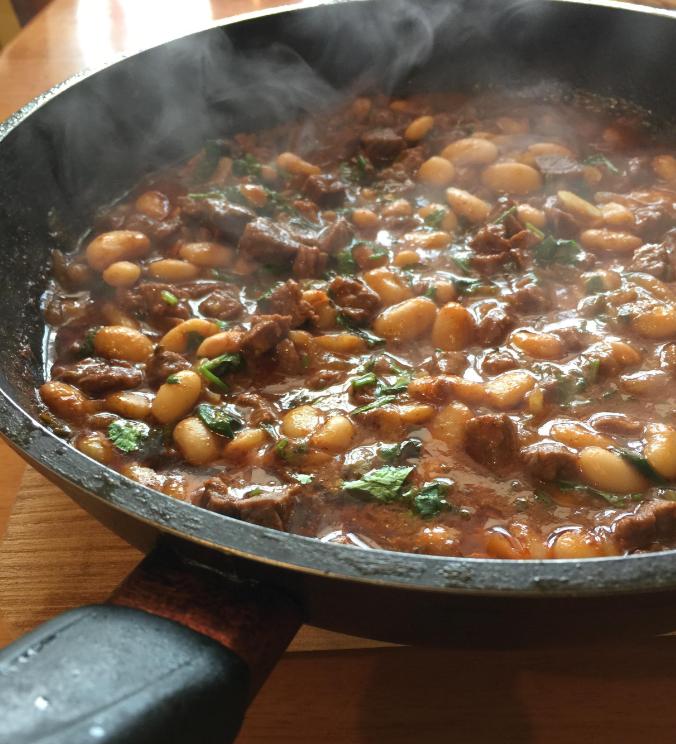
Beans are one of the most useful ways to stretch food because they add bulk, protein, and fiber without relying entirely on meat. Chili is the classic example: a pound of ground beef goes much further with kidney beans, pinto beans, or black beans. The same idea works in tacos, burritos, soups, casseroles, and rice bowls. Some family members may object if beans suddenly replace too much meat, so it helps to start small. Seasoning them well also makes a big difference.
Trending on Cheapism

Serving Breakfast For Dinner
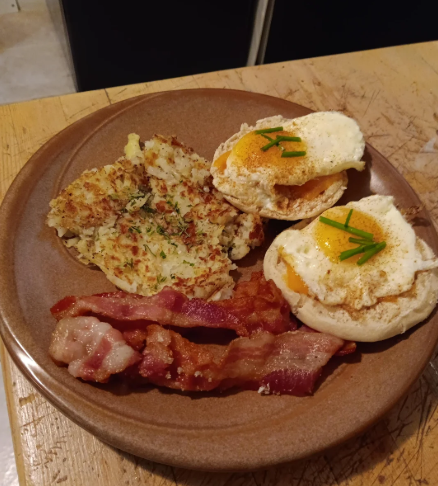
Pancakes, eggs, oatmeal, toast, hash browns, and biscuits have saved many grocery budgets. Breakfast-for-dinner was cheap, filling, and easy to pull together from ingredients already in the kitchen. It also had a little fun built in, which helped it feel like a treat instead of a cutback. The downside today is that egg prices can swing sharply, so it is not always the bargain it once was. Even so, oatmeal, pancakes, toast, and potatoes still make this one of the easiest low-cost dinner themes.
Saving Vegetable Scraps For Stock
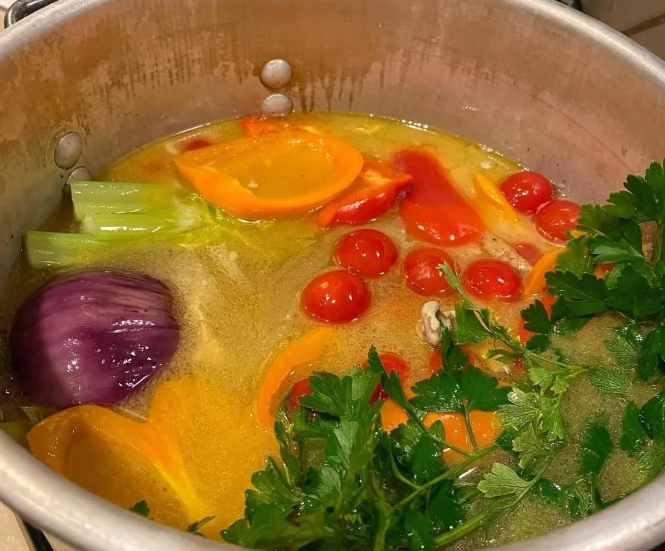
Long before “zero waste cooking” became trendy, moms saved onion ends, celery tops, carrot peels, parsley stems, and bones for homemade stock. A freezer bag of clean scraps could eventually become the base for soup, gravy, rice, or stew. It was not glamorous, but it squeezed more value out of food that might otherwise go straight into the trash. The caution is to avoid dirty, moldy, bitter, or strongly flavored scraps that can ruin the pot. Good stock starts with scraps worth saving.
Turning Stale Bread Into Something Useful
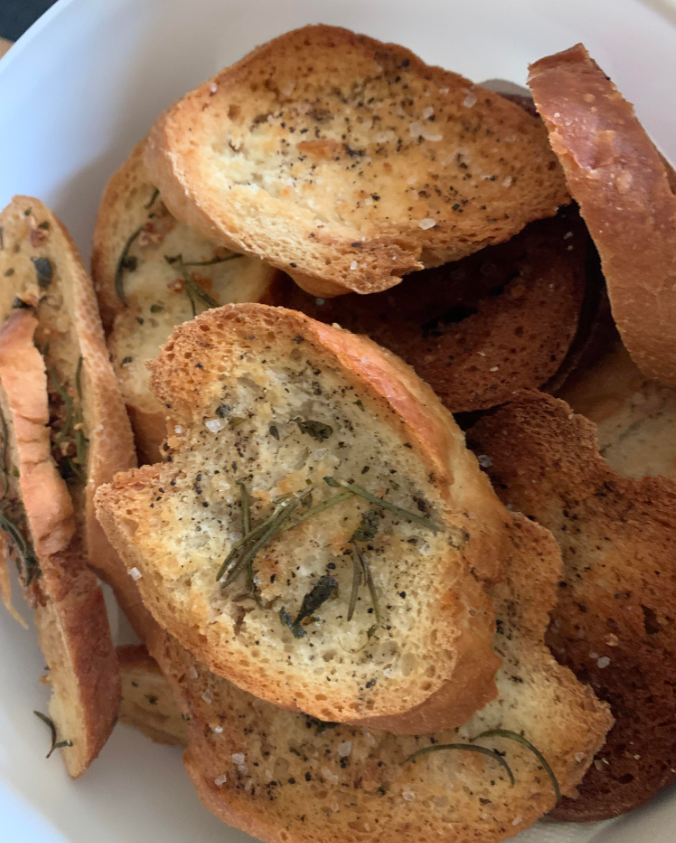
Stale bread rarely went to waste in practical kitchens. It became croutons, breadcrumbs, stuffing, bread pudding, French toast, meatloaf binder, or casserole topping. This is one of those old habits that quietly created comfort food. A dry loaf might be disappointing as sandwich bread, but it can still add crunch, body, or richness to another dish. The only real warning is safety: stale is fine, moldy is not. Once mold appears, the bread should not be used.
Sign up for our newsletter
Stretching Ground Beef With Oats Or Crackers
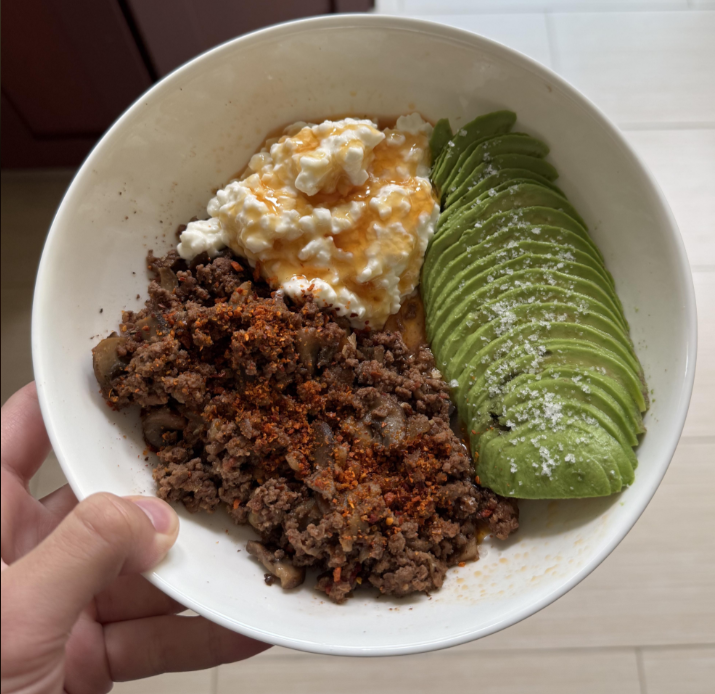
Meatloaf became a staple partly because it made ground beef go further. Oats, cracker crumbs, breadcrumbs, eggs, onions, and sauce helped turn a modest amount of meat into a bigger family dinner. Many people did not see those additions as “fillers” at all; they were simply how meatloaf was supposed to taste. Oats can make the texture denser, while crackers can add salt, so the recipe may need adjusting. Still, this trick remains useful for meatloaf, meatballs, burgers, and skillet meals.
Freezing Food Before It Goes Bad
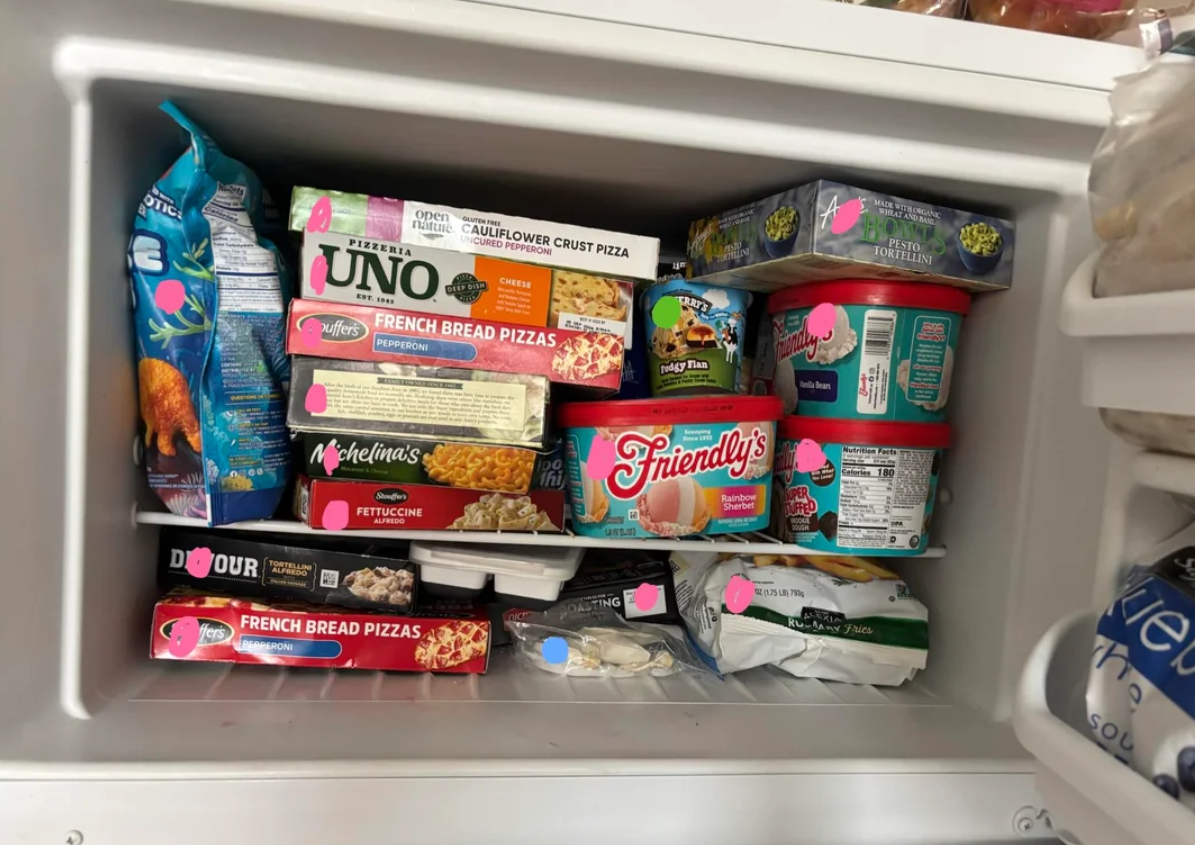
Many moms treated the freezer like a second wallet. Bread bought on sale, extra soup, cooked beans, casseroles, meat, chopped vegetables, and leftovers could all be frozen before they spoiled. This helped families take advantage of sales and avoid last-minute takeout. The mistake is assuming frozen food stays good forever. It may remain safe at 0 F, but quality drops over time, and leftovers are usually best within a few months. Labeling containers with dates keeps the freezer from becoming a mystery archive.
Serving More Filling Side Dishes
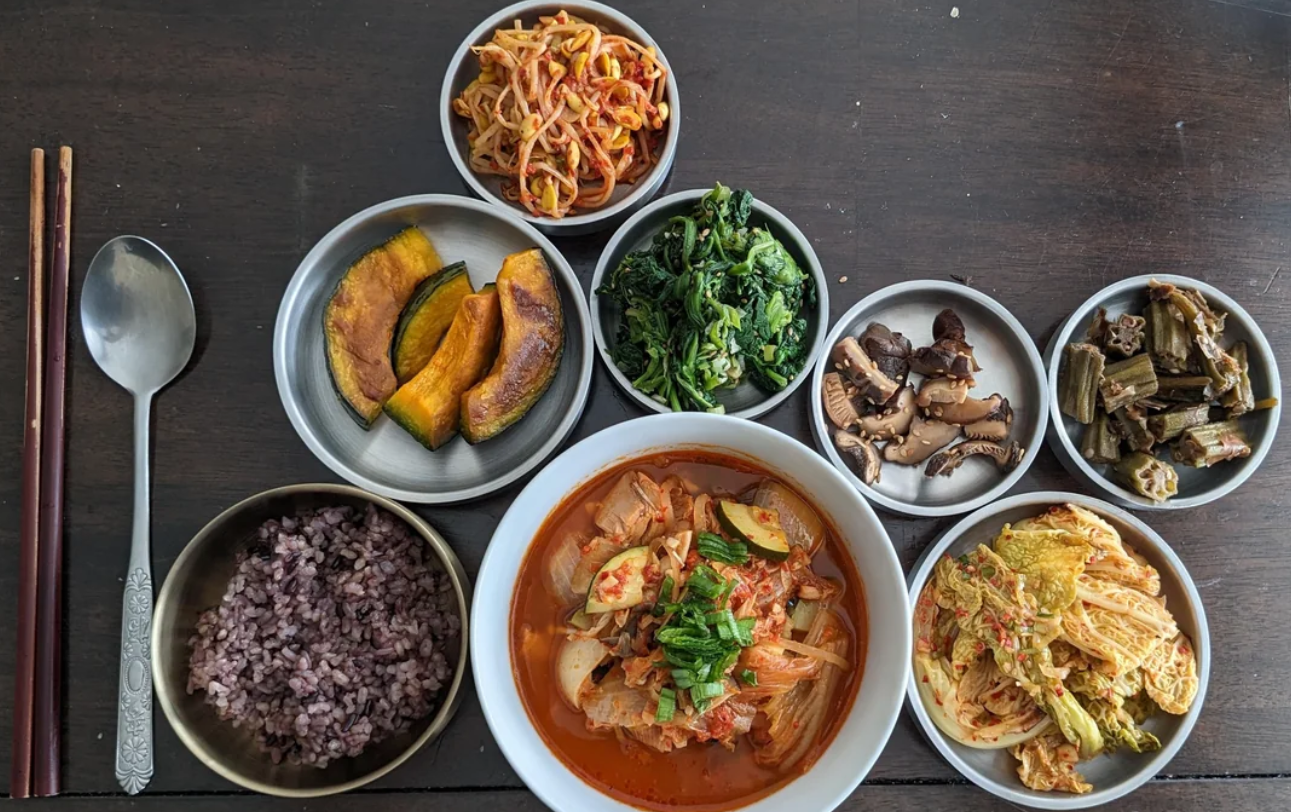
Older family dinners often stretched the main protein with potatoes, rice, noodles, beans, vegetables, or homemade rolls. The meat mattered, but it did not have to dominate the plate. This made sense when roasts, chops, or ground beef had to feed several people. A smaller serving of meat felt more satisfying when surrounded by hearty sides. The downside is balance. A plate of only starch can leave people hungry later, so beans, eggs, dairy, vegetables, or small amounts of meat help round it out.
Having A Clean-Out-The-Fridge Night
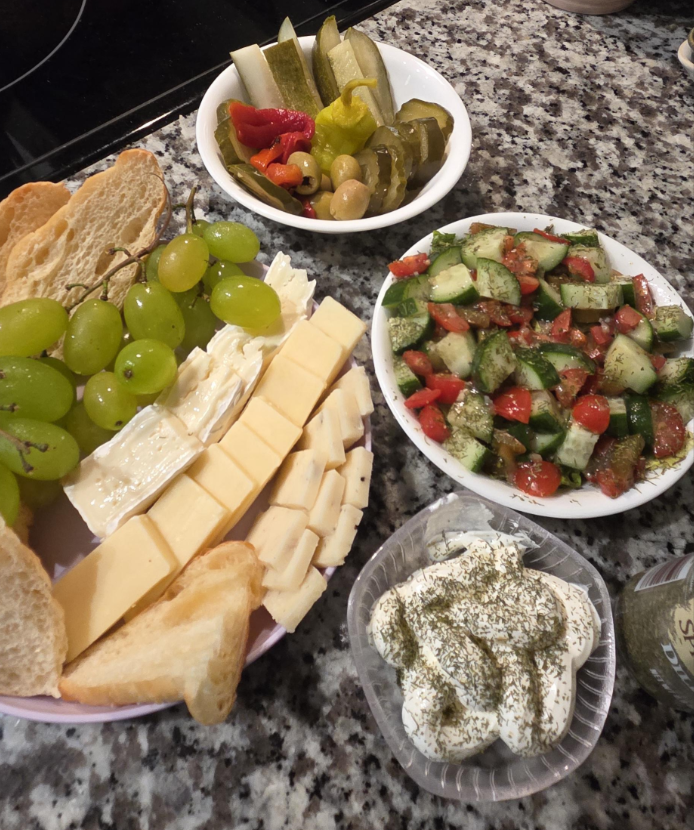
Many families had a weekly night when dinner was whatever needed to be used. A little casserole, a bowl of soup, half a baked potato, two pieces of chicken, and the last scoop of green beans could become “buffet night”. It was not fancy, but it kept food from disappearing in the back of the fridge. This trick works best when leftovers are stored clearly and dated. It also helps to add one fresh item, like salad, toast, or fruit, so the meal feels less random.