Not long ago, plenty of meals felt ordinary enough to make on a Tuesday night. A steak dinner, takeout pizza, or shrimp pasta might not have been cheap, but they were regular parts of many families’ weeknight meals.
Today, grocery inflation rose 2.7% year-over-year in June 2026, according to the USDA Economic Research Service’s Food Price Outlook. Across Reddit, families increasingly describe saving certain meals for birthdays, weekends, or special occasions rather than making them on a whim.
It’s not that people have stopped buying these foods altogether; they’ve simply become much more mindful of when to enjoy them. A meal that once easily fit into the weekly budget can now be much more of a treat.
Here are the meals families say have quietly shifted from weeknight meal staples to weekend-only treats.
Steak Night
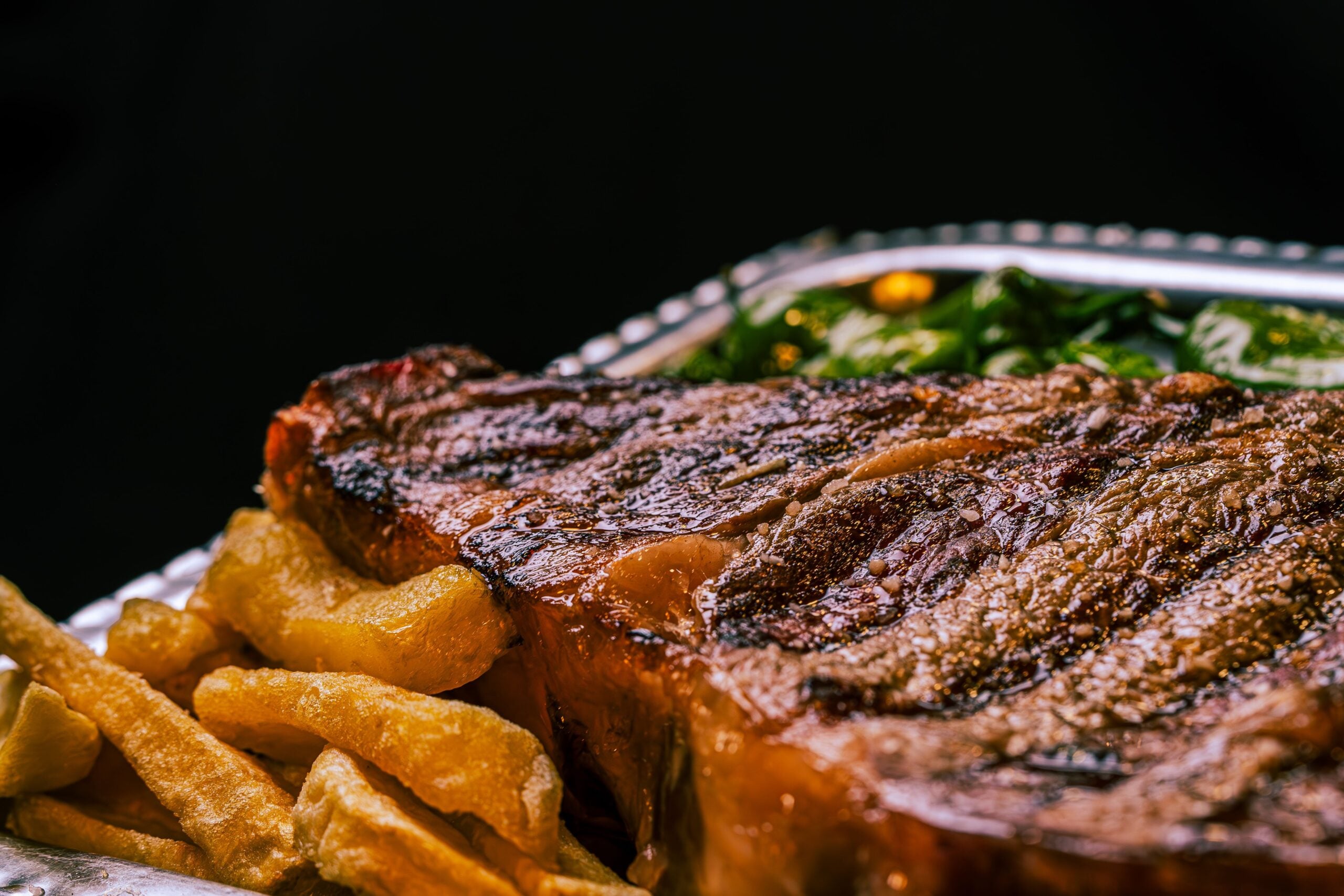
Beef remains one of the grocery categories that families most often cite as becoming too expensive for regular dinners. Ribeye, New York strip, and filet prices have pushed many shoppers toward more affordable proteins for weeknight meals. Reddit user AgreeableManner7402 noted: “Beef is getting more and more expensive — I’ll turn to chicken more frequently”.
Takeout Pizza
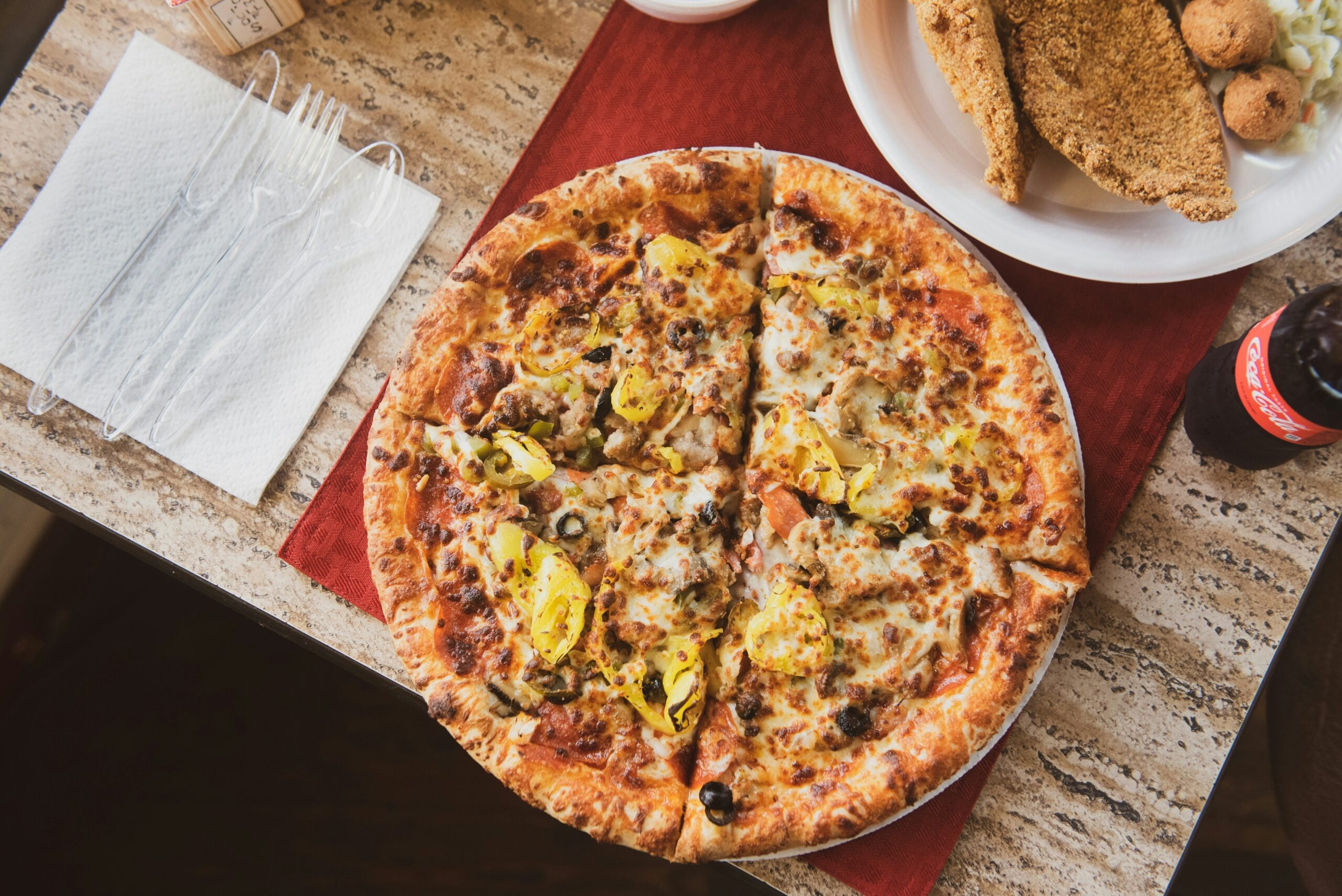
Delivering pizza has become a treat. A family order can now easily top $40–$60 after fees and tips, pushing many households to reserve it for Friday nights or special occasions. During the week, frozen pizza, homemade pizza kits, and English muffin pizzas fill the gap.
Shrimp Pasta
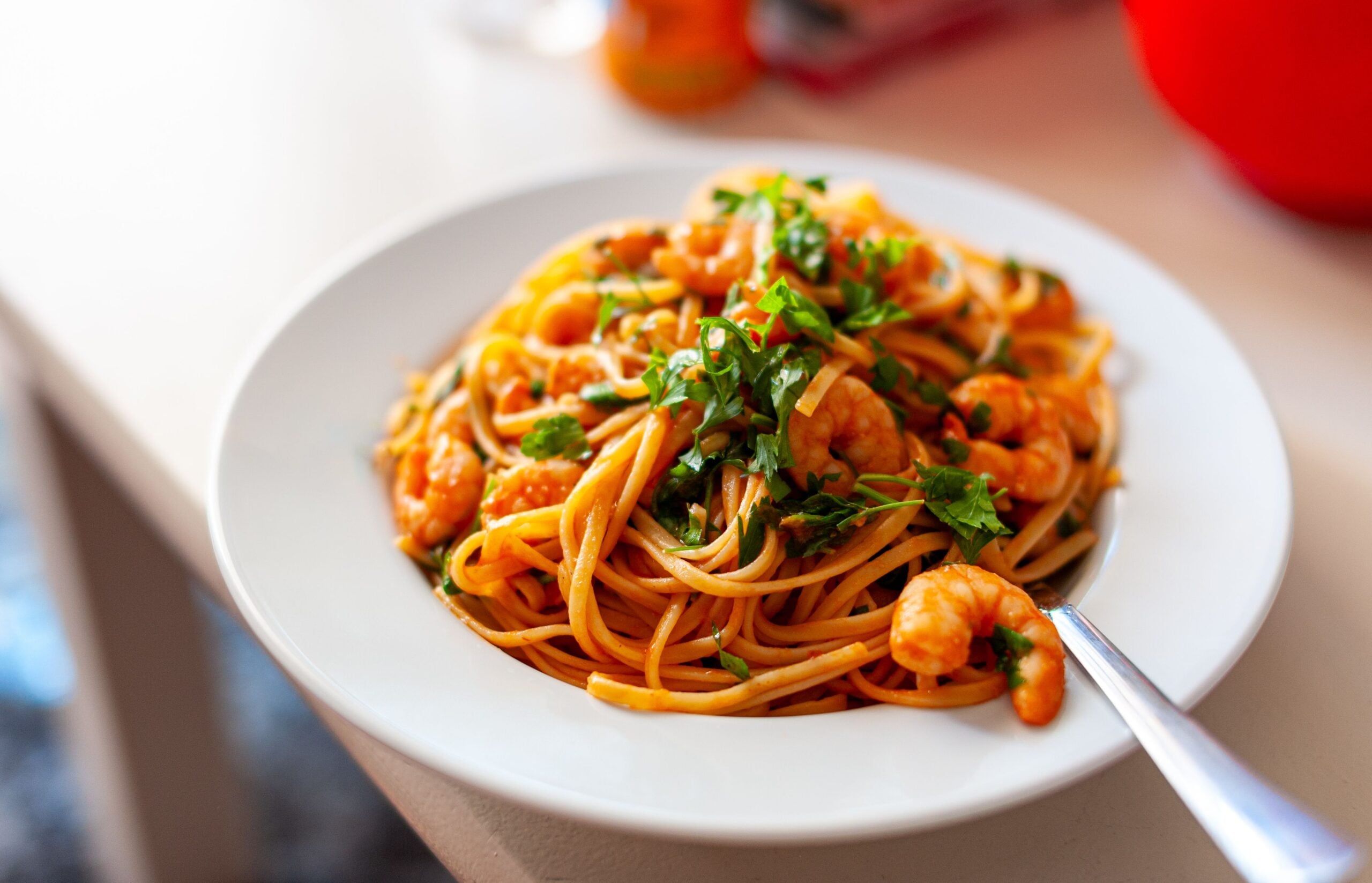
Shrimp pasta was once a weeknight staple that felt special, but that balance has shifted. Retail shrimp prices in the U.S. now average around $8.46 as of June 2026, while chicken averages roughly $1.83 — making shrimp more than four times the price of the most common weeknight protein. Chicken Alfredo, sausage pasta, and vegetarian options have become the go-to weeknight alternatives, while shrimp pasta gets saved for weekends when the budget allows a little more flexibility.
Restaurant Burgers
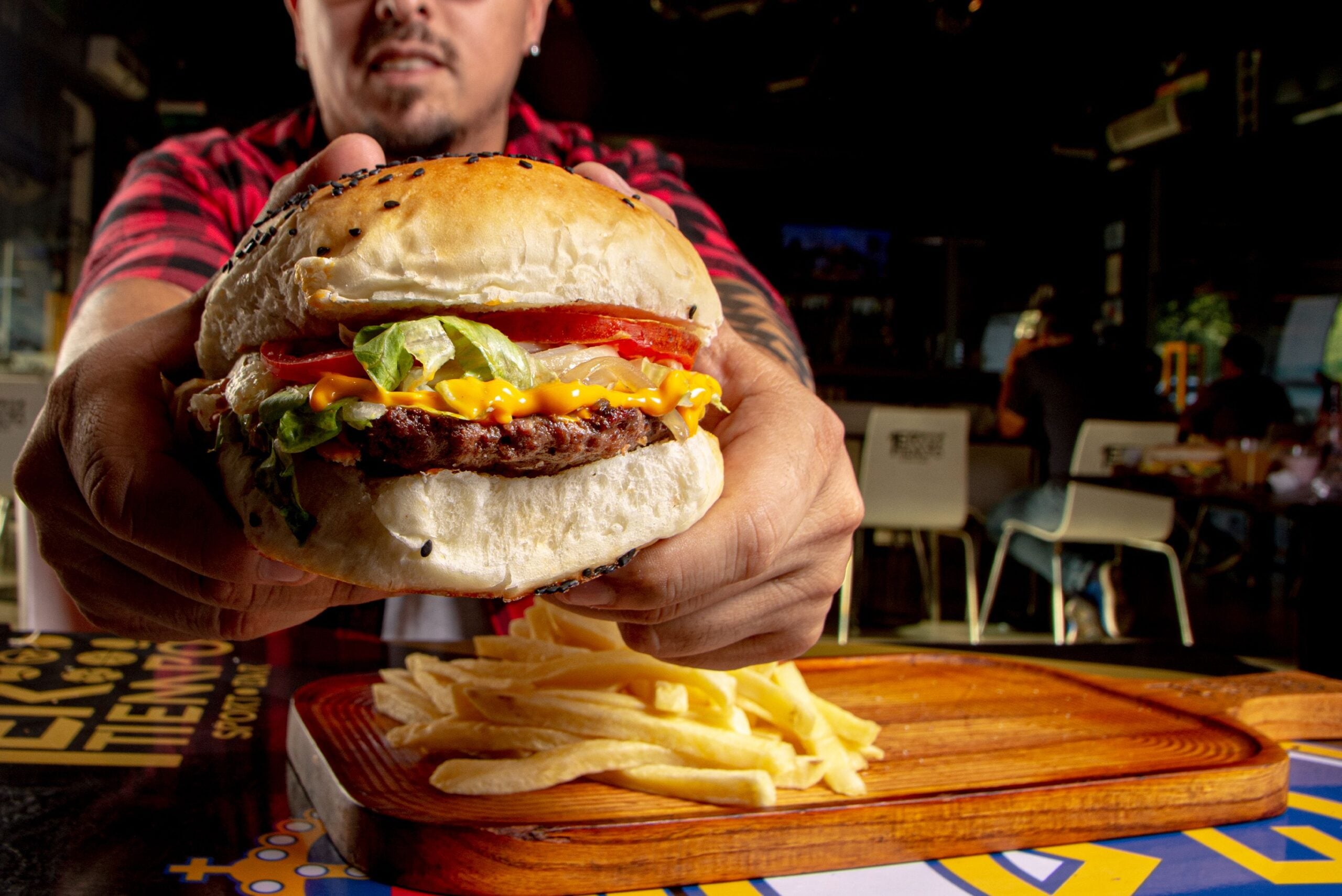
A burger dinner out used to feel like a casual, affordable choice — but that’s no longer the case for many families. The median price of a burger with fries, a drink, and tip can easily run $18–$25 per person. A homemade cheeseburger, by comparison, costs roughly $4 to make, which is exactly why smash burgers and frozen patties have become the weeknight go-to. The restaurant version hasn’t lost its appeal; it’s just become something worth saving for.
Prime Rib or Roast Beef
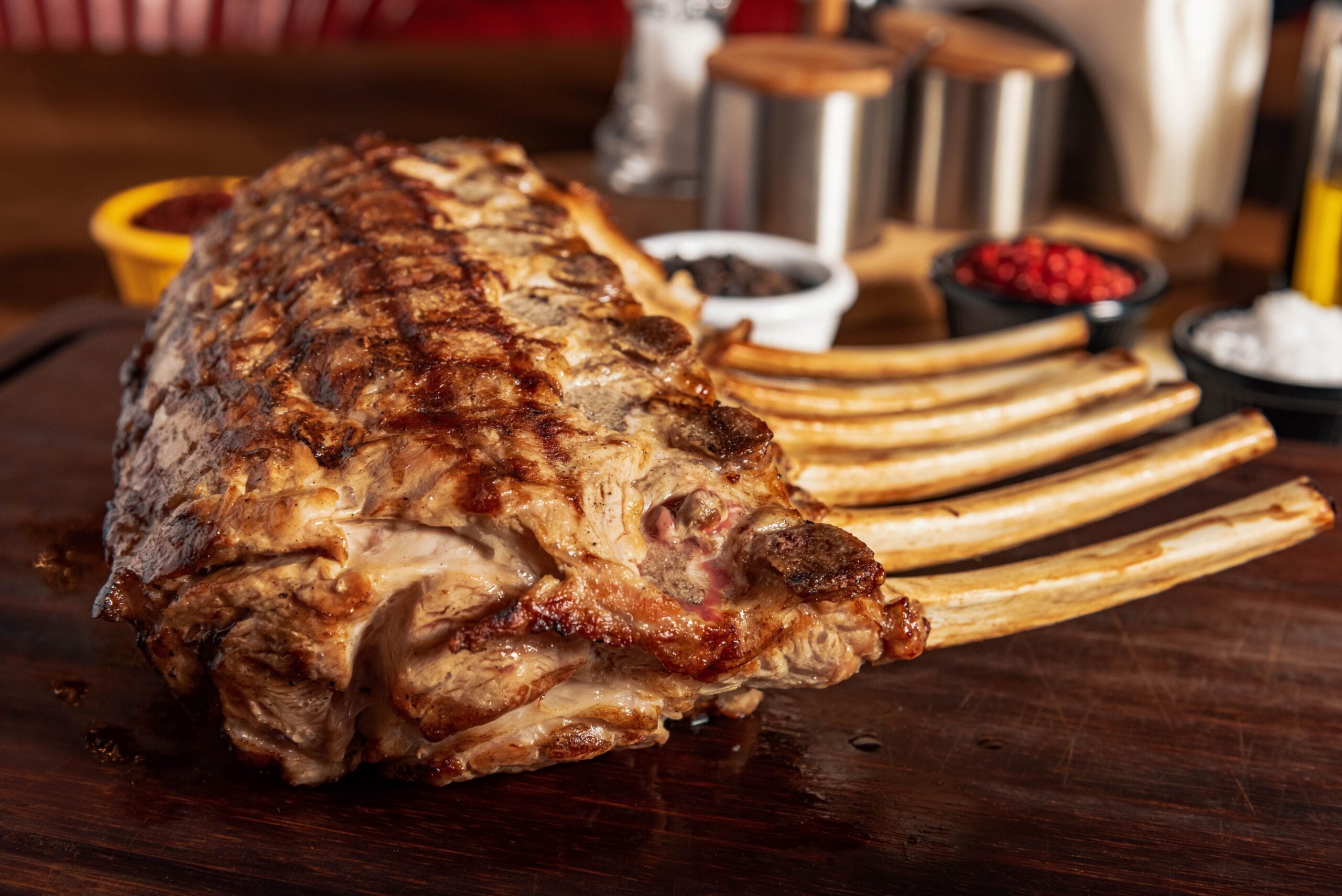
Large beef roasts have quietly become one of the biggest grocery splurges. USDA data show beef prices remain among the grocery categories most affected by inflation, making prime rib and standing rib roasts purchases many families now reserve for holidays or Sunday dinners instead of an ordinary weeknight meal. More budget-friendly options like pork loin, chuck roast, or rotisserie chicken have largely taken their place during the week.
Trending on Cheapism


BBQ Ribs
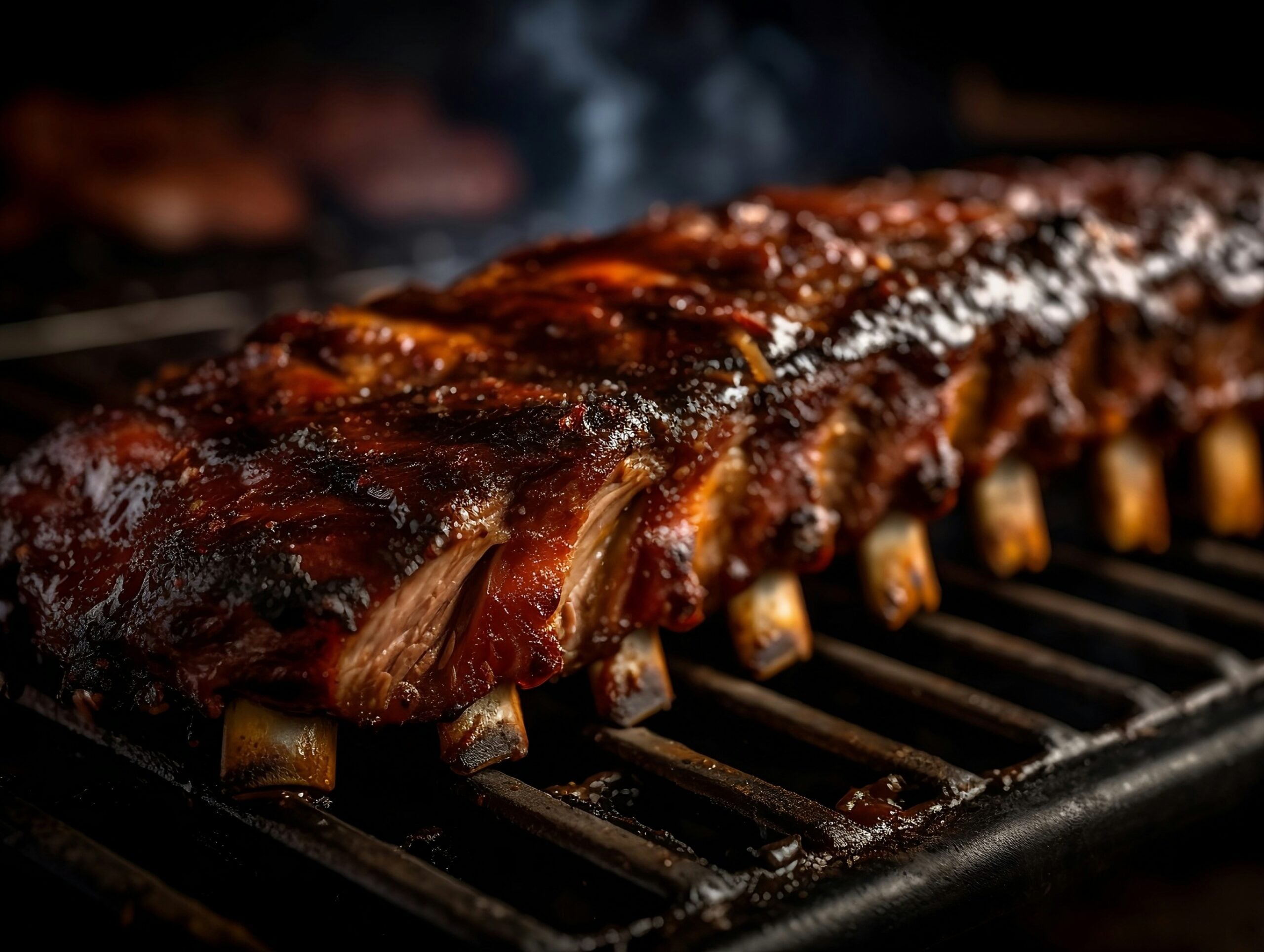
A Reddit user, kodyack7, says: “Still don’t understand expensive BBQ”. But, they aren’t just expensive—they’re time-consuming too. Pork prices have climbed over the past several years, while smoking a rack of ribs can take five or six hours, making it much harder to justify on a busy Tuesday night. Families increasingly reserve ribs for weekends when there’s time to cook low and slow, relying instead on pulled pork, chicken drumsticks, or sausages for quicker dinners.
Fried Chicken Takeout
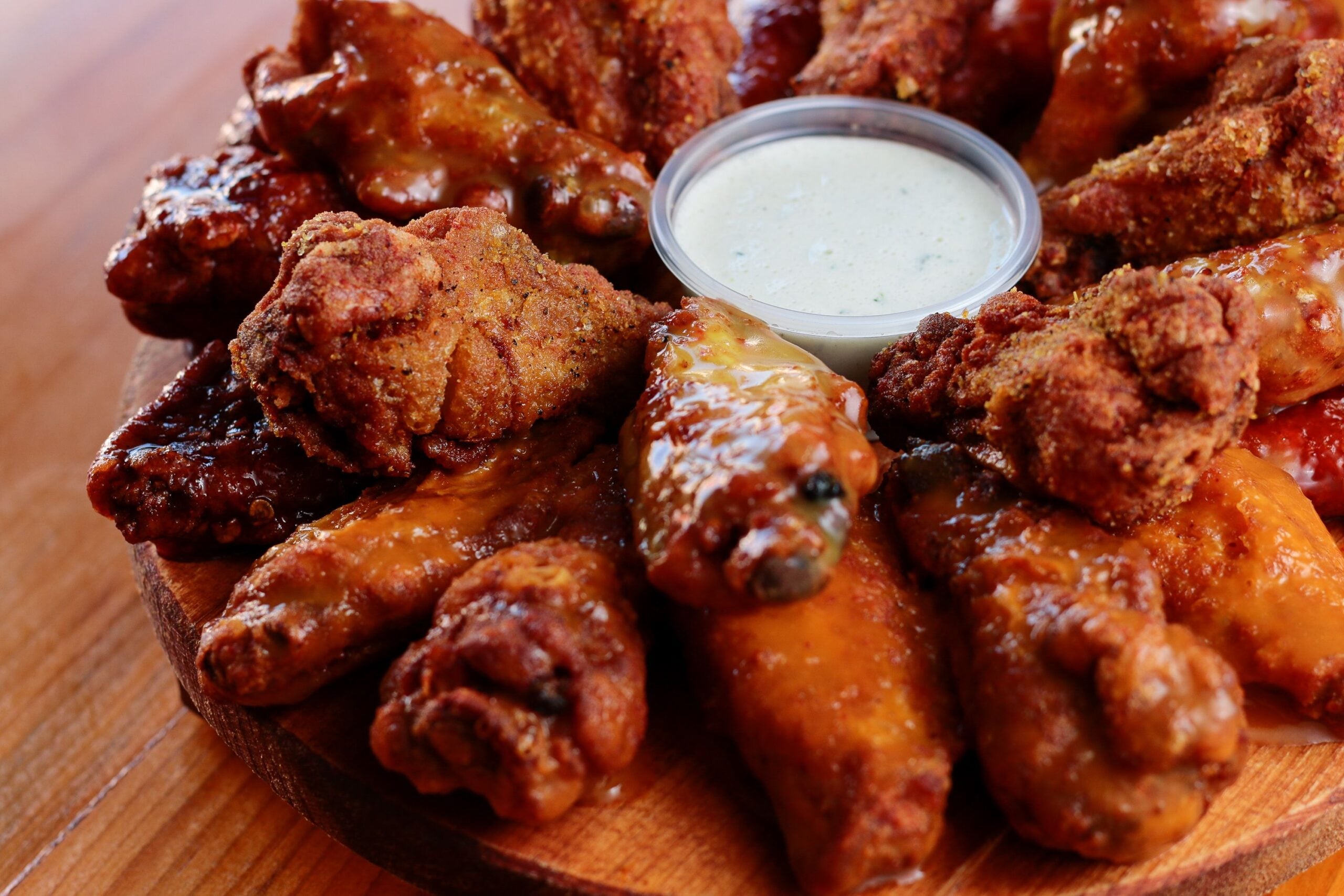
Picking up fried chicken for the whole family used to be an easy weeknight solution. Now, rising menu prices have made it much more of an occasional convenience. Many shoppers say grocery deli fried chicken offers similar value at a lower cost, while air fryers have made homemade versions far easier than they once were.
Restaurant Mexican Food
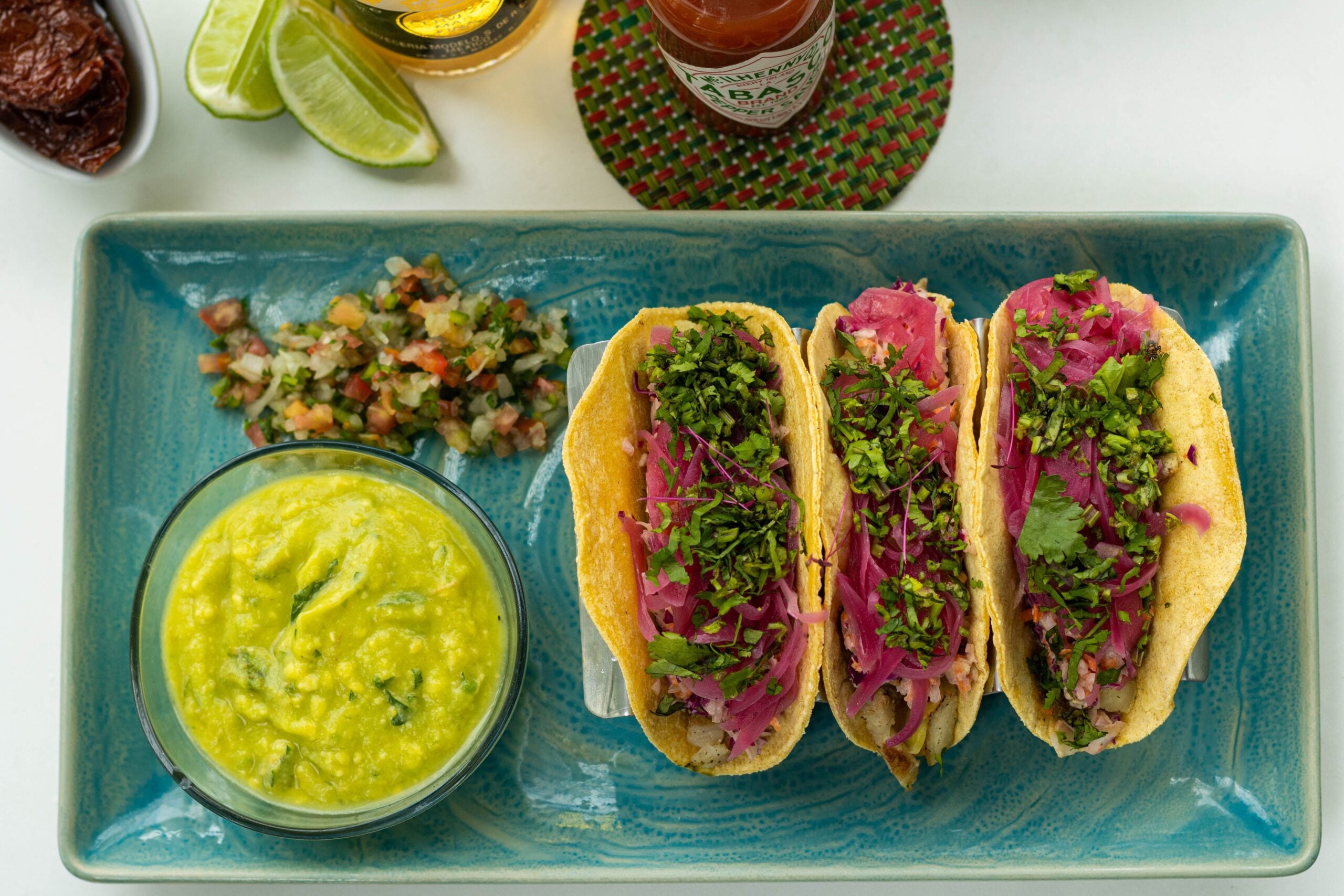
Tacos’s night hasn’t disappeared—it’s simply moved home. Between appetizers, drinks, and entrées, a family dinner at a sit-down Mexican restaurant can easily approach or exceed $100 in many cities. That’s why families prefer to leave that experience for the weekend and recreate it at home during the week.
Sign up for our newsletter
Salmon Dinners
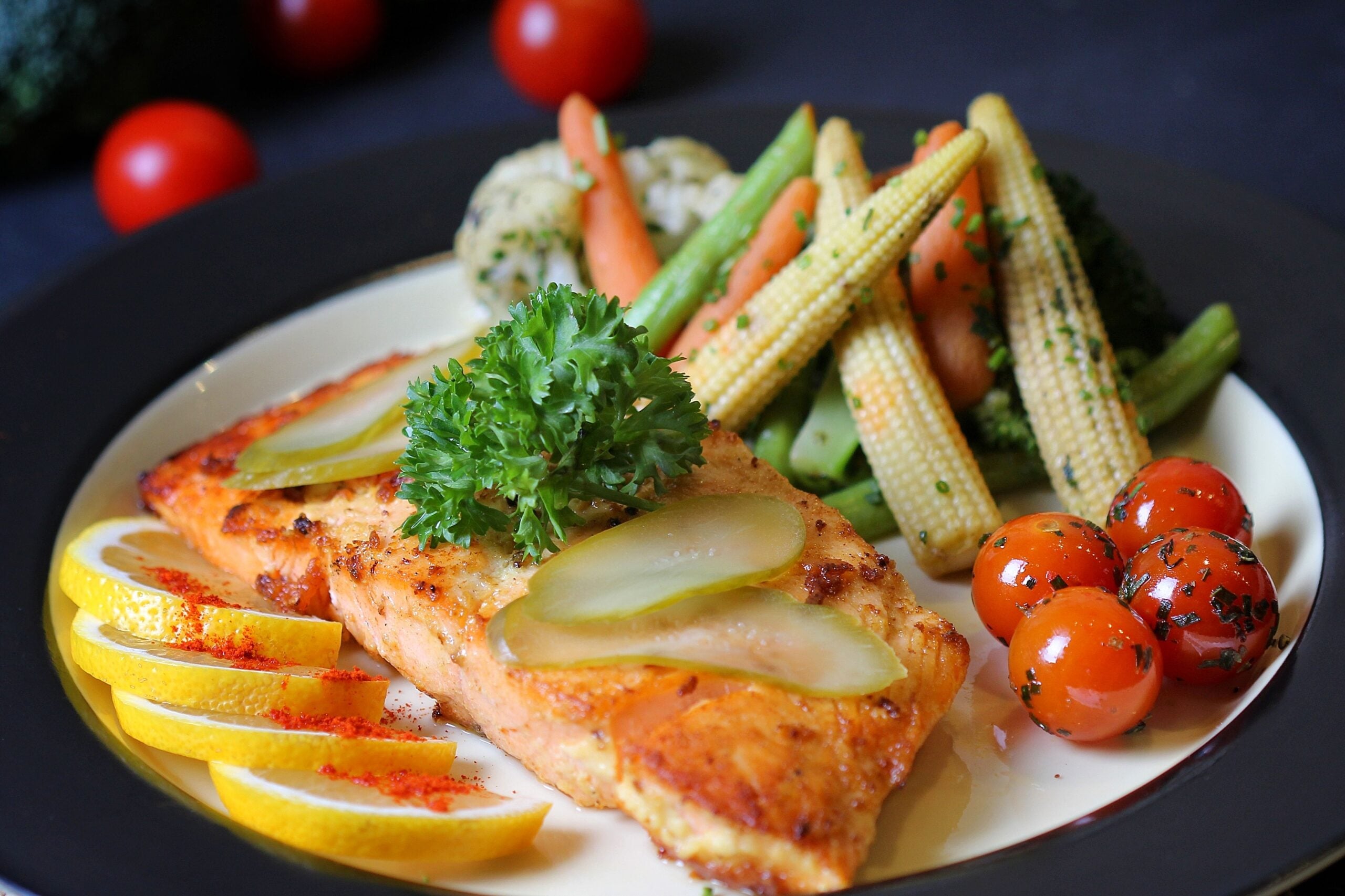
Salmon continues to rank among the most expensive proteins in the seafood case, causing many shoppers to reserve it for weekends or special dinners. According to NOAA Fisheries, the salmon market was expected to have a reduced supply by 2026, which would lead to higher prices. Less expensive fish like tilapia or cod, along with chicken, have become everyday substitutes.
Chinese Takeout
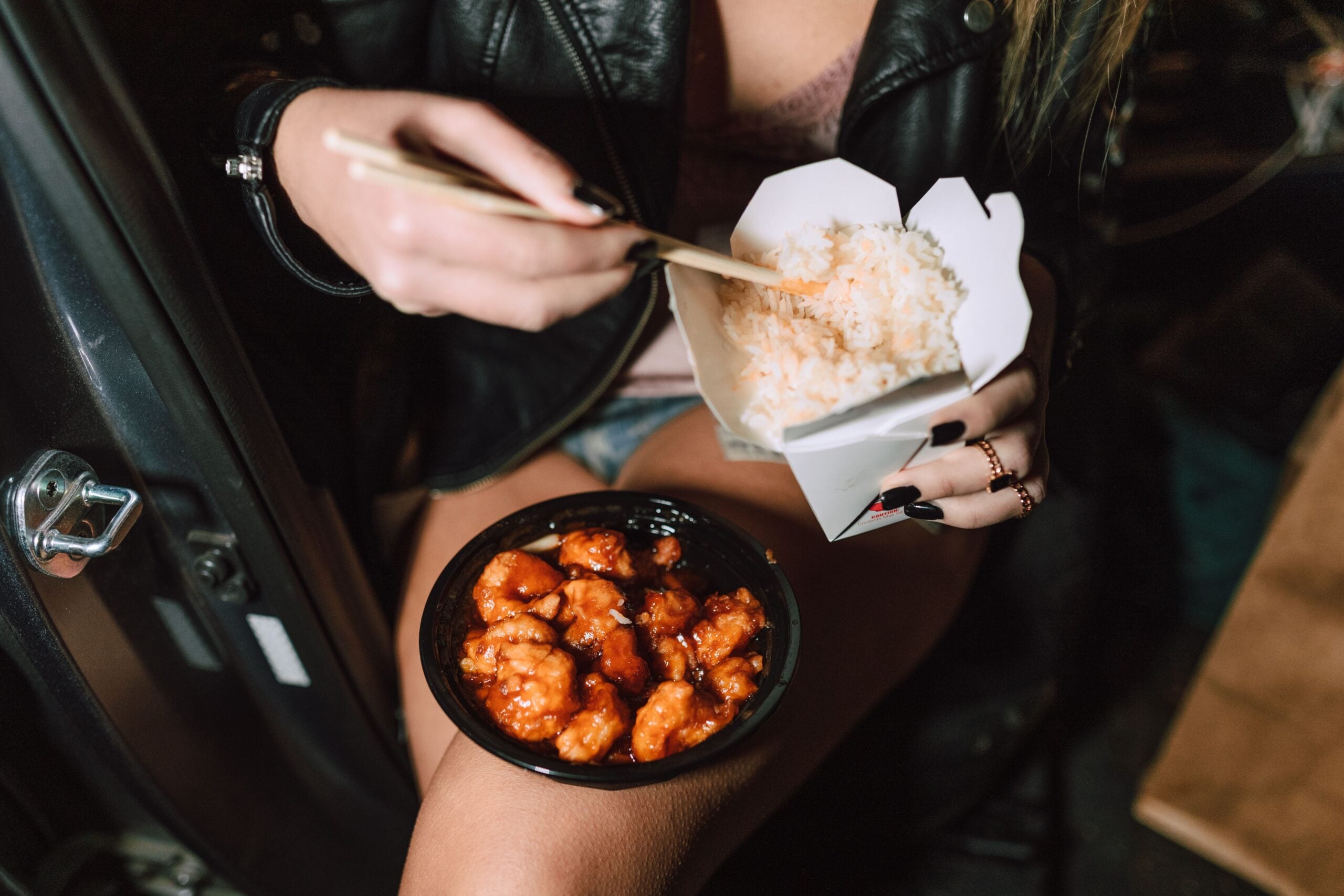
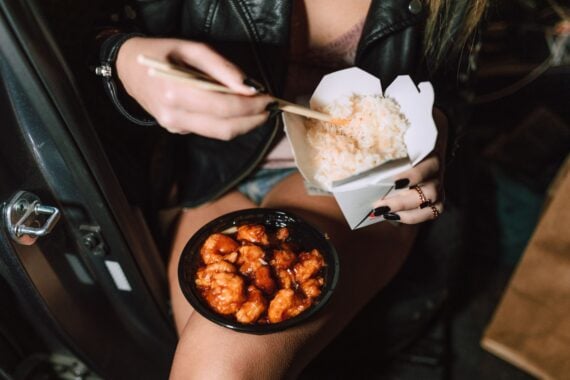
Chinese takeout remains a comfort-food favorite, but many families say rising menu prices and delivery charges have changed how often they order it. Instead of regular takeout nights, frozen stir-fry kits, fried rice, and meal-kit versions have become popular weekday replacements that cost considerably less. A Reddit user, overthinkingrobot, demonstrated it: “Recreated some of my favorites that I ate when I visited China! Mapo tofu, spicy stir-fried cauliflower, cucumber salad, fragrant white rice”.
Homemade Lasagna
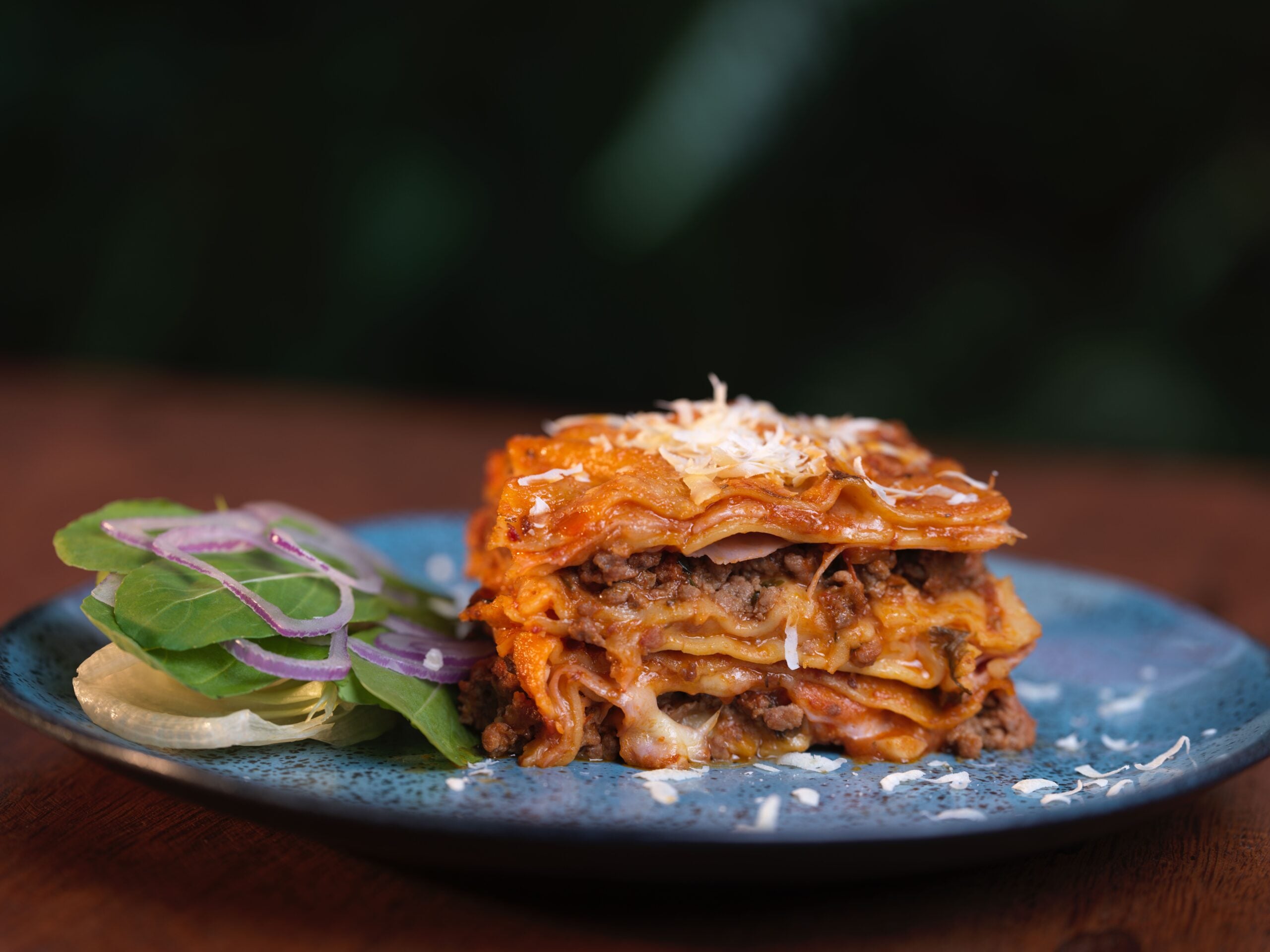
Lasagna has become one of those meals that feels inexpensive until it’s time to buy every ingredient. Ground beef, ricotta, mozzarella, Parmesan, pasta sheets, and sauce can quickly turn into a surprisingly expensive grocery run. Many families now save homemade lasagna for weekends or gatherings, opting instead for baked ziti or baked spaghetti during the week since they require fewer costly ingredients.
Seafood Boils
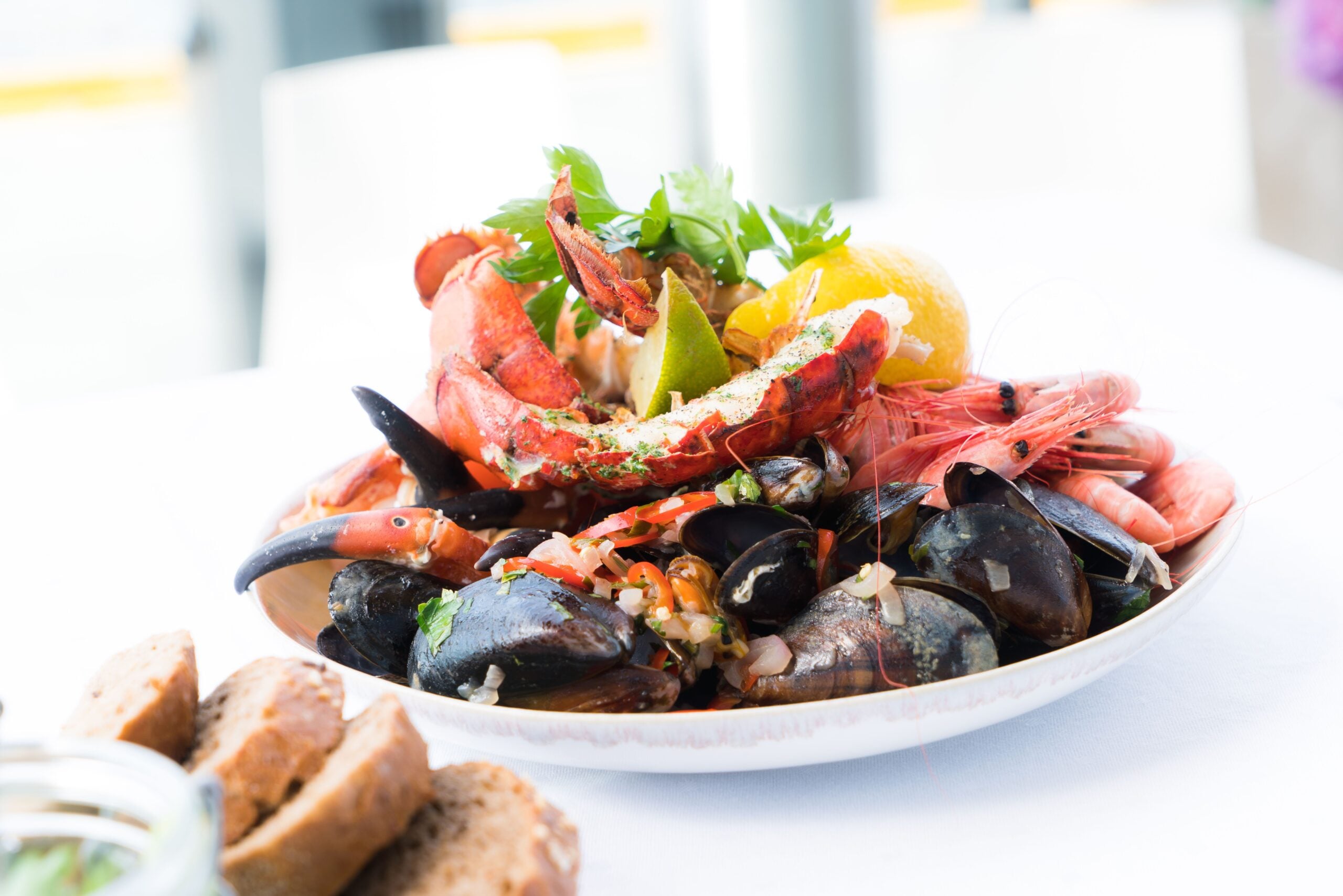
Seafood boils have increasingly become celebration meals rather than casual dinners. Shrimp, crab, lobster, sausage, corn, and potatoes together can easily push a grocery bill well above a typical week’s dinner budget. Many households now scale back by using shrimp alone or limiting the number of premium seafood items while keeping the same festive style of meal.
Brisket
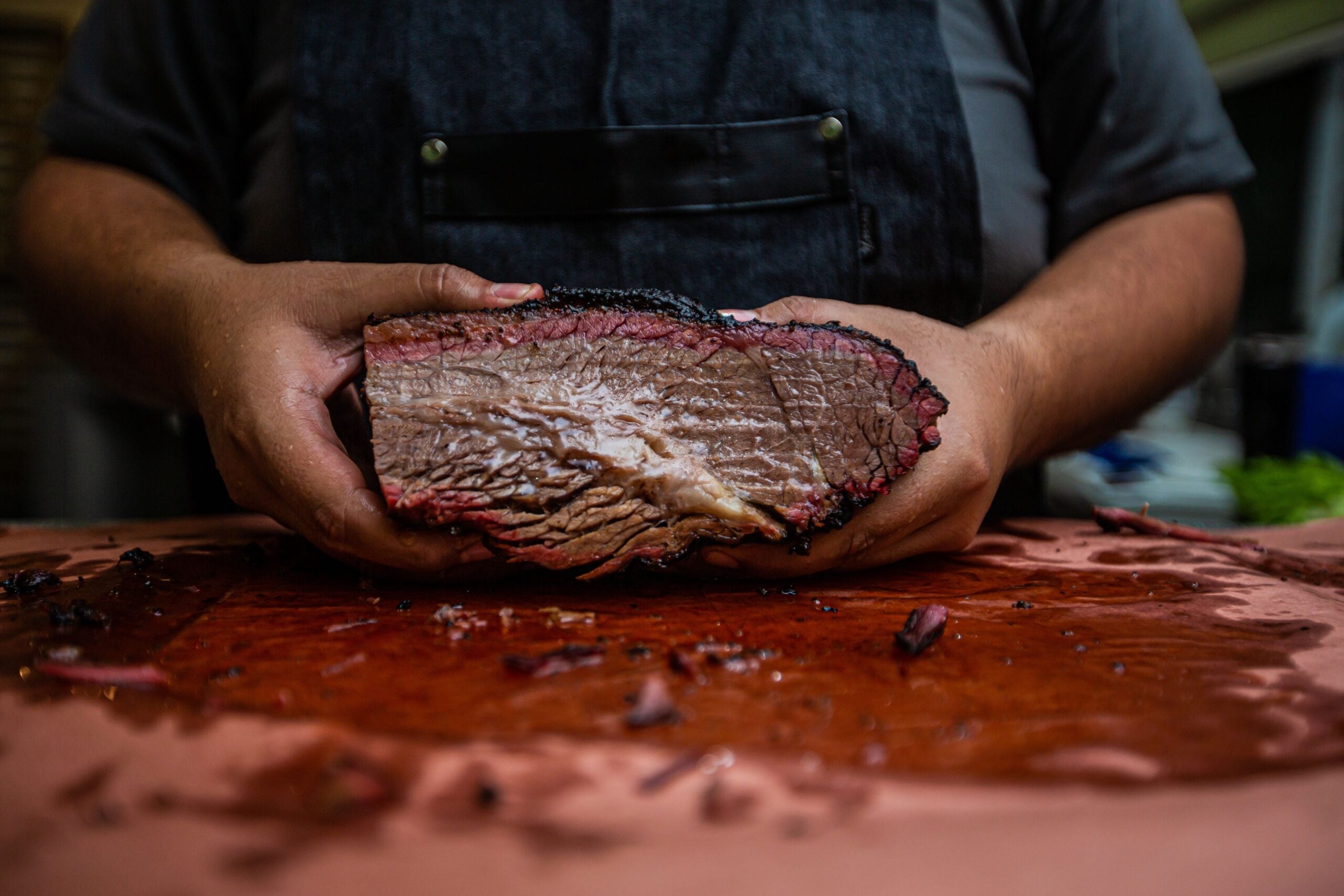
Once a time considered one of barbecue’s more affordable cuts, brisket has steadily climbed in price as demand from home smokers and barbecue restaurants has grown. Because cooking one also requires most of a day, many families now save brisket for weekends or special gatherings, turning instead to chuck roast or pork shoulder for everyday meals.
Sushi Night
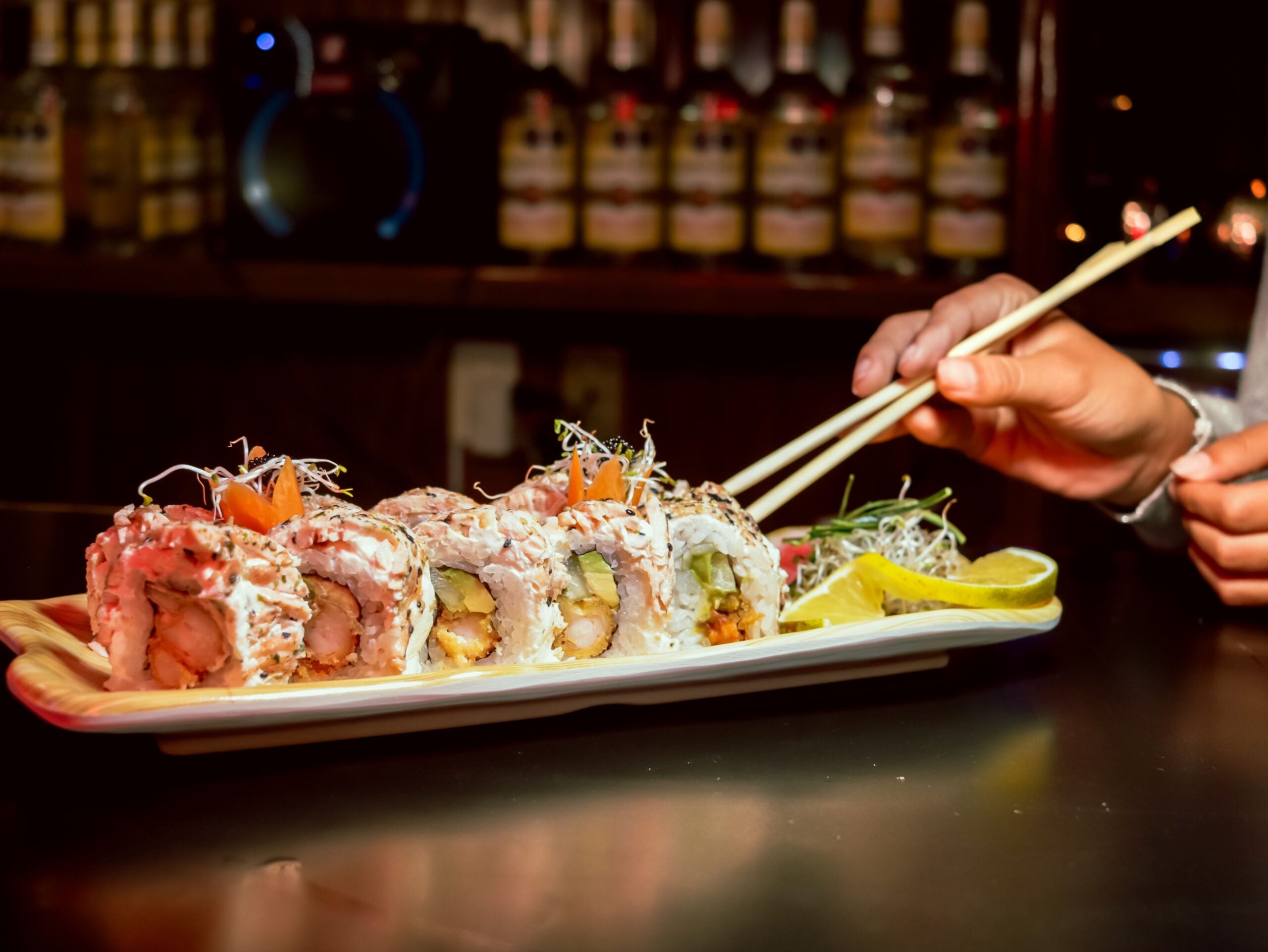
Restaurant sushi has increasingly become something families associate with birthdays, date nights, or weekends rather than an ordinary dinner. Rising seafood costs and restaurant prices have pushed many shoppers toward grocery-store sushi, homemade sushi bowls, or poke-inspired rice bowls that capture similar flavors without the restaurant bill.
Breakfast for Dinner With Bacon
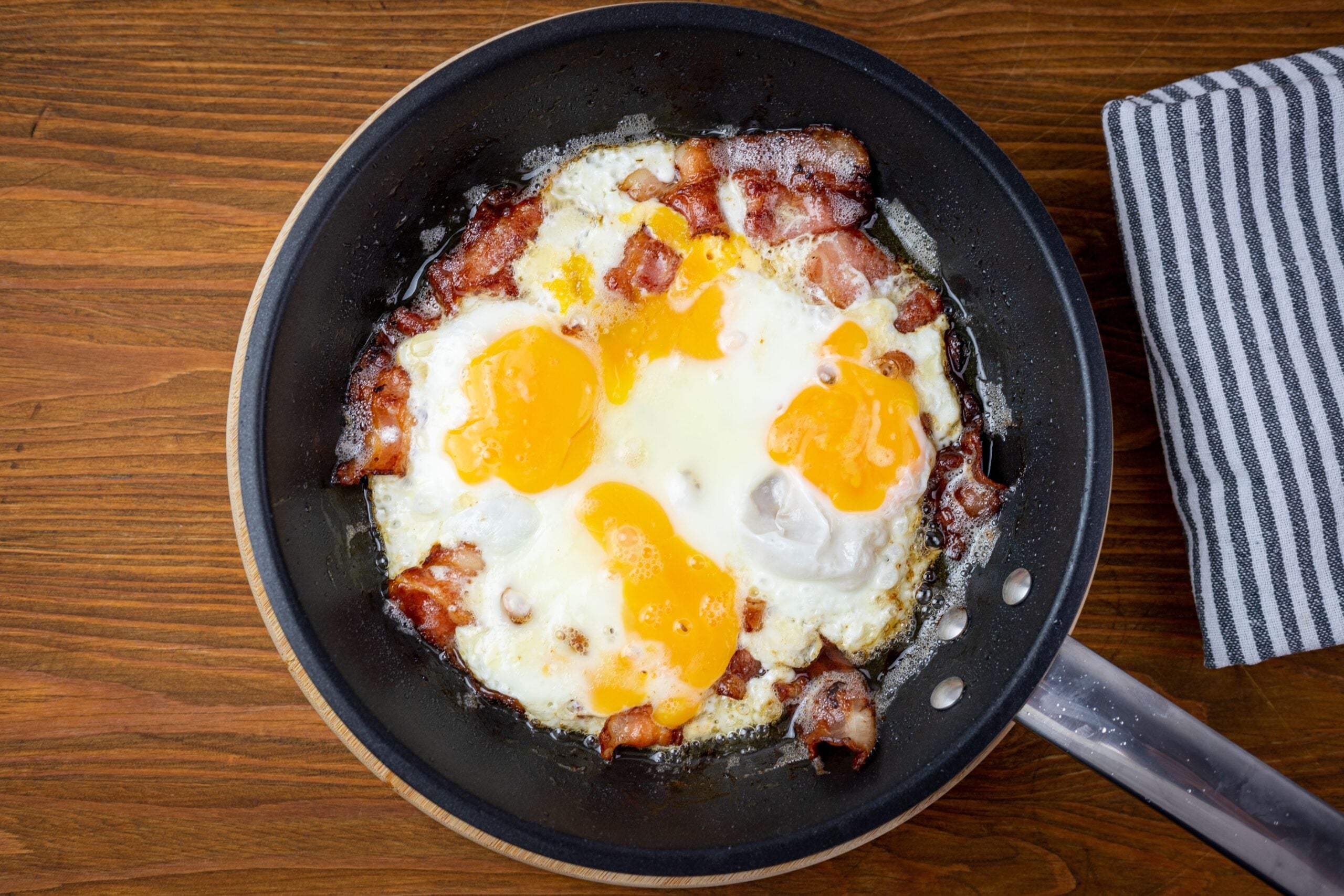
Breakfast for dinner remains a budget-friendly tradition—until bacon enters the pan. Bacon prices are still high compared to a few years ago, leading many households to use it more as a flavoring than the centerpiece of the meal. Sausage, ham, or meatless breakfast options have increasingly become the weeknight alternative.
Steakhouse Date Night at Home
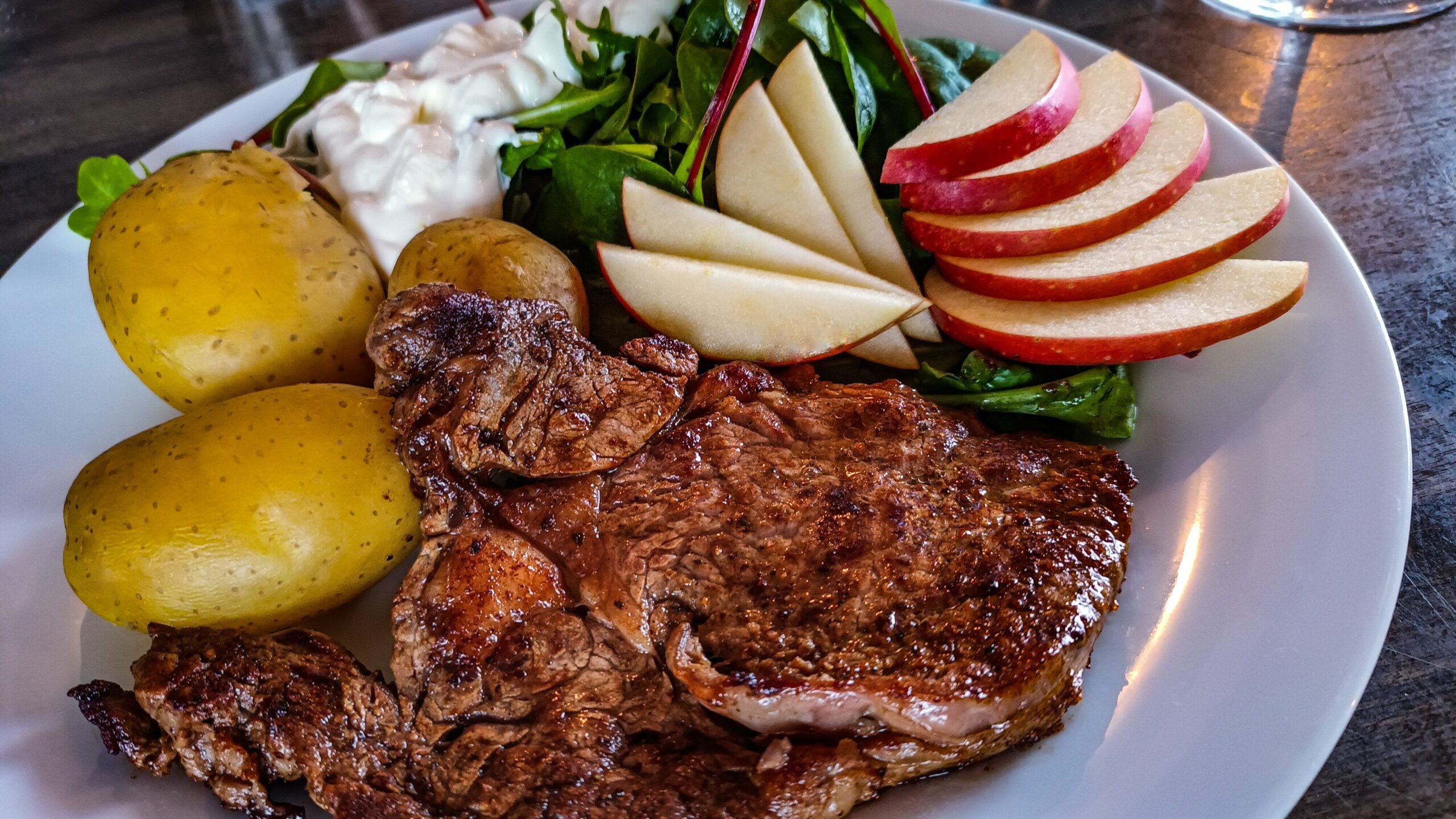
Even recreating a steakhouse dinner at home has become something many families reserve for weekends. Buying quality steaks, baked potatoes, salad, dessert, and a bottle of wine still costs far less than dining out, but it’s no longer an impulse purchase for many households. During the week, simpler meals like sheet-pan dinners, pasta, or rotisserie chicken are much more likely to make the menu.