
Grocery items are not priced the same everywhere anymore. One store may have the best deal on milk, another may be cheaper for paper towels, and a third might offer the lowest prices on bulk meat, coffee, or pantry staples. As food costs remain elevated, more shoppers are discovering that sticking to a single grocery chain can leave money on the table. Instead, many households are comparing prices by category, watching weekly sales, and spreading their shopping trips across multiple stores. The extra effort can be worthwhile, especially for families looking to stretch their budgets and get the most value from every grocery dollar.
Rotisserie Chicken
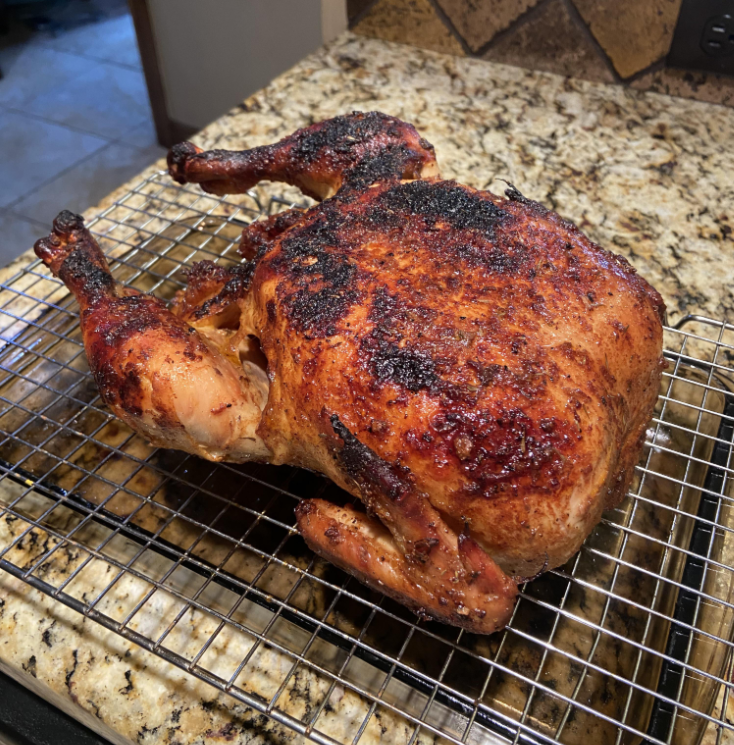
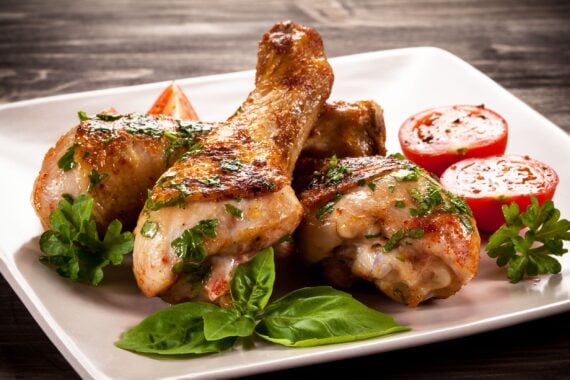
Rotisserie chicken is one of those grocery items that can justify a separate stop, especially for shoppers who want dinner without paying restaurant prices. Costco’s famous bird still has a reputation for value, while many traditional supermarkets charge more for similar prepared chickens. The downside is that not everyone has a warehouse membership, and some shoppers dislike the packaging, sodium, or quality changes. Still, one chicken can stretch into soup, sandwiches, tacos, and leftovers.
Eggs
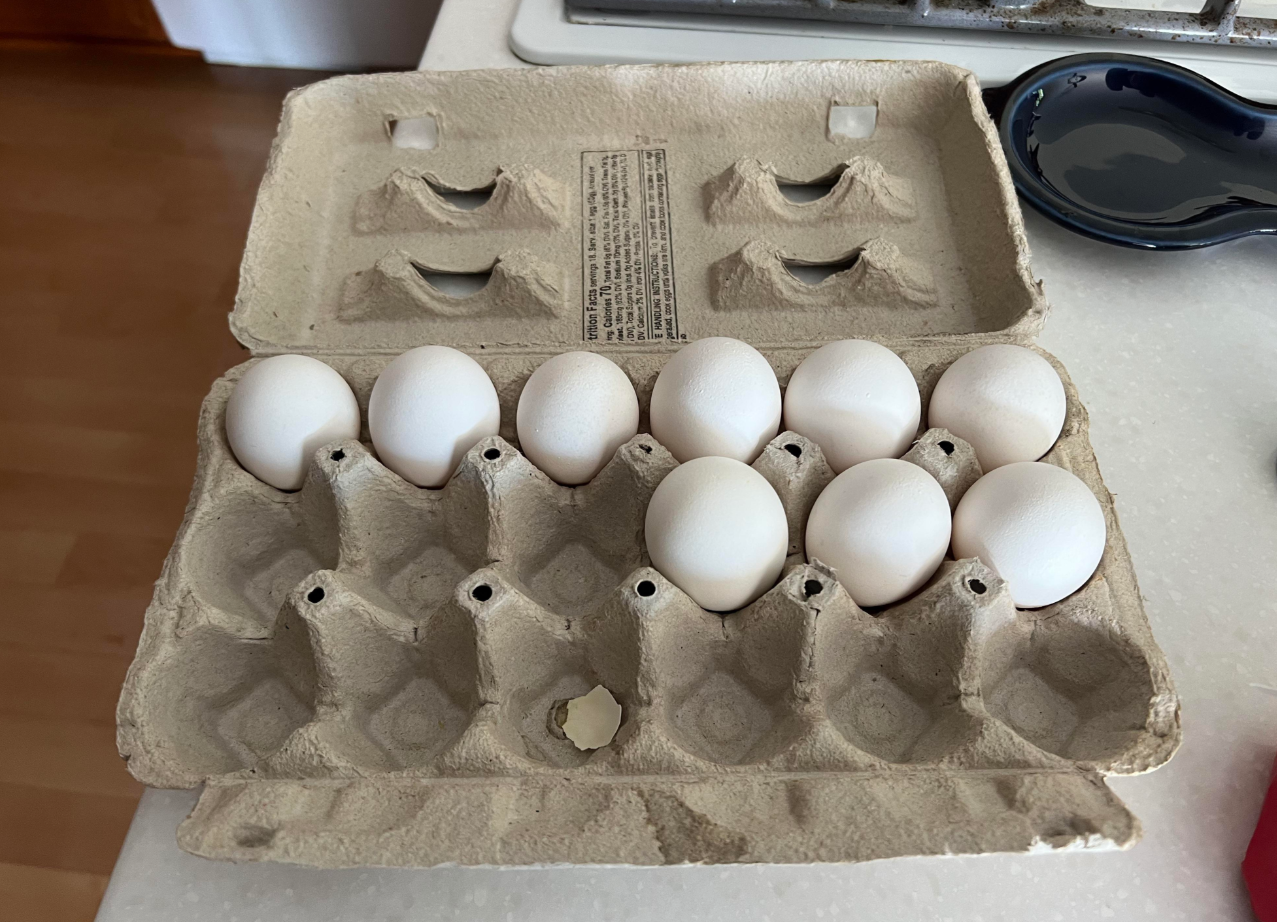
Eggs have become one of the most unpredictable grocery items in the cart. Prices can swing depending on supply, promotions, and the week you shop, so many shoppers now check Aldi, Walmart, Costco, and local supermarkets before buying. A dozen might be cheaper at a discount grocer one week, while a warehouse-club pack makes sense the next. The catch is that larger packs only save money if your household uses them before they expire.
Ground Beef
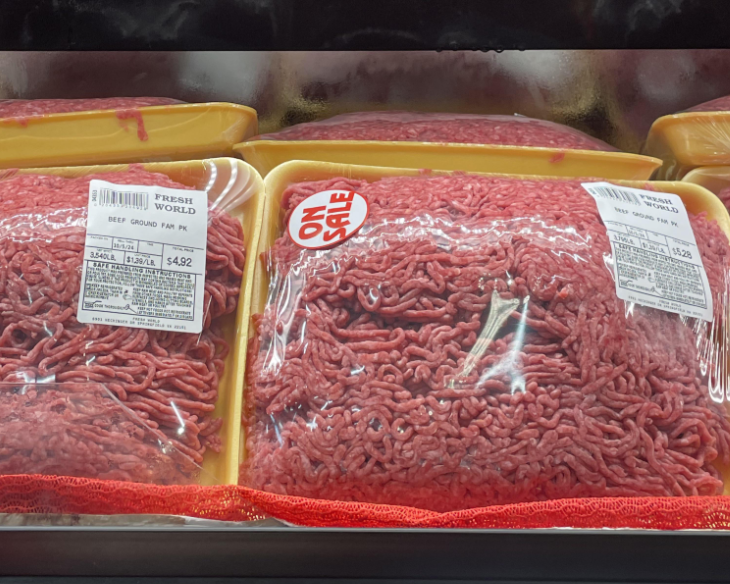
Ground beef is a classic reason shoppers compare stores. Beef prices have stayed high, so families often check warehouse-club bulk packs, supermarket meat sales, Walmart prices, and local butcher specials before deciding. Costco or Sam’s Club can be useful if you portion and freeze the meat, but a grocery store sale can sometimes beat the club price. The practical move is to compare price per pound and fat percentage together.
Bananas
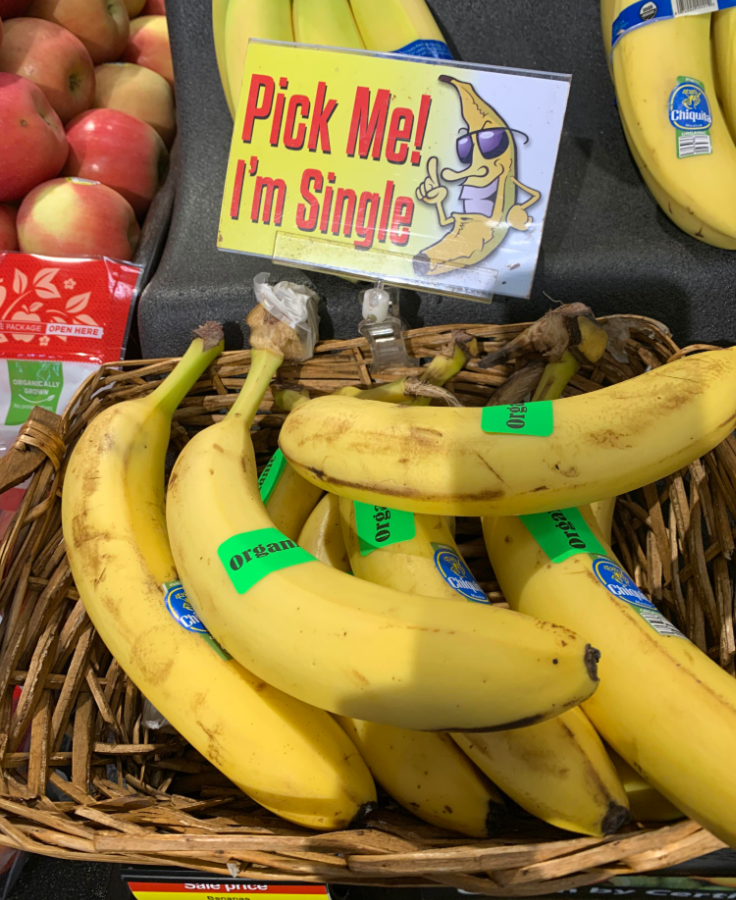
Bananas are one of the easiest grocery items to use as a price check. Shoppers notice when they are a few cents cheaper per pound at Aldi, Costco, Walmart, or a local produce market because many households buy them weekly. Discount grocers often use bananas and other produce to look competitive, but quality matters too. A cheap bunch is not a bargain if it is already bruised or turns brown overnight.
Milk
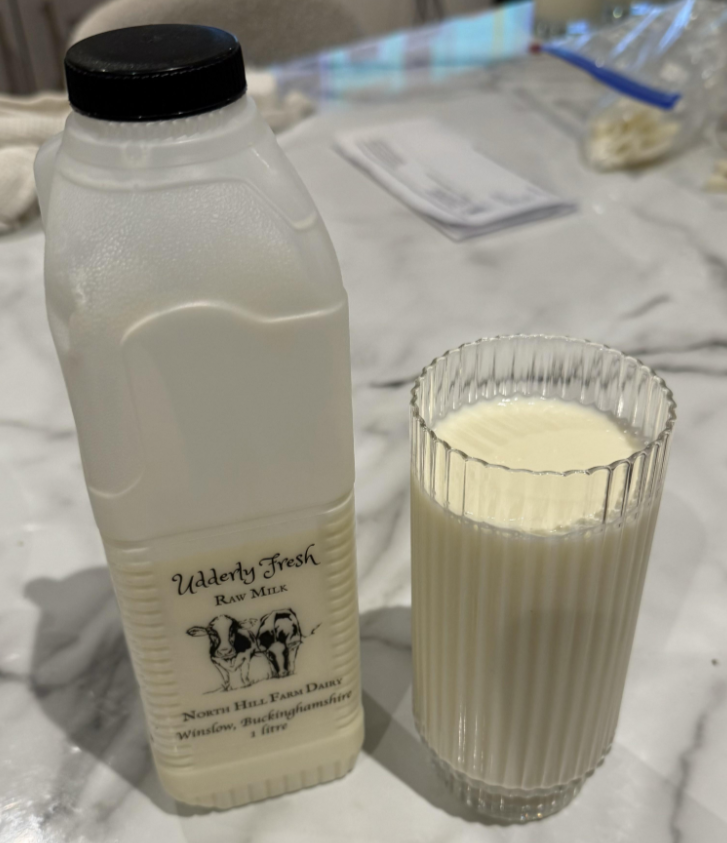
Milk is another staple that sends people to different stores. Families that go through several gallons a week may notice even small price differences, while smaller households may care more about expiration dates and carton size. Aldi and Walmart often compete hard on basic dairy, warehouse clubs can make sense for larger families, and some supermarkets use milk as a sale item. Prices still vary a lot by region.
Trending on Cheapism
Paper Towels
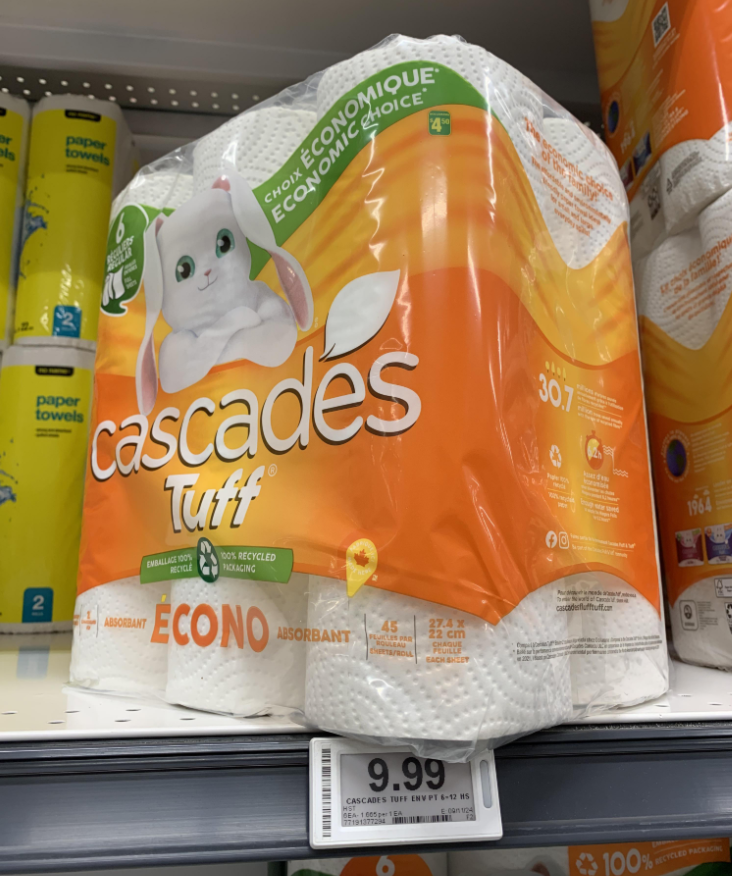
Paper towels are one of the grocery items many shoppers no longer buy at the grocery store. Warehouse clubs can look much better on a per-sheet basis, especially for households with storage space. But the cheapest roll is not always the favorite roll. Costco shoppers often debate Kirkland versus Bounty, with some praising the value and others complaining about tearing, texture, or quality changes. Unit price helps, but quality still matters.
Coffee

Coffee has turned into a serious comparison-shopping category. Grocery coffee prices rose sharply, so shoppers who once tossed a bag into the cart now check Costco, Trader Joe’s, Walmart, Target, and supermarket promotions. Whole-bean coffee in larger bags can be a better value for daily drinkers, but only if you like the roast and use it while fresh. A giant bag of coffee you dislike is just pantry regret.
Cereal
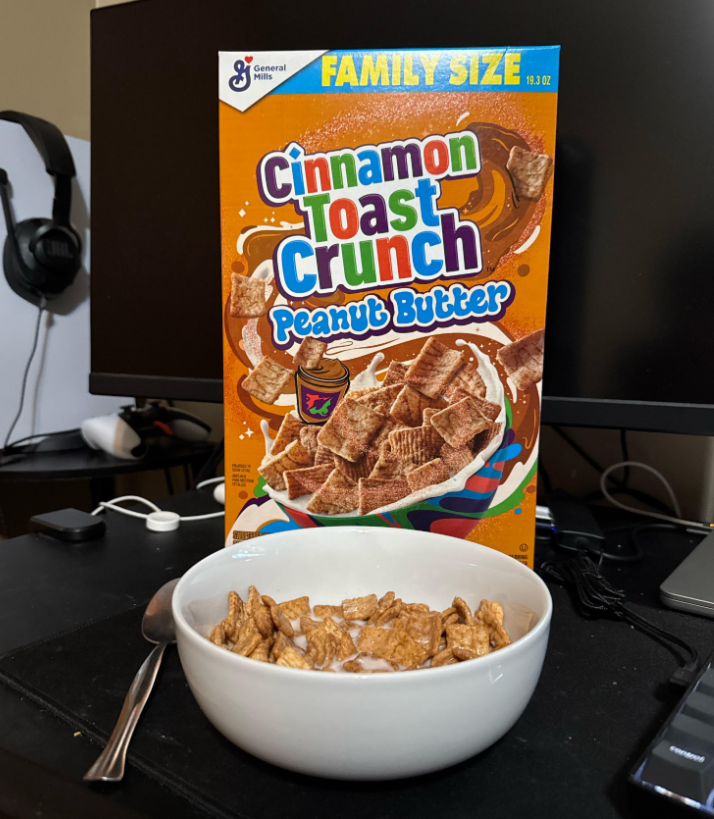
Cereal is one of the grocery items that has trained shoppers to wait for a sale. Name-brand boxes can look shockingly expensive at regular price, while store brands at Aldi, Walmart, and other chains often cost much less per ounce. Families with kids may stock up only during BOGO deals or loyalty-card promotions. The warning is to check box size, because a lower shelf price can hide a smaller package.
Sign up for our newsletter
Cheese
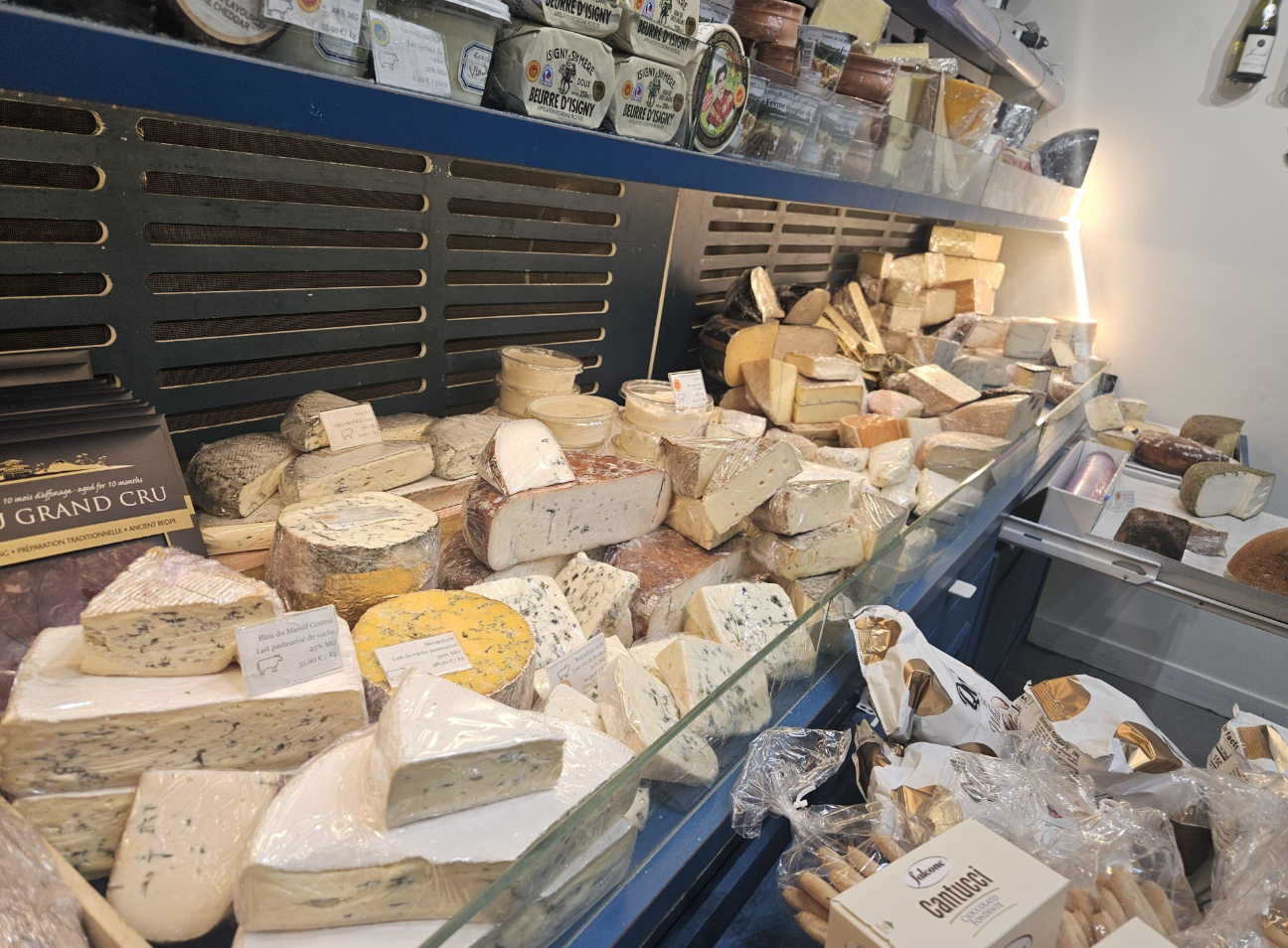
Cheese is a sneaky category because the best deal depends on the form. Block cheese is often cheaper than shredded cheese, but shoppers pay for convenience when they want bags ready for tacos, casseroles, or pizza night. Warehouse clubs can be good for large blocks, Trader Joe’s often attracts shoppers for specialty cheeses, and supermarkets can win during dairy sales. The downside is spoilage if you buy too much.
Greek Yogurt
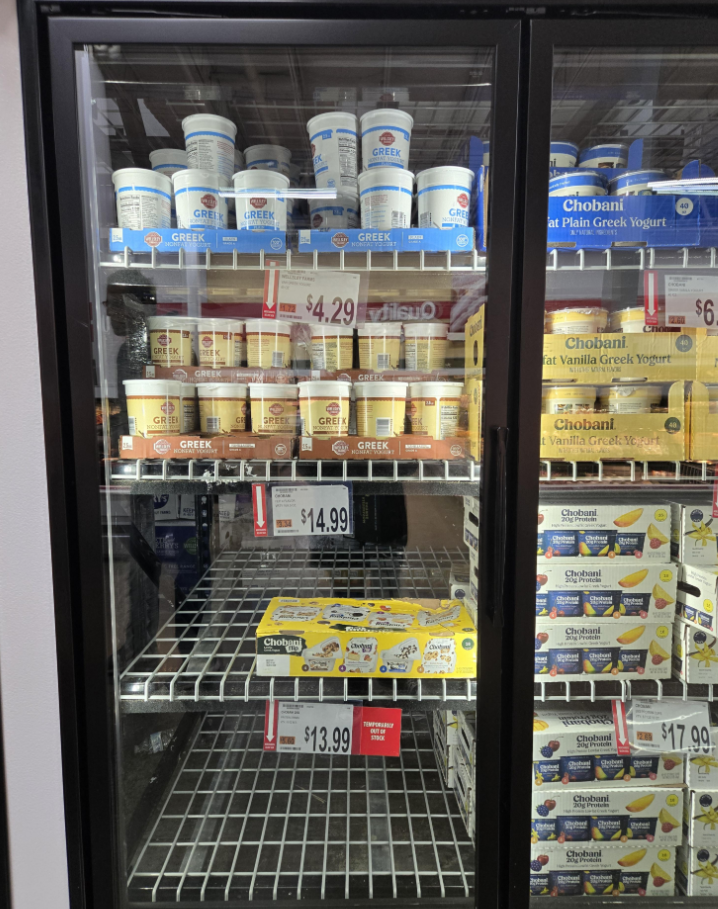
Greek yogurt is another grocery item where package size changes everything. Individual cups are convenient but can cost far more per ounce than tubs or multi-packs. Warehouse clubs may be useful for households that eat yogurt daily, while Aldi, Walmart, and supermarket store brands can be strong for smaller weekly purchases. National brands often swing in price depending on coupons and promotions.
Avocados
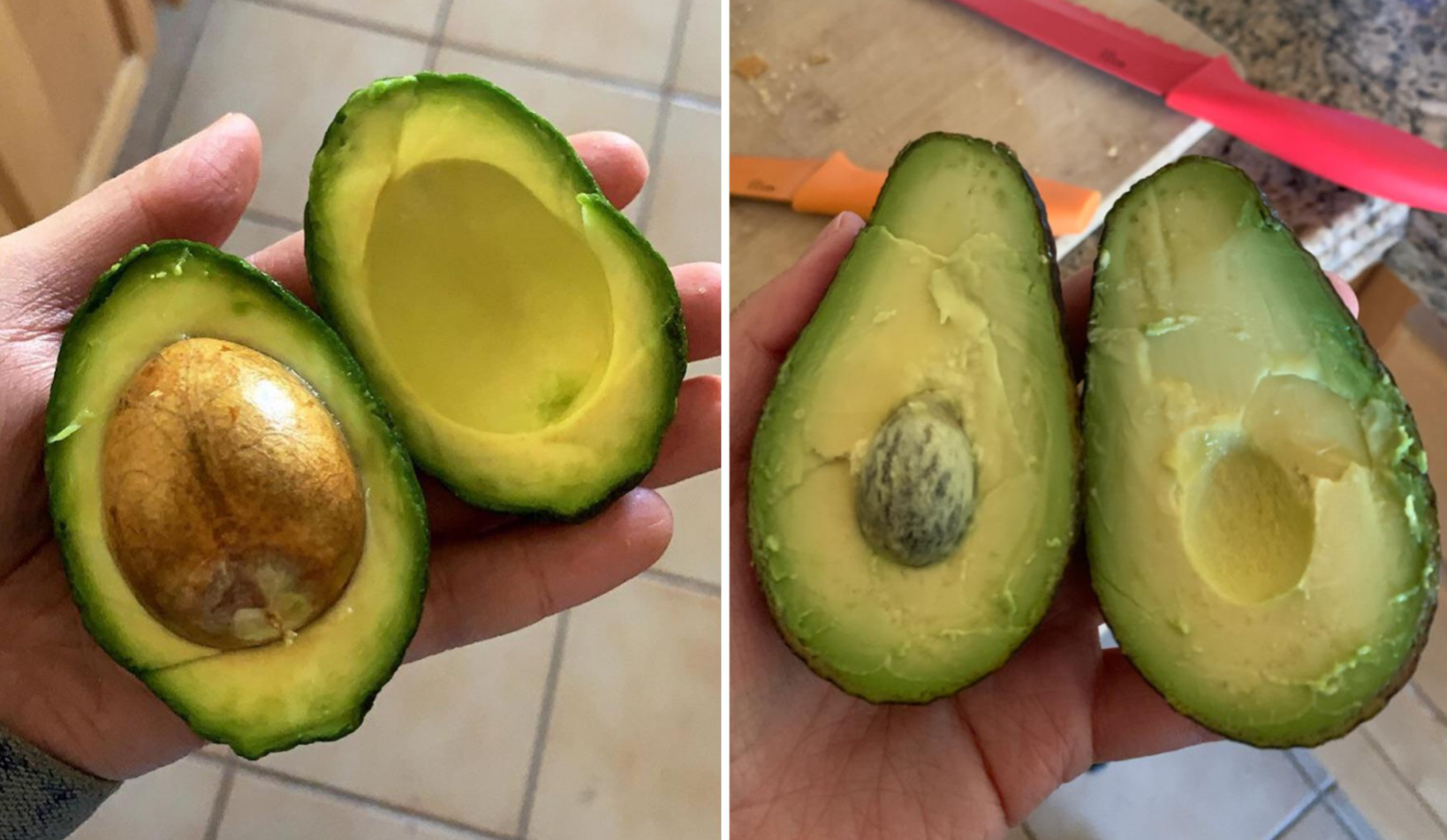
Avocados are one of the produce items shoppers often buy wherever the deal looks good that week. Aldi, Hispanic markets, Costco bagged avocados, Walmart, and local supermarkets can all win depending on season and ripeness. But price is only half the story. Rock-hard avocados may not be ready when you need them, while soft ones can go bad fast. Bagged avocados are only useful if you have a plan.
Laundry Detergent
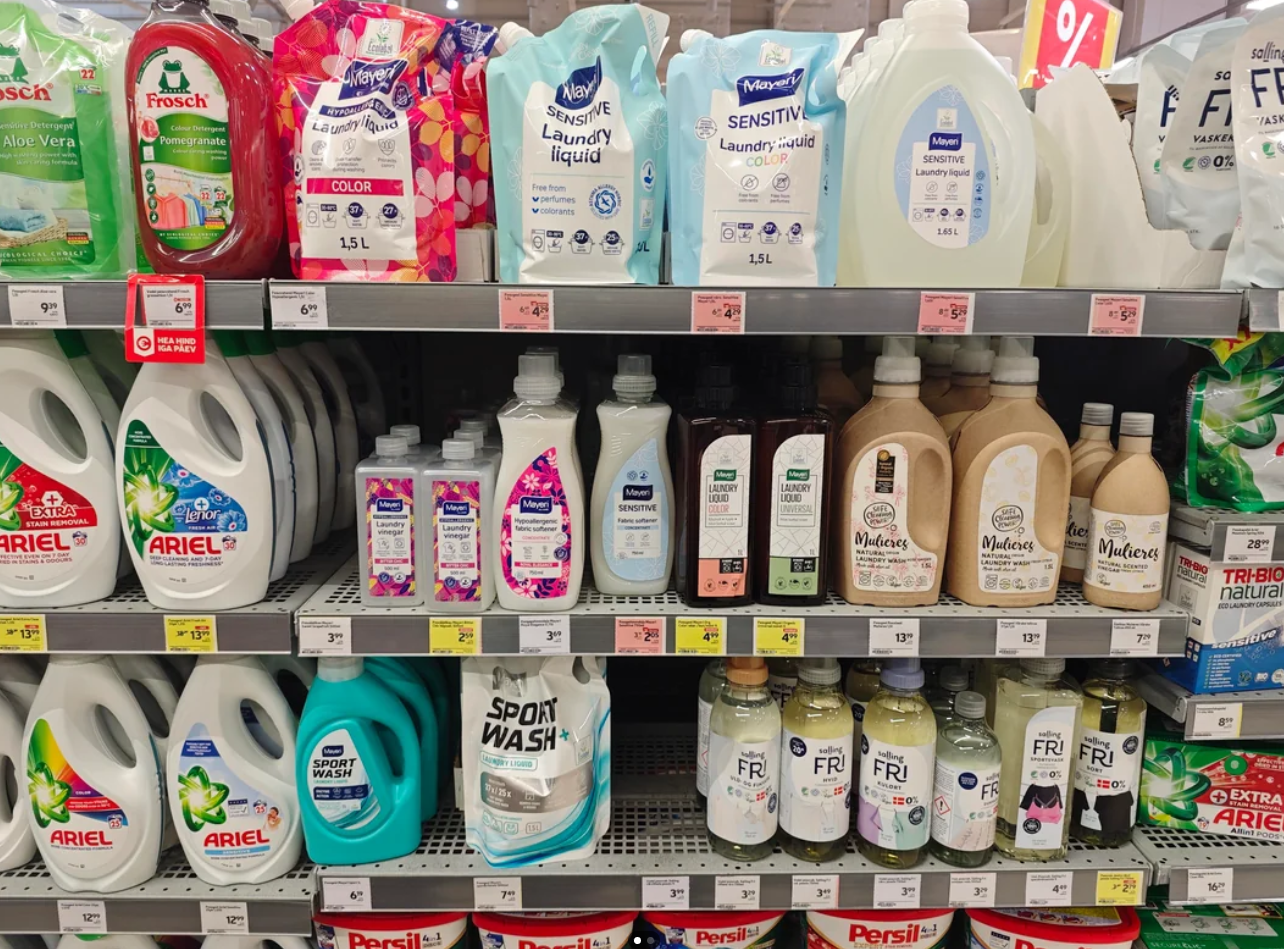
Laundry detergent is one household staple many people buy far away from the grocery aisle. Warehouse clubs, Walmart, Target, Amazon, and drugstore coupon deals can all beat traditional grocery pricing depending on the week. The smarter comparison is cost per load, not bottle size. A huge jug can last months, but it may be heavy, messy, or hard for some older shoppers to lift. Digital coupons can matter here.
Frozen Pizza
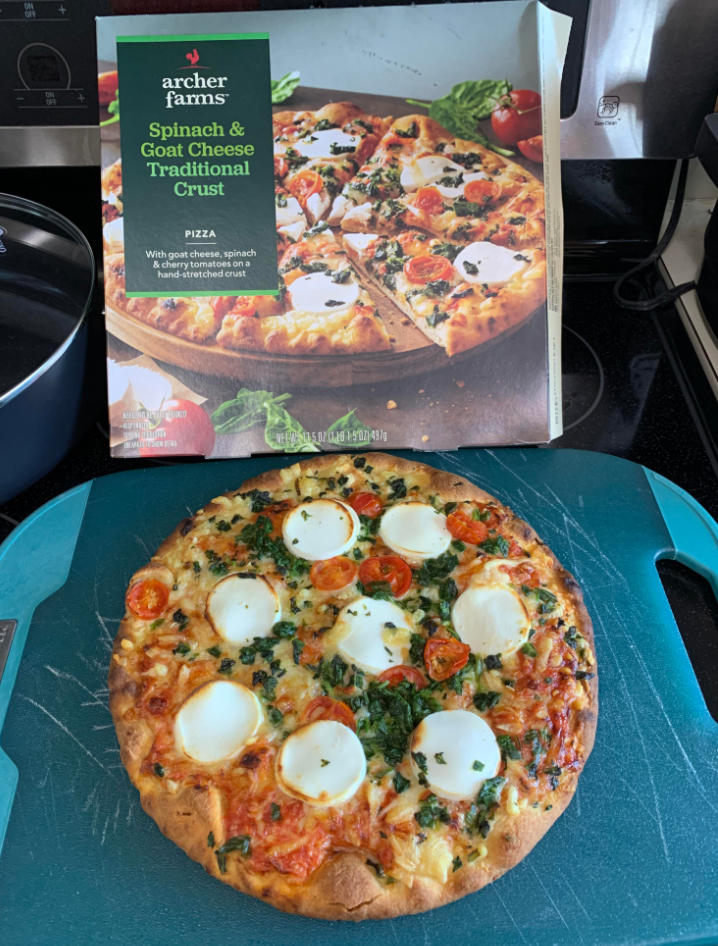
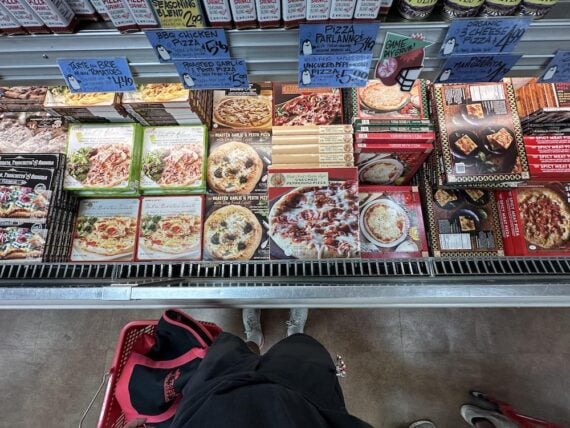
Frozen pizza is almost never a category where regular price tells the full story. Supermarkets often run buy-one-get-one sales, Walmart may have competitive everyday prices on major brands, and Trader Joe’s or Aldi can win on store-brand options. Many shoppers now compare frozen pizza to takeout, especially when delivery fees and tips make pizza night expensive. Stocking up is smart only if you have freezer space and like the brand.
Bread

Bread is one of the grocery items where shoppers often know their personal price limit. Aldi and Walmart can be strong for basic sandwich bread, supermarkets may win during sales, and bakery outlet stores can help families that go through multiple loaves a week. Freezing extra bread can help, especially for toast or sandwiches. But the cheapest loaf may be smaller, drier, or less filling than shoppers expect.
Snack Foods
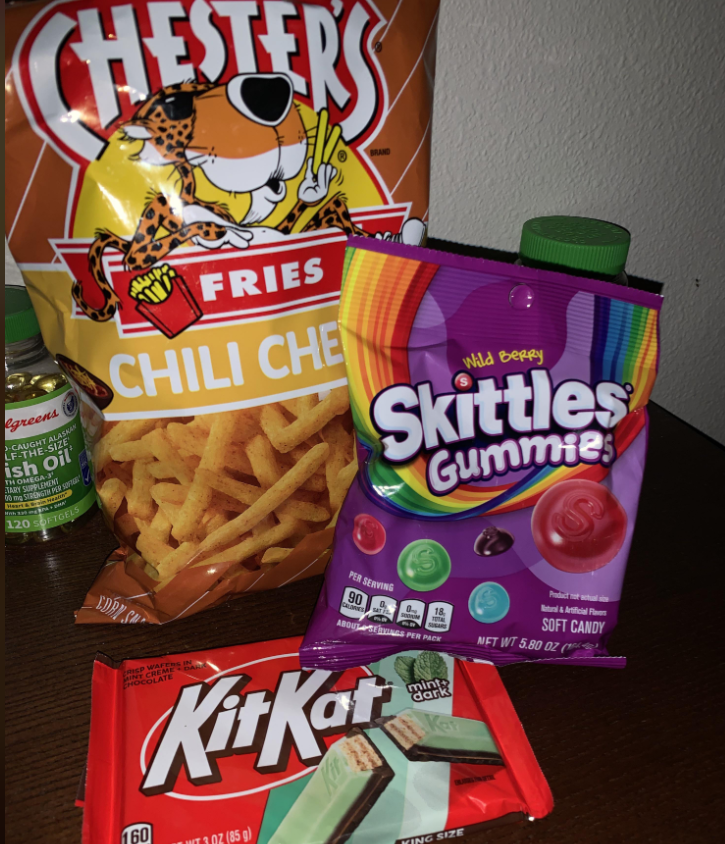
Chips, crackers, cookies, and snack packs are some of the most promotion-driven grocery items in the store. Outside of sales, national brands can feel wildly overpriced, especially when bags shrink or family-size packages are not as big as they used to be. Walmart often pulls in value-focused snack shoppers, warehouse clubs can make sense for parties, and supermarkets may win with BOGO deals. Always check price per ounce.
Pet Food
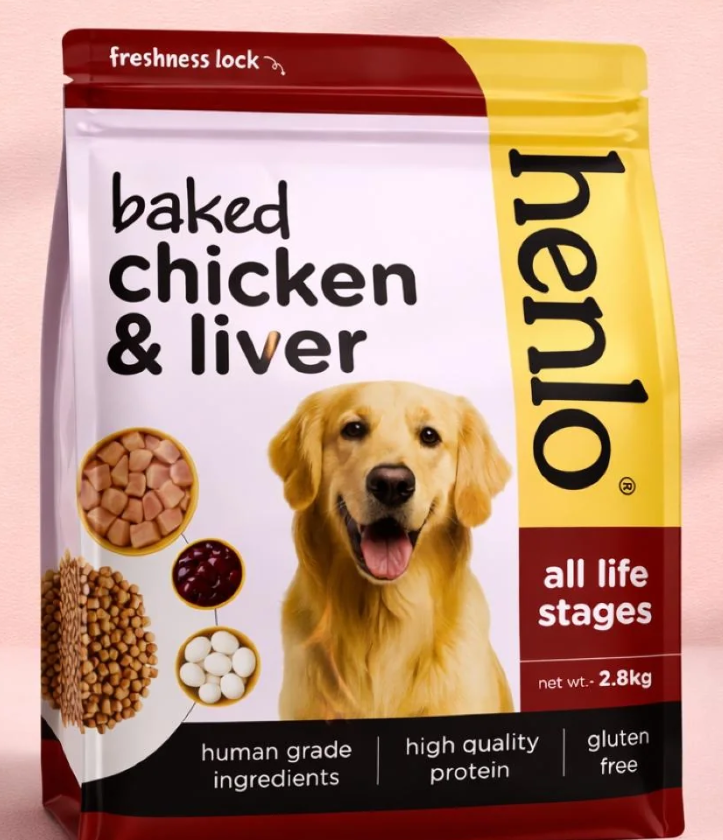
Pet food is no longer something every shopper grabs at the supermarket. Pet owners now compare Chewy, Amazon, Costco, Walmart, Petco, PetSmart, and local pet stores, especially for larger bags or specialty diets. Subscription discounts can help, but they are not always the lowest price once shipping thresholds and brand availability are considered. The biggest caution is switching food too quickly just because another store has a better deal.