Mental health is a priority for more people in 2026, but that does not mean everyone is spending money on retreats, pricey apps, or complicated wellness plans. Many are focusing on simple habits that actually fit into daily life, like better sleep, regular walks, less screen time, and stronger social connections. As the CDC notes in its guide to managing stress, small routines can make a real difference when life feels overwhelming.
Taking Daily Walks Outdoors
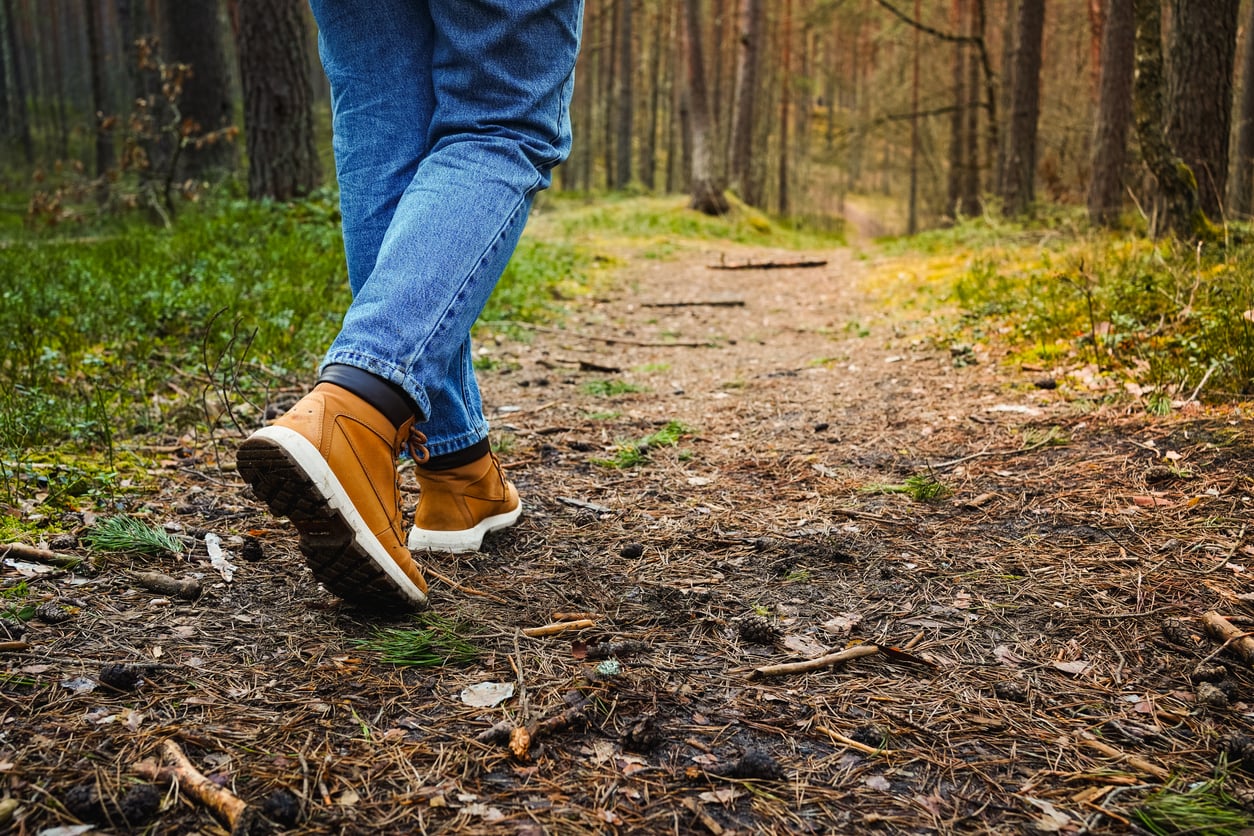
Walking is still one of the easiest ways people are protecting their mental health without spending much money. A short walk around the neighborhood, a local park, or even a shopping center can break up the day and get the body moving. For older adults, it is also easier to stick with than intense fitness plans. The real appeal is that walking gives people a reason to leave the house, breathe fresh air, clear their head, and step away from screens for a while.
Prioritizing Sleep Instead of Sacrificing It
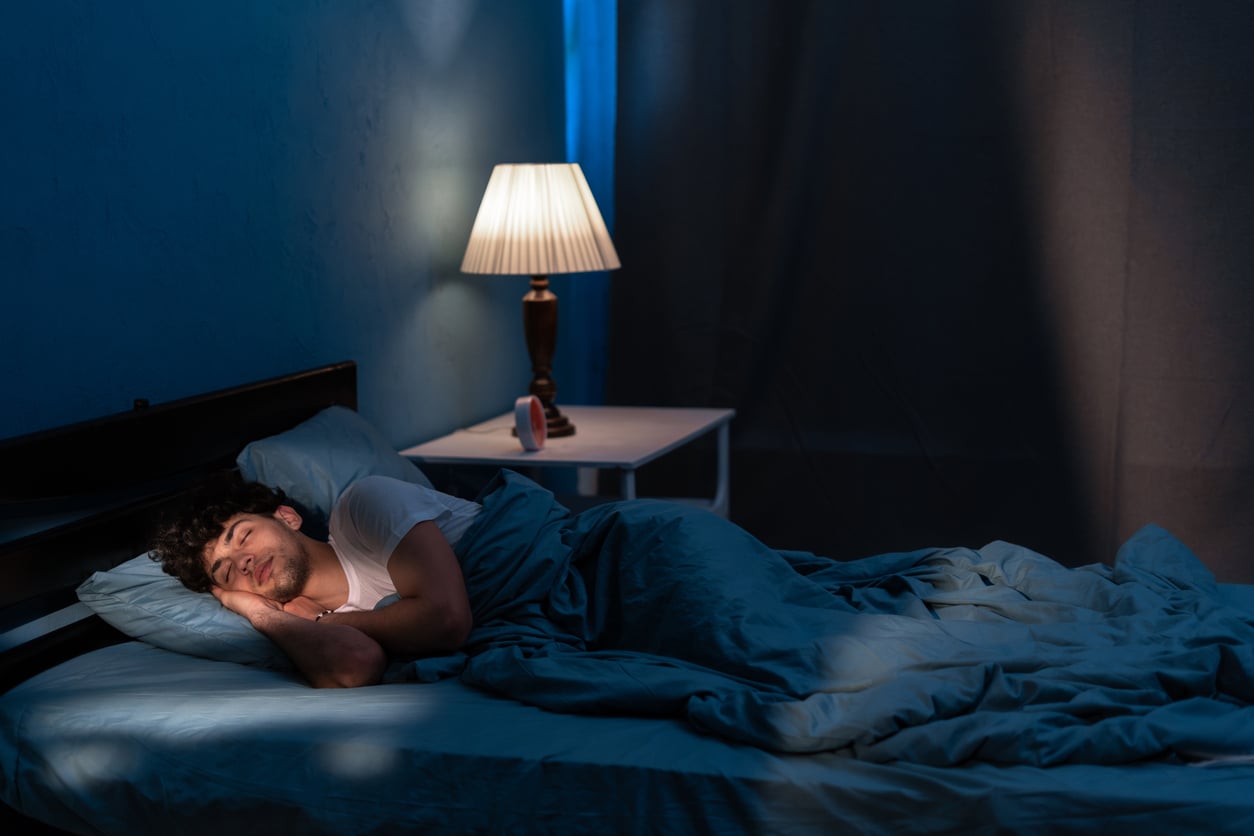
People are finally treating sleep like a mental health tool, not a luxury. That means keeping a steadier bedtime, cutting back on late-night scrolling, and taking sleep problems seriously instead of bragging about getting by on five hours. This is especially important for older readers, since poor sleep can affect mood, focus, patience, and energy the next day. The downside is that sleep gadgets and special mattresses can get pricey, but the basics are still free: routine, darkness, quiet, and fewer screens before bed.
Setting Boundaries With Social Media
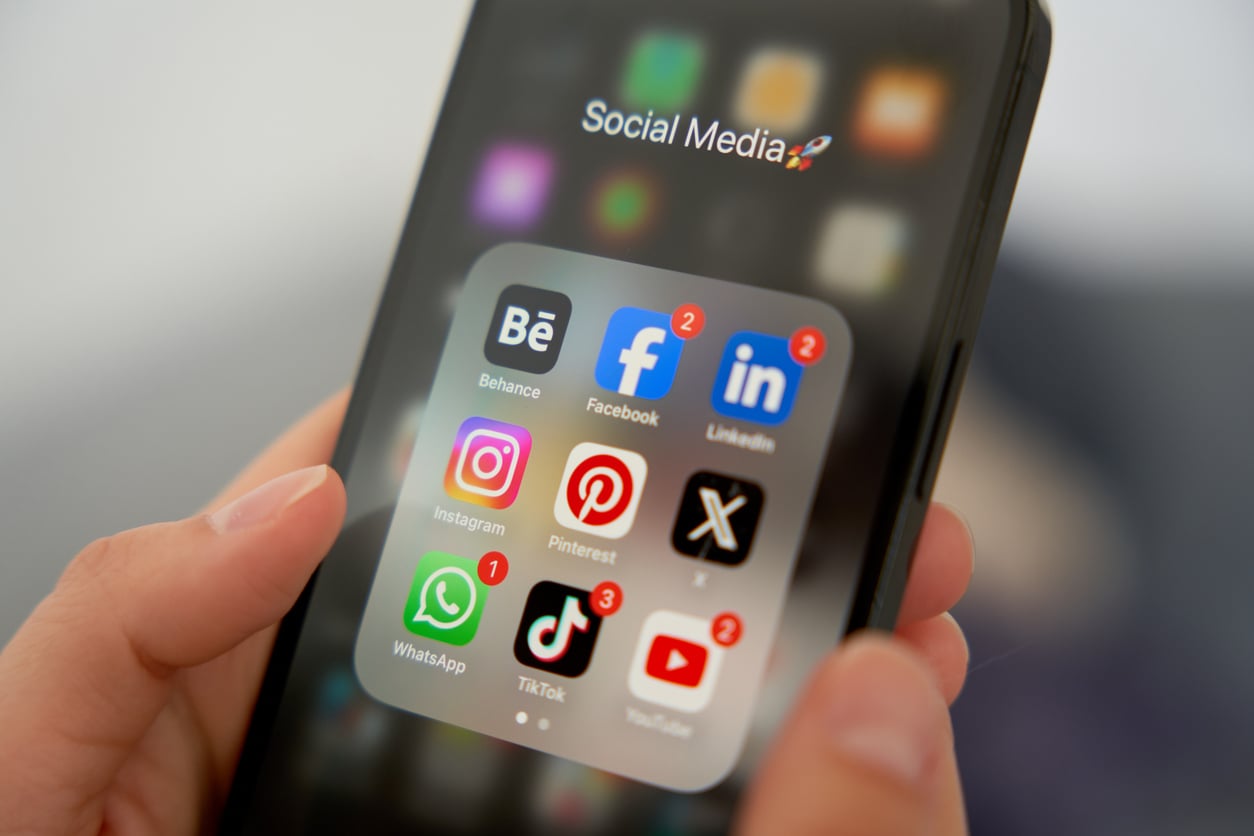
A lot of people are not quitting social media completely. They are just using it with more limits. That might mean deleting apps from the phone, checking Facebook once a day, muting stressful accounts, or refusing to argue with strangers online. This matters because social media can be useful for staying connected, but it can also turn into a steady stream of comparison, conflict, scams, and bad news. For many people, the mental health win is not disappearing online. It is taking back control.
Creating Device-Free Time Each Day

Device-free time is becoming a small but serious habit. Some families keep phones away from the dinner table. Others stop checking emails after a certain hour or leave the phone in another room while watching TV. It sounds simple, but constant notifications can make the brain feel like it is always on call. The value angle is strong here: this habit costs nothing. The trick is making it specific, such as “no phone during breakfast” or “no email after 8 p.m.”, instead of a vague digital detox.
Practicing Yoga Regularly

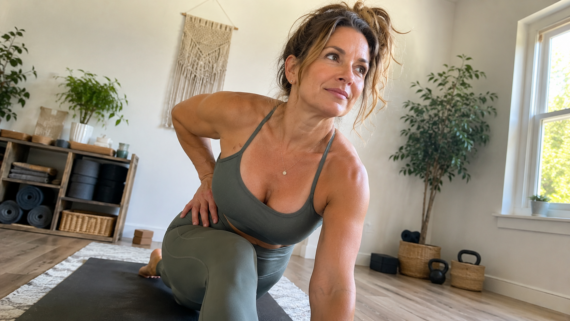
Yoga has stayed popular because it combines several things people want in one routine: stretching, breathing, balance, strength, and calm. For older adults, gentle yoga, chair yoga, and beginner classes can feel less intimidating than high-impact workouts. It can also be done at home with a free video, which makes it more affordable than many wellness trends. The caution is to avoid pushing too hard, especially with neck, back, knee, or balance issues. A slow class is often the smarter choice.
Trending on Cheapism


Making Exercise a Non-Negotiable Habit

People are increasingly viewing exercise as a mood habit, not just a weight-loss plan. That is a healthier, more realistic shift. Walking, swimming, cycling, light strength training, dancing, and stretching can all count, especially when done consistently. This does not need to mean a boutique gym or expensive equipment. Community centers, YouTube workouts, senior fitness classes, and resistance bands can go a long way. The goal is to move often enough that stress has somewhere to go.
Spending More Time With Friends and Family

One of the biggest mental health priorities in 2026 is social connection. That does not have to mean a packed calendar. It can be a weekly phone call, Sunday lunch, a walking buddy, a church group, a card night, or coffee with a neighbor. For older adults, this is especially important because retirement, bereavement, health changes, and family moving away can shrink social circles. The downside is that rebuilding connection can feel awkward at first. Still, small recurring plans often work better than waiting for the perfect occasion.
Spending Time in Nature
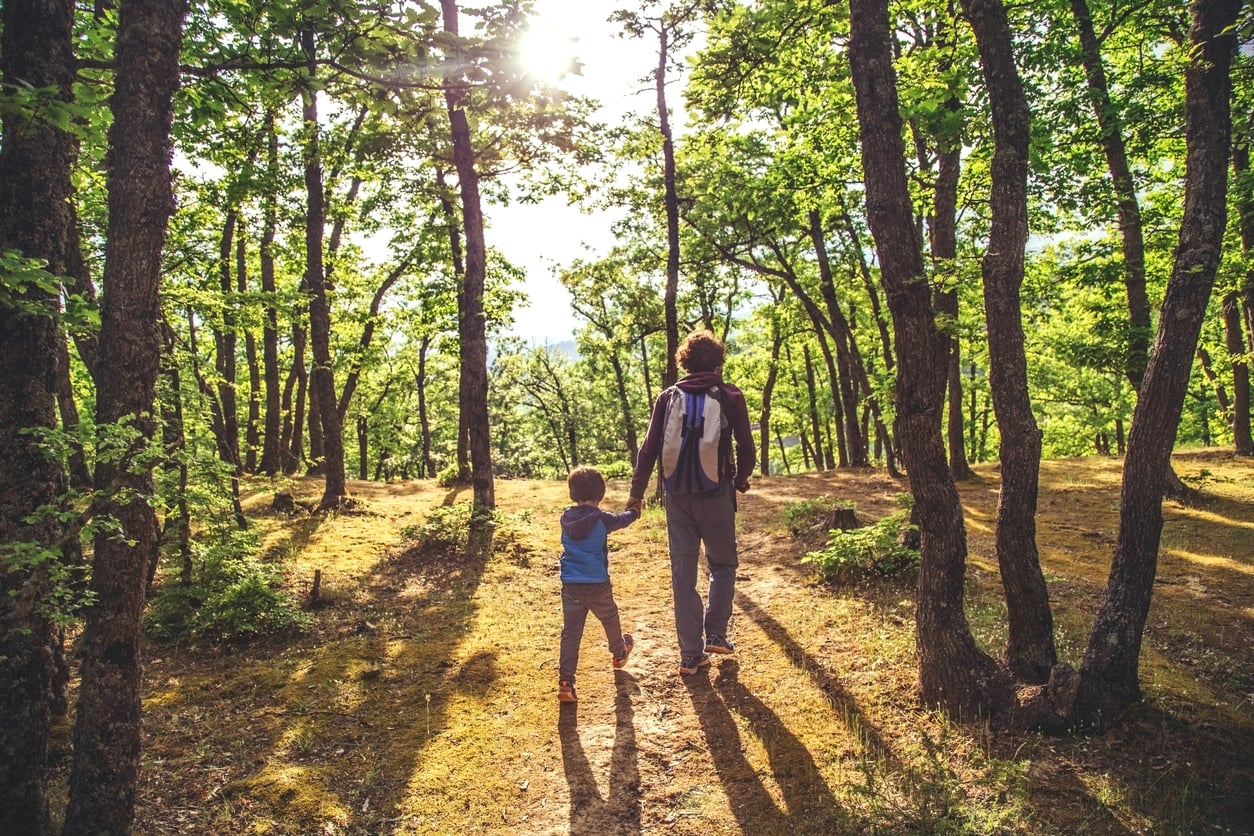
Nature is one of the few wellness habits that can feel like a treat without costing much. People are using parks, gardens, lakes, trails, and even quiet benches as a reset from noise and screens. For older readers, the key is choosing nature that is accessible: paved park loops, botanical gardens, shaded paths, or a backyard chair can count. The point is not to climb a mountain. It is to get a little more daylight, quiet, movement, and perspective than a day spent entirely indoors.
Sign up for our newsletter
Using Meditation and Mindfulness Practices
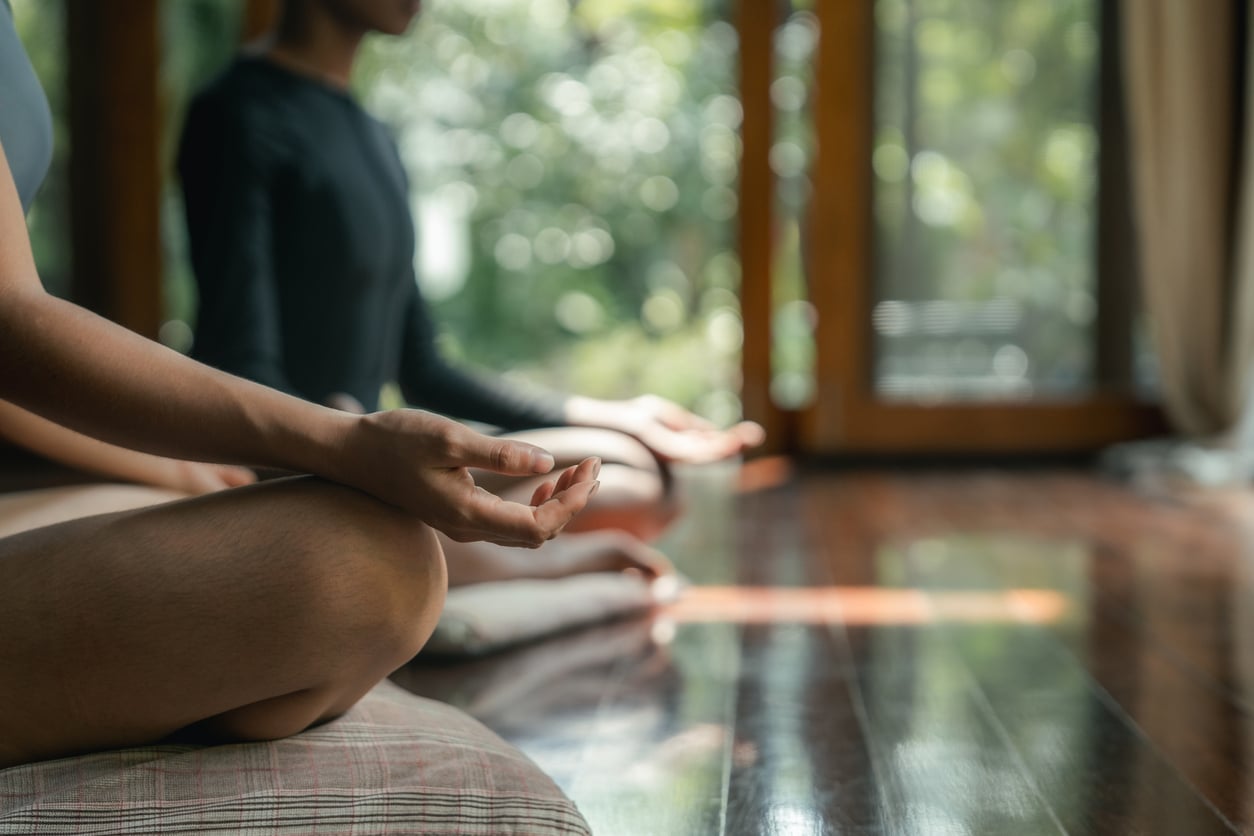
Meditation has become more mainstream because it can be short, flexible, and inexpensive. Some people use apps, but others simply sit quietly, follow a free guided video, pray, breathe slowly, or do a short body scan before bed. The most practical version is the one people will actually repeat. Apps can help beginners, but subscriptions add up, and not every voice or style works for everyone. A good starting point is five quiet minutes, not a complicated routine that feels like another chore.
Keeping a Journal

Journaling is one of the cheapest mental health habits on the list. A notebook from the dollar store works just as well as a fancy guided journal. People use it to track worries, write down what went well, make decisions, or get thoughts out of their head before sleep. It can be especially useful for people who do not want to talk everything through out loud. The downside is that journaling can feel forced if it becomes too polished. A messy, honest page is the point.
Practicing Gratitude

Gratitude can sound a little corny until people make it practical. It does not mean pretending everything is fine. It means training the mind to notice what is still steady, useful, kind, or beautiful in an ordinary day. Some people write down three things at night. Others say them during a walk or at dinner. It costs nothing and takes less than five minutes. The most realistic approach is specific gratitude: a good cup of coffee, a neighbor who helped, a grandchild’s call, or a pain-free morning.
Talking to a Therapist

Therapy is becoming less of a last resort and more of a maintenance tool. People are using it for grief, stress, family conflict, caregiving pressure, retirement changes, anxiety, and burnout. Teletherapy can make appointments easier for people who live far from providers or do not want to drive. Still, cost and insurance coverage are real barriers. A practical approach is to check employer assistance programs, Medicare or insurance networks, community clinics, and local universities before assuming therapy is unaffordable.
Scheduling Time Away From Work

People are getting more serious about taking time off before burnout hits. That could mean using vacation days, taking a real lunch break, blocking off recovery time after caregiving, or refusing to answer work messages late at night. For older workers, this can be tricky because many grew up treating constant availability as loyalty. But rest is not laziness. It is maintenance. The downside is that not every job makes this easy, so even small boundaries, like a phone-free walk after work, can matter.
Limiting News Consumption

Many people want to stay informed without feeling rattled all day. That is why limiting news checks has become a mental health priority. Instead of watching cable news for hours or scrolling headlines before bed, some people check trusted sources once or twice a day. This is not about ignoring the world. It is about avoiding the stress spiral that comes from constant alerts, outrage, and speculation. A practical rule is simple: no news first thing in the morning and no doomscrolling at night.
Pursuing Hobbies With No Productivity Goal
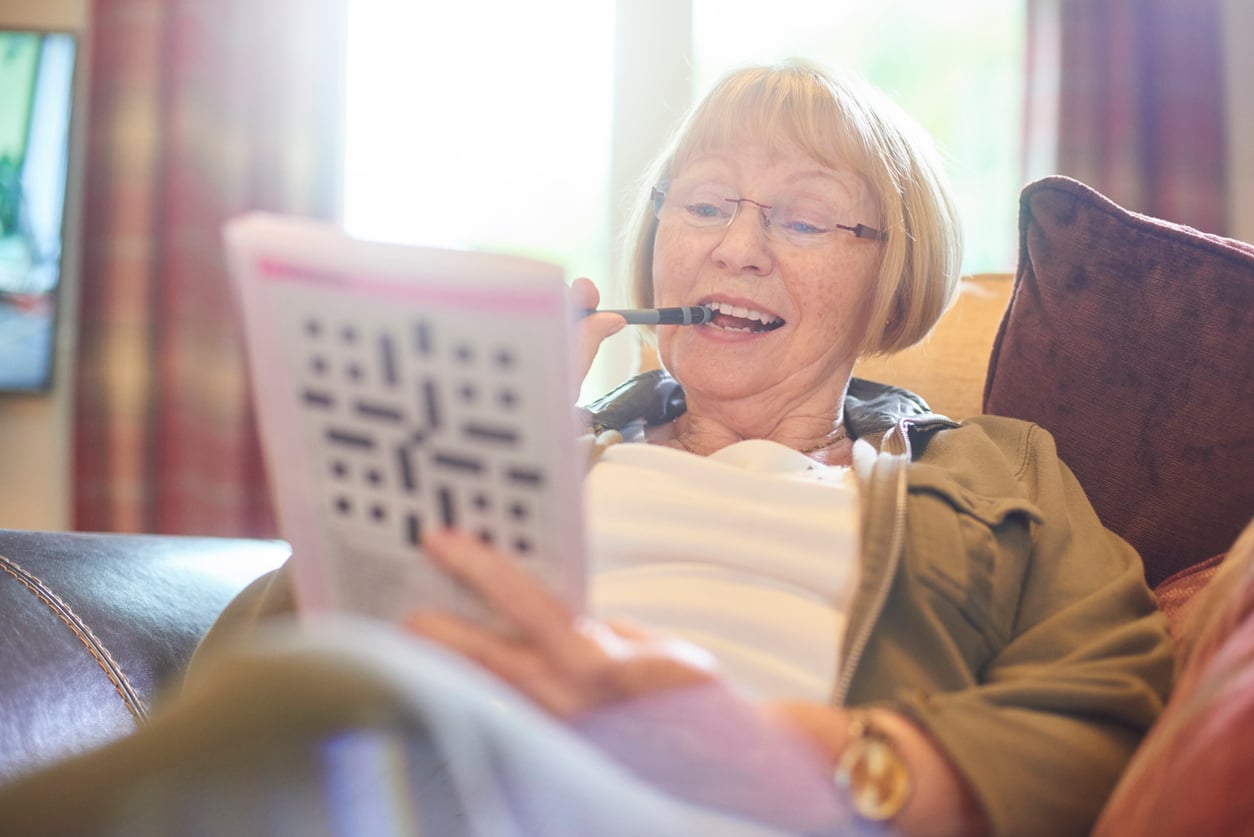
One of the nicest mental health trends is people letting hobbies be hobbies again. Gardening, puzzles, knitting, painting, woodworking, birdwatching, baking, music, and old-fashioned crafts are not side hustles for everyone. Sometimes they are just a way to enjoy an afternoon. That matters in a culture that keeps trying to turn every interest into income or achievement. Hobbies can also be budget-friendly if people use what they already own, borrow tools, shop secondhand, or join community groups instead of buying everything new.