
Families in America are having fewer children and that has become one of the clearest signs that family life is changing. According to the CDC’s National Center for Health Statistics, the U.S. fertility rate fell again in 2025, continuing a long decline. For many households, the decision is not about one single issue. It is a mix of childcare, housing, healthcare, student debt, work pressure, and changing ideas about what a good life looks like.
The Cost of Raising a Child Feels Overwhelming

Parents have always known kids are expensive, but today’s numbers can stop people cold. A Brookings estimate put the cost of raising a child born in 2015 through high school at about $310,605 for a married, middle-income couple with two children, and that does not include college. Even if families spend less than that, the point is clear: food, clothing, transportation, school supplies, healthcare, and everyday extras add up fast. For many households, one child feels doable, while three feels impossible.
Childcare Costs Can Rival a Mortgage
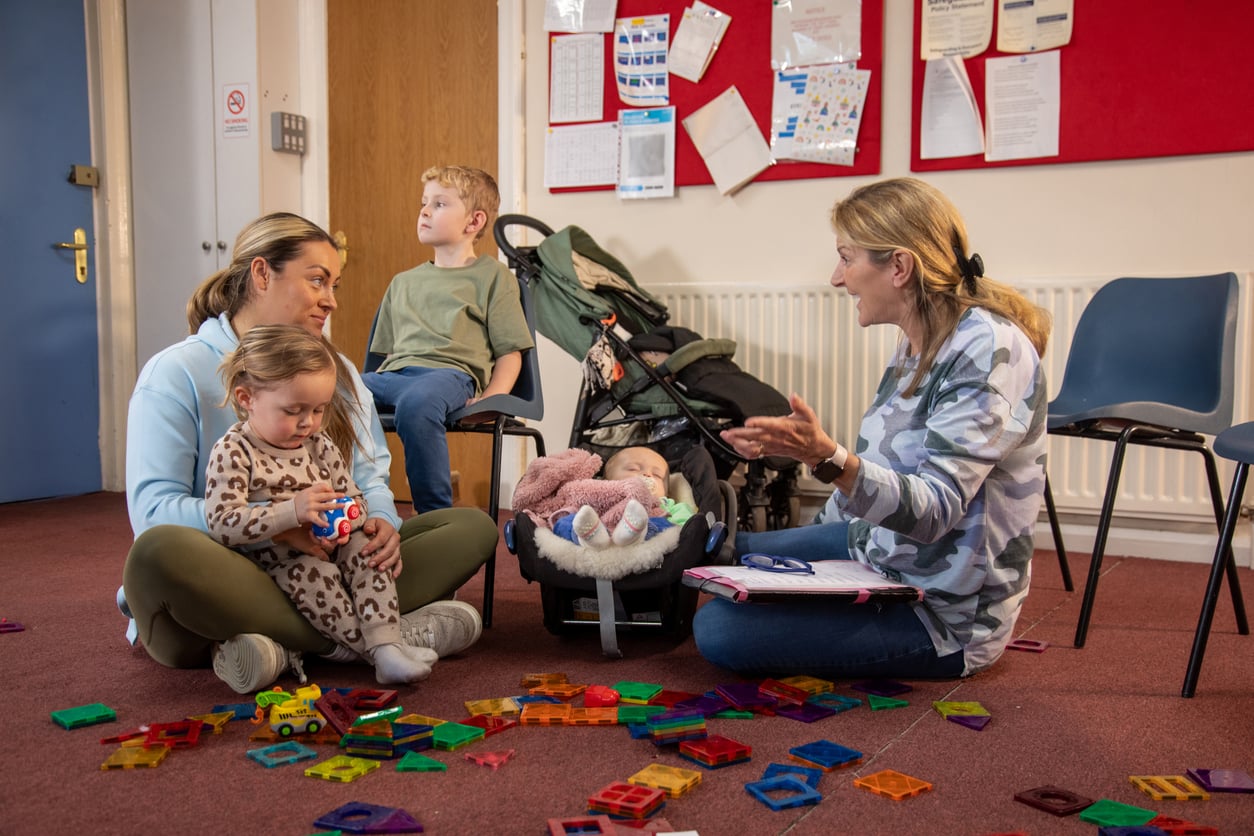
Childcare is one of the clearest reasons families stop at one or two kids. The Federal Reserve found that parents paying for care spent a median of $800 a month, or $1,100 for 20 or more hours a week. Child Care Aware of America data also showed that center-based care for two children exceeded annual mortgage payments in 45 states. That makes a second baby a budget decision, not just an emotional one. Some parents also leave work because care costs more than they earn.
Housing Has Become a Bigger Barrier

A bigger family usually means needing more space, and extra bedrooms are not cheap. High home prices, mortgage rates near 6%, and a shortage of affordable homes have delayed homeownership for many younger adults. The National Association of Realtors reported that the typical first-time homebuyer reached age 40 in 2025, the oldest on record, while first-time buyers made up just 21% of purchases. That matters for family planning. It is harder to picture another child when a starter home already feels out of reach.
Student Loan Debt Delays the Next Step

Student loans do not automatically stop people from having children, but they can make every other milestone harder. The New York Fed reported that student loan balances reached $1.7 trillion in late 2025, with serious delinquency pressures still showing up after pandemic-era pauses ended. A monthly loan payment competes with rent, saving for a down payment, childcare, medical bills, and car costs. For adults in their late 20s and 30s, the question often becomes: should we start a family now, or get financially steadier first?
Many People Are Marrying Later

Later marriage often means later parenthood, and later parenthood can mean fewer children overall. The shift is not just about romance. Many adults spend more years in school, move for work, date longer, or wait until they feel financially secure. By the time couples feel settled, they may have a shorter window for raising several children. This does not mean every parent needs to be married first, but marriage and long-term partnership patterns still shape when many Americans feel ready to start a family.
Trending on Cheapism


Careers Are Taking Priority Earlier in Life

For many adults, the 20s and early 30s are not a quiet season anymore. They are often the years of graduate school, job changes, relocations, promotions, side gigs, and trying to build financial stability. Parenthood can still fit into that picture, but it is harder when paid leave is limited or the workplace is not flexible. Remote work has helped some families, but it has not solved childcare, pregnancy discrimination worries, or the pressure to stay “always available” at work.
Smaller Families Feel More Normal Now

A generation or two ago, a family with three, four, or five children was more common in many communities. Today, one or two children does not raise many eyebrows. Pew-related reporting found that 47% of adults under 50 without children said they were unlikely to ever have them, up from 37% in 2018. That does not mean everyone is rejecting family life. It means the social script has changed. Many parents now feel comfortable saying, “This is the family size that works for us”.
Fertility Challenges Rise When Parenthood Is Delayed

Delaying children can be a smart personal or financial choice, but biology does not always cooperate. Pew-related reporting found that among adults under 50 without children who said they were unlikely to have kids, 13% cited infertility or other medical reasons. Fertility treatments can be expensive, physically demanding, and emotionally draining. Not everyone who waits has trouble. But for some couples, a delayed first child means there is less time, money, or energy for a second or third.
Sign up for our newsletter
Parents Want to Spend More on Each Child

Today’s parenting often comes with bigger expectations. Many parents want to pay for safer neighborhoods, good schools, tutoring, sports, music lessons, and eventually college help. Even when those choices are optional, they can feel necessary in a competitive world. That pushes some families toward fewer children so they can give each child more time and support. The trade-off is practical: instead of stretching the budget thin across four kids, parents may decide two children lets them breathe.
Work-Life Balance Feels Harder Than Ever

Two-income households are common, but that does not mean the workload is evenly light. Parents may be juggling jobs, commutes, homework, daycare pickup, meals, eldercare, and housework with very little downtime. The U.S. Surgeon General’s 2024 advisory warned that work and caregiving demands are cutting into sleep, leisure time, and time with partners. It also cited survey data showing parents report high stress more often than non-parents.
Healthcare Costs Add Another Layer of Risk

Having a baby is not just the cost of diapers and strollers. Pregnancy care, birth, pediatric visits, prescriptions, insurance premiums, and surprise bills can all affect family planning. In 2025, the average cost of an employer-sponsored family health plan reached just under $27,000. Families do not always pay that full amount directly, but rising premiums and out-of-pocket costs still shape paychecks and budgets. For parents with chronic health needs, caution is understandable.
Economic Uncertainty Makes People Cautious

Even people with decent jobs can feel uneasy about having more children when groceries, rent, insurance, and debt payments keep rising. The Federal Reserve survey showed the share of parents with children under 18 who said they were doing at least OK financially fell to 64%, down 5 points from the previous year. That is a big warning sign. A family may not be in crisis, but if layoffs, inflation, or medical bills are always in the back of their mind, they may delay or stop expanding.
More Adults Are Child-Free by Choice

One of the biggest cultural changes is that more adults simply do not want children, and more feel comfortable saying so. Pew-related reporting found that among adults under 50 without children who were unlikely to have them, 57% said they just did not want kids, while 44% said they wanted to focus on other things. That can include work, travel, caregiving, relationships, hobbies, health, or financial independence. It is not always a rejection of children. Sometimes it is a clear preference for a different life.
Caring for Aging Parents Competes for Time and Money

Many adults are not only thinking about babies. They are also helping aging parents, grandparents, or relatives with health problems. AARP and the National Alliance for Caregiving reported that about 63 million Americans were family caregivers in 2025, up sharply over the past decade. That kind of responsibility can affect money, work schedules, mental energy, and available space at home.
College Costs Weigh on Parents Early

College may be 18 years away, but many parents think about it before a baby is born. Even families that do not plan to pay the full bill may want to help with tuition, books, housing, or community college costs. That future expense can shape today’s family size. Parents who remember paying off loans for decades may be especially cautious. They may decide that fewer children gives them a better chance of helping each child start adult life without crushing debt.
Weak Paid Leave and Parent Support Make It Harder

The United States leaves many families to patch together support on their own. The Surgeon General’s advisory called for stronger paid family and medical leave, paid sick time, affordable mental healthcare, and more workplace support for parents. That matters because having a child often means income drops just as expenses rise. Grandparents and relatives help many families, but not everyone has that safety net. When the system feels built for families to struggle privately, some people decide not to stretch their household any further.