

Planning a vacation should be exciting — but for thousands of travelers each year, it turns into an expensive nightmare. Travel booking scams are becoming increasingly sophisticated, with fraudsters creating fake rental listings, cloning legitimate travel websites, and even impersonating hotel front desks after spotting clues in your social media posts. According to the Federal Trade Commission, travel-related scams continue to cost consumers millions of dollars annually, often leaving victims without reservations, refunds, or recourse.
The good news? Most of these scams follow predictable patterns. Here are eight of the most common travel booking scams, how they work, and the practical steps you can take to avoid them.
Fake Vacation Rentals
How it works:
Scammers post listings for rentals that do not exist or are not controlled by the person who posted the ad. Photos can be copied from legitimate listings and prices are often unrealistically low.
How to avoid it:
- Always cross-check the address and photos on multiple platforms.
- Do a reverse-image search to see where else the photos appear.
- Avoid listings that ask for payment off platform or via direct wire transfer.
Fake Travel Websites / Booking Portals
How it works:
Fraudsters create websites that look nearly identical to real travel or booking brands (e.g., Booking, Expedia). They may change a single letter in the URL or remove secure site indicators like HTTPS. When you “book,” scammers steal your payment info — but no real reservation happens.
How to avoid it:
- Type the brand’s URL manually rather than clicking links in emails or ads.
- Look for HTTPS and the padlock icon.
- Search the site name paired with terms like “scam” or “review.”
Social Media-Informed Hotel Scams
How it works:
Scammers use AI and visual cues from public photos to identify guests and impersonate hotel front desks. They may then contact you claiming there’s a billing issue and demand payment (often outside official channels).
How to avoid it:
- Be careful about posting detailed photos that reveal exact hotel features or room numbers.
- Verify any payment request directly with the hotel through their official channels.
Phishing Travel Deals & ‘Free Vacation’ Offers
How it works:
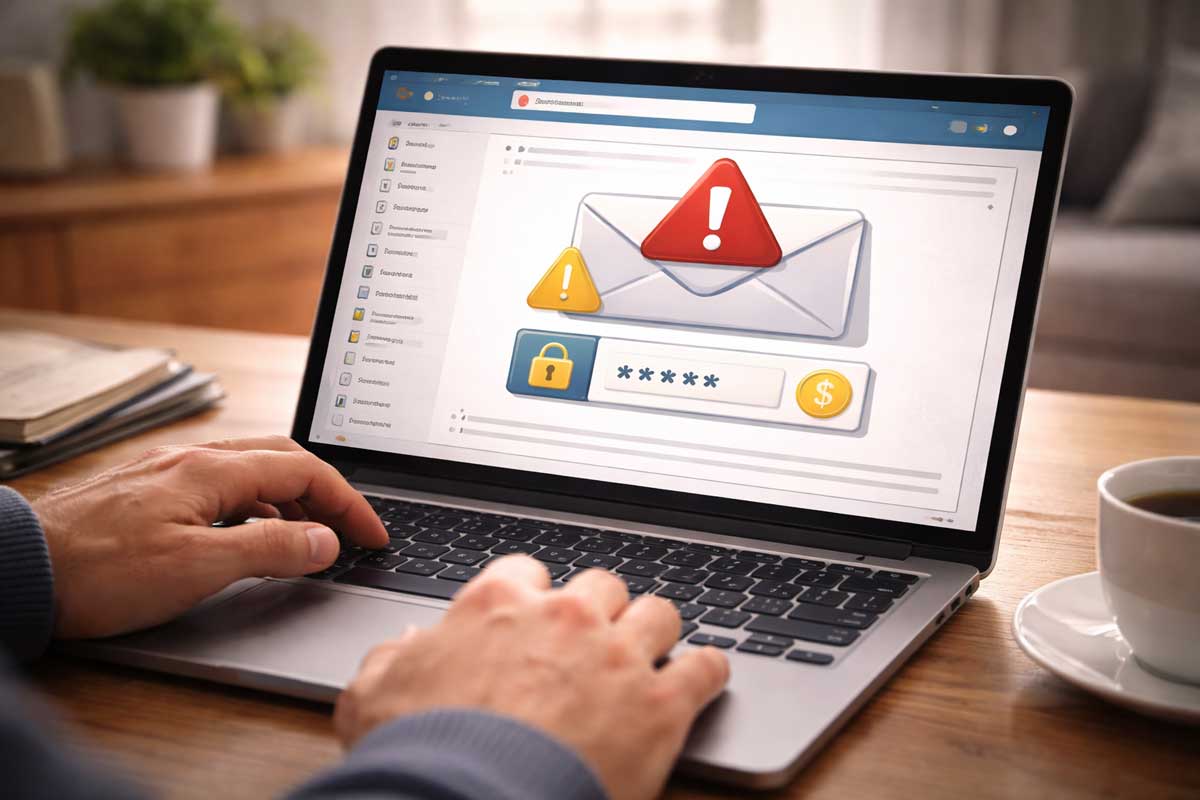
You receive emails, calls, or texts claiming you’ve won a free trip or a deeply discounted package. But to access it, you must pay a “fee,” taxes, or confirm personal details — which goes straight to scammers.
How to avoid it:
- Never respond to unsolicited offers.
- Check directly with the airline or hotel provider before you click anything.
Phony Airline Tickets & Bookings
How it works:
Scammers sell fake tickets that look real on the surface. Victims only learn the truth at the airport when they can’t check in or board.
How to avoid it:
- Book directly through airlines or trusted online agents with strong reputations.
- Avoid low-priced tickets from unknown third-party sites — especially those that require unusual payment methods.
Trending on Cheapism


Deep-Discount Travel Packages that Don’t Exist
How it works:
Fraudsters advertise luxury trips at huge discounts, often on social media. After you pay upfront, the trip either never materializes or is not what was promised.
How to avoid it:
- Look up the company behind the offer by searching reviews and complaints.
- If the deal seems too good to be true, it probably is.
Fake ‘Booking Risk’ Messages
How it works:
Scammers send what looks like an official message from booking platforms, saying your reservation is “at risk” unless you provide payment details again. These messages can link to fake sites that steal your info.
How to avoid it:
- Always check your booking directly on the platform’s real app or website.
- Never enter payment details via links sent in messages.
Dark Web Travel Agencies & Triangulation

How it works:
Fraudsters operate on the dark web, offering legitimate-looking travel services at unusually low prices by using stolen credit card or loyalty data. You think you have booked a real trip — but cancellation or legal trouble can follow.
How to avoid it:
- Stick with well-known travel agents and platforms.
- Monitor your payment accounts closely for unauthorized charges.
Sign up for our newsletter
More From Cheapism

- 14 Ways to Travel Internationally Without Setting Your Money on Fire — Smart tweaks to your eats, stays, and transport can shave serious cash off international travel without sacrificing the adventure.
- Guess We’re Staying Home: Why Traveling to Our Favorite Vacation Spot Is Way Too Expensive Now — Once-affordable trips now feel out of reach as flight and hotel prices skyrocket, leaving many favorite destinations suddenly off the table.
- Once Included, Now Extra: 10 Hotel Amenities That We Can’t Believe Cost Money — From free breakfast to Wi-Fi and parking, hotel perks that used to be part of the deal are now nickel-and-diming travelers with extra fees.