

If job hunting wasn’t exhausting enough, some employers have decided to add a bonus round: the unpaid “trial shift.” You show up thinking you’re there to interview, and the next thing you know, you’re bussing tables, running orders, stocking shelves, or doing another type of work … for free. Then comes the classic finale: no paycheck, no follow-up, not even a “thanks but no thanks.”
It’s happening everywhere, and workers are done playing along. Reddit is filled with stories from people who went in for an interview and somehow ended up clocking real hours without ever seeing a dime. And while some businesses call it “part of the process,” labor laws — and real-life workers — have a different name for it: wage theft.
What Is a Trial Shift?

A trial shift — sometimes called a working interview — is when an employer asks a job candidate to come back and actually work a shift as part of the interview process. On paper, it’s meant to give both sides a chance to see how the job really feels before offers are made. In practice, however, many candidates are left doing hours of real work without pay, sometimes getting ghosted with no job and no explanation.
A trial shift isn’t just a conversation — it’s hands-on labor in the workplace. In industries like food service, hospitality, retail, and even some office jobs, prospective hires may be asked to take orders, serve customers, prep food, stock shelves, or perform other normal duties as part of these “shifts.”
Workers Say This Practice Is Everywhere
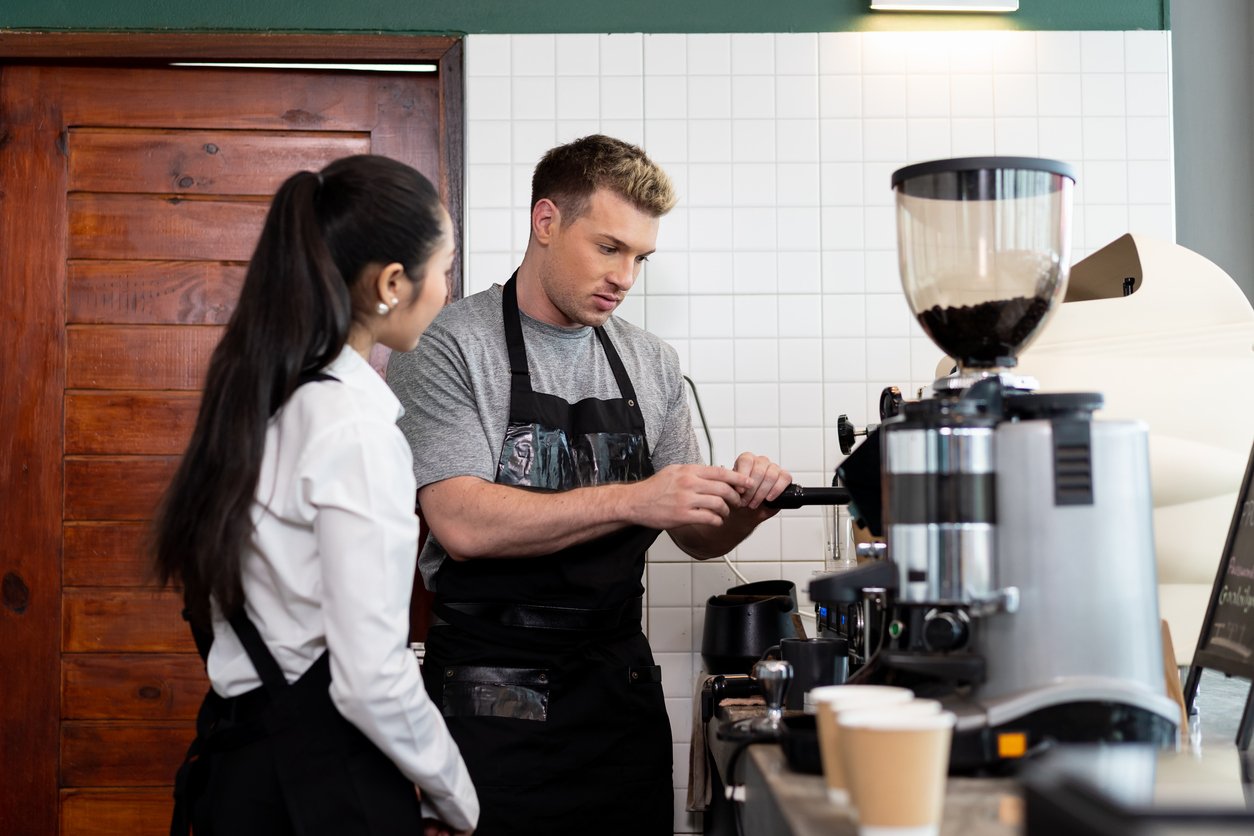
On Reddit and in worker forums, complaints about unpaid trial shifts are rampant. One parent shared how their 18-year-old daughter was invited for an interview and then asked to work a busy shift the next day, told she’d be paid, and then heard nothing after showing up and working hard without training or compensation. The employer never asked for IDs, bank details, or paperwork and didn’t even send a rejection email.
Another Redditor said they walked out of a four-hour unpaid trial shift after realizing the employer expected free labor, while someone else did the same thing — except the employer later told them they weren’t hiring.
All of this brings me back to my first job at a diner when I was 15 years old, doing a “trial shift” on Thanksgiving. I waited tables by myself and had to give all of my tips to the server who was “training” me. Needless to say, I didn’t last long there.
Why Workers Are Calling This ‘Wage Theft’

When you show up and do actual work — serving customers, fulfilling tasks your boss is paid for, or otherwise contributing to the business — that time is legally considered work time. Under the Fair Labor Standards Act (FLSA), almost all employees must be paid for every hour of work they perform.
Federal guidance makes a clear distinction: If you perform work that would normally be done by a paid employee, you must be compensated. That includes jobs performed during interviews if they generate value for the business. That’s why many candidates — like the barista on the aforementioned Reddit thread who said “That’s called wage theft!” when asked to work a four-hour unpaid shift — are now pushing back and even reporting employers to labor boards.
Red Flags to Watch Out For

Watch out for hiring managers or job postings that ask for:
- Full shifts unpaid
- Multiple trial sessions
- No paperwork or contact info taken
- No follow-up or rejection message
These are usually signs the employer is leveraging the job hunt for free labor or, at the very least, doesn’t respect worker compensation norms. On the flip side, if you’re applying for something like a barista job and they show you how to make a latte and then ask to see if you can do that too, that’s a passable request.
Have you ever been asked to work a trial shift — and then not been paid for it? Tell us about your experience in the comments.
More on Cheapism

- 15 Low-Stress, High-Paying Jobs to Pursue — Wherever you are on your career journey, there are work options out there that don’t have to take over your life.
- 42 Really Odd Jobs That Actually Exist (And Actually Pay Pretty Well) — Incredibly odd jobs are out there, and someone has to do them.
- 10 Middle-Class Jobs That Are Disappearing the Fastest — Many of these are decent-paying jobs, most of which only require a high school or a bachelor’s degree.