Frozen food products have come a long way from TV dinners and emergency meals. Today’s freezer aisle is filled with everything from flash-frozen fruits and vegetables to high-quality seafood, proteins, and ready-to-cook ingredients that can save both time and money. As grocery prices remain elevated in 2026, many shoppers are relying on frozen foods to reduce waste, stretch their budgets, and keep healthy staples on hand year-round.
But simply filling your freezer isn’t enough to maximize the value. The biggest savings come from choosing the right frozen products, storing them properly, and knowing which foods freeze well—and which ones don’t. These tips draw on guidance from the USDA, Consumer Reports, food storage experts, and experienced home cooks to help you get the most from your freezer while avoiding common mistakes.
Buy Frozen Fruits That Are Out of Season
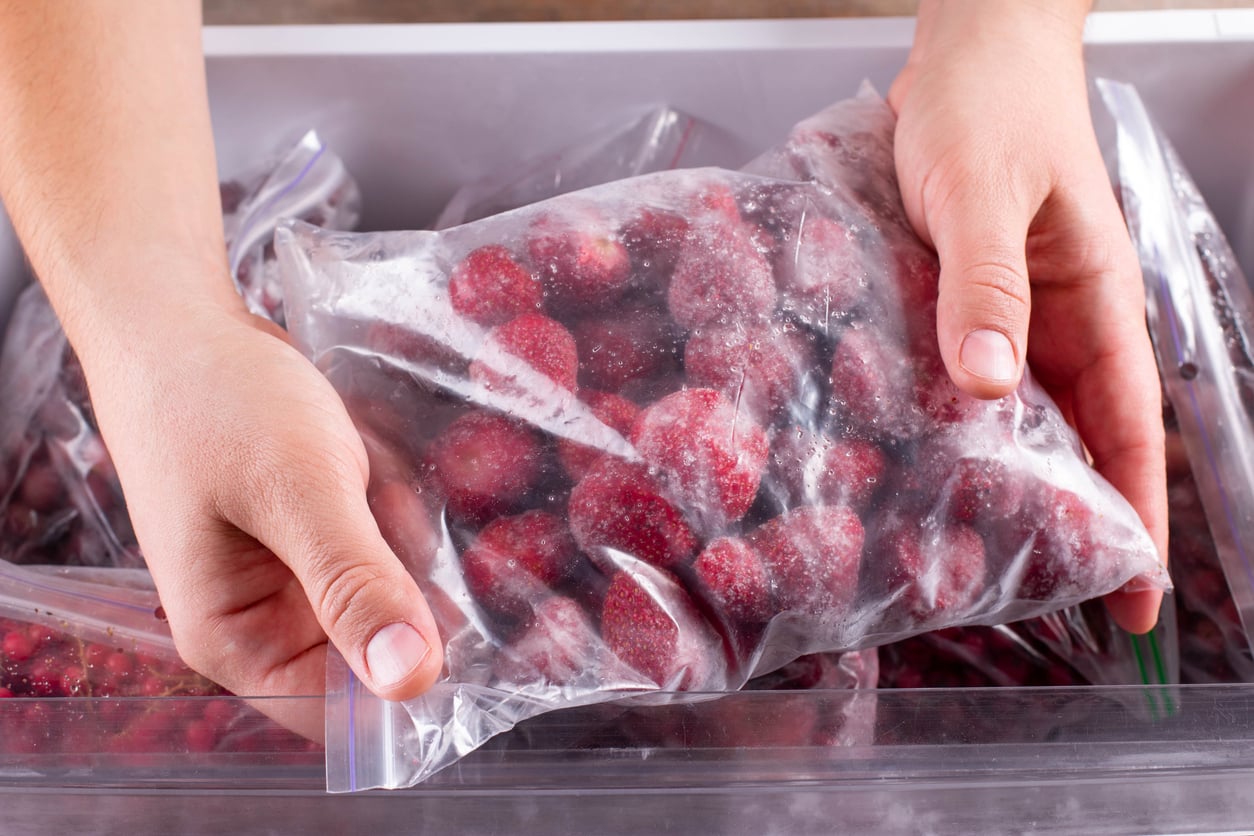
Frozen fruit is one of the easiest ways to save money without sacrificing nutrition. Because berries, mangoes, peaches, and other fruits are typically frozen shortly after harvest, they retain much of their nutritional value while lasting far longer than fresh produce. They’re perfect for smoothies, oatmeal, yogurt, baking, and desserts, and they eliminate the frustration of throwing away moldy berries just days after buying them. Consumer Reports also notes that frozen fruit is available year-round and often costs significantly less than fresh out-of-season produce. When shopping, choose varieties without added sugar for the best value.
Keep Frozen Vegetables as Everyday Staples
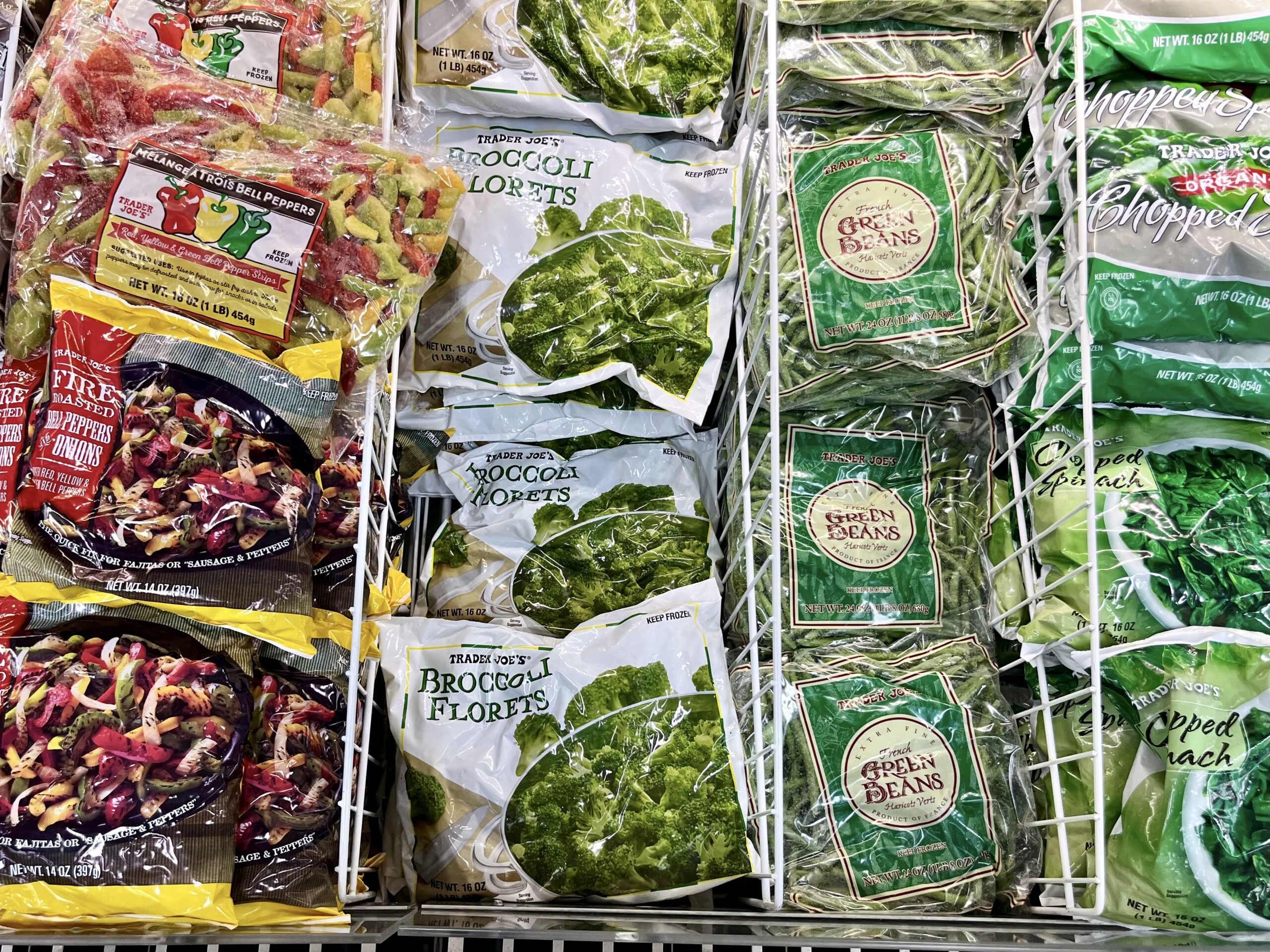
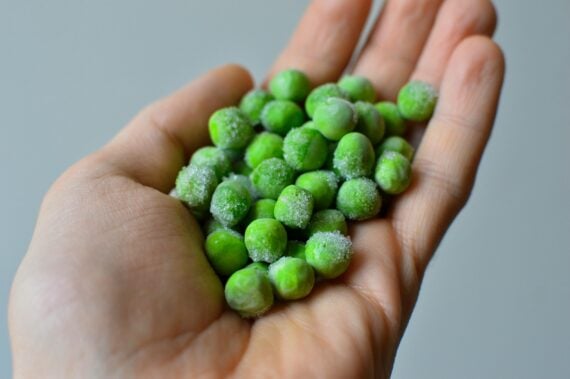
Frozen vegetables are one of the smartest grocery purchases because they’re picked at peak ripeness and flash-frozen quickly, helping preserve vitamins and minerals. Broccoli, peas, corn, spinach, green beans, and mixed vegetables can be added directly to soups, stir-fries, casseroles, pasta, and side dishes with virtually no prep work. Since they last for months, they’re far less likely to end up in the trash than fresh produce. Consumer Reports recommends keeping several bags on hand because they offer convenience without major nutritional compromises.
Portion Bulk Meat Before Freezing
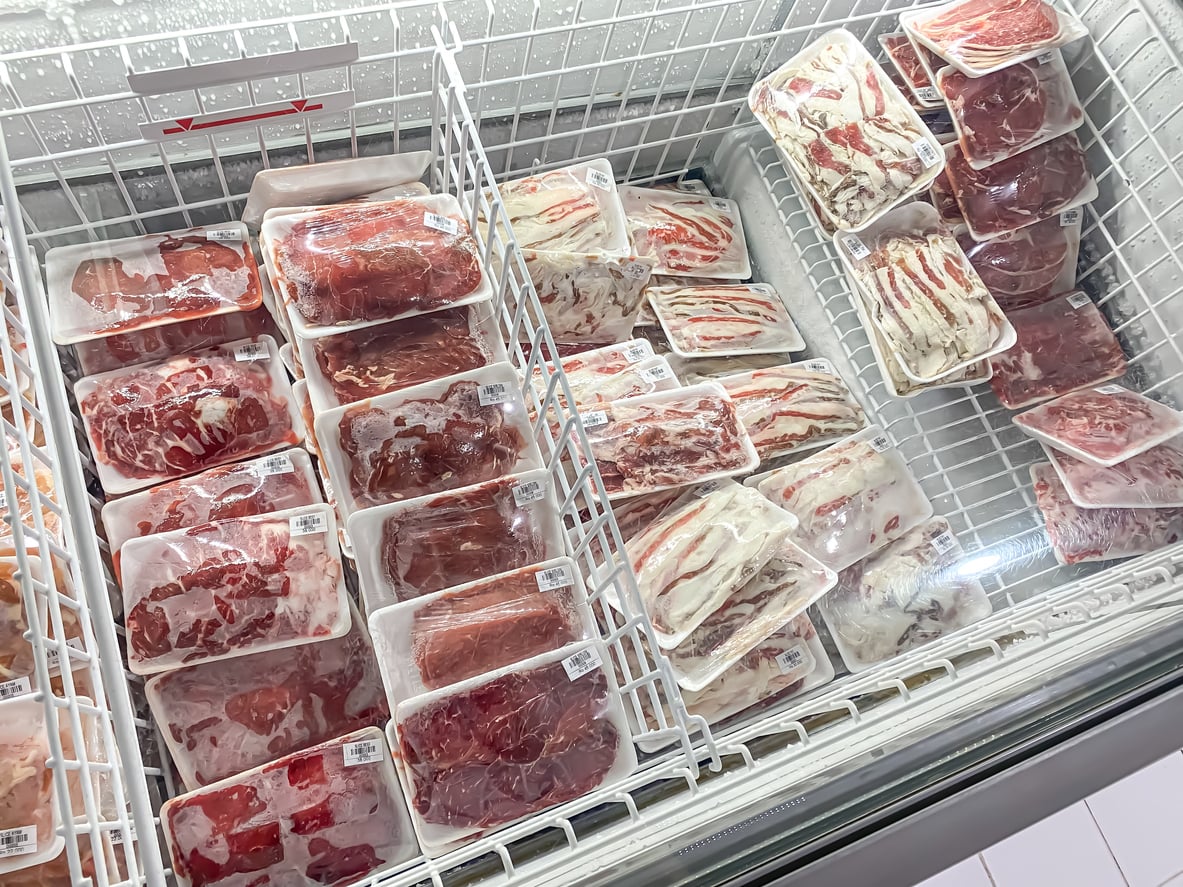
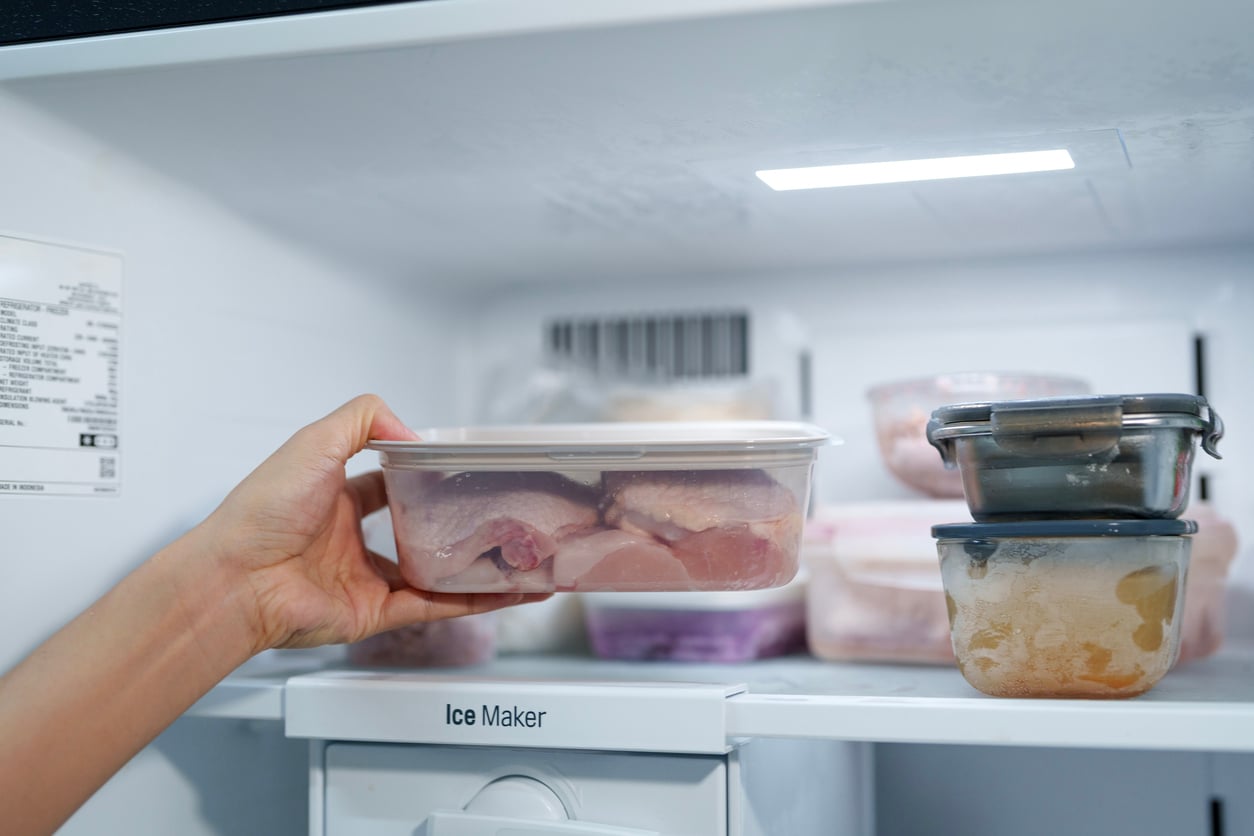
Buying family packs of chicken, ground beef, pork, or steak often provides meaningful savings—but only if the meat is portioned before freezing. Divide large packages into meal-sized servings using freezer bags or vacuum-sealed pouches, remove as much air as possible, and label each package with the date. This makes weeknight cooking easier while reducing freezer burn and unnecessary waste. Proper packaging also allows you to thaw only what you need instead of repeatedly freezing and refrigerating large portions. USDA guidance recommends storing frozen foods correctly to maintain quality over time.
Freeze Leftovers Before They Go Bad
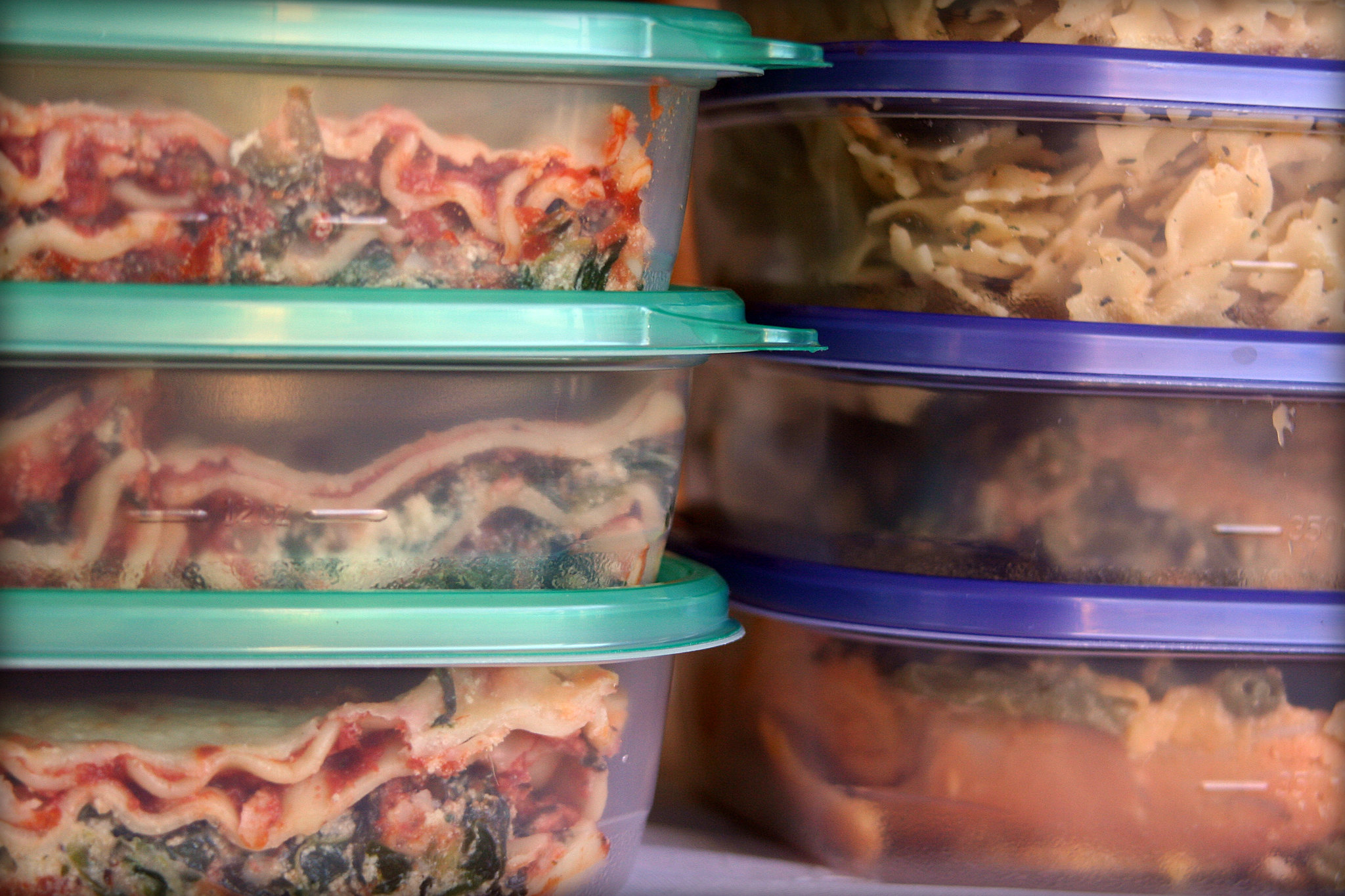
One of the biggest freezer advantages is preventing leftovers from becoming food waste. Instead of waiting until food is about to spoil, freeze soups, chili, casseroles, cooked rice, sauces, shredded chicken, or individual meal portions while they’re still fresh. Labeling each container with the contents and date makes it much easier to rotate meals. Consumer Reports also recommends freezing leftovers you’ll be unable to finish within a few days instead of letting them linger in the refrigerator.
Stock Bread and Tortillas in the Freezer
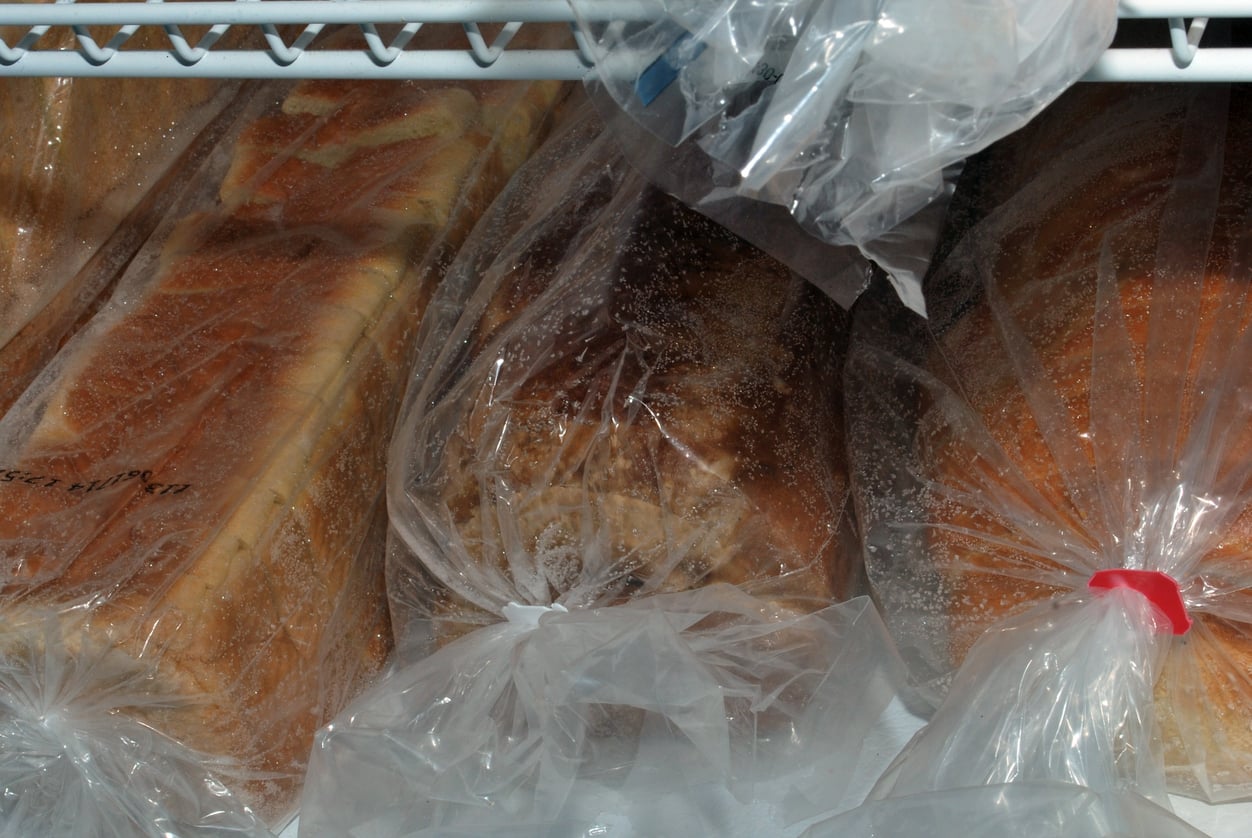
Bread products freeze remarkably well and thaw quickly, making them ideal for bulk purchases. Sliced bread, bagels, tortillas, English muffins, and burger buns can all be frozen for weeks or months with little noticeable loss in quality. Many people toast bread directly from frozen, making this one of the easiest ways to reduce food waste. Buying larger packages during sales becomes much more practical when freezer storage prevents mold before everything can be eaten.
Trending on Cheapism
Use Frozen Ingredients for Faster Meal Prep
Frozen foods aren’t limited to complete meals. Keeping frozen diced onions, peppers, broccoli, spinach, cooked rice, shrimp, and chicken strips on hand dramatically reduces weeknight cooking time. Since much of the washing, peeling, and chopping has already been done, it’s easier to prepare balanced meals even on busy evenings. Many home cooks intentionally build their freezer around versatile ingredients rather than frozen entrées, giving them more flexibility while reducing reliance on takeout.
Rotate Your Freezer Like a Pantry
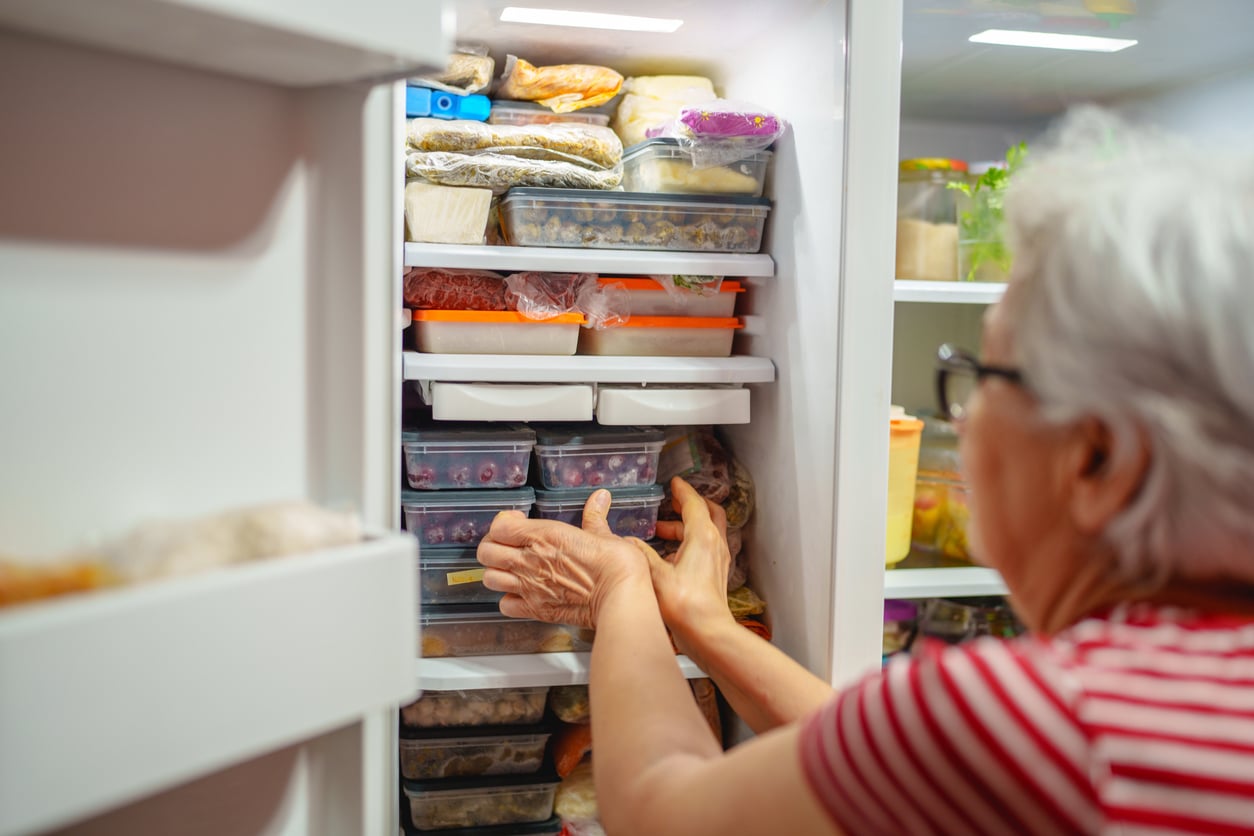
A freezer works best when it’s organized instead of becoming a place where forgotten food disappears for years. Label every package with the freezing date and use older items first to reduce freezer burn and waste. Keeping a simple inventory—whether on paper or in a phone app—also prevents duplicate purchases and reminds you what ingredients are already available. USDA food storage guidance emphasizes proper labeling and organization to maximize both quality and safety.
Buy Frozen Seafood Instead of “Fresh”
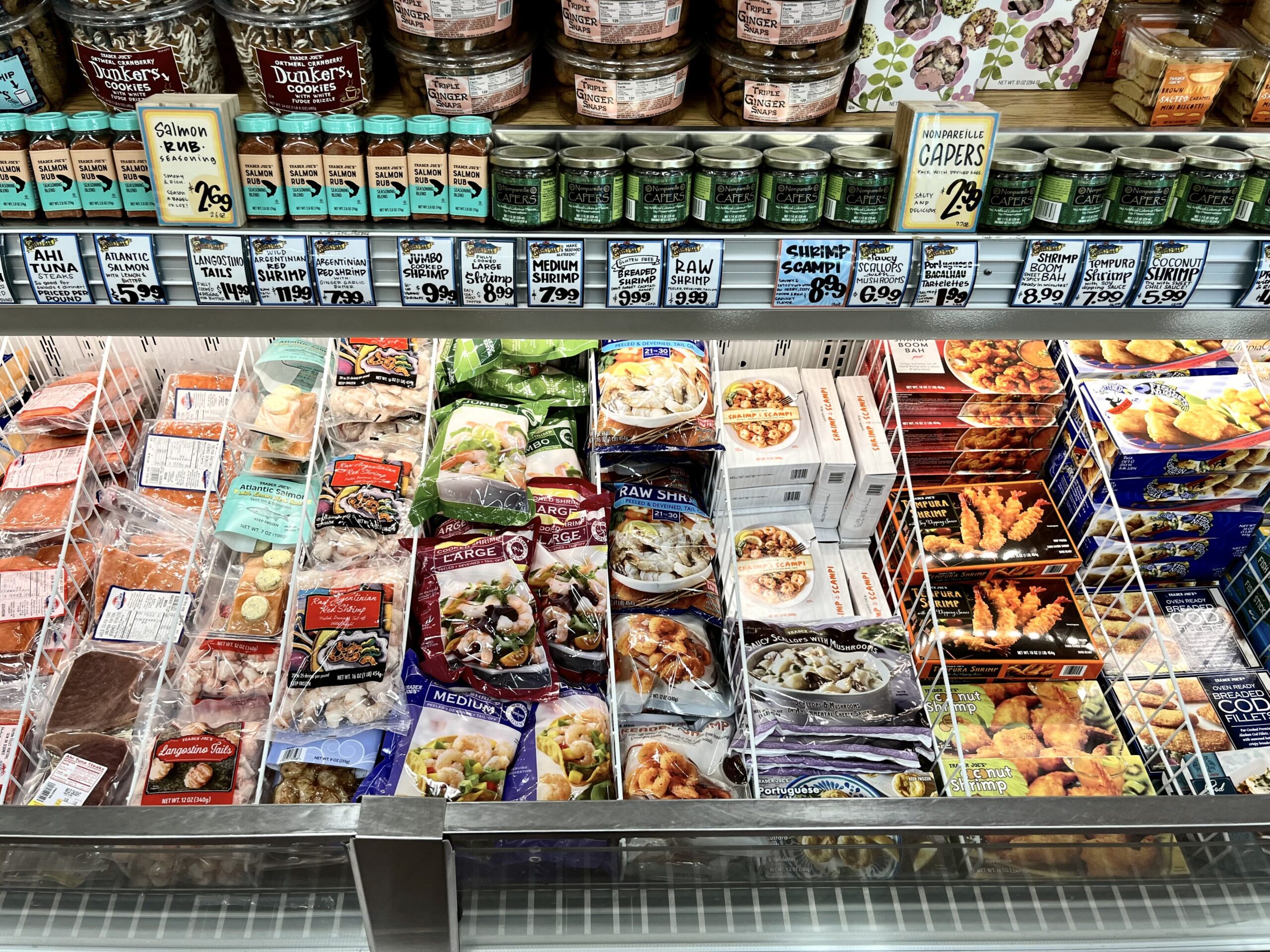
Much of the seafood sold as fresh at grocery stores was actually frozen shortly after being caught and later thawed for display. Buying it frozen yourself often provides similar quality while giving you a much longer storage life and reducing the pressure to cook it immediately. Individually frozen fillets also make portion control much easier, allowing households to prepare only what they need while avoiding spoilage.
Sign up for our newsletter
Take Advantage of Frozen Convenience Foods During Sales
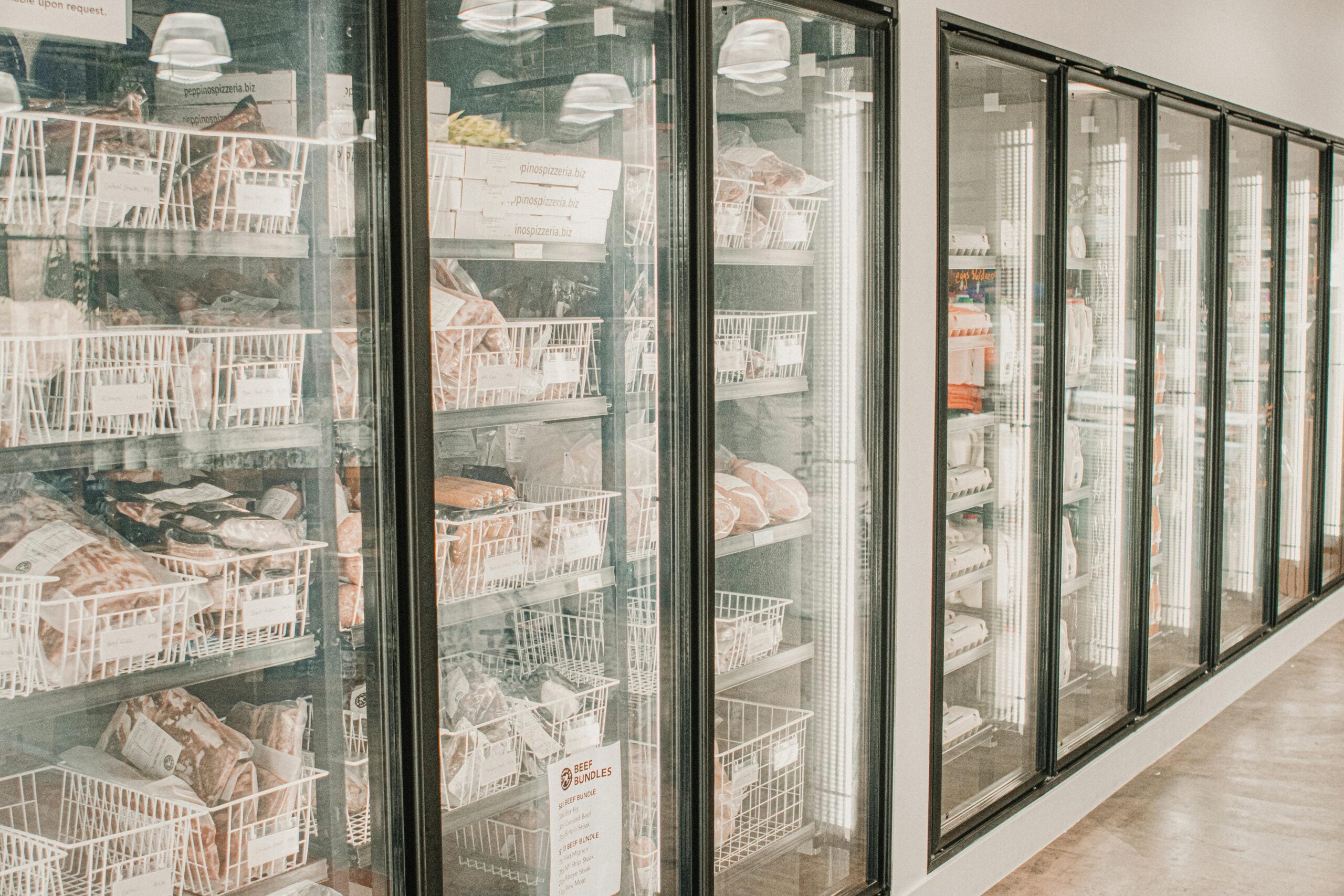
Frozen pizzas, vegetables, breakfast items, appetizers, and ready-made meals frequently receive deep discounts during major grocery promotions and National Frozen Food Month. Stocking up on products your household already enjoys can lower grocery bills while ensuring quick meal options are always available. Consumer Reports recommends paying attention to ingredient lists and nutrition labels, since some frozen meals are much healthier than others.
Freeze Extra Ingredients Before They Spoil
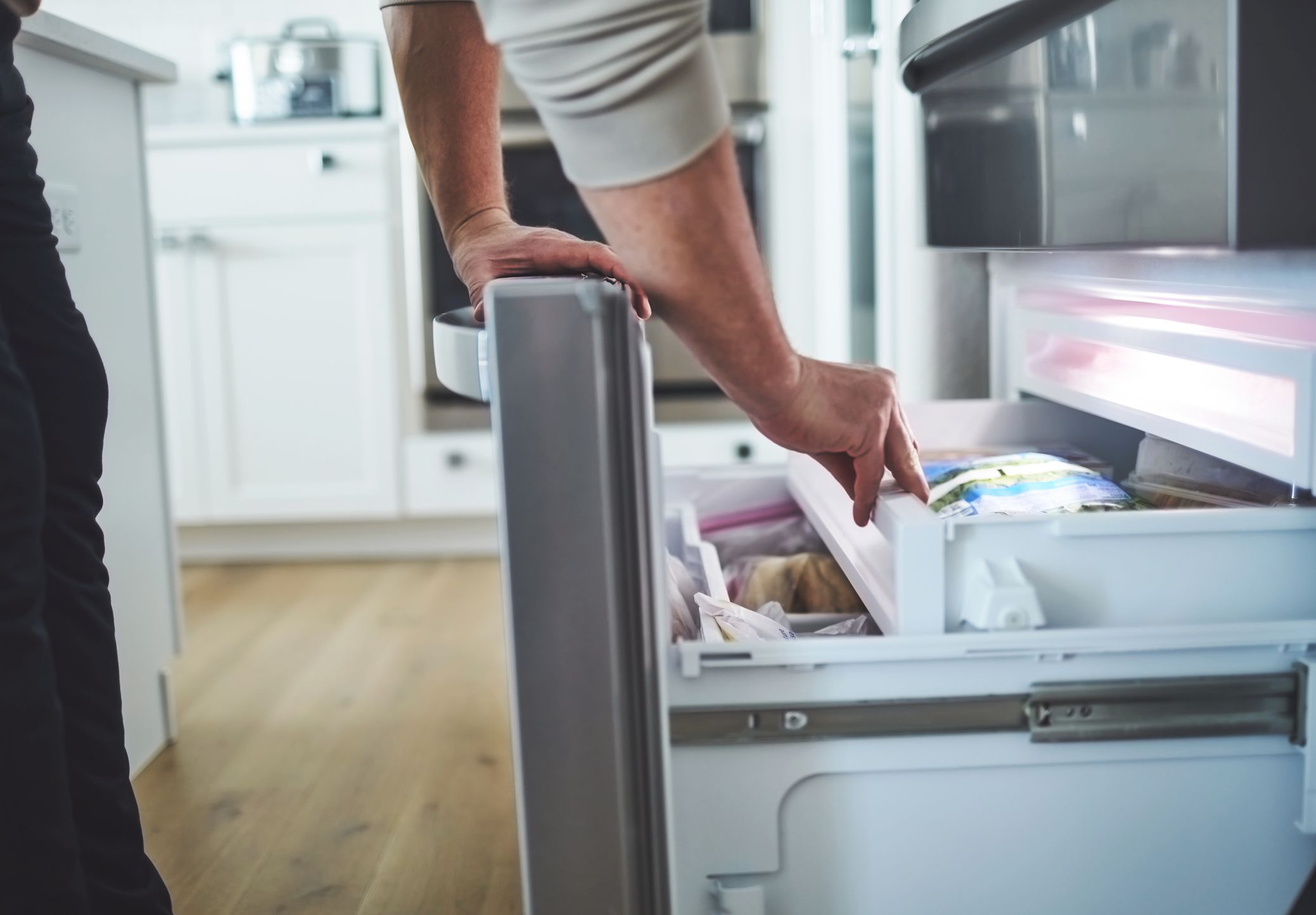
You don’t have to buy products frozen to benefit from your freezer. Herbs, grated cheese, butter, cooked beans, tomato paste, broth, ripe bananas, and chopped vegetables can all be frozen before they spoil. Many experienced home cooks freeze leftover ingredients in small portions, making future recipes easier while significantly reducing food waste. It’s one of the simplest habits for stretching every grocery dollar.
Stop Buying Frozen Meals Just Because They’re Convenient
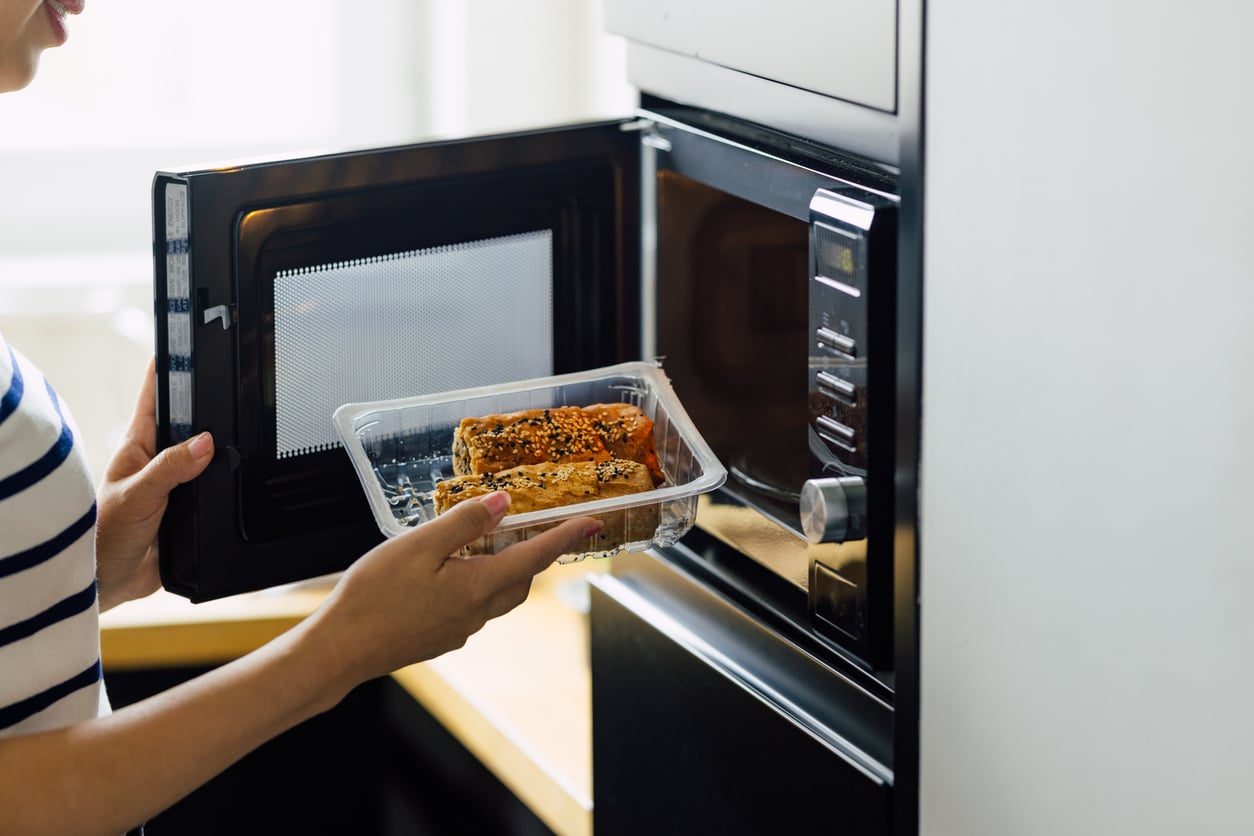
Convenience alone doesn’t always equal value. Many frozen entrées contain relatively small portions while costing significantly more than preparing similar meals from basic frozen ingredients. They can also be high in sodium, saturated fat, or added sugars depending on the brand. Consumer Reports recommends focusing more on frozen fruits, vegetables, and whole ingredients than relying heavily on highly processed frozen meals.
Stop Ignoring Freezer Burn
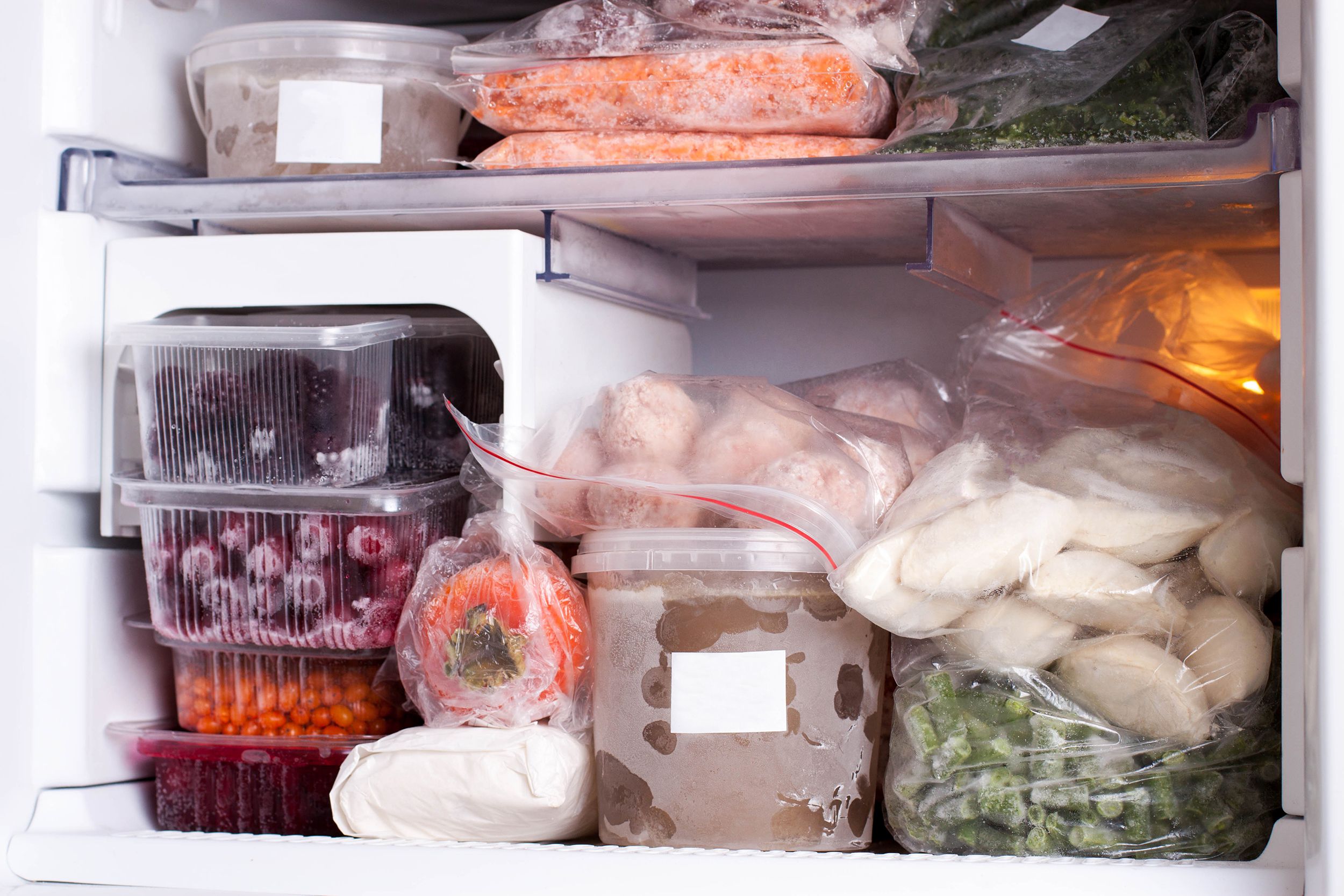
Freezer burn won’t usually make food unsafe to eat, but it can seriously damage flavor and texture. Ice crystals form when food is exposed to air, causing meats to dry out and vegetables to lose quality. Using airtight packaging, removing excess air, and rotating older food first greatly reduces the problem. Investing in better freezer bags—or a vacuum sealer for frequent bulk buyers—can save money by preserving food longer.
Stop Freezing Foods That Don’t Freeze Well
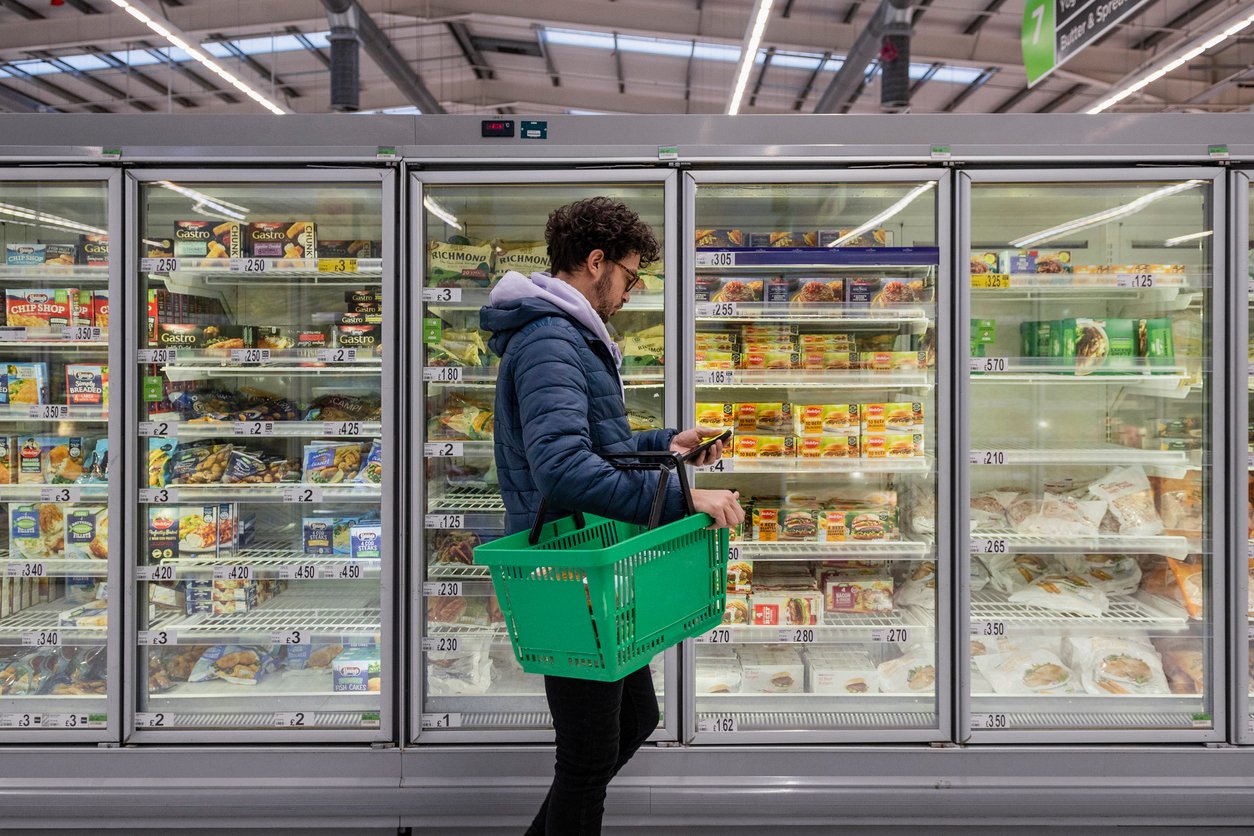
Not every grocery item benefits from freezing. Foods with high water content, such as lettuce, cucumbers, and watermelon, often become mushy after thawing, while mayonnaise, cream-based sauces, and some soft cheeses tend to separate and lose their texture. Fried foods also lose much of their crispness unless reheated carefully. Knowing which products freeze poorly prevents disappointing meals and unnecessary waste.
Stop Forgetting What’s Already in the Freezer
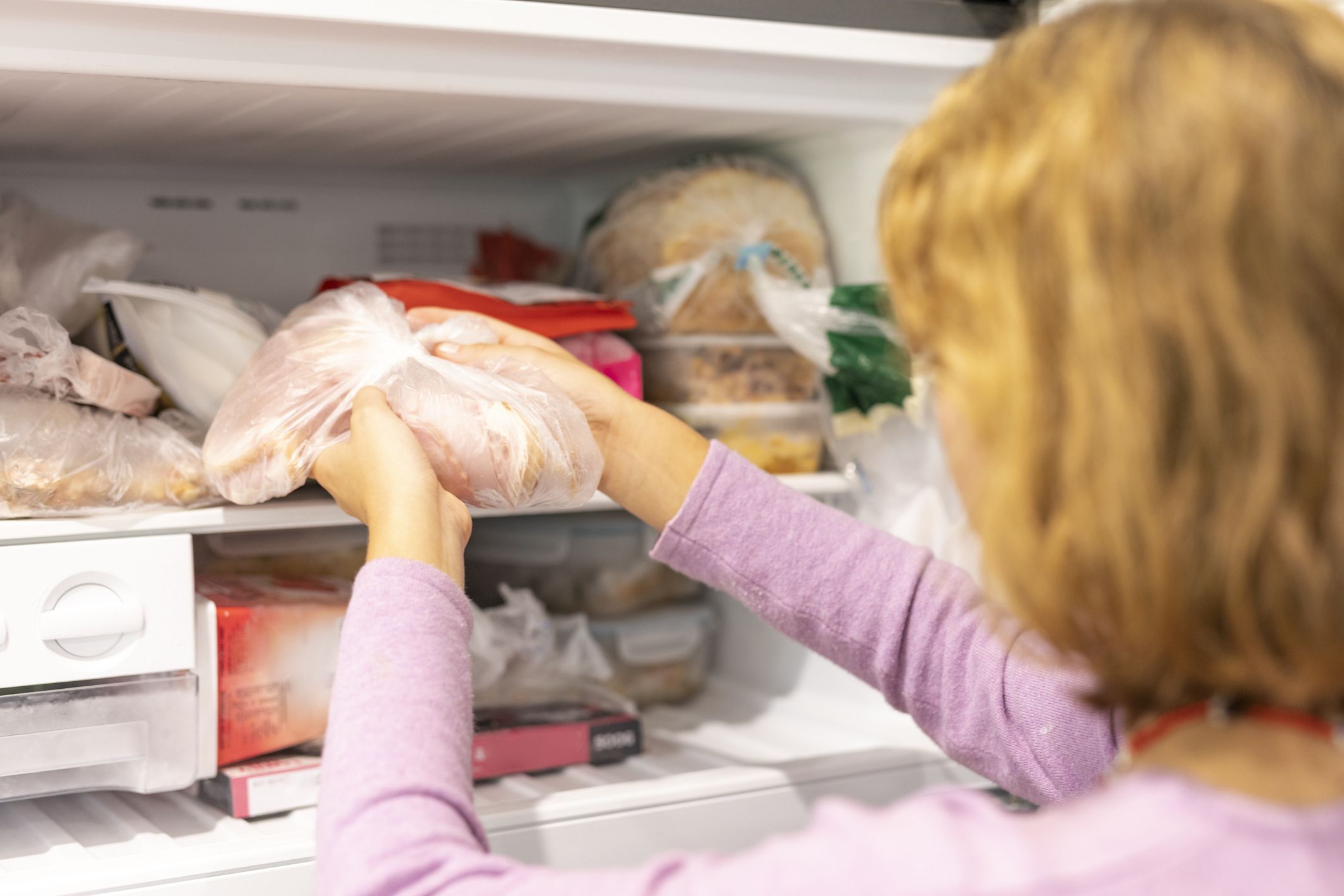
A crowded freezer can easily become a graveyard for forgotten leftovers and duplicate purchases. When food gets buried beneath newer items, it’s far more likely to remain unused until quality declines. A simple inventory list, labeled containers, and occasional clean-outs make it much easier to use what you already have before buying more. Organizing your freezer is often just as valuable as filling it.
Stop Buying More Than Your Freezer Can Hold
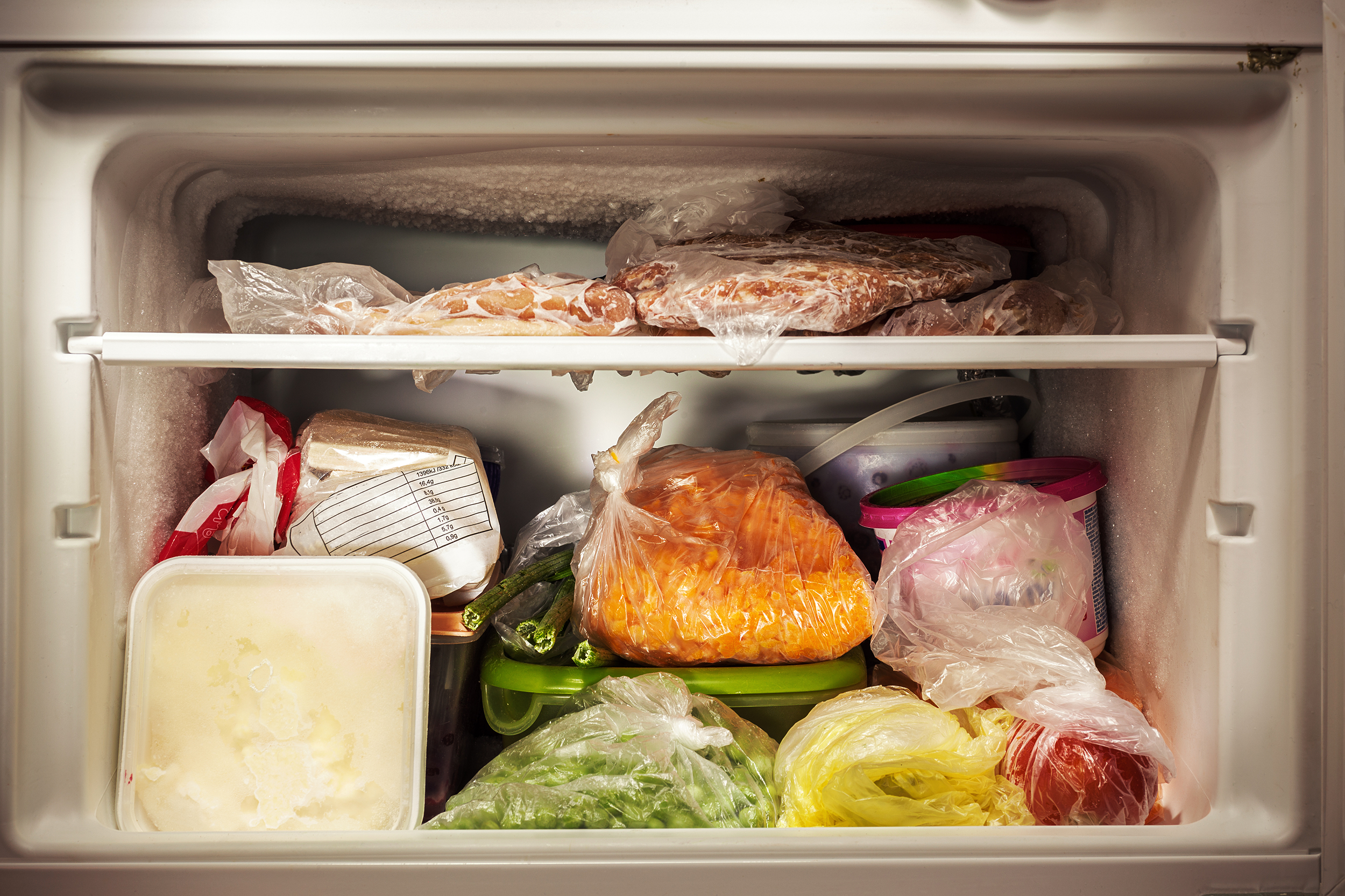
Bulk sales lose much of their value when groceries are crammed into an overfilled freezer. Poor airflow makes it harder to organize food, packages become difficult to find, and items are more likely to be forgotten. Before stocking up, make sure you have enough freezer space to store everything properly and rotate older items first. Buying only what you can realistically store—and eventually eat—is usually the smarter financial decision.
Stop Assuming Frozen Means It’ll Last Forever
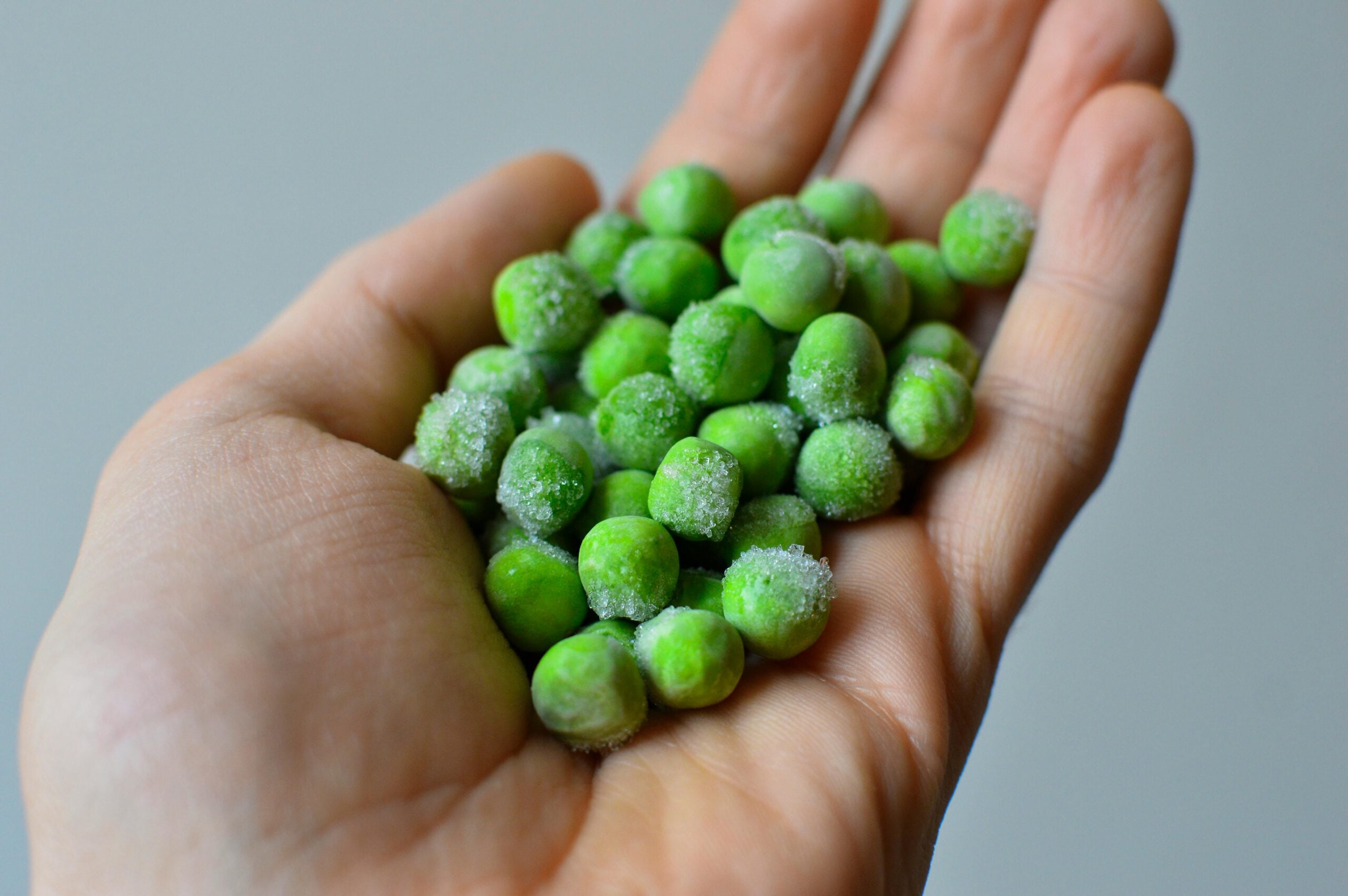
Freezing keeps food safe for extended periods, but quality gradually declines over time. Meats can develop freezer burn, vegetables lose texture, and prepared meals become less appealing the longer they sit. Dating packages and rotating inventory ensures frozen food is enjoyed while it’s still at its best rather than becoming another forgotten item. The freezer is an excellent tool for reducing waste—but only if it’s used regularly.
Make Your Freezer Work Harder for Your Grocery Budget
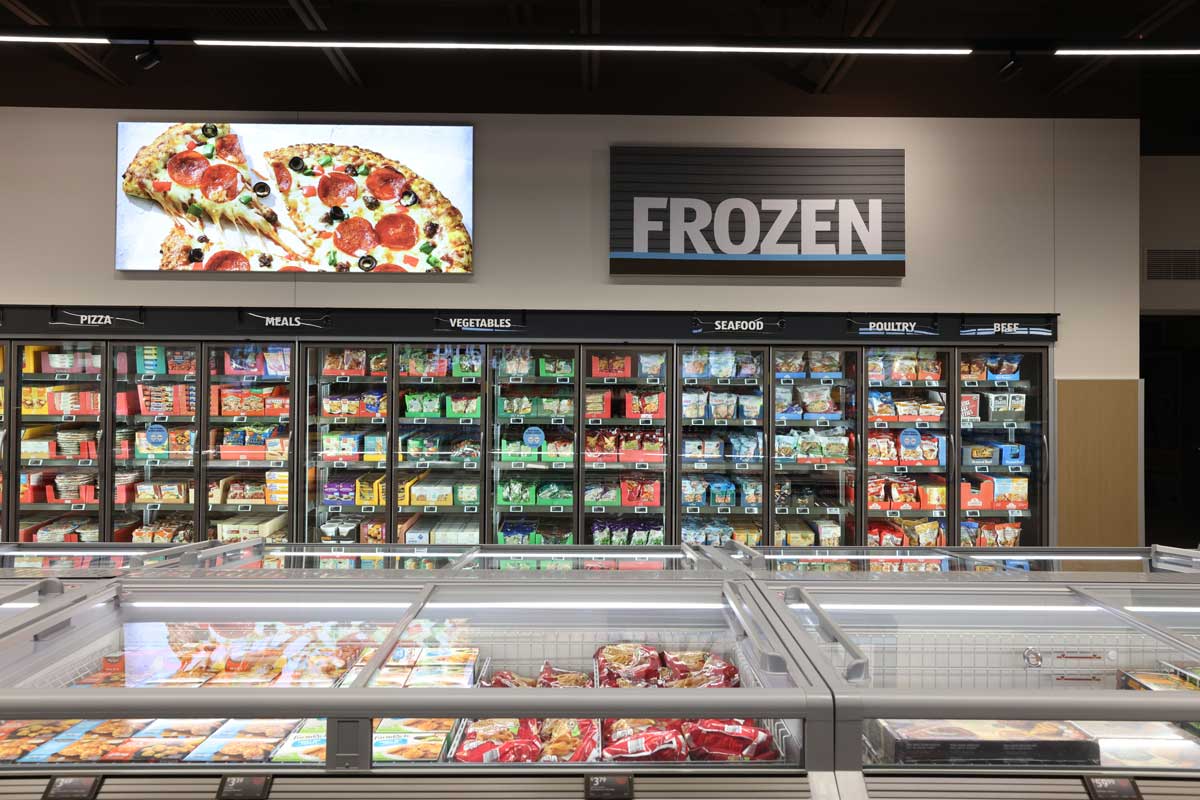
Frozen foods are no longer just backup meals for busy nights—they’ve become one of the smartest tools for lowering grocery bills, reducing food waste, and making healthy meals easier to prepare. By stocking versatile frozen ingredients, freezing leftovers before they spoil, and organizing your freezer carefully, you can stretch your food budget without sacrificing convenience or nutrition. At the same time, avoiding a few common freezer mistakes will help ensure every purchase actually saves money instead of becoming another forgotten package hidden beneath the ice.