Grocery shopping habits can make a surprisingly large difference to a household budget, especially when food prices remain noticeably higher than they were several years ago. In May 2026, grocery prices were 2.7% higher than a year earlier, according to the U.S. Bureau of Labor Statistics. Yet experienced shoppers say the most useful changes are rarely extreme. Checking the pantry, planning realistic meals, comparing unit prices, freezing food properly, and using leftovers can gradually reduce waste and make every grocery trip more intentional.
Shop the Pantry Before Shopping the Store
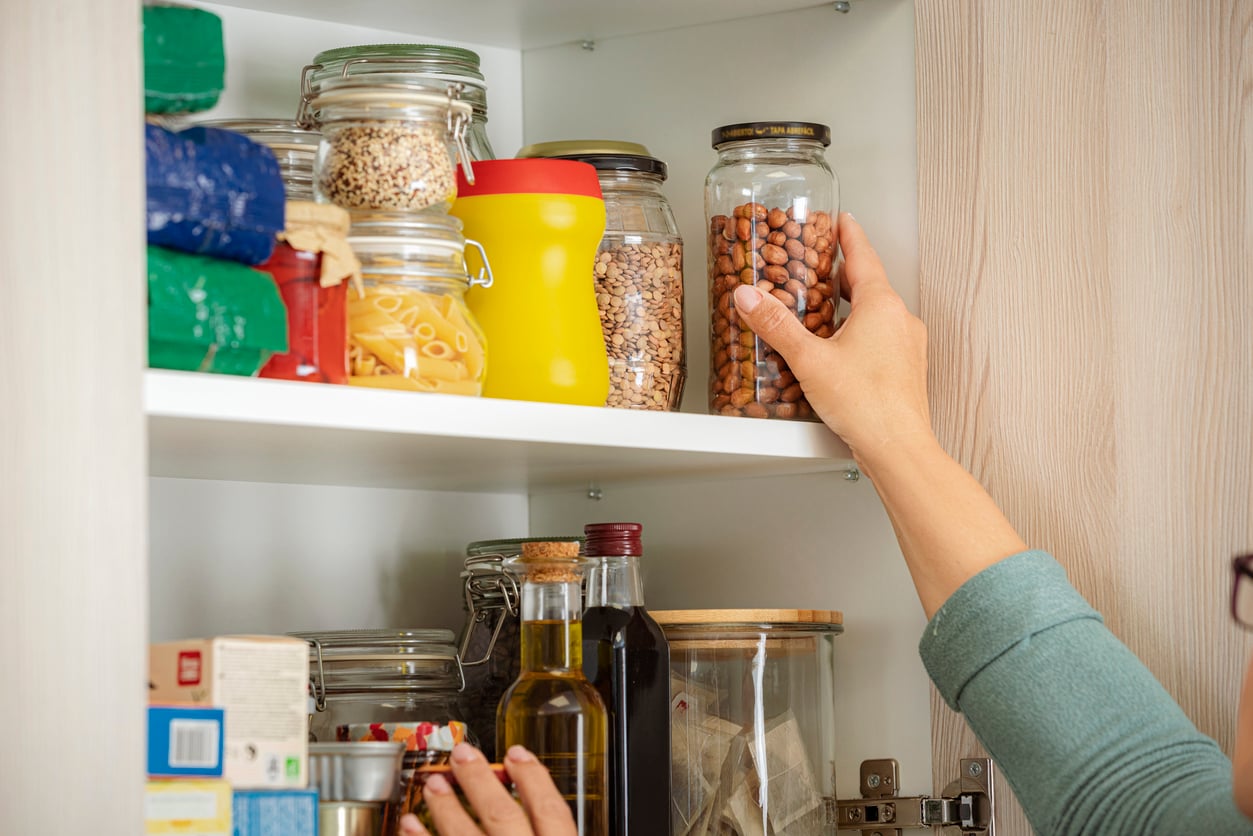
Before writing a grocery list, open the refrigerator, look through the freezer, and check the back of the pantry. Shoppers in frugal communities frequently describe finding duplicate condiments, forgotten frozen meat, and canned goods they nearly bought again. A quick inventory also makes meal planning easier: half a box of pasta and a jar of sauce may already cover dinner. The limitation is that this works only when food is reasonably organized and visible, not buried indefinitely.
Plan Meals for the Week You Will Actually Have
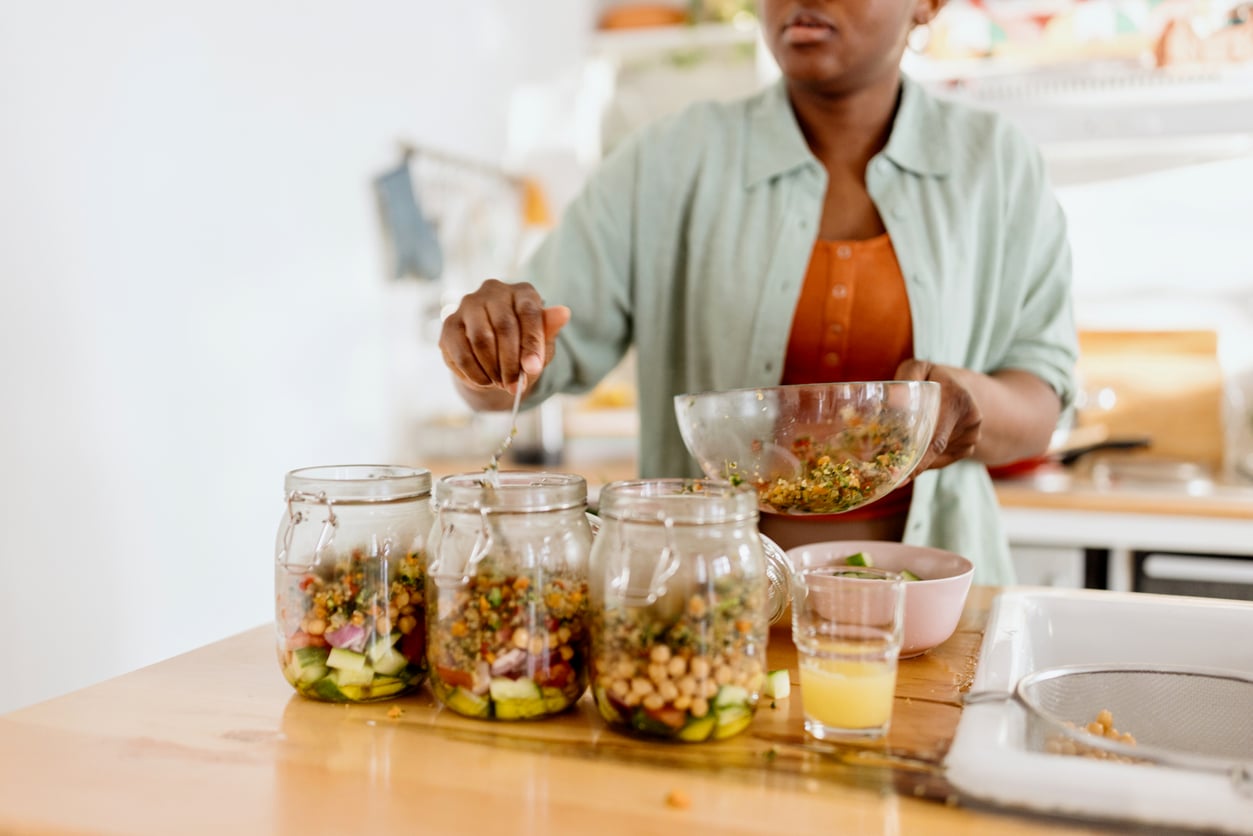
An ambitious seven-night cooking plan is not useful when two evenings are busy, someone is eating out, and leftovers will cover another meal. The EPA recommends building a shopping list around the number of meals the household will genuinely eat at home and noting the quantities needed. Families often say realistic planning reduces emergency takeout and ingredients purchased for recipes they never make. Leave room for an easy dinner, a leftover night, and the occasional change of plans.
Build Meals Around Sales, Not Just Cravings
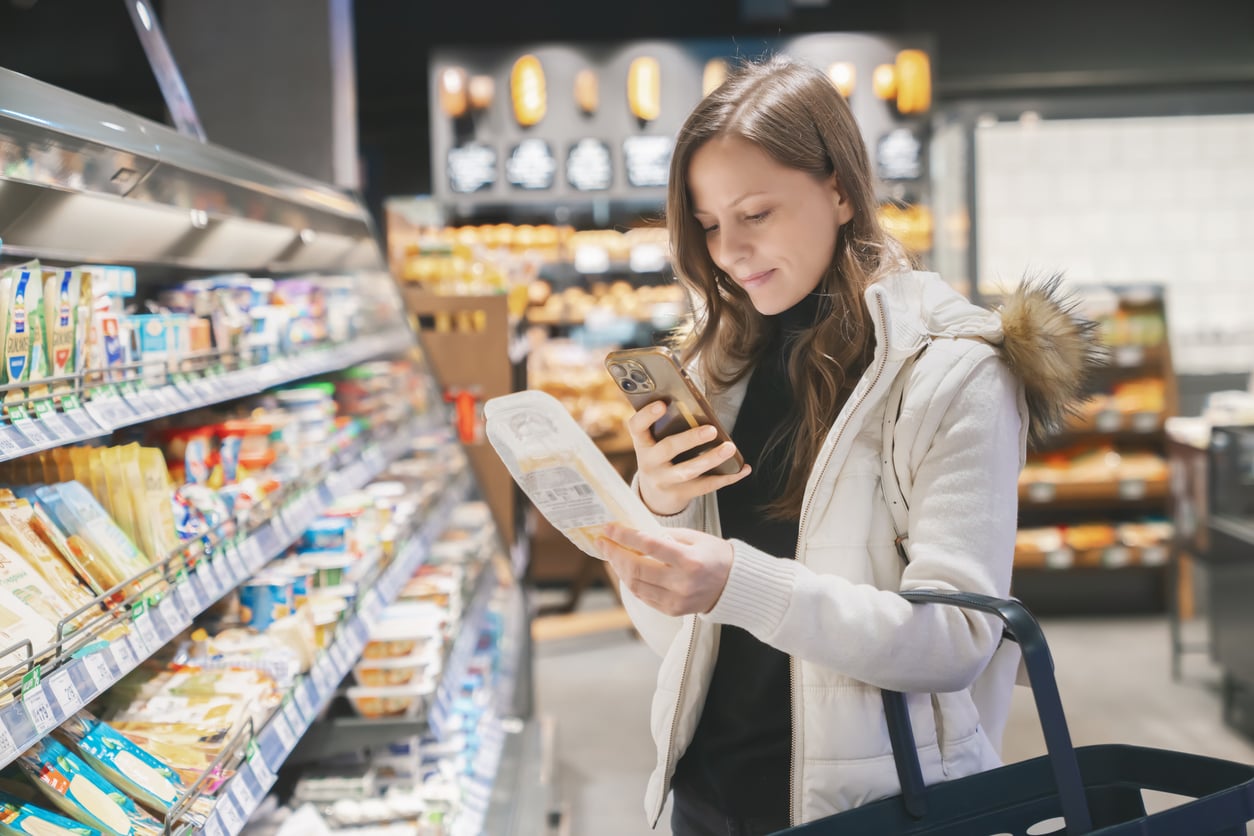
Many longtime budget shoppers reverse the usual process: they check the weekly circular first, identify reasonably priced proteins and produce, and then choose meals. That does not mean buying every promoted item. A family that dislikes pork has not saved money by purchasing three discounted roasts. The useful habit is flexibility. Frugal shoppers repeatedly recommend combining sale items with food already in the pantry rather than treating the advertisement as a separate shopping list.
Keep a Running List Instead of Relying on Memory
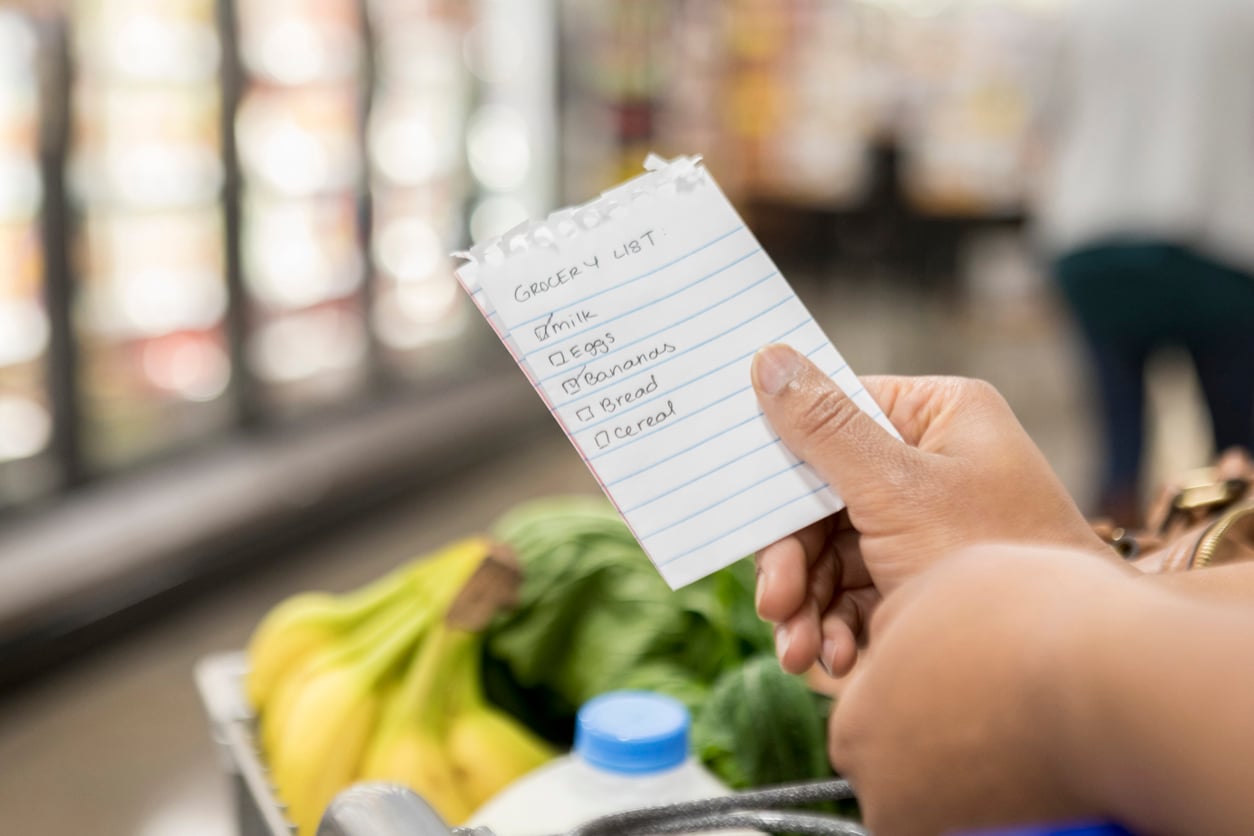
A grocery list works better when it is built all week, not reconstructed in the parking lot. A paper list on the refrigerator may be easiest for some households, while others prefer a shared phone note. Add an item when the last package is opened, and specify quantities when that prevents overbuying. The EPA recommends lists that reflect how many meals each purchase will cover. This habit reduces forgotten staples, duplicate purchases, and costly second trips.
Compare Unit Prices, Not Package Prices

The larger box is not automatically the better deal. Shelf tags often show the cost per ounce, pound, quart, or individual item, allowing shoppers to compare packages of different sizes. Rutgers Extension notes that unit prices may appear on shelf labels and, increasingly, beside products online. Check that both items use the same unit before comparing them. A lower unit price also matters only when the household can finish the product.
Trending on Cheapism

Try Store Brands One Product at a Time
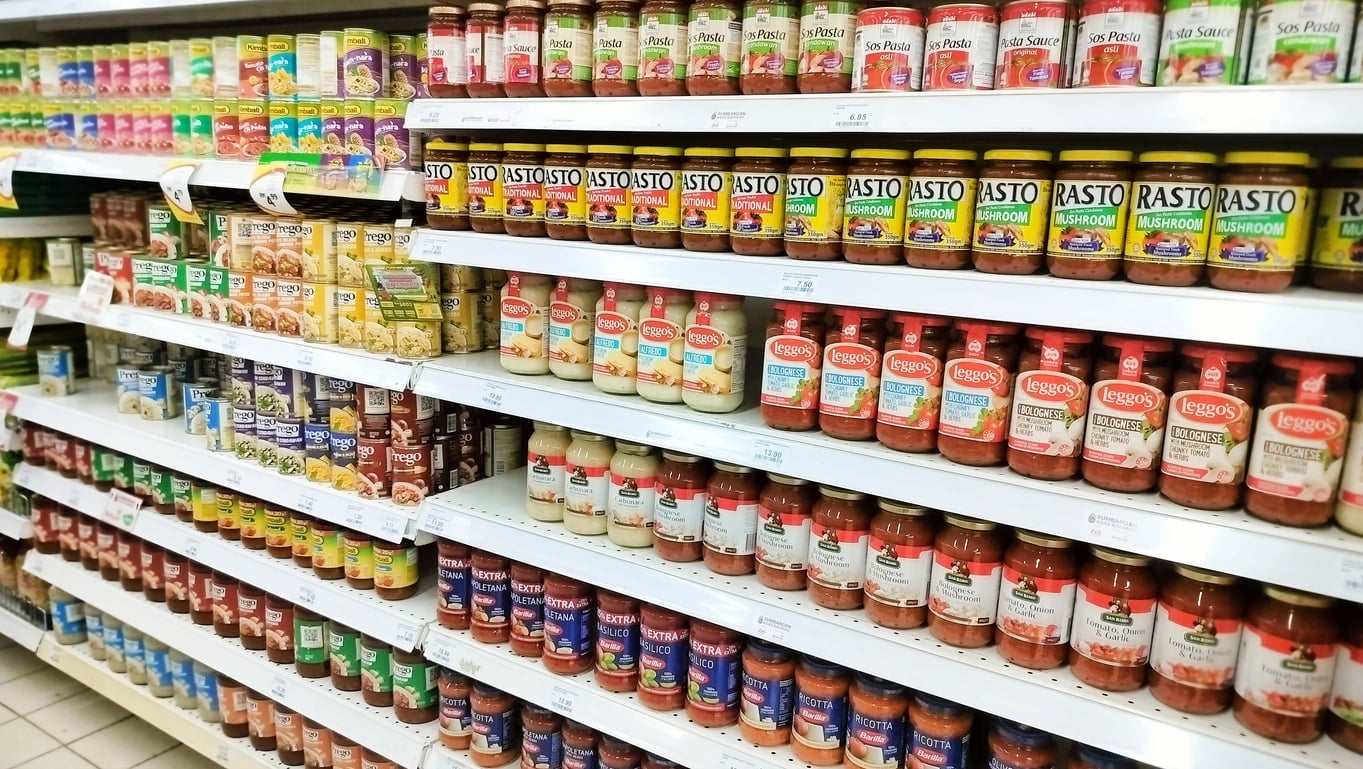
Switching everything at once can leave a pantry full of products nobody likes. A better approach is to test store-brand flour, canned vegetables, pasta, frozen produce, milk, or household supplies individually. Consumer Reports says private-label groceries frequently cost less while sometimes matching or exceeding the quality of national brands, although its testing also shows that results vary by product.
Use the Freezer Deliberately
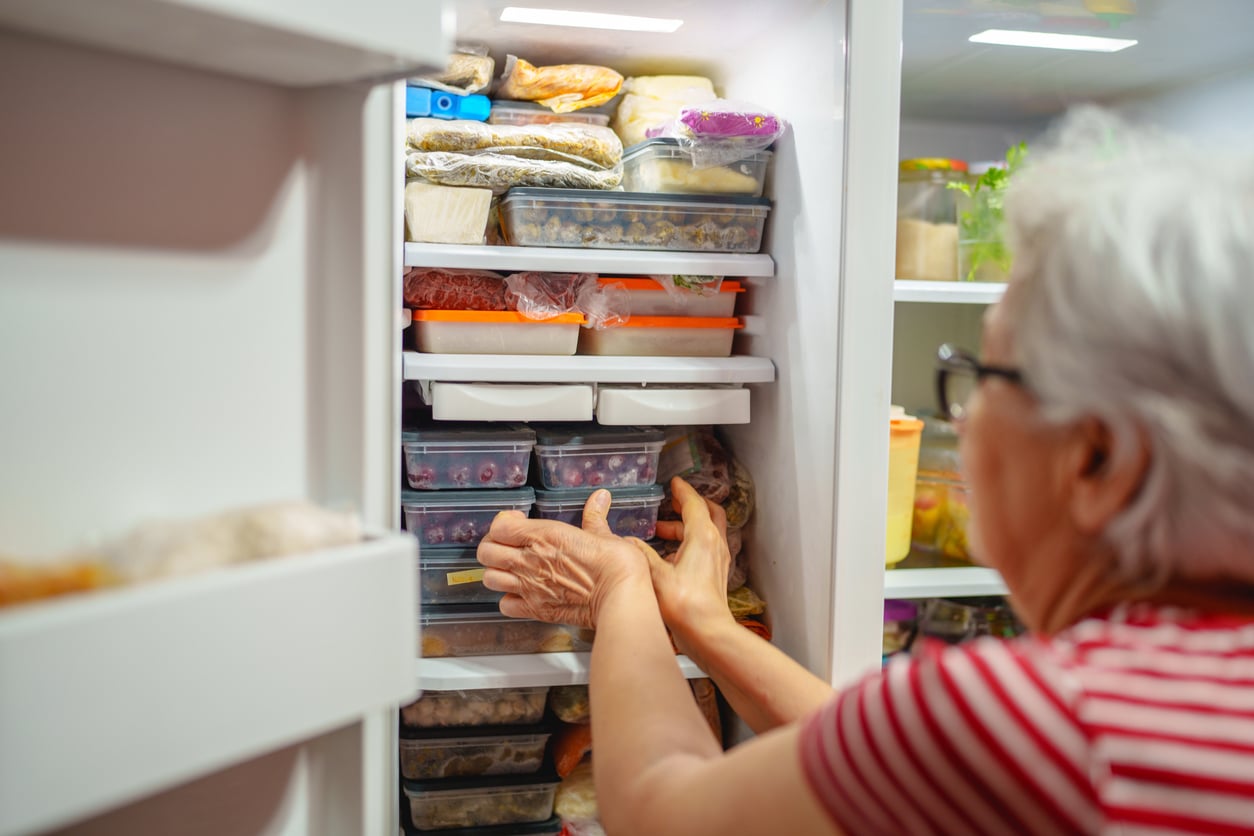
The freezer becomes much more valuable when it is treated as storage rather than a place where leftovers disappear. Portion sale-priced meat, freeze bread before it molds, and label cooked meals with the name and date. Keep a simple inventory on the door so food gets used. USDA guidance says refrigerated leftovers generally should be eaten within three to four days. Cheese, herbs, and some produce may also change texture, so not every item freezes equally well.
Stock Up on Protein Only When It Makes Sense
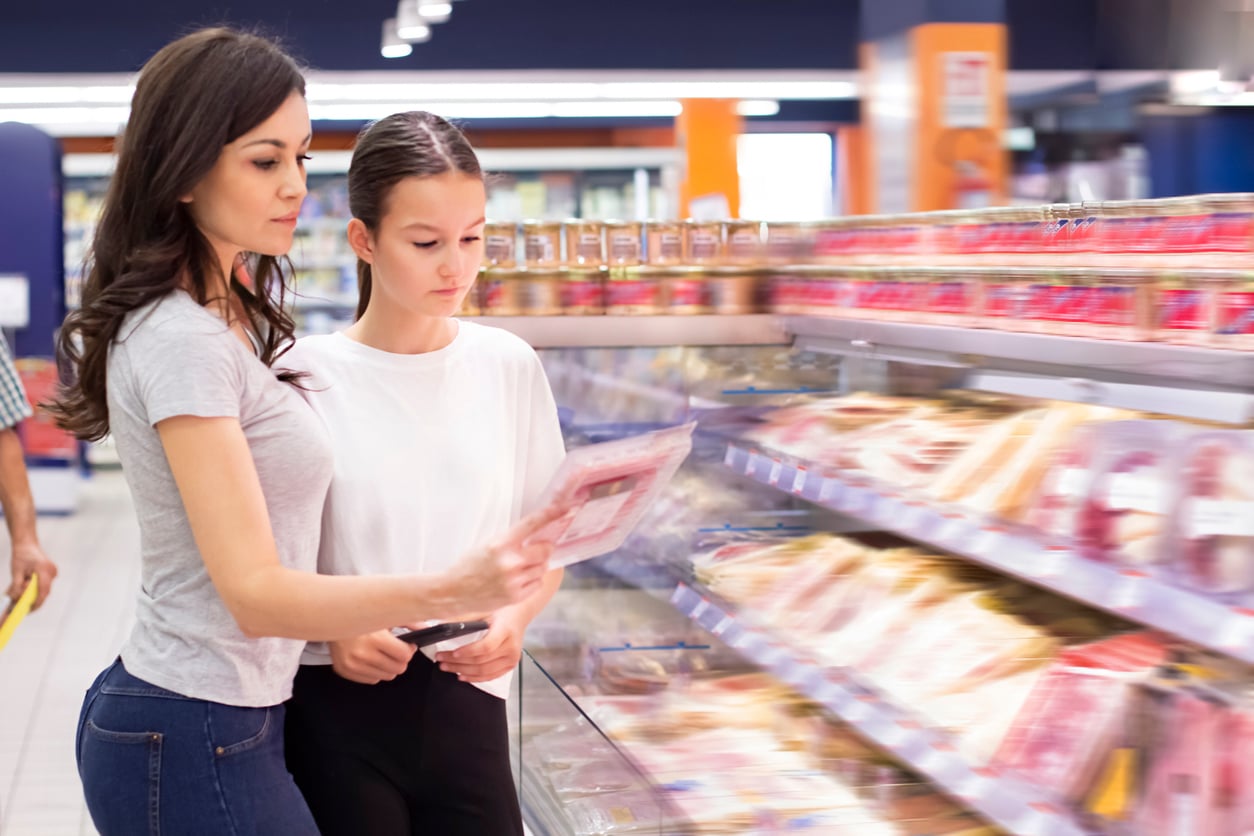
Meat can be one of the most expensive parts of a grocery order, which is why experienced shoppers often buy the week’s better-priced option instead of insisting on a particular cut. The important step comes afterward: divide family packs into meal-size portions, label them, and freeze them promptly. Frugal shoppers commonly describe keeping a stocked freezer and planning meals around sale-priced proteins. Bulk buying is less useful for small households with limited storage or anyone likely to forget what was purchased.
Sign up for our newsletter
Maintain a List of Cheap Fallback Dinners
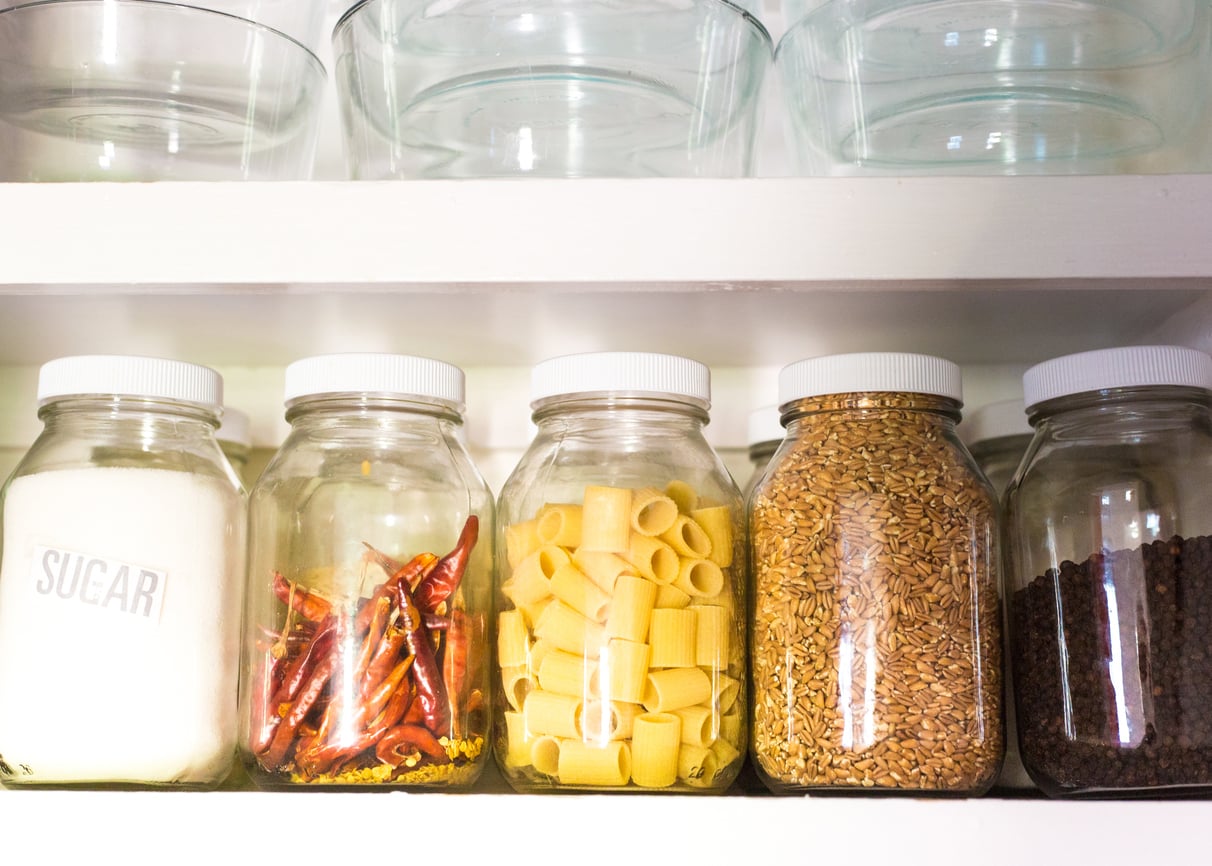
Every household needs several meals that require little thought and mostly use ingredients kept on hand. Spaghetti, lentil soup, fried rice, bean burritos, omelets, baked potatoes, and breakfast-for-dinner can rescue an evening when the original plan falls apart. Shoppers frequently mention repurposing rice, chicken, beans, and other leftovers into a second meal rather than starting over.
Consider Pickup When the Store Encourages Overspending
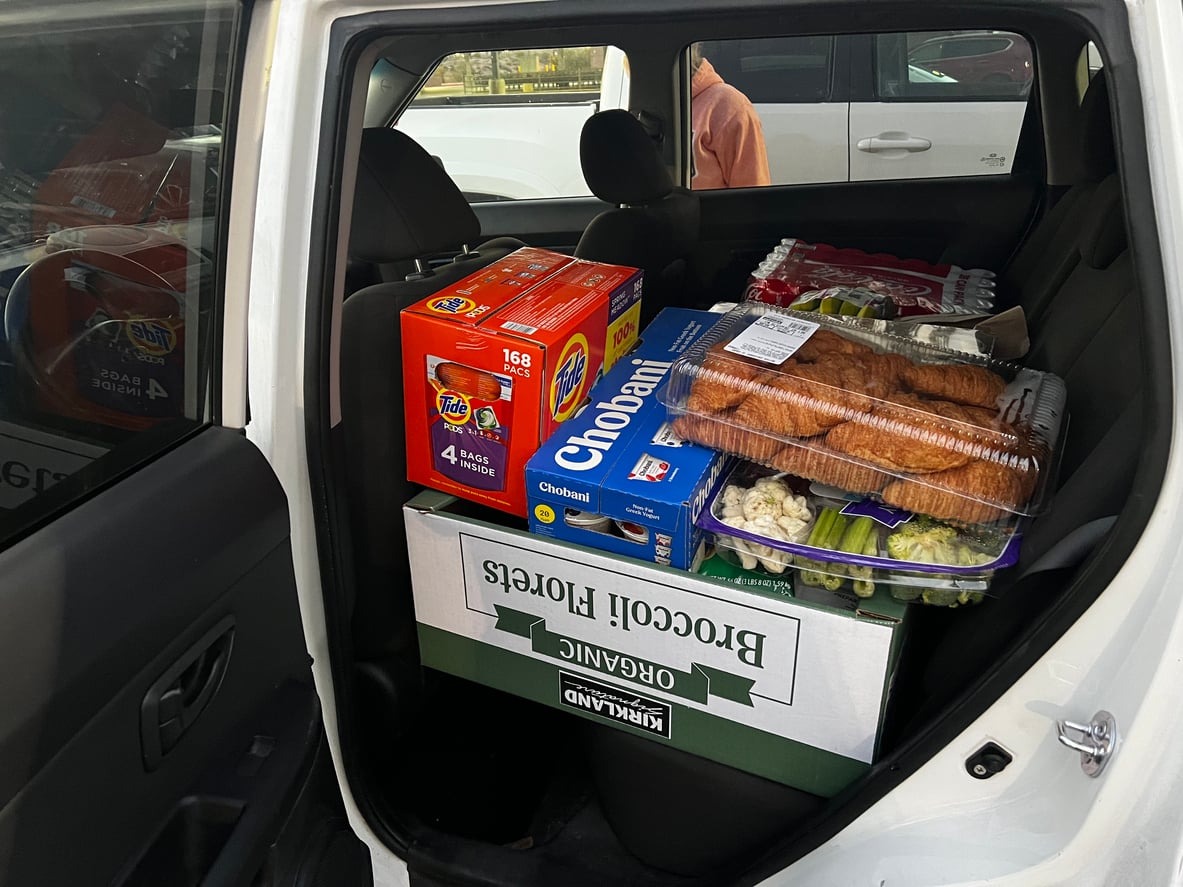
Ordering groceries for pickup lets shoppers watch the running total and remove unnecessary items before paying. In a 2024 shopper survey cited by Modern Retail, 46% of pickup users said reducing impulse purchases was one reason they chose the service. Research has also found that candy and dessert spending occurs disproportionately during in-store trips. Pickup is not automatically cheaper, however. Fees, minimum orders, substitutions, missed markdowns, and disappointing produce can offset some of the benefit.
Eat Before Entering the Store

“Never shop hungry” sounds like advice from an earlier generation, but there is research behind it. A JAMA Internal Medicine study found that hungry shoppers chose fewer lower-calorie foods relative to higher-calorie choices than people shopping during less-hungry hours. The study did not show that everyone buys a larger quantity of food, so the rule should not be exaggerated. Still, eating a meal or small snack beforehand may make prepared foods, sweets, and unplanned treats easier to pass by.
Treat Every Thrown-Away Grocery as Lost Money
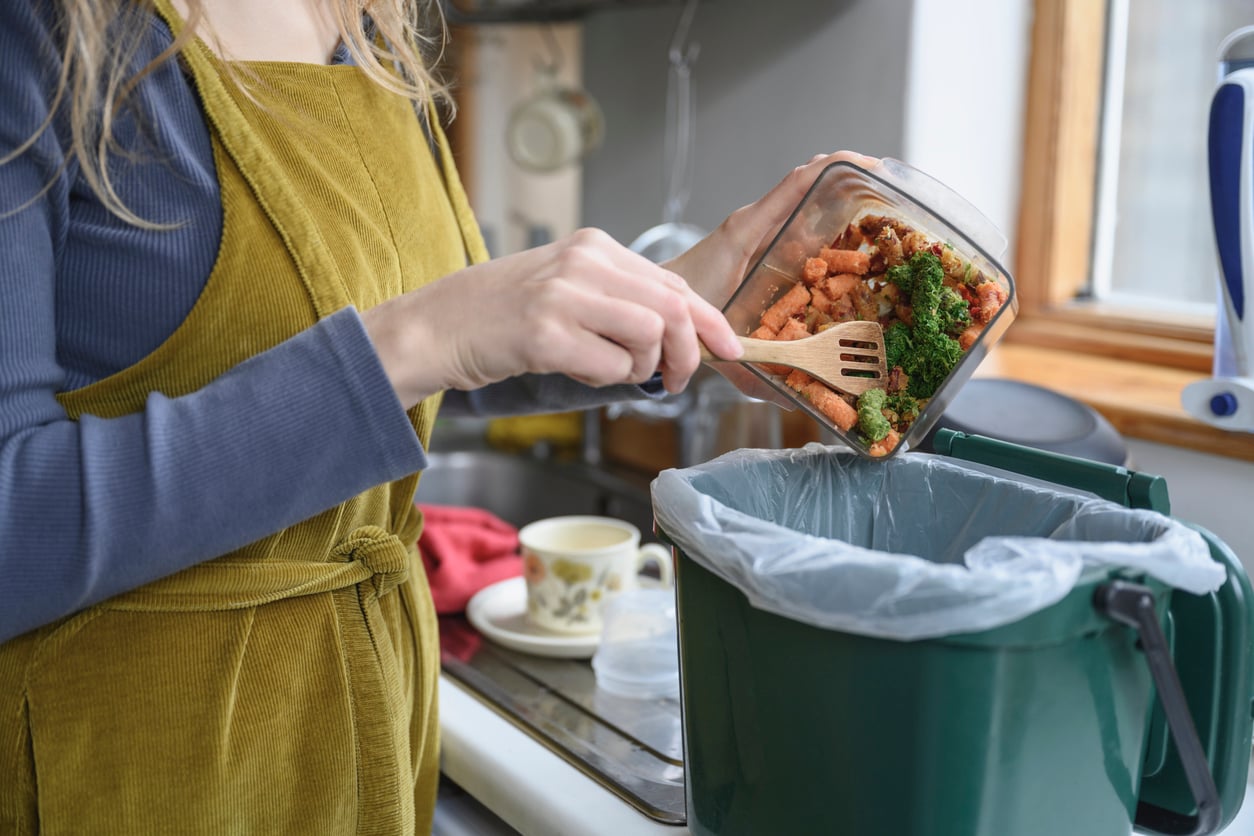
Reducing waste is not as exciting as discovering a spectacular coupon, but it may matter more over time. USDA estimates that 30% to 40% of the U.S. food supply goes uneaten, and its consumer guidance specifically connects reducing waste with stretching household food budgets. Move older food to the front, schedule a “use-it-up” dinner, freeze ingredients before they spoil, and serve smaller portions with seconds available. A bargain is not a bargain when it ends up in the trash.