Products Americans once replaced without much thought are now being cleaned, repaired, patched, and stretched for as many extra years as possible. With the Bureau of Labor Statistics tracking price changes across household goods, vehicles, furniture, appliances, and other everyday expenses, it is easy to see why a broken fridge, worn sofa, aging truck, or slow laptop now feels like a bigger budget decision than it used to.
Refrigerator
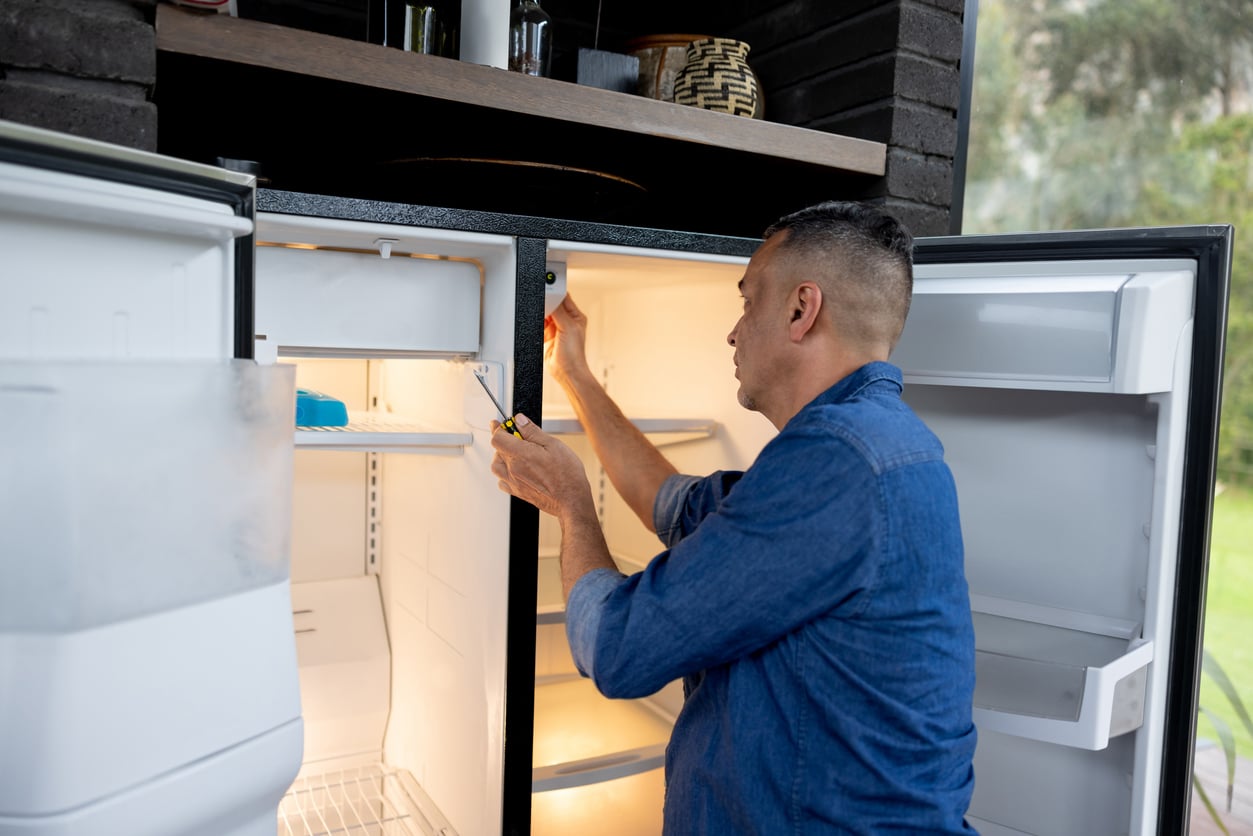
A refrigerator is one of those purchases people try hard to avoid until they have no choice. Even basic models can feel expensive once delivery, installation, haul-away, and water-line hookups are included. That is why many homeowners now replace door gaskets, clean condenser coils, fix ice makers, or live without a water dispenser as long as the fridge still keeps food cold. The downside is that sealed-system repairs can get pricey fast, so an honest repair estimate matters before pouring money into an older unit.
Pickup Truck
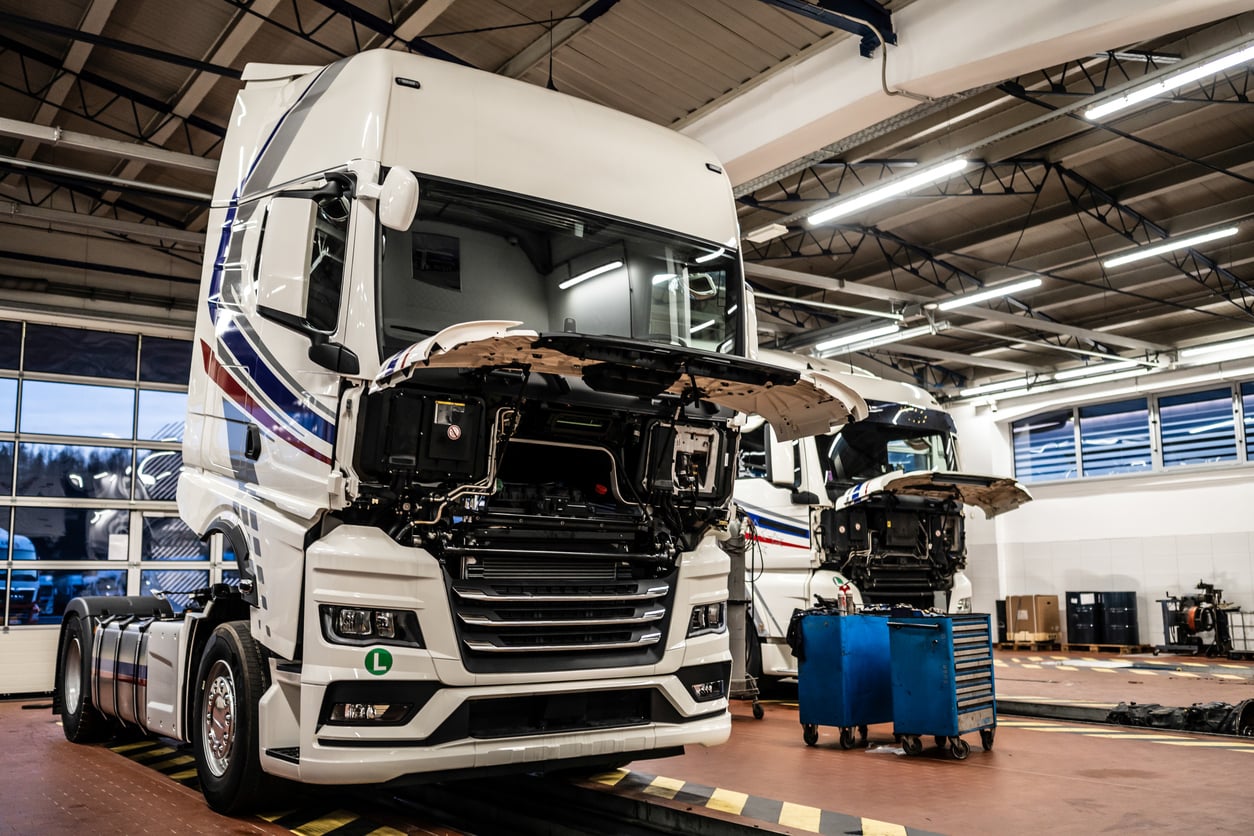
Pickup trucks have become painful to replace, especially for owners who use them for work, towing, home projects, or rural driving. New-vehicle prices have been hovering around the $50,000 mark, and long loan terms are increasingly common, which makes keeping an older truck running feel like the safer choice. Owners are more willing to stay on top of oil changes, tires, rust repair, brakes, and transmission service.
Washing Machine
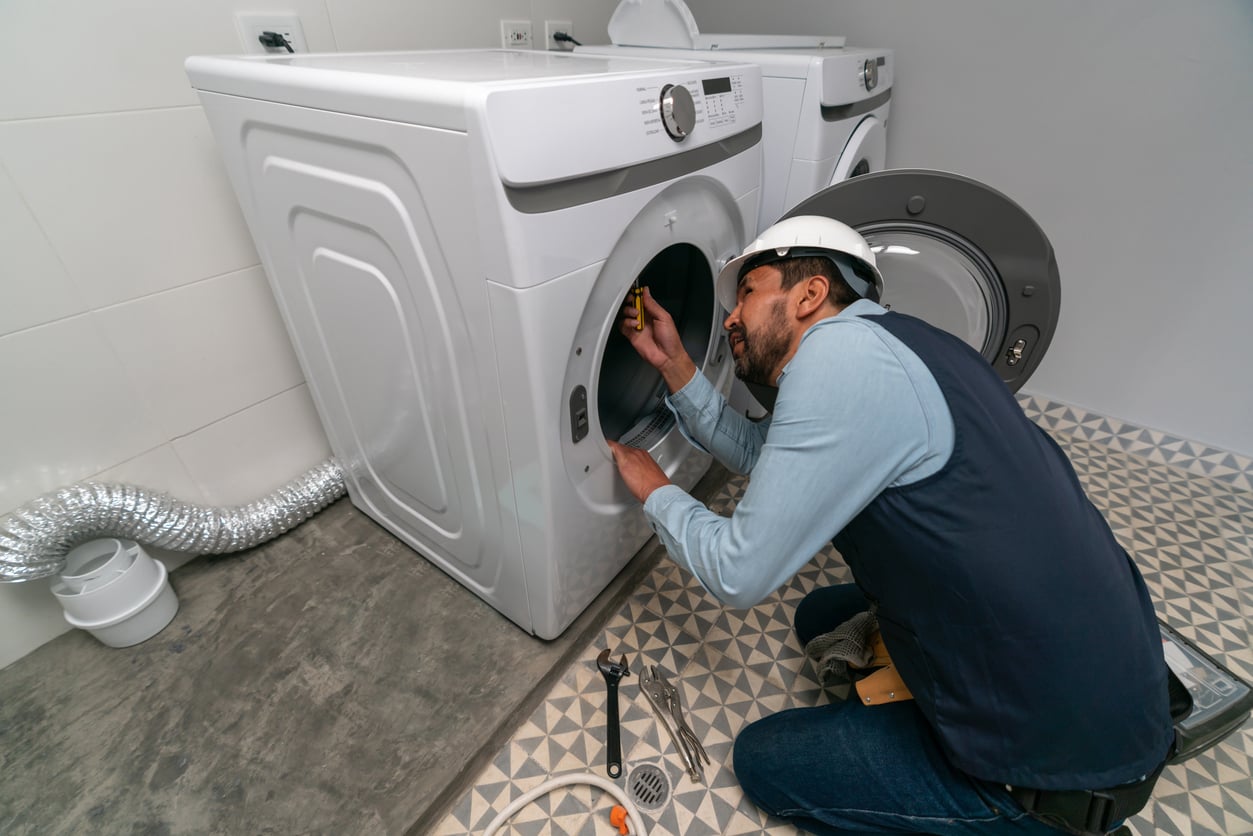
A washing machine failure used to mean a Saturday trip to the appliance store. Now, a lot of people start with the simplest fix first: a drain pump, belt, lid switch, hose, or suspension rod. The appeal is obvious, since a modest part can delay a much bigger purchase. Many owners are also learning not to overload machines, especially newer high-efficiency models that can be picky. The downside is that electronics and control boards can make some modern machines less friendly to DIY repair.
Sofa
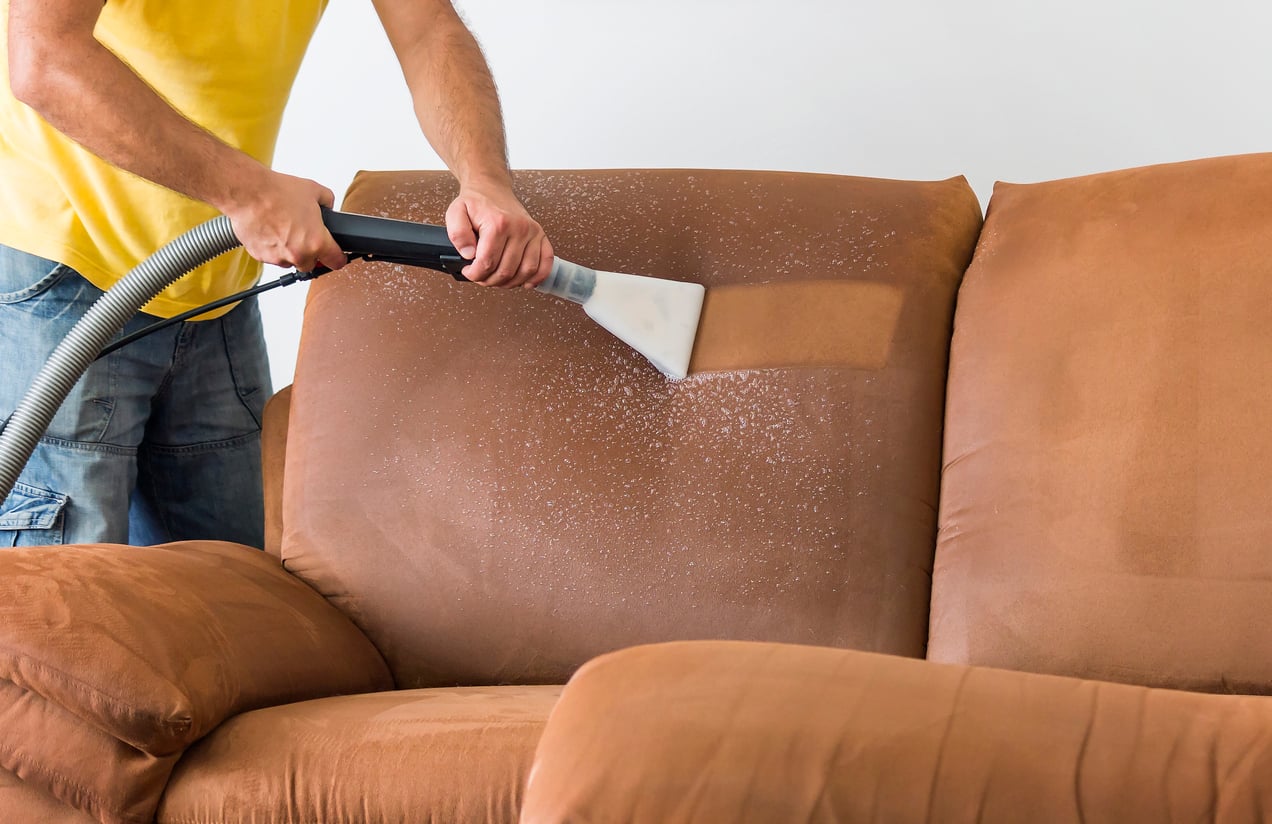
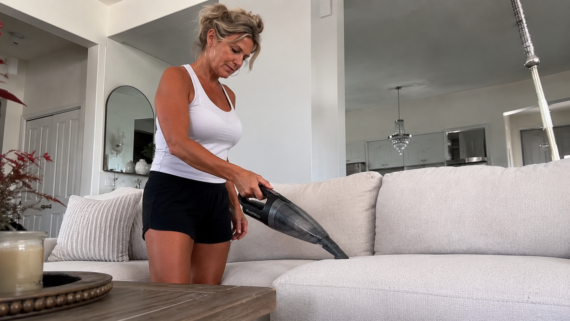
A good sofa is not something many households want to replace casually anymore. Sectionals, sleepers, and sturdy living-room sets can cost enough to make people rethink what “worn out” really means. Instead of replacing the whole thing, families are steam-cleaning upholstery, adding slipcovers, replacing foam cushions, tightening frames, or paying for reupholstery when the bones are still good.
HVAC System
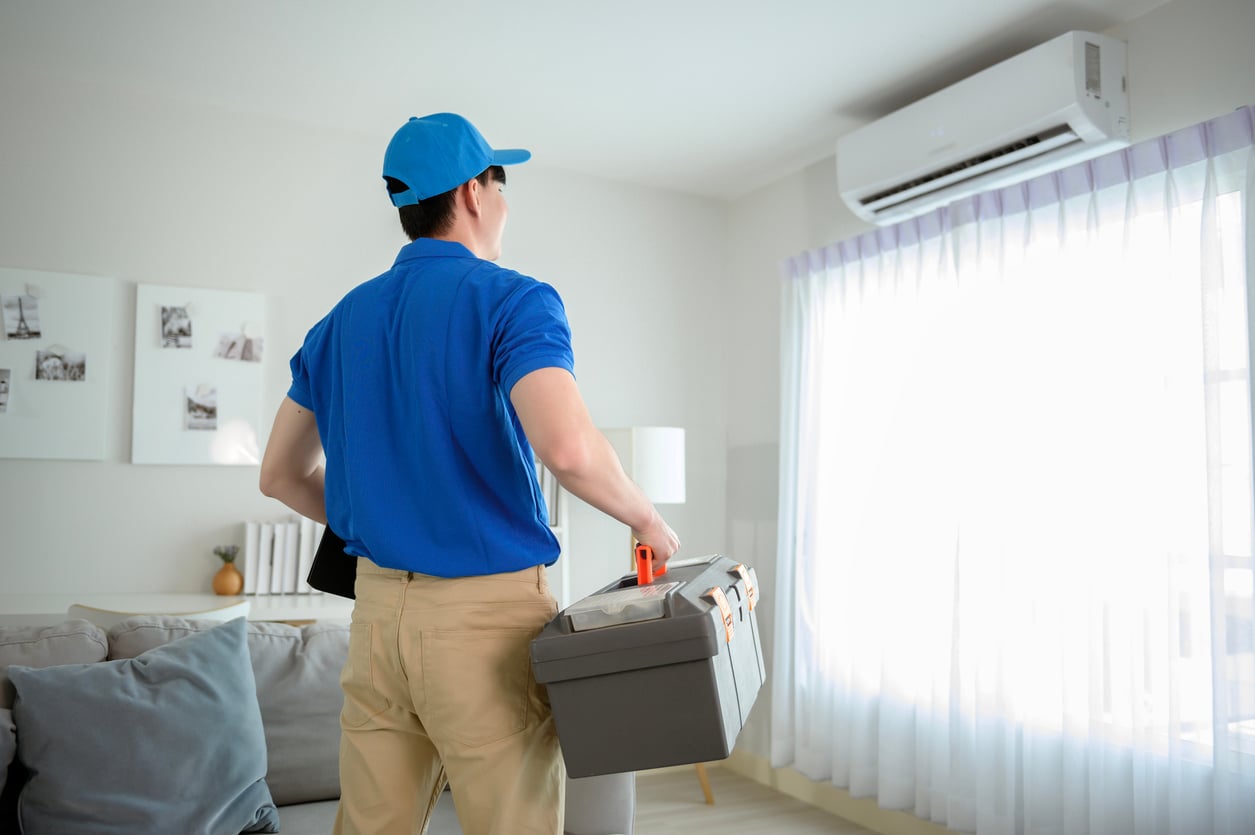
A heating and cooling system is one of the scariest home expenses because replacement can land in the thousands before you are emotionally ready for it. That is why homeowners are paying more attention to annual service, air filters, coils, drains, and strange noises. ENERGY STAR recommends annual pre-season checkups and says dirty coils and poor airflow can raise costs and shorten equipment life.
Trending on Cheapism
Smartphone
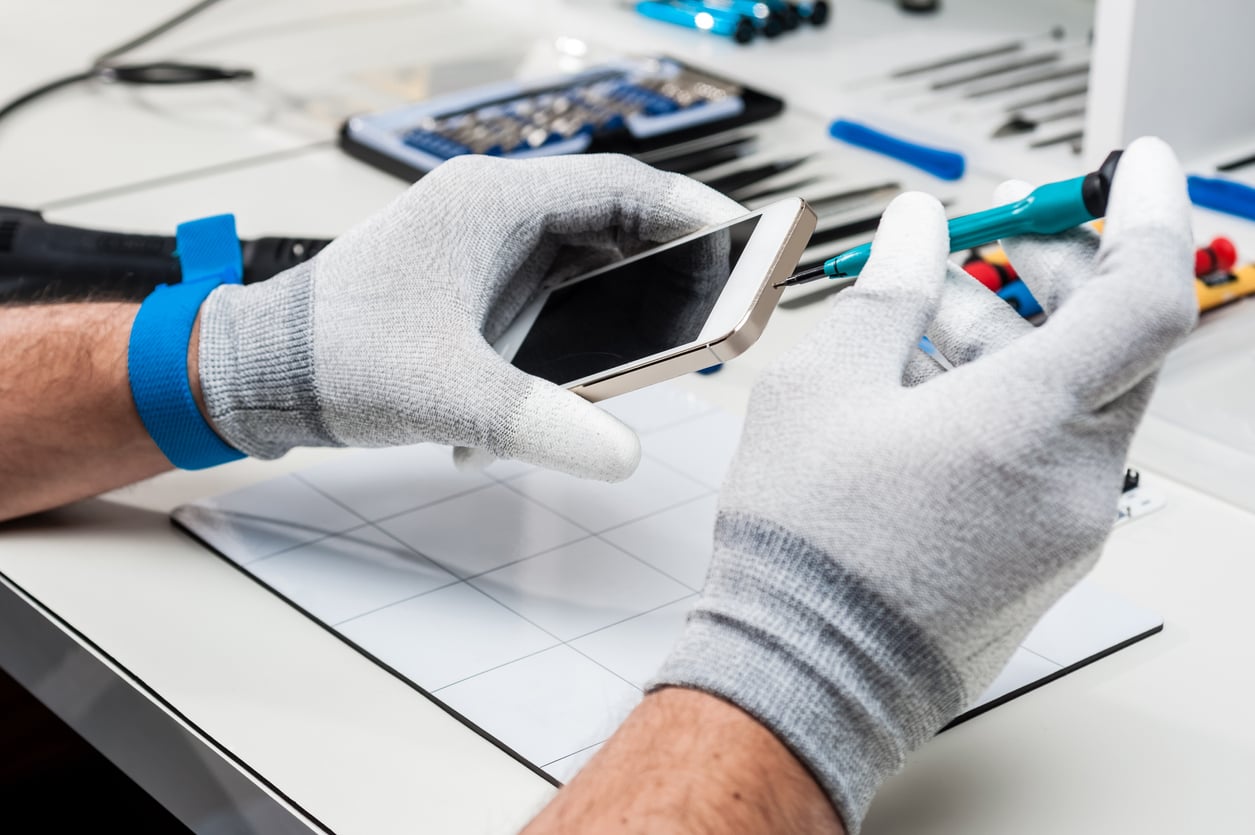
The old two-year phone upgrade cycle feels harder to justify when flagship phones can cost as much as a small appliance. Many people now replace batteries, repair screens, use sturdier cases, delete storage-hogging apps, and keep a phone until software support becomes the real problem. Apple says out-of-warranty battery service has a cost, while AppleCare can cover battery replacement when capacity falls below 80%.
Lawn Mower
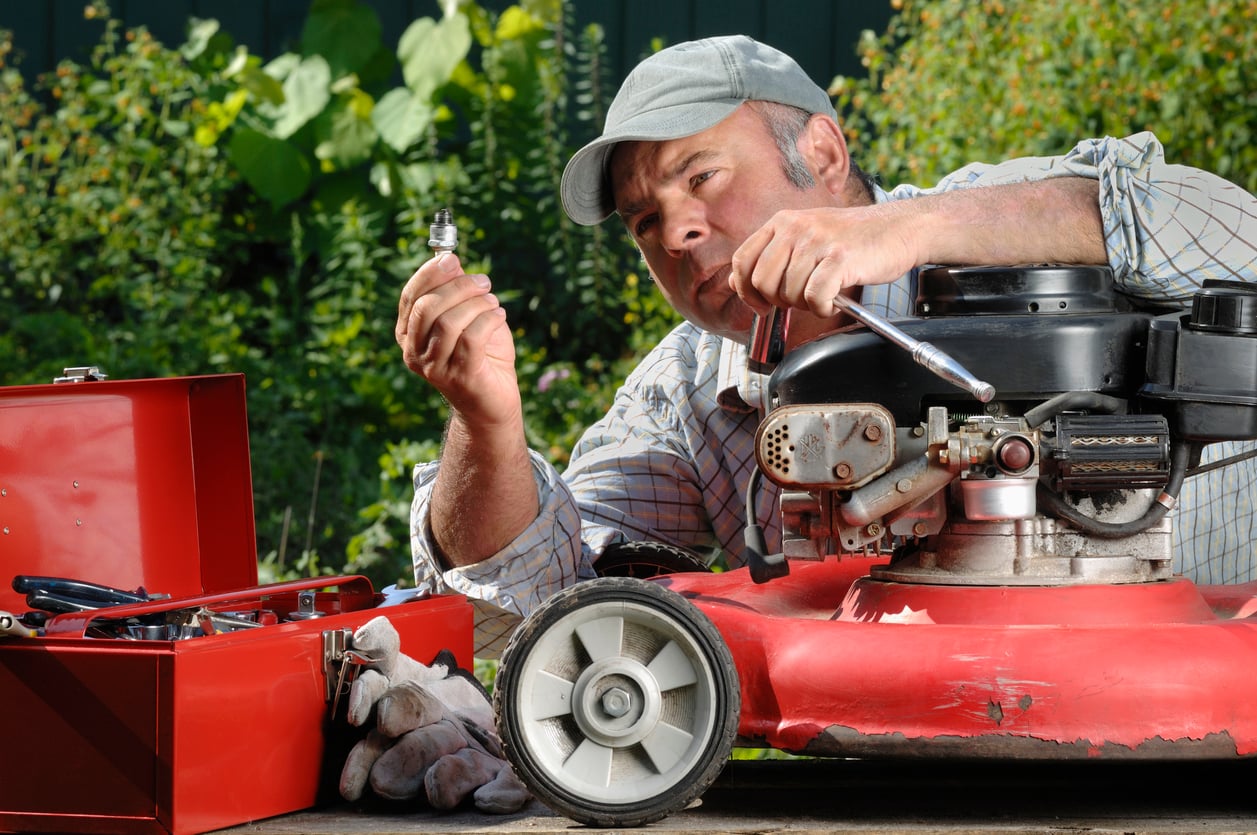
A lawn mower is easy to ignore until the grass gets out of hand and the engine refuses to start. With quality gas and battery mowers costing more than many people expect, homeowners are sharpening blades, changing oil, swapping spark plugs, cleaning decks, replacing batteries, and rebuilding carburetors instead of buying new. The trade-off is storage and upkeep. Letting old fuel sit all winter can undo a lot of good intentions.
Dishwasher
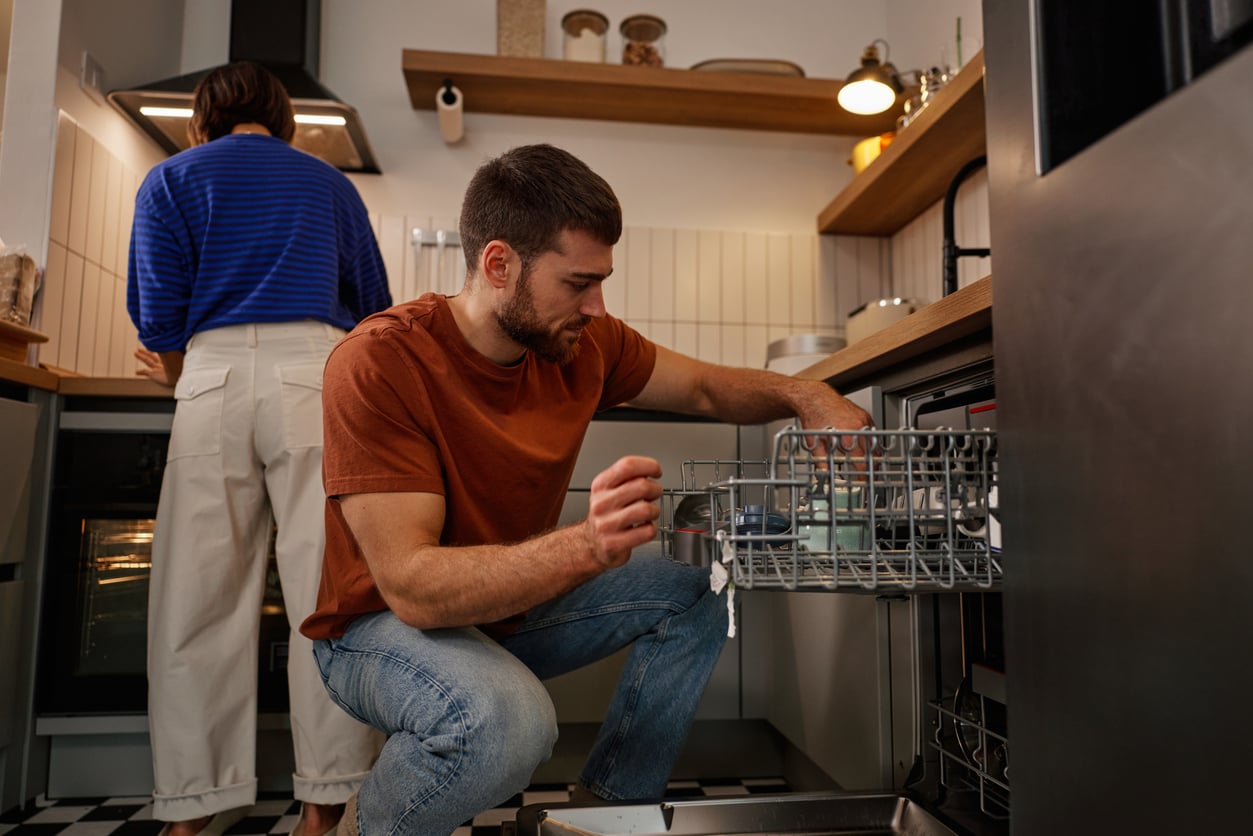
A dishwasher that leaves a few spots or needs an occasional rewash is often tolerated now, because replacing it can be surprisingly expensive after installation. People are cleaning filters, unclogging spray arms, replacing door seals, and checking drain pumps before giving up. This is one appliance where small habits matter: scraping plates, using rinse aid, and cleaning the filter can keep performance acceptable.
Sign up for our newsletter
Mattress
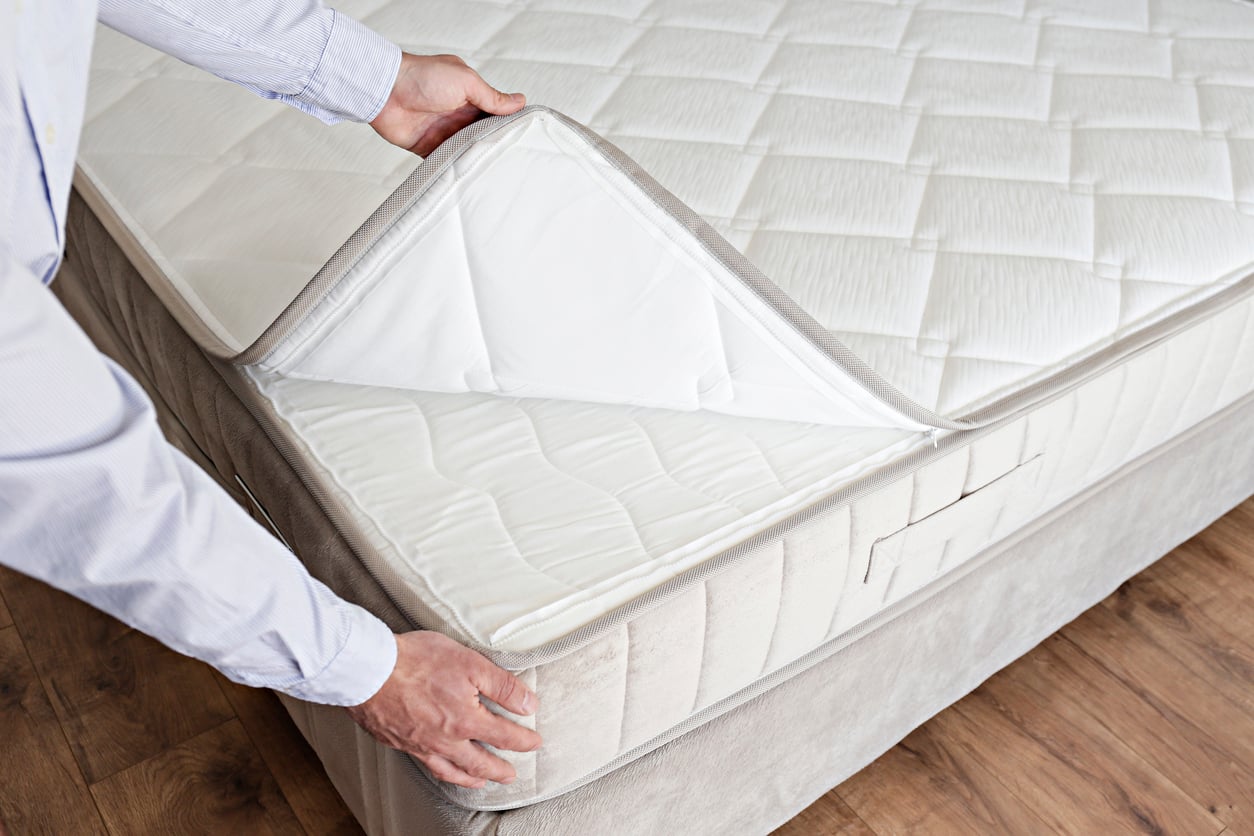
Mattresses have turned into serious purchases, especially for couples, guest rooms, and anyone shopping for a higher-quality queen or king. Instead of replacing one at the first sign of wear, people are rotating it, adding a topper, using a waterproof protector, and checking whether the foundation is the real problem. That can buy time, especially when the mattress is only mildly uncomfortable.
Dining Room Table
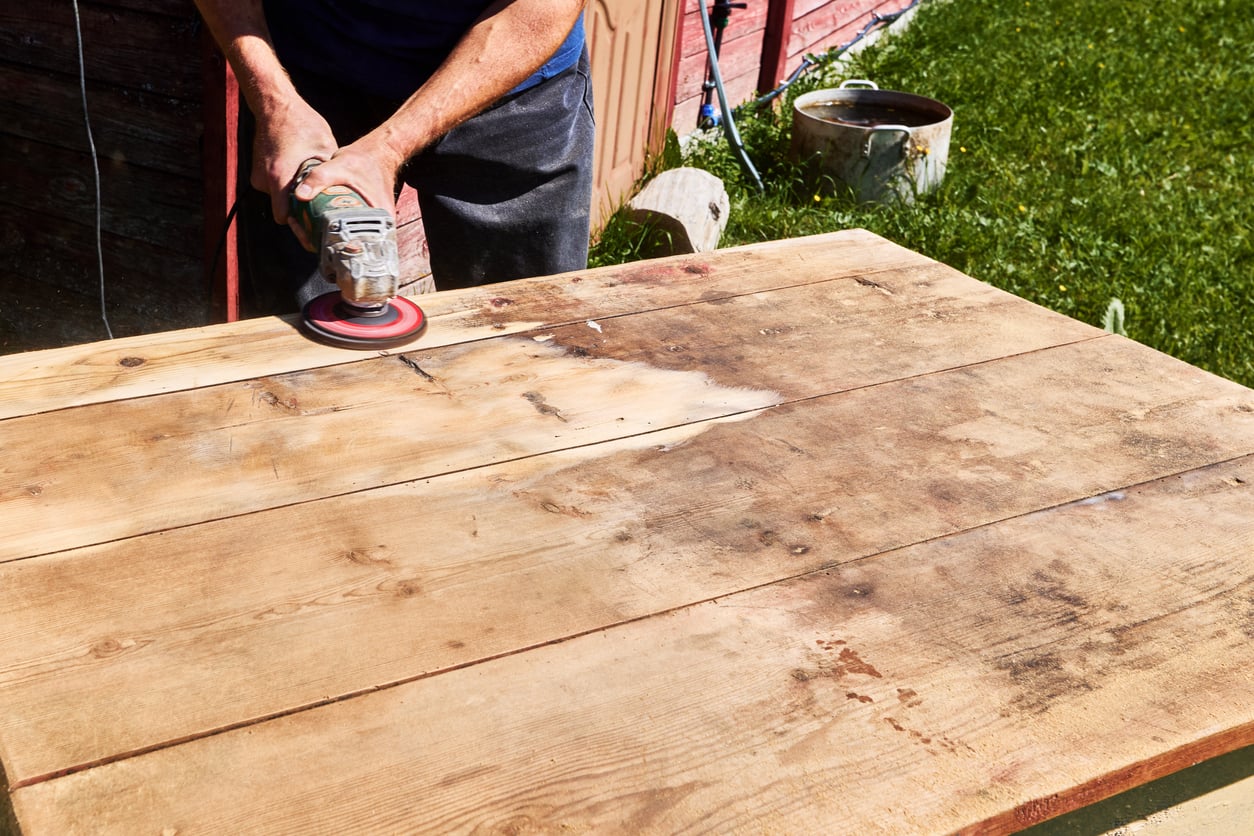
A solid dining table is exactly the kind of thing people are less eager to replace now. Older wood tables often have better bones than cheaper new sets, so scratches, water rings, and dated finishes are not automatic deal breakers. Families are sanding, staining, painting, replacing chairs one at a time, or mixing old tables with newer seating. The best part is that wear can look like character. The drawback is veneer. If the surface is thin veneer, heavy sanding can ruin it quickly.
Water Heater
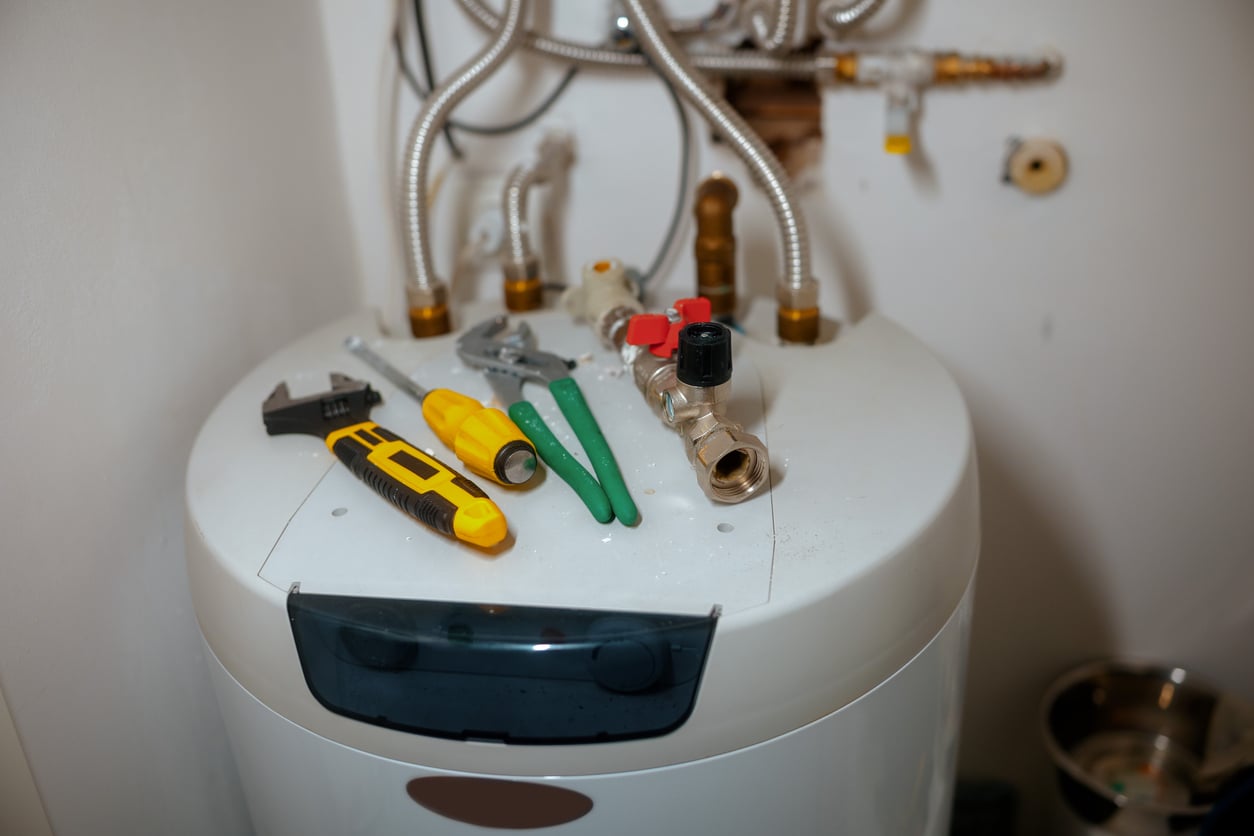
Water heaters do not get much attention until there is no hot shower or, worse, water on the floor. Because replacement often includes labor, permits, code updates, and haul-away, homeowners are more interested in maintenance than they used to be. Flushing sediment, checking the pressure relief valve, and replacing the anode rod can help some tanks last longer. The warning sign is rust or leaking from the tank itself.
Tires
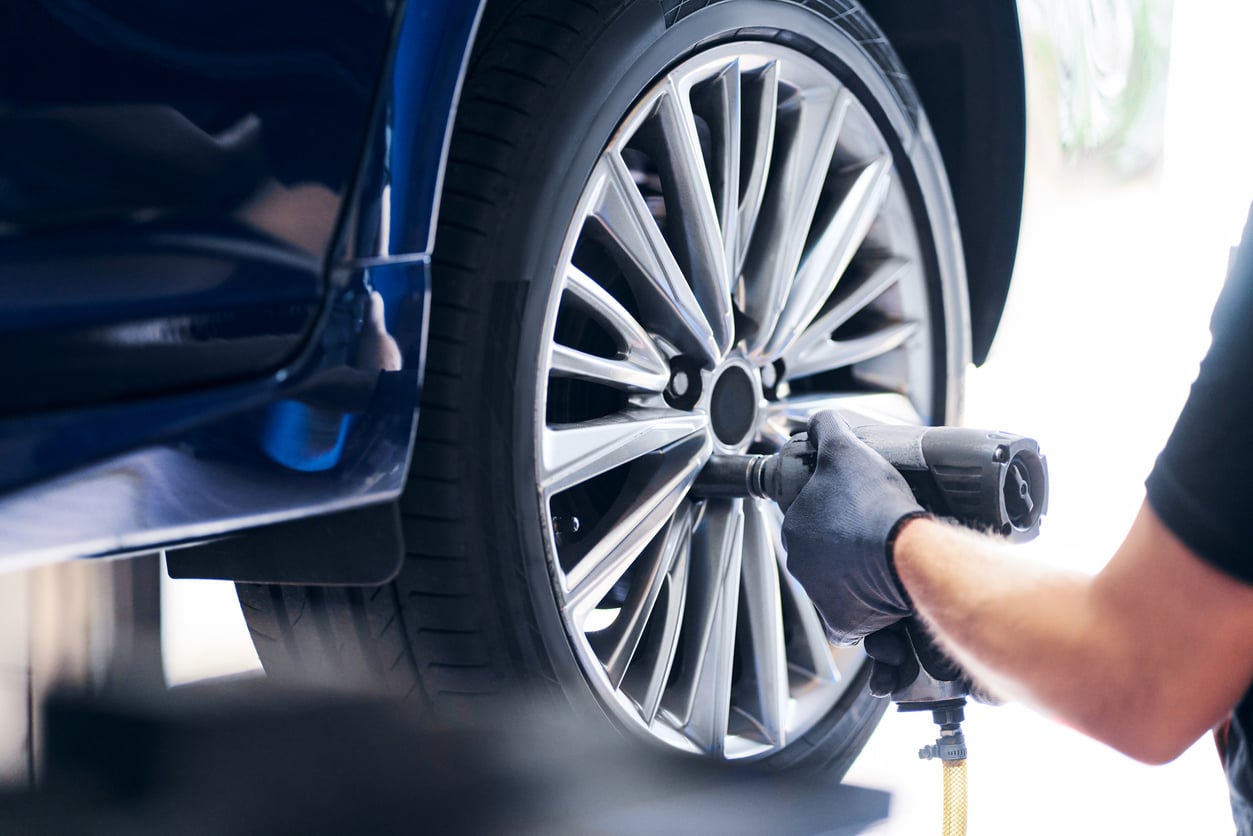
Tires are not glamorous, but a full set can be a rough bill, especially for SUVs, trucks, and all-wheel-drive vehicles. Drivers are trying to squeeze more safe miles from them by checking pressure, rotating on schedule, watching alignment, and avoiding hard braking. NHTSA says proper inflation can extend average tire life by 4,700 miles and recommends checking pressure monthly when tires are cold. The important caveat is safety. Bald or cracked tires are not a smart place to economize.
Laptop

A slow laptop does not always need to be replaced. Many households are stretching older computers by replacing batteries, installing solid-state drives, adding memory when possible, cleaning fans, and doing a clean operating-system reset. That can make a five-year-old laptop feel useful again for bills, email, schoolwork, photos, and light office tasks. The limitation is repairability. Some thin models have soldered memory, glued batteries, or expensive screens.
Kitchen Cabinets
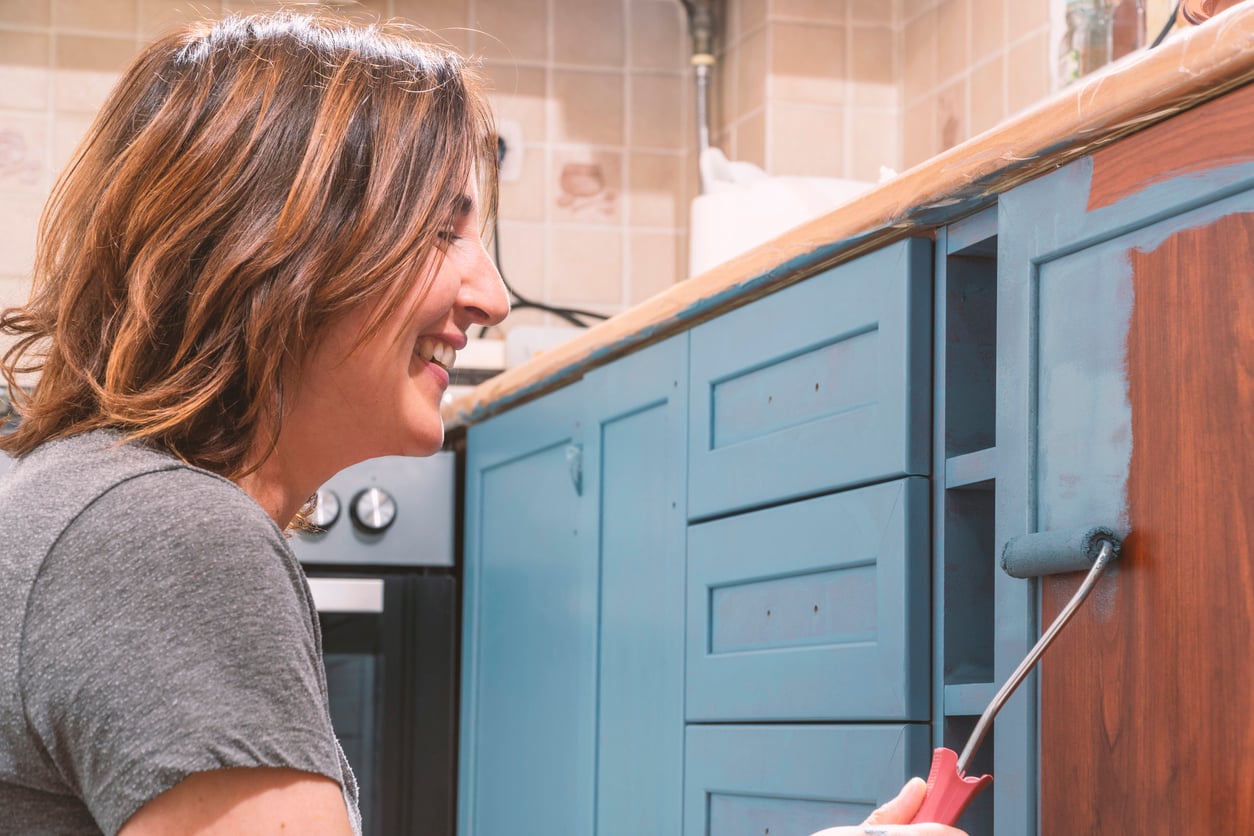
Kitchen cabinets are one of the clearest examples of “keep what you have” thinking. A full cabinet replacement can push a kitchen project into renovation territory, so homeowners are painting cabinet boxes, adding new hardware, replacing hinges, installing pull-out shelves, and keeping the original layout. If the boxes are solid wood or sturdy plywood, this can make a kitchen look refreshed for far less.
Eyeglasses
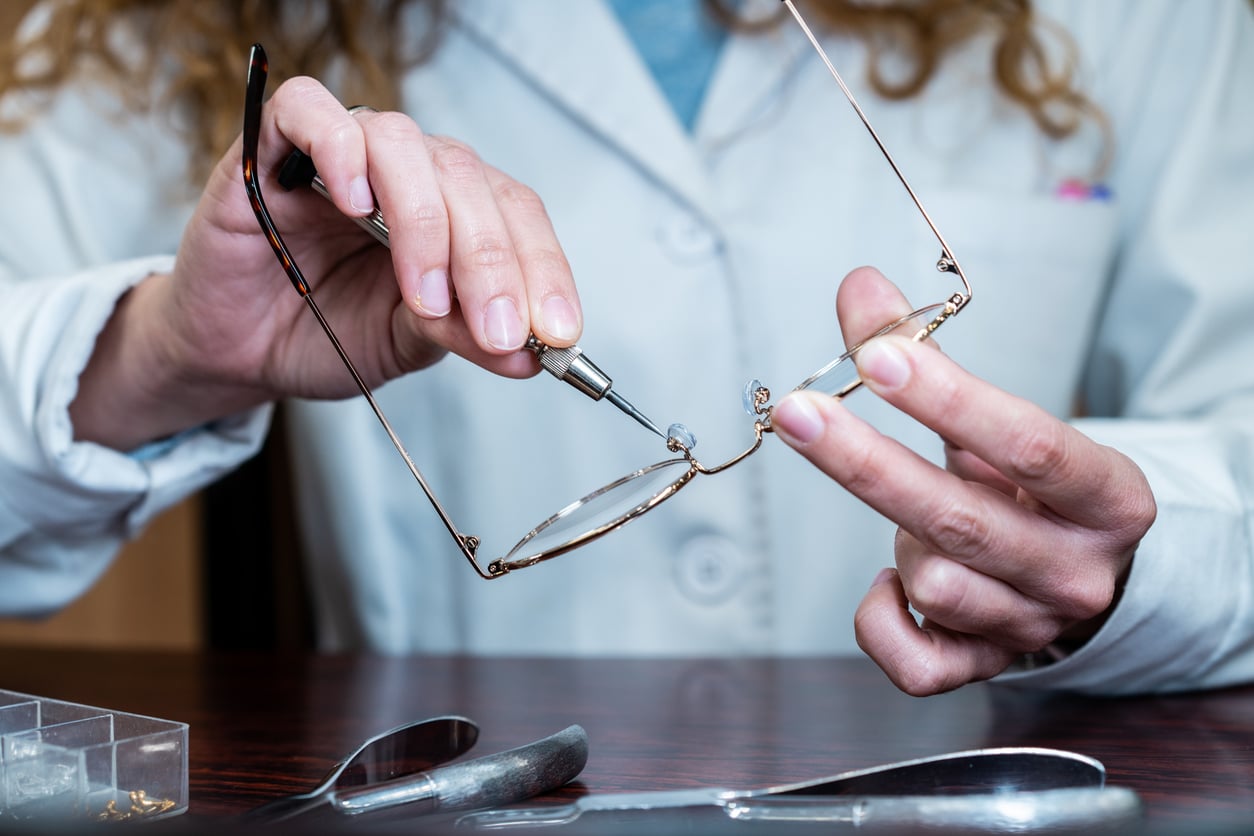
Prescription glasses are another item people are trying to keep alive longer. Instead of buying a whole new pair every time, some are replacing lenses, tightening screws, repairing hinges, using better cases, or keeping older frames as backups. Online eyewear has helped bring some prices down, but progressive lenses, specialty coatings, and designer frames can still add up. The main caution is prescription accuracy. If vision has changed, old frames are fine, but old lenses may not be worth stretching.
Coffee Maker
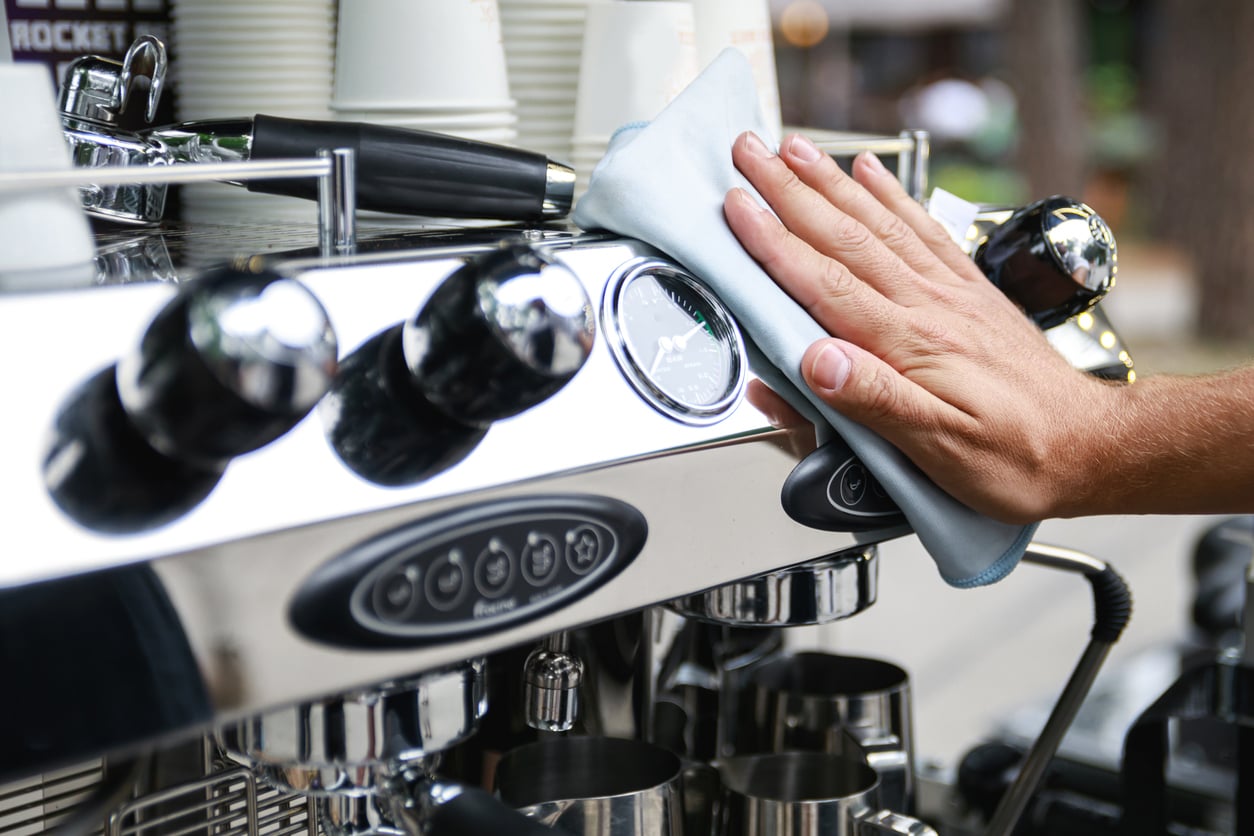
Coffee makers used to feel almost disposable, but many households now think twice before tossing one. People are descaling machines, replacing filters, cleaning mineral buildup, unclogging needles, and looking for replacement carafes instead of buying another brewer. This is especially true for nicer drip machines, espresso machines, and single-serve models with parts still available. The downside is that cheap coffee makers can be harder to justify repairing.