Save money by moving more of your workout routine from the gym to home. You do not need a pricey membership or a room full of machines to stay active, especially when the CDC recommends a mix of weekly aerobic activity and simple strength training. With free workout videos, walking routes, resistance bands, and basic bodyweight moves, home fitness can help cut costs while keeping exercise practical.
Build Your Routine Around Bodyweight Exercises
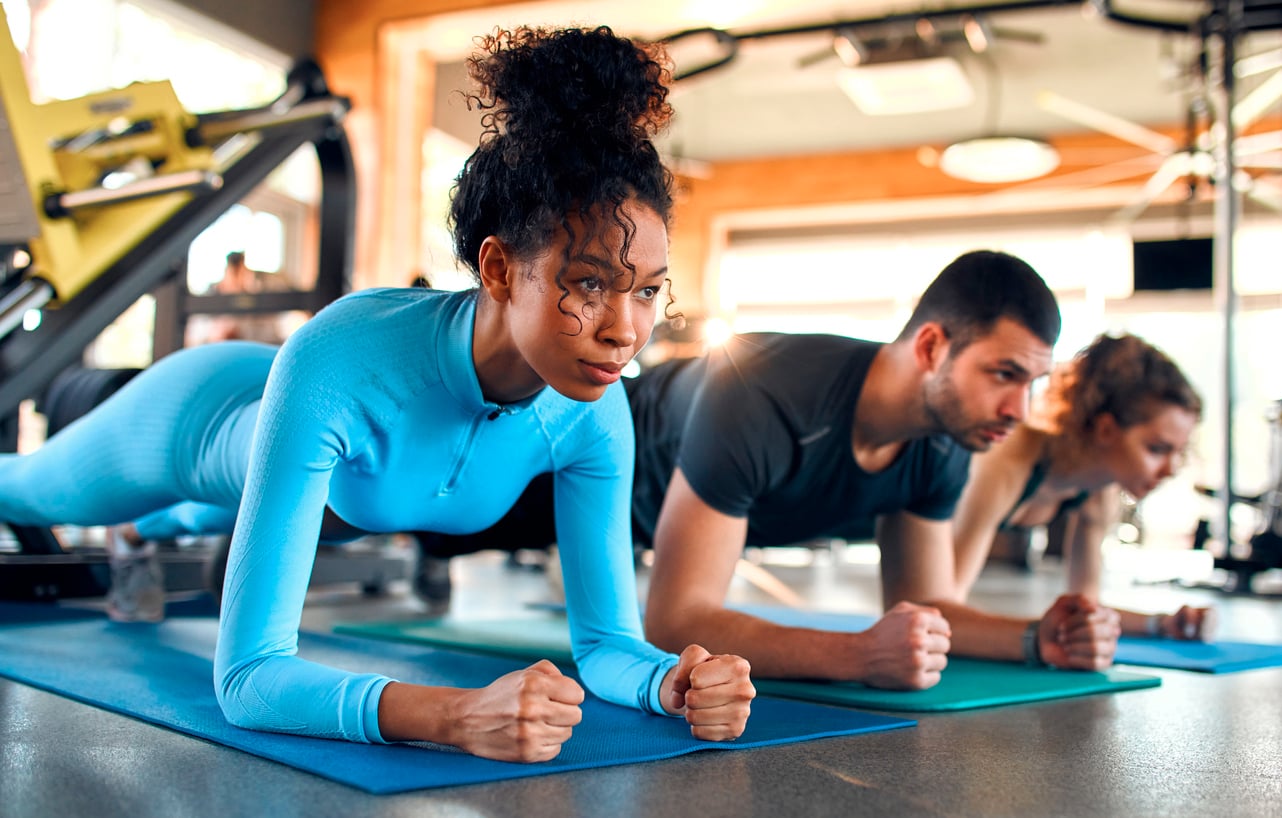
The cheapest home gym is the one you already have: your own body. Squats, wall push-ups, step-ups, lunges, planks, and sit-to-stands can build strength without machines or monthly dues. For older adults or beginners, the trick is to start with easier versions instead of copying high-intensity videos. Use a chair for balance, skip jumping moves, and focus on steady form. The Mayo Clinic notes that strength training can help preserve muscle and bone strength as people age.
Buy Adjustable Dumbbells Instead of a Full Weight Rack
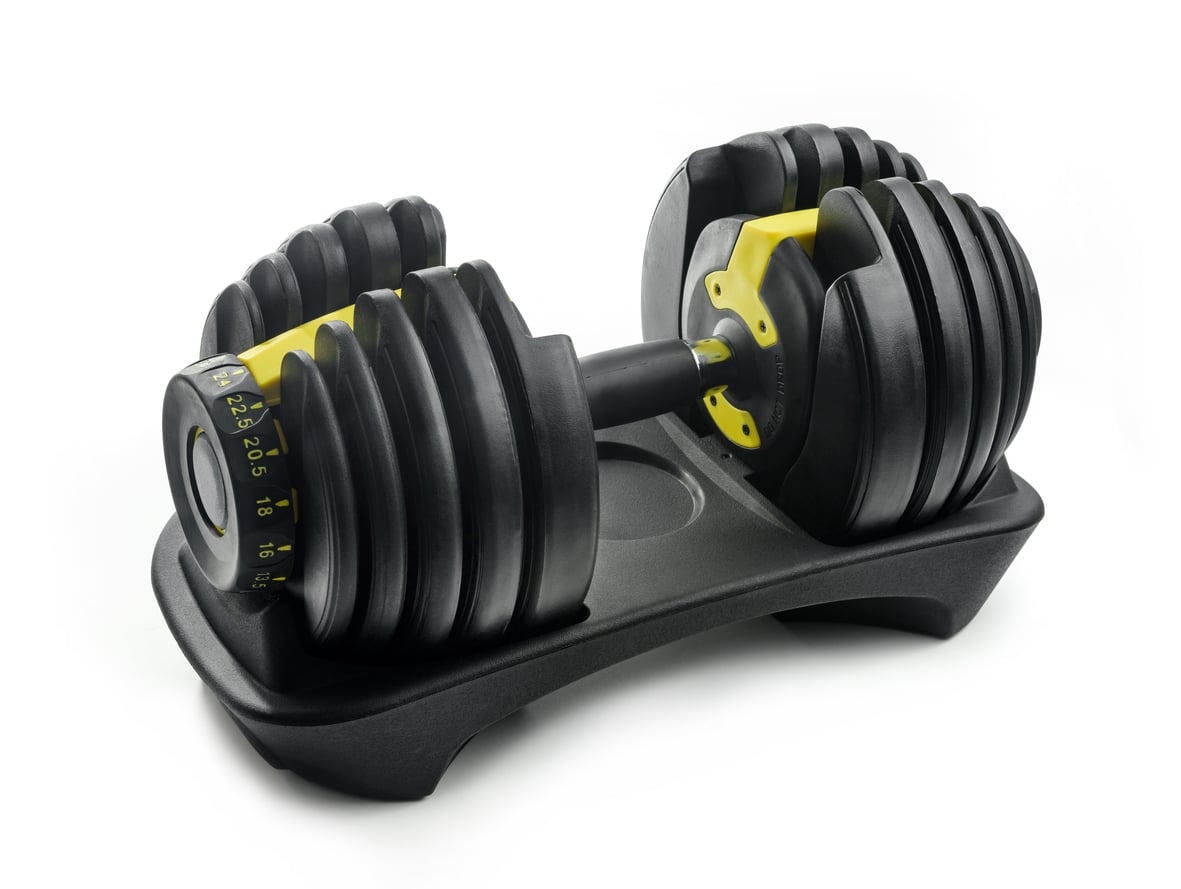
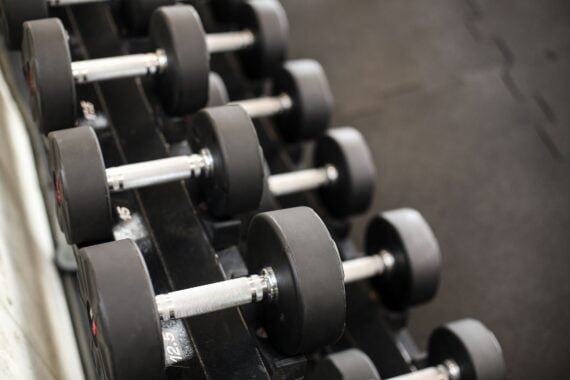
A full rack of dumbbells looks nice, but it is expensive and takes up a lot of space. Adjustable dumbbells are a smarter compromise for many home exercisers because one pair can replace several fixed-weight sets. Consumer Reports says they can support a full-body strength routine and are compact enough for smaller homes or apartments. The downside is the upfront price, and cheaper sets may feel clunky. Still, compared with years of gym payments, they can be a practical long-term buy.
Use Resistance Bands for Strength Training

Resistance bands are one of the better low-cost fitness purchases because they are light, portable, and easy to store in a drawer. They can be used for rows, presses, leg work, shoulder exercises, and gentle mobility work. Mayo Clinic also lists resistance tubing as a home-friendly strength-training option. The catch is that bands wear out, so inspect them for cracks or thinning before use. They are not a perfect substitute for heavy weights, but they are excellent for beginners and small spaces.
Turn Stairs Into a Cardio Machine

A staircase can replace a paid cardio machine if you use it carefully. Walking up and down at a steady pace can raise your heart rate, while short stair intervals can strengthen the legs and glutes. This is not the right move for everyone, though. Anyone with balance issues, knee pain, dizziness, or heart concerns should choose a safer option, such as walking indoors or outside. Hold the railing, keep the area well lit, and skip speed if your footing feels uncertain.
Replace Studio Classes With Free YouTube Workouts
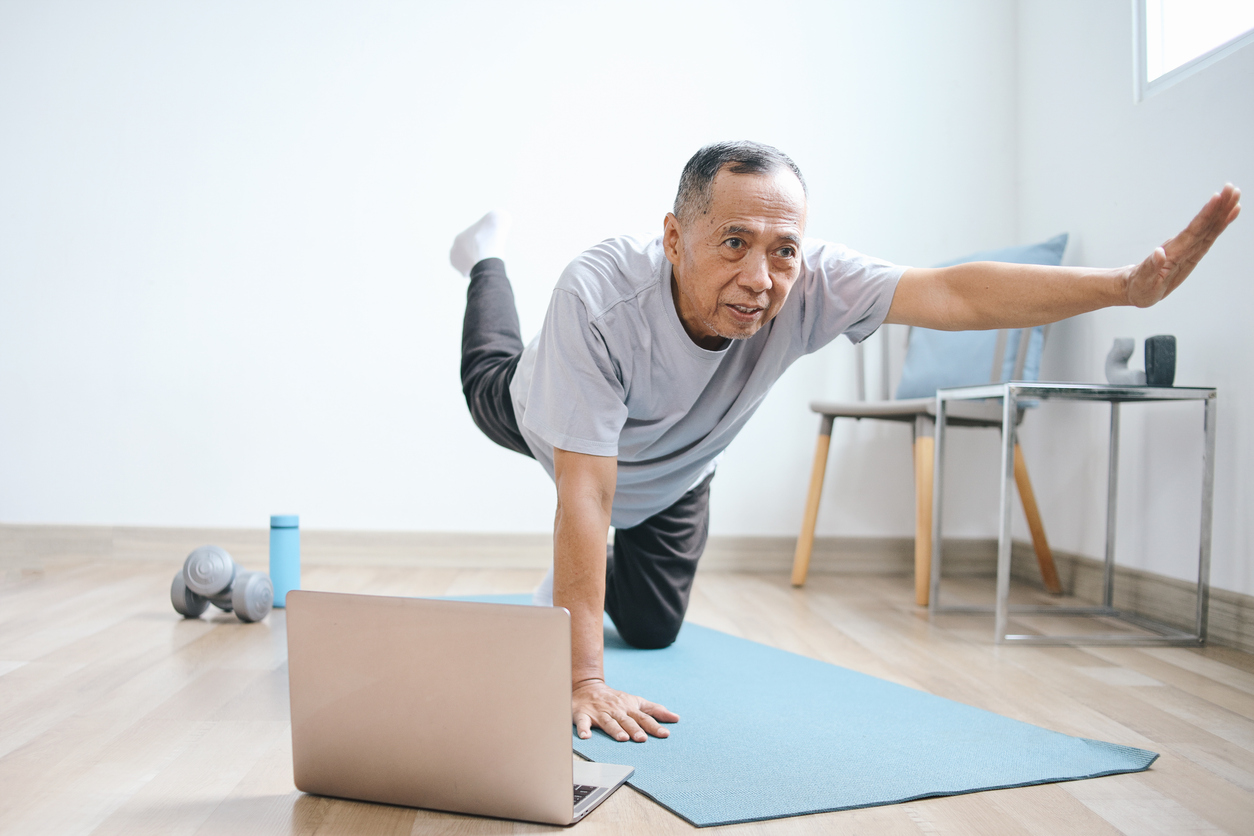
Studio classes can be motivating, but they can also get expensive quickly. YouTube has free workouts for yoga, walking, strength, Pilates, stretching, and low-impact cardio. Yoga With Adriene, for example, describes its mission as offering high-quality free yoga videos, and channels like Fitness Blender, HASfit, and Caroline Girvan also have large workout libraries. The downside is that no instructor is watching your form, so choose beginner or low-impact videos first and stop if something hurts.
Trending on Cheapism

Use Household Items as Workout Equipment
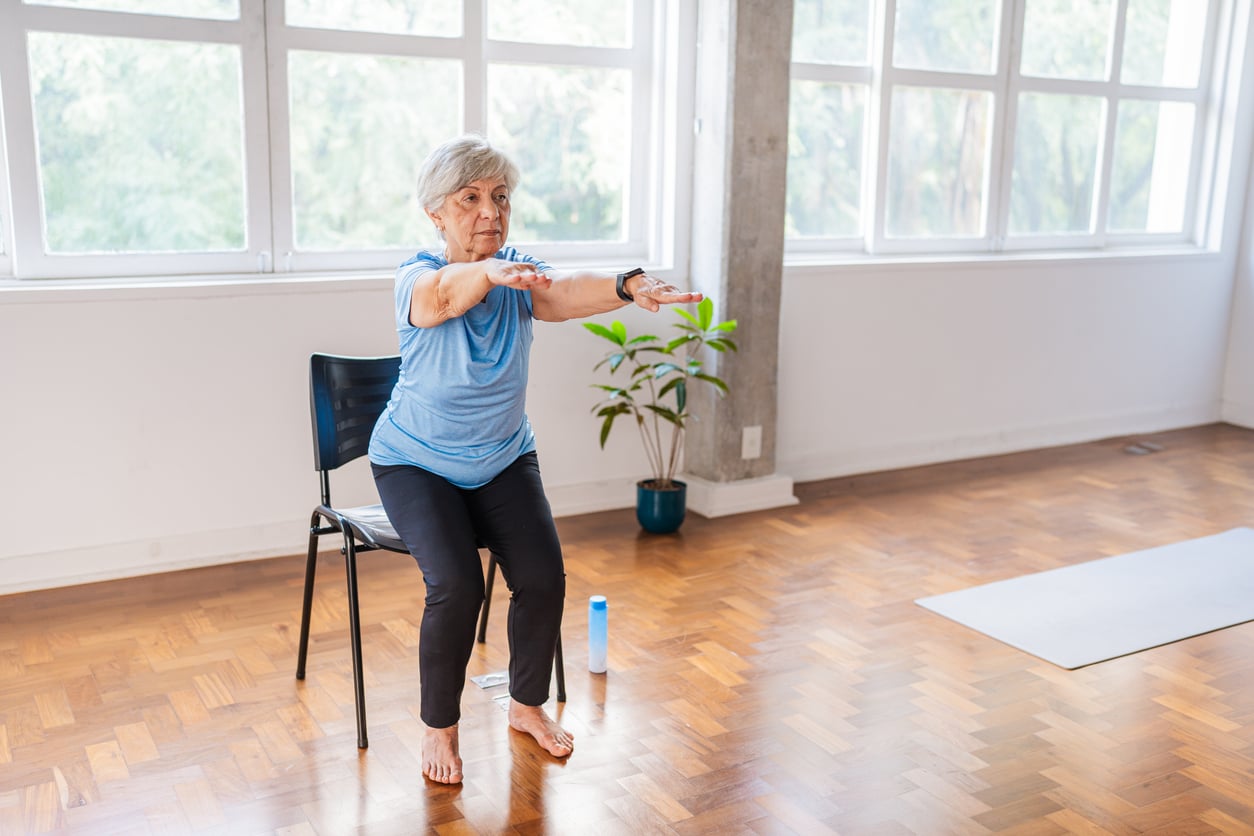
You do not need to buy every piece of gear a trainer uses online. A sturdy chair can help with sit-to-stands, a towel can work for gentle floor sliders, and a backpack can add light resistance if it is packed evenly. Water jugs can be useful for carries, but they should be sealed tightly and easy to grip. The key word is sturdy. Avoid wobbly chairs, slippery floors, glass containers, or anything that forces you to move awkwardly just to save a few dollars.
Walk or Jog Around Your Neighborhood

Walking is still one of the simplest ways to replace gym cardio. It costs nothing, requires no special equipment beyond comfortable shoes, and can be adjusted to almost any fitness level. The CDC specifically lists brisk walking as an example of moderate-intensity activity for older adults. Parks, sidewalks, school tracks, and local trails can all serve as free alternatives to a treadmill. Jogging is an option if your joints tolerate it, but consistency matters more than speed.
Create a Small Dedicated Workout Space
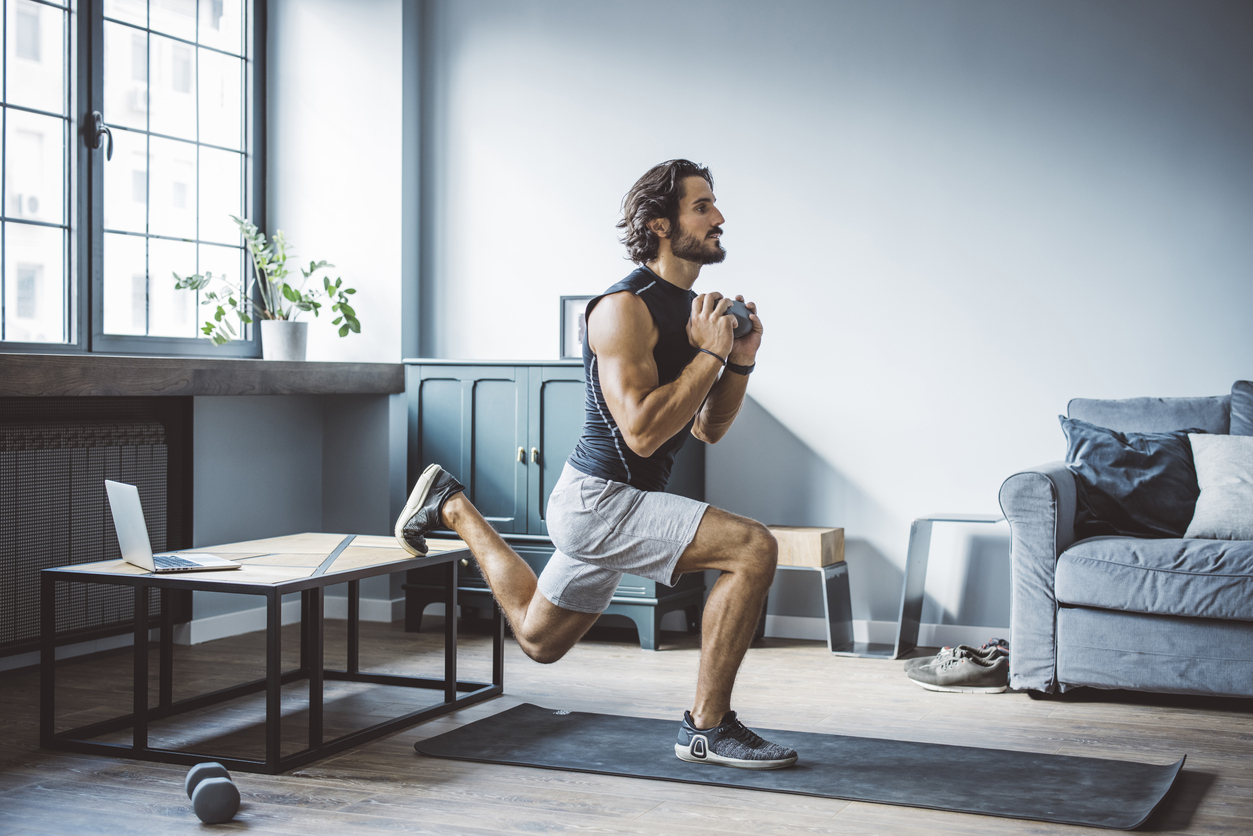
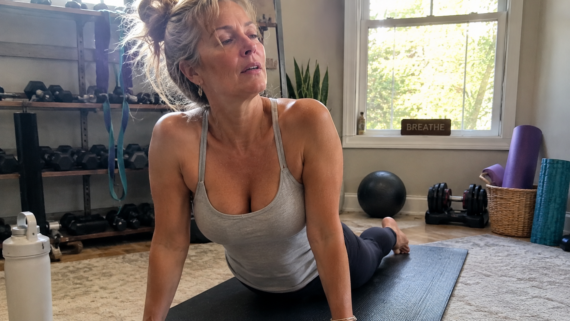
A home gym does not have to be a garage full of equipment. A corner with a mat, bands, light weights, and a chair can be enough. The advantage is convenience: When your gear is visible and easy to reach, you are less likely to skip the workout because setup feels annoying. Keep the space uncluttered, well lit, and safe from trip hazards. This matters especially for older adults, where balance and safe movement are just as important as intensity.
Sign up for our newsletter
Skip the Commute and Save More Than Membership Fees
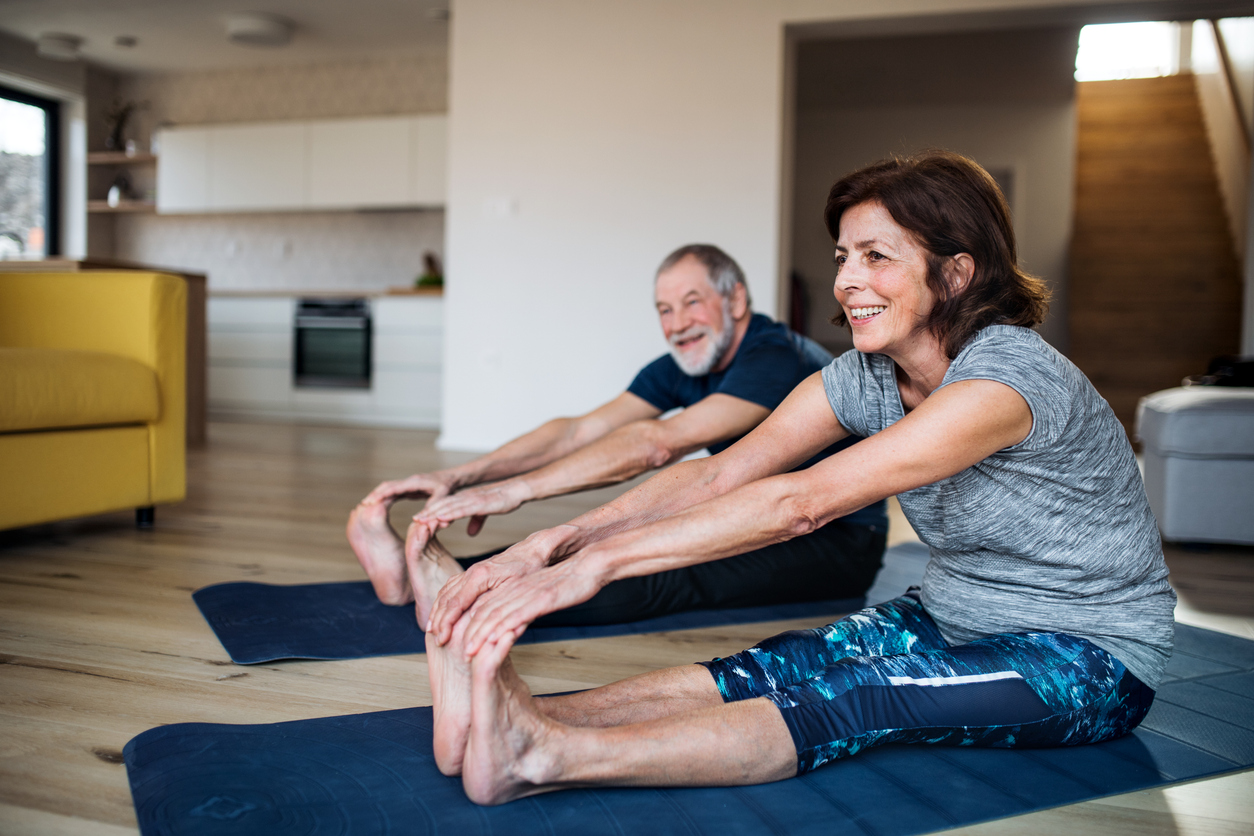
The membership fee is only part of the gym cost. Driving there adds fuel, parking, vehicle wear, and time. If your gym is 15 or 20 minutes away, a “quick workout” can easily become a 90-minute errand. Home workouts remove that barrier. That makes shorter sessions more realistic, especially on busy days. The savings are not only financial. Getting back an hour several times a week can make exercise feel less like another chore on the calendar.
Share Equipment With Family Members
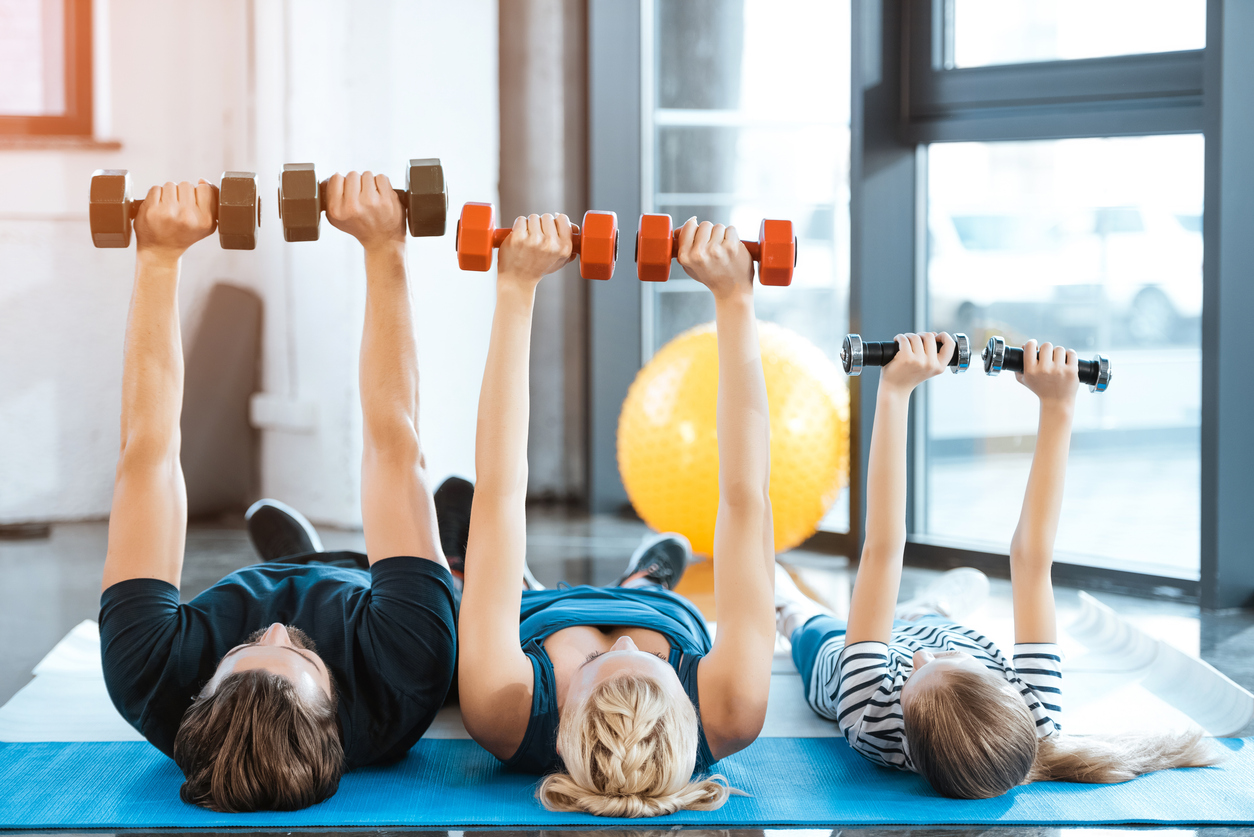
One set of resistance bands, a yoga mat, and a pair of adjustable dumbbells can serve more than one person in the house. That is a much better value than paying for several memberships that may or may not get used. Sharing equipment also makes it easier to build accountability, whether that means walking with a spouse or doing a short stretching video with a family member. For kids and teens, keep exercise age-appropriate and avoid heavy lifting without proper guidance.
Start With Affordable Basics Instead of Expensive Machines
Many people buy a treadmill, bike, or all-in-one machine before they know what kind of exercise they will actually do. That is how expensive equipment turns into a clothing rack. Start smaller: a supportive mat, resistance bands, a pair of dumbbells, and walking shoes can cover a lot of ground. The National Institute on Aging emphasizes endurance, strength, balance, and flexibility for older adults, and none of those require a fancy machine. Add equipment later only if you will truly use it.
Reinvest Your Gym Savings Into Long-Term Health
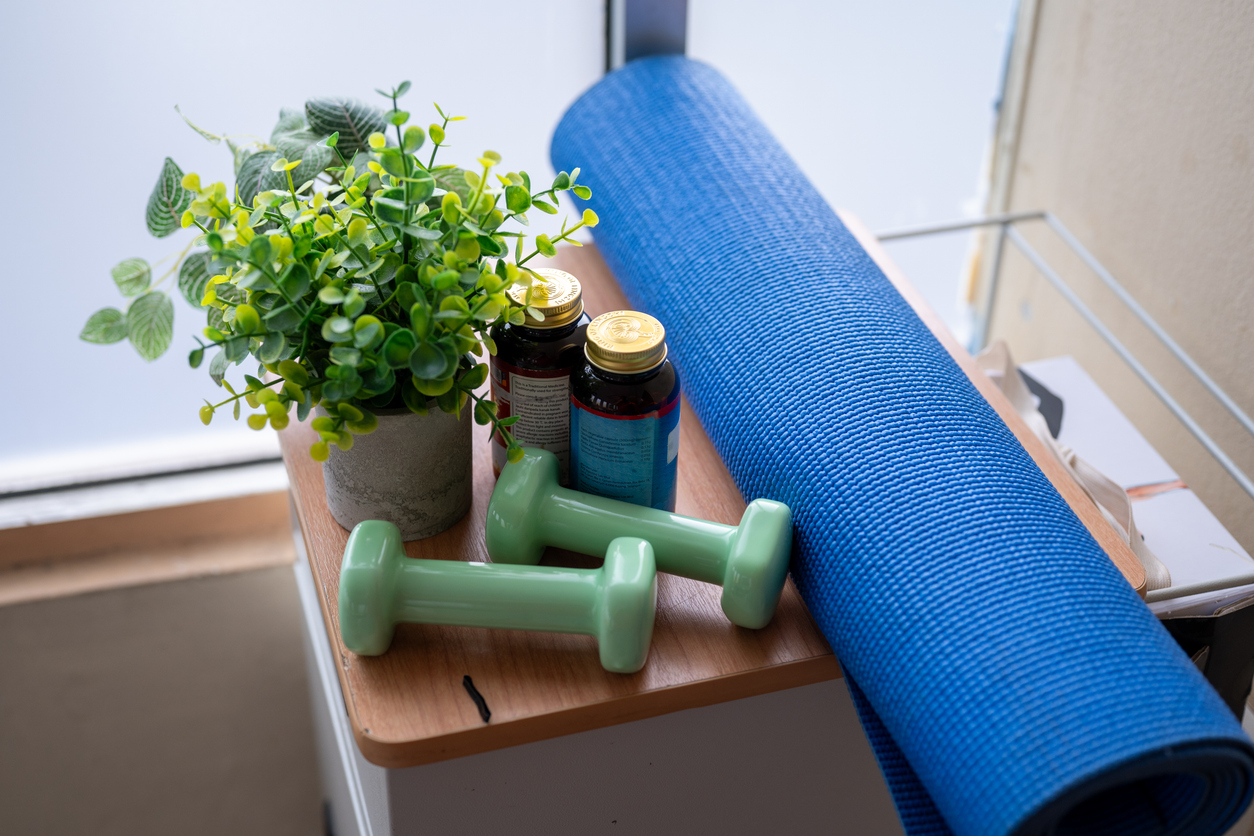
Canceling or reducing a gym membership should not mean doing less for your health. Put some of the savings toward things that make exercise easier to maintain: better walking shoes, a safer mat, a blood pressure monitor, healthier groceries, or a few sessions with a trainer to learn proper form. Even modest monthly savings can add up over a year. The goal is not to spend nothing. It is to stop paying for a routine that does not fit your life.