
Remember when buying a coffee maker or a pair of shoes meant choosing something you liked and heading to the checkout? These days, even everyday purchases can involve reading reviews, comparing warranties, and calculating how much something will cost over several years. With household budgets stretched, a bargain isn’t much of a bargain if it needs replacing too soon. As Consumer Reports’ coffee maker buying guide illustrates, even a simple kitchen appliance comes with plenty of choices. Here are 12 purchases worth researching before spending your money.
Mattresses

Buying a mattress can feel like shopping for a car, complete with confusing specifications, competing brands, and seemingly endless sales. Since you’ll probably sleep on it every night for years, comfort and support matter more than an impressive discount. Firmness labels aren’t always consistent between manufacturers, and a higher price doesn’t guarantee better sleep. Compare trial periods, return fees, and warranty exclusions before committing. If possible, spend several minutes lying in your usual sleeping position rather than deciding based on how the mattress feels when you first sit down.
Car Tires
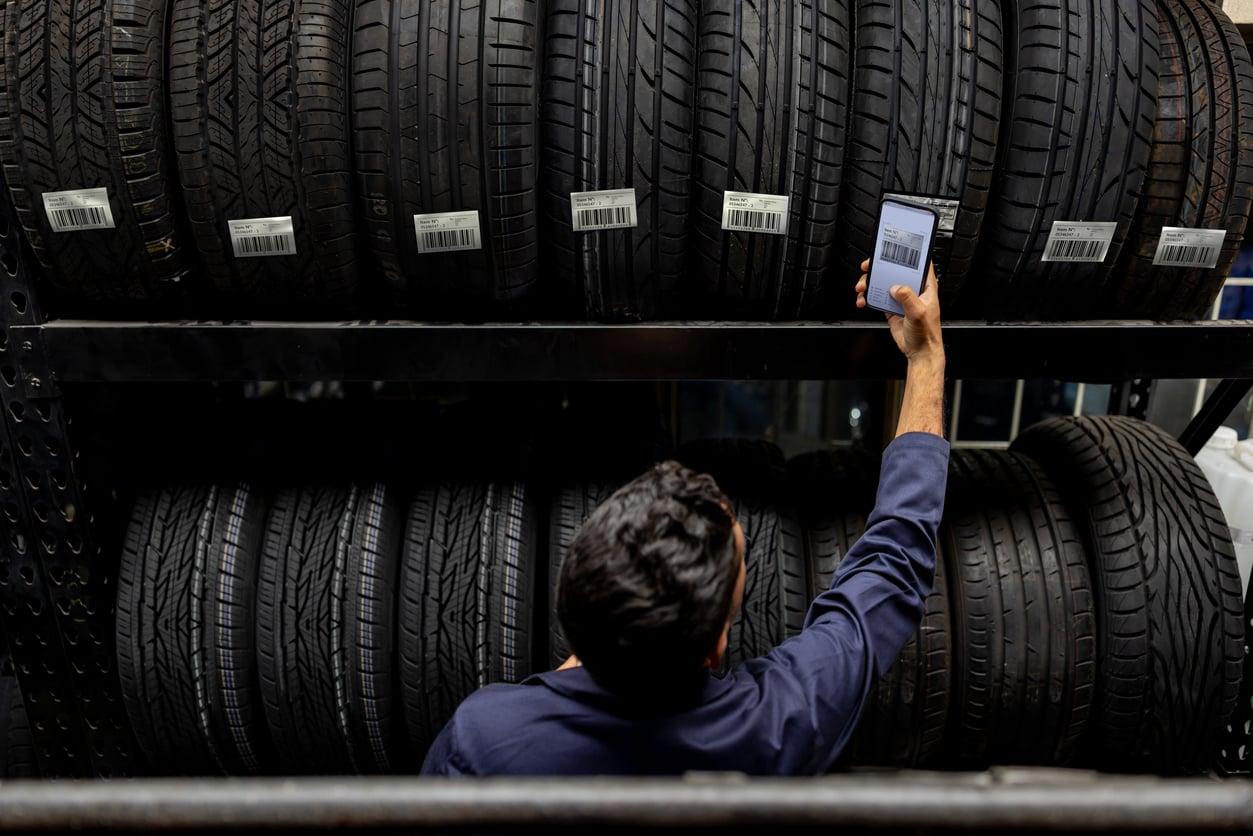
A new set of tires can cost enough to make anyone reconsider their budget, but choosing the cheapest option isn’t always the smartest move. Tires affect braking, traction, road noise, and ride comfort, so their performance matters long after the initial purchase. Compare wet-road braking results, treadwear ratings, and suitability for your local weather. A generous mileage warranty sounds reassuring, but it doesn’t guarantee better grip. Don’t forget installation, balancing, and disposal fees, which can make an advertised tire deal considerably more expensive at checkout.
Coffee Makers
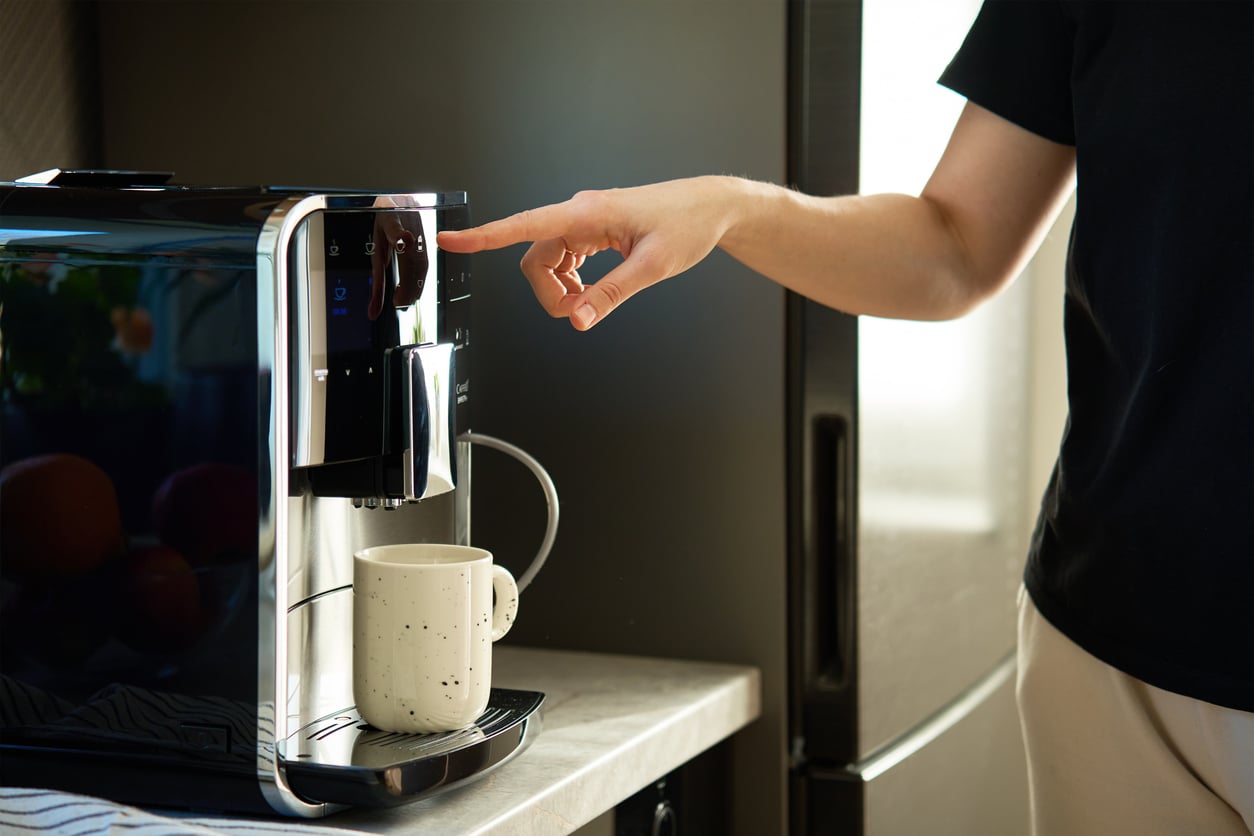
A coffee maker might seem like a straightforward purchase until you start comparing drip machines, single-serve brewers, and espresso makers. The machine’s price is only part of the equation. Pod-based systems offer convenience, but buying individual capsules every morning can cost more than using ground coffee. Cleaning requirements, replacement filters, and available counter space also deserve attention. Before paying extra for a machine with a dozen brewing options, consider how many you’ll actually use. Sometimes a reliable basic model makes more sense than one with an impressive collection of buttons.
Winter Coats
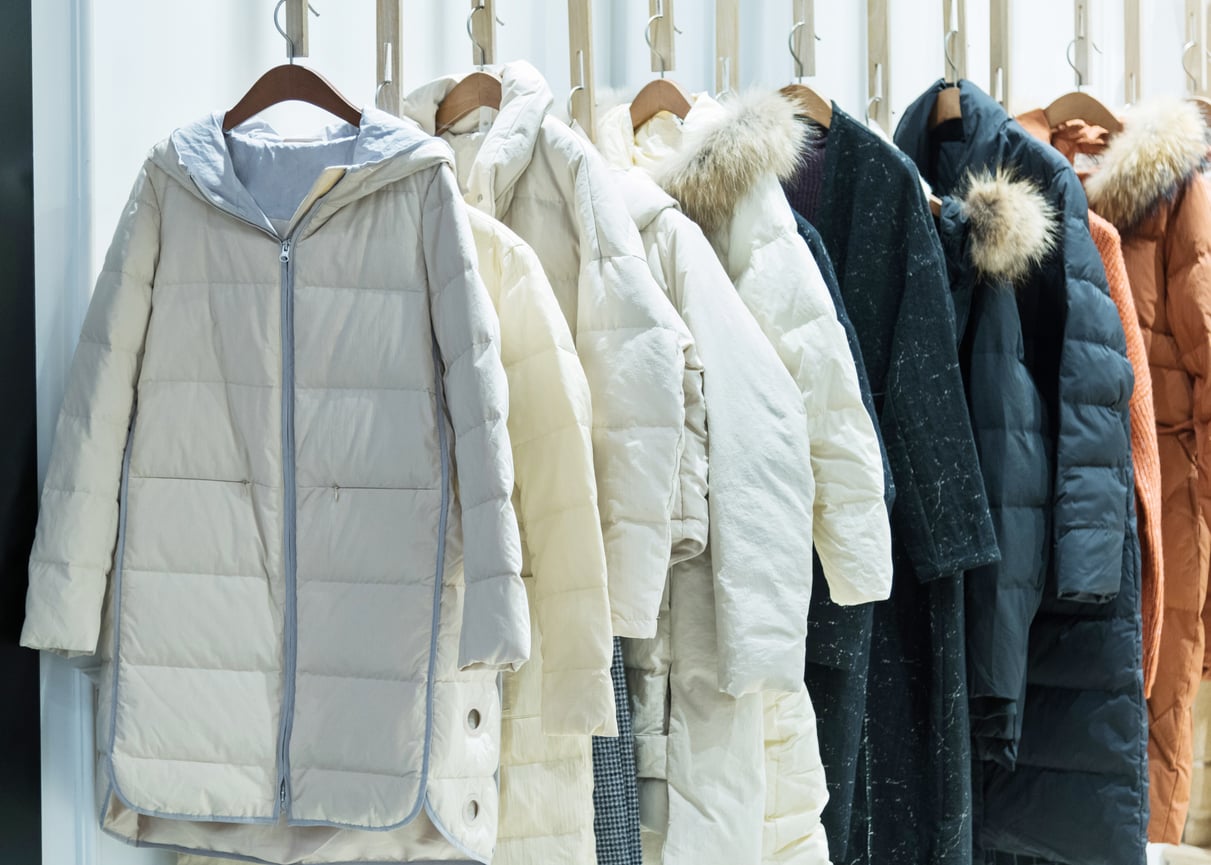
A good winter coat can be a serious purchase, especially when premium brands charge several hundred dollars for insulated jackets. But an expensive logo doesn’t necessarily mean better protection from the weather. Down insulation can offer excellent warmth for its weight, while synthetic insulation often performs better when damp. Compare wind protection, water resistance, fit over sweaters, and cleaning instructions before choosing. A coat designed for mountain expeditions might be unnecessary for everyday errands. The better investment is one suited to the weather you’ll actually face.
Vacuum Cleaners
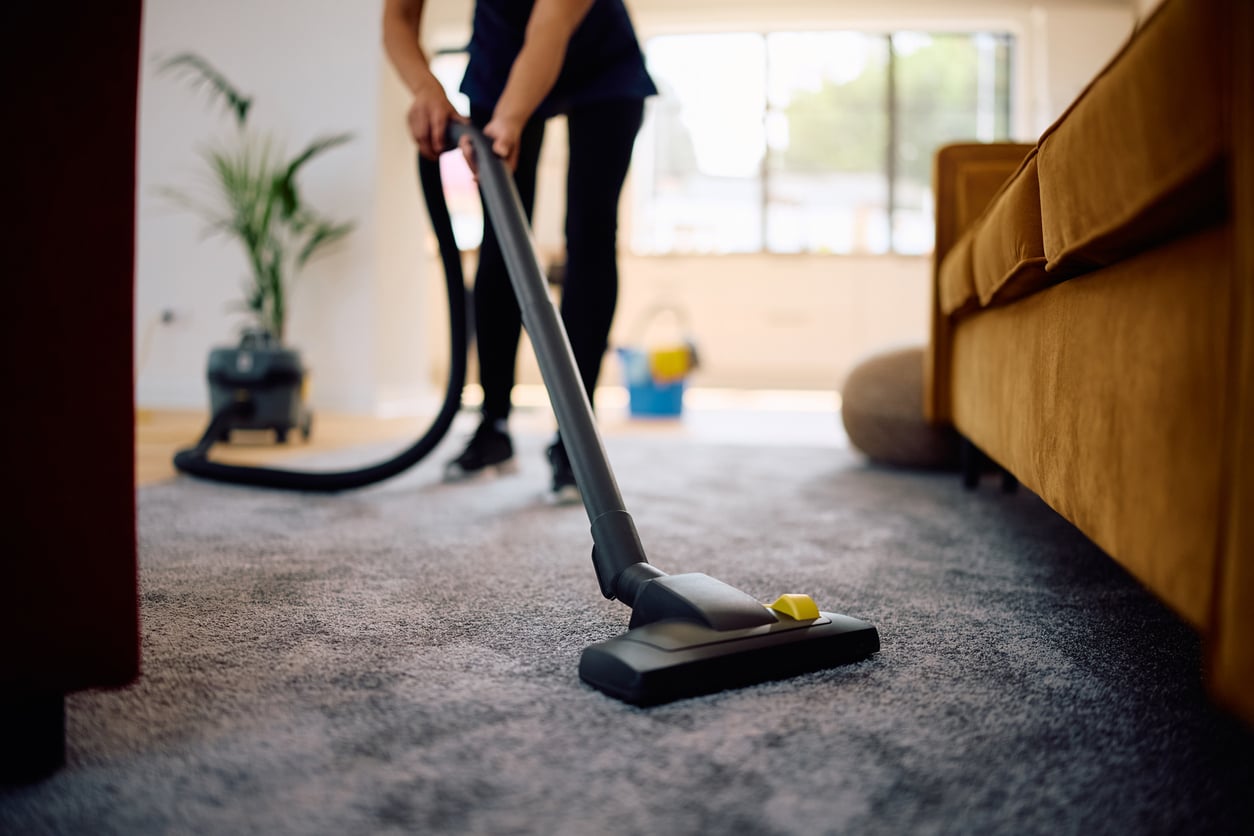
Shopping for a vacuum cleaner can quickly turn into a comparison of suction claims, filtration systems, battery life, and specialized attachments. Yet the most important question might be whether the machine can keep working after several years of regular use. Replacement filters, brush rolls, and batteries can add to the cost, particularly with cordless models. Consider your flooring, whether you have pets, and how much weight you’re comfortable carrying. A lightweight vacuum that cleans your home effectively may be more useful than a powerful machine that’s difficult to maneuver.
Trending on Cheapism


Smartphones
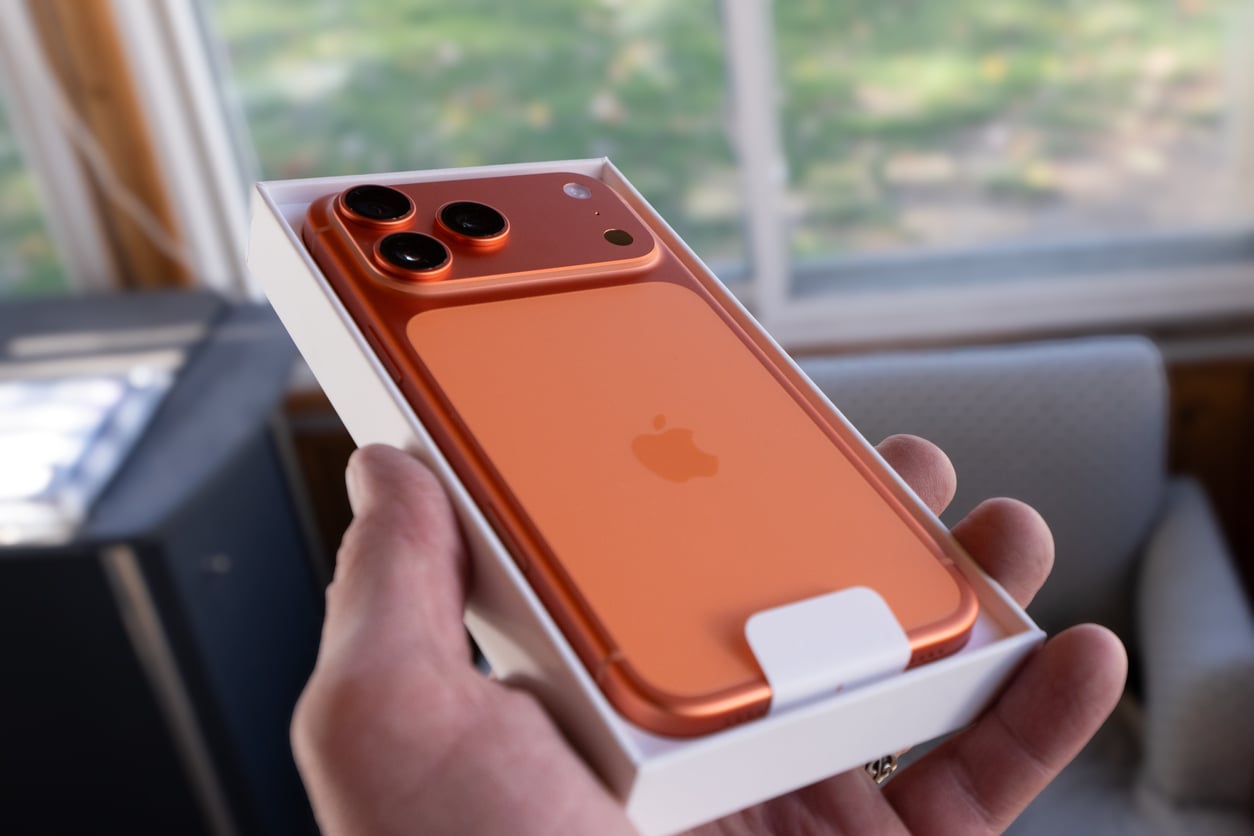
A new smartphone can easily become one of the more expensive everyday purchases, especially when the price is divided into small monthly payments. Before upgrading, compare how long the manufacturer provides software updates, whether the battery can be replaced, and how much storage you actually need. Last year’s model or a reputable refurbished phone may offer better value than the latest release. Watch out for carrier promotions that require expensive service plans or long commitments. The monthly payment might look manageable while the total cost tells a different story.
Running and Walking Shoes

A pair of walking shoes can inspire almost as much research as a major appliance, especially when brands advertise specialized cushioning, stability features, and advanced materials. But the most expensive pair isn’t necessarily the most comfortable. Foot shape, intended activity, and proper sizing matter more than popularity. Try shoes with the socks you normally wear, and check the return policy before buying online. A discounted pair that causes discomfort or spends most of its life in the closet isn’t much of a bargain, regardless of the original price.
Luggage

Suitcases look attractive in store displays, but a few trips through airports can reveal whether they’re actually built to last. Wheels, zippers, and telescoping handles often matter more than fancy interior compartments. Compare empty weight, dimensions, warranty coverage, and whether replacement parts are available. Airline carry-on restrictions also vary, so a suitcase advertised as cabin-friendly might not fit every carrier’s rules. Before spending extra on a premium brand, read reviews from travelers who’ve used the bag repeatedly. A stylish case loses its appeal quickly when a wheel breaks halfway through a trip.
Sign up for our newsletter
Home Printers
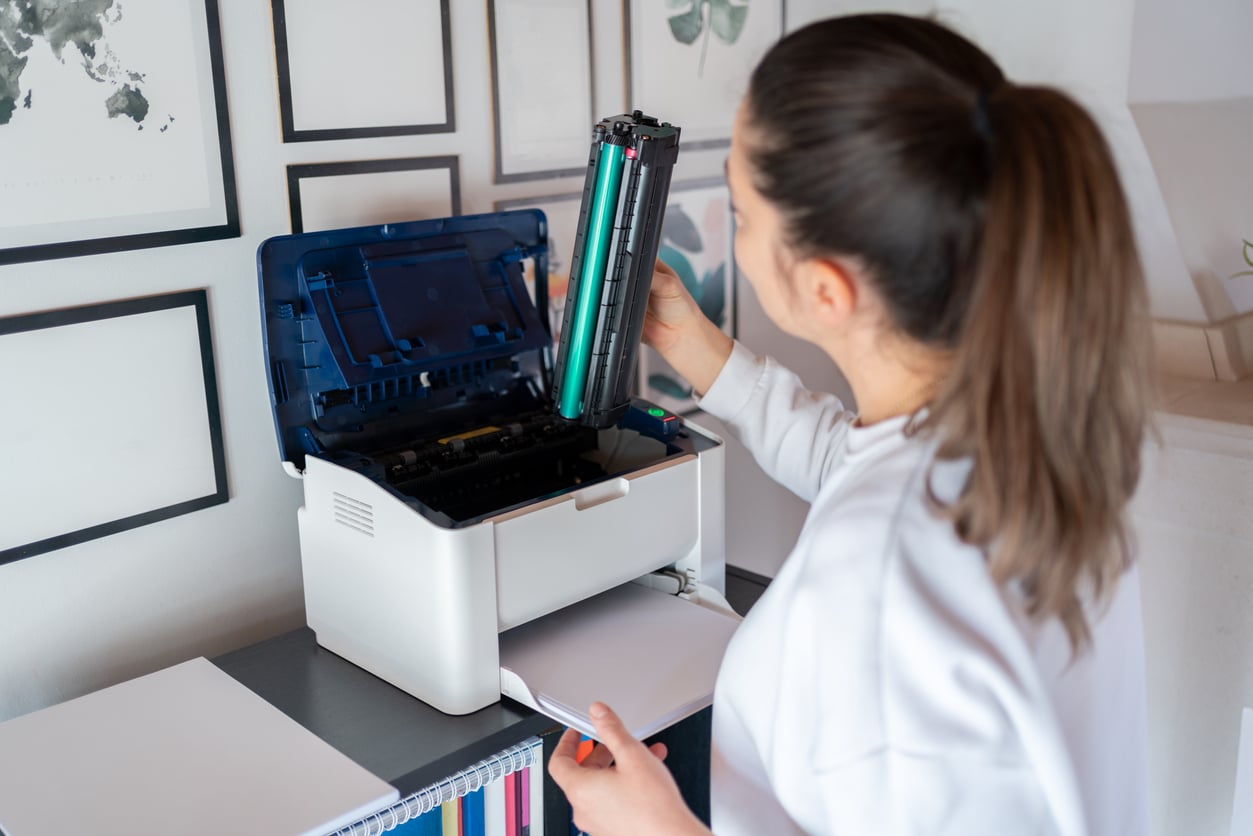
A printer advertised at a bargain price can become surprisingly expensive once replacement ink enters the picture. Cartridge costs, page yields, and maintenance requirements vary widely, making the initial purchase price a poor measure of long-term value. Households printing hundreds of pages may benefit from an ink-tank model, while occasional users might prefer a monochrome laser printer if they mainly need documents. Think about how often you print, whether you need color, and how easily replacement supplies can be purchased. Sometimes the cheapest printer is the most expensive one to own.
Dishwashers
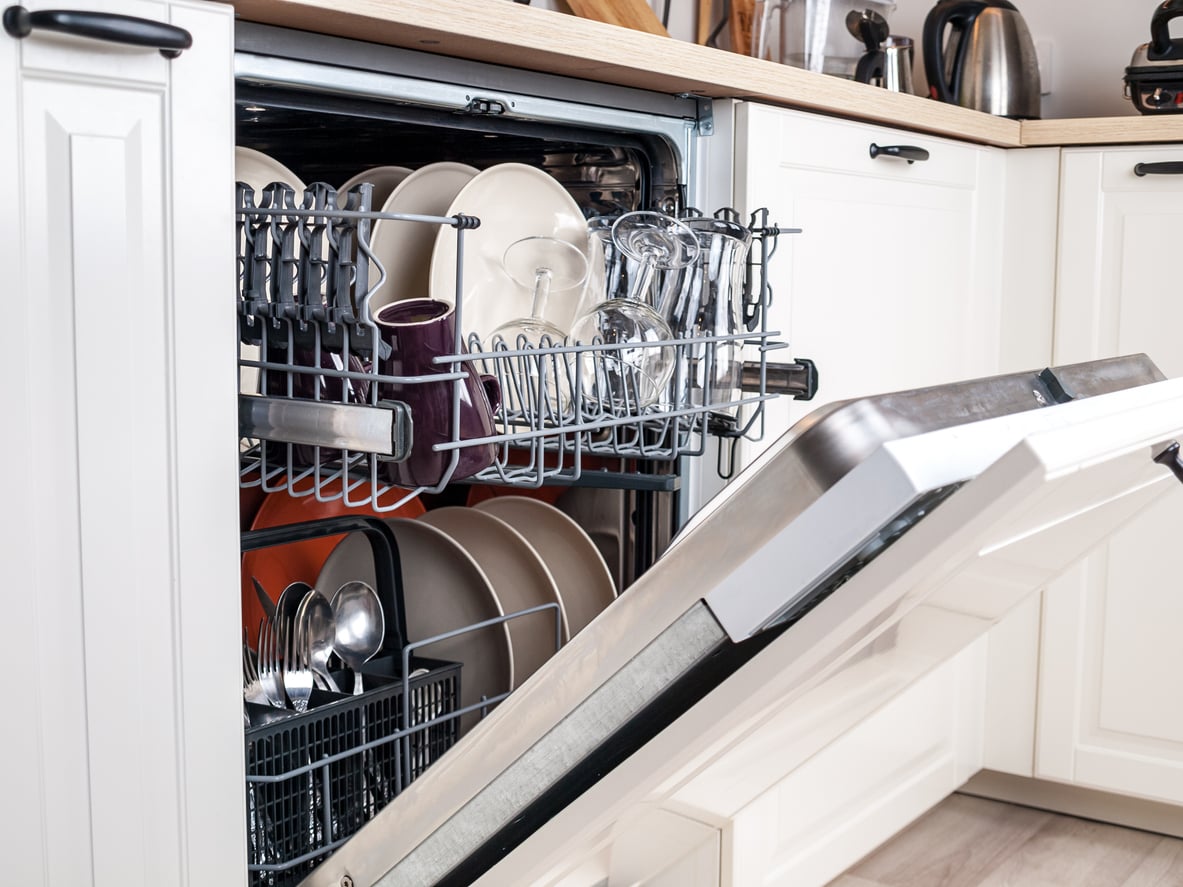
Buying a dishwasher involves more than choosing a model that fits beneath the counter. Cleaning performance, noise levels, rack design, and energy consumption can vary considerably. A quiet machine may be worth paying extra for in an open-plan kitchen, while elaborate smart features might never get used. Compare the yellow EnergyGuide labels to estimate operating costs, and remember to include installation and potential plumbing expenses. Check whether large plates and cookware fit comfortably inside. An efficient dishwasher that doesn’t accommodate your everyday dishes can become a frustrating purchase.
Office Chairs

Anyone who spends hours at a desk knows that an uncomfortable chair can make the workday feel much longer. Yet office chairs range from inexpensive basic models to elaborate ergonomic designs costing hundreds of dollars. Adjustable seat height, lumbar support, armrests, and seat depth are worth comparing before paying for premium materials or flashy styling. Try sitting in a chair before buying whenever possible. Refurbished commercial office chairs can also be worth considering, provided their mechanisms work properly and the seller offers reasonable return terms.
Cookware
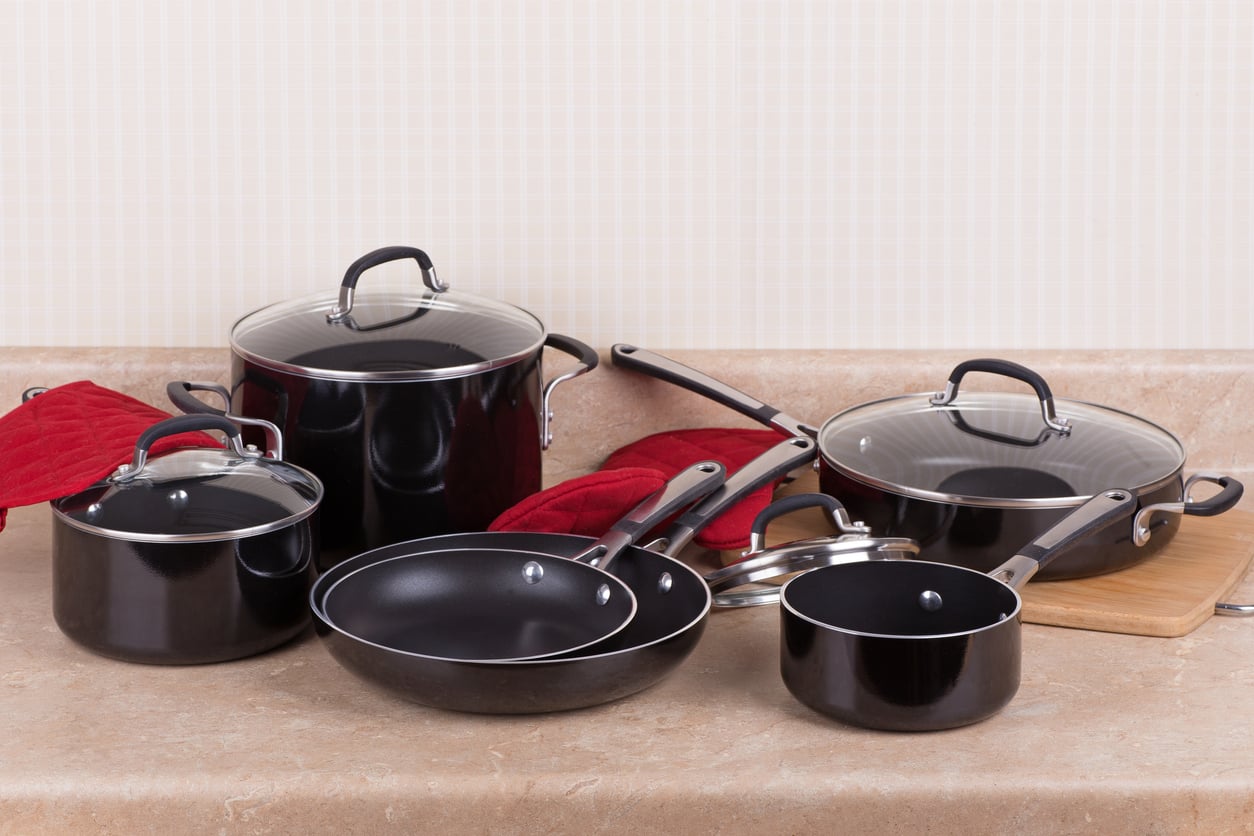
A matching set of shiny pots and pans can be tempting, especially when it’s advertised at a steep discount. But buying individual pieces suited to your cooking habits may offer better value. Stainless steel, cast iron, and nonstick cookware have different advantages, cleaning requirements, and expected lifespans. Nonstick coatings can wear out, while a heavy cast-iron skillet may be inconvenient for someone who struggles to lift it. Check whether pans work with your stovetop and can safely go in the oven. You may not need every piece in that enormous boxed set.