Buying food at a supermarket versus a specialty shop can make a real difference. While supermarkets may be more convenient, specialty food shops offer a distinct culinary experience. Drawing on information from the USDA, UC Davis, and other sources, we’ll reveal the food items you should always consider buying at a specialty shop rather than a supermarket!
Aged Cheese From a Dedicated Cheesemonger
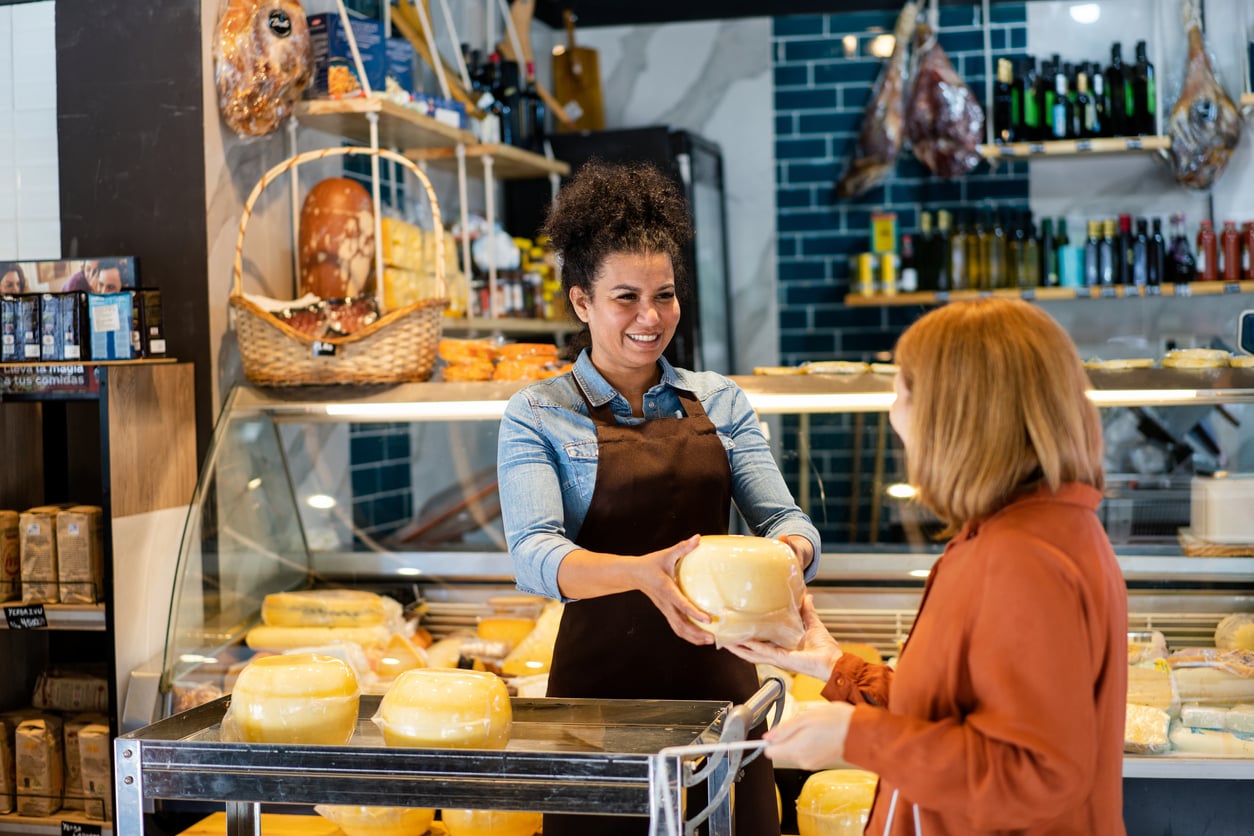
When you choose to buy aged cheese from a dedicated cheesemonger, you can opt for freshly cut portions, such as Gruyère, Parmigiano Reggiano, and other varieties. Furthermore, you can rely on the advice of the staff, who can explain the differences in aging and flavor for each type. In contrast, at a supermarket, you have to rely solely on the information provided on pre-packaged products.
Freshly Roasted Coffee Beans From a Local Roaster
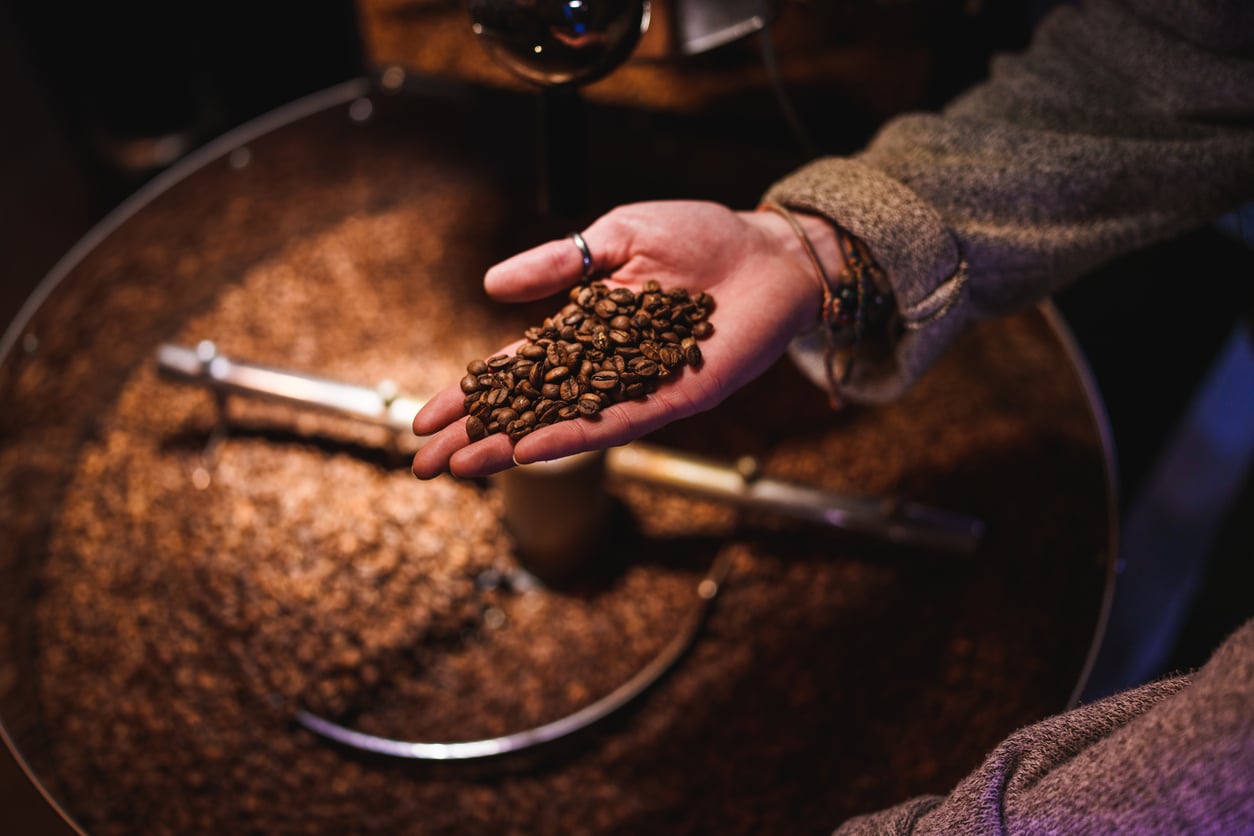
Local coffee roasters can help customers compare beans by pointing out their origins, roast levels, and processing methods, all of which influence the final flavor after brewing. Furthermore, if the roaster lets you smell the coffee, they can explain its acidity, bitterness, and the aroma it will develop once brewed. This kind of information is much easier to obtain at specialty food shops than when buying coffee packaged for sale in a supermarket.
Extra-Virgin Olive Oil at an Olive Oil Specialty Store
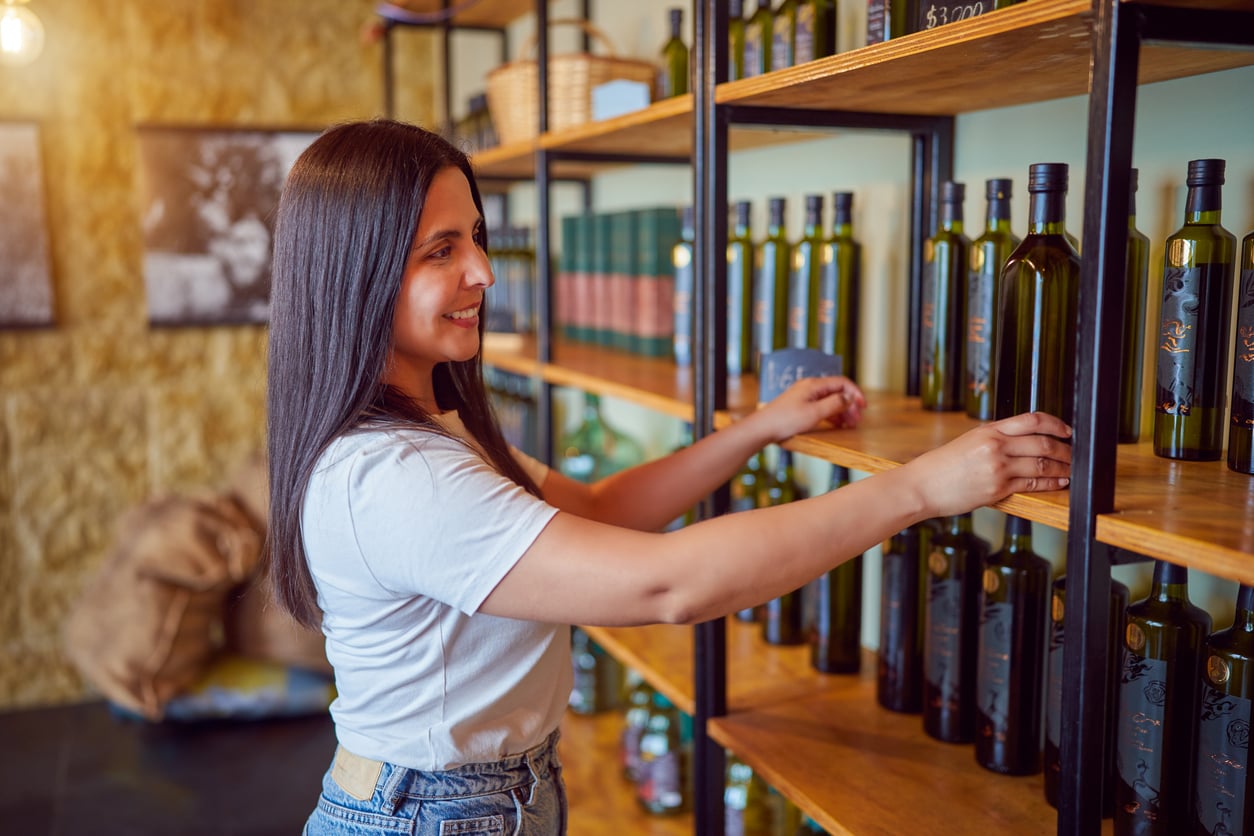
Extra virgin olive oil should not all taste exactly the same. A shop specializing in olive oil can show customers the fruity, grassy, bitter, and peppery variations of this ingredient. Specialty food shops can also help customers compare different producers and learn what makes each oil distinctive. UC Davis recommends checking harvest dates and avoiding products kept in poor storage conditions to ensure a better choice.
Fresh Italian Sausage From a Traditional Butcher

When you go to a supermarket to buy sausages, you will find a few pre-packaged varieties, but you have no way of knowing how long they have been sitting in the refrigerated case. In contrast, independent butcher shops can tell you about the sausages they have prepared, including the specific types of meat used, as these can be blends of meat, fat, garlic, fennel, and other seasonings.
Artisan Sourdough Bread From a Dedicated Bakery
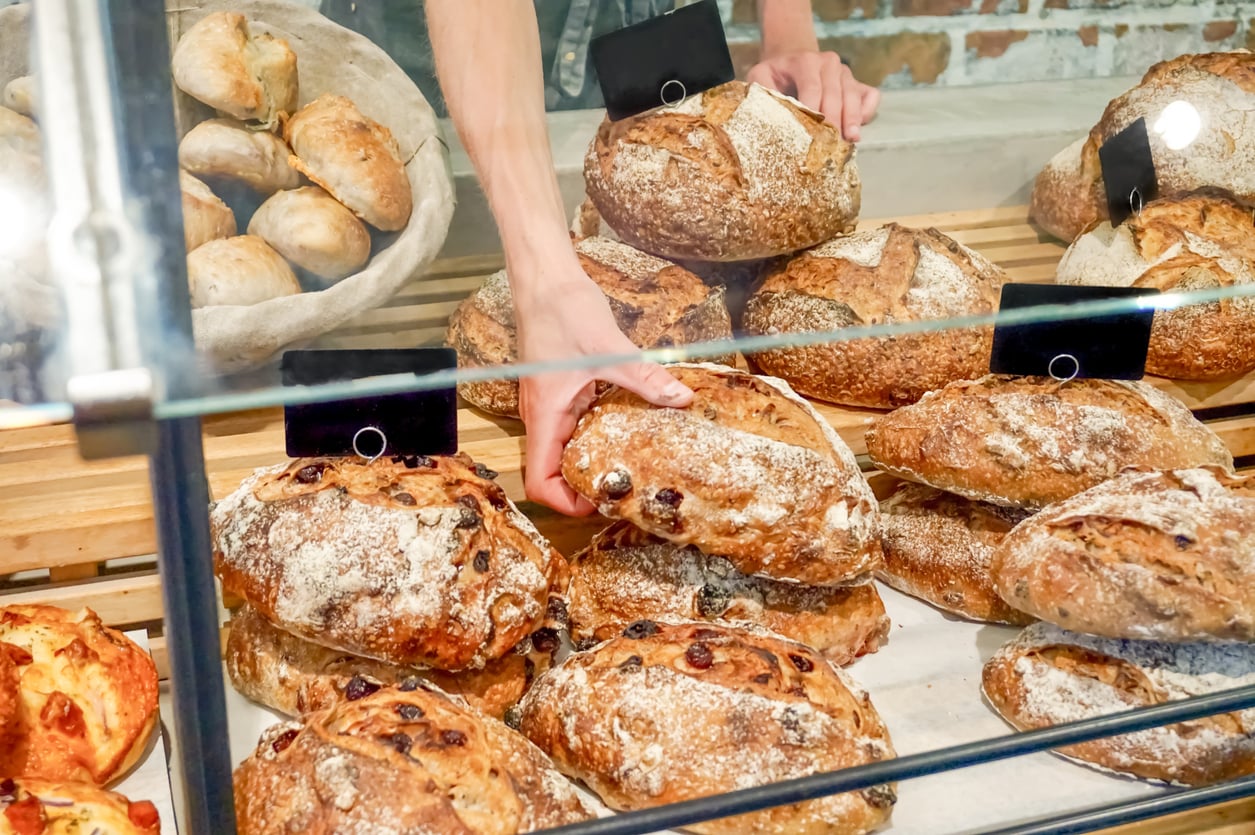
Many Sourdough bread from dedicated bakeries use a longer fermentation process, and its loaves can have a distinctive crust, open crumb, and mild or pronounced acidity. Some bakeries also sell half-loaves, allowing you to avoid wasting the rest. Specialty food shops and independent bakeries often provide different sourdough varieties that are harder to find in supermarkets. On the other hand, commercial sourdough bread from a supermarket may not offer as much variety.
Trending on Cheapism


Dark Chocolate From an Independent Chocolatier
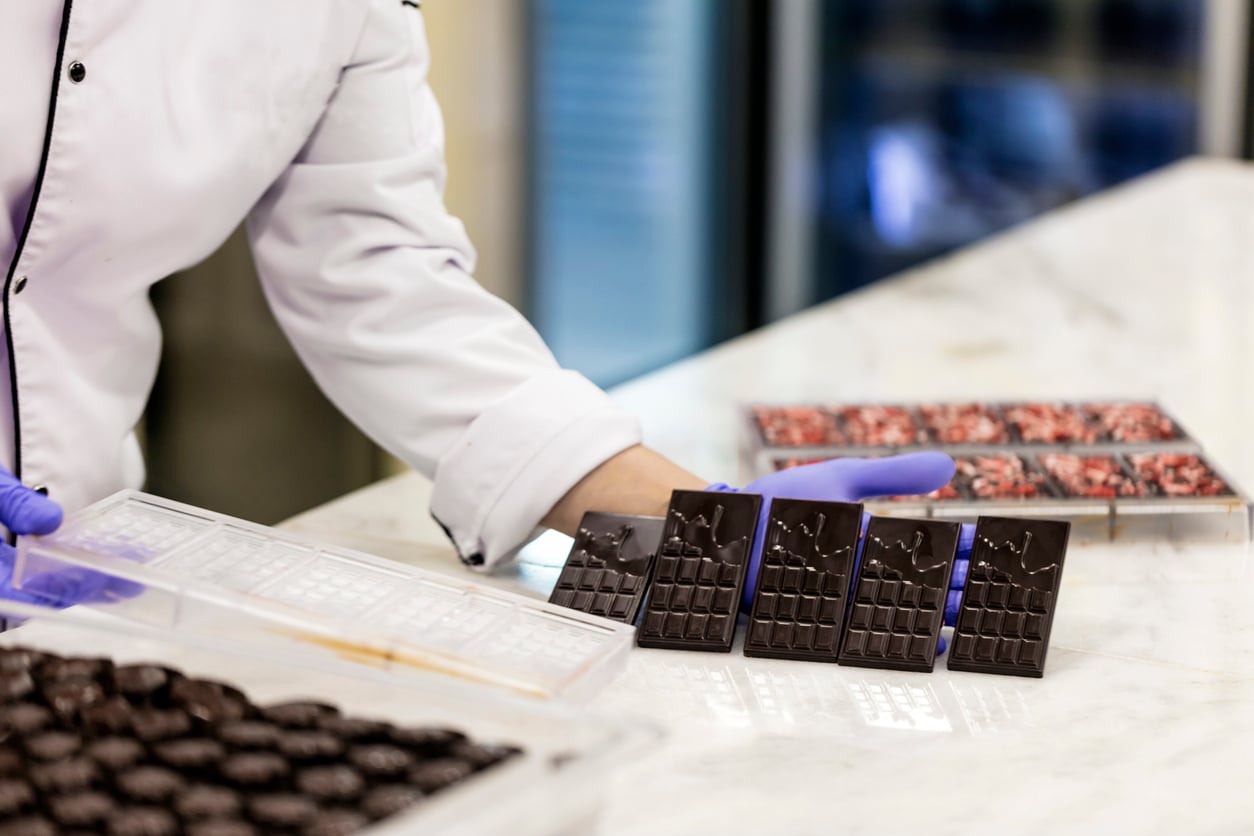
Independent chocolatiers can tell you the cocoa percentages, bean origins, and various production methods used for their dark chocolate, allowing you to better select exactly what you want. While you can find chocolate with fruity, earthy, or floral notes in supermarkets, the selection is not always as extensive as in specialized shops. At specialty food shops, you can also receive assistance from knowledgeable salespeople who are genuinely familiar with the subject.
Fresh Pasta From an Italian Specialty Market
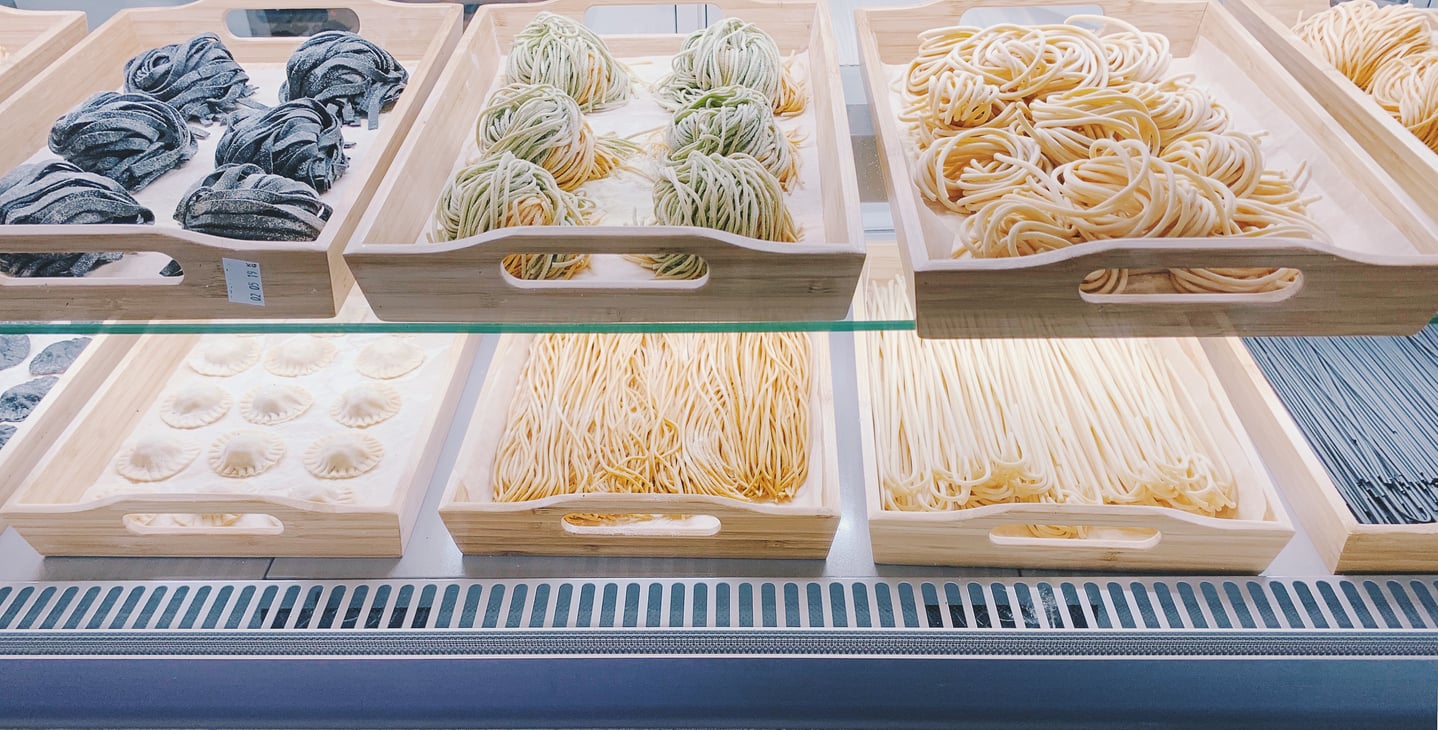
At an Italian specialty market, you can find fresh ravioli, fettuccine, gnocchi, and other pasta made using recipes that differ from the mass-produced varieties found in supermarkets. Specialty food shops often offer distinct options with different texture, fillings, thickness, as well as pasta that pairs particularly well with certain sauces. There are distinct differences between dried and fresh pasta, so you should explore both to find your favorite.
Olives From a Mediterranean Deli’s Olive Bar
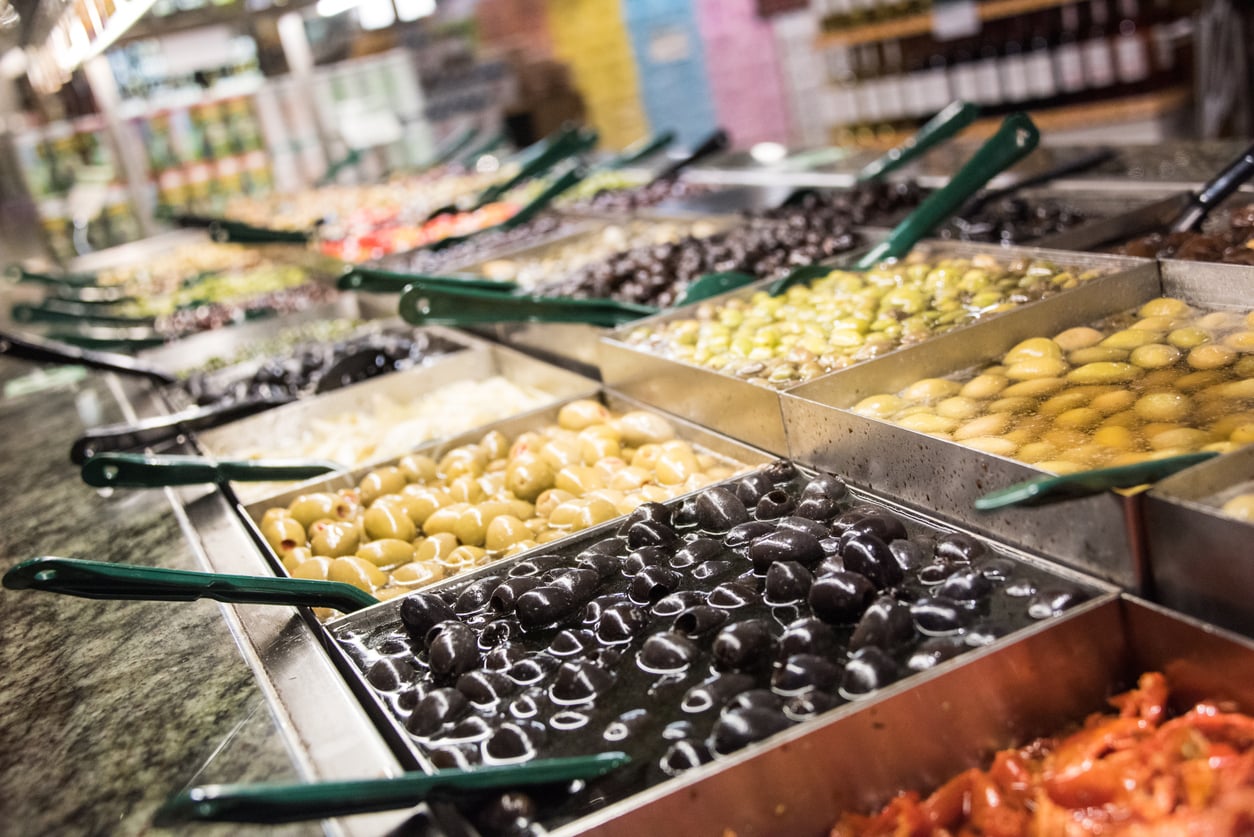
The different curing methods that Mediterranean specialty shops use for their olives make them distinct from those you buy at the supermarket. In these specialty food shops, you can find olives marinated with herbs, citrus, and spices, which affect their flavor. People can also discover the substantial differences in their flavor, even though, to the eye, they may all look quite similar.
Sign up for our newsletter
Smoked Salmon From a Specialty Fish Market
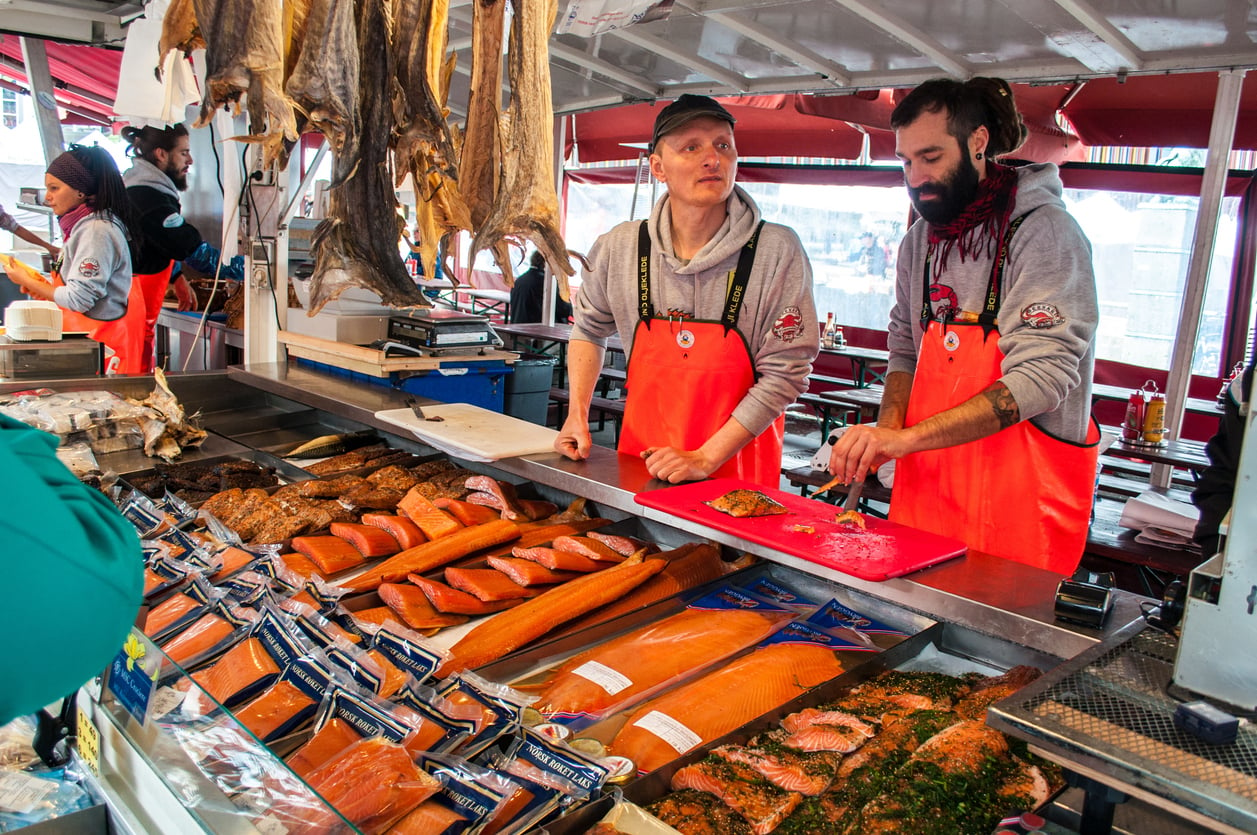
When buying salmon at a specialty fish market, a customer can choose the style they prefer for their meal. These shops typically offer smoked salmon prepared using various methods, which result in differences in texture, saltiness, and smoke flavor. One example is cold-smoked salmon, which has a silky texture, while hot-smoked salmon has a firmer consistency. This is another reason to explore specialty food shops when looking for different seafood preparations.
Freshly Ground Nut Butter From a Specialty Food Shop
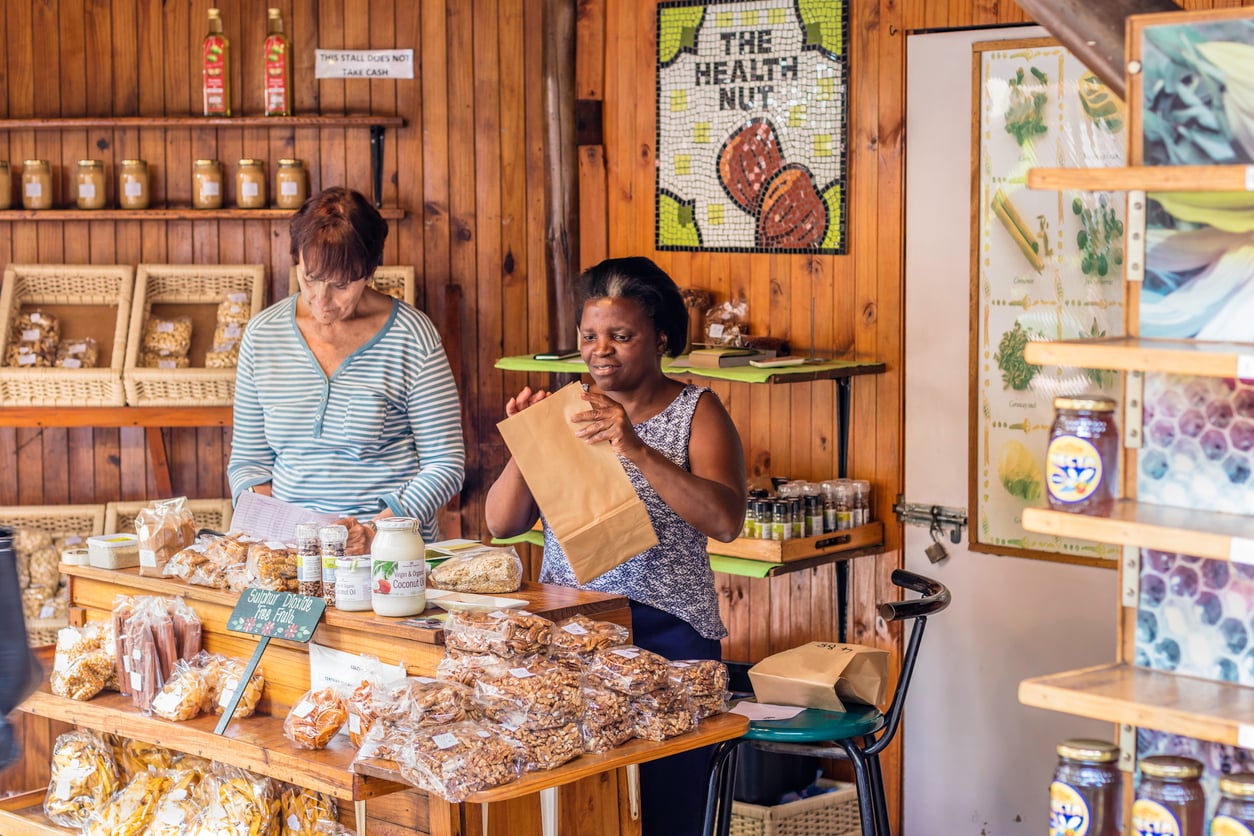
Some specialty food markets grind their own peanuts on the spot, allowing customers to purchase nut butter without the added sweeteners or stabilizers often found in the nut butters sold at supermarkets. At specialty food shops, you could try plain, freshly ground peanut butter alongside freshly ground almond or cashew butter, and then decide which one you prefer.
Authentic Italian Gelato From a Gelateria

Ice cream found in supermarkets typically has a higher fat content than traditional gelato served in a gelateria, although recipes may vary. The texture and flavor of authentic Italian-style gelato offer a distinct experience, allowing customers to explore options such as fruit-based sorbets, nut-infused flavors, like pistachio, and various cream-based varieties.
Dry-Aged Beef From a Specialty Butcher Shop
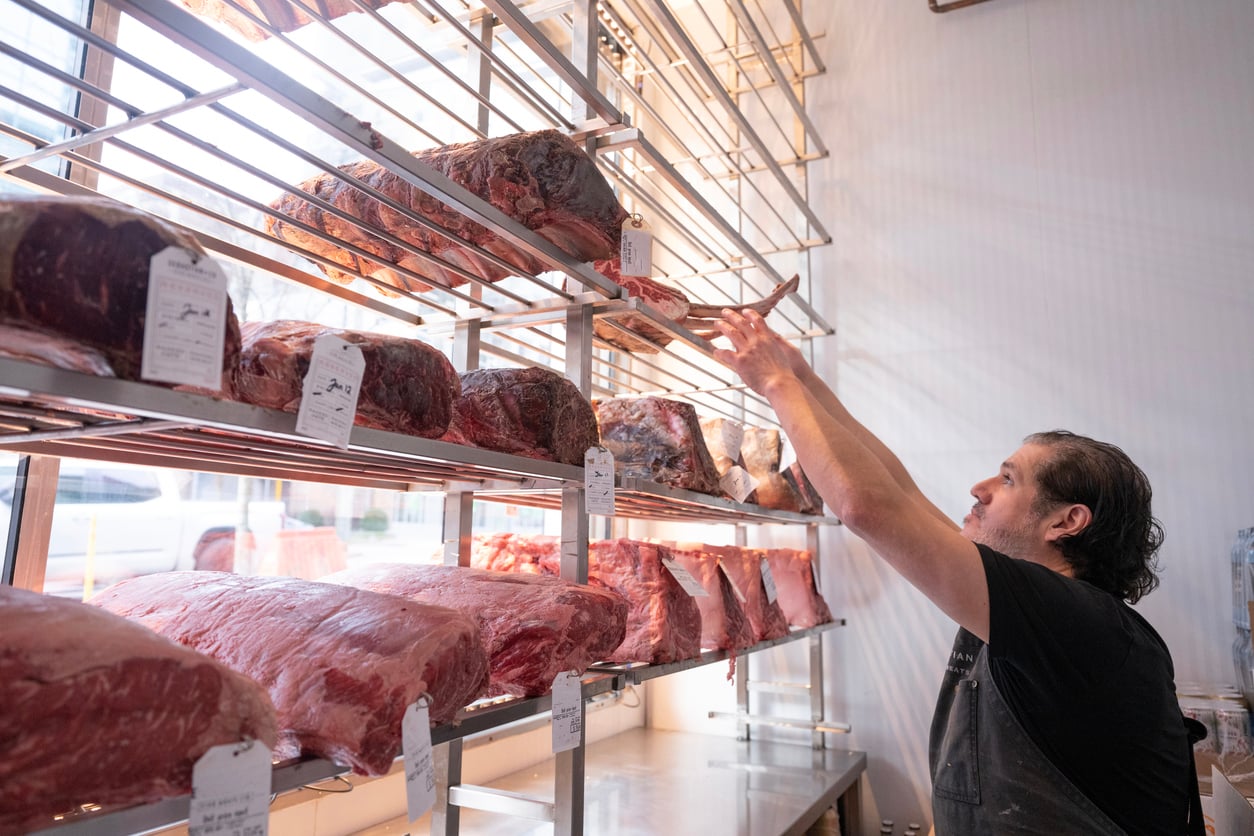
A specialist butcher can explain how the aging process affects beef, the preparation it requires, and the differences whether the additional cost is worthwhile. The dry-aging process involves keeping beef under carefully controlled refrigeration conditions, which results in a flavor profile distinct from that of a conventional steak. Specialty food shops can help customers understand these differences and decide whether the additional cost is worthwhile.
Conclusion

Specialty food shops not only help customers find the exact food they are looking for, in terms of flavor, size, and quality, but also educate them about what they are choosing to purchase, highlighting aspects like freshness, preparation, and ingredient sourcing that truly make a difference. These establishments serve as a complement to supermarkets, which you will still need to visit for your everyday grocery staples.