Remember when you could practically guess what was for dinner just by looking at the calendar? Back in the 1980s, many American families followed a familiar rotation of weeknight meals, from meatloaf and mashed potatoes to spaghetti, casseroles, and the occasional frozen TV dinner. And while the food wasn’t always particularly exciting, there was something comforting about knowing exactly what to expect when everyone gathered around the dinner table.
Of course, this was long before food delivery apps, endless online recipes, and grocery stores stocked with seemingly every ingredient imaginable. Convenience foods were already becoming popular, and microwaves were changing the way families cooked, but plenty of households still relied on a handful of tried-and-true recipes to get through the week.
From Friday night pizza traditions to the unmistakable smell of a Sunday roast, here are 12 ways mealtime in the 1980s often felt a little more predictable than it does today.
Dinner Was Often Served Around the Same Time
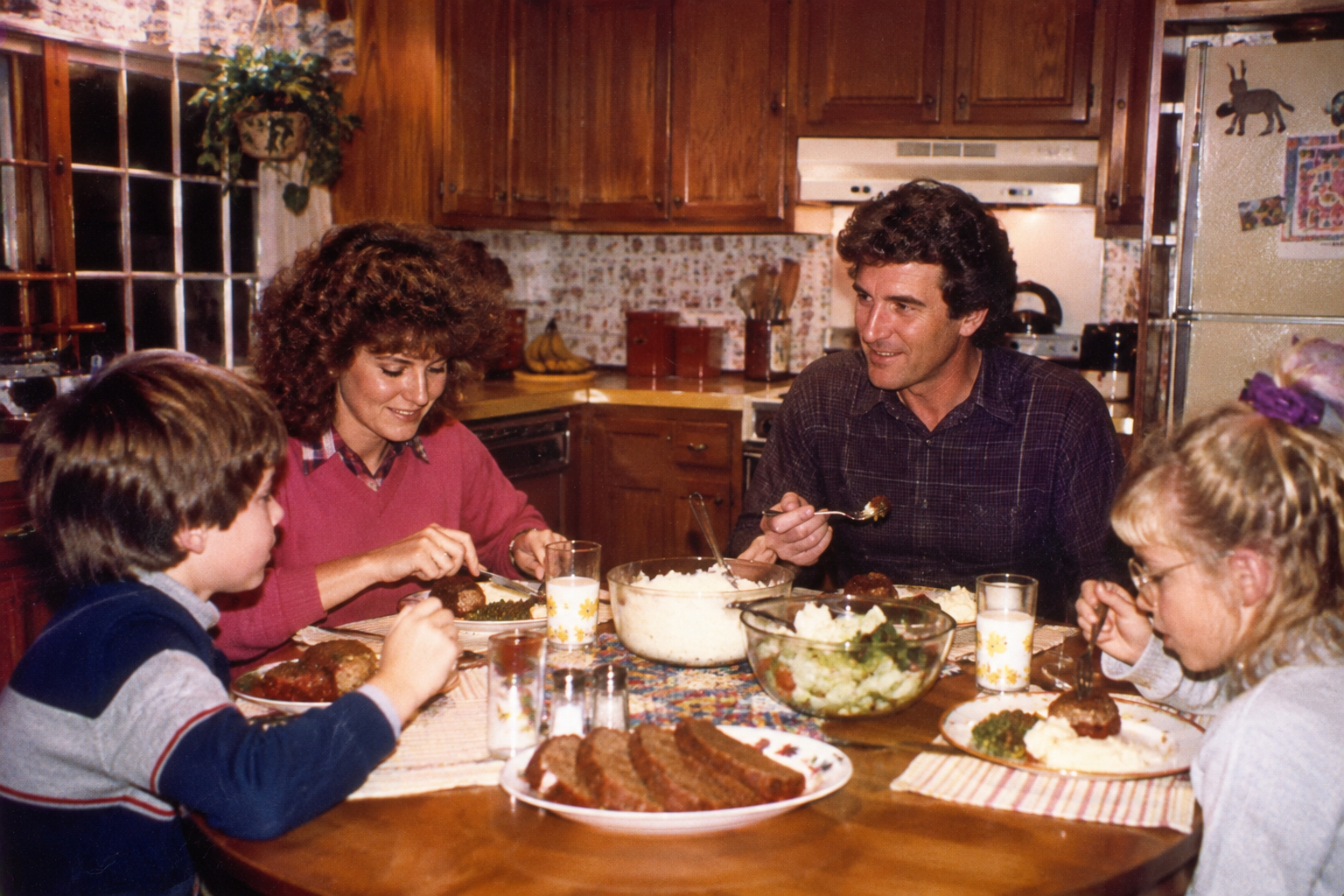
For many families in the 1980s, dinner wasn’t something you grabbed whenever you happened to feel hungry. It was a regular part of the evening routine, usually happening around the same time every night. Kids came home from school, finished their homework, and knew that dinner would be ready once their parents had finished preparing it.
And there were plenty of familiar signs that mealtime was approaching. Maybe you could hear pots and pans clattering in the kitchen, smell something cooking in the oven, or hear someone calling everyone to the table. Of course, not every family had the same schedule, especially in households where parents worked evenings or irregular shifts. But for those who did, dinner was one of the most predictable parts of the day.
Families Rotated Through the Same Familiar Dinners
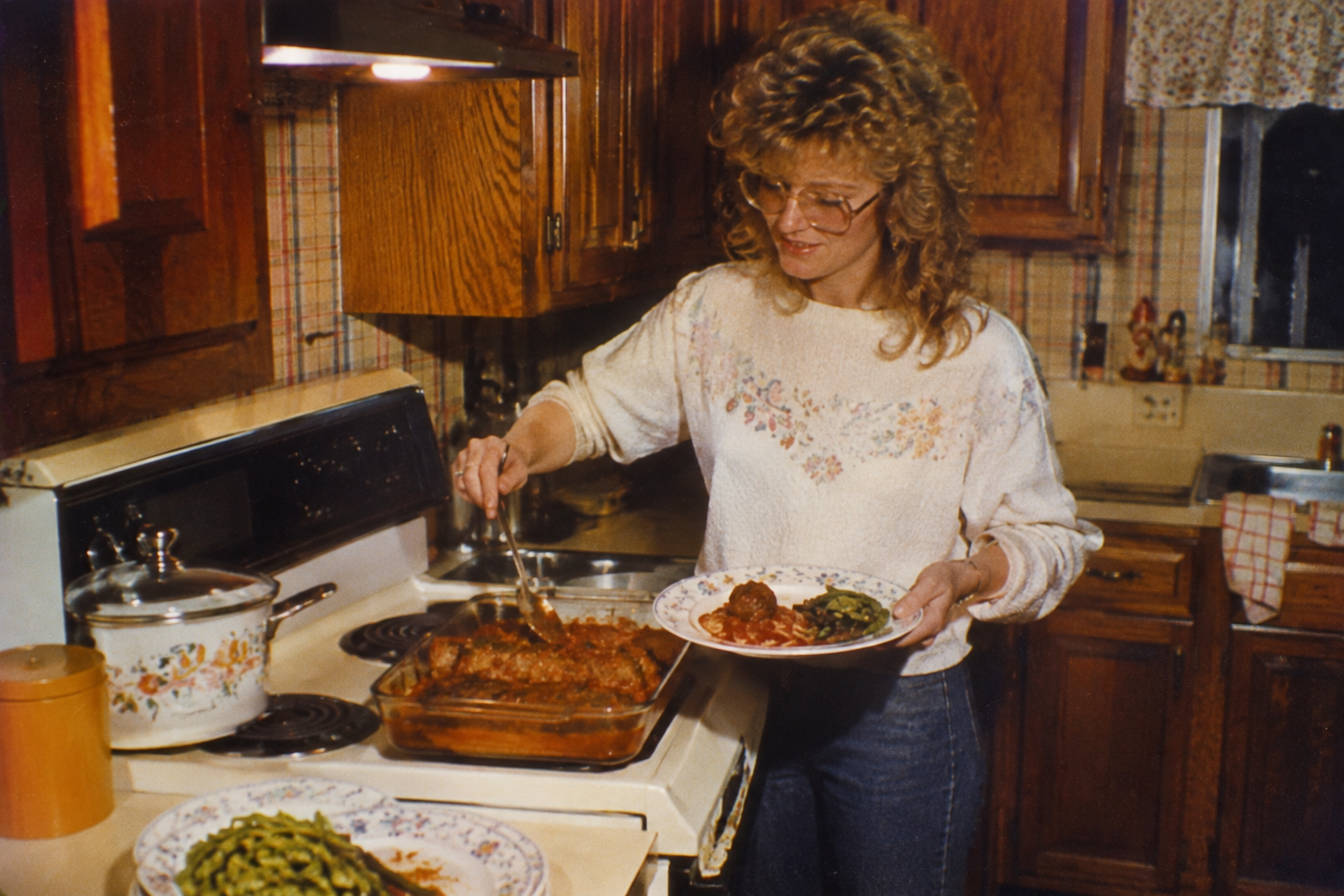
If you grew up in the 1980s, there’s a good chance your family had a handful of dinners that appeared on the table over and over again. Maybe Monday meant meatloaf, Tuesday was spaghetti night, and Wednesday brought some variation of chicken and rice. By the end of the week, you could practically predict the menu without asking.
And those familiar recipes weren’t necessarily boring to the adults preparing them. They were affordable, relatively easy to make, and required ingredients that were already in the pantry. Even popular cookbooks embraced this practical approach. The 1982 Betty Crocker’s Working Woman’s Cookbook, for example, featured dishes such as skillet stroganoff, pizza casserole, and cheeseburger pie. Nothing particularly fancy, but exactly the kind of meals that could keep a busy household fed.
Meat, Potatoes, and a Vegetable Were a Familiar Formula
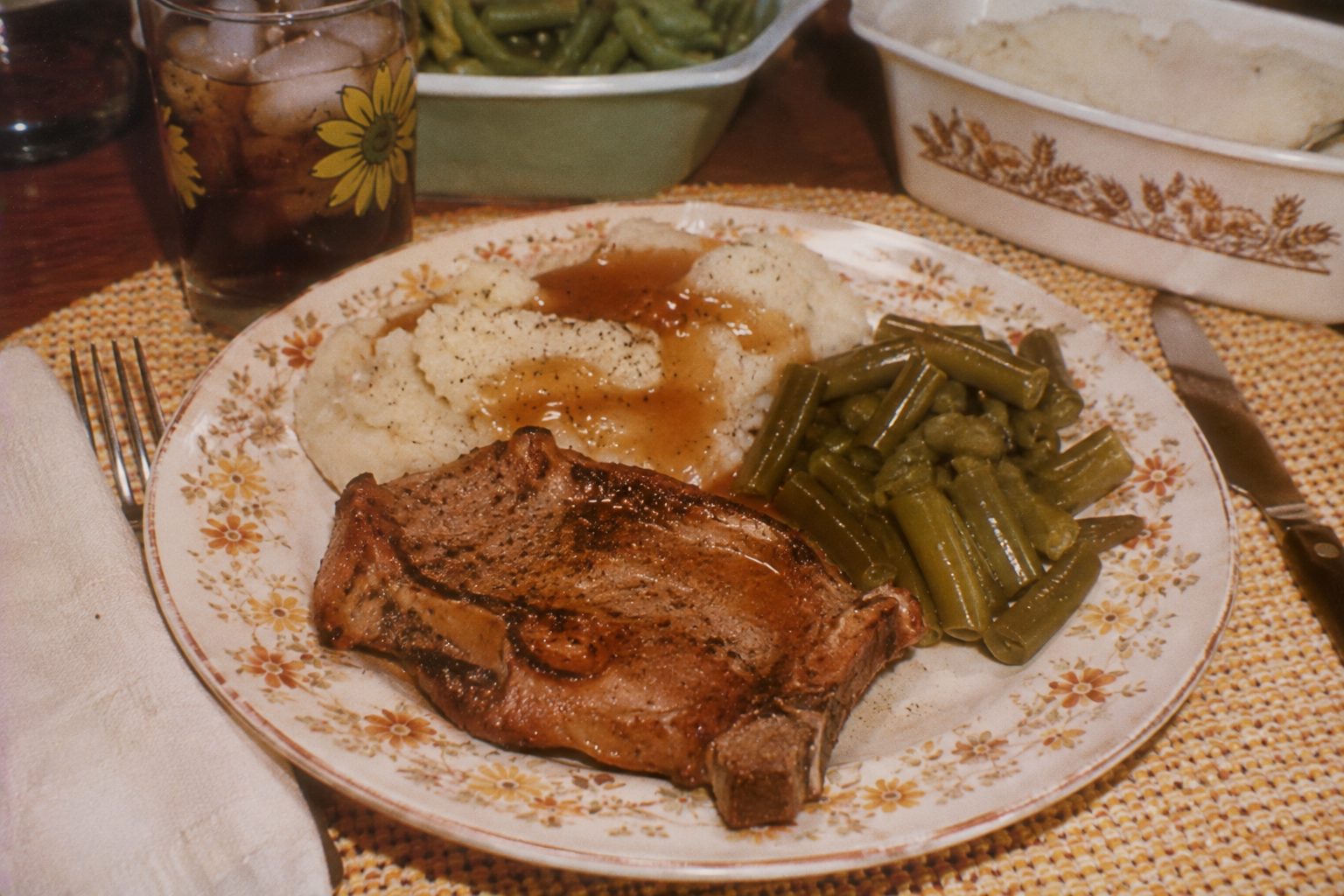
Before every dinner needed to be an elaborate recipe with a dozen ingredients, many American families relied on a pretty straightforward formula: some kind of meat, a starch, and a vegetable. Pork chops with mashed potatoes and green beans? Dinner. Roast chicken with rice and carrots? Also dinner.
The beauty of this approach was that you could change a few ingredients without completely reinventing the meal. And while American eating habits were already becoming more varied during the 1980s, this traditional combination remained a familiar sight on dinner tables across the country. Of course, kids weren’t always thrilled about the vegetable portion, especially when it involved overcooked broccoli or a suspiciously large serving of peas.
Casseroles Were the Dependable Answer to Busy Nights
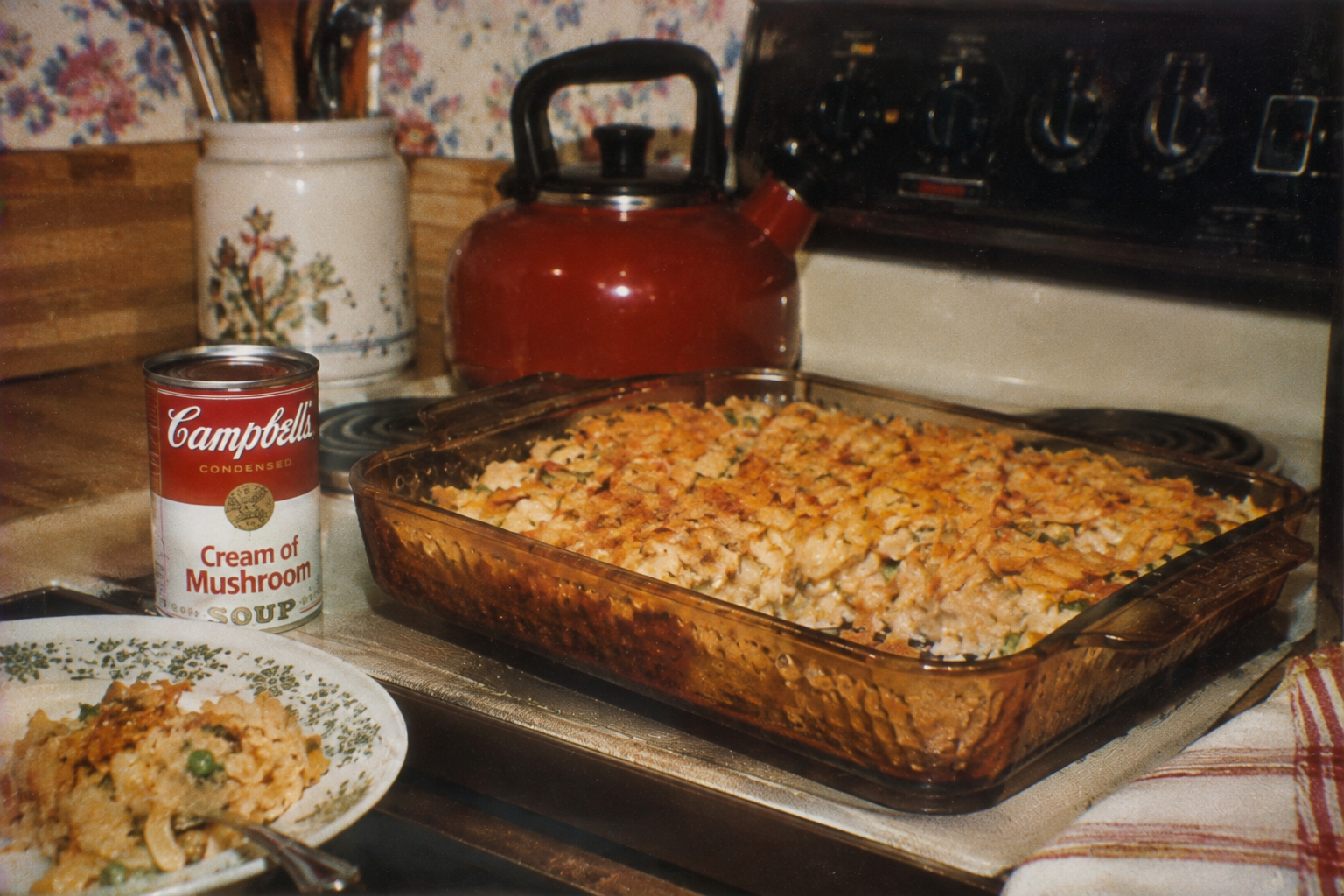
If there was one dish that could solve almost any weeknight dinner problem in the 1980s, it was the casserole. Whether it involved tuna, chicken, ground beef, rice, or noodles, casseroles were an easy way to turn a handful of inexpensive ingredients into something that could feed the entire family.
And let’s not forget the secret ingredient in so many of those recipes: canned cream-of-mushroom soup. Combined with frozen vegetables, shredded cheese, and perhaps a crunchy topping of breadcrumbs or crushed potato chips, it could transform practically anything into dinner. Tuna noodle casserole and chicken-and-rice bake were especially popular choices, partly because they were filling and often produced enough leftovers for another meal.
Leftover Night Was a Practical Household Tradition
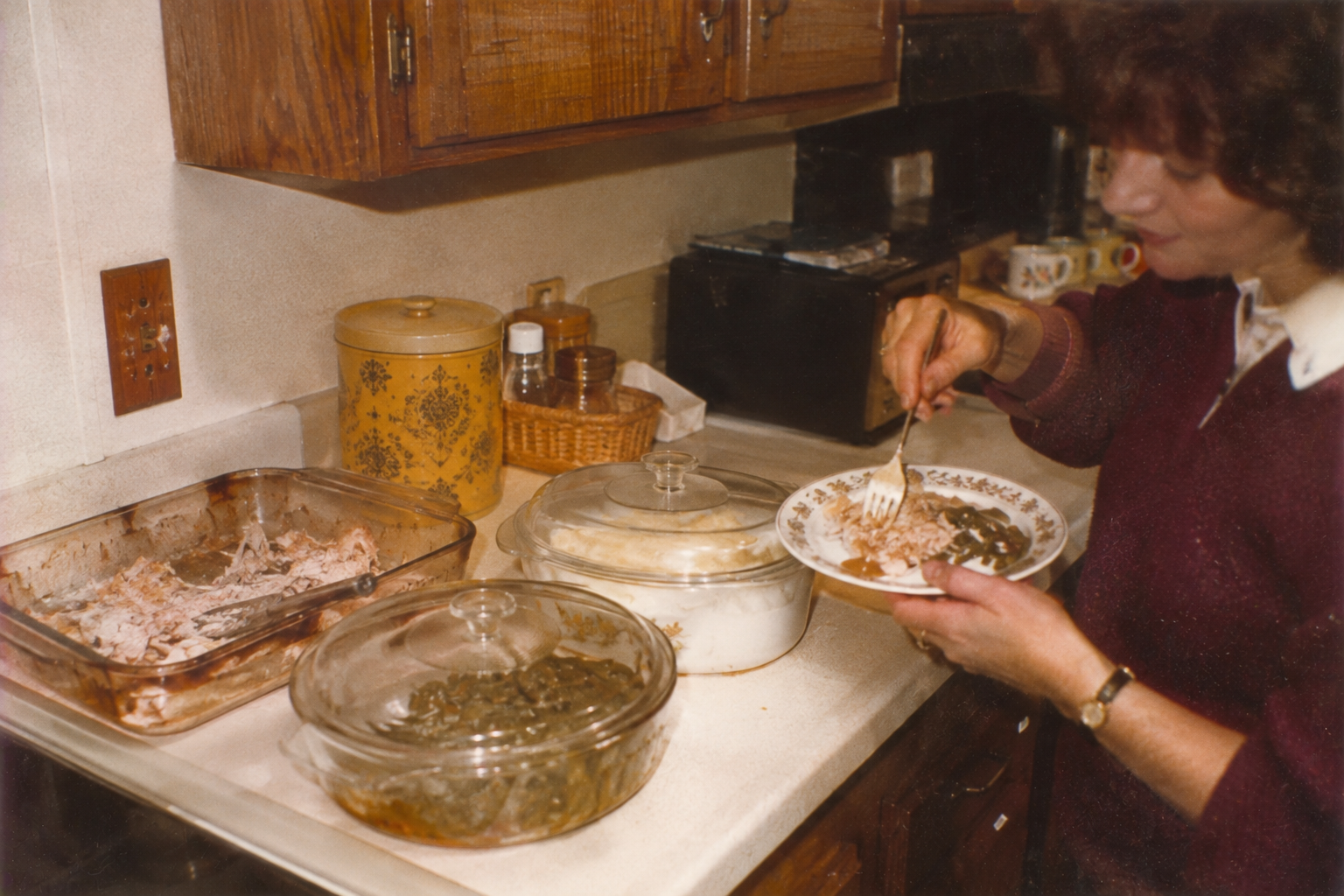
Remember opening the refrigerator and discovering that tonight’s dinner looked suspiciously similar to something you’d already eaten earlier in the week? For many families in the 1980s, leftovers weren’t something to throw away or forget about. They were an essential part of making the grocery budget stretch.
Sunday’s roast chicken might become chicken sandwiches on Monday and chicken noodle soup on Tuesday. Leftover pot roast could reappear in a casserole, while extra ham might end up in scrambled eggs or another dinner entirely. Of course, kids weren’t always enthusiastic about eating the same ingredients for the third time, but parents knew that getting several meals out of one larger dish was a pretty smart way to save money.
Trending on Cheapism

Frozen Vegetables Were the Standard Side Dish
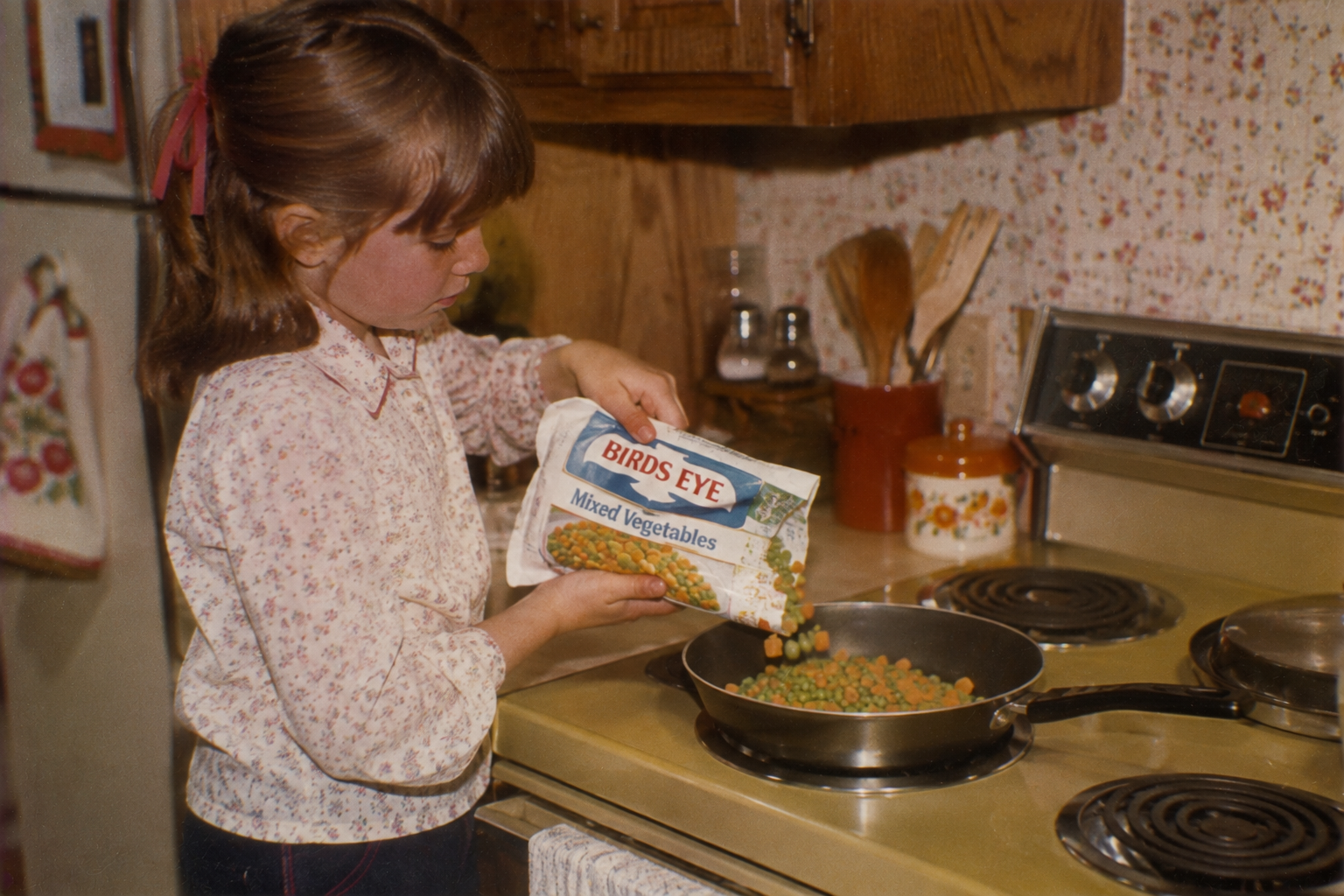
Not every vegetable served at the dinner table in the 1980s came fresh from the produce aisle. In fact, bags and boxes of frozen peas, corn, green beans, carrots, and mixed vegetables were kitchen staples for plenty of American families.
They were inexpensive, easy to store, and required very little preparation. Just heat them on the stove or in the microwave, add a little butter or seasoning, and dinner was practically complete. And it didn’t seem to matter what the main course was. Whether you were eating meatloaf, fish sticks, or baked chicken, there was a pretty good chance that a familiar scoop of vegetables would appear on the side of your plate.
Friday Night Often Meant Pizza or Another Family Treat
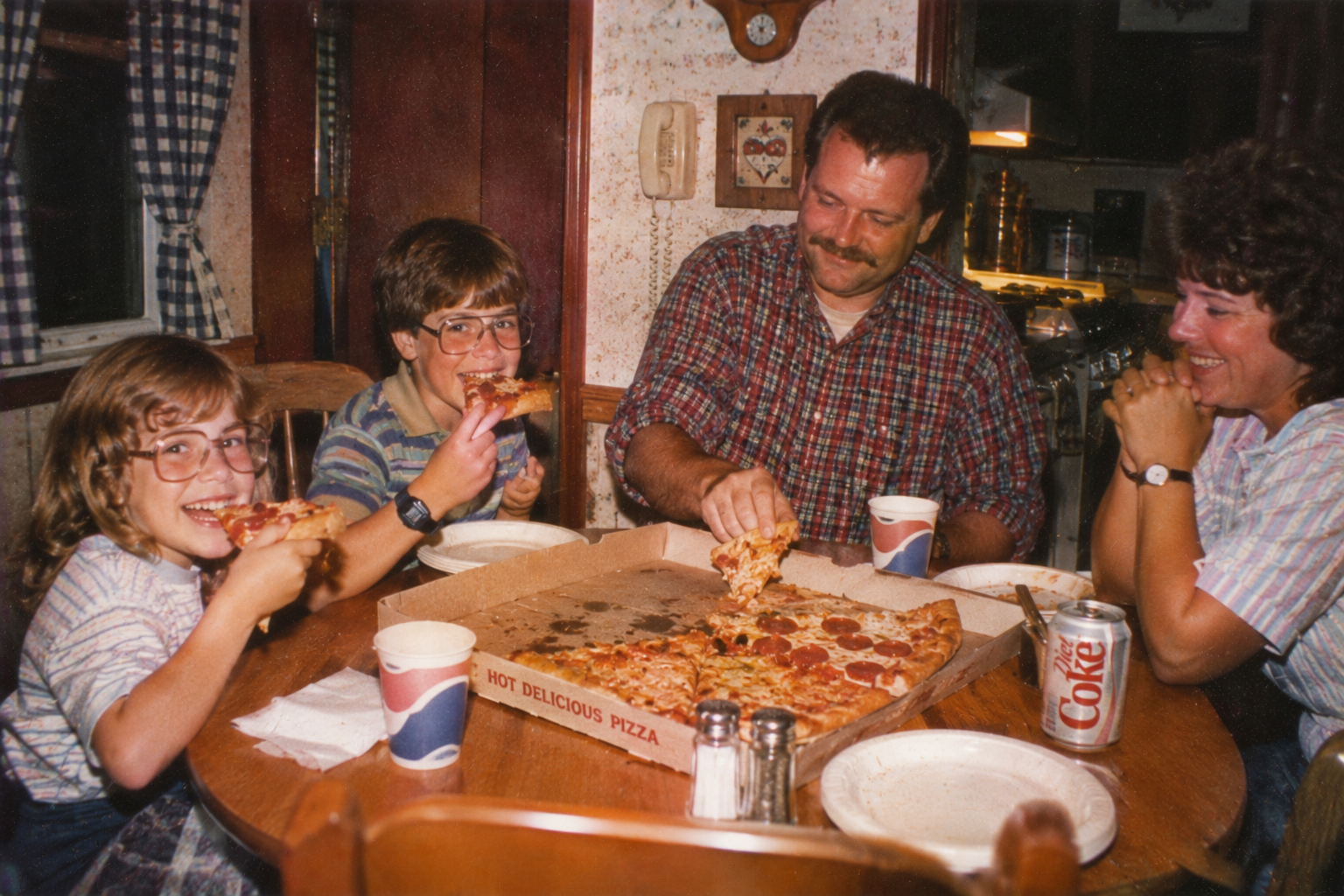
After five days of school, work, and familiar home-cooked dinners, Friday night sometimes brought something a little more exciting. For many families, that meant ordering pizza, visiting a favorite restaurant, or preparing a special meal that everyone looked forward to all week.
And because it was a tradition, there wasn’t much debate about what to eat. Parents might call the same pizza place every Friday, order the usual toppings, and bring everything home in time for a movie or a favorite television show. Even when families made pizza themselves, using refrigerated dough or English muffins, it felt like a welcome break from the usual rotation of casseroles and meat-and-potatoes dinners.
Boxed Dinner Kits Took the Guesswork Out of Cooking
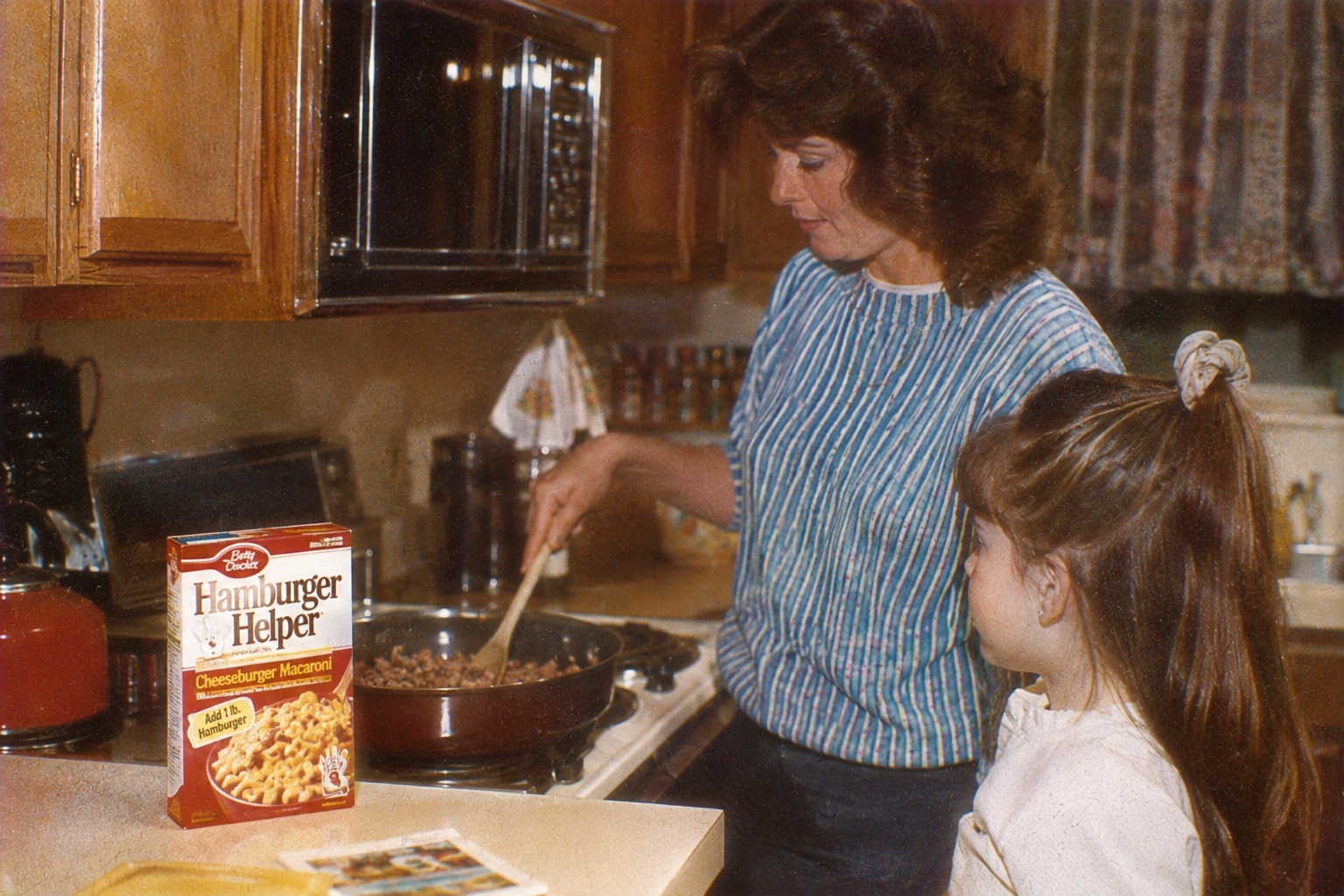
When parents needed to get dinner on the table quickly, boxed meal kits were often the answer. Products like Hamburger Helper, Rice-A-Roni, and packaged pasta mixes promised a filling meal without requiring much planning or cooking experience.
And the instructions were usually pretty simple. Brown some ground beef, add water or milk, stir in the seasoning packet, and let everything simmer until it was ready. Other popular options included Tuna Helper and various packaged noodle dishes. Sure, these meals weren’t exactly gourmet, but they were convenient, relatively affordable, and familiar enough that kids usually knew what they were getting before dinner even reached the table.
Sign up for our newsletter
Sunday Dinner Often Provided Food for Several Days
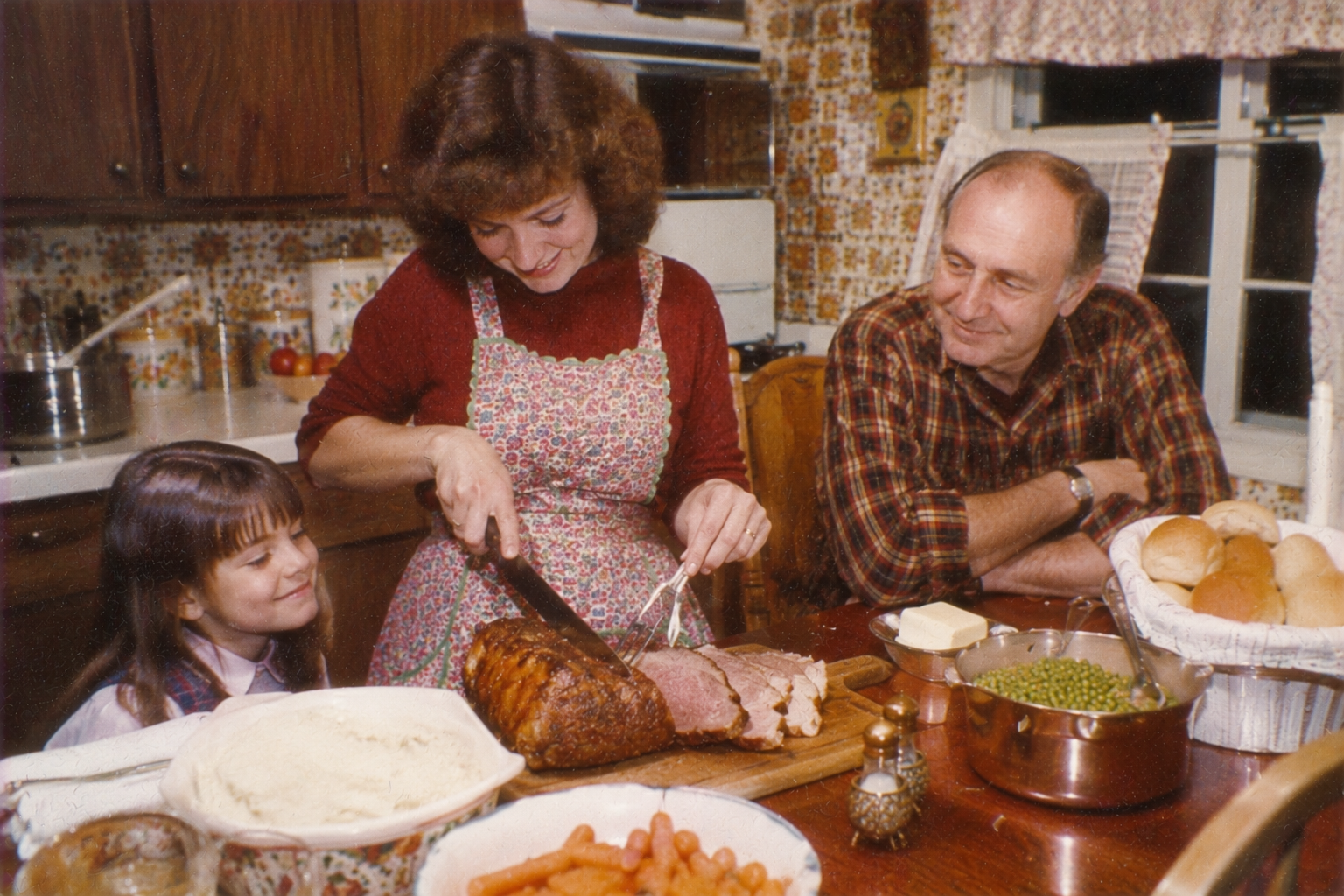
For some families in the 1980s, Sunday dinner was a little more elaborate than anything served during the week. Instead of a quick casserole or boxed meal, there might be a roast chicken, pot roast, baked ham, or another large dish that spent hours cooking in the oven.
The smell alone was enough to make the entire house feel different. And while everyone might gather around the table for a bigger meal, the leftovers were just as important. Extra meat could become sandwiches, soups, or casseroles over the following days, making the coming week’s dinners a little easier to manage. It was a practical tradition that combined a special family meal with some very sensible planning.
Kids Were Often Expected to Eat What Was Served
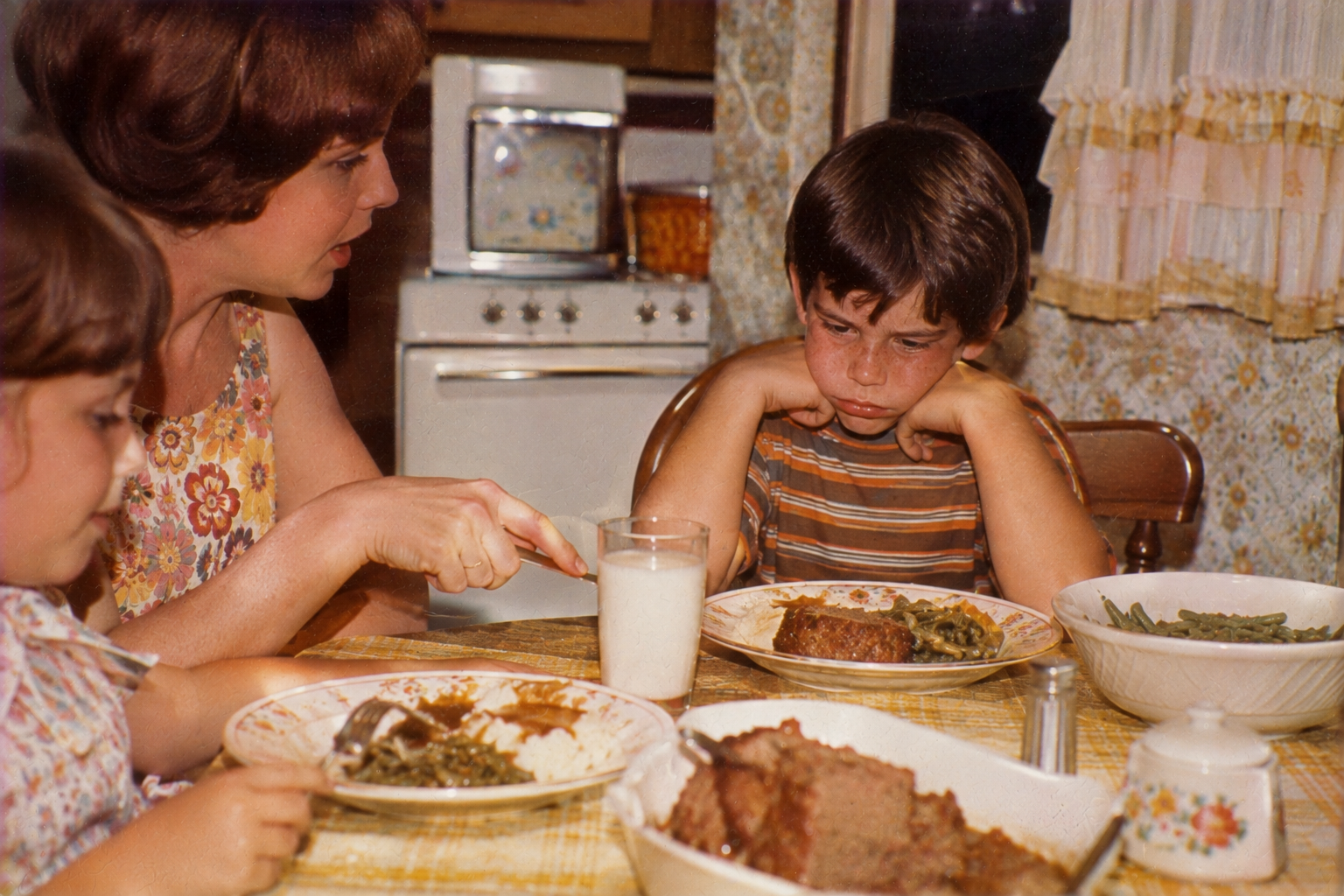
If you grew up in a household where dinner meant eating whatever your parents had prepared, you’re probably familiar with the phrase, “This isn’t a restaurant.” In many families during the 1980s, there was one meal on the table, and children weren’t necessarily offered a separate option if they didn’t like it.
That could lead to some memorable dinner-table negotiations, especially when Brussels sprouts, liver, or another unpopular dish made an appearance. Parents might insist that kids finish their vegetables, try at least one bite, or stay at the table until everyone was done. Of course, household rules varied, and plenty of parents were more flexible. But for those who remember the stricter approach, dinnertime could sometimes feel like a test of patience.
Frozen Dinners Were a Special Kind of Convenience
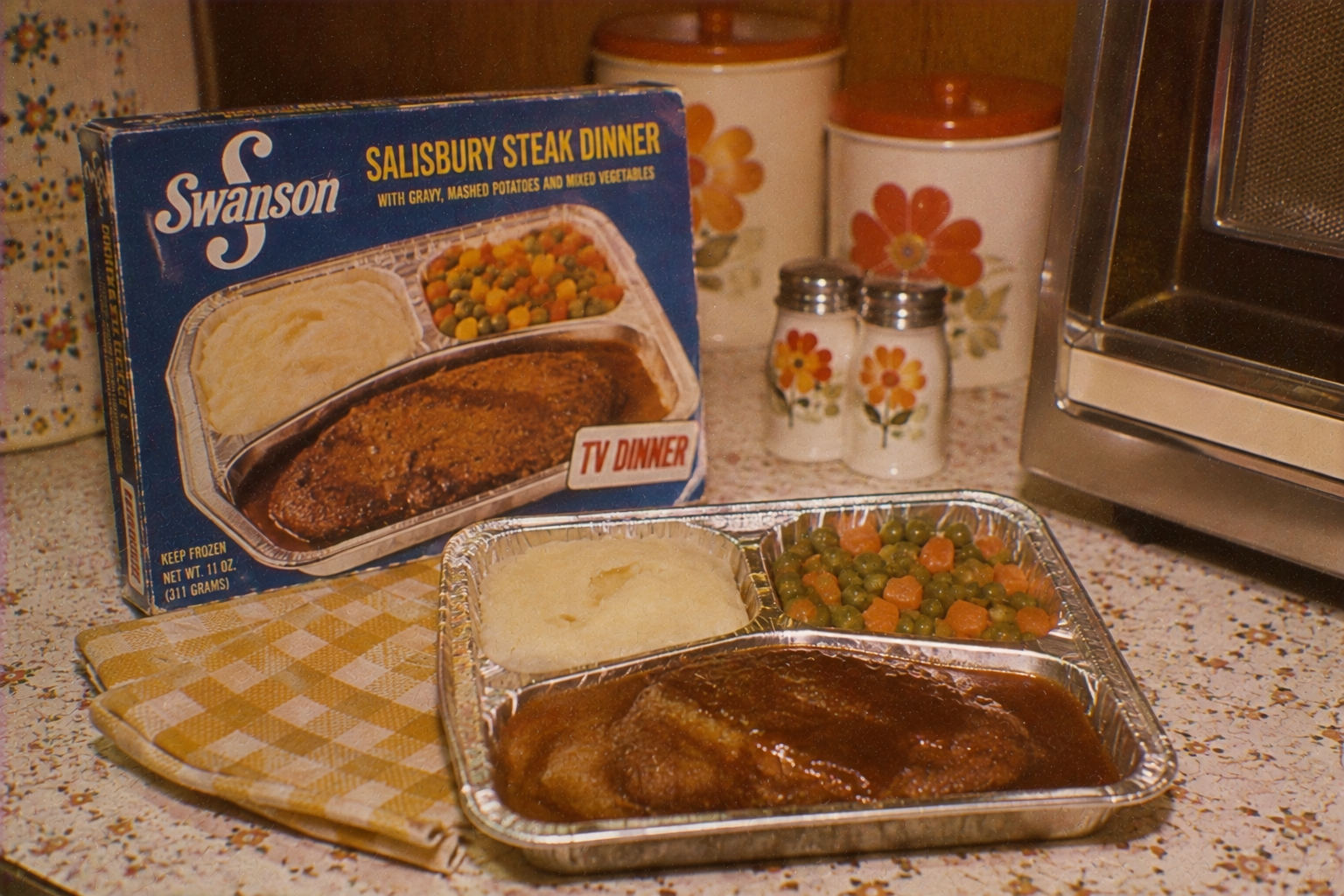
Long before today’s enormous selection of microwaveable meals, frozen TV dinners were already a familiar sight in American supermarkets. By the 1980s, families could choose from options such as Salisbury steak, turkey with gravy, fried chicken, and other complete meals served in compartmentalized trays.
For kids, there was something strangely exciting about getting an entire dinner in its own little sections, especially when one compartment contained a tiny brownie or another dessert. And as microwave ovens became more common, preparing these meals became faster and more convenient. According to the Bureau of Labor Statistics, frozen meals and other miscellaneous grocery products grew in importance to household food spending between 1980 and 1992, reflecting the changing ways Americans were preparing dinner.
Dinner Didn’t Come With Endless Delivery-App Choices
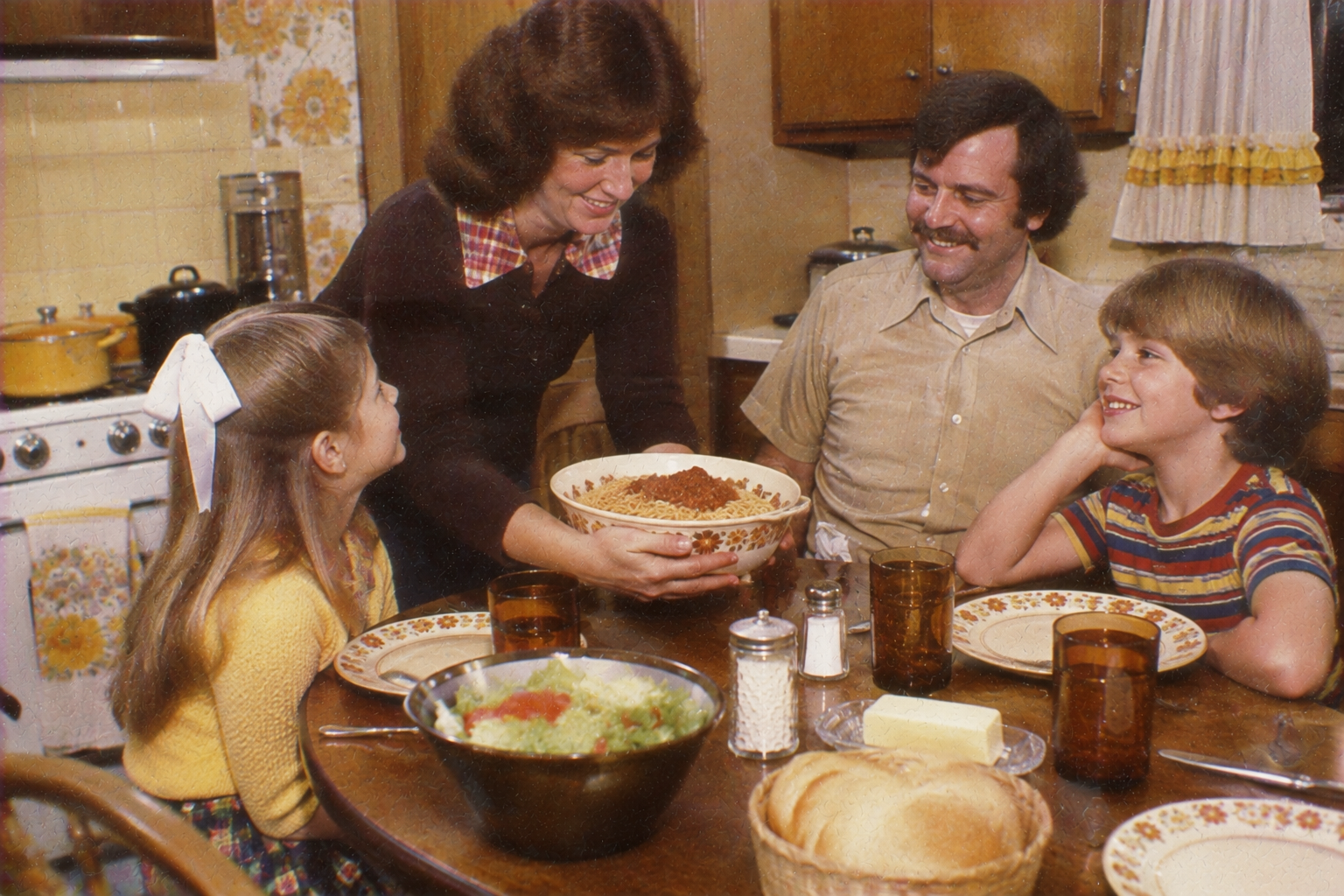
Today, deciding what to eat can mean scrolling through dozens of restaurant menus, comparing delivery fees, and trying to agree on whether everyone wants pizza, sushi, burgers, or something completely different. But in the 1980s, ordering dinner usually involved a much shorter list of options.
Families might have a few favorite takeout restaurants, a local pizza place that delivered, or a fast-food restaurant within driving distance. Phone numbers were often written in an address book, stuck to the refrigerator, or printed on paper menus tucked into a kitchen drawer. And if nobody felt like cooking, the decision was usually pretty straightforward: call the usual place, pick something up on the way home, or make whatever was already in the freezer.
When Dinner Was Familiar, Even If It Wasn’t Always Exciting
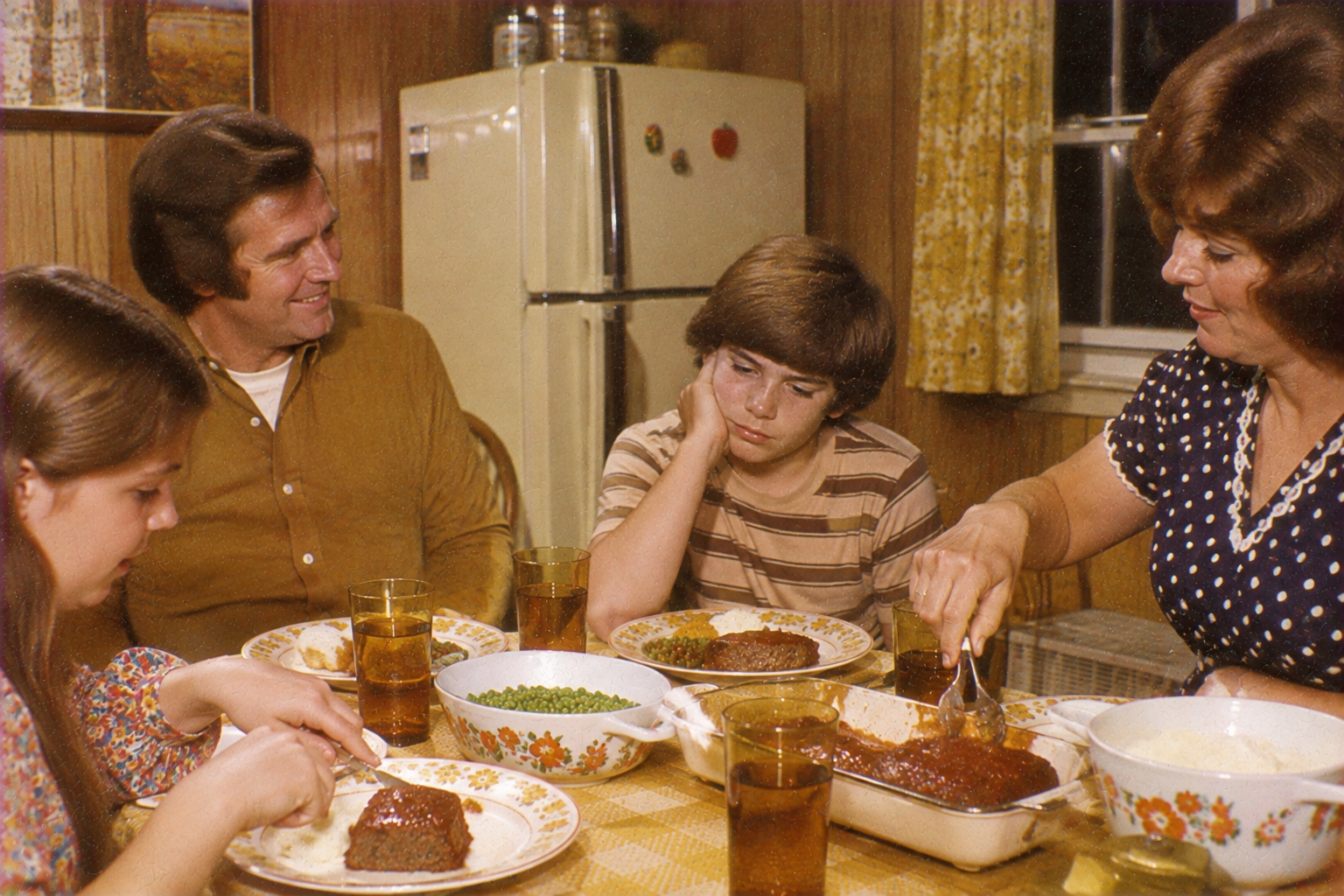
Mealtime in the 1980s wasn’t necessarily more delicious, healthier, or easier than it is today. But for many American families, there was something reassuring about the familiar routines, recurring recipes, and simple decisions that shaped everyday dinners.
Of course, modern conveniences have made it easier than ever to experiment with new foods, order takeout, and prepare meals around different schedules. Still, there’s a certain nostalgia attached to those predictable weeknight dinners, even if they involved yet another casserole or a side of frozen peas. Sometimes, knowing exactly what was for dinner was part of what made home feel like home.