In addition to paying attention to the expiration dates on the items you purchase, such as food, many other products in your home also have a limited useful life. These household items that expire can go unnoticed for years. Drawing on information from the Food and Drug Administration, the CDC, and other sources, we’ll reveal the household items that quietly expire long before you might expect!
Smoke Alarms: Replace After 10 Years

Smoke alarms may continue to sound when tested, even though their components have been in operation for several years. The fact that a smoke alarm’s battery is working does not mean the unit itself should be kept. These household items that expire should be replaced according to safety recommendations. The U.S. Fire Administration recommends replacing smoke alarms ten years after their date of manufacture.
Carbon Monoxide Detectors: Their Sensors Don’t Last Forever
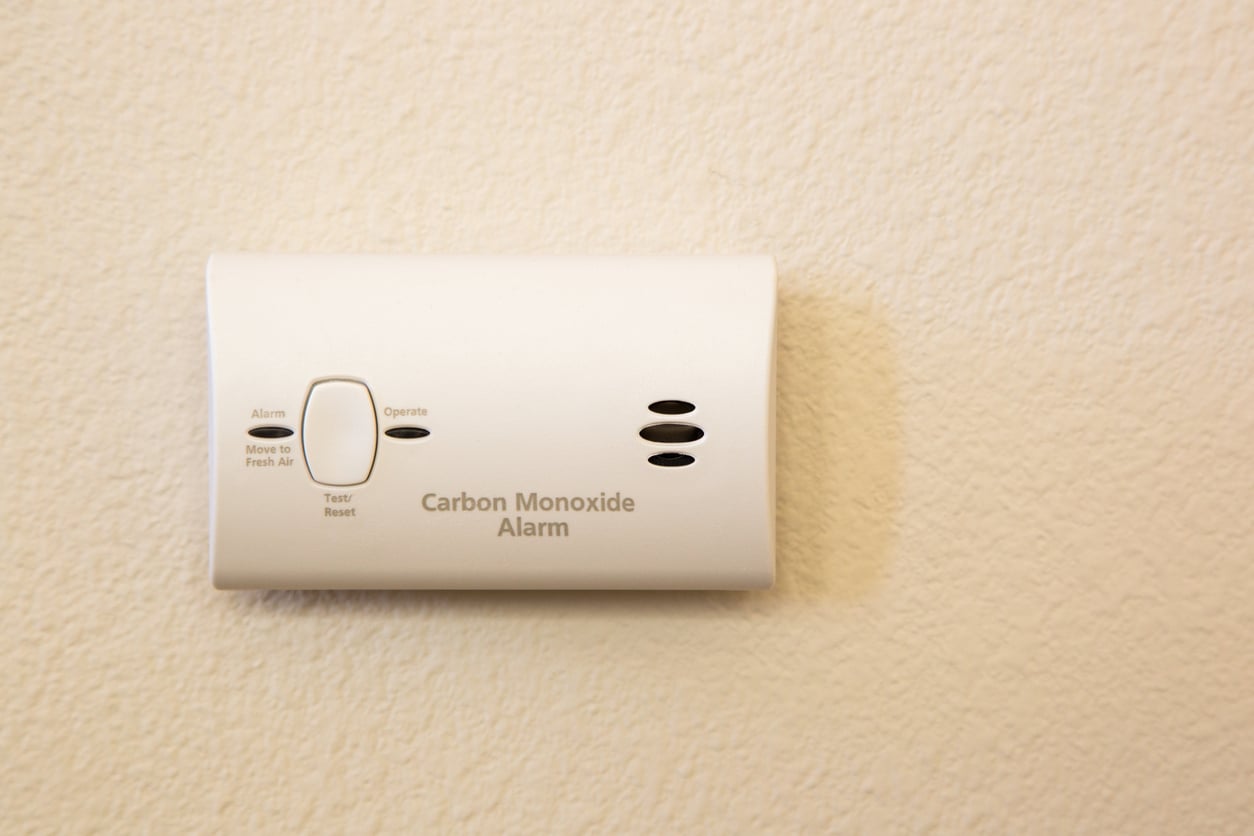
Carbon monoxide detectors do not last forever, as their components have limited operating lives. You might not have the protection you expect if you do not adhere to the replacement intervals, which vary depending on the model of the carbon monoxide detector. The CDC advises following the manufacturer’s instructions or al least make a replacement every five years as a general safety guideline.
Sunscreen: Three Years If No Expiration Date Is Printed
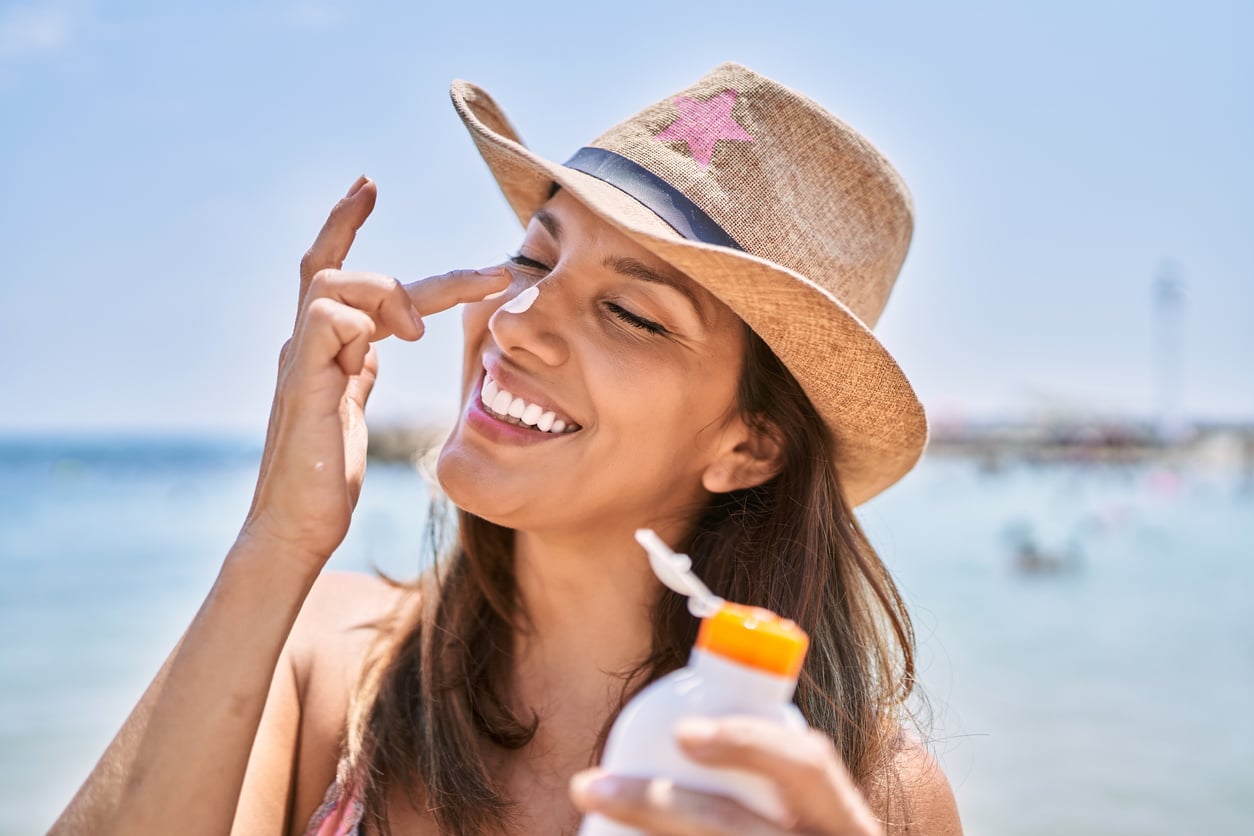
People might only think about sunscreen when going on vacation to a beach destination, but the formula in these products can deteriorate over time, potentially reducing the level of protection stated on the bottle. Sunscreen is among the household items that expire and should be checked regularly. The FDA notes that a sunscreen without an expiration date should be considered expired three years after the date of purchase. If a sunscreen has an expiration date, follow that date instead.
Mascara: Often Just Two to Four Months
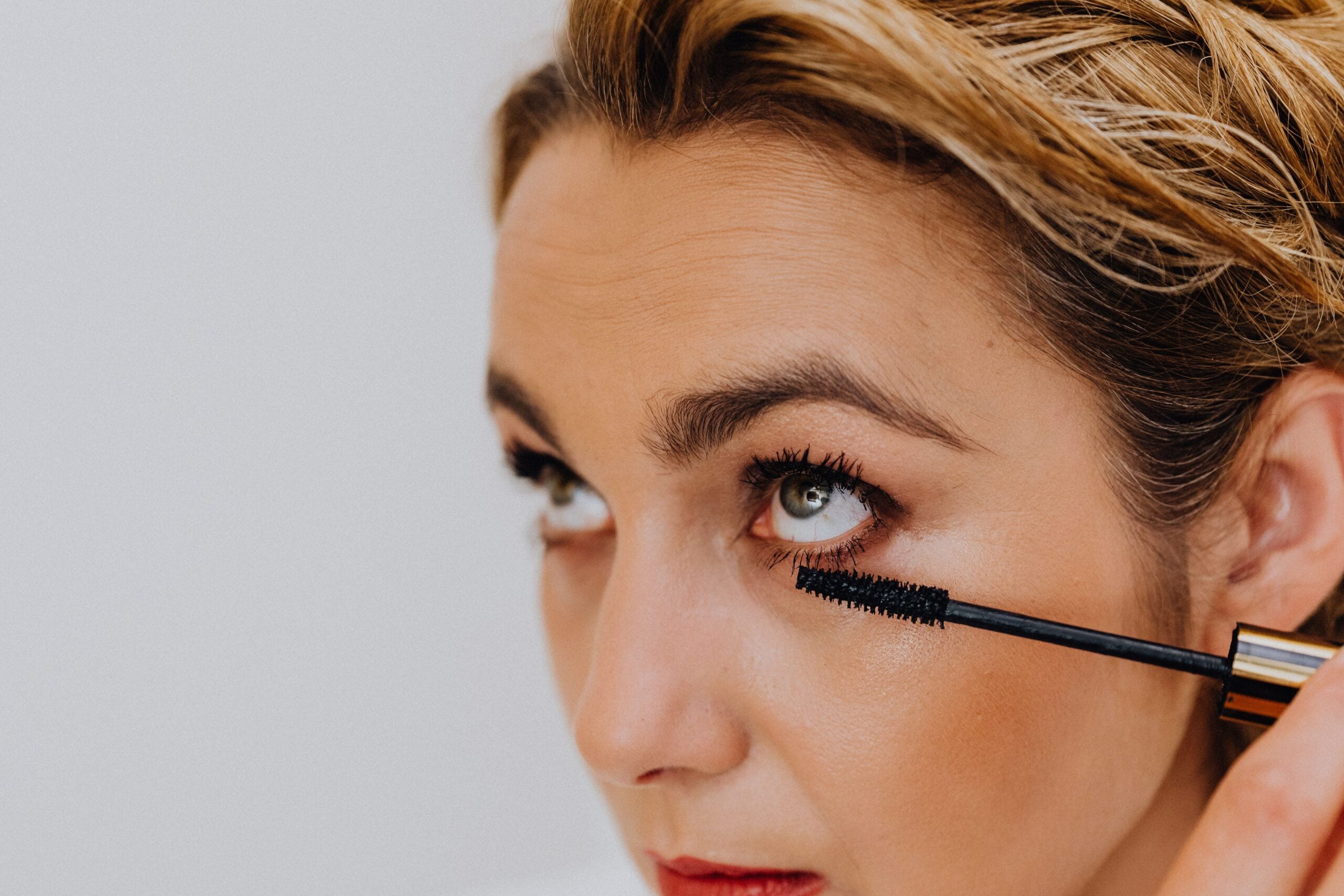
According to the FDA, mascara should generally be discarded two to four months after purchase, following manufacturer’s recommendations. These household items that expire deserve special attention because mascara comes into contact with the eye area and its applicator can introduce bacteria and other microorganisms into the tube. People should keep track of the date they first opened it and follow the manufacturer’s recommendations.
Diluted Bleach: Replace Prepared Solutions Daily
Once you mix bleach with water, it gradually loses its effectiveness as a disinfectant. Therefore, if you leave it for weeks, it will not work as expected. These household items that expire can become less effective even when they still look usable. The CDC recommends preparing fresh diluted bleach solutions daily, and you should never mix it with other cleaning products.
Trending on Cheapism


Water Filter Cartridges: Their Capacity Can Run Out Before They Look Dirty
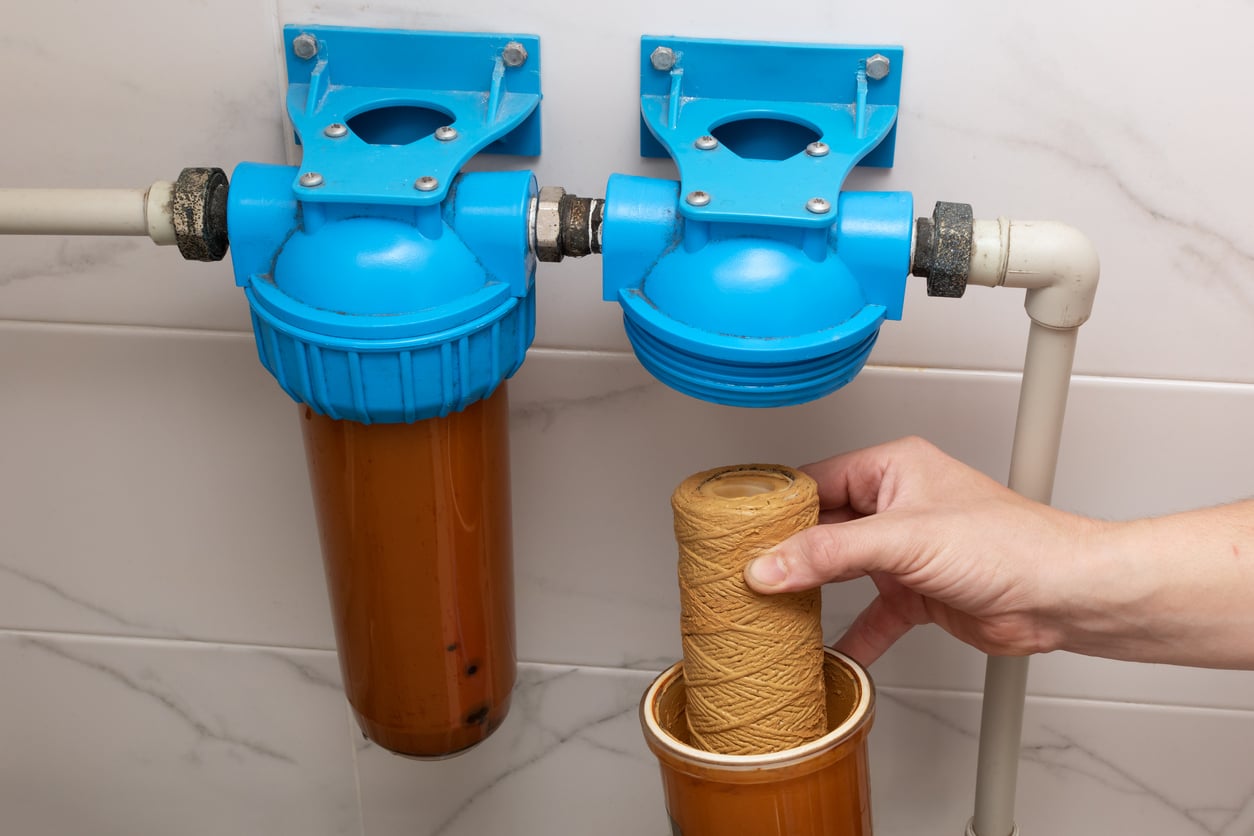
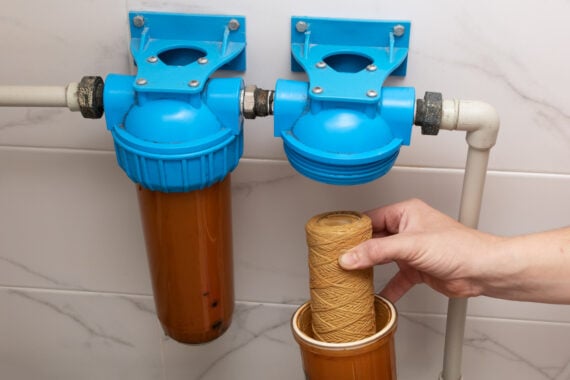
Some people wait until the water looks dirty before changing their water filter cartridges. However, these components often contain materials designed to reduce contaminants or improve water taste, even when they are nearing the end of their functional life. The NSF explains that some filters become saturated and lose their effectiveness, even while water continues to flow normally. You should consult the manufacturer’s guide to determine when to replace them.
Furnace and Air-Conditioning Filters: Often 60-90 Days
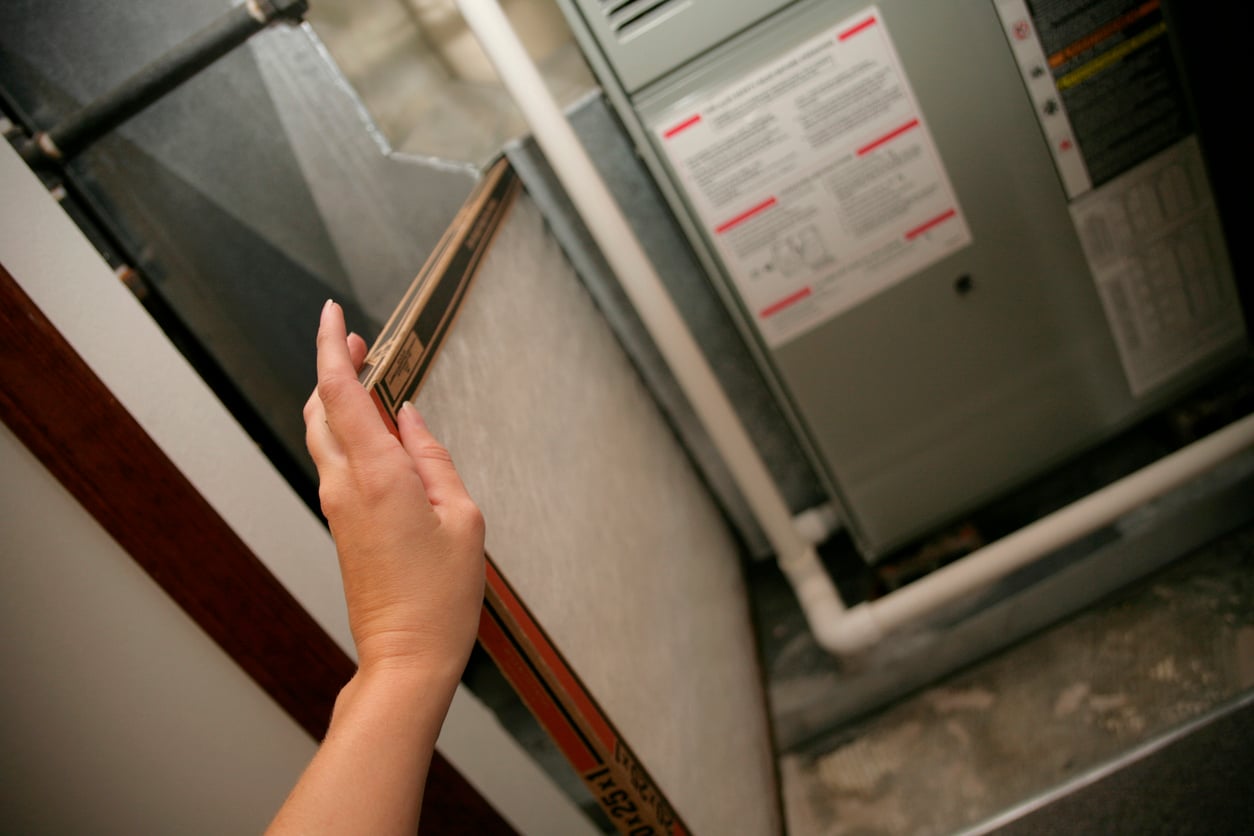
HVAC filters collect dust and other particles, which, over time, restrict airflow. This causes the system to work harder, leading to higher energy consumption, and consequently, greater costs. These household items that expire can affect both indoor air quality and energy efficiency. The EPA notes that manufacturers recommend replacing filters in furnaces and air conditioners every 60 to 90 days, though this timeframe may vary depending on the location of the appliance.
Contact Lens Cases: Replace at Least Every Three Months
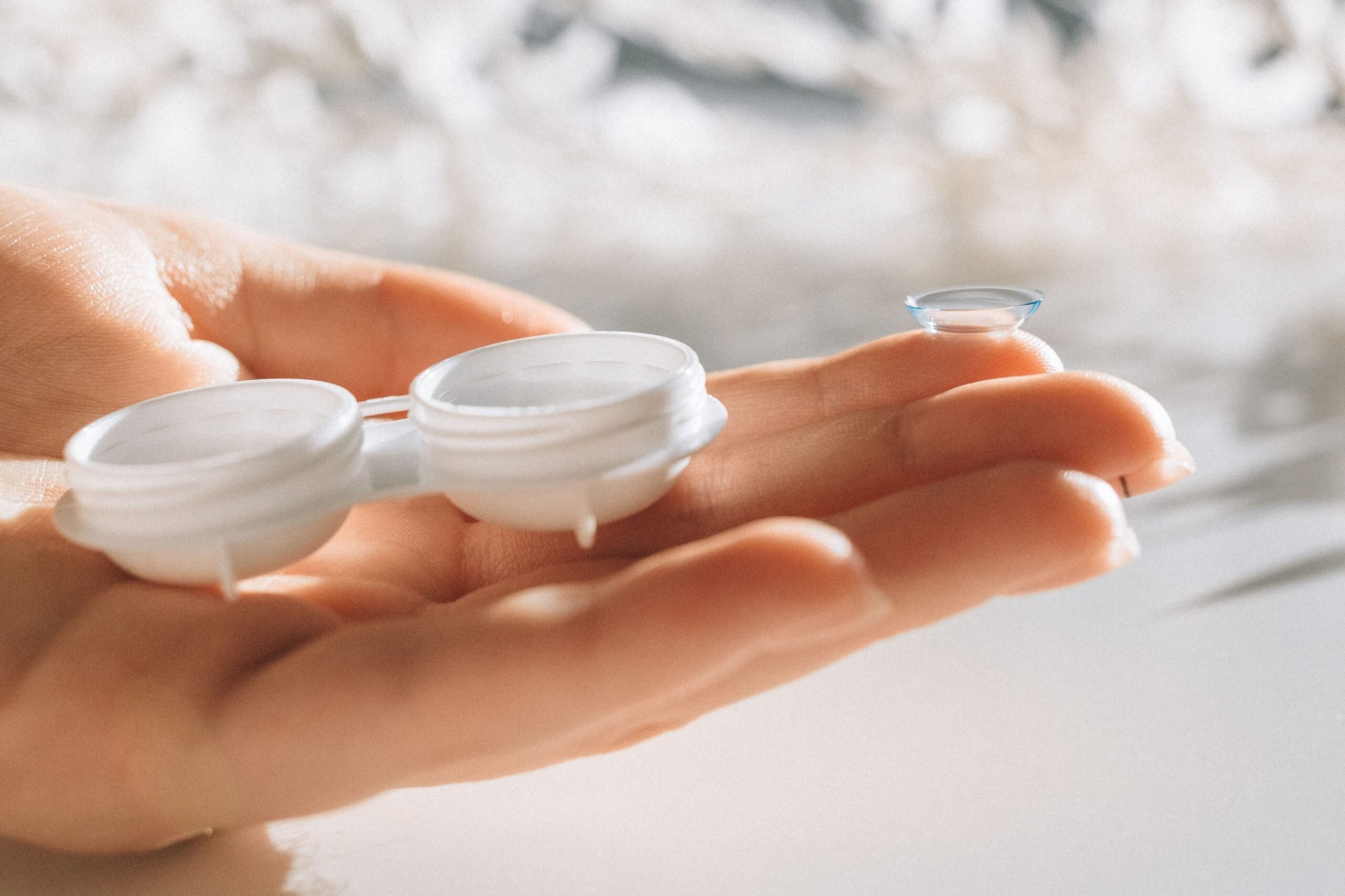
Reusable contact lens cases can accumulate contaminants if they are not cleaned and replaced when they should be. Furthermore, you should never add fresh solution to a case that still contains traces of the old solution. These household items that expire should be replaced regularly to reduce the risk of eye infections. The CDC recommends replacing these cases at least once every three months and using fresh contact lens solution, never water, for cleaning.
Sign up for our newsletter
Fire Extinguishers: Check Their Condition, Not Just Their Age
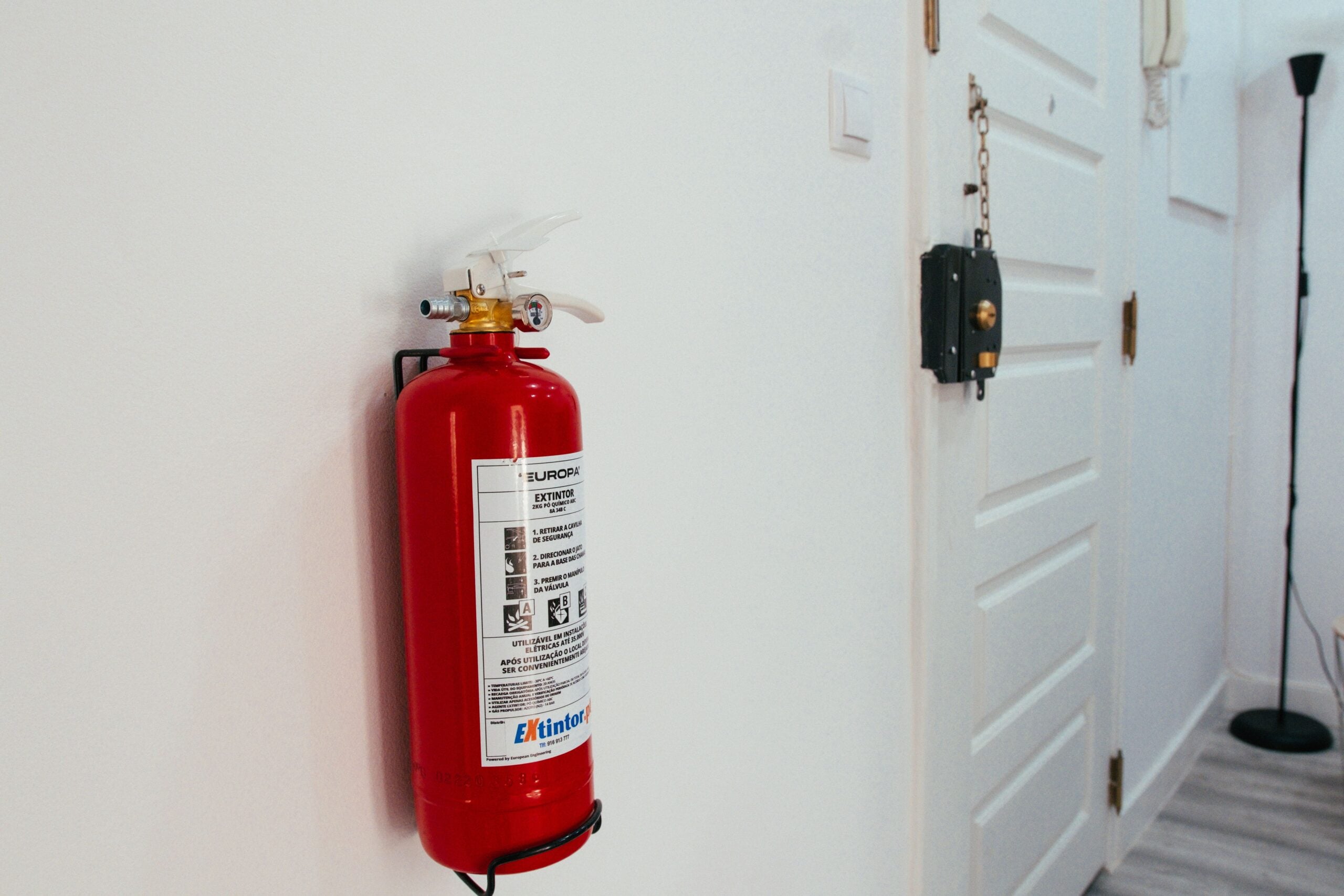
Some homeowners keep fire extinguishers under the sink or in a closet, leaving them unchecked for years and relying solely on the expiration date. However, these household items that expire or deteriorate require regular inspections. The U.S. Fire Administration advises checking the pressure gauge, hoses, nozzles, and accessibility, along with consulting the manufacturer’s guidelines, to confirm the extinguisher works properly.
Ground Spices: Often Lose Their Best Flavor Within Two to Three Years
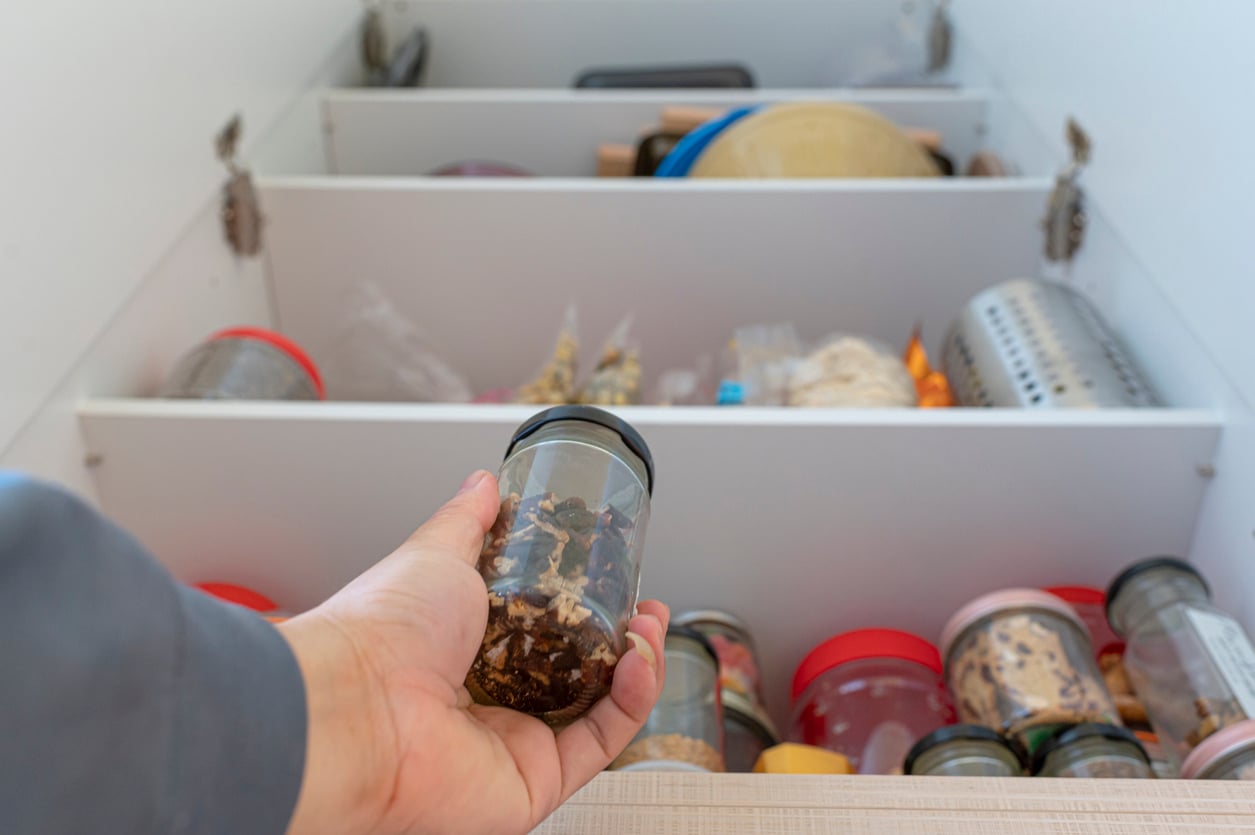
Ground spices, such as cinnamon, paprika, cumin, and others, lose their flavor and aroma within two to three years, even if the label indicates they are still safe to consume. These household items that expire may not become unsafe immediately, but their quality can deteriorate considerably. The USDA recommends checking the quality of ground spices. If the aroma is weak, it is time to replace them.
Prescription and Over-the-Counter Medications: The Date Matters
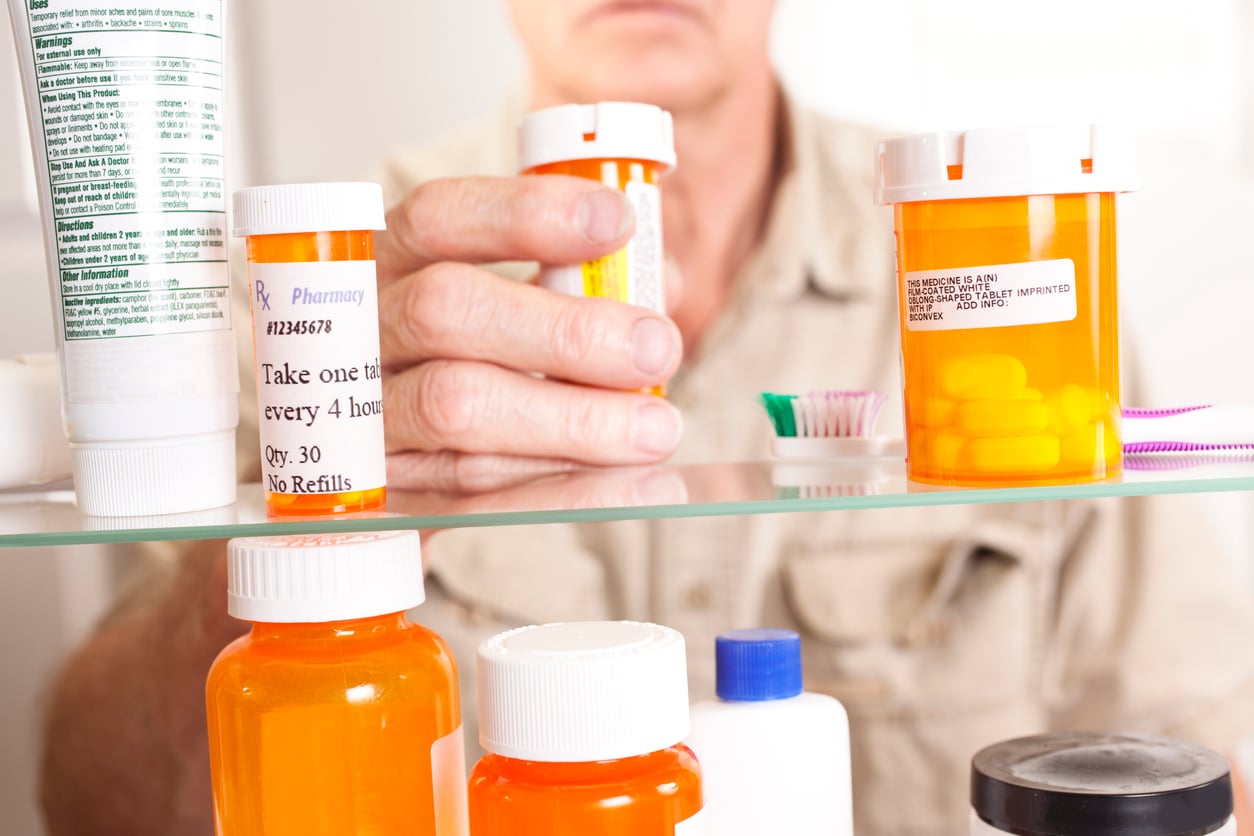
People should not be misled by the appearance of prescription or over-the-counter medications. Even if they look unchanged past their expiration date, they may no longer retain their full strength or stability. These household items that expire should never be used beyond their labeled expiration dates. The FDA advises against using expired medicines and notes that storage conditions can further reduce their effectiveness.
Opened Makeup and Skincare Products: Heat and Humidity Can Shorten Their Life
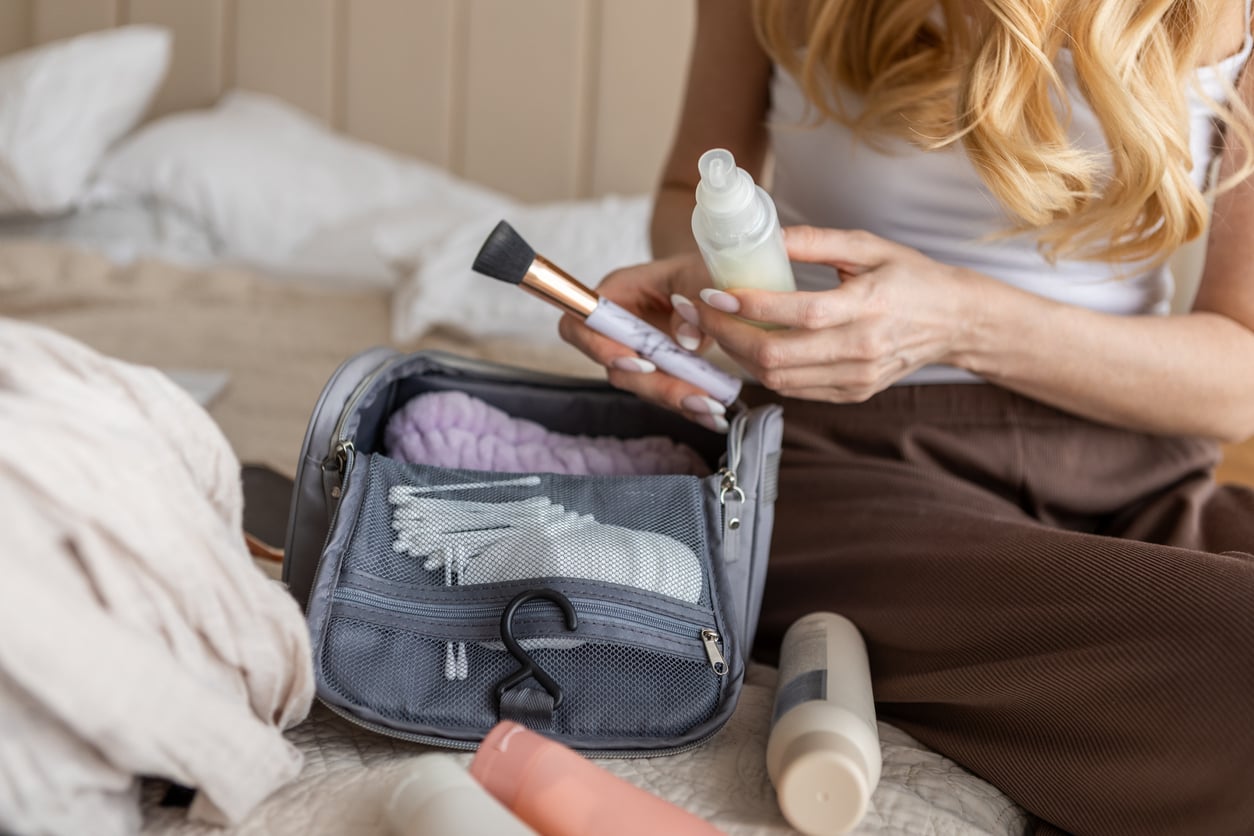
Since heat and humidity can break down the preservative in moisturizers, creams and other cosmetics, thereby allowing microorganisms to enter the container, it is best not to store them for long periods. These household items that expire can become contaminated even when their appearance initially seems normal. The FDA notes that cosmetics can change color, develop unusual odors, or become contaminated, so be sure to check them carefully before use.
Conclusion

Many household products have a useful life that is shorter than their appearance might suggest. Household items that expire should be checked against the manufacturer’s safety guidelines, and households should replace them with products that effectively perform the function for which they were purchased before it is too late.