A week away from home should be relaxing, not end with a flooded basement, spoiled groceries, or an unexpected repair bill. Fortunately, a little preparation can help prevent some expensive surprises. From checking plumbing to securing doors and windows, there are several things homeowners should check before heading out. As Travelers Insurance recommends, taking a few precautions before a trip can help protect your property while you’re gone. Here are 12 things worth checking before you leave.
Check Whether to Shut Off the Main Water Supply
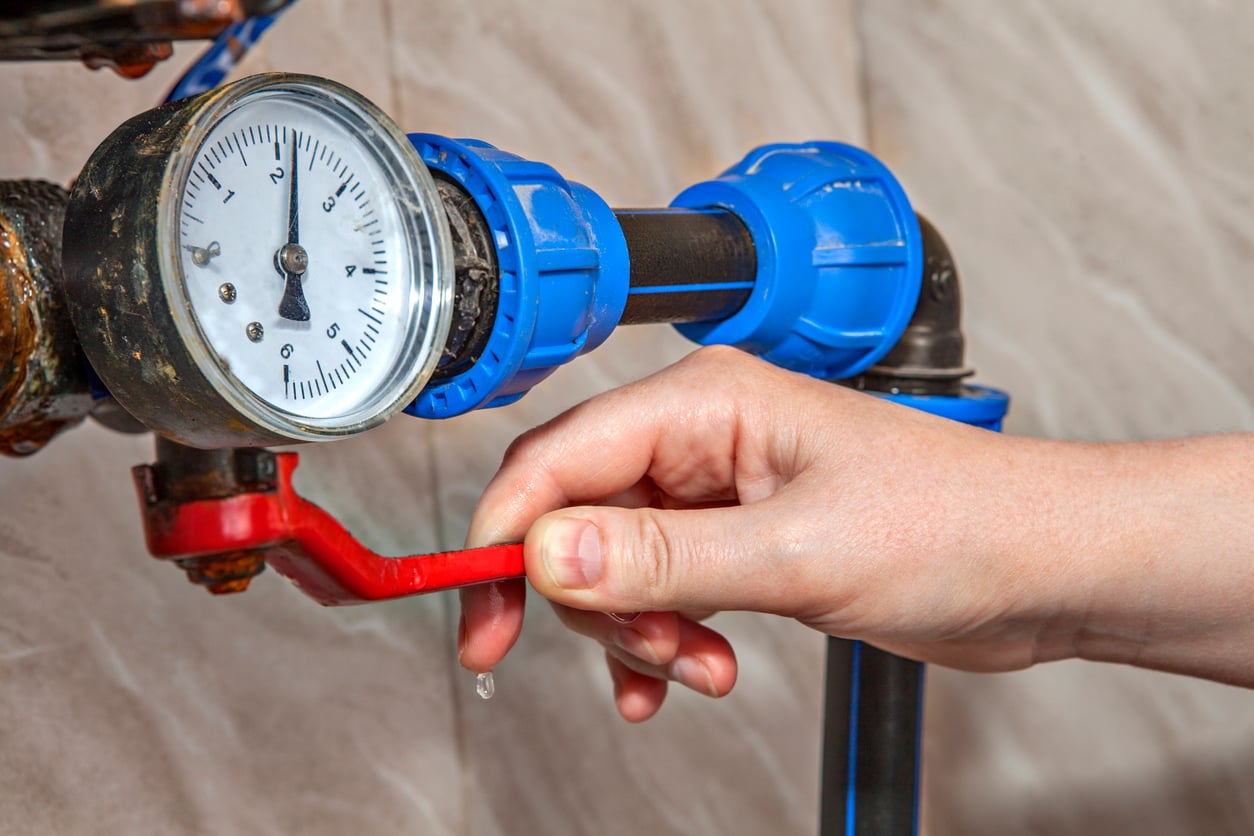
A dripping pipe might seem harmless when you’re home to catch it, but a leak that goes unnoticed for seven days can cause serious damage. Before leaving, locate your home’s main water shutoff valve and consider whether turning it off makes sense. If that’s not practical, closing individual supply valves may help reduce the risk. However, homes with boilers, fire sprinklers, or other water-dependent systems need special consideration. Check with a plumber before making changes that could interfere with essential equipment.
Inspect Washing Machine Hoses and Connections
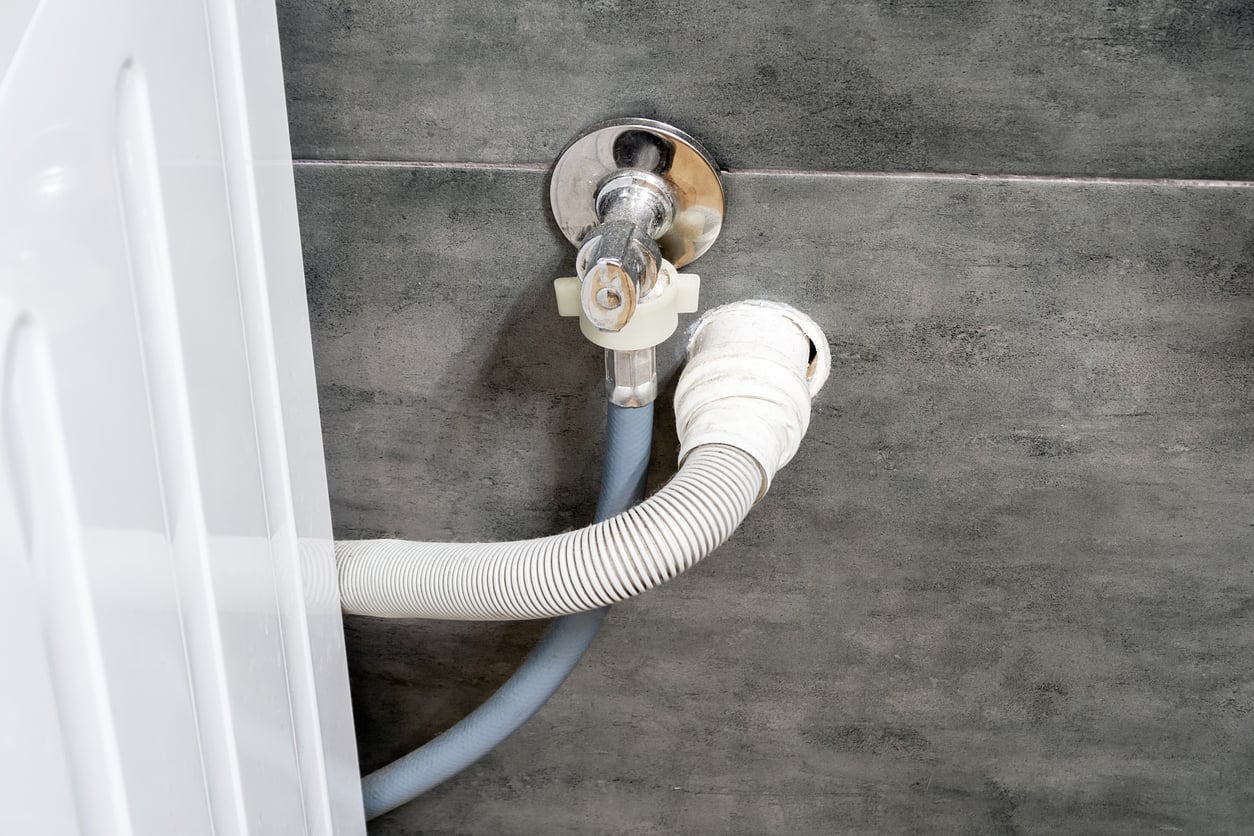
Your washing machine doesn’t have to be running for a hose to cause trouble. Supply hoses can remain under pressure even when the appliance is switched off, meaning a weakened connection could leak while you’re away. Take a moment to look behind the machine for cracks, bulges, rust, or moisture around the fittings. If your setup allows it, close the hot and cold water supply valves before leaving. It’s a small precaution that could spare you from returning to a flooded laundry room.
Adjust the Thermostat for an Empty House
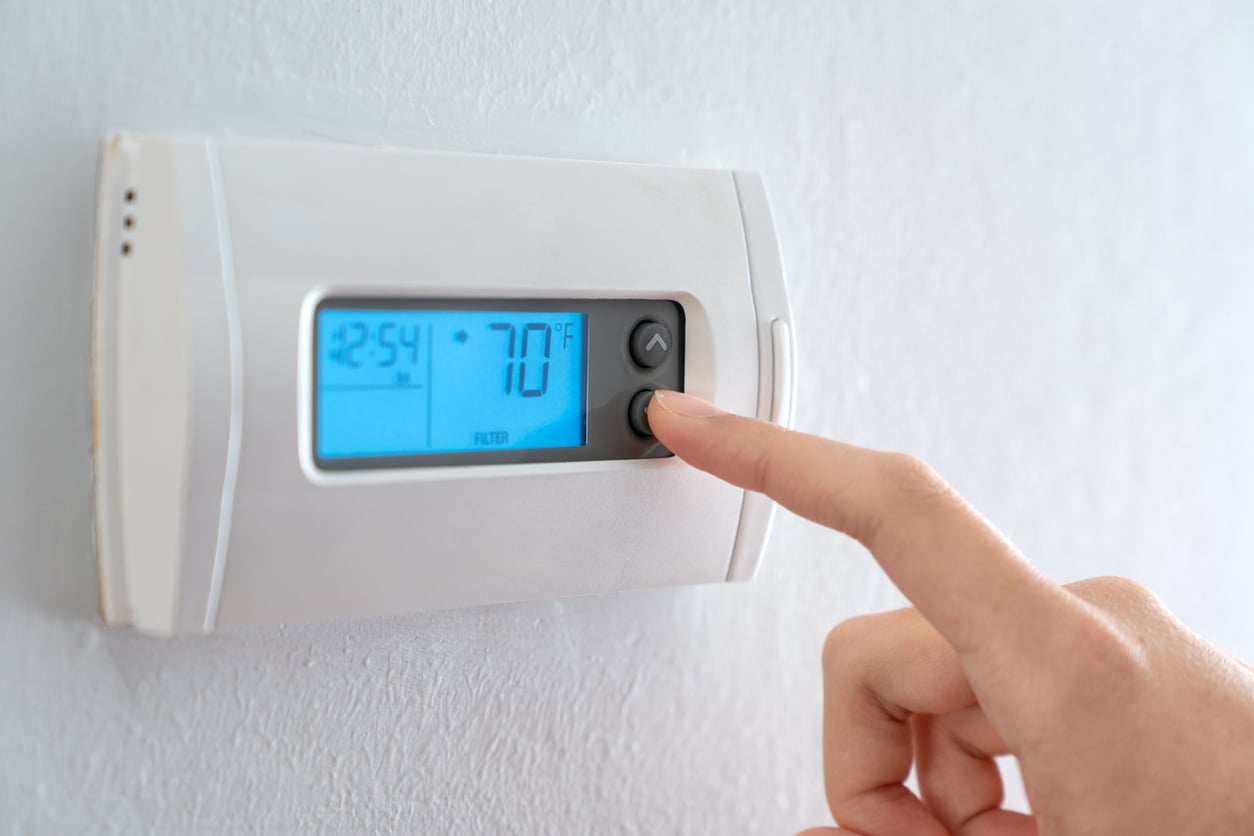
There’s little reason to heat or cool an empty house as though everyone were still home. Before leaving, adjust your thermostat to a more economical setting that suits the season. In winter, keeping the heat running is important for protecting pipes from freezing. Around 55 degrees Fahrenheit is a commonly recommended minimum, although some homes need more heat. During hot, humid weather, turning off the air conditioning completely can create moisture problems. A programmable thermostat makes these adjustments easier without requiring a major investment.
Check the Water Heater’s Vacation Setting
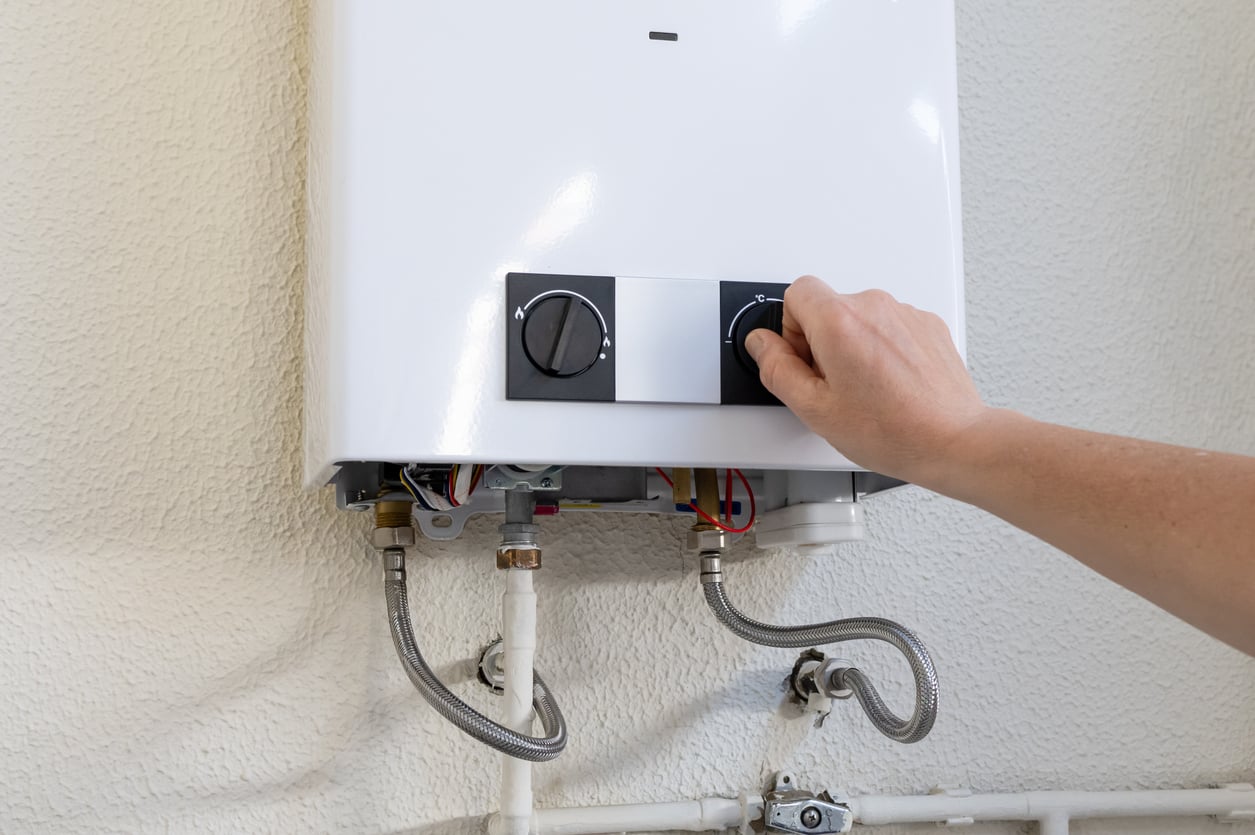
Your water heater may continue maintaining a full tank of hot water even when nobody is around to use it. Some models have a vacation or away setting designed to reduce unnecessary energy consumption during extended absences. Check the control panel and owner’s manual to see whether yours offers this feature. Don’t assume every system should be switched off, especially if it supplies heating equipment or needs freeze protection. Following the manufacturer’s instructions is safer than experimenting with unfamiliar settings right before your trip.
Clear Out Food That Won’t Last Until You Return
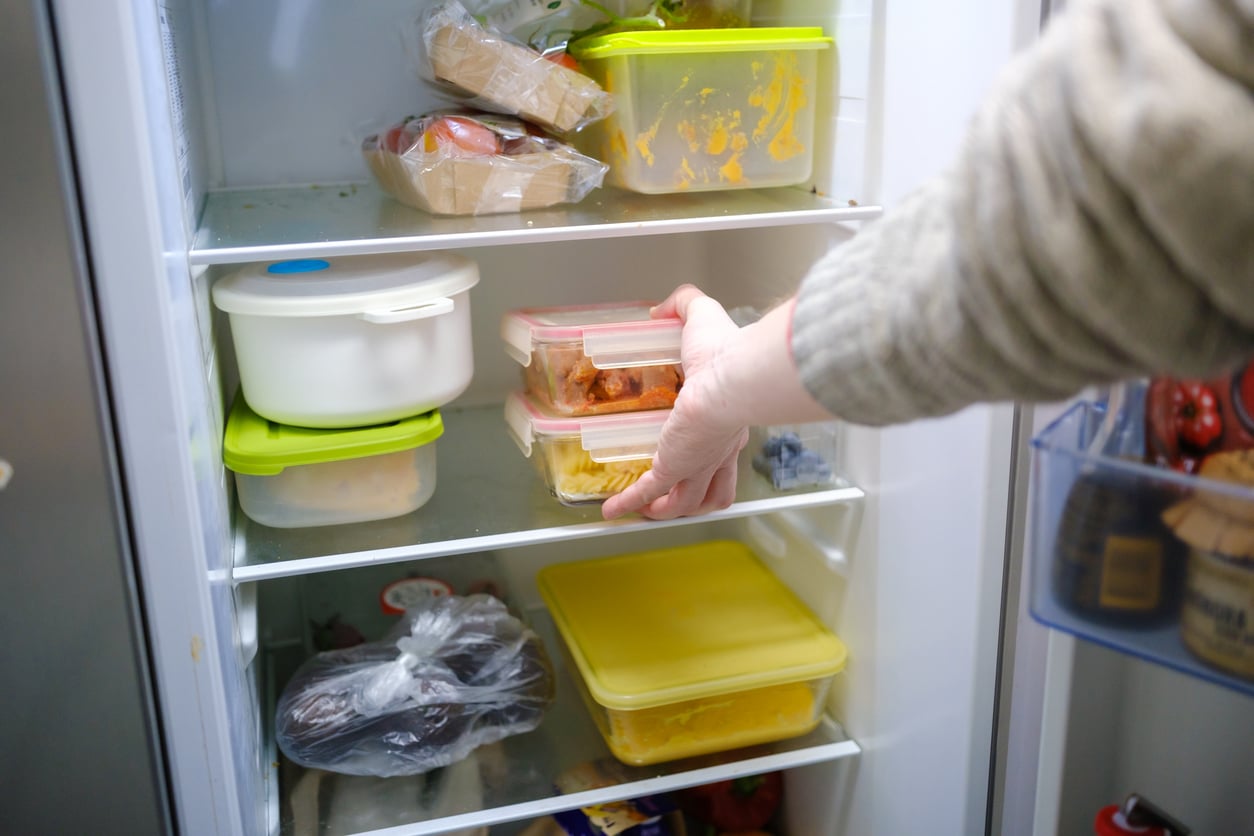
That container of leftovers hiding behind the milk probably won’t improve during your vacation. Before leaving, check the refrigerator for cooked meals, opened dairy products, aging produce, and anything approaching its safe storage limit. Refrigerated leftovers generally should be eaten within three to four days, so freezing them is often smarter than hoping they’ll survive the week. Use up what you can, discard anything questionable, and take out the kitchen trash. You’ll waste less food and avoid coming home to unpleasant smells.
Trending on Cheapism

Make Sure the Refrigerator and Freezer Are Cooling Properly
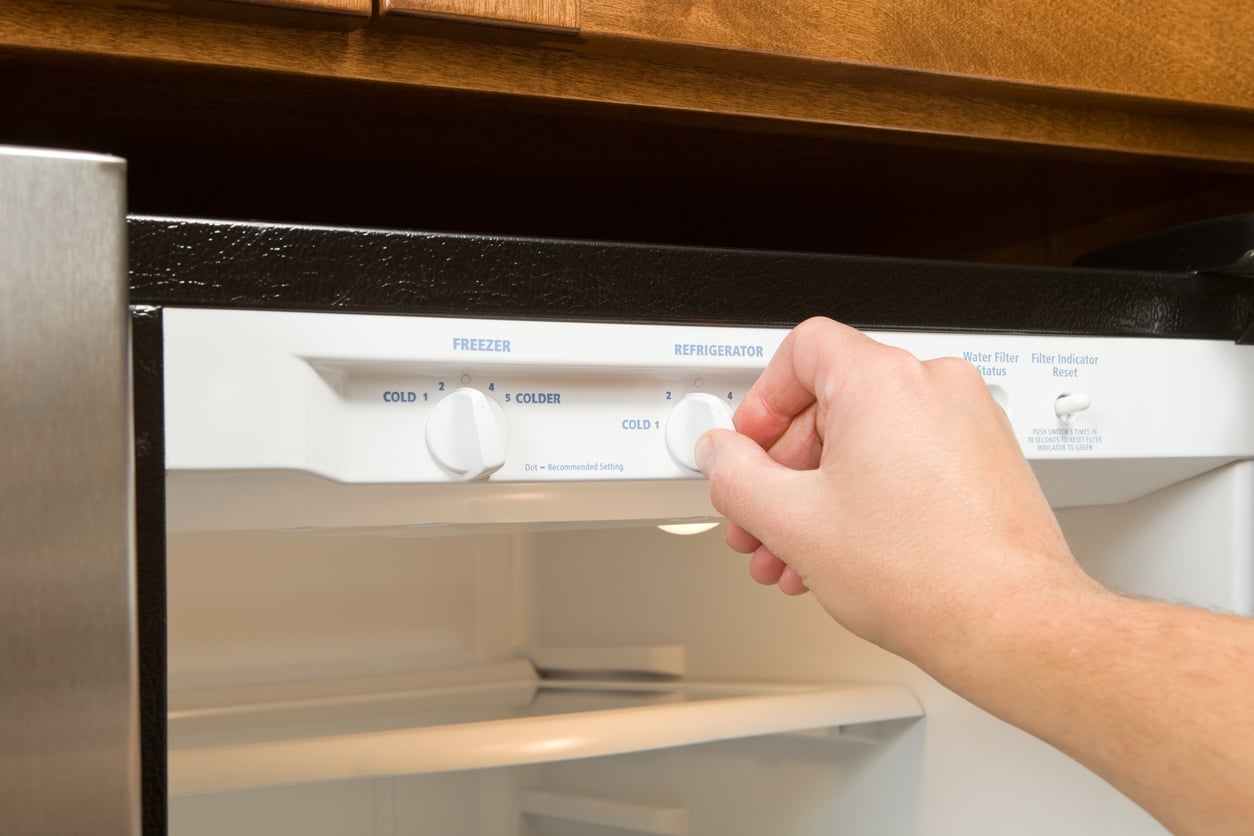
Imagine returning from vacation only to discover that your freezer stopped working halfway through the week. Before leaving, check that your refrigerator is maintaining 40 degrees Fahrenheit or below and your freezer is at 0 degrees or below. An inexpensive appliance thermometer can help confirm the temperatures. Make sure the doors close securely and that food packages aren’t preventing a proper seal. If your refrigerator has a door alarm or temperature alert, check that it’s enabled. These precautions can’t prevent every breakdown, but they can catch existing problems.
Unplug Appliances That Don’t Need to Stay Connected
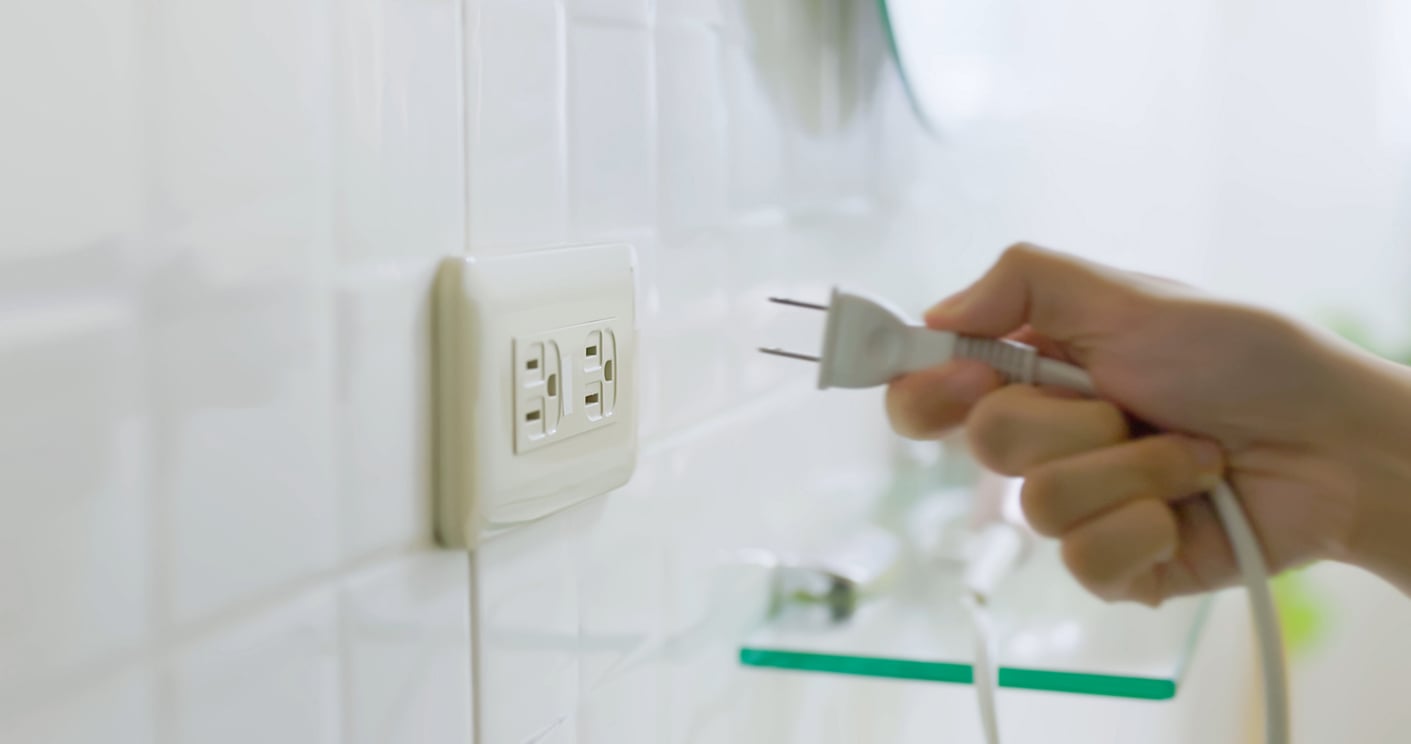
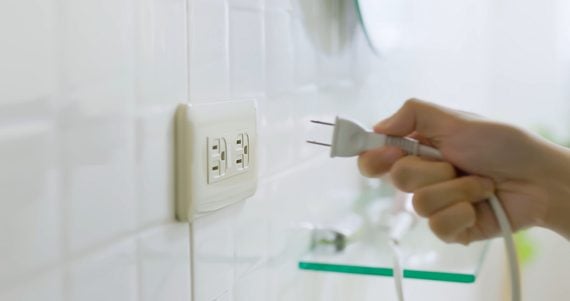
Coffee makers, toaster ovens, irons, and other small appliances don’t need to remain plugged in while you’re enjoying a week away. Some electronics continue drawing a little electricity even when switched off, while unplugging heat-producing devices removes the possibility of accidentally leaving them running. Walk through the kitchen, bedrooms, and living room to identify anything unnecessary. Just don’t disconnect equipment that needs to operate while you’re gone, such as your refrigerator, security system, internet router for smart-home monitoring, or sump pump.
Test Smoke and Carbon Monoxide Alarms
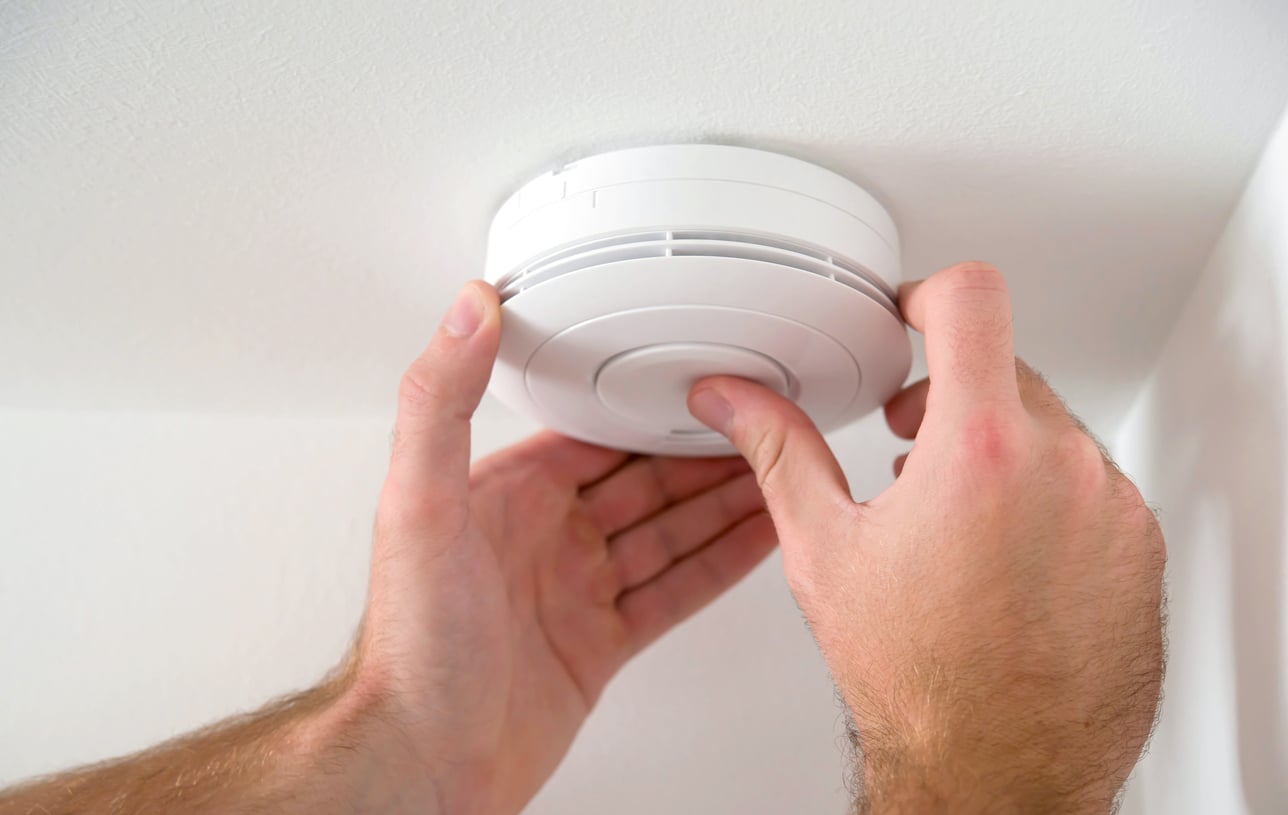
Smoke and carbon monoxide alarms are easy to overlook until one starts chirping in the middle of the night. Before leaving, press the test buttons according to the manufacturers’ instructions and check whether any devices are due for replacement. Smoke alarms generally need replacing after 10 years, while carbon monoxide alarm lifespans vary by model. Remember that an ordinary alarm won’t notify you while you’re hundreds of miles away. If you rely on connected alarms, confirm that their remote notifications are working before departure.
Sign up for our newsletter
Double-Check Every Door, Window, and Garage Entrance
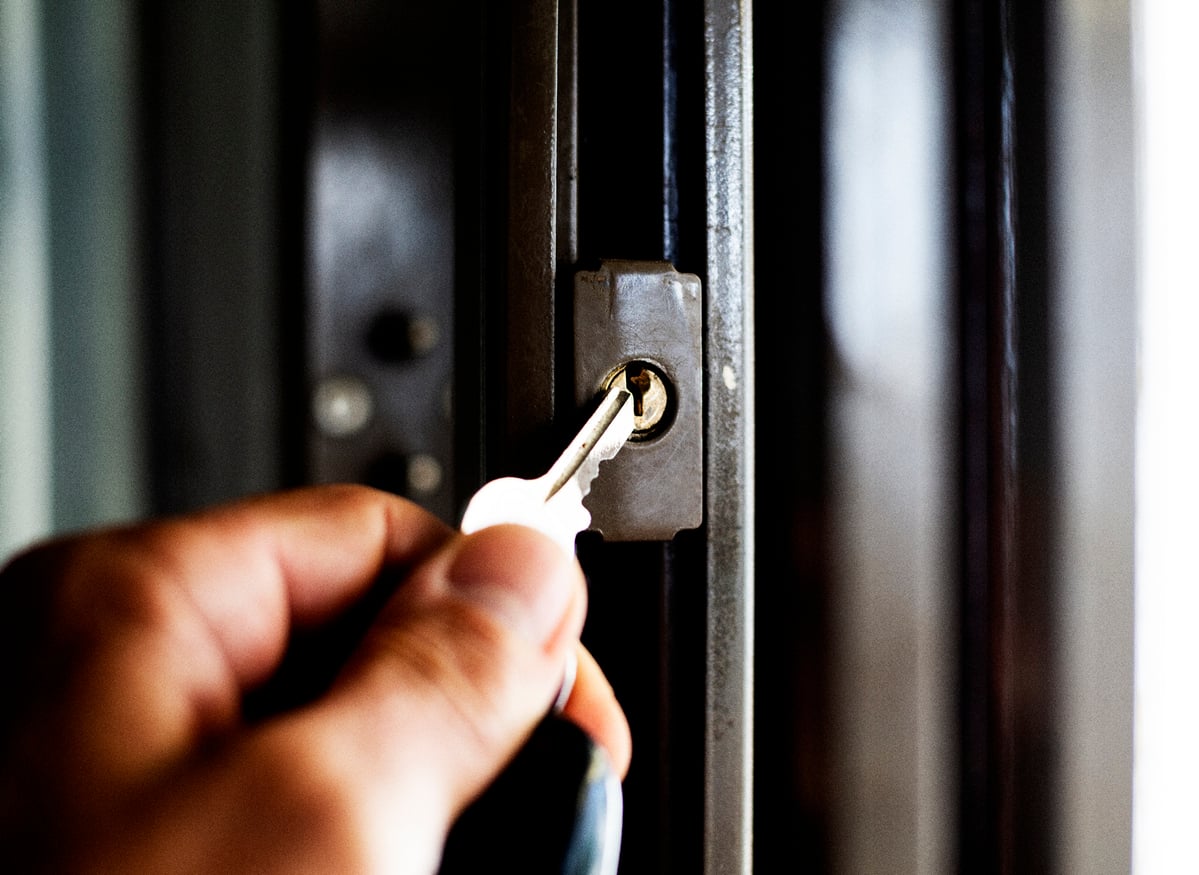
It’s easy to remember the front door while forgetting the basement window you opened last weekend. Before heading out, walk through the entire house and check exterior doors, windows, sliding patio doors, and garage entrances. Make sure locks engage properly and that the garage door closes completely. Don’t overlook sheds or other outbuildings containing tools and equipment. If you use a security system, arm it and confirm that any monitoring features are working. A quick walkthrough is more dependable than assuming everything was locked yesterday.
Set Lights to Make the House Look Occupied

Leaving every light blazing for seven days isn’t exactly economical, but a completely dark house every evening may make your absence more noticeable. Consider using inexpensive plug-in timers or smart bulbs to turn a few lamps on and off at reasonable hours. Exterior motion-activated lights can also illuminate entrances when someone approaches. Test the schedules before leaving, especially if your smart devices depend on an internet connection. You don’t need an elaborate home automation system to make the property appear less obviously empty.
Arrange for Mail, Packages, and Someone to Check In
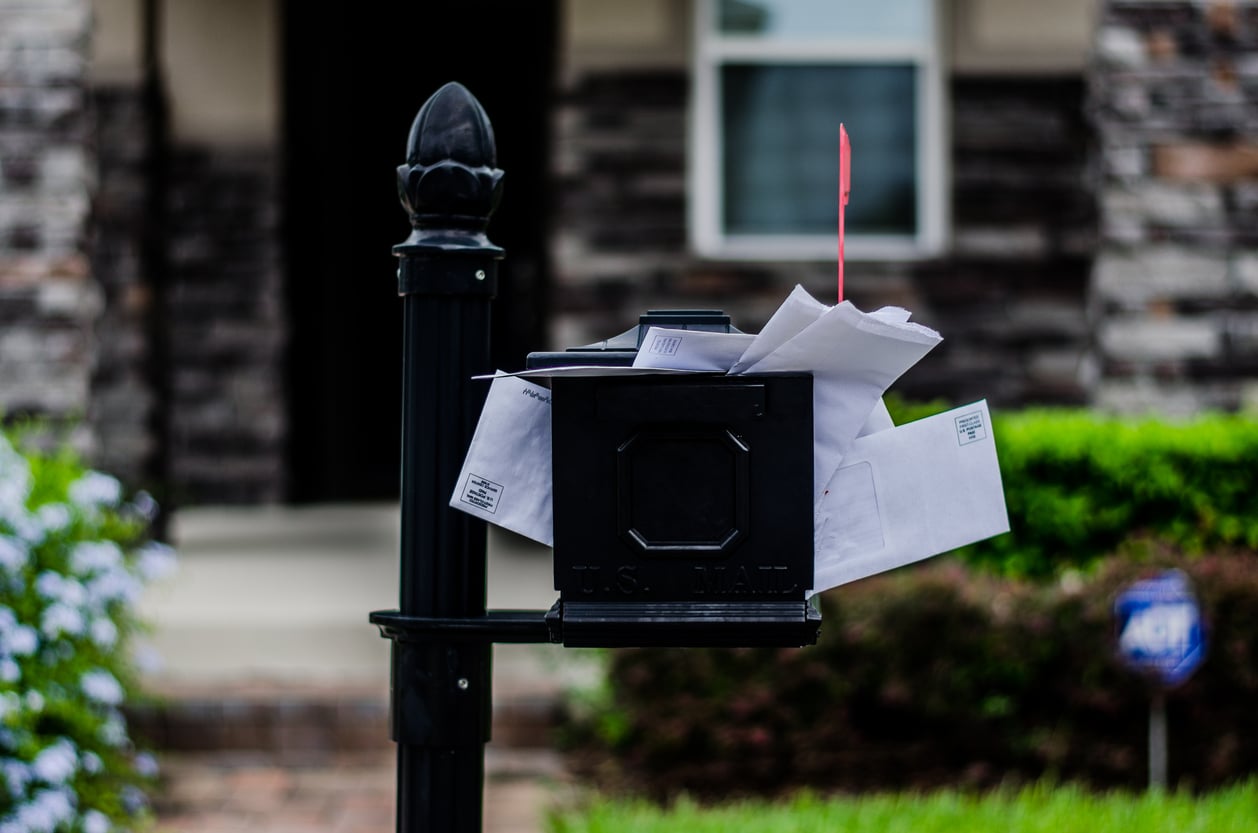
A week’s worth of packages sitting on the porch isn’t the welcome-home surprise anyone wants. Before traveling, arrange for a trusted neighbor to collect deliveries or request a temporary mail hold. The U.S. Postal Service offers free Hold Mail service for eligible addresses for periods of three to 30 days. It’s also worth asking someone to check the property, particularly during freezing weather or heavy storms. Review your homeowners insurance policy, since some policies have specific requirements for unattended properties or certain types of damage.
Check the Sump Pump and Upcoming Weather
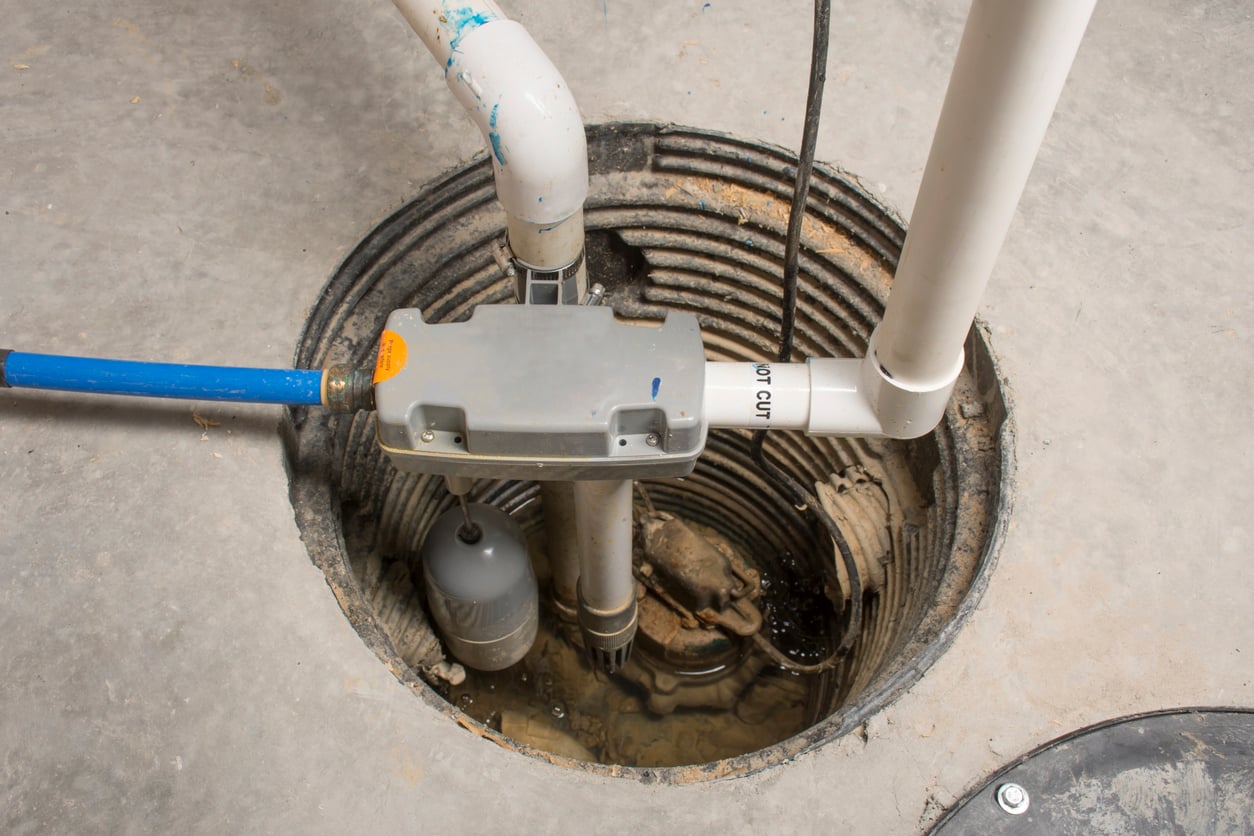
If your basement relies on a sump pump, the last thing you want is for it to stop working during a week of heavy rain. Before leaving, inspect the pump for obvious problems and check that its discharge line isn’t blocked. If you have a battery backup, confirm it’s functioning according to the manufacturer’s instructions. Review the weather forecast for storms, freezing temperatures, or heavy snowfall, and arrange for someone to check the property if conditions look concerning. Homes without sump pumps should still inspect drainage areas and outdoor gutters.