Remember when a lunch break meant more than eating a sandwich while staring at your computer screen? Back in the 1970s, the middle of the workday offered American workers a chance to step away from their desks, catch up with coworkers, or squeeze in a few errands before heading back to the office. And without smartphones, online banking, or food delivery apps, even the simplest lunchtime activities looked a little different.
Of course, not everyone had the luxury of a leisurely hour-long lunch. While some office workers enjoyed sit-down meals at downtown diners or entertained clients over cocktails, factory employees and retail workers often had to make do with packed sandwiches, cafeteria food, or whatever was available in the vending machines.
From flipping through vinyl records at the local music store to rushing to the bank before it closed, here are 12 things people did on their lunch breaks in the 1970s that might bring back a few memories.
Walking to a Downtown Diner for a Full Lunch
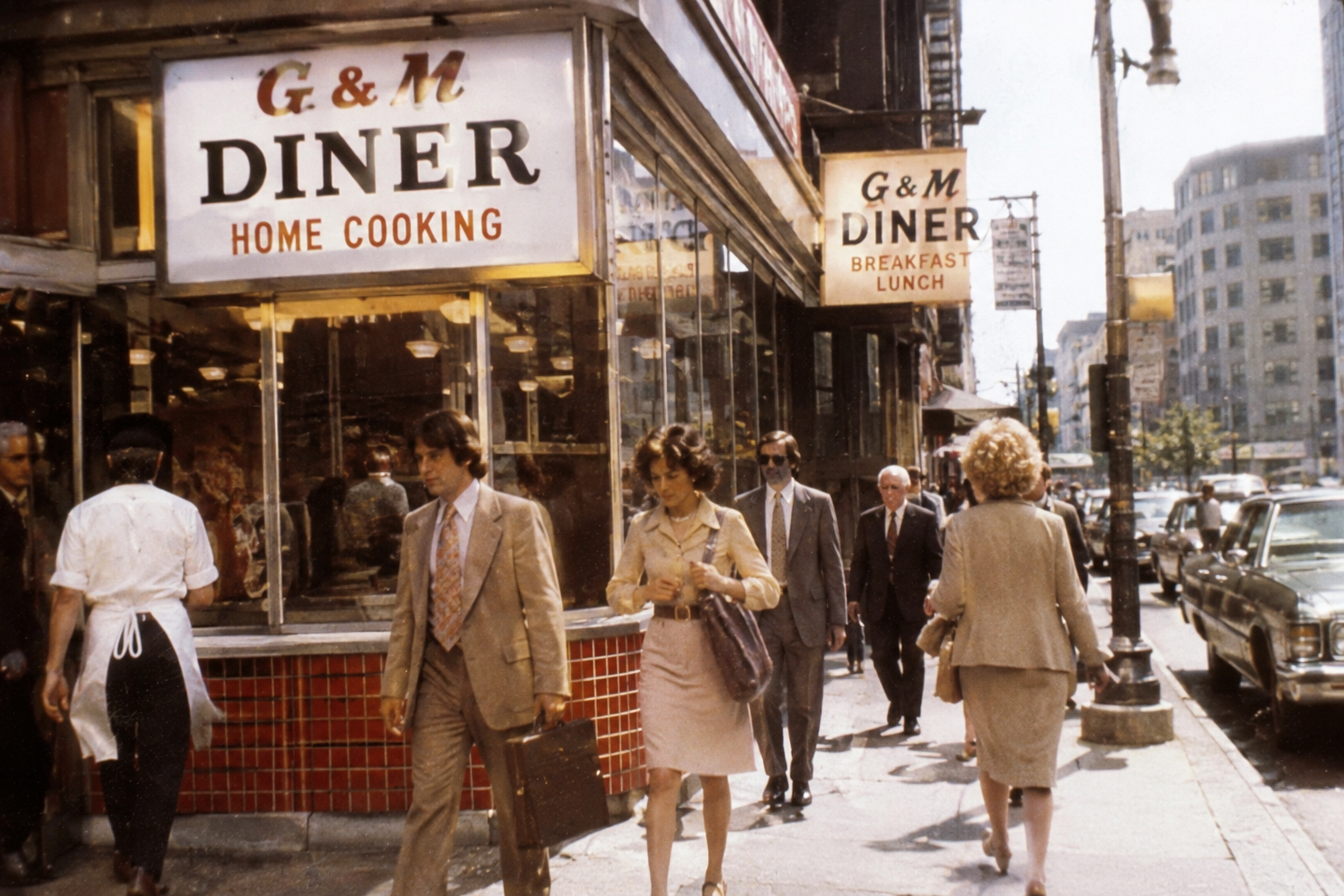
For many office workers in the 1970s, lunchtime meant heading to the same neighborhood diner or lunch counter they’d been visiting for years. You could grab a booth, order a hot turkey sandwich or a bowl of soup, and maybe even enjoy a slice of pie before returning to work. Regular customers often knew the servers by name, and the daily specials written on a chalkboard could determine where everyone went for lunch. Best of all, you didn’t have to scroll through dozens of online reviews to decide where to eat. You just went to your usual spot.
Bringing a Brown Paper Bag Lunch From Home
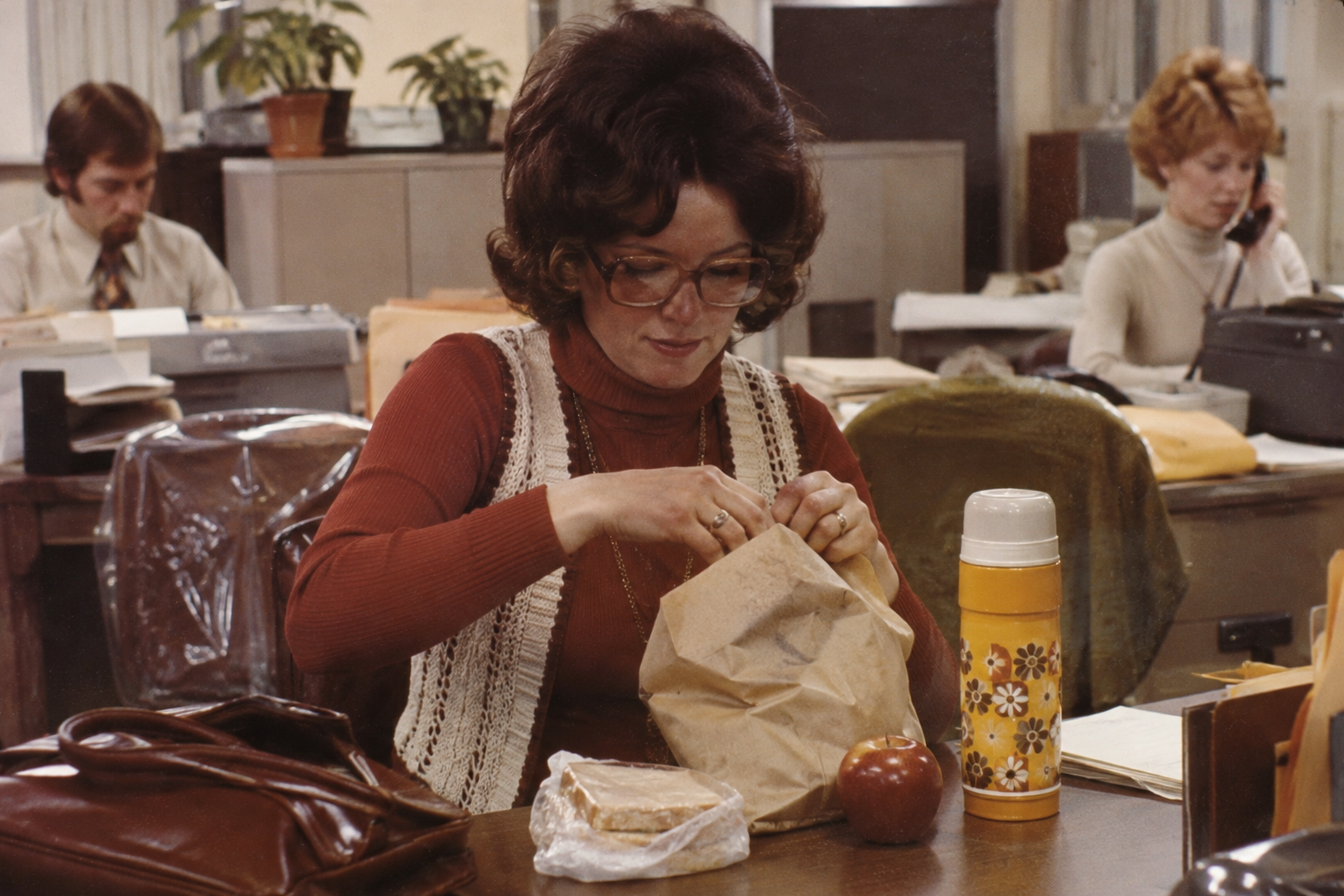
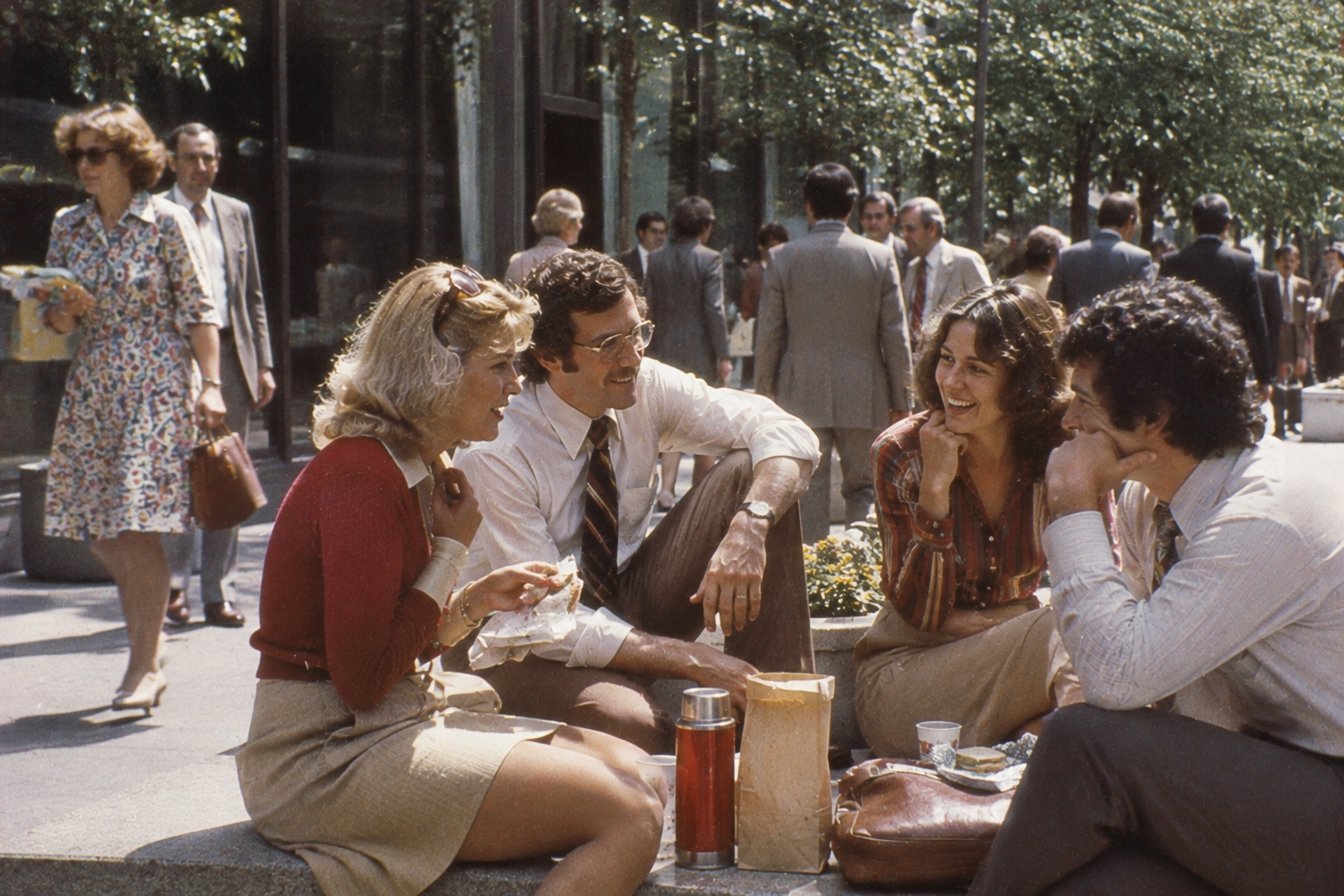
Not everyone could afford to eat out every day, which made the humble brown paper bag a lunchtime essential. A typical packed lunch might include a ham or bologna sandwich, an apple, a small bag of potato chips, and maybe a homemade cookie if you were lucky. Sandwiches were often wrapped in wax paper or aluminum foil, and the whole thing could be tucked into a desk drawer until noon. For factory workers and others who needed something sturdier, metal lunch pails and Thermos bottles were also familiar sights. It wasn’t fancy, but it got the job done without spending money at a restaurant.
Eating at the Company’s Cafeteria
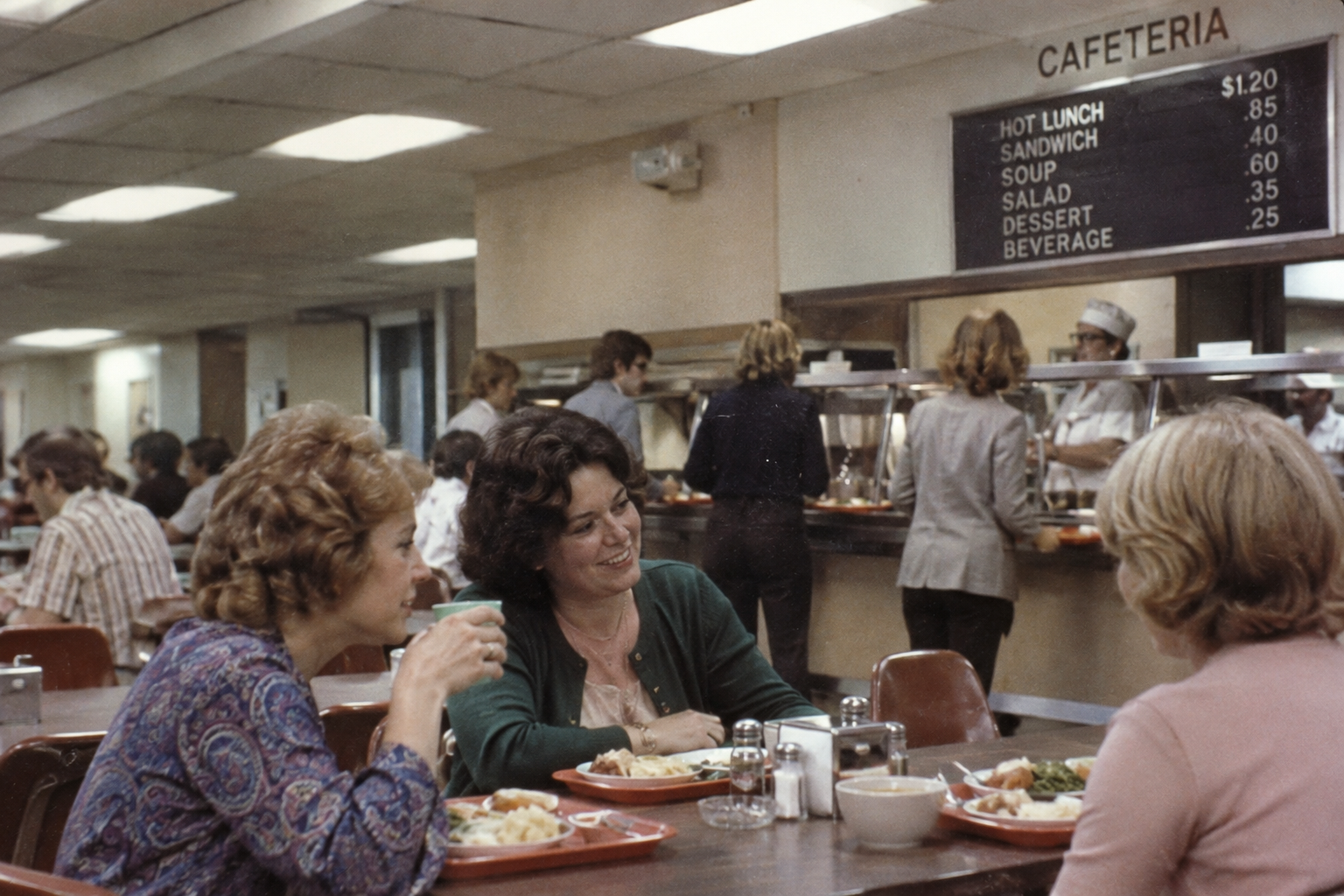
If you worked for a large company, hospital, or factory in the 1970s, there was a chance your workplace had its own cafeteria. These weren’t exactly gourmet dining destinations, but they offered a convenient way to grab a hot meal without leaving the building. Employees would shuffle through serving lines with plastic trays, choosing from dishes like meatloaf, mashed potatoes, green beans, soup, or sandwiches. After paying the cashier, you’d find a table and settle in with your coworkers. And if the cafeteria happened to serve something particularly good that day, word usually spread pretty quickly.
Running to the Bank Before It Closed
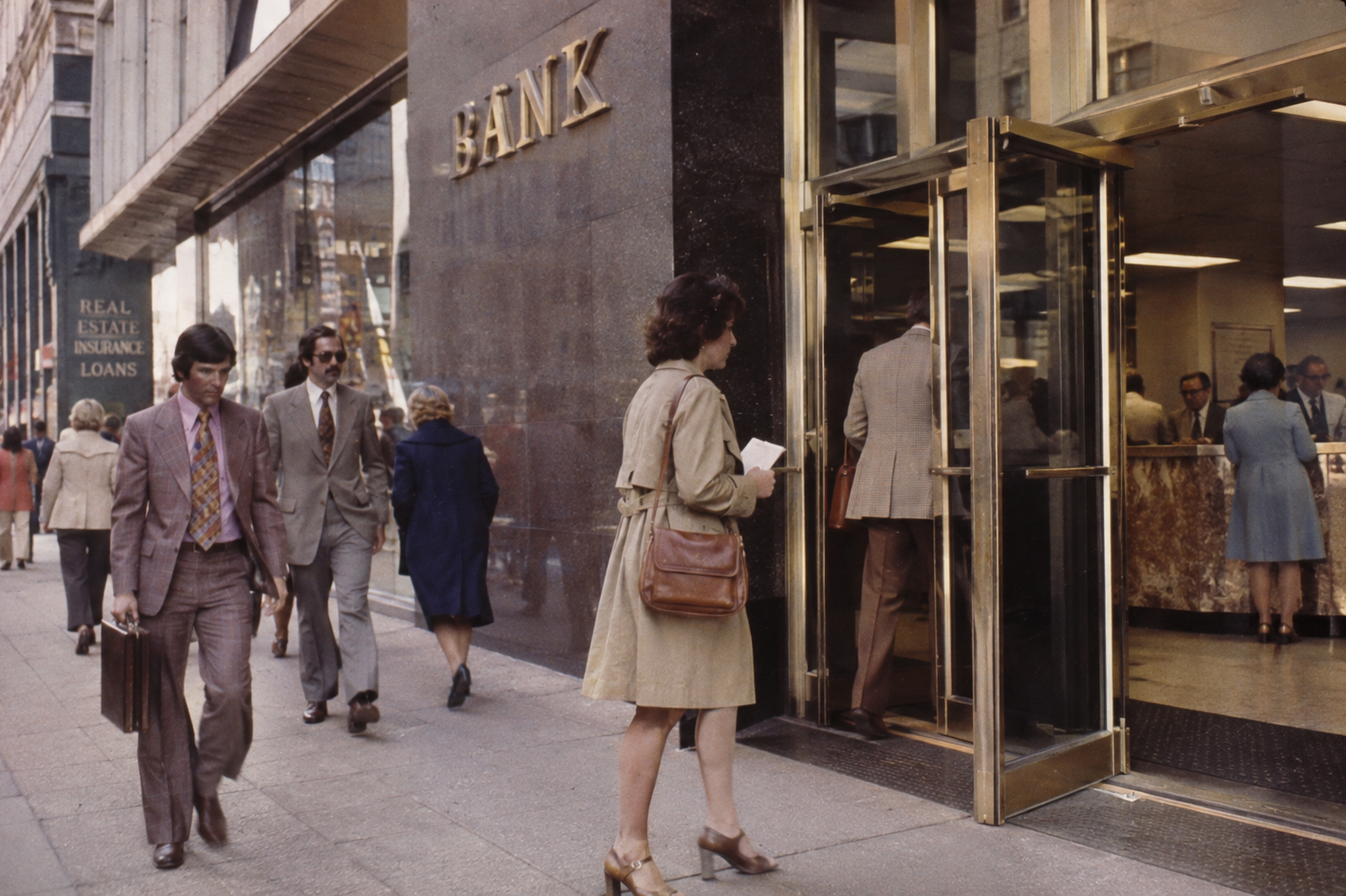
Imagine having to visit an actual bank branch every time you needed to deposit a paycheck or handle a routine transaction. For workers in the 1970s, that was simply part of life. With no mobile banking apps or online transfers, lunch breaks were often the most convenient opportunity to stop by the bank before it closed for the day. You might spend half your break standing in line with a paper paycheck and deposit slip, hoping the teller could finish your transaction quickly enough for you to grab something to eat. Suddenly, depositing a check from your couch sounds pretty luxurious.
Browsing the Record Store During the Lunch Hour
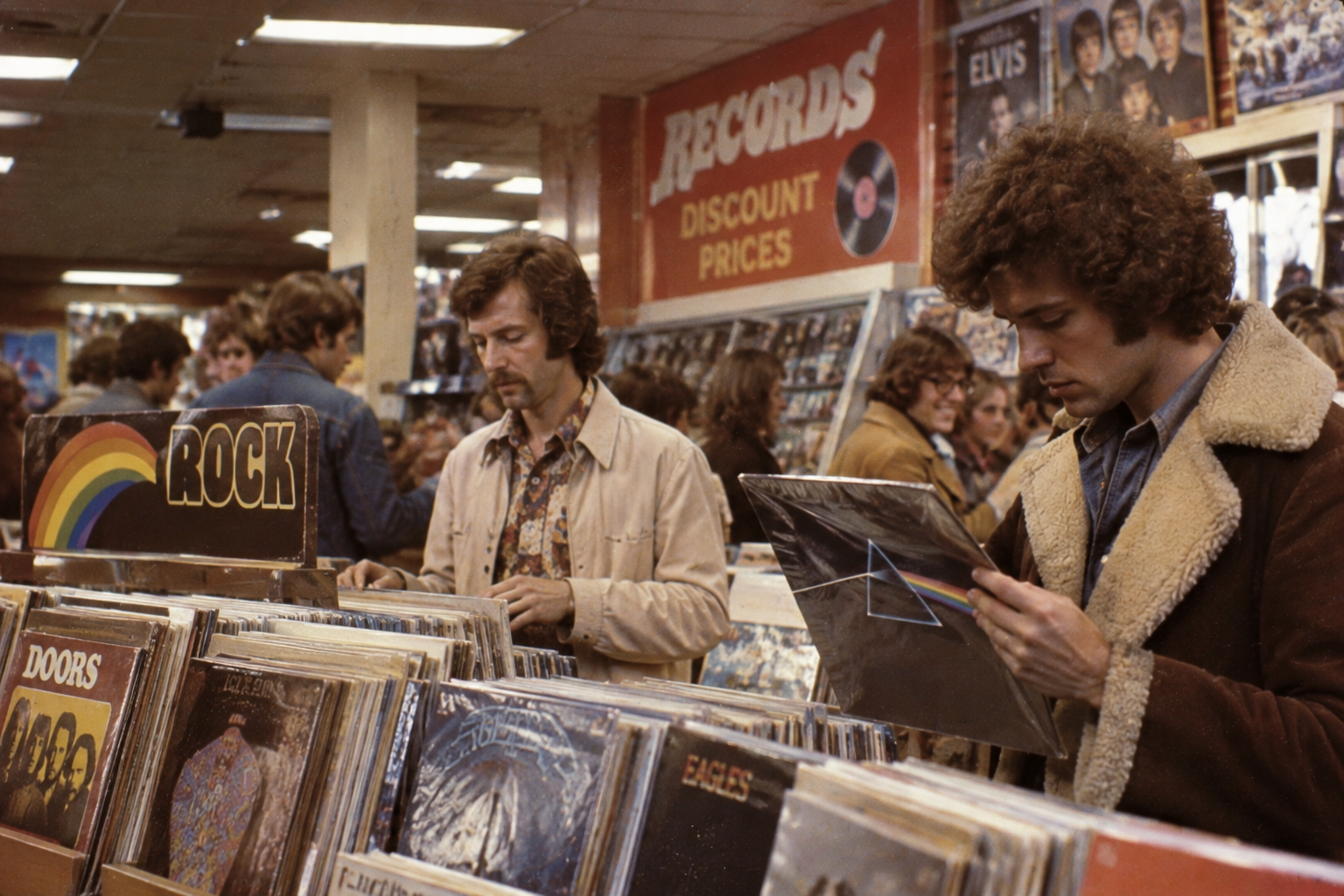
For music lovers, a nearby record store could be an irresistible lunchtime destination. Instead of browsing Spotify or listening to a new release on your phone, you could spend your break flipping through rows of vinyl albums, checking out the latest releases, and admiring colorful cover artwork. Depending on the store, you might also find 8-track tapes or cassettes alongside records from artists like Fleetwood Mac, Elton John, and the Eagles. And if you found something you couldn’t resist, you’d return to work with a new album tucked under your arm, already looking forward to playing it when you got home.
Trending on Cheapism

Making Personal Phone Calls From a Payphone
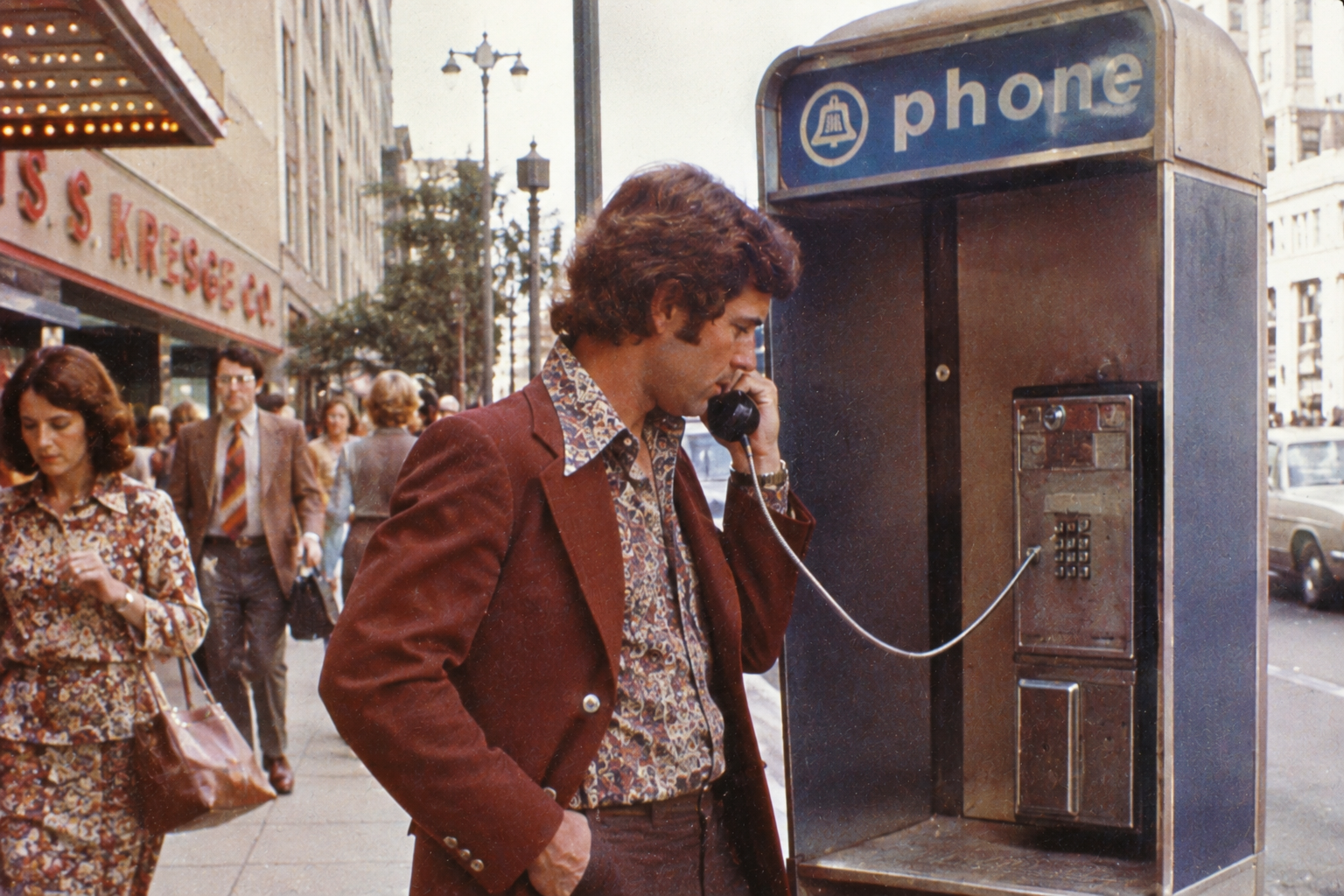
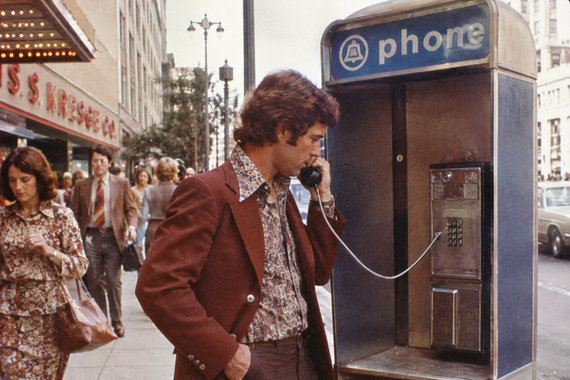
Need to call your spouse, confirm a doctor’s appointment, or make dinner plans? In the 1970s, you couldn’t simply pull a cellphone out of your pocket. While some employees could use their office phones for personal calls, others relied on public payphones during their lunch breaks. You might find one outside a restaurant, in a building lobby, or near a shopping center. Having the right change was important, too, unless you wanted to make a collect call. And if someone else was already using the phone? You had to wait your turn, no matter how urgently you needed to talk.
Running Errands at the Post Office
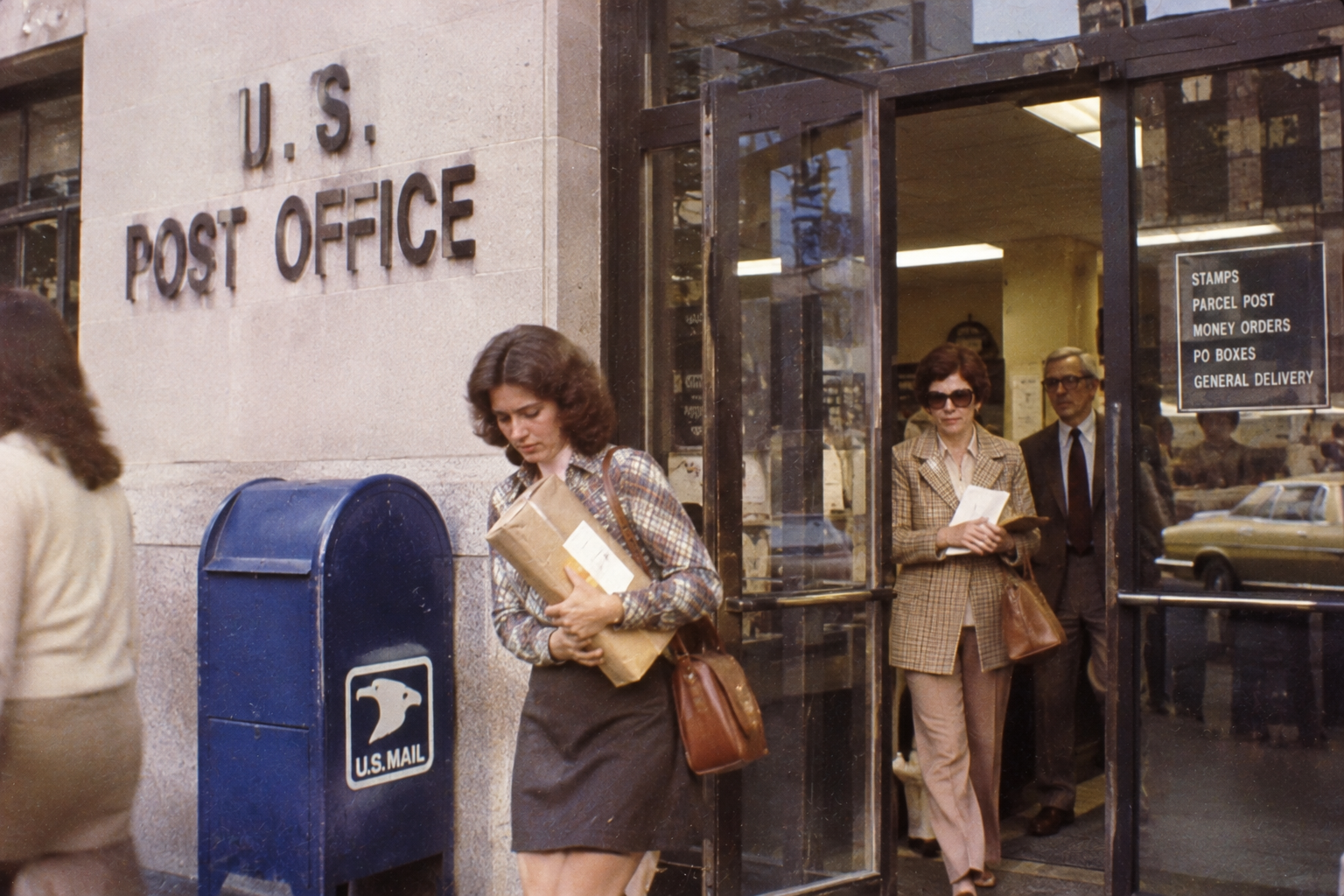
Before online postage and the convenience of handling so many errands from home, a trip to the post office could easily take up most of your lunch break. Workers stopped by to mail packages, buy stamps, send money orders, or take care of other postal business before the counters closed for the day. Depending on the time and location, that could mean waiting in a surprisingly long line. And while your coworkers might return from lunch carrying sandwiches or cups of coffee, you could come back with nothing more exciting than a book of stamps and a receipt.
Taking Part in the Three-Martini Lunch
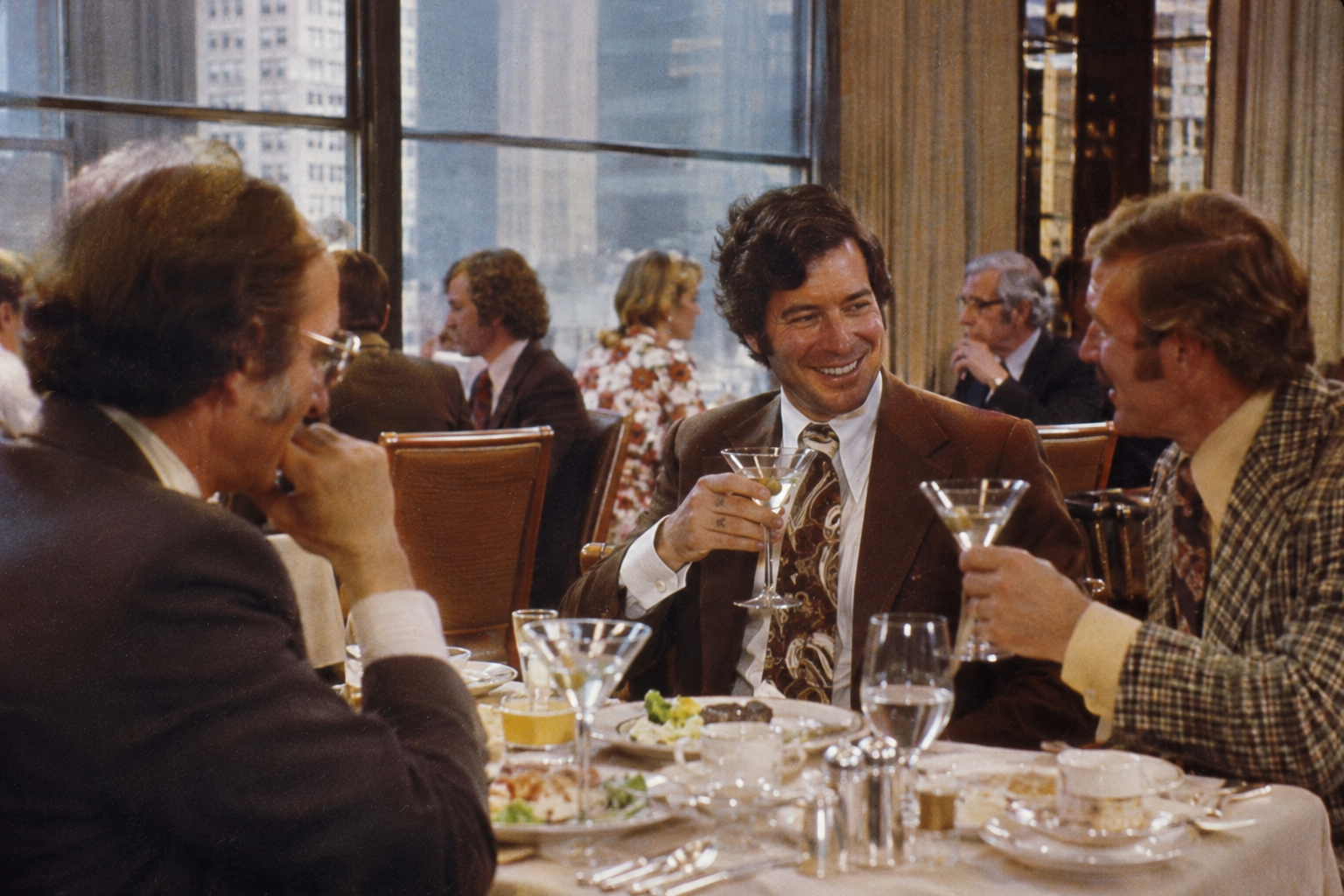
Few lunchtime traditions are as closely associated with 1970s business culture as the famous three-martini lunch. The expression described a leisurely, alcohol-fueled business meal, often associated with executives, salespeople, and professionals entertaining clients on expense accounts. Of course, most American workers weren’t spending their afternoons sipping multiple cocktails at upscale restaurants. Still, the practice became such a recognizable symbol of corporate excess that it even sparked political debates over tax deductions for business meals during the decade. For certain professionals, lunch was as much about making deals and building relationships as it was about eating.
Sign up for our newsletter
Reading the Afternoon Newspaper
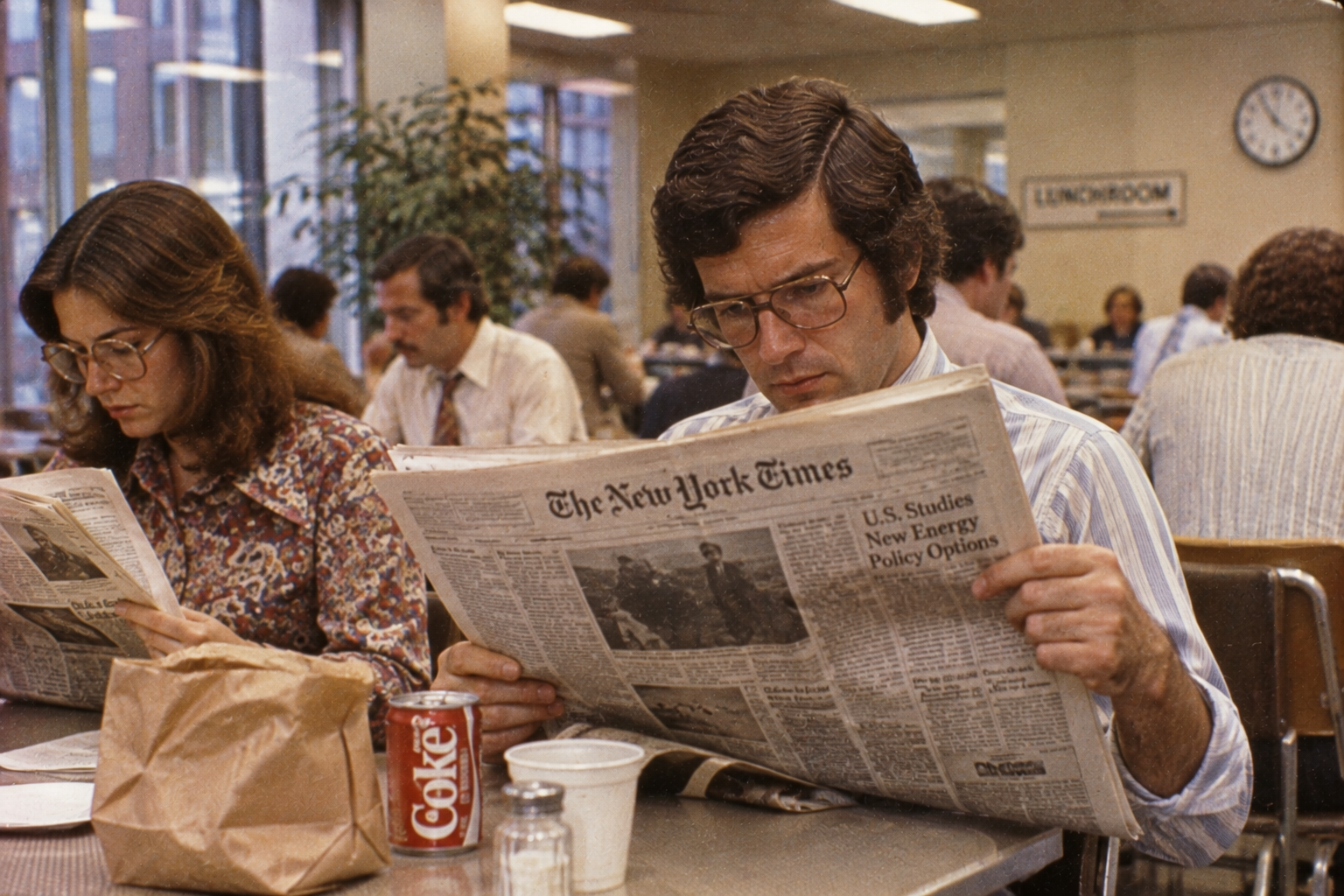
Long before checking the latest headlines meant refreshing a news app, workers often spent their lunch breaks reading the newspaper. Many American cities still had afternoon editions during the 1970s, while morning papers were also popular lunchtime reading material. You might unfold the sports section over a sandwich, check the classified ads, or catch up on national news while sipping coffee. And if something particularly interesting had happened, the paper could spark a lively discussion around the cafeteria table. Naturally, there was always the possibility of returning to your desk with a little newspaper ink on your fingers.
Eating Something From the Vending Machines
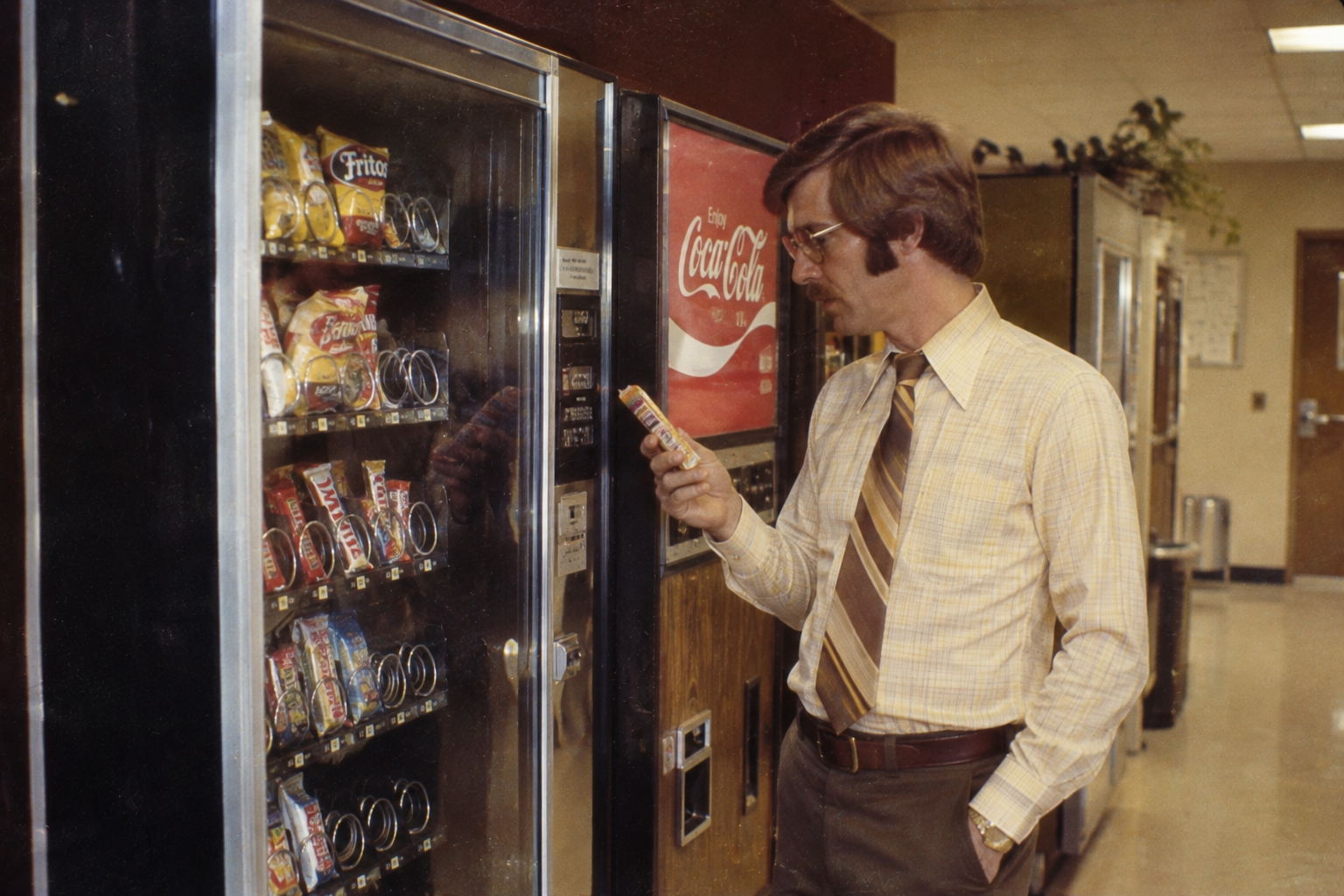
Not every workplace had a convenient diner nearby or a cafeteria serving hot lunches. For some factory employees and workers with limited break times, vending machines were the most practical option. Depending on the machines available, lunch might consist of a packaged sandwich, a bag of chips, a candy bar, and a soda. In fact, a 1977 National Labor Relations Board report described a factory where vending machines provided the only on-site food options, with roughly 70% of employees purchasing their lunches from them. It wasn’t exactly an exciting meal, but sometimes convenience mattered more than variety.
Going Shopping at a Nearby Department Store
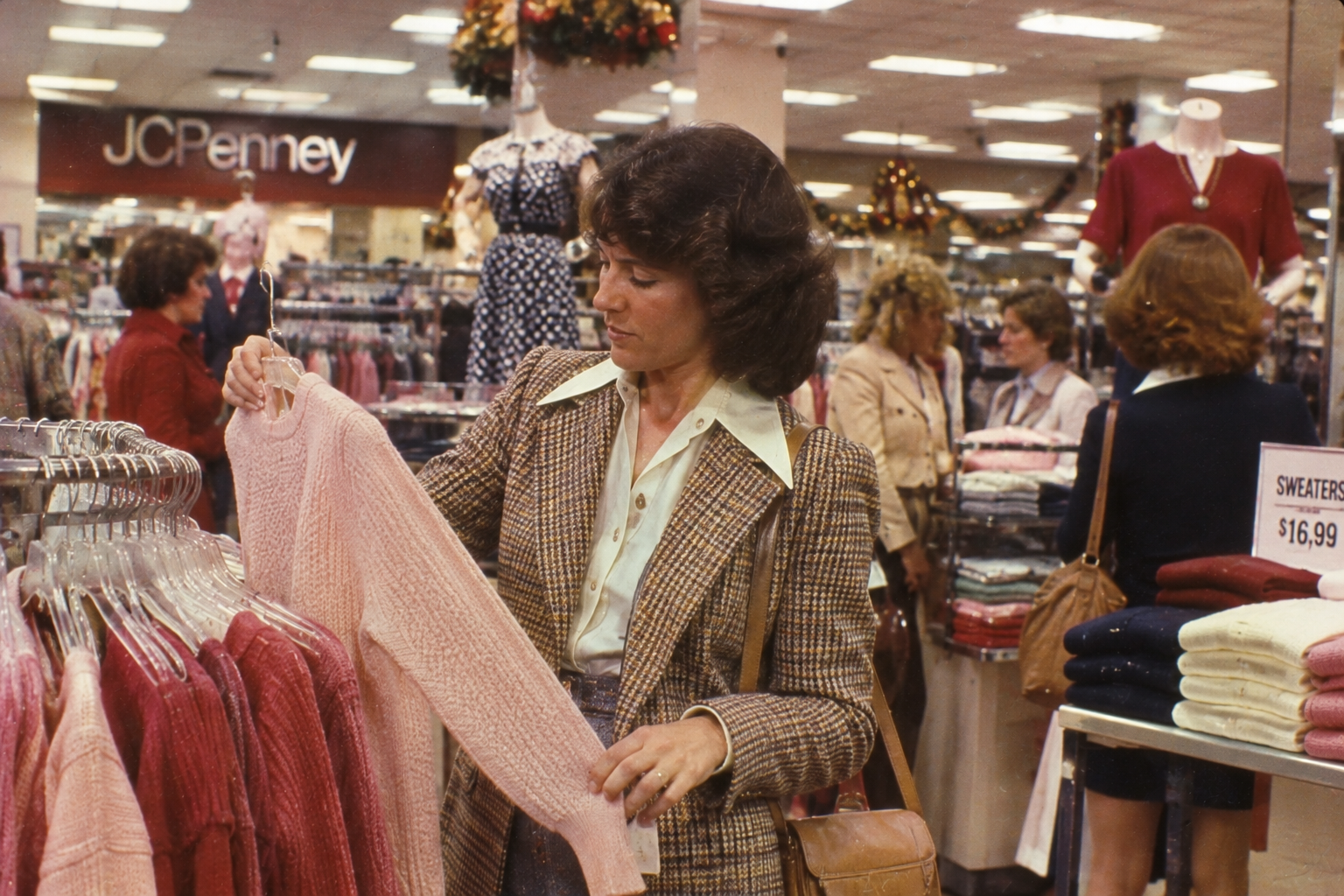
If your office was located near a downtown shopping district, lunch could double as a quick shopping trip. Department stores were still major retail destinations during the 1970s, offering everything from clothing and cosmetics to kitchen appliances and household essentials. Workers might use their breaks to pick up a birthday present, browse the latest fashions, or purchase something they’d been meaning to buy for weeks. And unlike today’s online shopping experience, you could actually examine the merchandise before making a purchase. Of course, there was always the risk of getting carried away and returning to the office with several shopping bags and barely enough time to eat.
Sitting Outside With Coworkers Instead of Returning to the Desk
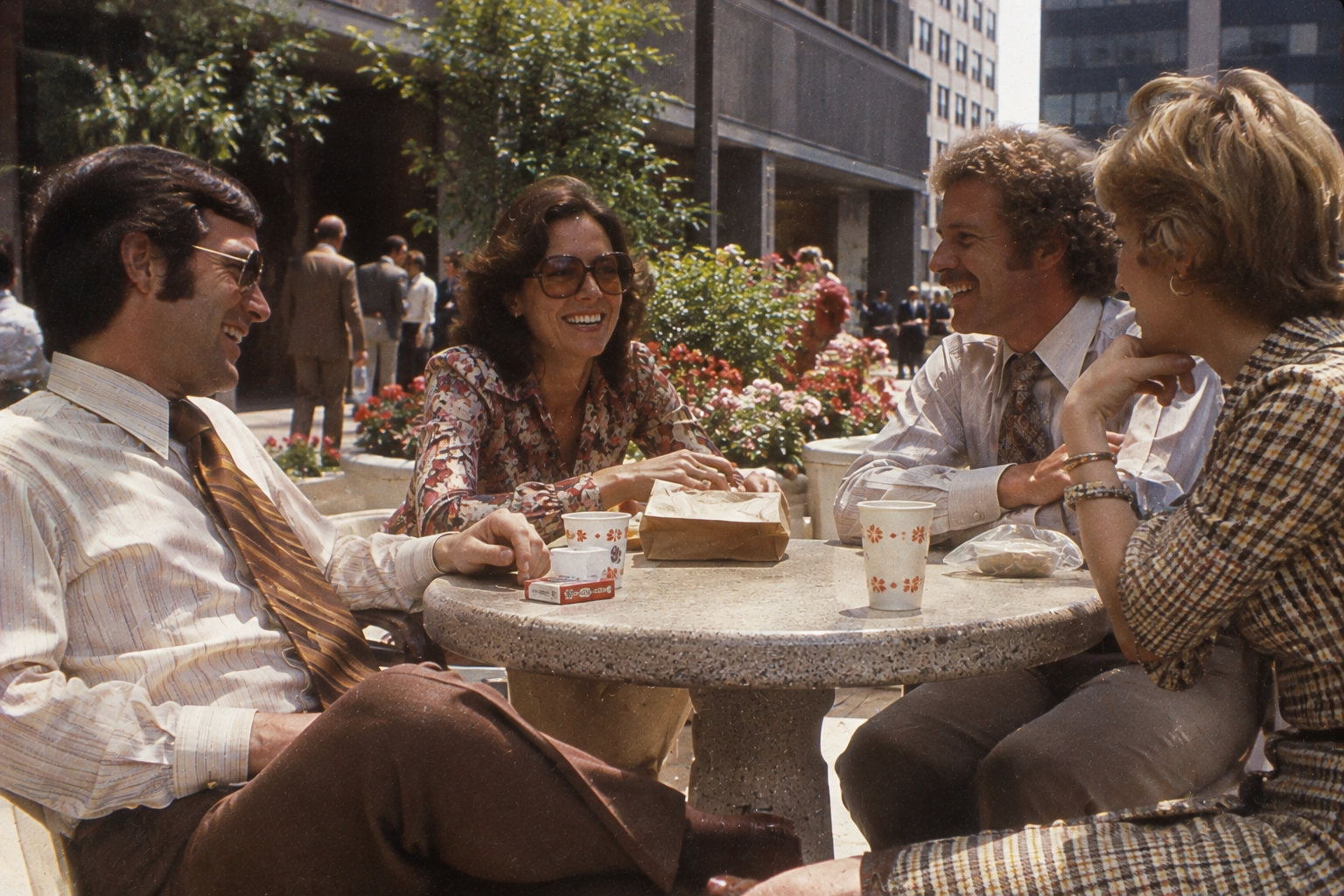
Sometimes the best part of lunch wasn’t the food at all. On pleasant afternoons, workers might head to a nearby park, find a bench outside the office building, or gather around a picnic table with their coworkers. Without smartphones constantly competing for attention, there was plenty of opportunity to talk about everything from last night’s television shows to weekend plans and office gossip. Some groups even developed a routine of meeting in the same spot every day. And while people still enjoy outdoor lunches today, there’s something nostalgic about imagining an entire break spent chatting without anyone checking their notifications.
When Lunch Breaks Were About More Than Lunch
Looking back, lunch breaks in the 1970s weren’t necessarily more relaxing than they are today. Plenty of workers had limited time to eat, demanding schedules, and few convenient dining options. But the middle of the workday often involved routines that have become much less common, from depositing paper paychecks and mailing packages to browsing record stores and making calls from payphones.
And perhaps that’s what makes these memories so interesting. Whether you spent your lunch hour chatting with coworkers over coffee, eating a homemade sandwich, or racing across town to finish an errand, those everyday rituals offer a glimpse into a working world before so much of daily life moved online.