Saturday nights in the 1970s looked a little different from the way they do today. There were no streaming services offering thousands of movies, no smartphones competing for everyone’s attention, and certainly no endless scrolling through social media. Instead, families often spent their evenings gathered around the television, piling into the station wagon for a night out, or clearing the dining room table for a game that might last until bedtime.
Of course, not every Saturday night involved an elaborate outing. Sometimes the highlight of the weekend was picking up a pizza, visiting grandparents, or making a big bowl of popcorn while waiting for a favorite television show to start. And while entertainment options varied depending on where you lived and how much money your family had to spend, plenty of memorable evenings revolved around surprisingly simple activities.
From drive-in movie theaters and roller-skating rinks to family board game competitions, here are 12 activities that made Saturday nights in the 1970s so memorable for American families.
Watching the CBS Saturday Night Comedy Lineup
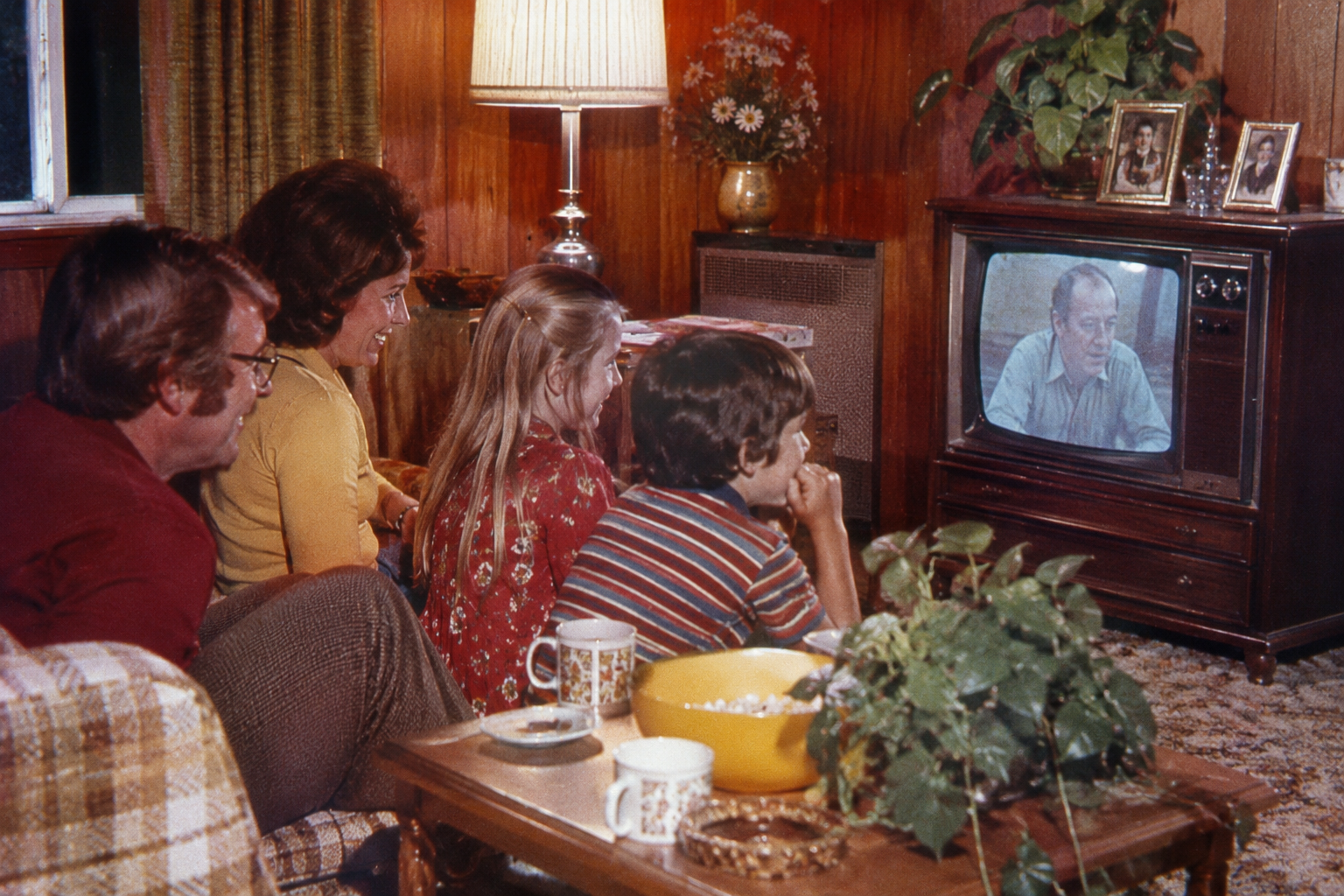
If your family stayed home on a Saturday night in the early 1970s, there was a good chance everyone ended up gathered around the television. During the 1973–74 season, CBS aired a legendary comedy lineup featuring “All in the Family,” “MAS*H,” “The Mary Tyler Moore Show,” “The Bob Newhart Show,” and “The Carol Burnett Show.” With so many popular programs airing back-to-back, there was hardly a reason to change the channel. And since recording television shows wasn’t an option for most households, missing an episode meant waiting for a rerun and hoping nobody spoiled it first.
Going to the Drive-In Movie Theater
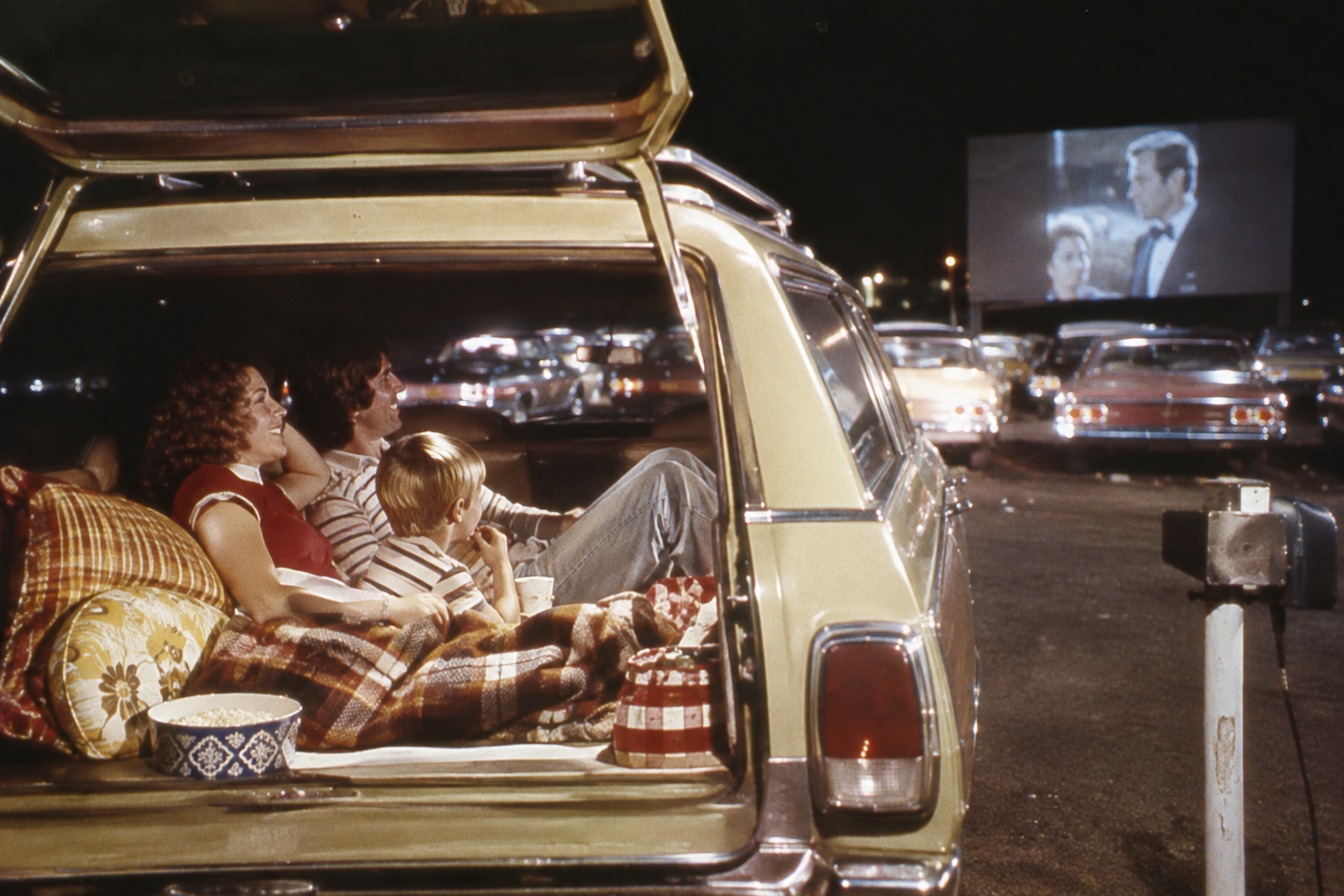
Few things made an ordinary Saturday feel more exciting than piling into the family station wagon and heading to the drive-in. Parents packed blankets, pillows, and snacks, while kids fought over the best spot to see the enormous outdoor screen. Some theaters still used those clunky metal speakers that hooked onto the car window, and someone inevitably needed to visit the concession stand halfway through the movie. Younger children might fall asleep in the backseat before the credits rolled, but that was part of the appeal. It was a night at the movies without ever having to leave the car.
Spending the Evening at a Bowling Alley
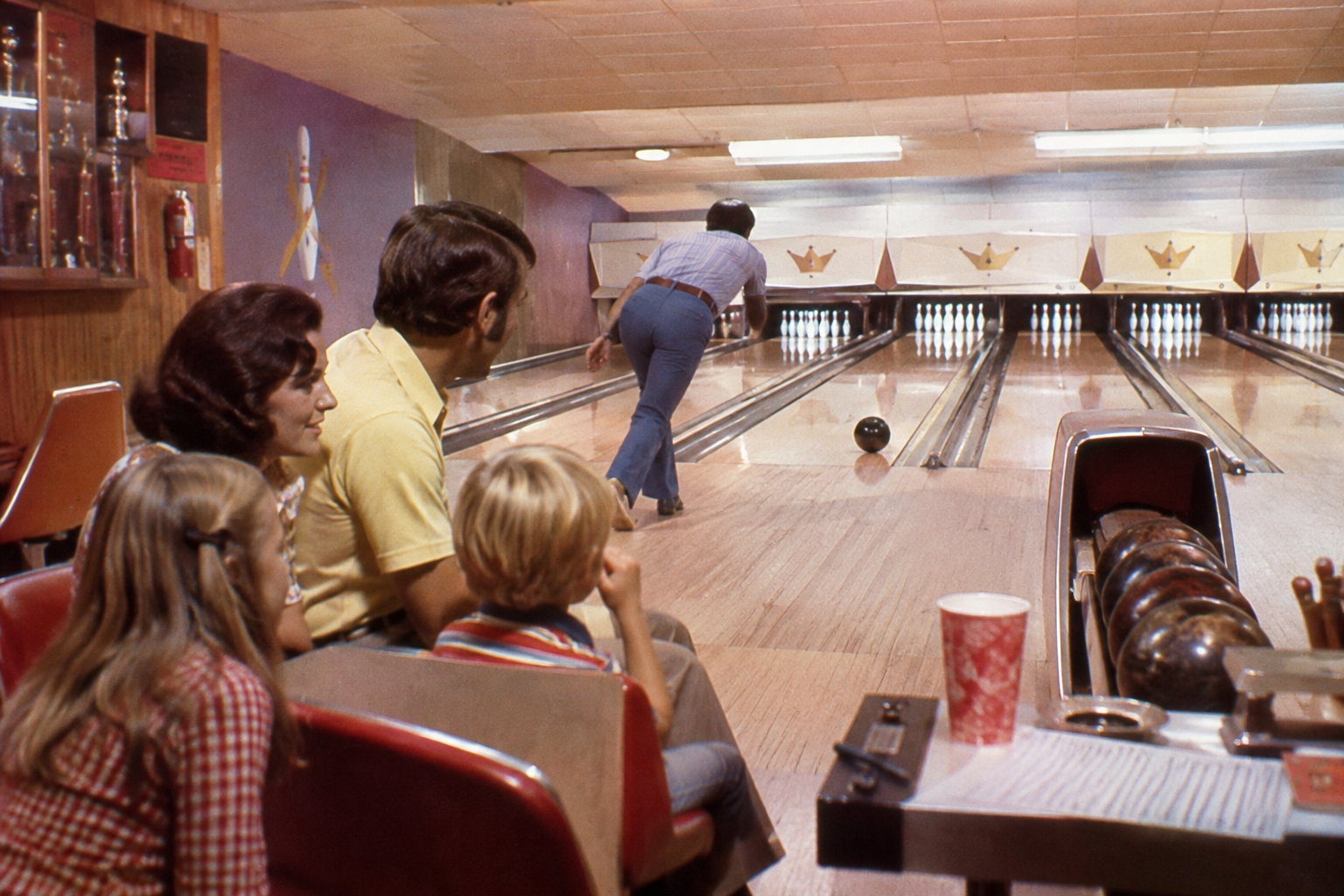
Bowling alleys were a popular destination for families looking for a little friendly competition on Saturday nights. Everyone squeezed into rented bowling shoes, picked out a ball, and took turns trying to knock down as many pins as possible. Before automatic scoring became widespread, someone had to keep track of everyone’s points on a paper score sheet, which occasionally led to disagreements about the math. Between turns, kids wandered over to the snack counter for soda, fries, or candy. And if someone managed to bowl a strike, the celebration could be heard halfway across the building.
Ordering Pizza and Eating in Front of the Television
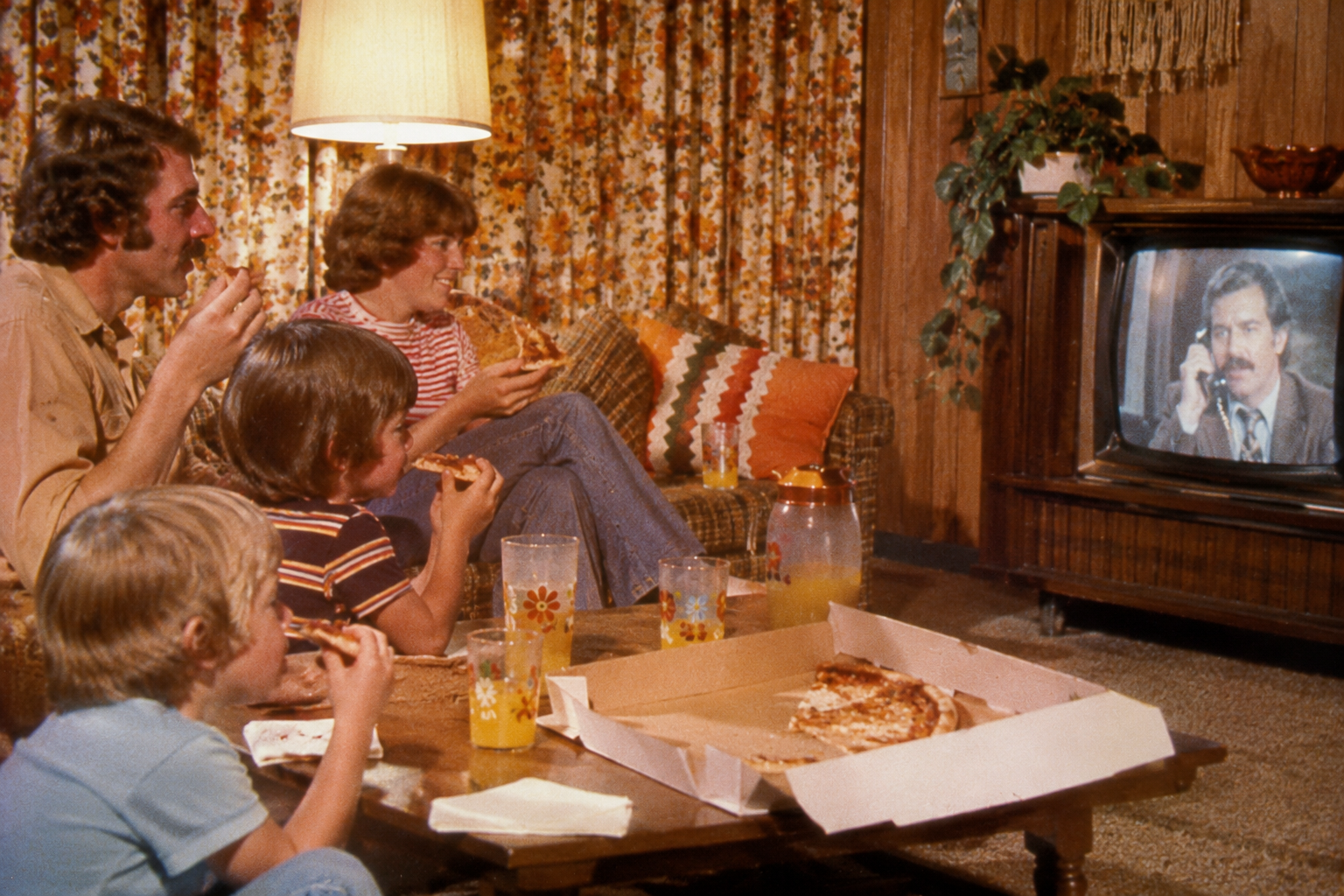
Sometimes the best Saturday night plans involved doing absolutely nothing special. Parents would call the neighborhood pizzeria, place an order, and drive over to pick up a couple of large pies for dinner. Back at home, everyone gathered in the living room with paper plates and slices of pizza, enjoying the rare privilege of eating in front of the television. For families accustomed to sitting around the dinner table during the week, pizza night felt like a small celebration. The only real problem was deciding who got the last slice.
Playing Monopoly, Clue, or Yahtzee
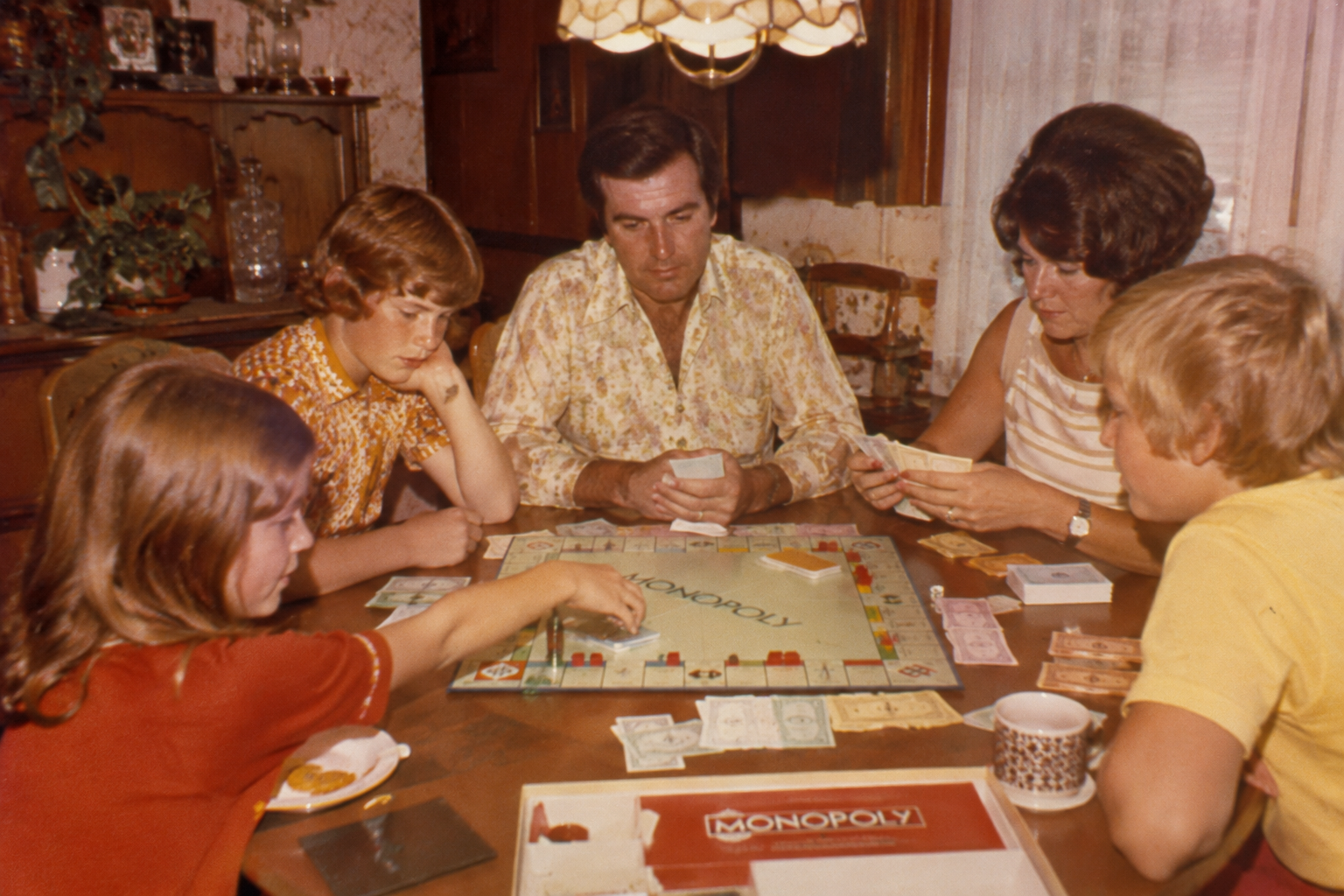
Before family game nights became something people had to schedule, they were simply a convenient way to spend an evening at home. Parents and kids cleared the dining room table, pulled out a battered Monopoly box, and prepared for what could easily become a three-hour competition. Clue inspired dramatic accusations, Yahtzee had everyone shaking dice cups, and Monopoly inevitably resulted in arguments about house rules, missing money, and suspicious behavior from whoever was acting as banker. Nobody wanted to lose, but everyone usually agreed to play again the following weekend.
Trending on Cheapism


Visiting Grandparents or Relatives After Dinner
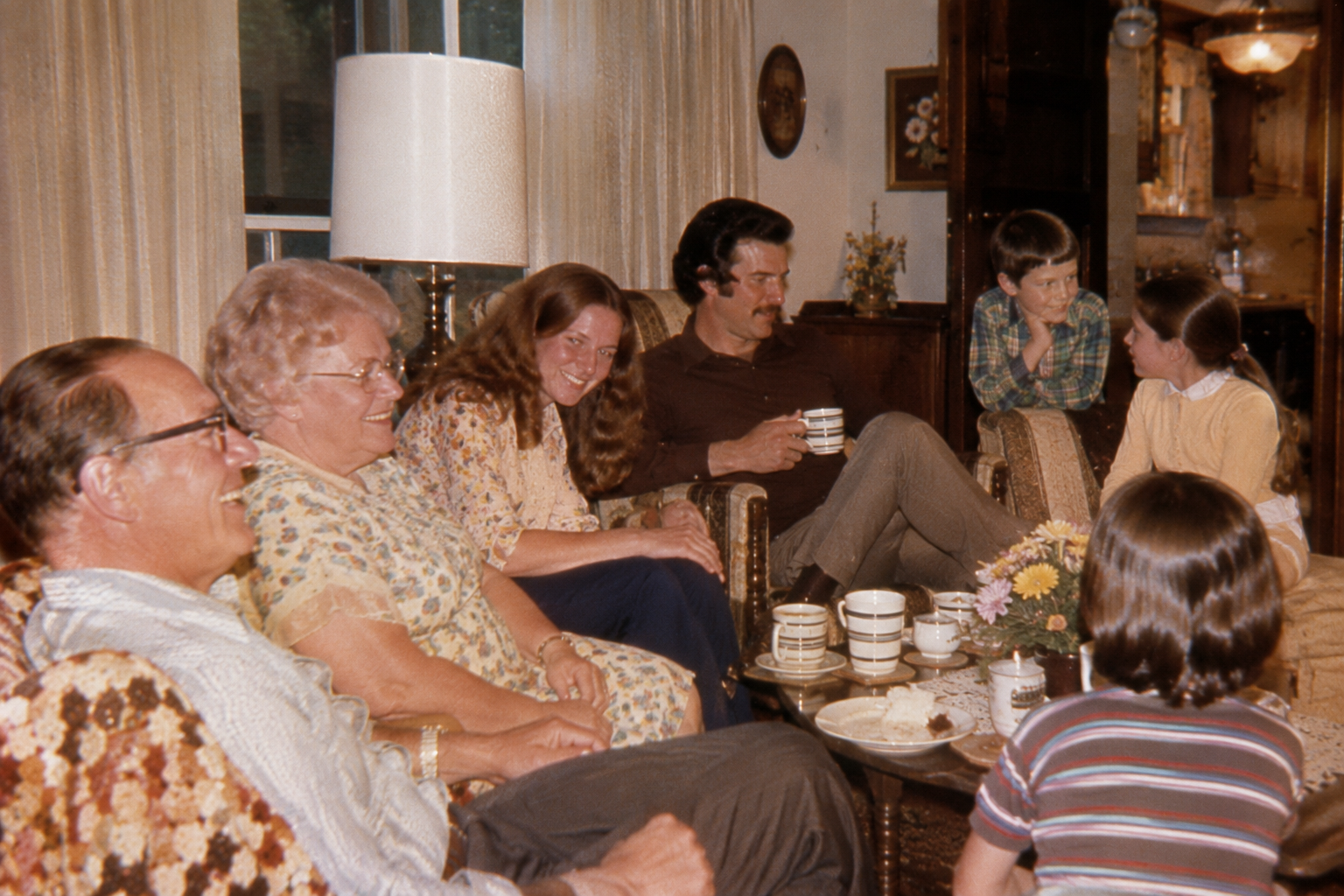
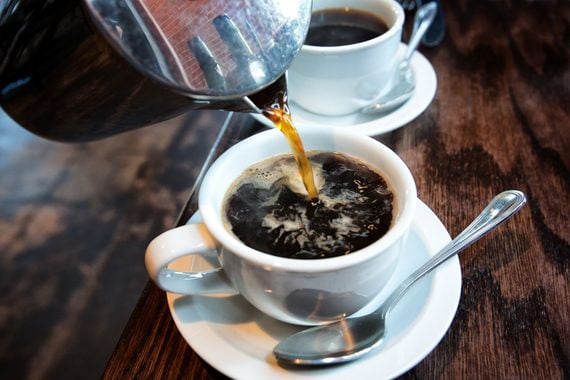
For plenty of families, Saturday nights meant driving across town to visit grandparents, aunts, uncles, or cousins. The adults settled into the living room with coffee and homemade dessert, while the kids disappeared into another room to play games, explore old toys, or watch television. Sometimes there wasn’t even a special occasion. Visiting relatives was simply what everyone did when the weekend arrived. And while the grown-ups could happily talk for hours, children usually spent the last part of the evening asking when it was time to go home.
Spending the Night at the Roller-Skating Rink
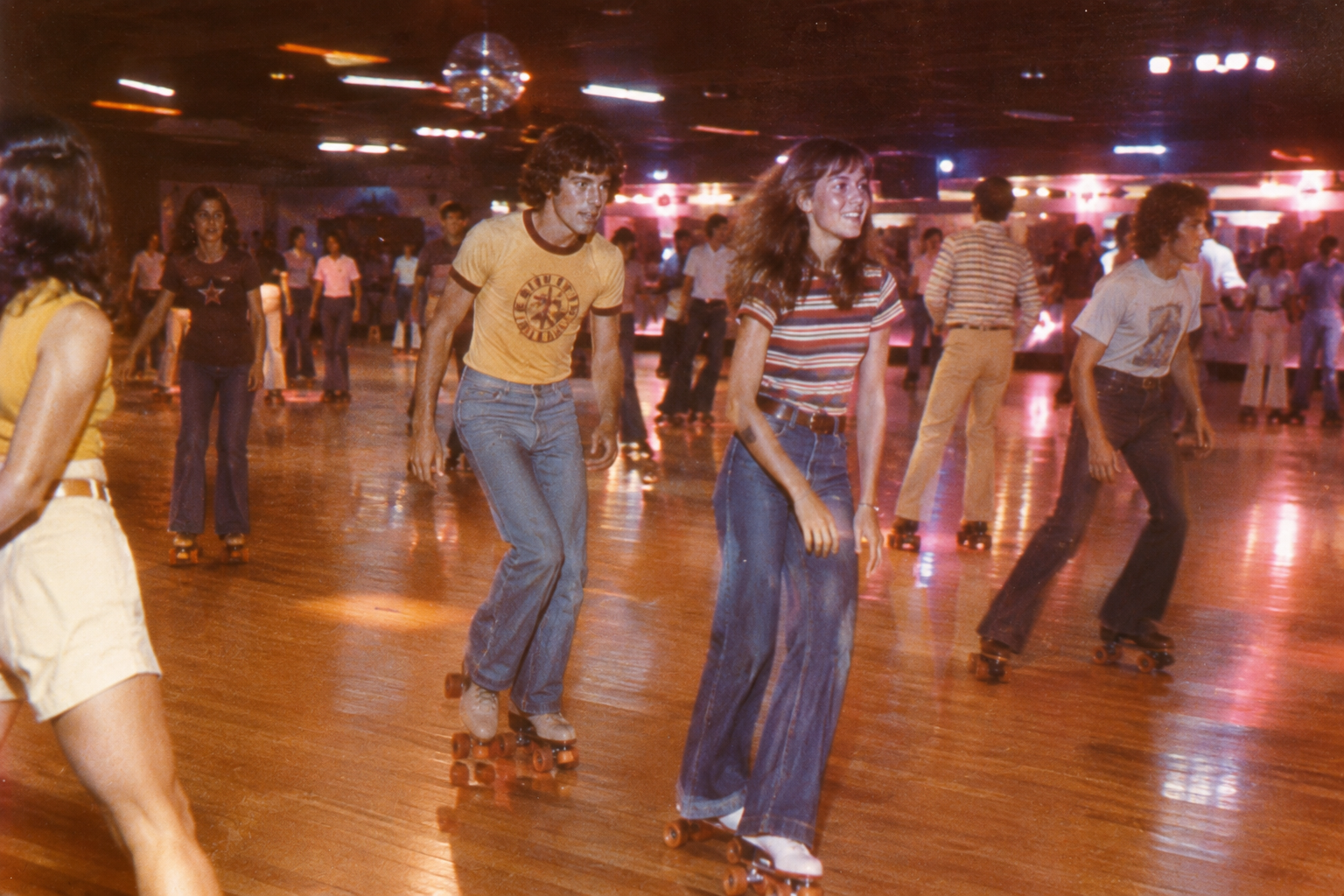
By the late 1970s, roller-skating rinks had become especially exciting places to spend a Saturday evening. Families rented skates, stepped onto the polished wooden floor, and circled the rink while popular songs played over the speakers. As disco culture took off, some rinks embraced colorful lights and dance music, making the whole experience feel like a party on wheels. Younger kids clung to the railing while learning to balance, teenagers showed off their moves, and parents occasionally proved they still knew a trick or two. Of course, someone always ended up falling in front of everyone.
Going to the Local Diner for Burgers and Milkshakes
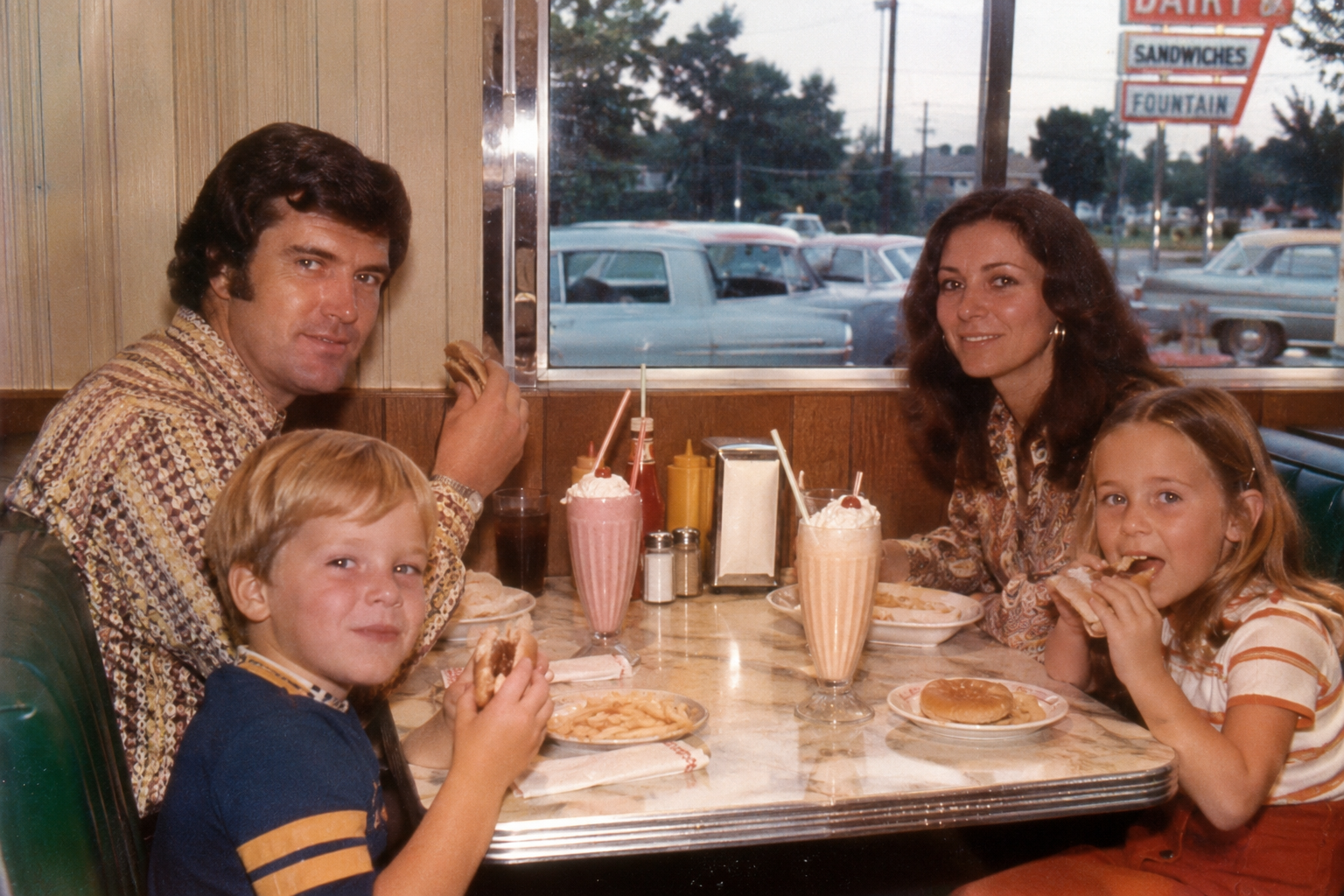
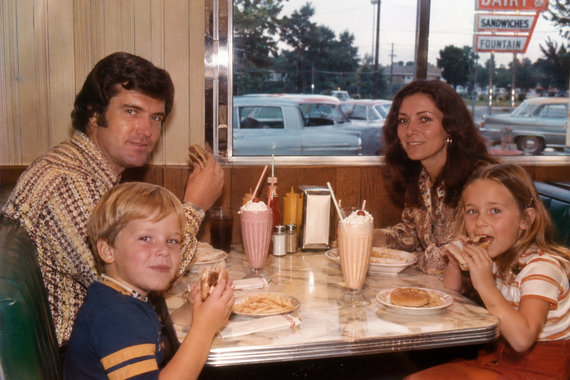
A Saturday night dinner at the local diner or casual restaurant could feel like a real treat, especially for families that usually ate at home. Kids studied the laminated menus before ordering hamburgers, hot dogs, fries, or grilled cheese sandwiches, while parents settled into a booth with coffee and conversation. And if everyone was lucky, dessert meant a thick milkshake served in a tall glass or a hot fudge sundae with a cherry on top. The food wasn’t necessarily fancy, but eating somewhere with counter stools, vinyl booths, and a busy jukebox made the evening feel special.
Sign up for our newsletter
Watching a Saturday Night Movie on Network Television
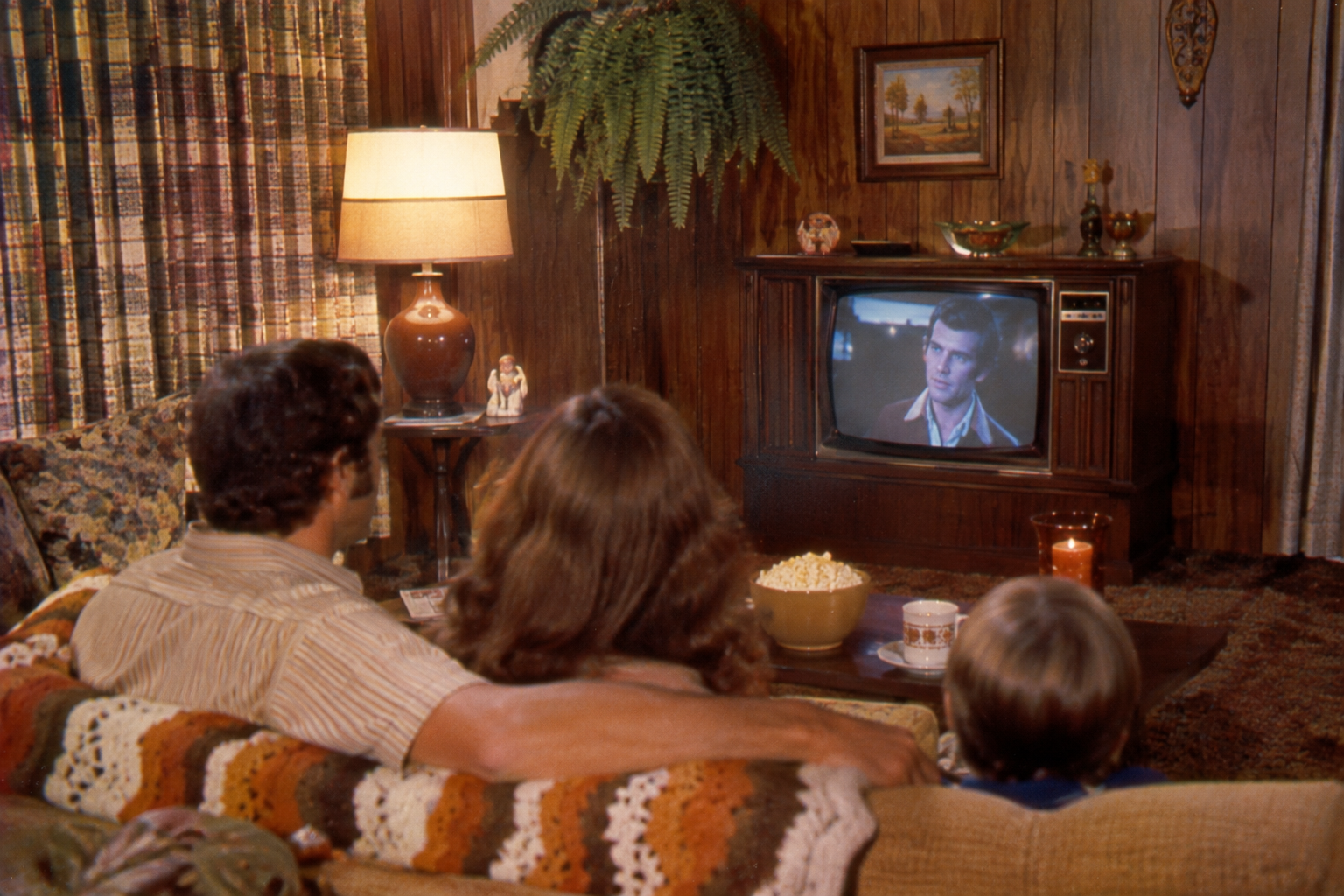
Long before families could choose practically any movie with a remote control, watching a film at home required checking the television listings and planning around the broadcast schedule. Programs like NBC’s “Saturday Night at the Movies” brought films into American living rooms, turning certain broadcasts into events worth staying home for. Parents made popcorn, kids grabbed their favorite blankets, and everyone settled in before the opening credits. Commercial breaks meant quick trips to the kitchen or bathroom, and if you missed an important scene, there was no rewinding to see what happened.
Making Homemade Popcorn and Playing Cards
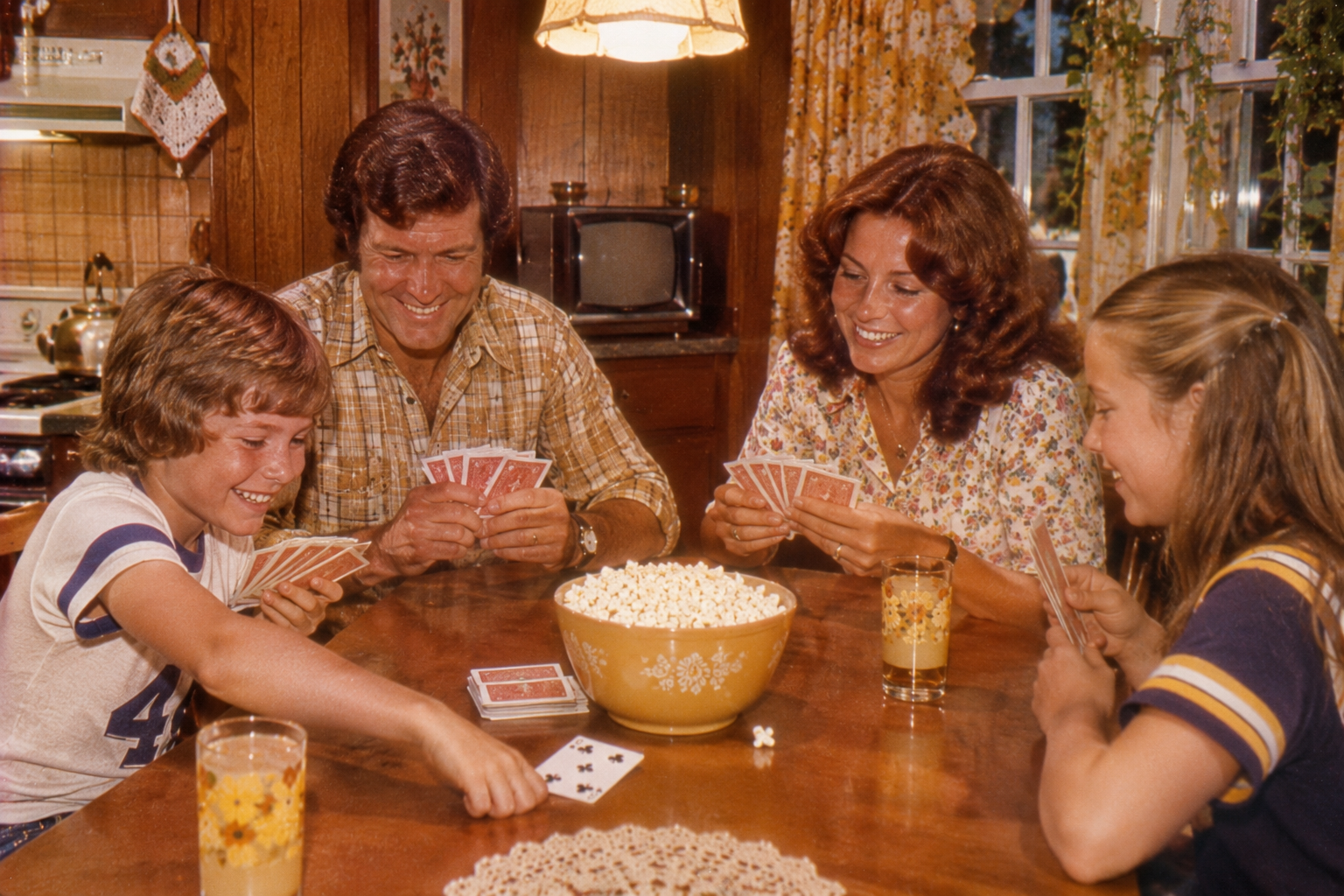
Not every Saturday night needed a television or a trip out of the house. Sometimes all it took was a deck of cards and a big bowl of homemade popcorn. Before microwave popcorn became a household staple, families often popped kernels in a saucepan on the stove or used a countertop popper. Once the snacks were ready, everyone gathered around the kitchen table for games like Rummy, Crazy Eights, or Hearts. Grandparents taught younger children the rules, siblings accused each other of cheating, and the evening could stretch on much longer than anyone expected.
Visiting a Neighborhood Arcade or Playing Early Video Games
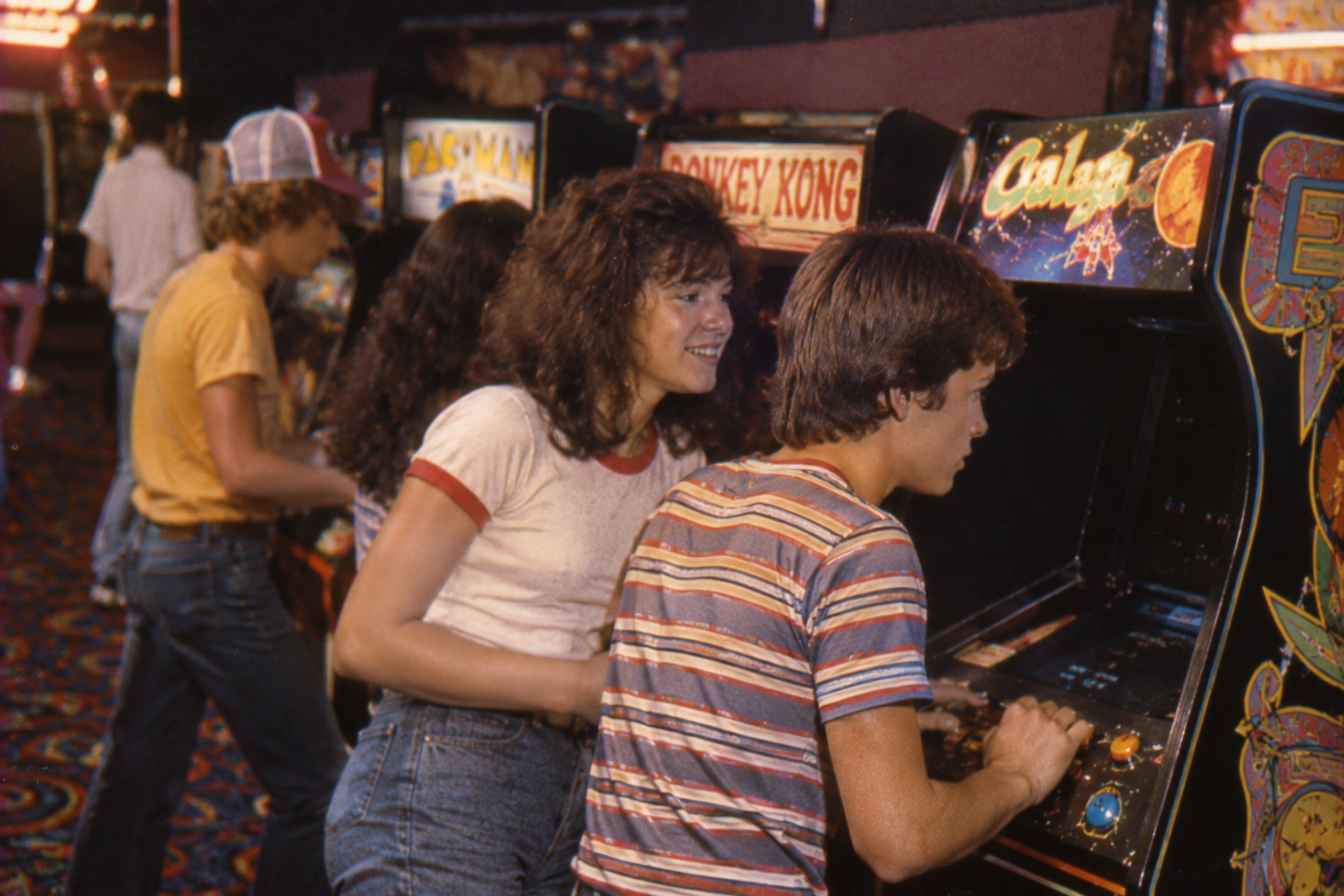
Toward the end of the decade, electronic games began changing how some families spent their free time. Older kids and teenagers might visit neighborhood arcades or game rooms to spend their quarters on machines, while households with early home consoles could experience video games without leaving the living room. The Atari Video Computer System, later known as the Atari 2600, arrived in 1977 and helped introduce a new kind of home entertainment. The graphics were simple by today’s standards, but taking turns playing games like Combat could keep kids entertained for hours. Naturally, arguments over whose turn came next were practically guaranteed.
Going to a High School Football or Basketball Game
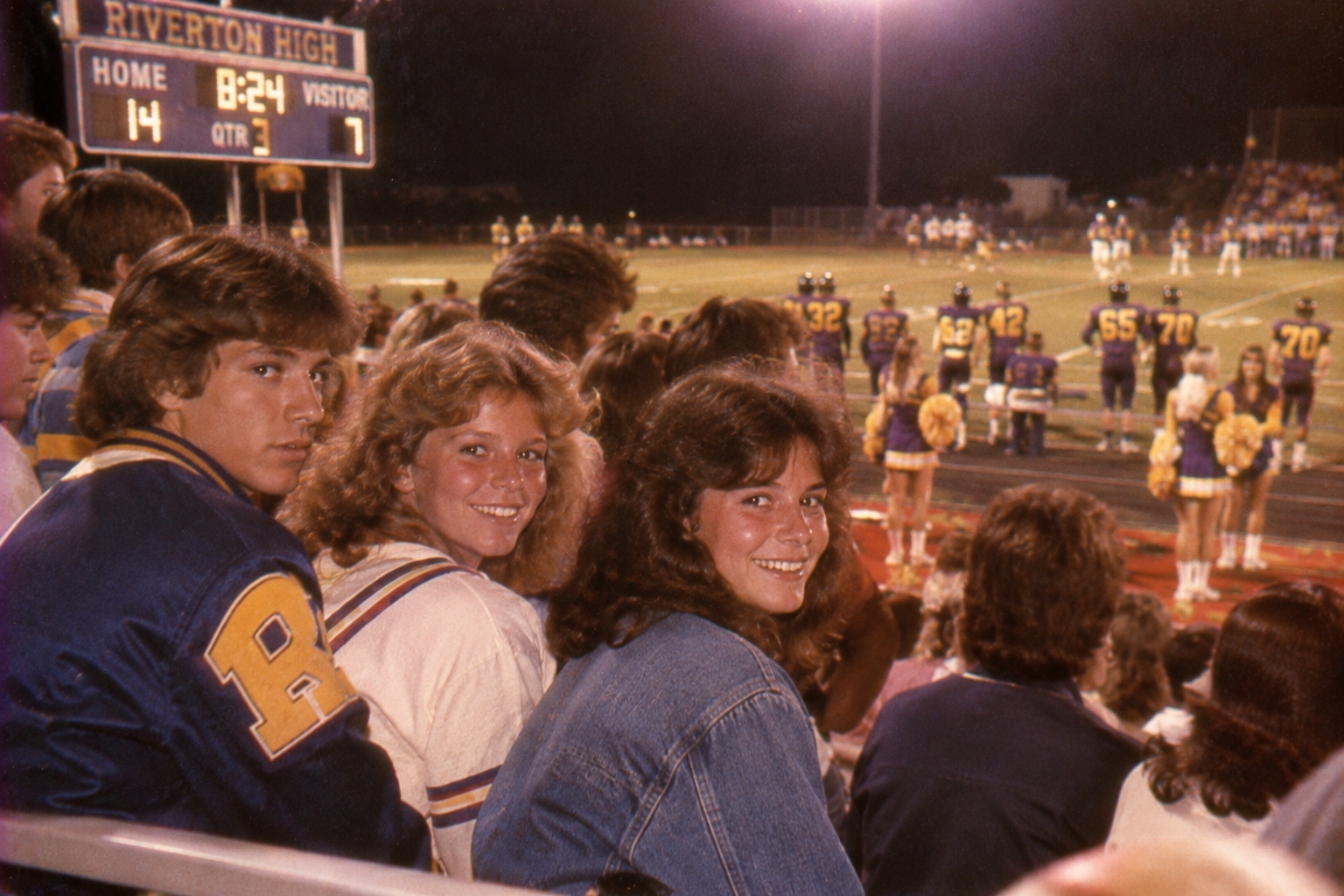
In many American towns, Saturday nights could revolve around local sports, especially when a school team had a big game scheduled. Families bundled up for football games during the fall or headed into the gymnasium for basketball during the colder months. Parents chatted with neighbors in the bleachers, younger children wandered around with friends, and the concession stand sold hot dogs, popcorn, and soda. Depending on the school, games might take place on Friday nights or other days instead, but weekend sporting events were a familiar community gathering. For some kids, watching the game was almost secondary to seeing everyone they knew.
When Saturday Nights Were All About Being Together
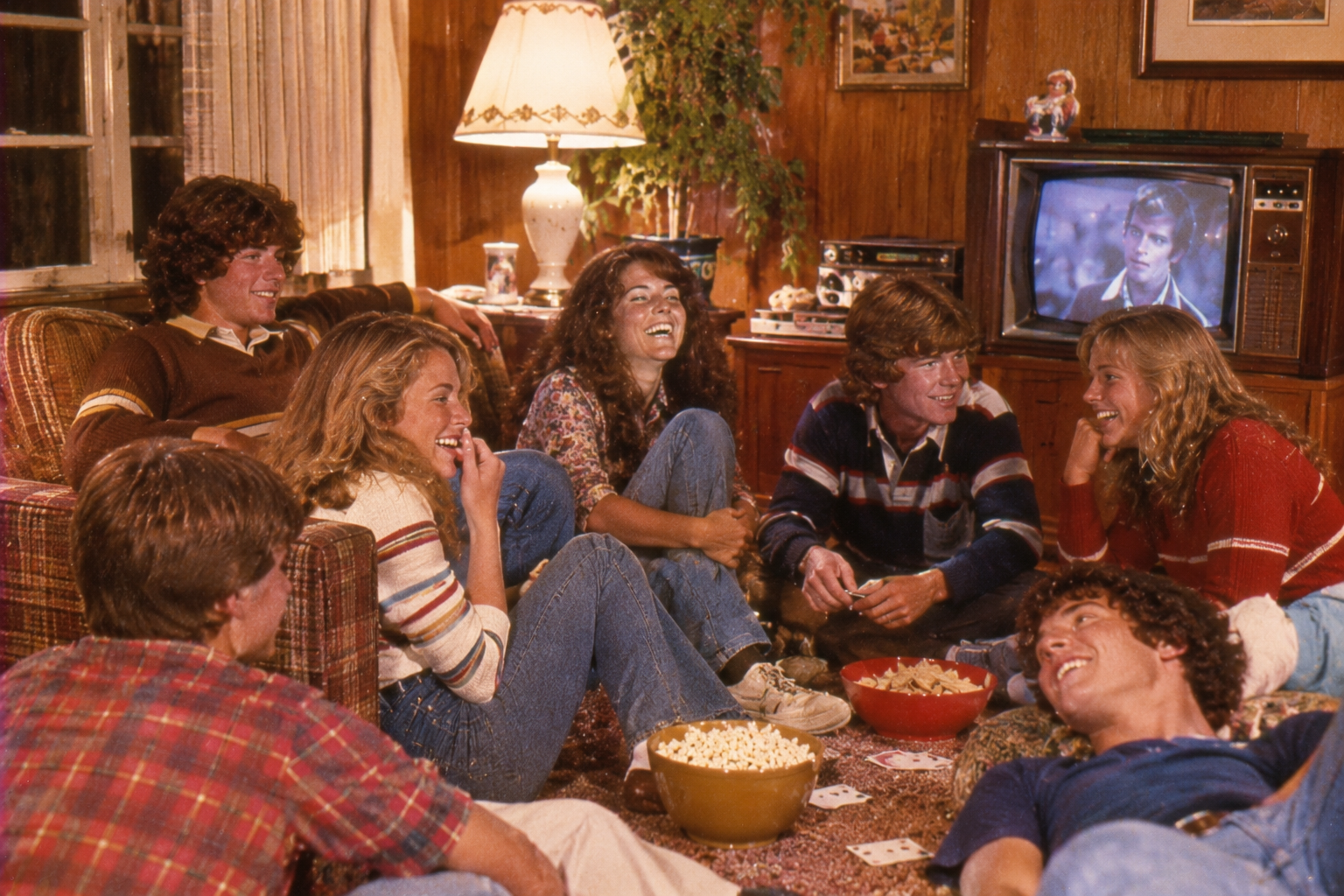
Looking back, Saturday nights in the 1970s didn’t necessarily require expensive plans or elaborate entertainment. A pizza in front of the television, a competitive board game, or an evening at the bowling alley could be enough to make the weekend feel special. And while drive-ins, roller rinks, and network television schedules gave the decade its own distinctive atmosphere, many of those activities are still around today.
Perhaps the biggest difference is how much planning entertainment once required. Families had to show up when the movie started, tune in when their favorite program aired, or find something to do with whatever they already had at home. And sometimes, those limitations made the simplest Saturday nights the ones everyone remembered.