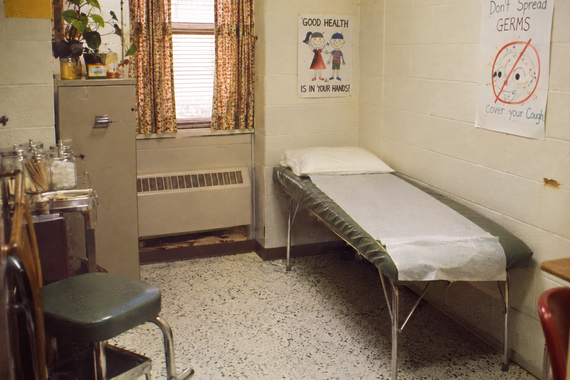
For kids growing up in the 1980s, a trip to the school nurse’s office could mean anything from a scraped knee after recess to a mysterious stomachache that conveniently appeared right before a math test. Whatever brought you there, the experience was usually pretty memorable. A typical 1980s school nurse’s office had a narrow cot covered in crinkly paper, the unmistakable smell of medical supplies, and the possibility that you might get to go home early if the nurse decided you were too sick to return to class.
Of course, school nurse’s offices weren’t exactly high-tech back then. Before digital health records, infrared thermometers, and automated medical equipment became commonplace, nurses relied on basic first-aid supplies, manual instruments, and filing cabinets stuffed with paperwork. And while some schools had dedicated health rooms staffed by full-time nurses, others made do with much smaller setups.
From old-fashioned glass thermometers to oversized hearing-test headphones, here are 12 things you might remember seeing in an American school nurse’s office during the 1980s.
A Narrow Cot With a Vinyl Mattress
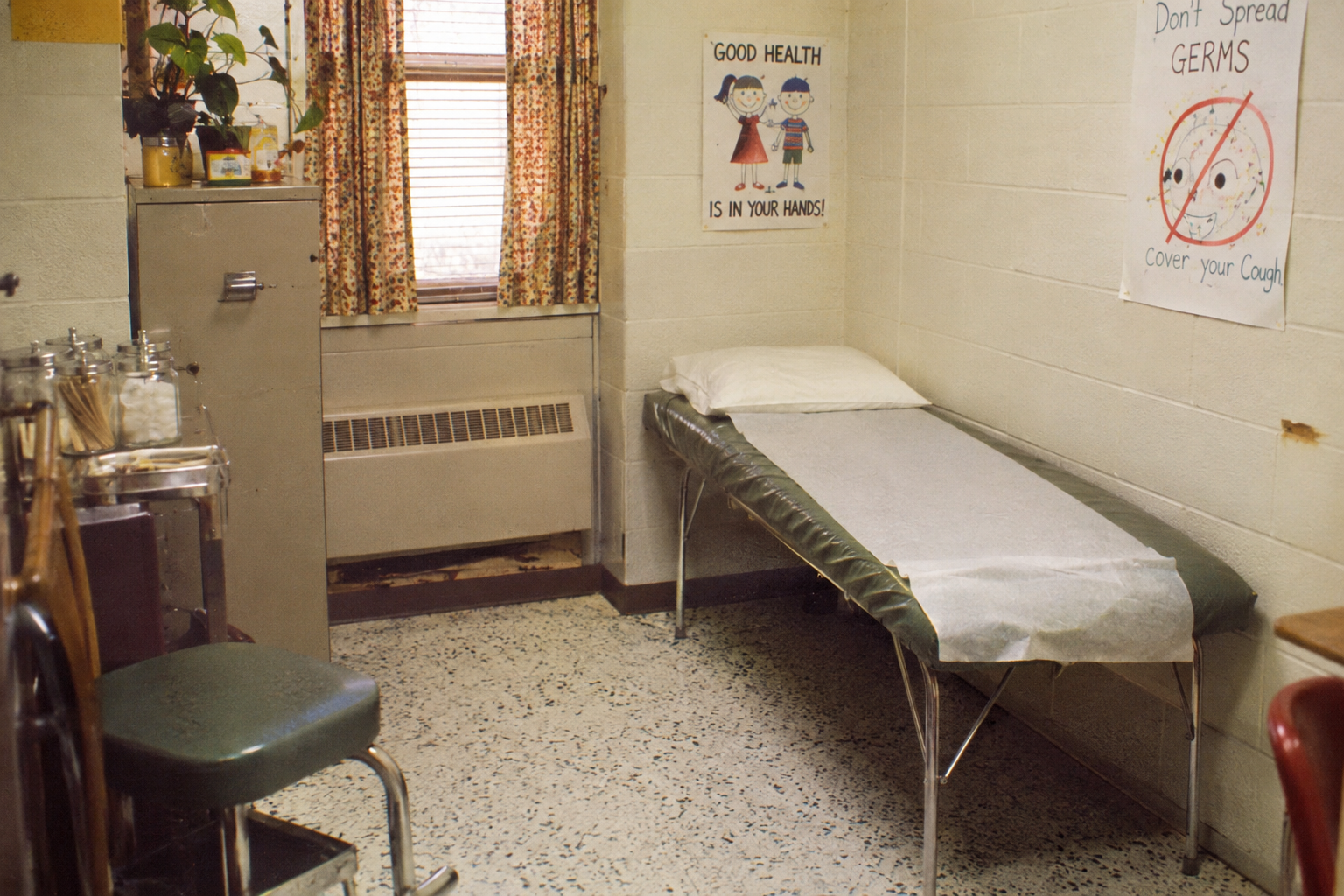
If you complained about a headache or stomachache, there was a good chance you’d end up lying on a narrow cot tucked against the wall. Usually covered with a clean sheet or a roll of disposable examination paper, it wasn’t exactly the most comfortable place to rest. Every time you shifted positions, the paper made an embarrassingly loud crinkling noise. Still, getting to lie down during school hours felt like a rare privilege, especially if the alternative was heading back to class.
A Metal First-Aid Cabinet
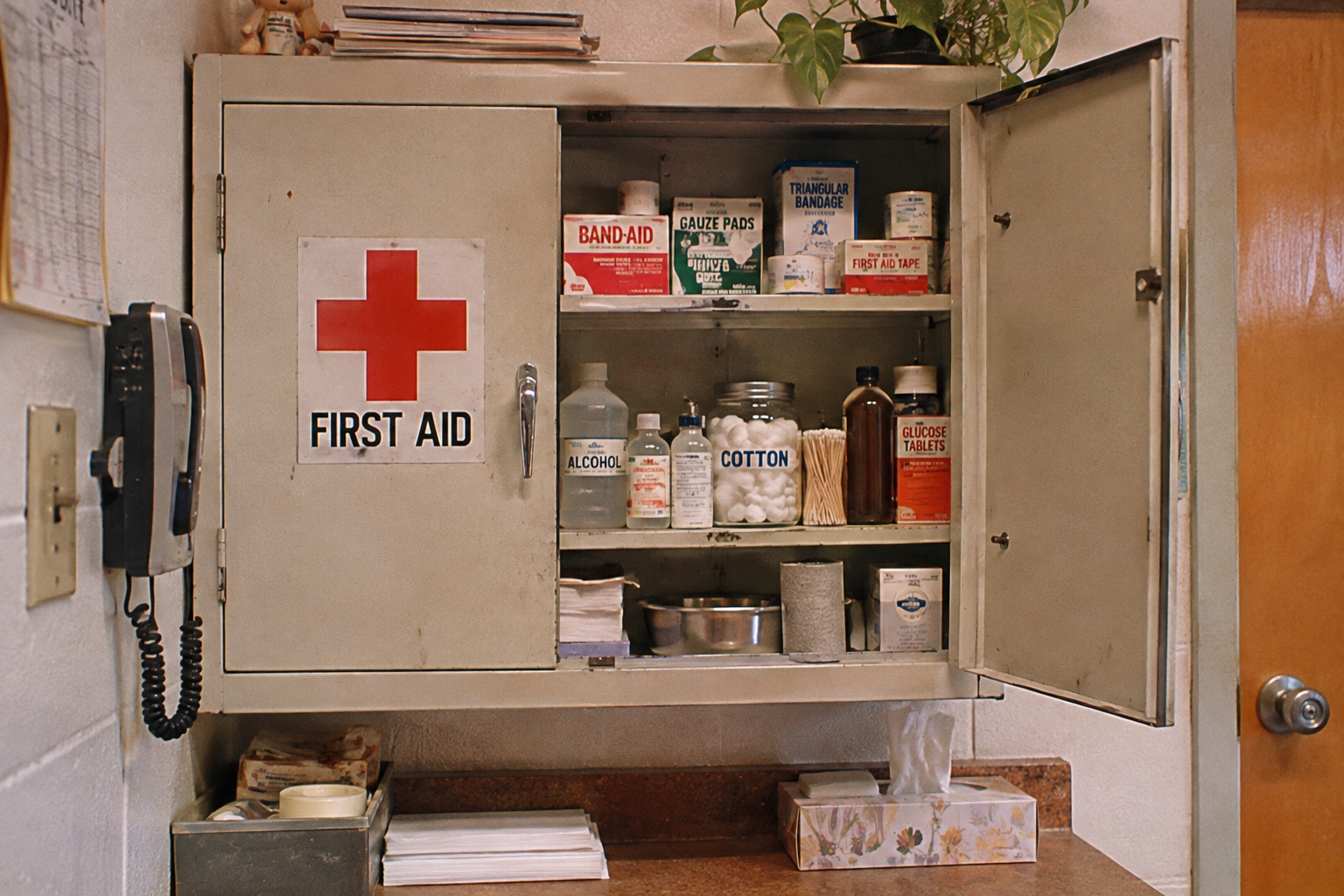
Somewhere in the room, there was usually a cabinet filled with everything needed to handle minor playground disasters. Inside were boxes of adhesive bandages, rolls of gauze, medical tape, and other supplies arranged on shelves or tucked into drawers. Watching the nurse open it was practically a ritual after falling off the monkey bars or scraping your elbow on the pavement. And somehow, even the smallest injury seemed to require rummaging through several different boxes before the right bandage appeared.
A Glass Thermometer in Its Protective Case
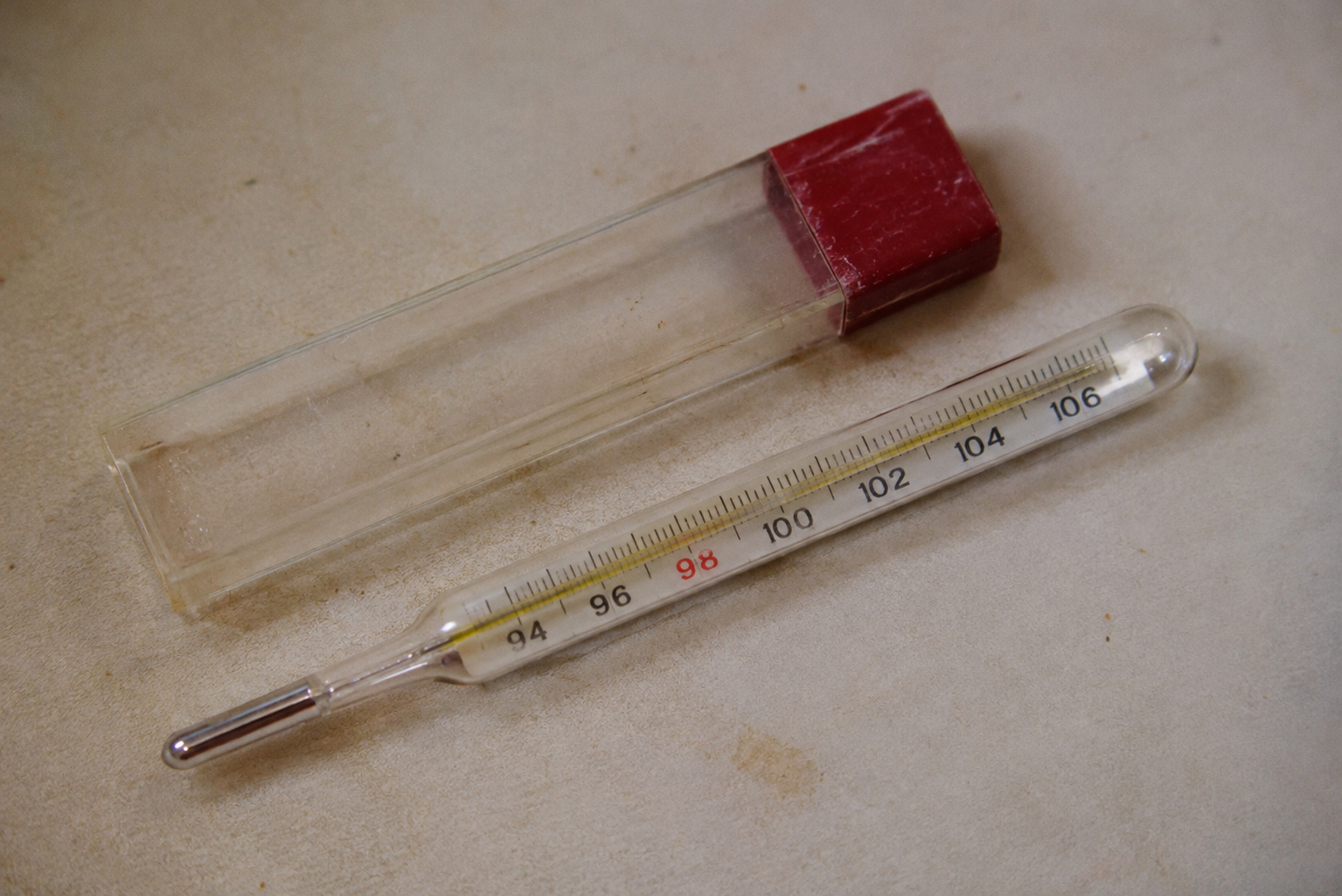
Before digital thermometers could deliver a reading in seconds, getting your temperature taken often required a little patience. Glass thermometers, including mercury-filled models, were still used during the 1980s, and nurses had to handle them carefully and wait for an accurate reading. For kids, those few minutes could feel like an eternity, especially when the result might determine whether they were sent home or returned to class. And if the nurse announced that you didn’t have a fever, your chances of escaping the afternoon spelling test suddenly looked a lot slimmer.
A Snellen Eye Chart on the Wall
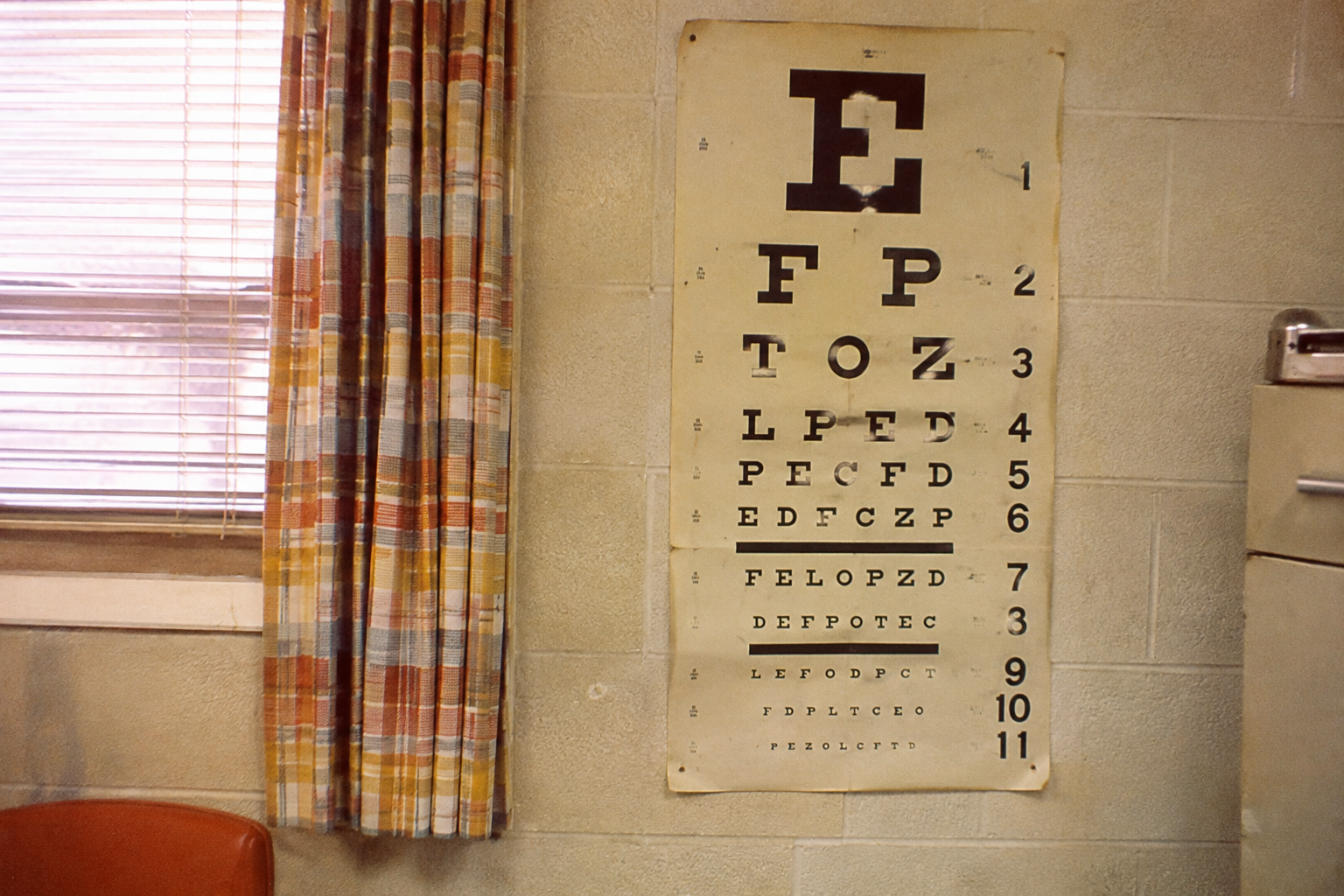
Remember standing across the room from a chart covered in rows of increasingly tiny letters? Vision screenings were a familiar part of school health programs, and the classic Snellen eye chart was one of the most recognizable pieces of equipment. Students took turns covering one eye and reading letters aloud, sometimes squinting desperately to make out the bottom rows. For some kids, the experience ended with a recommendation for an eye examination. For others, it was simply an opportunity to discover that the letters near the bottom were much harder to read than expected.
Oversized Headphones for Hearing Tests
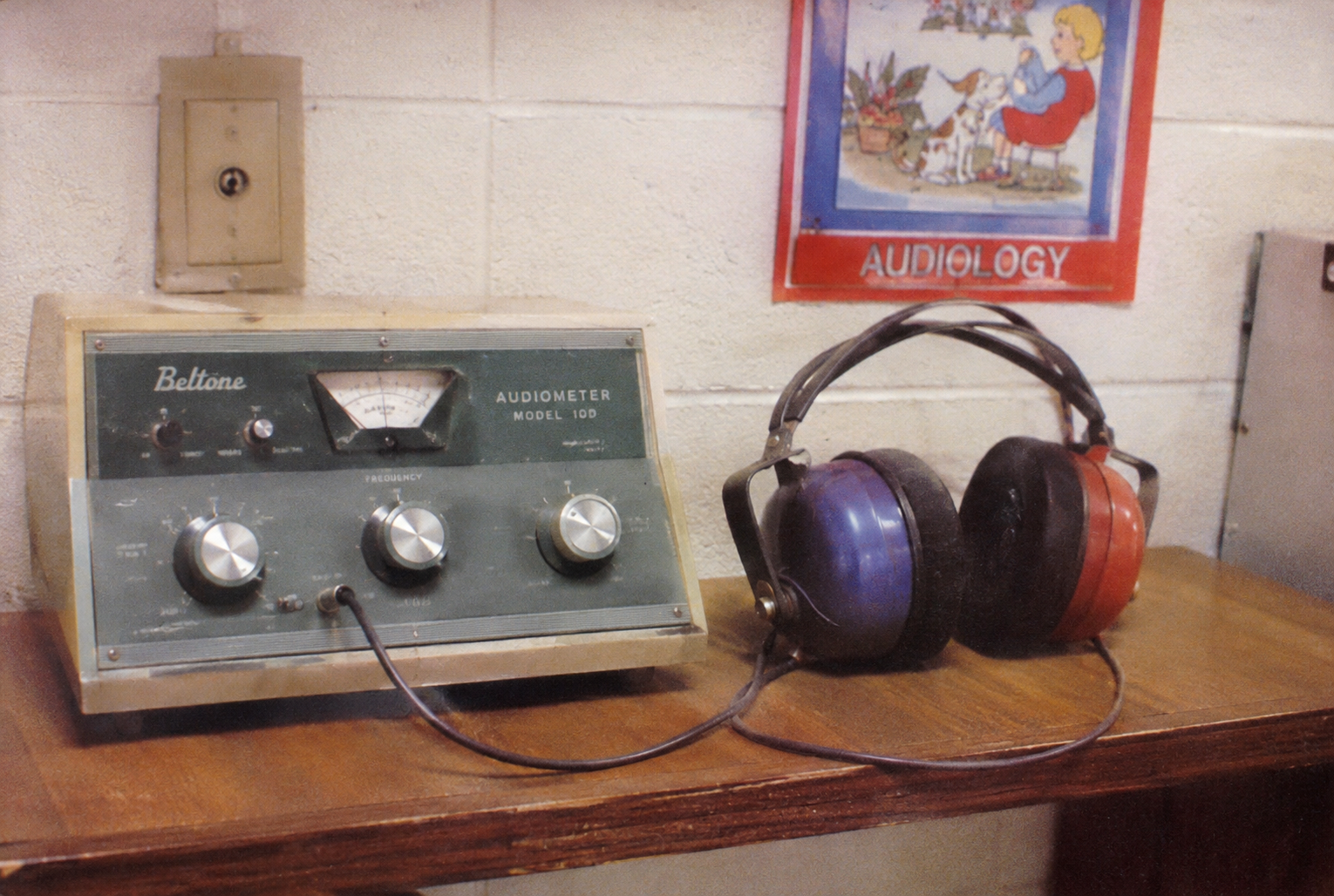
School hearing screenings often involved putting on a pair of enormous headphones connected to an audiometer and listening for a series of faint beeps. The instructions sounded simple enough: Raise your hand whenever you heard a tone. But once the test started, things got surprisingly stressful. Was that actually a beep, or were you imagining it? Should you raise your hand just in case? Some schools conducted these screenings in hallways or other quiet areas rather than the nurse’s office, but the oversized headphones and barely audible tones were memorable either way.
Trending on Cheapism


A Jar Full of Wooden Tongue Depressors
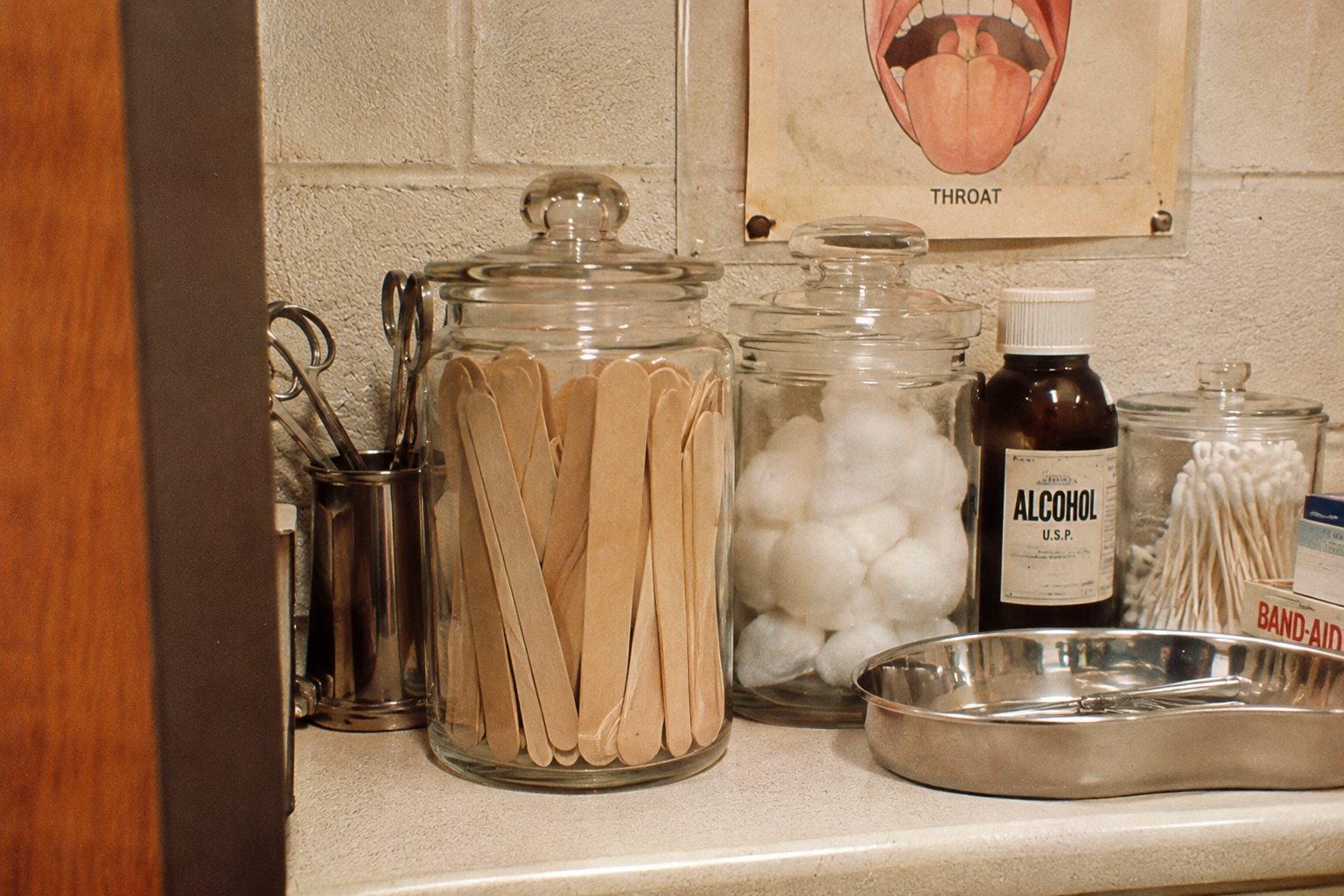
Few things made a routine visit to the nurse feel more like a doctor’s appointment than being told to open your mouth and say “ahh.” Wooden tongue depressors were a standard examination tool, often kept in a jar or container alongside cotton balls and other supplies. They were useful for getting a better look at a student’s throat, but that didn’t make the experience any more pleasant. The dry wooden stick pressing against your tongue was enough to make some kids gag, even when they weren’t particularly sick.
Cotton Balls, Gauze, and Adhesive Bandages
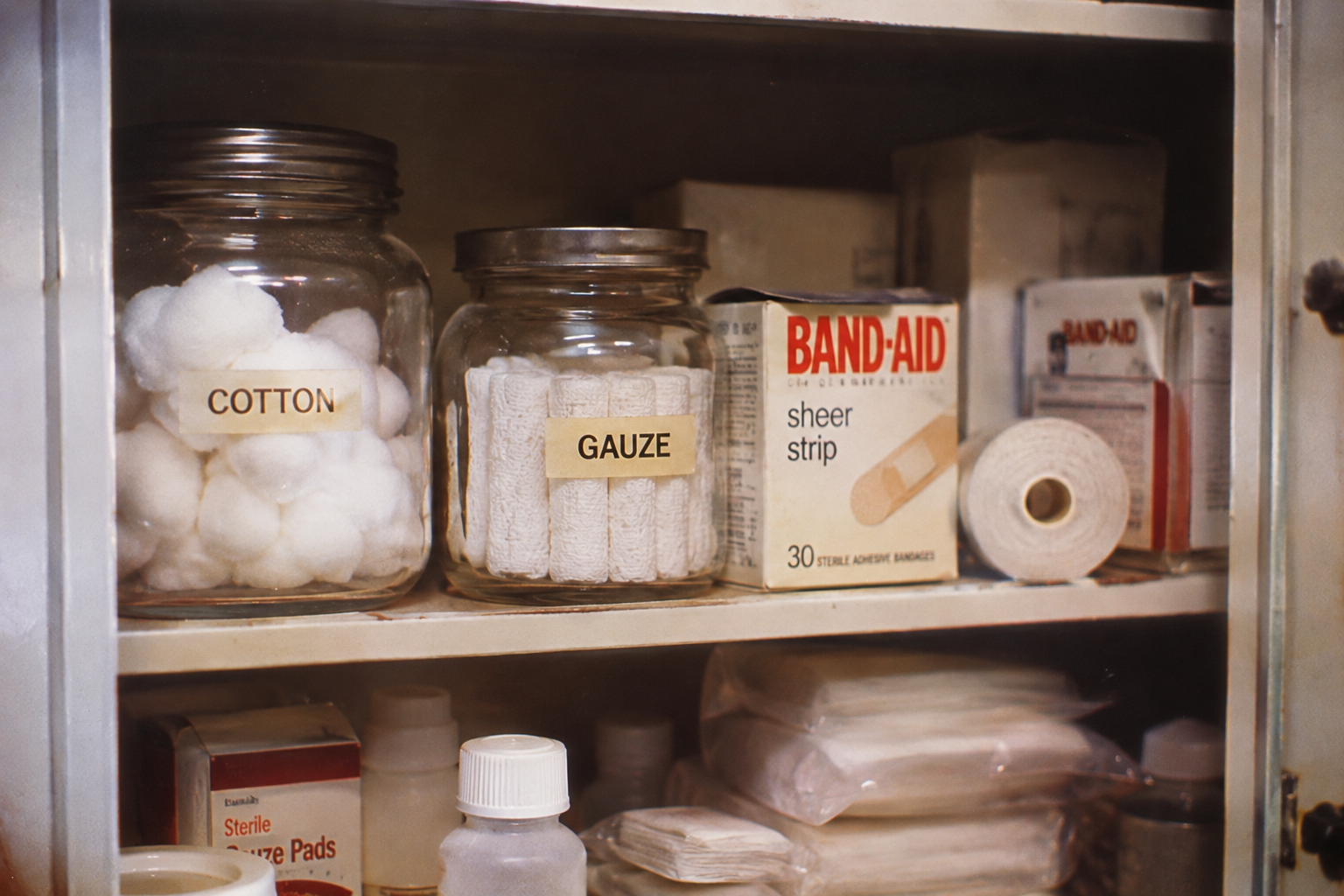
A good portion of the school nurse’s job involved dealing with the everyday consequences of childhood: scraped knees, minor cuts, nosebleeds, and the occasional playground collision. That meant keeping plenty of cotton balls, gauze pads, medical tape, and adhesive bandages within reach. Sometimes, a relatively small injury resulted in a surprisingly large bandage that immediately attracted attention when you returned to class. And while getting patched up wasn’t usually too terrible, having medical tape pulled off your skin later could be another story entirely.
An Ice Pack Wrapped in a Towel
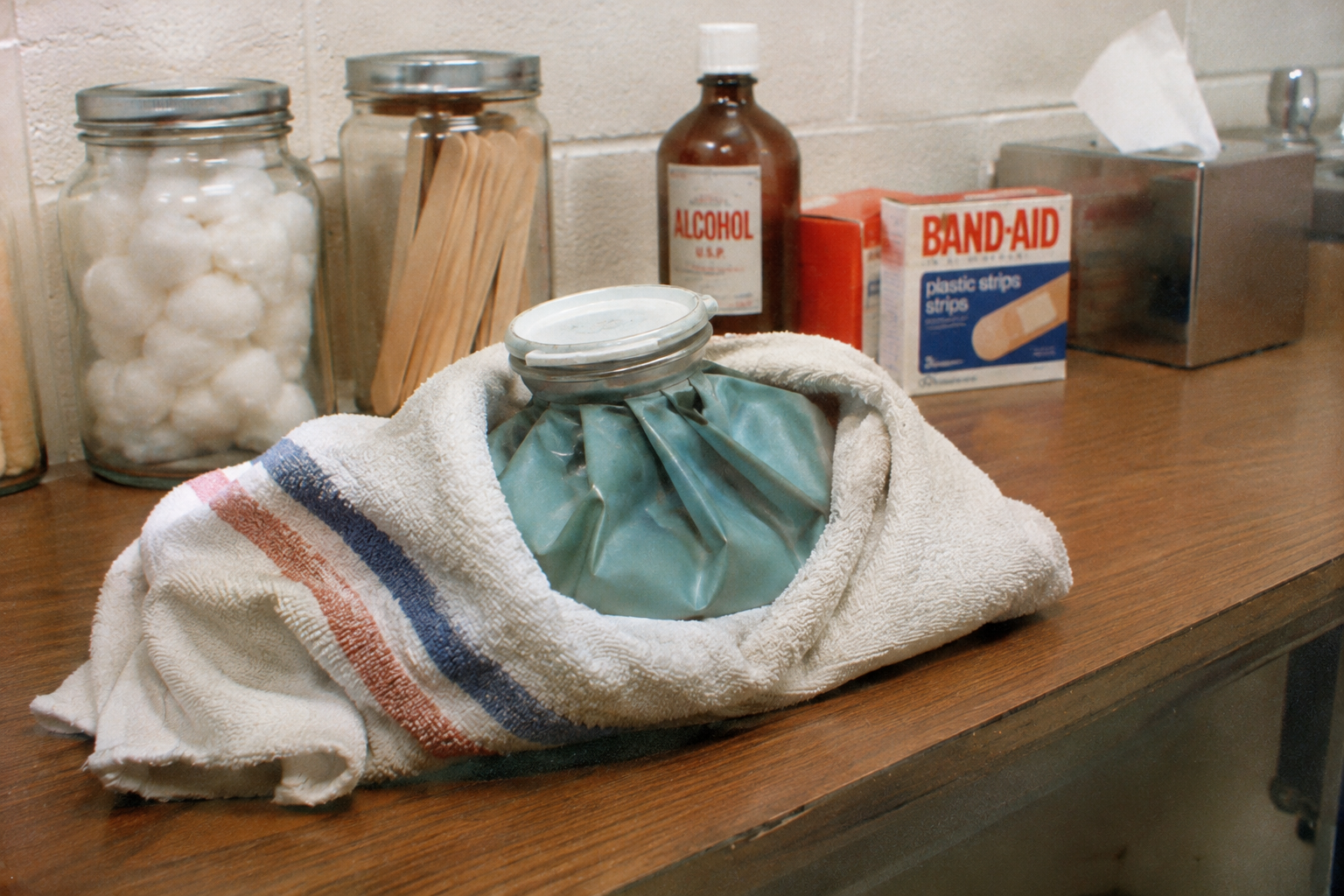
Bumped your head during recess? Twisted your ankle playing kickball? Chances are the nurse handed you something cold and told you to hold it against the sore spot. Depending on the school, that might have been a reusable ice pack, an instant cold pack, or an improvised bag of ice wrapped in a towel. Either way, the routine was familiar: Sit down, keep the ice in place, and wait to see whether the pain improved. The cold could be uncomfortable, but at least you got a legitimate excuse to miss part of the next lesson.
Sign up for our newsletter
A Mechanical Bathroom Scale
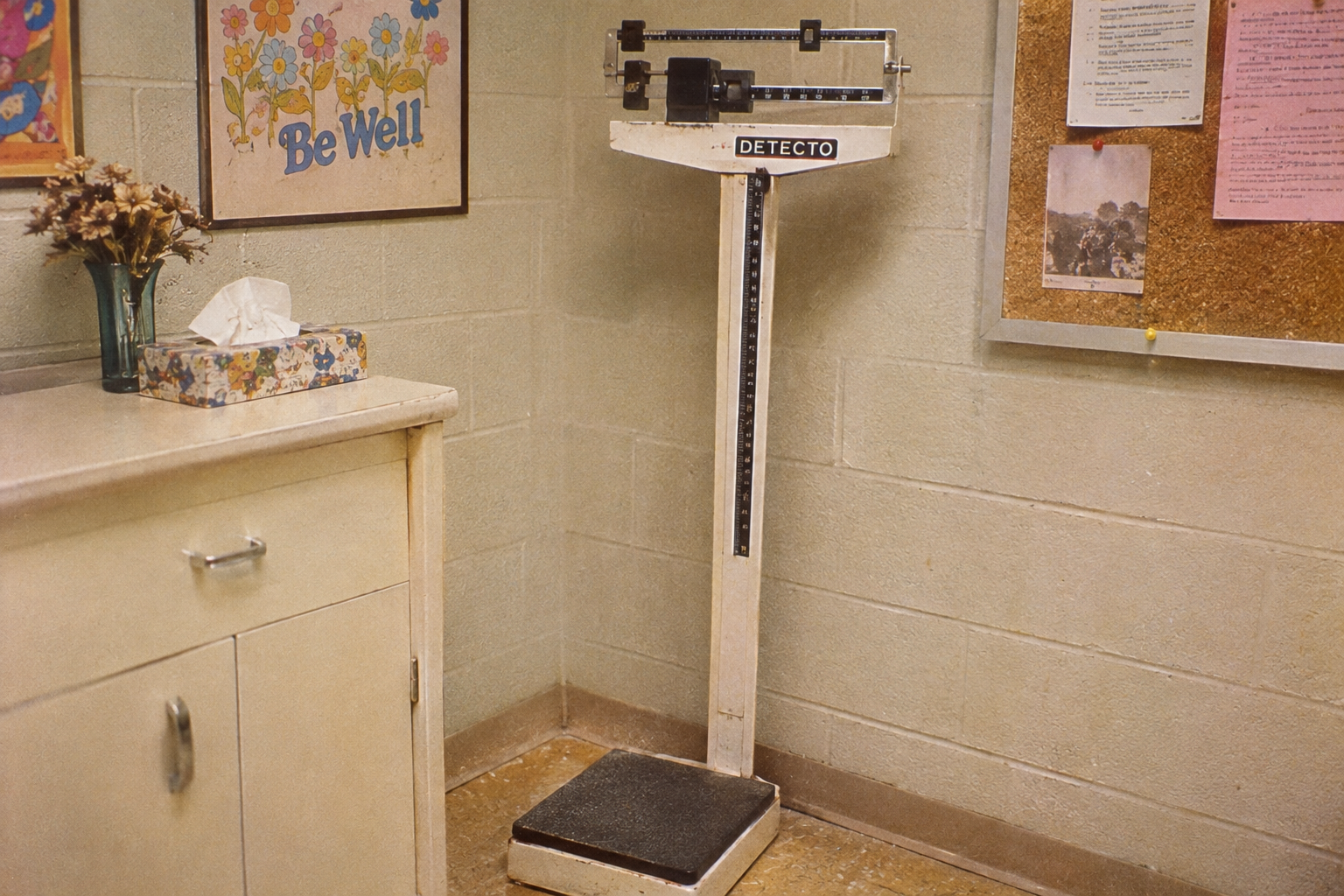
Long before digital scales became common, school health screenings sometimes involved stepping onto a large mechanical scale with a set of sliding weights. The nurse would move the little metal balances back and forth until the beam settled into position, then record the number on a paper chart. Height measurements might follow, using a measuring rod attached to the scale or a separate wall chart. Not every school conducted routine height and weight screenings, but for students who experienced them, the old-fashioned equipment was hard to forget.
A Blood Pressure Cuff and Stethoscope
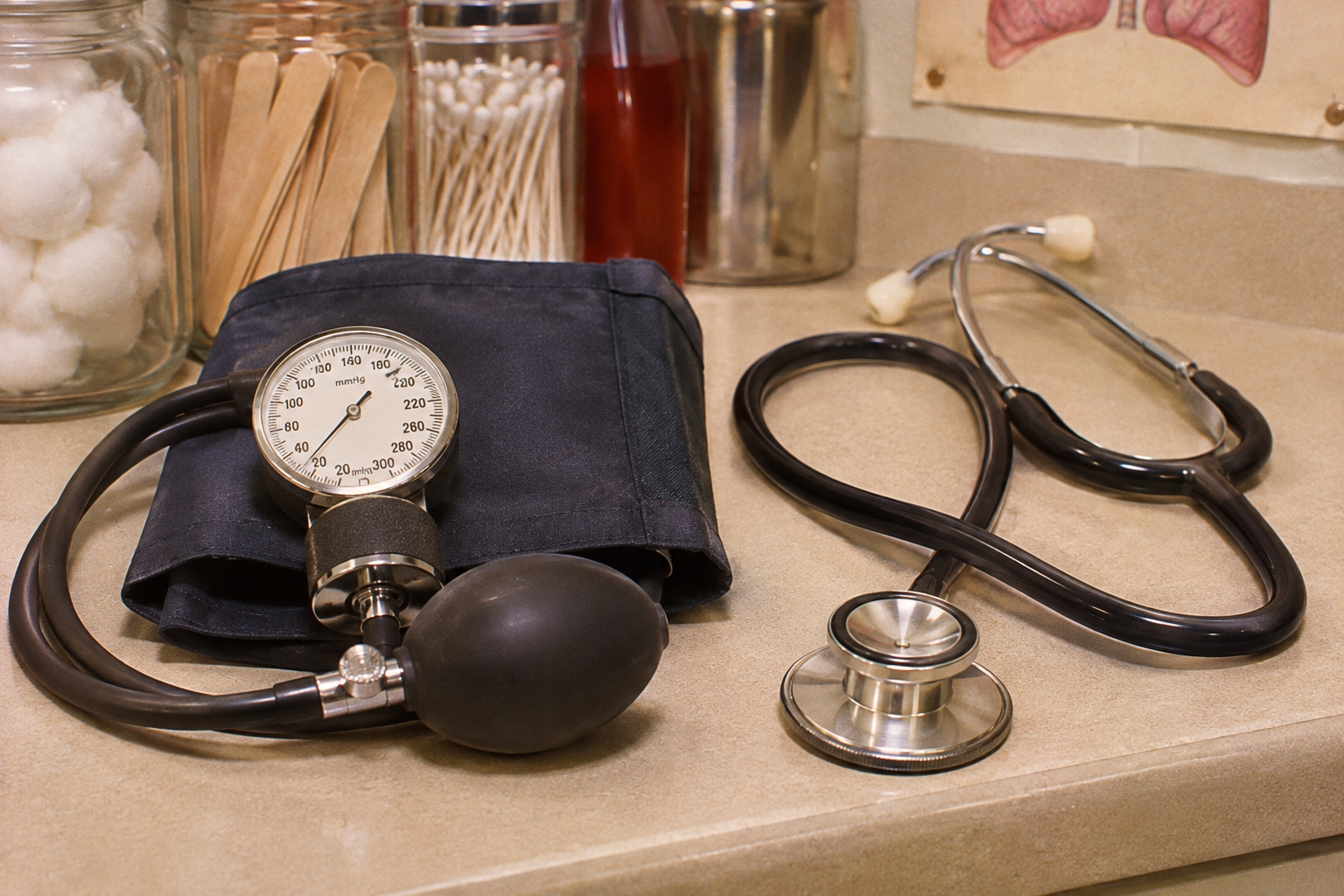
Even if you never had your blood pressure checked at school, you might remember seeing a manual cuff and stethoscope among the nurse’s supplies. The cuff wrapped around the upper arm and inflated with a rubber bulb, while a pressure gauge helped the nurse take the reading. When it was used, the tightening sensation could make an ordinary examination feel surprisingly serious. Unlike today’s automated monitors, manual blood pressure equipment required someone trained to listen through a stethoscope and interpret the measurement.
A Desk Telephone for Calling Parents
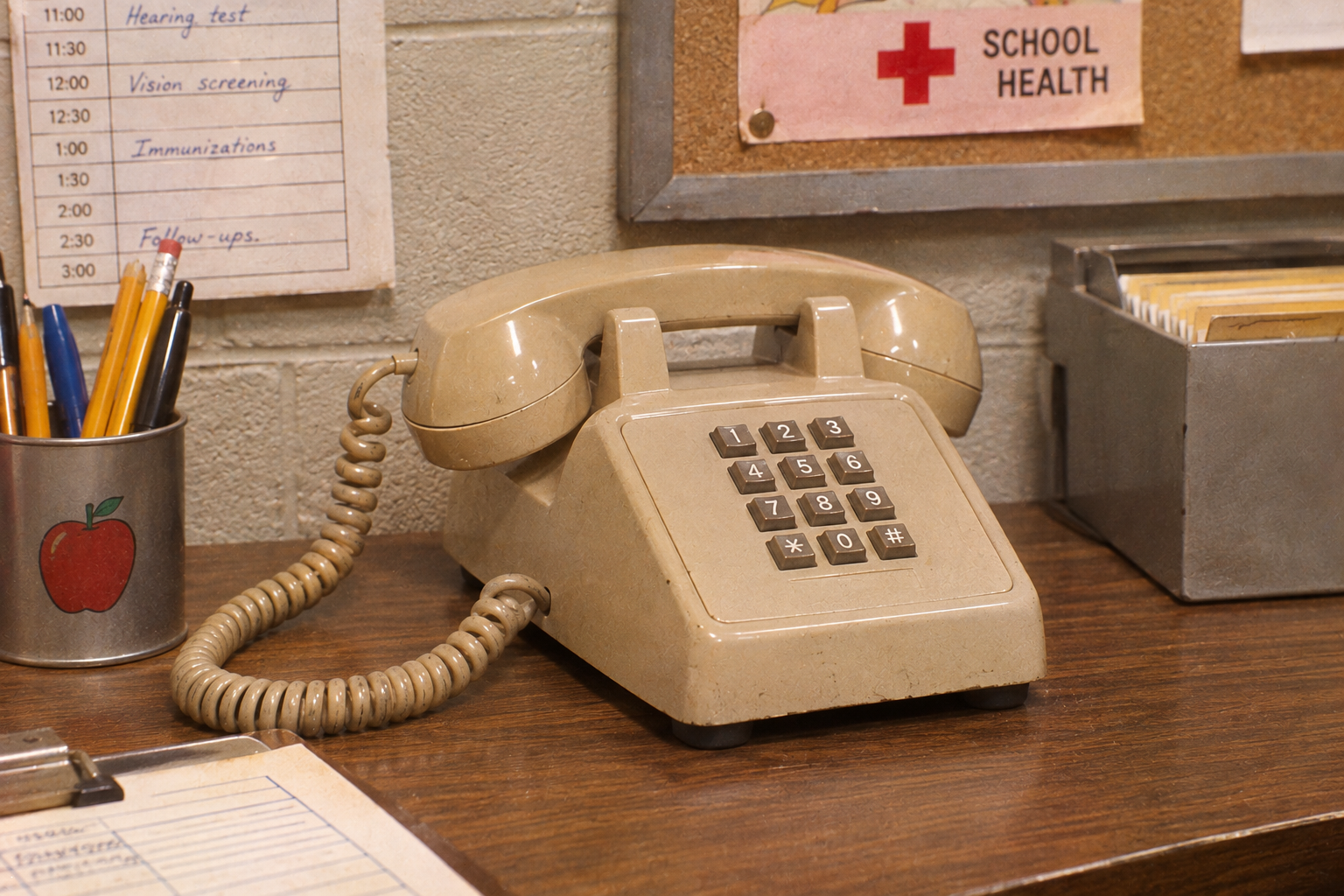
Perhaps the most important piece of equipment in the entire room wasn’t medical at all. It was the corded telephone sitting on the nurse’s desk. In the days before cellphones, getting a sick child picked up could require calling home, trying a parent’s workplace, or tracking down an emergency contact. Meanwhile, the student waited nearby, hoping someone would answer. Hearing the nurse finally announce that a parent was on the way was practically the school-day equivalent of winning the lottery, especially if you weren’t feeling quite as sick as you’d originally claimed.
Paper Health Records in Folders or Filing Cabinets
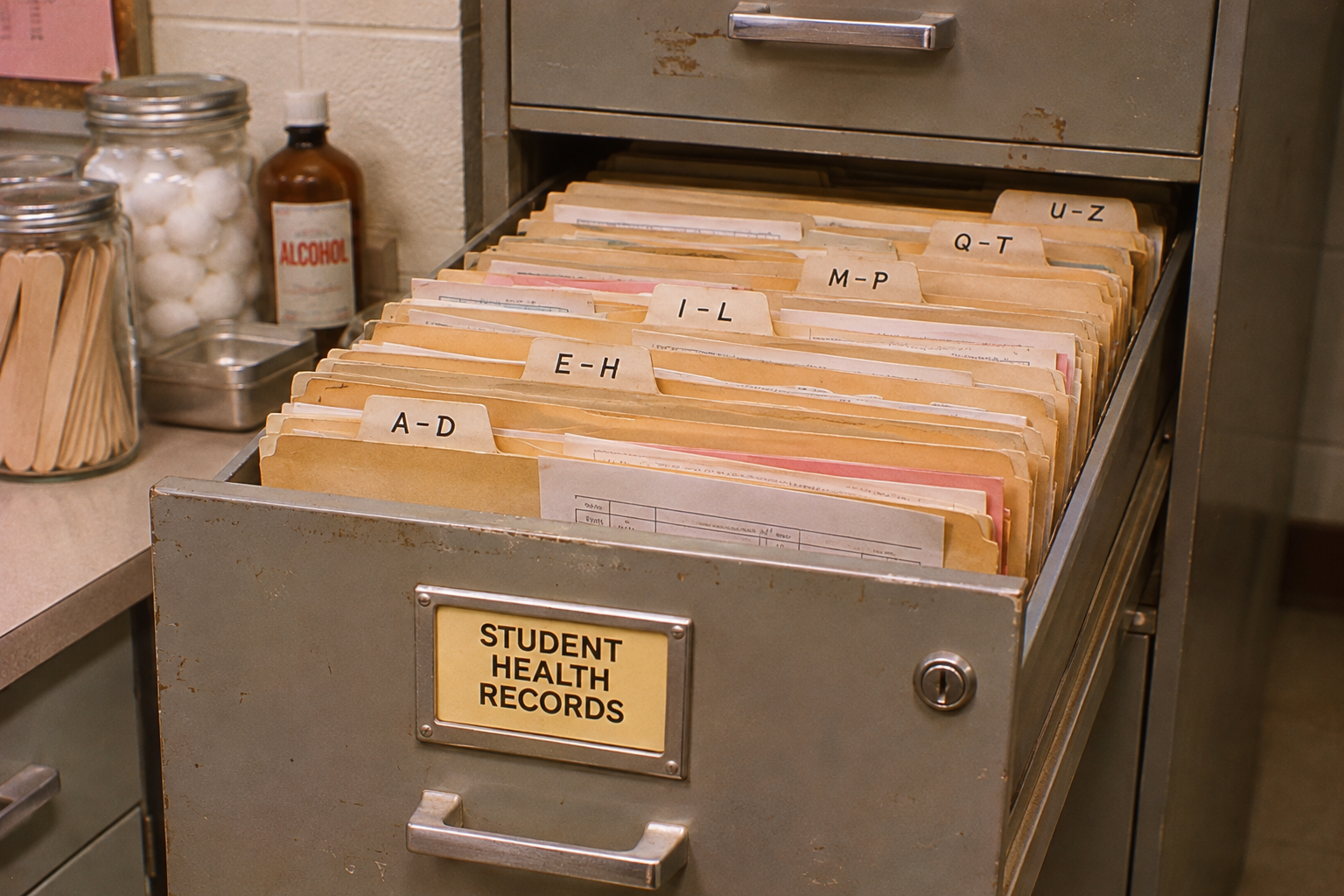
Before computerized student records, school nurses relied on paper files to keep track of medical information, emergency contacts, screening results, and other health details. That meant folders, index cards, and filing cabinets were an essential part of the office. Looking up a student’s information could involve flipping through stacks of paperwork rather than clicking a few buttons. For kids, the filing cabinets were mostly just another piece of boring school furniture. But behind those drawers was the information nurses needed to contact families, document injuries, and keep track of student health.
When the School Nurse’s Office Felt Like a Different World
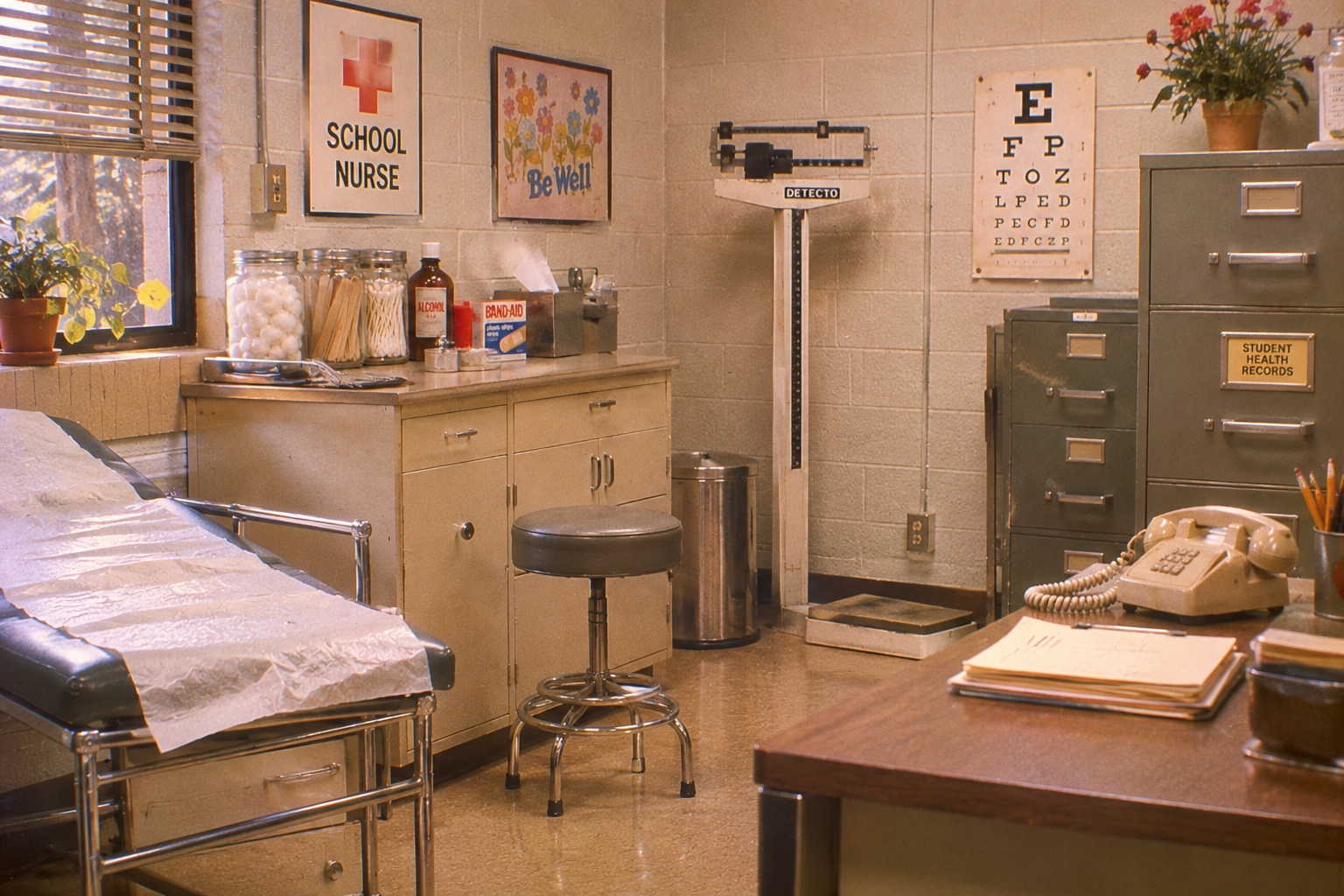
Looking back, the school nurse’s office of the 1980s was a strange little world of vinyl mattresses, glass thermometers, metal cabinets, and paperwork. Some of the equipment has changed considerably over the decades, while other familiar supplies are still used in schools today.
But what made those visits memorable wasn’t necessarily the medical equipment. It was the experience of sitting in that quiet room while the rest of the school day carried on without you, listening to the nurse make phone calls, and wondering whether you’d be heading home or returning to class. For many ’80s kids, that particular combination of nervousness, boredom, and the possibility of an early dismissal is probably the strongest memory of all.